0%

Choosing the best Cat Litter in 2026 is less about finding one perfect product and more about understanding your cat, home, and cleaning routine. A kitten in a small apartment may need different litter from a senior cat sharing a busy household. Dust near a sunny window, tracking across tile, and odor after a long workday all matter. Small details matter.

Veterinarian and feline-behavior specialist Dr. Elizabeth Bales has said, “The litter box is the most important piece of furniture in your home.” That idea shapes this guide: litter should work for the cat using it, not just look convenient on a shelf. We’ll compare common litter types, including clumping clay, paper, wood, and other plant-based options. We’ll also consider odor control, dust, texture, price, and ease of scooping. No score captures every cat.

The recommendations should be read as practical guidance, not a guarantee. Cats can reject a texture or scent that performs well in a household test, and even a well-reviewed bag may disappoint. Transition gradually, watch your cat’s habits, and keep the box clean. A sudden change in litter-box use deserves attention, not just a new product. The goal is a clearer choice, with trade-offs stated plainly.
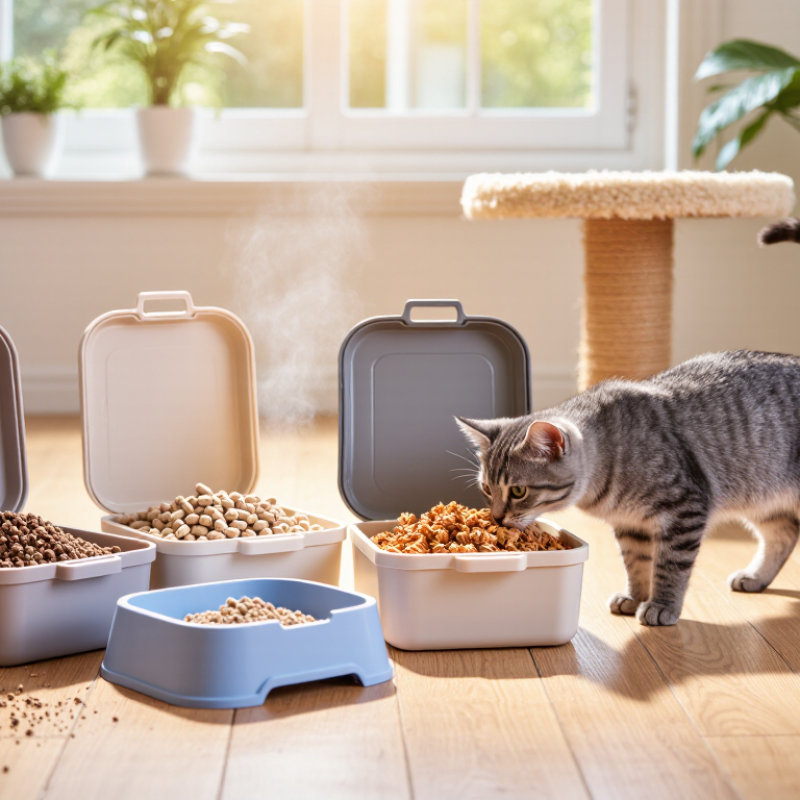
What Is the Best Cat Litter in 2026?

How Cat Litter Works and What Matters in 2026

What Is the Best Cat Litter in 2026?
How Cat Litter Works and What Matters in 2026

Cat litter manages moisture and odor, but different materials work in different ways. Clay litter often forms clumps around urine, making daily scooping straightforward. Silica crystals absorb moisture into their pores, while paper and wood products absorb liquid and may feel softer underfoot. No type suits every cat or household.

Small details matter. Watch how your cat uses the box: hesitating, avoiding it, or leaving unusually large messes can signal discomfort or a litter preference. A low-dust formula may help reduce airborne particles, though “low dust” does not mean dust-free. Dust travels. Unscented litter is often a sensible starting point, since strong fragrances can bother cats and mask changes in urine odor.

In 2026, consider more than odor control. Check the texture, tracking, weight, and how often the litter needs replacing. A mat can catch granules, but it will not stop tracking entirely. Scoop waste regularly, keep the box dry, and introduce a new litter gradually by mixing it with the old one. I’d still treat labels cautiously: claims about natural materials or easy disposal do not guarantee a product suits your cat, plumbing, or local waste system.

The Main Types of Cat Litter and Their Trade-Offs

Choosing cat litter means balancing odor control, cleanup, dust, tracking, and your cat’s comfort. Clumping clay is popular because wet spots scoop out easily, leaving the rest of the tray usable. It can be heavy, dusty, and prone to sticking to paws. Some cats accept it readily; others object to its texture. That matters.

Non-clumping clay often costs less, but the full tray usually needs more frequent replacement. Silica litter can control odor and last longer between changes, though some cats dislike its coarse feel or sound. Paper and wood pellets are lighter or less dusty options, but they may need different scooping methods. Pellets can break into damp sawdust, which can spread beyond the tray. No type wins every category.

A practical choice starts with your cat’s habits and your home. Notice whether litter reaches the hallway, whether the tray smells before cleaning, and whether your cat hesitates at the entrance. Keep the tray in a well-ventilated spot, and change litter gradually to reduce sudden texture changes. If dust bothers you, try a low-dust option and watch how your cat responds. I would not assume a more expensive litter is automatically better; convenience for the person does not always mean comfort for the cat.

How to Compare Odor Control, Dust, Clumping, and Cost

What Is the Best Cat Litter in 2026?
How to Compare Odor Control, Dust, Clumping, and Cost

The best litter is the one that fits your cat, room, and cleaning routine. Odor control depends on more than scent. A covered box can trap smells, while daily scooping removes waste before odor builds. Unscented litter may be easier for sensitive cats and people. Strong fragrance does not prove better odor control. Judge the box after several days, not after one scoop.

Dust matters when pouring and when a cat digs. Pour slowly and watch for a visible cloud near the tray. Low-dust formulas can still release fine particles. Clumping litter makes waste easier to lift, but firm clumps should hold together without crumbling into clean litter. If your cat avoids a new texture, transition gradually by mixing it with the familiar type. Cats can be particular. That is not always convenient.

Compare cost per week, not just the bag price. Include how often you replace the litter and how much sticks to paws or the scoop. A cheaper bag may need more frequent changes; a pricier one may not last as long as its label suggests. Keep notes for two weeks on odor, dust, clump strength, and usage. Those notes are imperfect, but they can reveal what a tidy first impression misses.

Choosing Litter for Your Cat’s Needs and Your Home

The best cat litter in 2026 is the one your cat will use consistently and your home can manage. Start with texture, dust, tracking, and odor control—not packaging claims. Many cats accept fine-grained, unscented litter, while a sudden switch can lead to avoidance. The AAFP/ISFM Feline Environmental Needs Guidelines recommend one litter box per cat, plus one extra. Space matters too: a box beside a noisy washer may be less appealing than one in a quiet corner. There is no perfect option. A litter that works in a spacious home may be frustrating in a small apartment.

Tips: Change one variable at a time. Put a shallow layer in a clean tray, then watch where grains collect: paws, hallway, or bedding. Scoop daily and note dust or lingering smells. If your cat stops using the box, check cleanliness, location, and health before blaming the litter.

Your household needs count as well. Lightweight litter is easier to lift, but may scatter more; clumping varieties simplify daily scooping, yet can create dust. APPA’s 2025 State of the Industry report estimates U.S. pet-industry spending reached $152 billion in 2024. That figure shows the scale of pet care, not which litter performs best. Compare materials by your cat’s response and your own routine, and reassess if either changes. A little tracking is normal; persistent box avoidance deserves attention from a veterinarian.

How to Use, Maintain, and Replace Cat Litter Safely

The best litter is one your cat uses consistently and you can maintain safely. Choose a low-dust option if you or your cat sneeze near the box, and avoid strong fragrances that may bother sensitive noses. Place the box somewhere quiet, dry, and easy to reach. Keep it away from food and water bowls. Small details matter.

Scoop clumps and solid waste at least once a day, using a dedicated scoop. Top up the litter as needed, but don’t let damp material build up at the bottom. Wash your hands after cleaning, and rinse the box with mild soap and water during full changes. A strong perfume can mask odor without fixing the source. I’d rather check the box sooner than cover a smell with more scent.

Replacement timing depends on the litter type and how many cats use the box. Follow its care directions, and change it sooner if it stays wet, smells after scooping, or irritates your cat’s paws. Empty used litter into a bag; don’t flush it, since it can clog plumbing. Keep the box clean, but avoid harsh chemical residues. If you’re pregnant or have a weakened immune system, ask a healthcare professional about safer ways to handle litter. A little routine goes a long way.

FAQS

How does cat litter manage urine and odor?

Clay can form scoopable clumps around urine. Silica crystals absorb moisture into pores, while paper and wood absorb liquid. No type fits every cat.

How can I tell whether my cat dislikes its litter?

Watch for hesitation, avoidance, or unusual messes near the tray. Texture may be the issue. I would not assume the cat is simply being difficult.

Is low-dust litter completely dust-free?

No. Low-dust formulas may reduce airborne particles, but some dust can remain. Dust travels.

Should I choose scented or unscented litter?

Unscented litter is often a sensible starting point. Strong fragrances can bother sensitive noses and mask changes in urine odor.

How often should I scoop the litter box?

Scoop clumps and solid waste at least once a day. Top up litter as needed, and check for damp material at the bottom.

When should I replace all the litter?

Timing depends on litter type and the number of cats. Change it sooner if it stays wet, smells after scooping, or irritates paws.

How can I reduce litter tracking around the home?

Place a mat outside the box to catch some granules. It will not stop tracking entirely; pellets may also break into damp sawdust.

How should I introduce a different litter?

Mix the new litter with the old one gradually to reduce sudden texture changes. Keep an eye on your cat’s response. It may take patience.

Where should I place the litter box, and how should I clean it?

Choose a quiet, dry, easy-to-reach spot away from food and water bowls. Wash the box with mild soap and water, then rinse it well.

Conclusion

Choosing the best Cat Litter in 2026 depends on how well it suits your cat, your household, and your daily routine. Litter works by absorbing moisture, containing waste, and helping manage odors, but different materials offer different trade-offs. Clay, plant-based, paper, and silica options can vary in clumping ability, dust levels, weight, environmental impact, and price. Comparing these factors alongside odor control can help you find a practical balance rather than focusing on a single feature.

Consider your cat’s preferences, age, sensitivities, and comfort, as well as the number and location of litter boxes in your home. Introduce a new litter gradually if needed, scoop regularly, and follow sensible cleaning and replacement routines to keep the box inviting. Store litter appropriately, avoid creating unnecessary dust when pouring or cleaning, and wash your hands after handling waste. The best choice is one your cat reliably uses and that you can maintain consistently.

Clara

Clara

Clara is a professional marketing specialist with a strong understanding of the company’s products, services, and the needs of the people who use them. She combines product knowledge with clear, practical communication, helping readers understand how the company’s solutions work and how they can......