1. The Transition from Clay-Based to Rapid-Clumping Bio-Based Litter
Historically, sodium bentonite clay dominated the clumping litter market due to its rapid swellability. However, rising container freight costs, eco-tariffs, and growing consumer awareness around strip-mining environmental impacts have accelerated a global shift toward plant-based alternatives. Importers in North America and Western Europe are actively procuring plant-based fast clumping cat litter that matches clay's 2-second clumping speed without the heavy weight.
2. Micro-Granulation and Crushed Texture Innovations
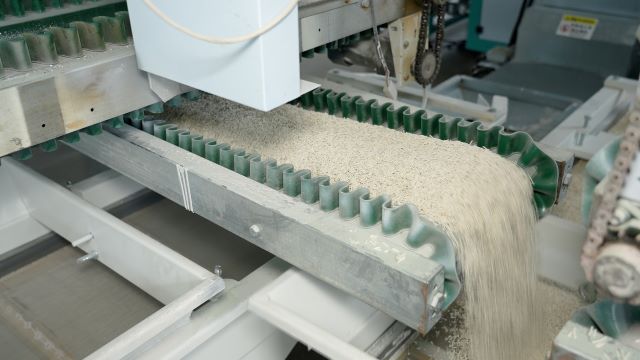
Traditional 3.0mm tofu litter pellets often faced criticism for slower absorption compared to fine clay. The market is rapidly moving toward 1.5mm micro-strips and crushed granule formats. By increasing the total surface area per gram of litter, liquid is absorbed instantly at the top surface layer, creating thinner, flatter clumps that conserve litter usage.
3. Strict Supply Chain Carbon and Chemical Compliance
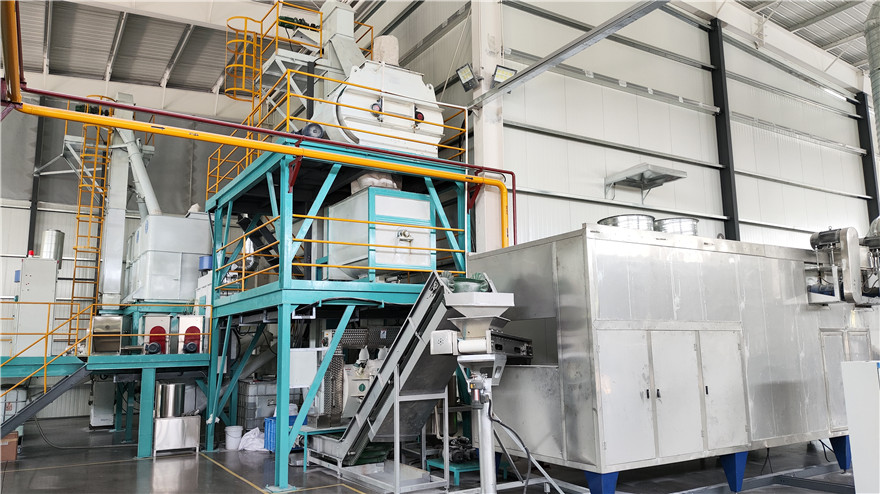
Regulatory bodies (such as EU REACH and US FDA guidelines for pet contact products) are enforcing stringent controls on synthetic adhesives, formaldehyde-releasing binders, and artificial deodorizers. Global buyers must partner with verified manufacturers capable of producing fast clumping cat litter bound purely with natural, food-grade starches and organic plant gum.