Choosing a Tofu Cat Litter supplier in 2026 takes more than comparing prices. The American Pet Products Association reported that U.S. pet-industry spending reached $152 billion in 2024, with $157 billion projected for 2025. These figures describe the wider pet market, not tofu litter sales. Still, they point to a large, competitive sector where buyers need evidence, not bold promises. A polished sample bag means little if the next shipment smells different or arrives late.
Cat-behavior expert Dr. Mikel Delgado offers a useful household benchmark: “one litter box per cat, plus one.” It is not a tofu-litter market forecast, but it reminds suppliers that product consistency affects everyday routines. Ask for clear ingredient specifications, batch-level quality checks, dust and moisture data, and realistic delivery timelines. Request samples from more than one production batch. Check how quickly the litter clumps, how it feels underfoot, and whether its scent changes after opening. Small details matter. A supplier may meet a written specification and still deliver an inconsistent experience. That deserves a second look. This guide examines how to assess manufacturing capability, documentation, packaging, communication, and total landed cost before choosing a partner. It also distinguishes verifiable performance claims from marketing language. No single checklist removes risk. Careful questions can reduce it.
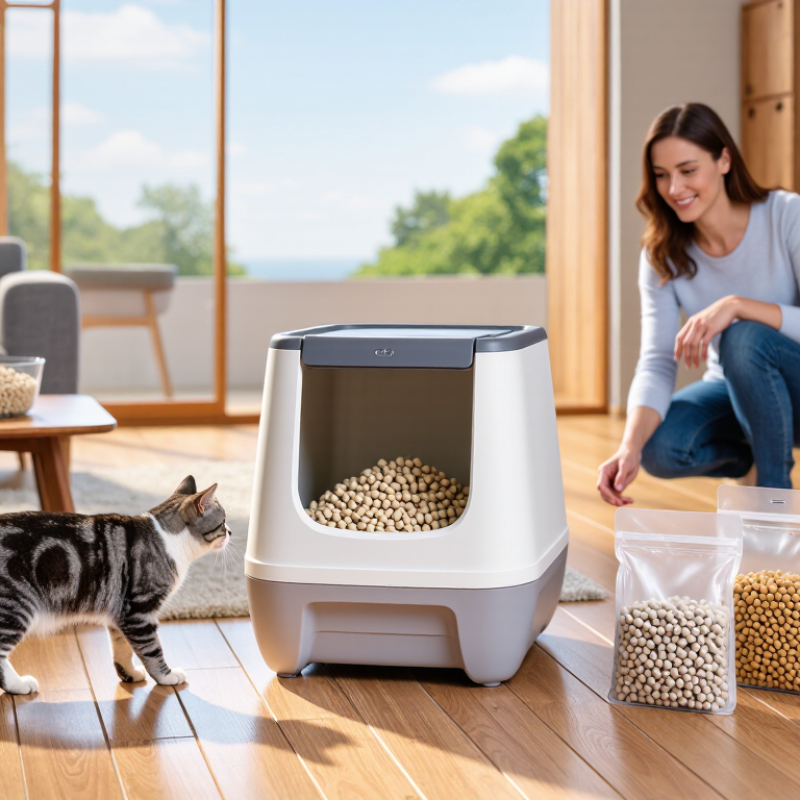
Define Your Tofu Cat Litter Requirements and Target Market
How to Choose a Tofu Cat Litter Supplier in 2026?
Define Your Tofu Cat Litter Requirements and Target Market
Before comparing suppliers, define what the litter must do for your customers. Specify pellet size, clumping speed, dust level, scent, and disposal guidance. Decide whether you need standard or finely screened granules, and note the bag sizes your sales channels can handle. Start with evidence. Check customer feedback, competitor packaging, and shelf prices in your target region. Your first estimate may be wrong, so treat it as a working assumption.
Tips: Request samples from several suppliers. Test them in the same tray, using equal amounts of litter. Record dust during pouring, clump strength after use, and odor control over several days. Keep notes; memory is unreliable.
Define your main buyer: a single-cat apartment household, a multi-cat home, or a retailer seeking practical bulk packs. These groups may value different features. Apartment owners might prioritize compact bags and low dust, while multi-cat households may focus on odor control and cost per use. Consider local storage conditions, too. High humidity can affect product handling, so ask suppliers about moisture controls, sealed packaging, and batch consistency. Do not rely on a polished sample alone; request specifications and compare later production batches against your requirements.
FAQS
Set target pellet size, clumping speed, dust level, scent, and bag sizes. Decide whether you need standard or finely screened granules.
Use equal amounts in the same tray. Record dust while pouring, clump strength after use, and odor over several days. Keep notes.
Apartment households may prefer compact bags and low dust. Multi-cat homes may value odor control and cost per use. Check local storage conditions, too.
Request a recent specification sheet listing ingredients, particle size, moisture range, and dust controls. Ask for available test reports, safety data, and batch records. No test answers everything.
Request samples from several batches and compare them with written specifications. Ask about moisture checks, granule variation, traceable lot codes, and retained samples. One polished bag proves little.
Ask how incoming plant-based materials are screened and how processing and storage are controlled. Confirm that fragrances and other additives are clearly disclosed.
Ask which standards and labeling rules apply in each market. Verify supplier documents against current official guidance, including material and disposal claims.
Ask for monthly saleable output, recent utilization, and the time needed to add a shift. Compare those figures with your forecast, not an optimistic estimate.
Request on-time, in-full delivery records for the past 12 months. Ask about backup ports, carriers, inventory plans, and recovery timelines after production stops.
Keep written answers and compare later batches with your requirements. One audit captures only a moment; it cannot guarantee year-round consistency.
Conclusion
Choosing a Tofu Cat Litter supplier in 2026 starts with a clear understanding of your product requirements and target customers. Consider preferred litter texture, odor control, absorbency, packaging, and the needs of the markets you plan to serve. Then assess product quality and safety by requesting samples, reviewing ingredient and production information, and checking that the supplier can provide relevant testing and regulatory documentation for your intended sales regions.
Next, evaluate the supplier’s manufacturing capacity, quality controls, lead times, and ability to maintain reliable supply as demand changes. Compare pricing alongside minimum order quantities, shipping arrangements, payment schedules, and contract terms to understand the full cost and level of flexibility. Before making a final choice, verify the supplier’s business credentials, request references where appropriate, and communicate expectations clearly. A careful, structured evaluation can help you select a dependable partner and offer Tofu Cat Litter that meets customer needs consistently.
