Plant-Based
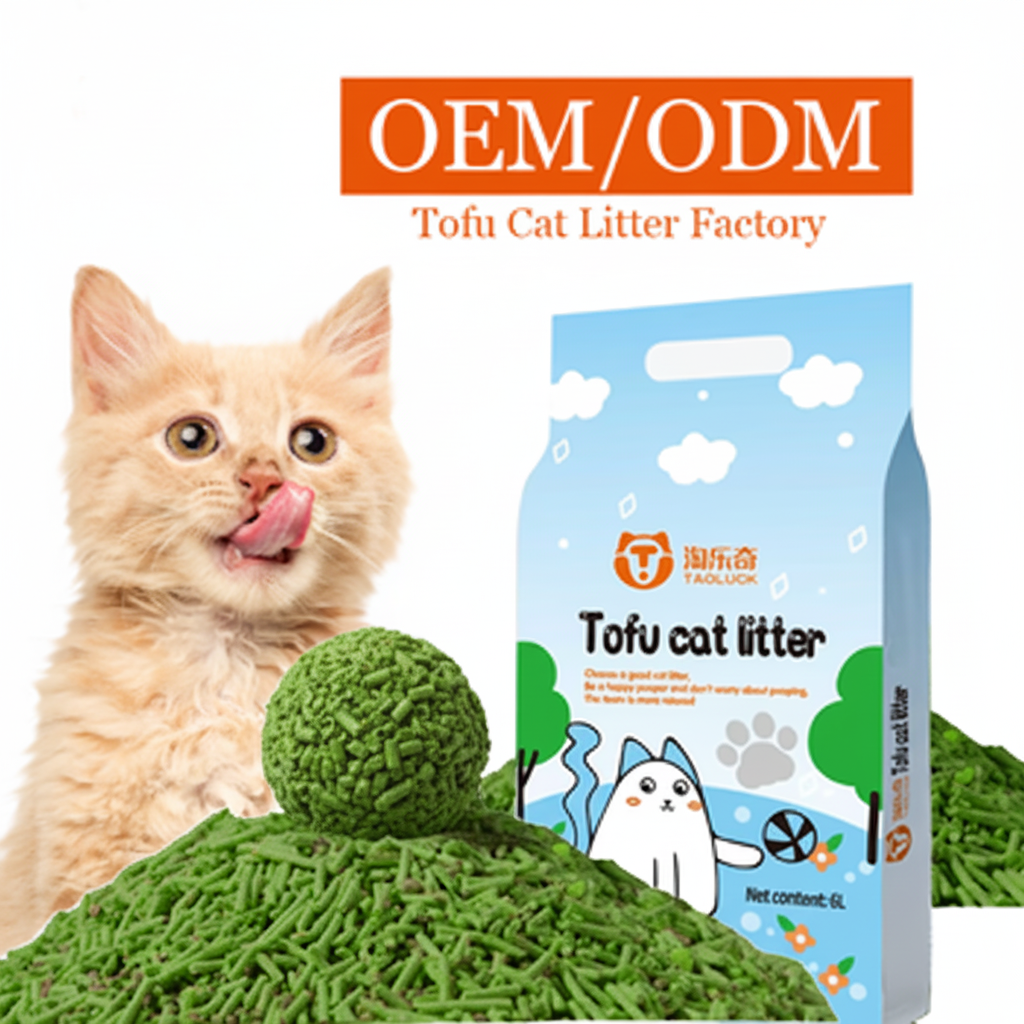
Cat Litter Premium Tofu Wholesale Efficient Odor Control 100 Dust Free Clumping Cat Litter Tofu Kitty Litter
- Natural Soybean Okara Base
- Zero Airborne Crystalline Silica
Modern Production Facility
Dedusted Granule Purity
Hydrophilic Clump Lock
Flexible Minimum Bag Runs
Explore our top export-grade clumping substrates. Each line is precision-engineered using botanical fibers, food-grade starches, or selected minerals to satisfy strict European, American, and Asia-Pacific veterinary standards.
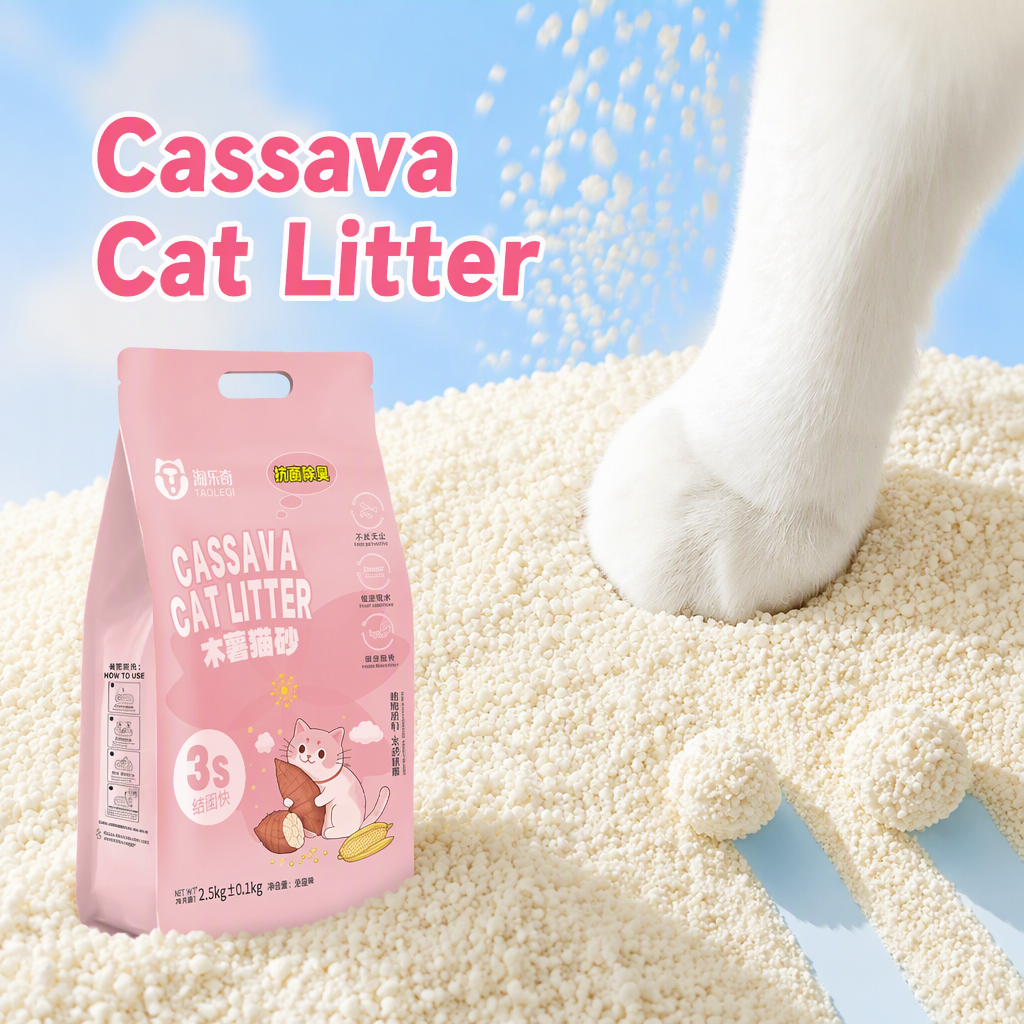
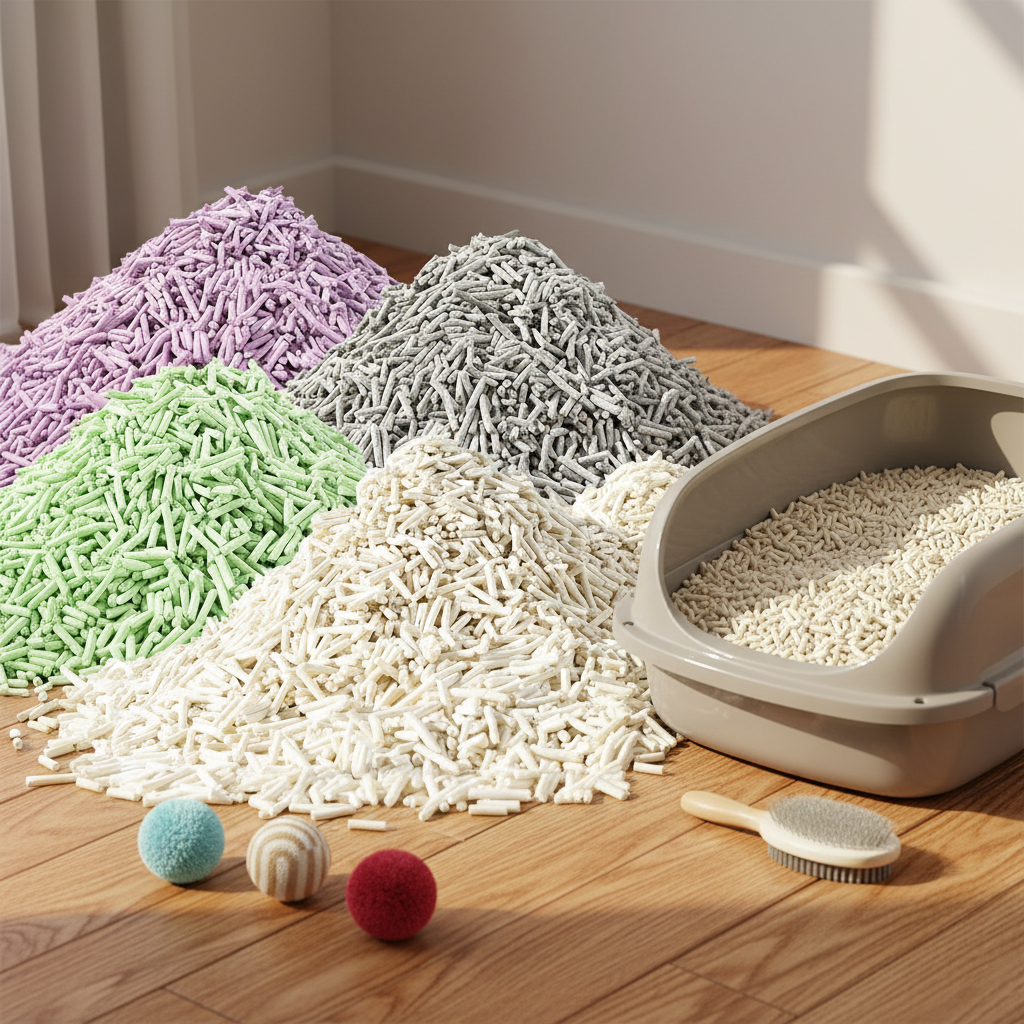
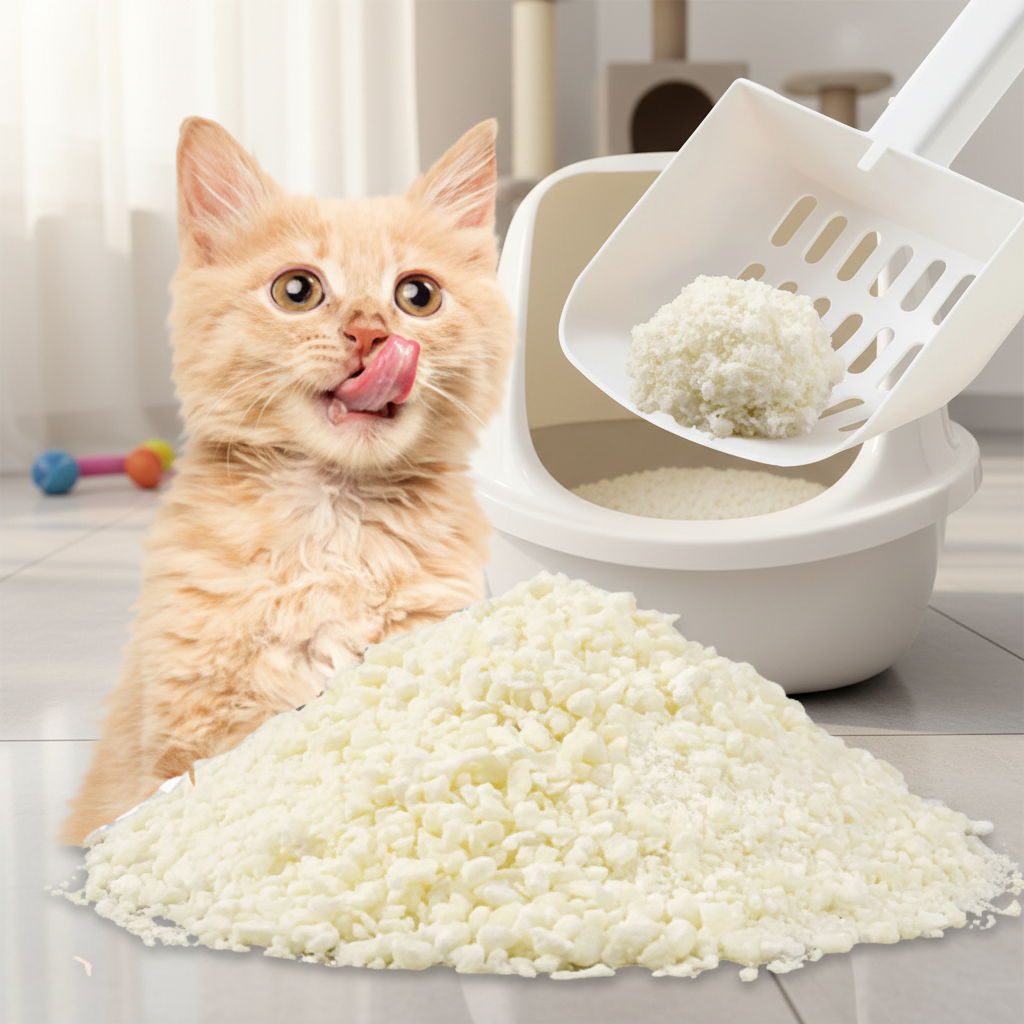
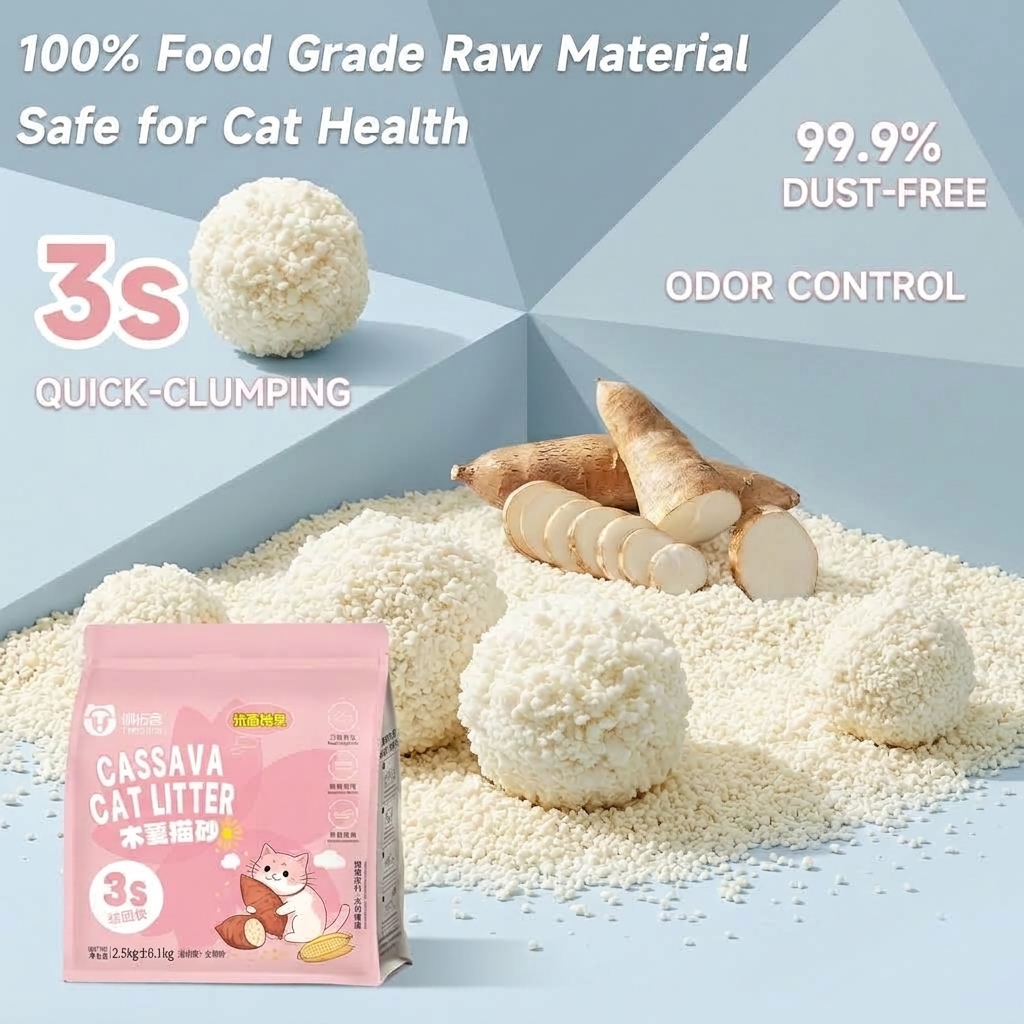
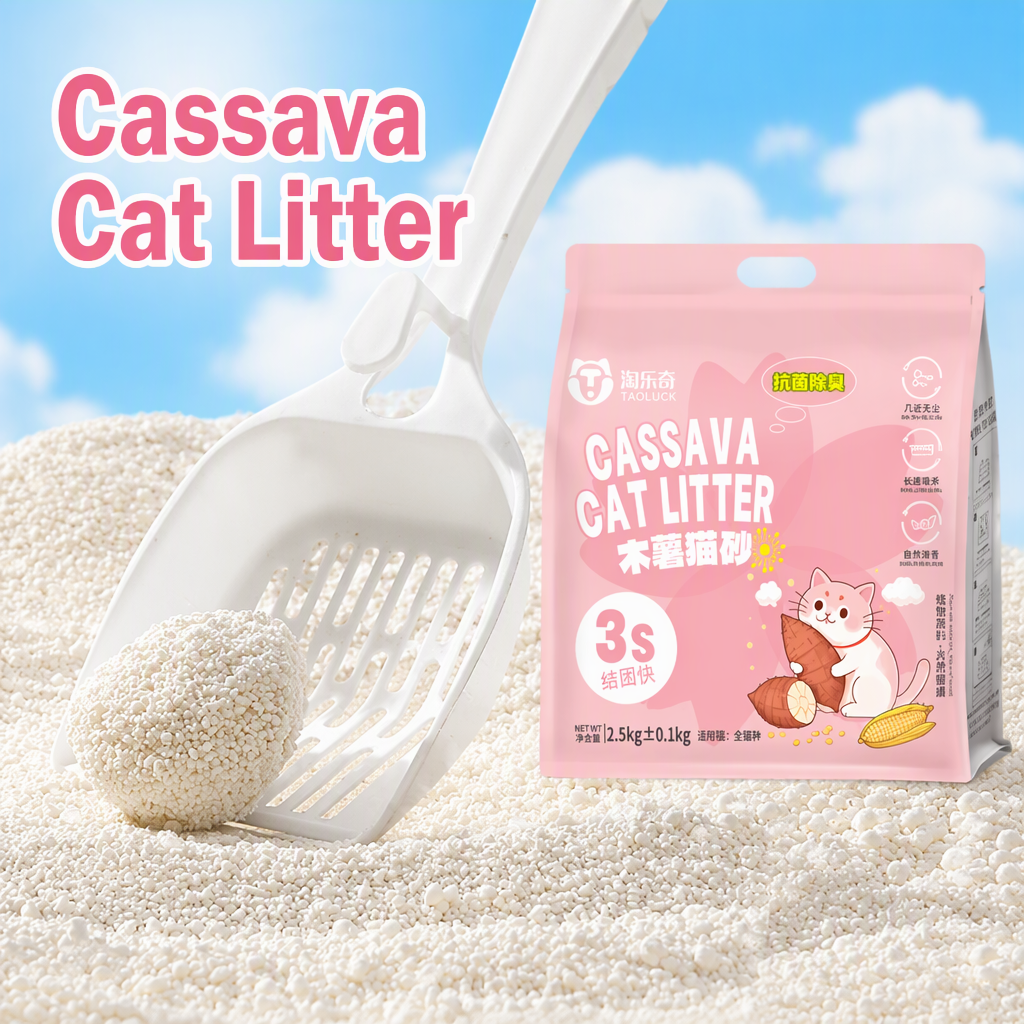
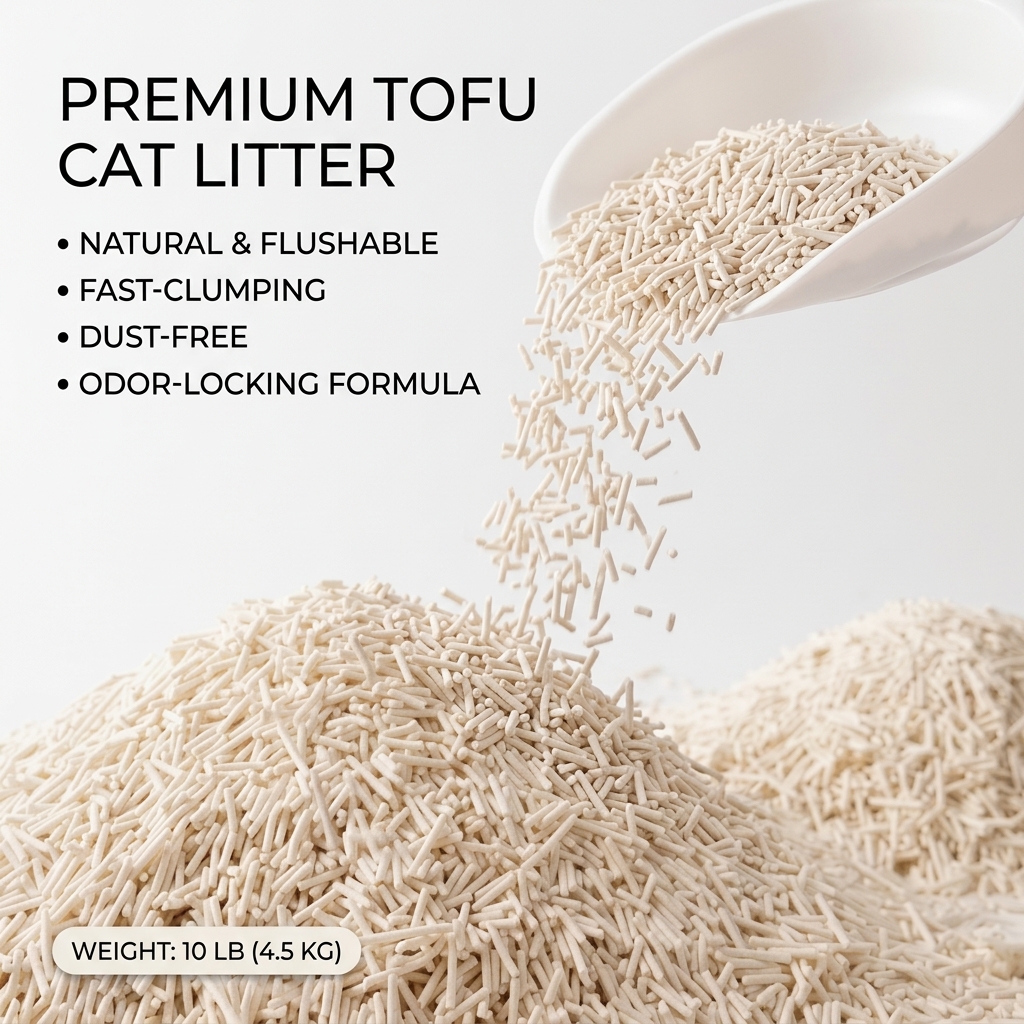
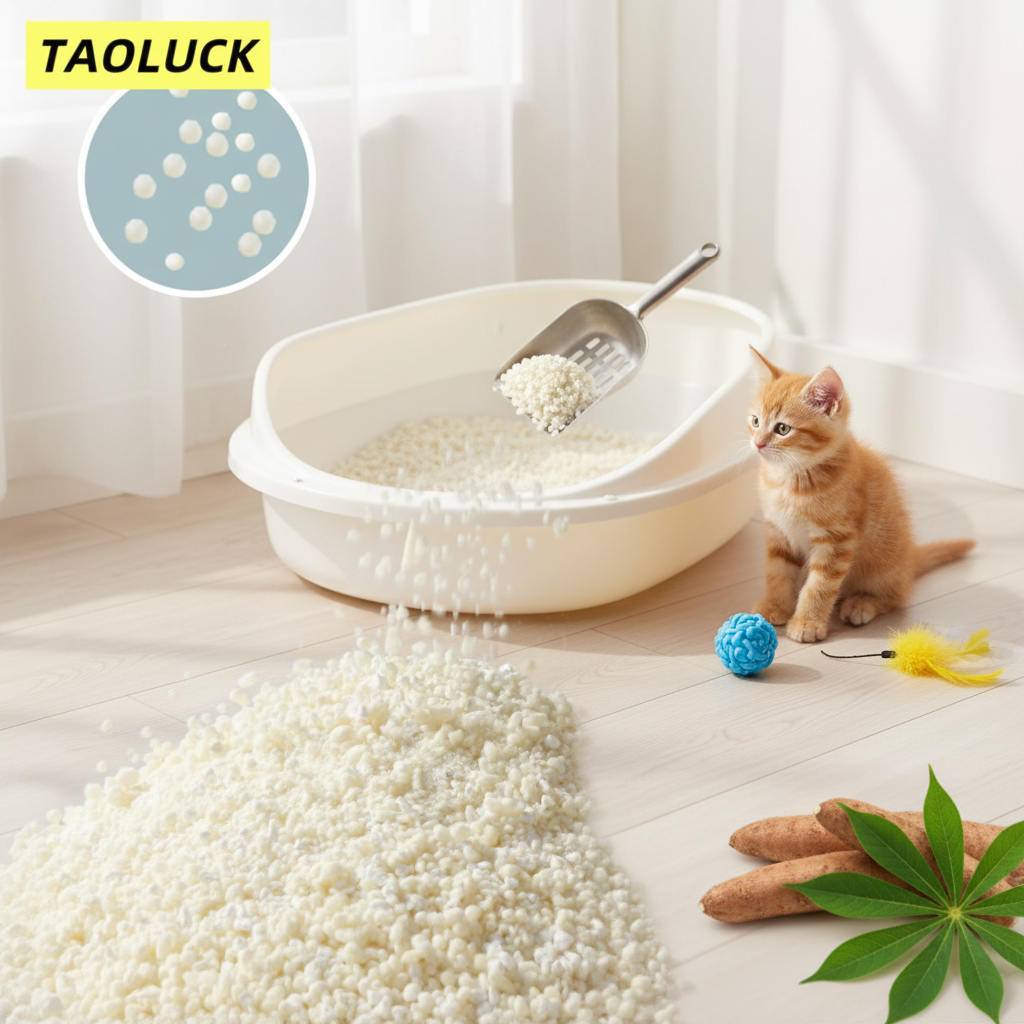
In modern commercial pet care manufacturing, the designation of a CE certified cat litter manufacturers & factory represents a paradigm shift from traditional, unregulated mineral extraction to precision bio-engineering. While cat litter as a standalone finished consumer item is categorized broadly under consumer goods, international compliance—including the adherence to European product safety directives, General Product Safety Regulation (GPSR 2023/988), REACH chemical restrictions (EC 1907/2006), RoHS heavy metal exclusions, and CE machinery directives for modern automated production lines—is indispensable for global distributors, retail supermarket chains, and high-growth direct-to-consumer (D2C) brands.
At Dongying Brumel Pet Products Co., Ltd., our industrial complex spans 7,500 square meters of certified manufacturing space. Having successfully undergone comprehensive on-site facility assessments by the SGS Group, our facility embodies rigorous manufacturing integrity. Our manufacturing philosophy integrates physical chemistry, agronomic raw material refining, and pneumatic dust extraction to solve the persistent challenges of feline respiratory inflammation, ammonia volatilization, and high international transport costs.
Formulating an optimal commercial cat litter requires a deep evaluation of hydrophilic dynamics, mechanical hardness, and ecological impact. The modern cat litter catalog centers on three primary material matrices:
| Parametric Standard | Food-Grade Tofu (Okara) | Pure Cassava Fiber | Eco Corn-Cassava Blend | Engineered Bentonite Mix |
|---|---|---|---|---|
| Raw Material Source | Edible Soybean Residue | Agricultural Cassava Root | Corn Starch + Cassava Flakes | Plant Fiber + Na-Bentonite |
| Moisture Absorption Rate | 350% – 420% by weight | 400% – 480% by weight | 380% – 440% by weight | 300% – 360% by weight |
| Clumping Speed (Laboratory) | ≤ 4.5 Seconds | ≤ 2.8 Seconds | ≤ 3.5 Seconds | ≤ 3.0 Seconds |
| Airborne Dust Count (PM 2.5/10) | < 0.1% (Multi-Dedusted) | < 0.05% (Near Zero) | < 0.08% (Ultra Clean) | < 0.4% (Cyclone Screened) |
| Bulk Density (g/cm³) | 0.48 – 0.54 | 0.52 – 0.58 | 0.50 – 0.55 | 0.72 – 0.85 |
| Wastewater Flushability | Instant Dissolution (100%) | Biodegradable / Flushable* | Flushable in small clumps | Non-flushable (Landfill/Bin) |
| International Certifications | SGS / RoHS / REACH / CE / FDA | SGS / RoHS / REACH / CE | SGS / RoHS / REACH / CE | SGS / CE Audited Supply |
The global pet hygiene market is witnessing an unprecedented evolution driven by consumer environmental awareness, strict municipal waste handling policies, and the rapid expansion of automated smart litter boxes. Procurement directors and brand managers must align their manufacturing supply chains with four defining mega-trends:
Regulatory bodies in the EU and North America are scrutinizing airborne mineral dust that poses long-term respiratory hazards (silicosis) to pets and humans. Factory-formulated plant cat litters undergo multi-stage pneumatic aspiration to ensure near-zero dust output.
The explosive adoption of self-cleaning rotating litter appliances requires cat litter to have standardized particle diameters (1.5mm - 2.0mm crushed or mini-strip format) that pass cleanly through automated sifting grates without sticking to internal liners.
Traditional strip-mined clay litter incurs massive carbon footprints during transoceanic shipping due to excessive deadweight. Lightweight plant litters lower oceanic shipping emissions by up to 45% per cubic meter while utilizing agro-industrial byproducts.
Forward-thinking OEM brands are incorporating chemical colorimetric reagents into cassava litter substrates. These safe, food-contact indicators change color upon exposure to abnormal pH levels or microscopic hematuria, serving as early wellness alerts.
With the rise of international e-commerce drop-shipping, bulk 10kg polywoven sacks are transitioning to compact 5L/6L hermetically vacuum-sealed brick packs that eliminate logistical transit friction and reduce damaged package return rates.
Moving beyond heavy artificial synthetic fragrances, modern B2B buyers favor biological odor mitigation: incorporating live probiotics, microbial inhibitors, and activated biochar to capture mercaptans and ammonia at the molecular level.
Establishing a direct OEM/ODM partnership with our production center in Dongying, Shandong Province, offers distinct commercial advantages for international distributors and retail brand operators:
Complete verification of our 7,500m² factory floorspace, production infrastructure, and verified raw material handling processes by SGS international inspectors.
Launch private-label product lines starting from just 400 bags. We assist emerging pet lifestyle brands in mitigating inventory risk without sacrificing wholesale margin profiles.
Full customization across scent profiles (Green Tea, Peach, Lavender, Charcoal), granule diameters (1.5mm, 2.0mm, crushed), dynamic colors, and high-barrier packaging options.
Professional trade specialists providing seamless communication across 13 major global languages, handling maritime freight, phytosanitary certificates, and customs clearance.
Navigating cross-border manufacturing requires transparent stages to ensure finished goods match the precise chemical, physical, and branding parameters agreed upon in contract specifications:
Define product substrate, target market regulatory compliance, scent, shape, and package volume requirements.
Rapid dispatch of prototype samples for clumping speed, ammonia retention, and dedusting performance verification.
Provide dieline templates for OEM pouch design, gravure printing cylinder engraving, and packaging proof sign-off.
Thermal extrusion, dedusting screen passes, micro-biological testing, automated batch weighing, and vacuum bagging.
Palletized or floor loading optimization, container fumigation, and issuance of Bill of Lading, CO, and CIQ documentation.
Direct technical and commercial insights for purchasing officers, supply chain managers, and global distributor networks.
While finished pet litter does not carry a standalone CE medical mark, factories must maintain CE Machinery Directive certification on all automated extrusion and packaging lines. For the substrate itself, compliance revolves around the EU General Product Safety Regulation (GPSR 2023/988), European REACH Annex XVII regulations verifying non-detectable levels of heavy metals (lead, cadmium, arsenic), non-toxic food-grade starch safety, and lack of respirable crystalline silica hazards verified through SGS/RoHS analytical testing protocols.
For standard formulations packaged in universal stock or neutral bags, our factory supports trial orders from 400 bags. For fully customized rotogravure printed pouches featuring your brand’s bespoke design, the typical cylinder printing MOQ starts at 5,000 to 10,000 packaging units. Unused printed packaging pouches can be retained in our temperature-controlled warehouse for subsequent production runs.
Cassava cat litter possesses a significantly lower bulk density (approx. 0.52–0.58 g/cm³) compared to dense sodium bentonite clay (0.85–1.05 g/cm³). Because cassava starch absorbs up to 4.5 times its mass in liquid within 3 seconds, consumers use substantially less material per scoop. For ocean logistics, shipping plant-based cassava allows you to move higher functional volume per container while avoiding overweight container surcharges.
Yes. Our processing lines are equipped with precision die plates and roll crushers. We manufacture standard 1.5mm and 2.0mm micro-pellet strips, puffed cylinder formats, and irregularly crushed granular litter that mimics the natural sandy texture familiar to cats accustomed to clay substrates, all while maintaining complete water-flushability and dust-free clumping attributes.
Every production batch undergoes five critical QC checkpoints: incoming raw material moisture & aflatoxin screening, post-drying residual moisture verification (<10%), triple-cyclone air dedusting validation, automated drop-clump hardness testing (measuring retention over a 1-meter free drop), and hermetic vacuum integrity sealing audits. Full inspection reports are archived and provided with every shipment.
We provide complimentary sample kits containing our standard formulations (Original Tofu, Crushed Cassava, Hybrid Bentonite-Tofu, Peach Scented, Green Tea Scented). Samples are dispatched worldwide via DHL/FedEx priority air freight within 48 hours, enabling your quality assurance and purchasing teams to verify clump cohesive strength, water dissolution, and dust absence before executing commercial contracts.