Factory Inventory & Export Range
Verified Plant-Based Cat Litter Granules
Explore our flagship tofu and cassava cat litter SKUs, manufactured under strict ISO standards with direct export compliance for European, North American, and Asian pet brands.
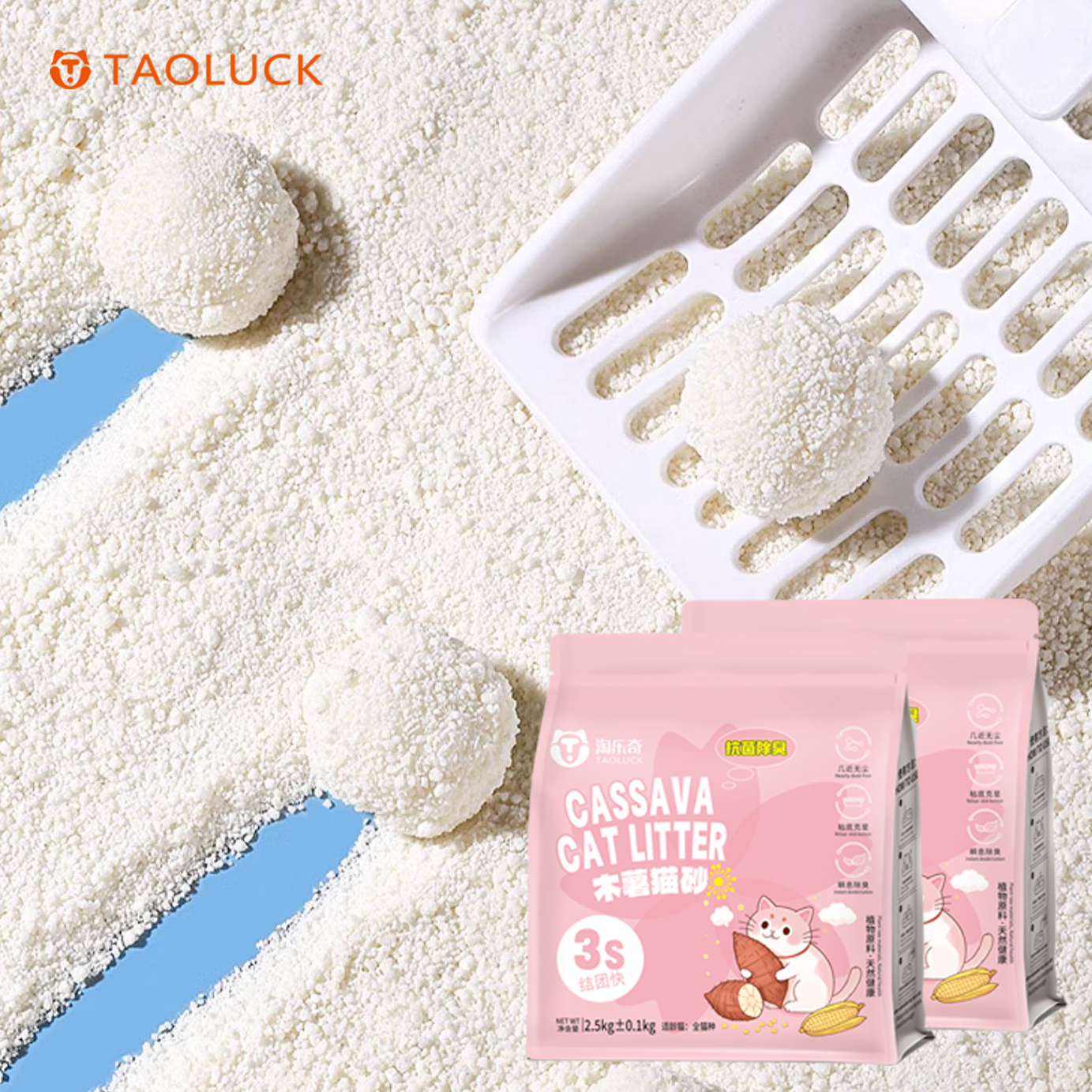
Ultra Absorbent Cat Litter Low Tracking Eco-Friendly Strong Clumping Odor Control Premium Dust Free Cassava Cat Litter
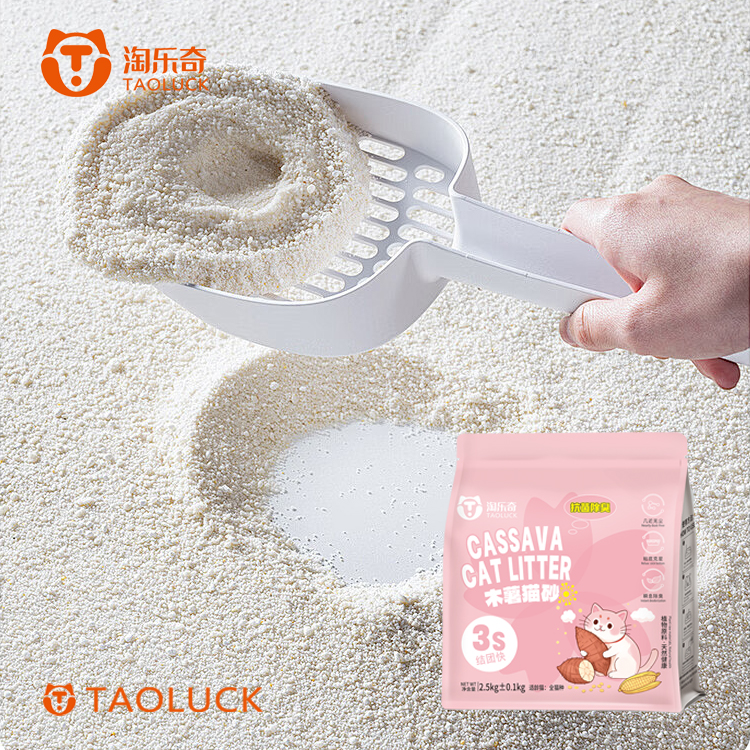
Wholesale Cat Friendly Pet Grooming Cat Litter Sand Quickly Clumping Easy Scoop Cassava Cat Litter
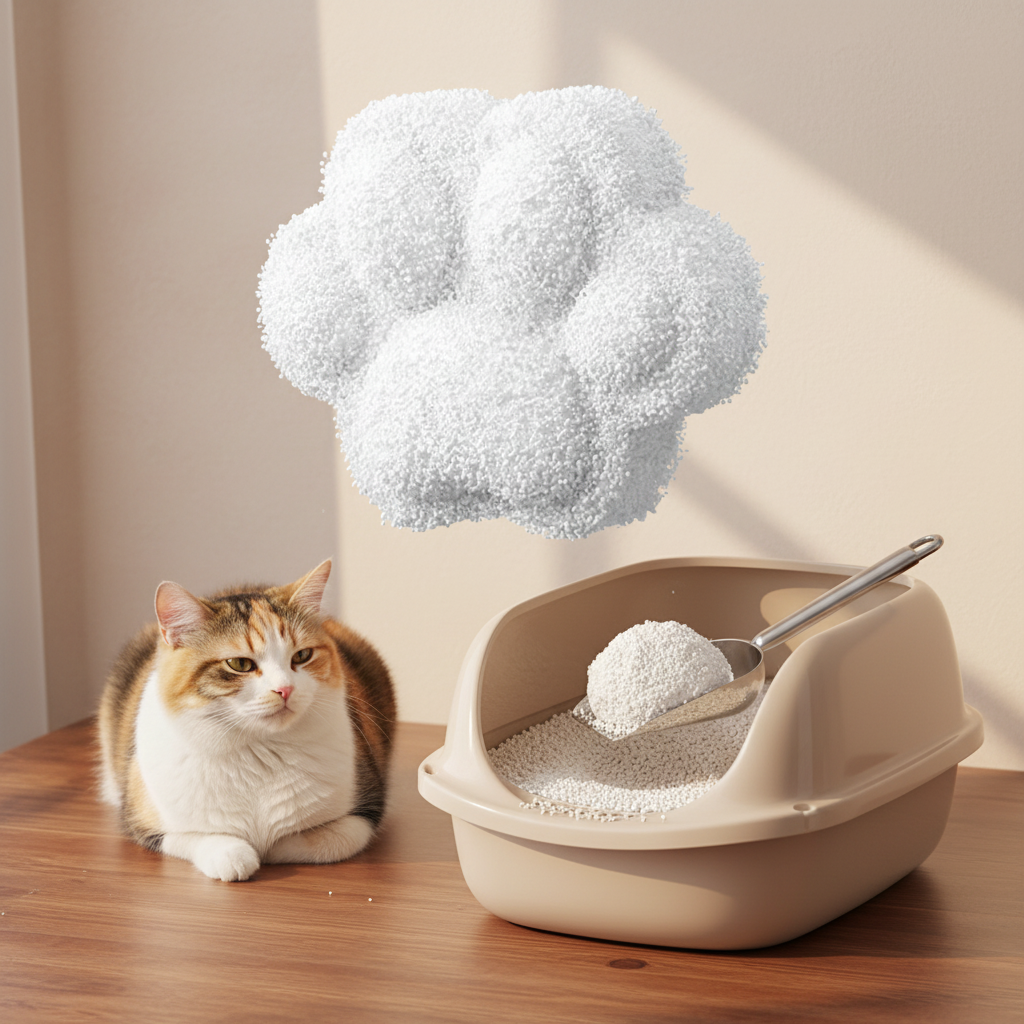
Strong Clumping Flushable Cat Litter Odor Control Dust-Free Natural Factory Wholesales Eco-Friendly Tofu Cat Litter
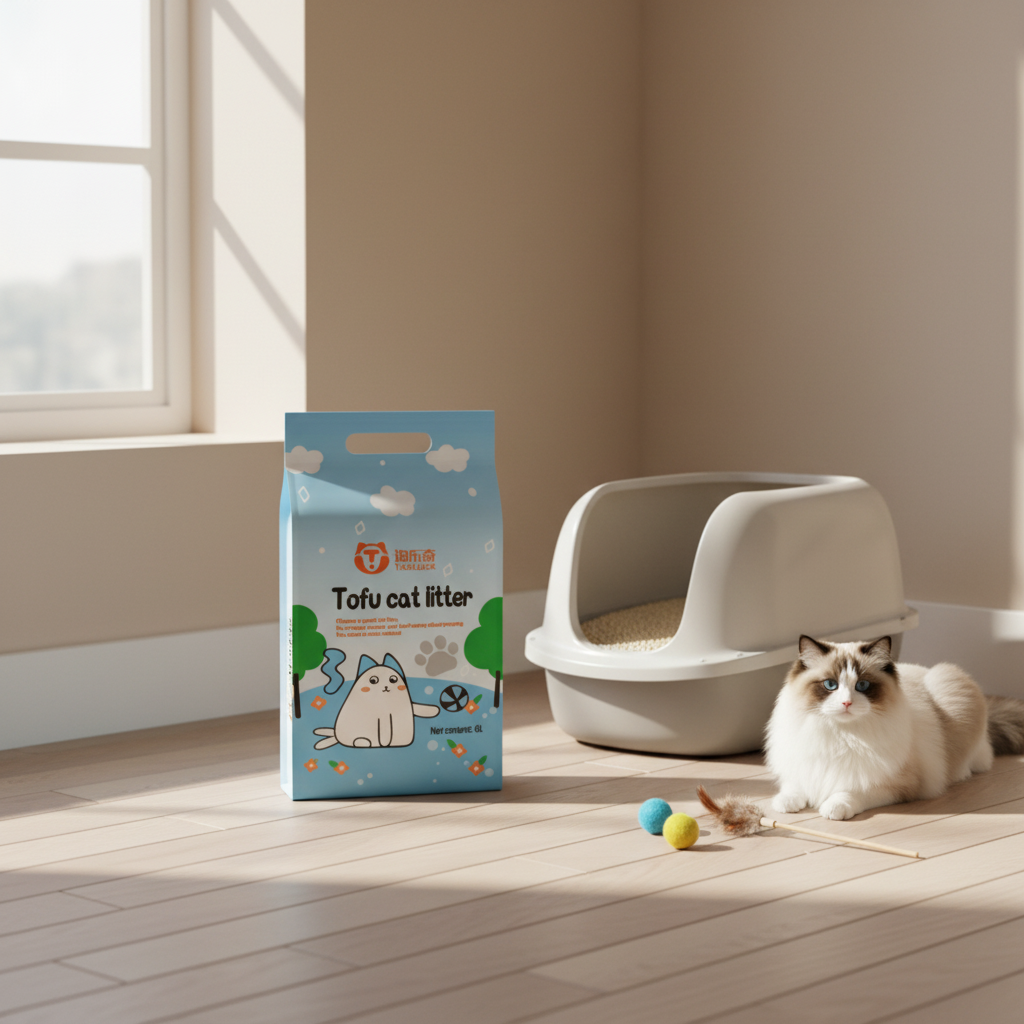
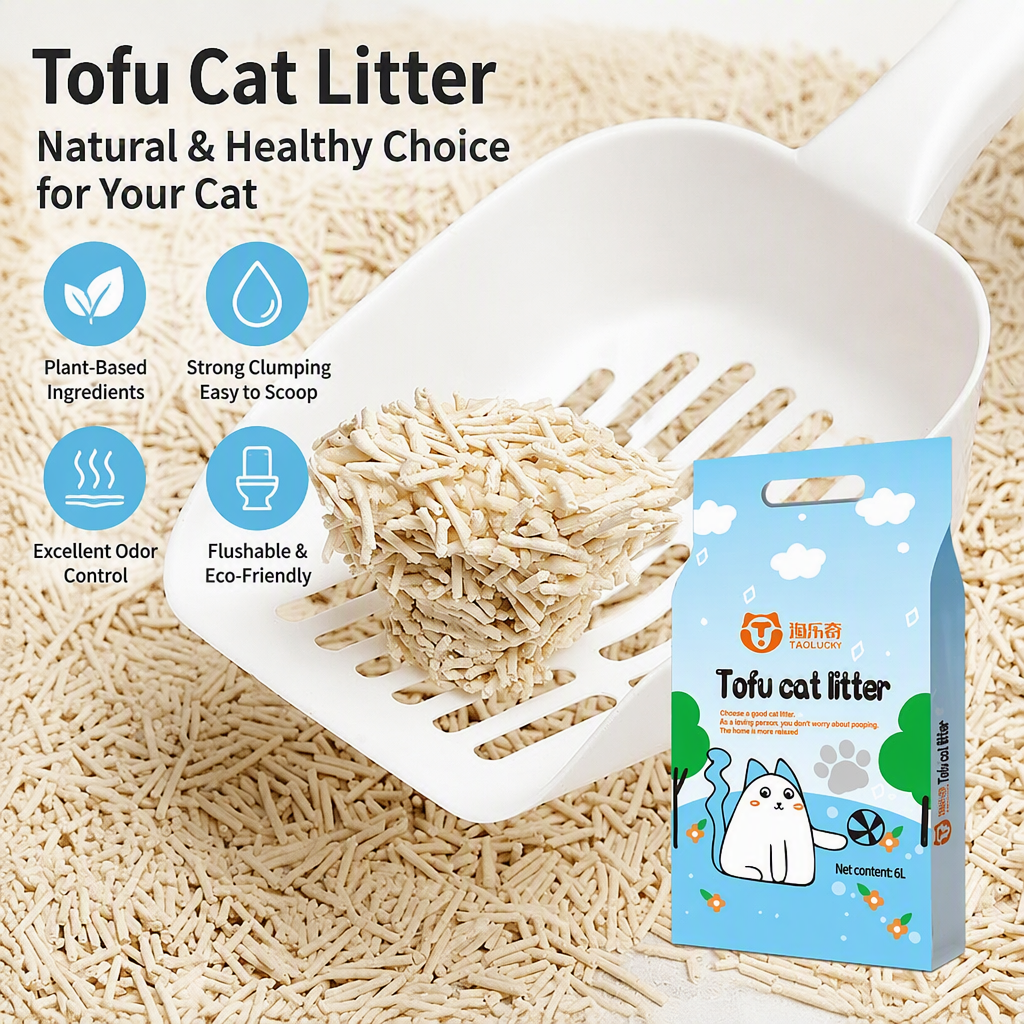
Bulk Natural Strong Clumping Flushable Biodegradable Ultra Absorbent 1.5mm 2mm 3mm Eco-Friendly Tofu Cat Litter
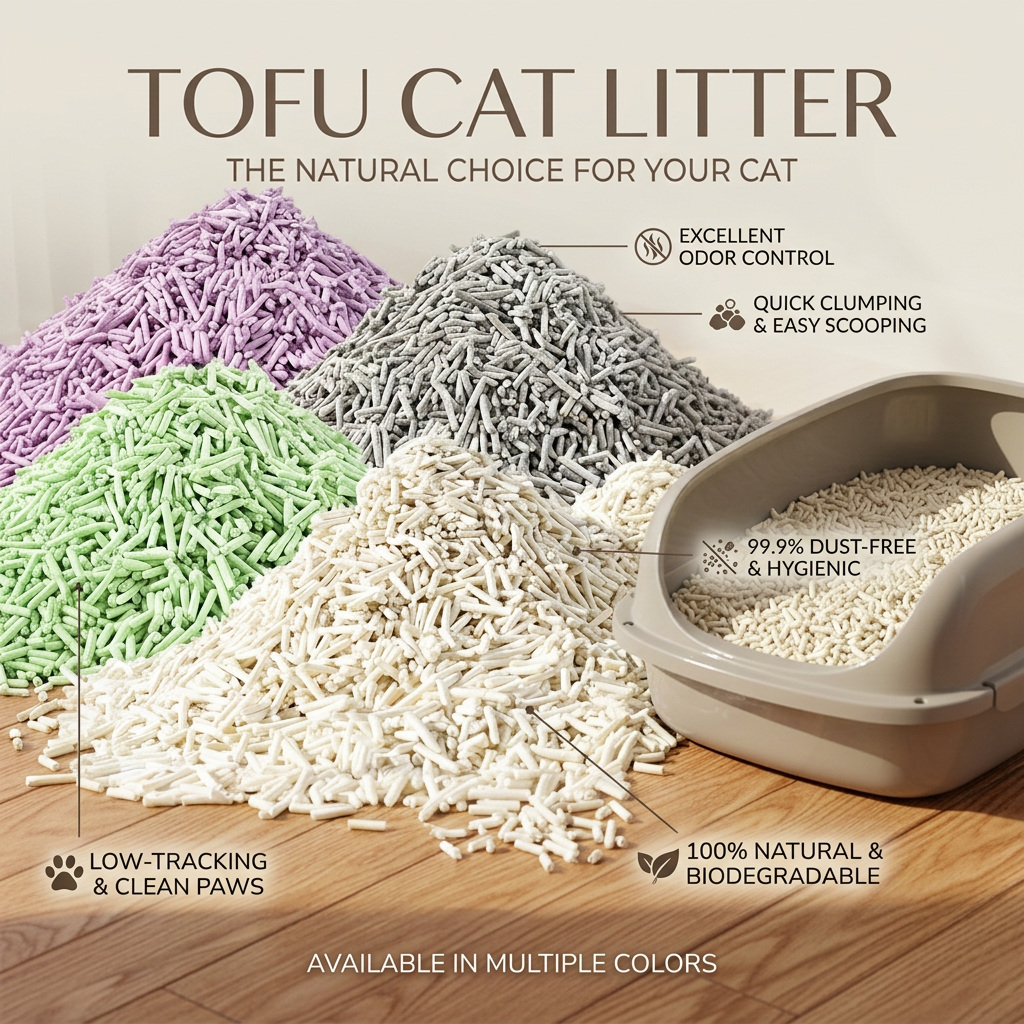
Fast Absorbent Dust Free Cat Litter Factory Highly Free OEM Strong Clumping Premium Tofu Cat Litter
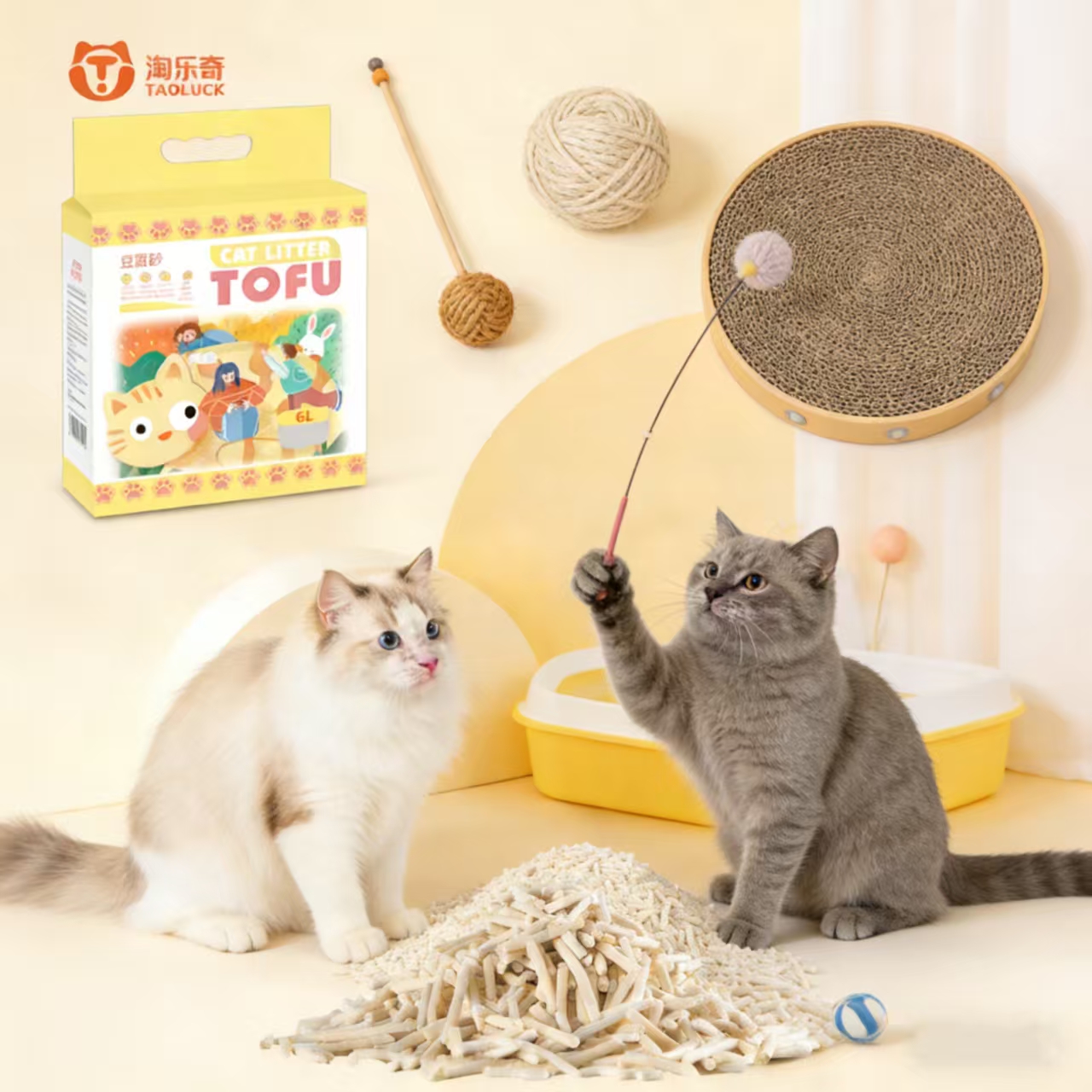
Cost-Effective Biodegradable Pet Tofu Litter No Dust Excellent Water Absorption 1 Ton OEM/ODM Tofu Cat Litter
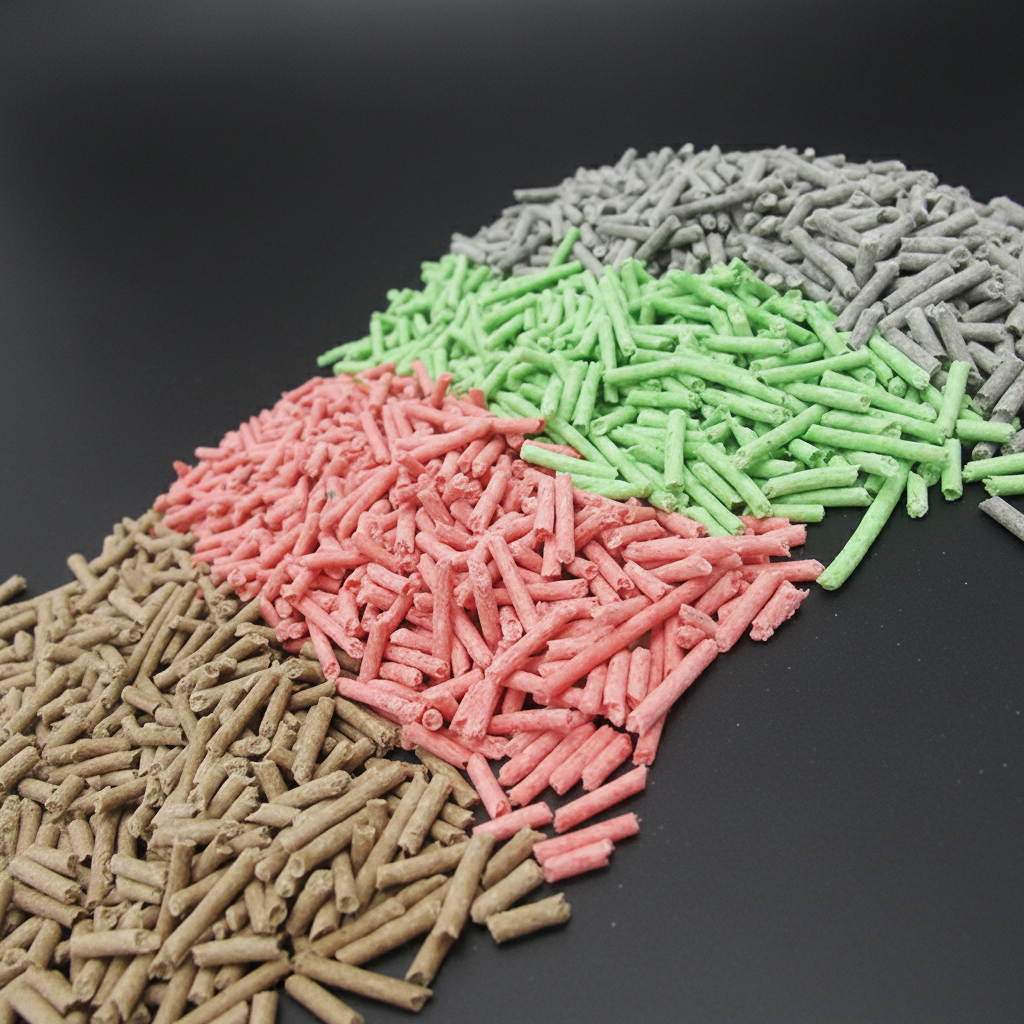
TAOLUCK High Absorption Efficient Deodorant Soluble Dust-free Biodegradable Lavender Scent Flushable Strip Shapes Corn Tofu Cat
Why China Dominates Global Plant-Based Cat Litter Manufacturing
The global pet care sector is undergoing a structural transition from mineral-based litters (sodium bentonite, attapulgite) and synthetic silica gels toward sustainable, upcycled plant-fiber substrates. As multi-cat households expand globally, single-origin soybean byproduct (okara) and specialized starch matrix formulations engineered in China have established the operational baseline for clumping speed, dust mitigation, and flushability.
"Plant-based cat litter manufacturing requires precise thermo-mechanical extrusion to yield high porous bulk density without structural brittleness. China’s integrated agricultural processing infrastructure provides raw okara and cassava starch with zero moisture variance."
Technical Comparison Matrix: Plant Substrates vs. Traditional Substrates
B2B procurement officers evaluating contract manufacturing partners must assess key operational parameters. The table below illustrates empirical performance metrics across standardized test batches:
| Performance Metric | Tofu Granules (Soy Pulp) | Cassava Starch Matrix | Sodium Bentonite Clay | Silica Gel Crystal |
|---|---|---|---|---|
| Hydration Rate (Absorption) | 300% – 400% w/w | 450% – 600% w/w | 200% – 250% w/w | 150% – 200% w/w |
| Clumping Shear Strength | High (> 12 N) | Very High (> 18 N) | Medium to High | Non-Clumping |
| Dust Content (< 100 µm) | < 0.1% (3-pass sifting) | < 0.05% (Cyclonic) | 1.5% – 4.0% | 0.5% – 1.0% |
| Bulk Density | 420 – 480 g/L | 520 – 580 g/L | 850 – 950 g/L | 400 – 450 g/L |
| Biodegradability & Disposal | 100% Flushable & Compostable | 100% Rapid Dissolution | Landfill Only (Inert) | Landfill Only (Non-Bio) |
| Maritime Carbon Footprint | Low (Lightweight) | Moderate | Extreme (Heavy Freight) | Moderate |
7,500 m²
SGS On-Site Audited Workshop
99.9%
Industrial Dust-Free Rating
3 Sec
Rapid Liquid Coagulation
400 Bags
Low OEM Sourcing Benchmark
Dongying Brumel Pet Products Co., Ltd. – Manufacturer Overview
Located in Dongying, Shandong Province, Dongying Brumel Pet Products Co., Ltd. stands as a premier direct manufacturing exporter specializing in plant-derived pet hygiene supplies and high-density corrugated scratchers. Assessed on-site by the SGS Group, our facility integrates raw ingredient screening, proprietary starch gelation extrusion, automated drying tunnels, and multi-stage dust removal lines.
SGS On-Site Verification
Our total 7,500 m² production floor, warehousing layout, quality control laboratories, and annual trade capacities are fully audited by SGS Group, giving private label buyers complete supply chain transparency.
Advanced Extrusion Engineering
Operating custom high-pressure extruder dies, we produce consistent 1.5mm micro-strips, standard 2.0mm and 3.0mm pellets, as well as specialized crushed/pelletized hybrid formulas designed for maximum surface area contact.
Flexible OEM / ODM MOQ
Lowering the barrier to entry for emerging e-commerce brands and specialized retail chains, standard plant-based cat litter formulas start from a low minimum order quantity of just 400 bags.
Future Development Trends in Tofu & Plant Granules
As consumer preferences mature, OEM buyers must align their product development roadmaps with emerging technical innovations. Our R&D engineering department has identified four pivotal trends driving brand differentiation over the next decade:
1. Micro-Diameter Granules (1.5mm & Crushed Tofu)
Traditional 3.0mm pellets leave inter-granule voids, allowing urine to reach the litter box bottom. Next-generation 1.5mm and irregular crushed shapes lock liquids in the top layer, cutting overall consumption by 25% while providing a paw feel closer to natural soil.
2. Hybrid Starch-Cassava Matrix Formulations
Blending soybean pulp with high-amylose cassava starch yields rapid 3-second moisture encapsulation. This eliminates crumble during scooping and creates robust, non-stick clumps that preserve box cleanliness.
3. Bio-Enzymatic Odor Deactivation
Moving beyond surface fragrances (peach, lavender, milk), modern formulations integrate active plant enzymes and biological deodorizing agents. These break down ammonia ($NH_3$) and trimethylamine molecules at the cellular level.
4. Zero-Dust Centrifugal Cyclonic Sifting
Feline respiratory wellness is paramount. Leading factories employ multi-stage negative pressure cyclonic filtration combined with vibrating screens to guarantee dust-free operation (< 0.1% airborne particles) during pour testing.
Global B2B Sourcing Strategies for Importers & Brands
Procuring plant-based litters internationally demands rigorous operational protocols. Maritime transit exposes containerized cargo to high humidity, ambient temperature spikes, and physical stress. Professional buyers should implement the following strategic steps when negotiating factory contracts:
Moisture Content Thresholds
Ensure raw product specifications strictly mandate a moisture content below 9.5%. Granules exceeding 11% moisture risk mould growth during cross-equatorial container sea freight lasting 30–45 days.
Vacuum Sealed Packaging Integrity
Specify heavy-duty PET/PE or NY/PE laminated barrier bags with high-vacuum retention valve seals. Vacuum packing minimizes internal movement, prevents granule crushing in transit, and blocks ambient humidity.
Container Cube Utilization
Optimize pallet configurations for 40ft HQ ocean containers. Vacuum-packed 6L/2.5kg bags typically achieve a net loading weight of 22 to 24 metric tons per container, directly lowering freight cost per unit.
Procurement Guidance
Frequently Asked Questions (B2B FAQ)
Comprehensive technical, commercial, and logistics answers for professional cat litter buyers and brand managers.
What is the standard Minimum Order Quantity (MOQ) for OEM private label orders?
For standard stock tofu and cassava cat litter SKUs, our entry MOQ starts at 400 bags. For fully custom color tints, specialized bespoke fragrances, or custom-printed rotogravure/digital packaging bags, MOQs are typically structured around 1,000 to 3,000 bags per artwork design depending on bag dimensions.
How does Tofu Cat Litter compare to Cassava Cat Litter in performance and cost?
Tofu cat litter utilizes food-grade soybean residue (okara), offering ultra-lightweight handling, superior flushability, and lower raw material cost. Cassava cat litter uses purified cassava starch and fiber, yielding a denser, 3-second fast-clumping granule with virtually zero dust (<0.05%), making it a premium natural alternative for brands targeting high-end clay-free market segments.
Is your manufacturing facility verified by third-party inspection bodies?
Yes. Dongying Brumel Pet Products Co., Ltd. has undergone comprehensive on-site facility evaluation by SGS Group. The audit confirms our 7,500 square meter footprint, operational machinery, quality management protocols, and export capabilities.
Can you manufacture flushable plant-based cat litters safely for septic systems?
Yes. Our pure tofu and corn-cassava blends are engineered to disintegrate rapidly upon immersion in high volumes of water. The starch binders hydrolyze within seconds, ensuring safe disposal in standard municipal sewage systems and household toilets without pipe clogging.
What scent options and customization services are available?
We offer an extensive range of botanical and fruit fragrances including Peach, Green Tea, Lavender, Milk, Charcoal/Unscented, and Coffee. Furthermore, we provide full ODM formula design, allowing customized granule diameters (1.5mm, 2.0mm, 3.0mm, or crushed), custom color matching, and private label bag design.
Request Factory Direct Pricing & Sample Kits
Partner with an SGS-verified manufacturer. Contact our export specialists today to receive product catalogs, technical data sheets, and custom OEM packaging quotations within 24 hours.