Engineered Plant-Based & Cassava Litter Formulations
Third-party verified export solutions optimized for private label brand owners, multi-channel distributors, and pet supermarket retail chains worldwide.
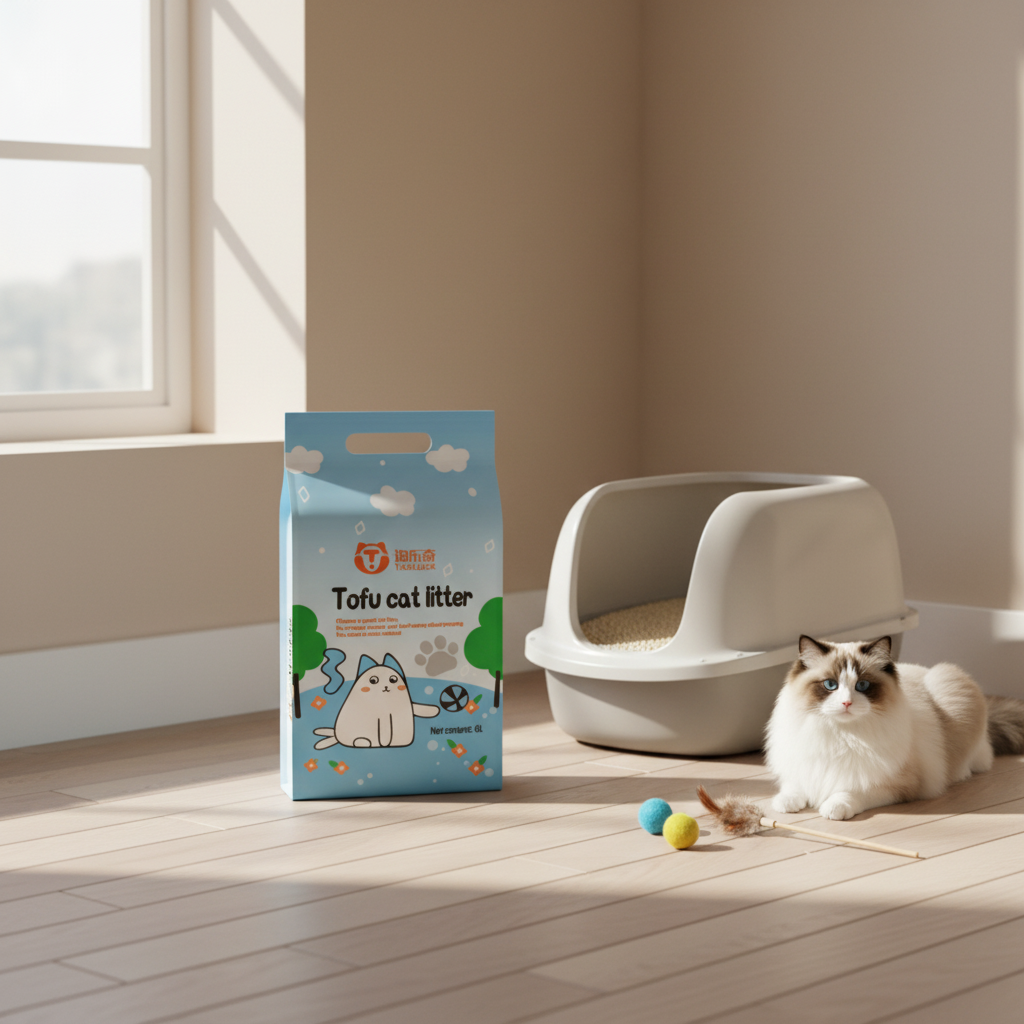
Bulk Natural Strong Clumping Flushable Biodegradable Ultra Absorbent 1.5mm 2mm 3mm Eco-Friendly Tofu Cat Litter
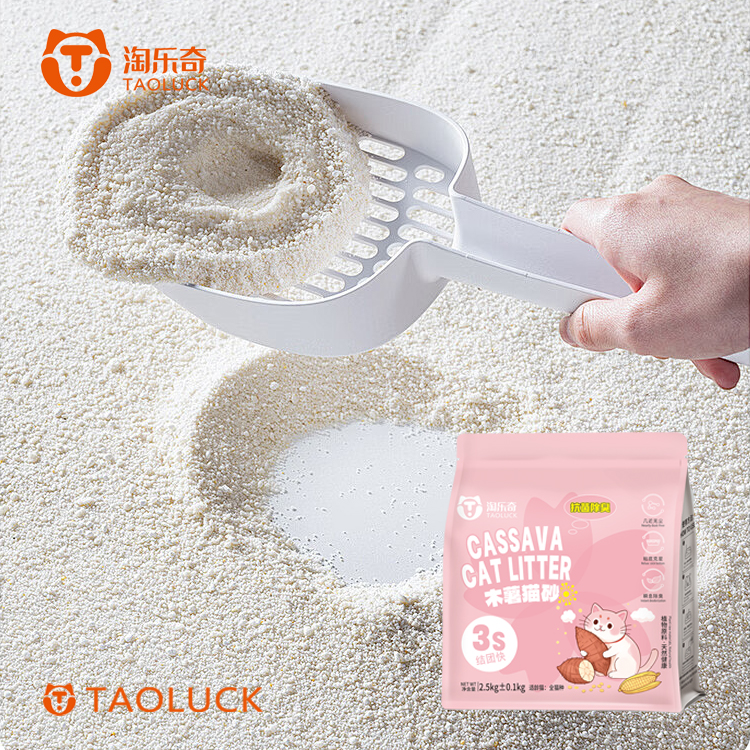
Ultra Absorbent Cat Litter Low Tracking Eco-Friendly Strong Clumping Odor Control Premium Dust Free Cassava Cat Litter
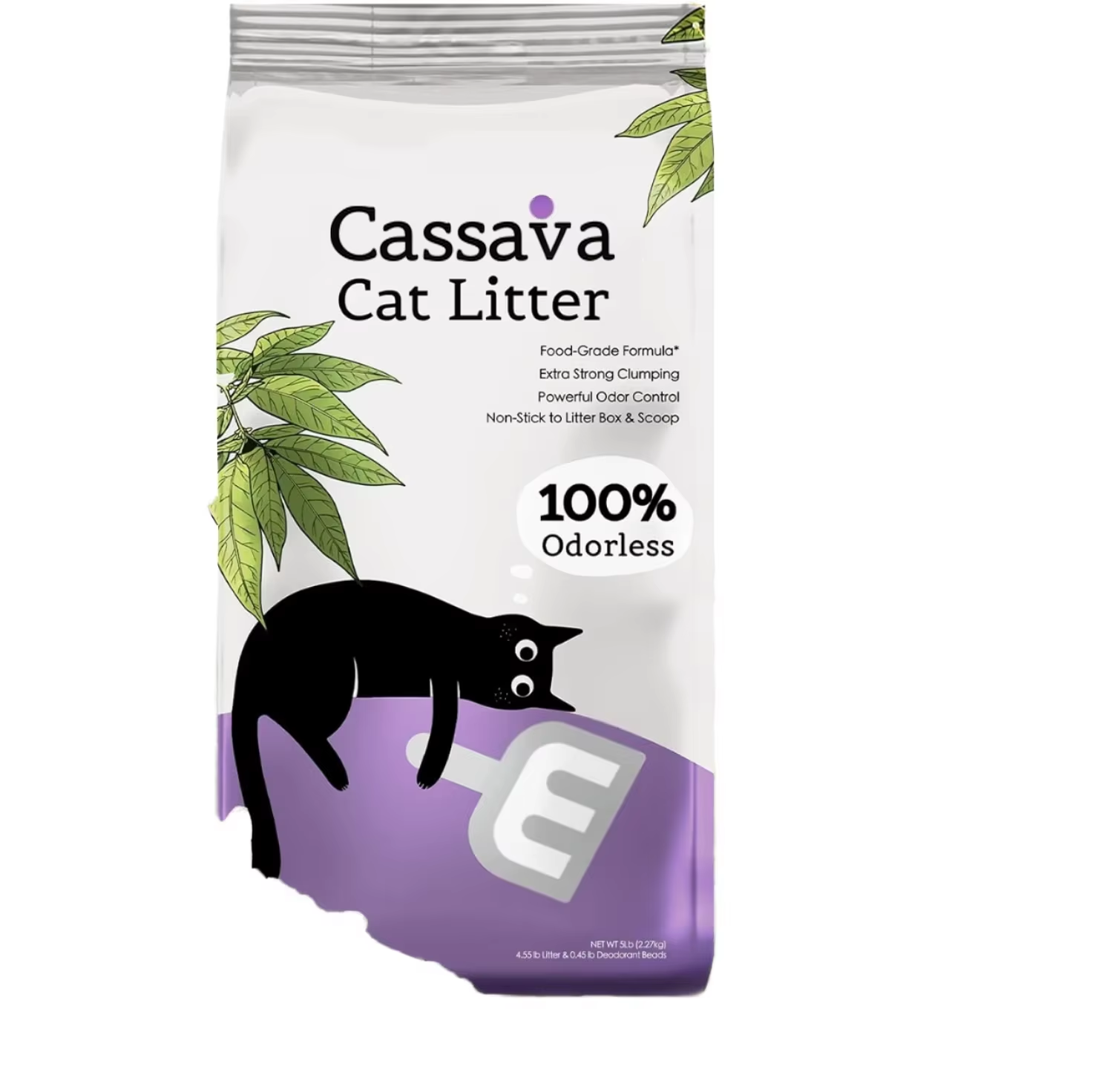
Wholesale Supply Eco-Friendly Natural Biodegradable Cassava Cat Litter Strong Odor Control Fast Clumping Highly Adsorbent Long
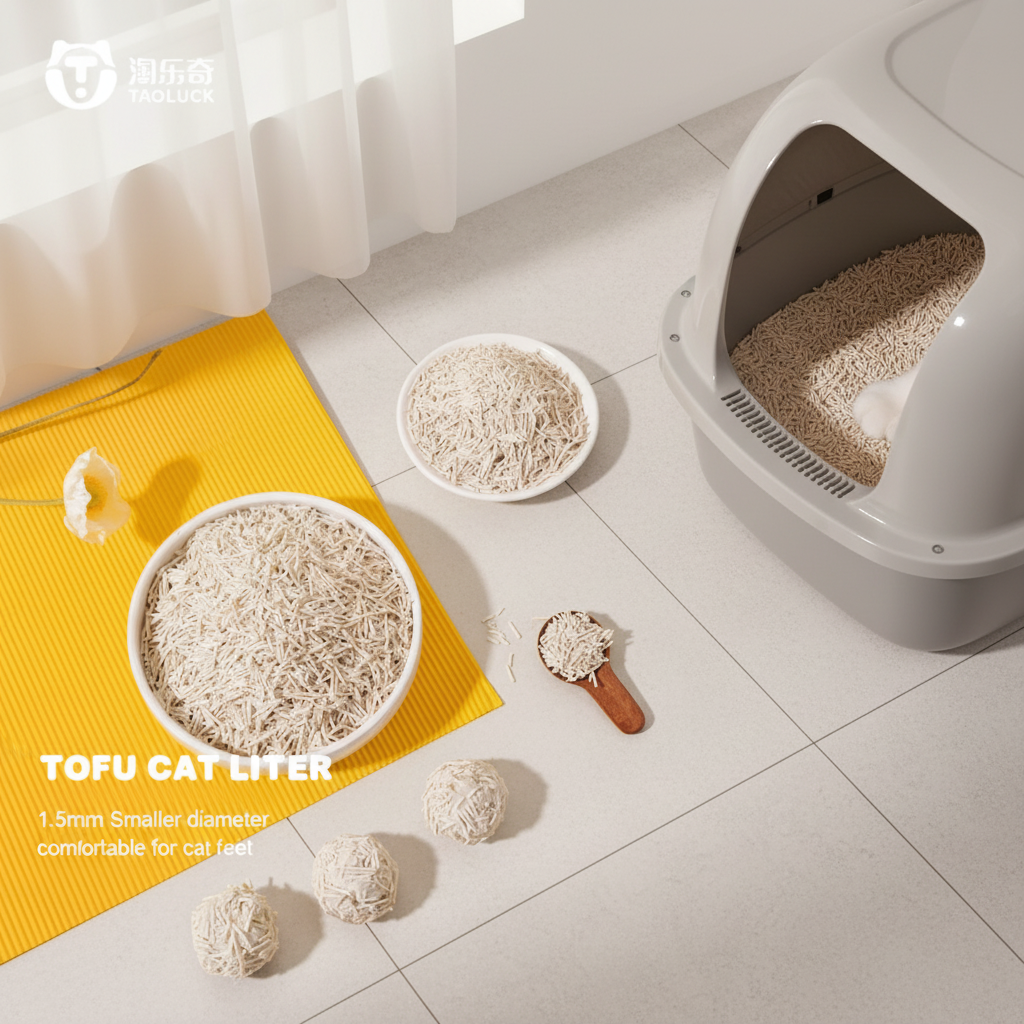
Customized Packaging Food-Grade Tofu Litter Safe for Pets 400% Super Absorbent Lavender Scent Pea Fiber Tofu Cat Litter
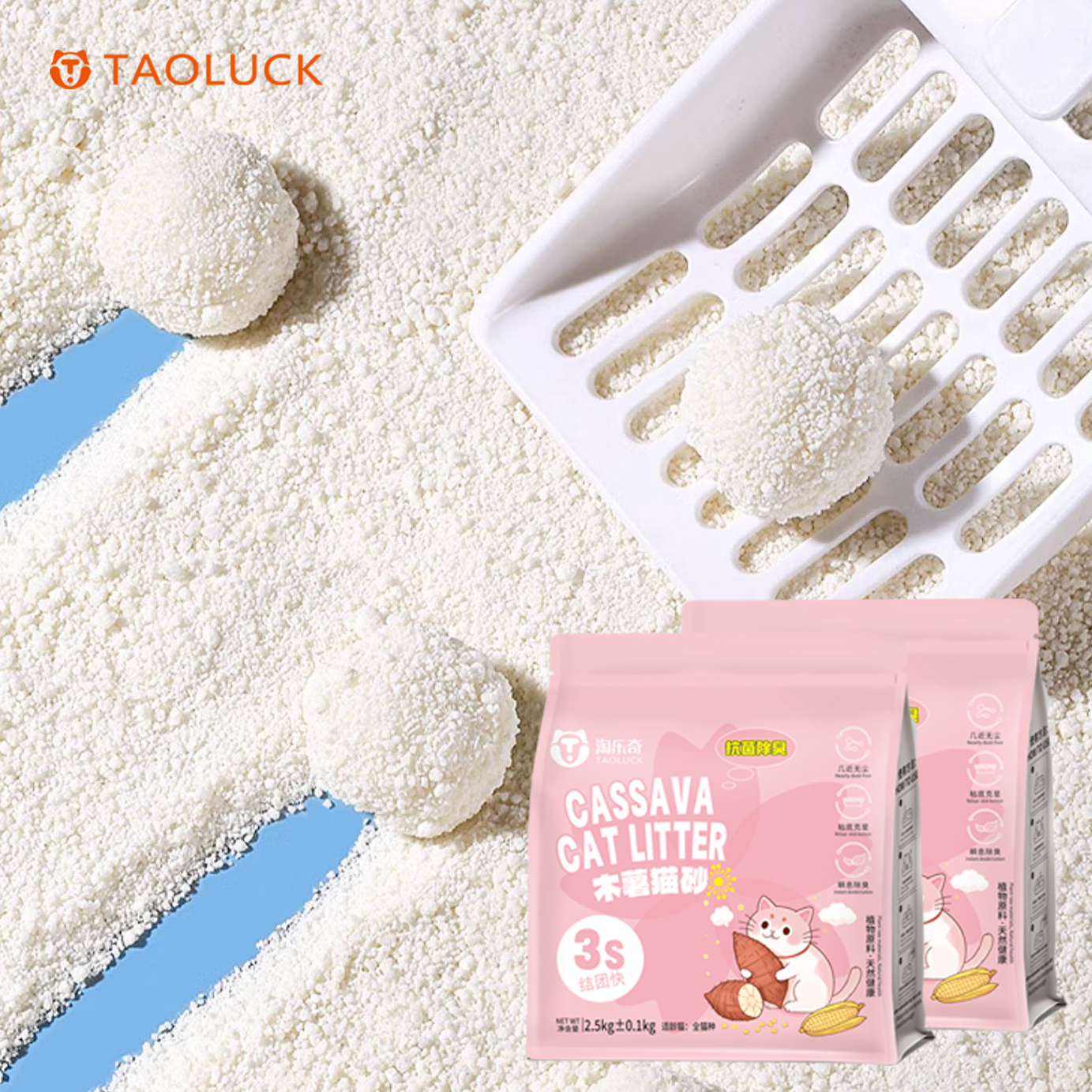
Eco Friendly Fast Delivery Cat Litter Strong Clumping Odor Control Biodegradable Premium Cassava Cat Litter
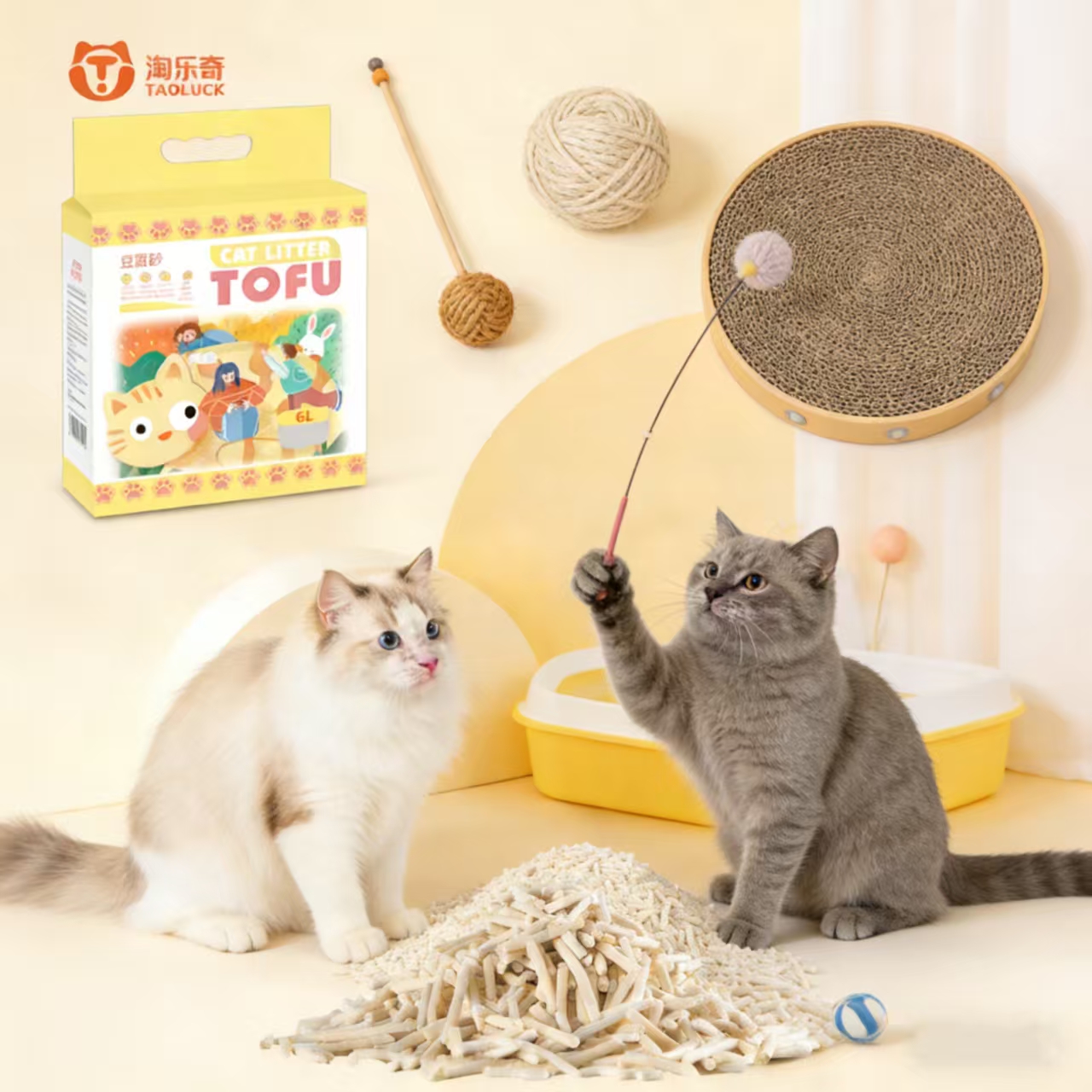
Cost-Effective Biodegradable Pet Tofu Litter No Dust Excellent Water Absorption 1 Ton OEM/ODM Tofu Cat Litter
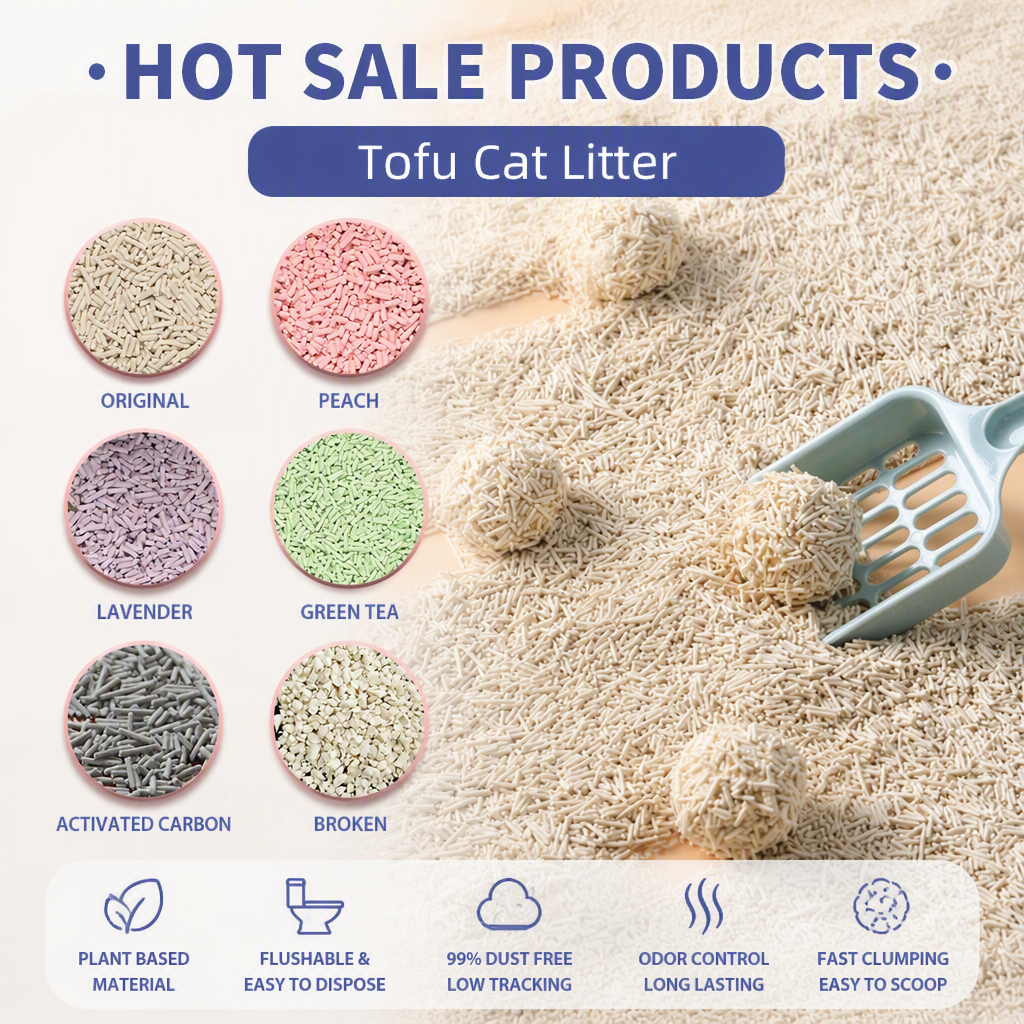
Natural Strong Clumping Flushable Cat Litter Unscented Ultra Absorbent Odor Control Dust-Free Tofu Cat Litter
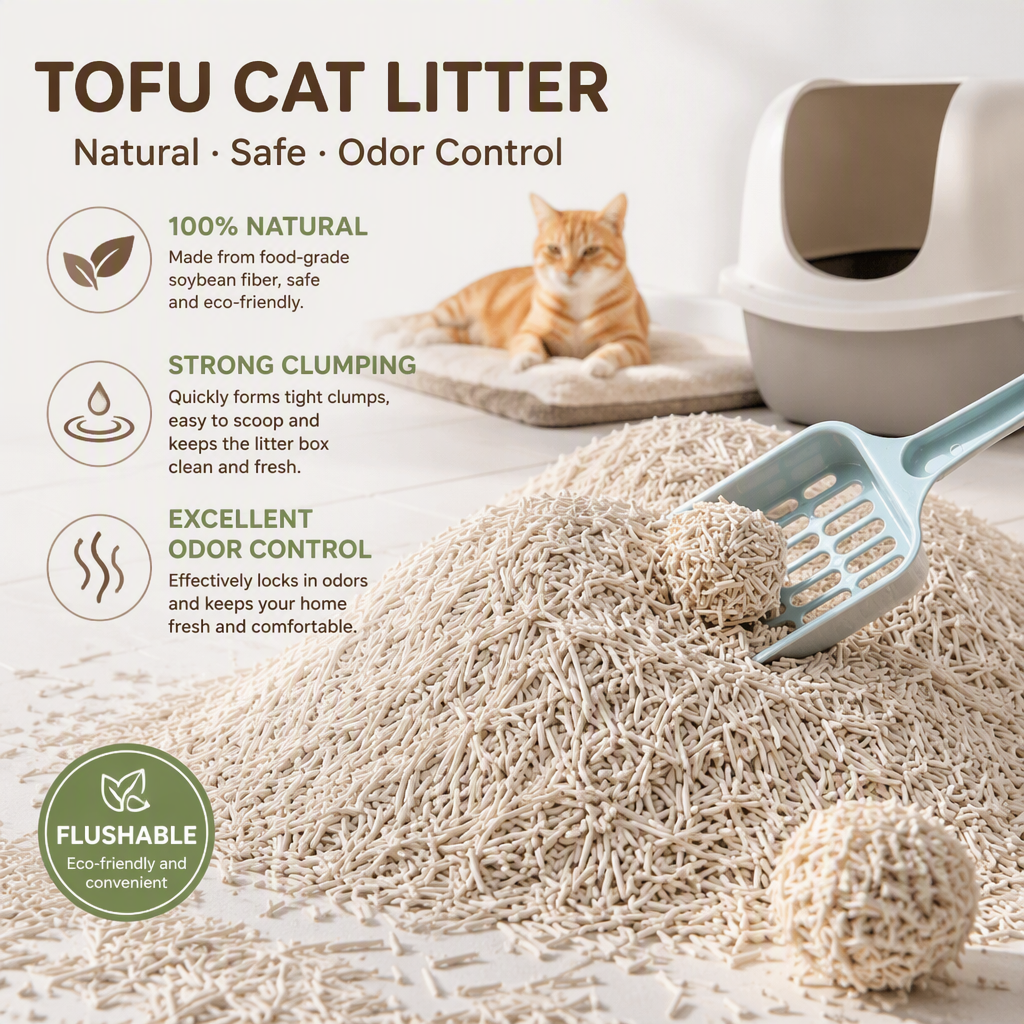
Factory Wholesales Cat Litter Natural Strong Clumping Flushable 2.5kg Cat Litter Dust-Free Low Tofu Cat Litter
1. The Botanical Paradigm Shift: Engineering Cassava as the Superior Mineral Clay Alternative
The global pet hygiene sector is undergoing a profound structural shift away from mined sodium bentonite clay and synthetic silica gel. Modern companion animal care is governed by human-grade standards, where indoor particulate matter, airborne crystalline silica hazards, and environmental sustainability dictate consumer buying decisions. In this shifting landscape, cassava cat litter (derived from the tubers of Manihot esculenta) has emerged as the premier high-performance organic substrate, setting entirely new benchmarks for capillary uptake, clump tenacity, and biological safety.
As a leading Chinese custom manufacturer and exporter, Dongying Brumel Pet Products Co., Ltd. spearheads the precision industrialization of plant-based pet sanitary solutions. While early plant substrates such as coarse wood shavings and unrefined grain flours suffered from biological perishability and slow cohesion, modern engineered cassava cat sand leverages high-concentration amylopectin matrix structures. The resulting granule rivals bentonite in mechanical shear strength while providing complete municipal biodegradability and eliminating silica dust risks.
Zero Crystalline Silica
Unlike bentonite strip-mining which yields respirable quartz particulates, cassava fiber is 100% organic and food-grade, completely eliminating chronic feline and human pulmonary inflammation risks.
3-Second Hydraulic Lock
Natural cassava starches undergo instantaneous surface hydration upon contact with feline urine, sealing liquid into a consolidated, non-leaking disc before moisture reaches the tray baseline.
Reduced Freight Footprint
Cassava cat sand features a bulk density approximately 45% lighter than mineral clay. This significantly reduces oceanic container shipping weights, road haulage emissions, and retail transport costs.
Amylose vs. Amylopectin: The Physical Chemistry of Starch-Driven Clumping
The superior performance of Brumel's cassava cat litter is rooted in raw material processing and polysaccharide distribution. Native cassava starch contains an extraordinarily high ratio of amylopectin (roughly 80% to 83%) relative to linear amylose. Amylopectin features a heavily branched, dendritic molecular layout that accelerates water hydration via extensive hydrogen bonding.
When feline urine contacts our graded cassava granules, the outer perimeter of the granules partially undergoes swelling and surface solubilization. These swollen polymeric branches interpenetrate neighboring particles, forming physical entanglements. As moisture distributes across the immediate micro-zone, the starch chains recrystallize into a rigid, cohesive aggregate. The resulting clump exhibits high mechanical compressive strength, allowing pet owners to scoop cleanly without crumbling, fragment shedding, or litter box fouling.
2. Objective Benchmark: Cassava vs. Bentonite, Silica, and Conventional Tofu
For commercial category managers and brand purchasers, transitioning product lines requires rigorous empirical validation. Below is an engineering comparison matrix comparing primary functional criteria across the leading commercial substrates:
| Performance Metric | Brumel Cassava Sand | Soybean Tofu Litter | Sodium Bentonite Clay | Silica Gel Crystal |
|---|---|---|---|---|
| Hydraulic Absorption Rate | Instantaneous (<3s) | Fast (4–6s) | Moderate (5–8s) | Passive Absorption |
| Clump Tensile Integrity | High Shear Strength | Moderate / Elastic | Hard Rock Matrix | Non-Clumping |
| Airborne Particulate (Dust) | < 0.1% (SGS Certified) | < 0.5% (Pellet Form) | 2.0% – 5.5% (High Silica) | < 0.8% (Friable) |
| Bulk Density (Shipping Cost) | Light (~0.52 g/cm³) | Light (~0.50 g/cm³) | Heavy (~0.95 g/cm³) | Moderate (~0.45 g/cm³) |
| Decomposition & Disposal | 100% Compostable / Flushable | 100% Flushable | Landfill Only (Clogs Pipes) | Non-Biodegradable |
| Inadvertent Ingestion Safety | Food-Grade Starch (Safe) | Pea / Soy Fiber (Safe) | Intestinal Impaction Risk | Chemical Toxicity Risk |
As demonstrated above, cassava cat litter solves the core tradeoff that has long affected the pet care supply chain: offering the tight, mess-free clumping power of mineral clay alongside the environmental benefits, lightweight logistics, and pulmonary safety of plant-based substrates.
3. Global Procurement Trends: Strategic Horizons for Importers & Brand Owners (2025–2030)
Procurement directors within international pet wholesale networks, regional distributorships, and fast-scaling digital brands must align their product portfolios with tightening environmental laws and evolving consumer expectations. Over the next five years, four dominant trends will reshape the commercial cat litter trade:
1. Extended Producer Responsibility (EPR)
European and North American legislative frameworks increasingly penalize non-recyclable, mined mineral wastes. Plant-based, fully compostable cassava and tofu litters provide duty and carbon tariff protections under emerging ESG standards.
2. Urbanization & Compact Living
The expansion of multi-story urban housing across Asia, Europe, and Latin America makes the disposal of heavy clay litter bags inconvenient. Flushable, odor-locking cassava substrates appeal directly to modern apartment dwellers seeking easy toilet disposal.
3. Optimizing Sea Freight Real Estate
With volatile maritime container shipping indices, importing low-density plant materials (~0.52 g/cm³) allows importers to maximize volume-to-weight container ratios, lowering per-unit ocean transport costs compared to dense bentonite.
4. Premium Hybrid Formulations
Mature pet retail brands are rapidly introducing proprietary composite blends: combining cassava starch with pea fibers, activated coconut shell carbon, and natural botanical enzymes to capture high-margin, premium market share.
The Rise of Multi-Functional Plant Sand
Modern consumers expect more than basic liquid containment. The market is shifting toward active functionality: formulations that track feline urinary tract health through visual pH indicator dyes, alongside natural antibacterial additives that curb microbial growth without synthetic perfumes. As an experienced exporter, Dongying Brumel Pet Products Co., Ltd. continuously refines these functional technologies, providing international brand partners with strong unique selling propositions (USPs) backed by thorough laboratory testing.
4. Enterprise Strengths: Why Leading Global Brands Partner with Brumel
Selecting an offshore manufacturing supplier requires thorough evaluation of technical capacity, process stability, and quality assurance systems. Located in Dongying, Shandong Province, Dongying Brumel Pet Products Co., Ltd. operates as a dedicated engineering manufacturer and exporter of eco-friendly, plant-based pet products. Our production systems are verified on-site by SGS Group, providing buyers with transparent, third-party operational validation before order commitment.
7,500 m² Integrated Infrastructure
Our dedicated manufacturing footprint includes specialized climate-controlled raw ingredient silos, high-throughput automated granulation machinery, and moisture-sealed storage facilities.
SGS On-Site Factory Verification
Our processing parameters, equipment accuracy, environmental management, and labor standards are independently verified by SGS Group, giving corporate procurement teams complete audit confidence.
Flexible Private Label OEM/ODM
From low initial production runs of 400 bags to full multi-container allocations, we offer turnkey packaging design, custom particle sizing, and bespoke scent development.
Closed-Loop Quality Control: From Raw Starch to Finished Shipping Pallet
Agricultural substrates require strict process controls to ensure batch-to-batch consistency. At Brumel, every production run passes through five quality control checkpoints:
1. Raw Material Moisture & Starch Purity Analysis: Every inbound delivery of food-grade soybean residue and industrial cassava root flour is tested for ambient moisture content, fungal spores, and heavy metals before batch mixing.
2. Uniform Extrusion & Granulation Control: Using precision temperature and pressure parameters, our extruders produce uniform particle geometries (from 1.5mm micro-pellets to crushed granular sand) without thermal scorching.
3. Multi-Stage Thermal Drying: Regulated multi-pass drying tunnels reduce interior moisture below 10%, preventing mold growth during sea transit without compromising starch hydration speed.
4. Quadruple Cyclonic Dust Extraction: Granules pass through four consecutive cyclonic dust extraction towers and vibratory screening beds, removing micro-fines to achieve our verified 99.9% dust-free standard.
5. Hermetic Barrier Packaging: Finished litters are packed in multi-layer moisture-barrier poly bags or vacuum-sealed bricks, protecting shelf stability across demanding maritime shipping routes.
5. Frequently Asked Questions: B2B Sourcing, Technical Specs & Logistics
Below are detailed answers to key operational questions regarding formula customization, export documentation, and ordering processes:
What is the minimum order quantity (MOQ) for custom private label orders?
For standard in-stock formulas packed in generic neutral packaging, our entry MOQ starts at just 400 retail bags. For fully customized formulas featuring bespoke scenting, specialized particle sizing, or custom-printed rotogravure barrier film packaging, production typically starts at one 20-foot GP container (approx. 10 to 12 metric tons) to optimize unit manufacturing costs.
How does Brumel prevent mold during ocean transport in humid climates?
Mold prevention is achieved through strict moisture control and vacuum barrier packing. Our low-temperature drying process stabilizes granule moisture below 10% (well under the 13% water activity threshold required for microbial proliferation). We then seal the finished litter inside high-barrier composite polyethylene (PET/AL/PE) packaging with integrated desiccant protections.
Is cassava cat sand truly safe for residential plumbing systems?
Yes. Cassava cat sand consists entirely of cold-water-soluble plant starches and organic botanical fibers. When dropped into a toilet bowl, the excess water volume quickly dilutes the clump matrix, causing the starch entanglements to break down within 30 to 45 seconds. The dispersed residue flushes away like toilet tissue, avoiding blockages in municipal sewer pipes or septic systems.
Can we develop custom composite formulations (e.g., Cassava + Corn + Carbon)?
Custom formulations are a core specialty at Brumel. Our R&D engineering team can tailor raw ingredient ratios to hit your exact targets for clumping speed, clump hardness, scent, and price point. We regularly manufacture hybrid formulas blending crushed cassava root with pea fiber, corn starch, active deodorizing enzymes, or activated carbon micro-granules.
What export documentation and factory certifications do you provide?
We supply comprehensive export documentation for smooth customs clearance, including Commercial Invoices, Packing Lists, Ocean Bills of Lading, Certificates of Origin (CO/Form E/Form A), Phytosanitary Certificates issued by China Customs (CIQ), Material Safety Data Sheets (MSDS), and official SGS On-Site Verification Reports.
What are your standard production and delivery lead times?
Sample requests are typically blended, packaged, and dispatched via international air courier within 3 to 5 business days. Commercial container orders for existing formulations take roughly 10 to 15 days from deposit confirmation. First-run custom packaging orders require 20 to 25 days to accommodate rotogravure cylinder tooling, plate proofing, and printing runs.