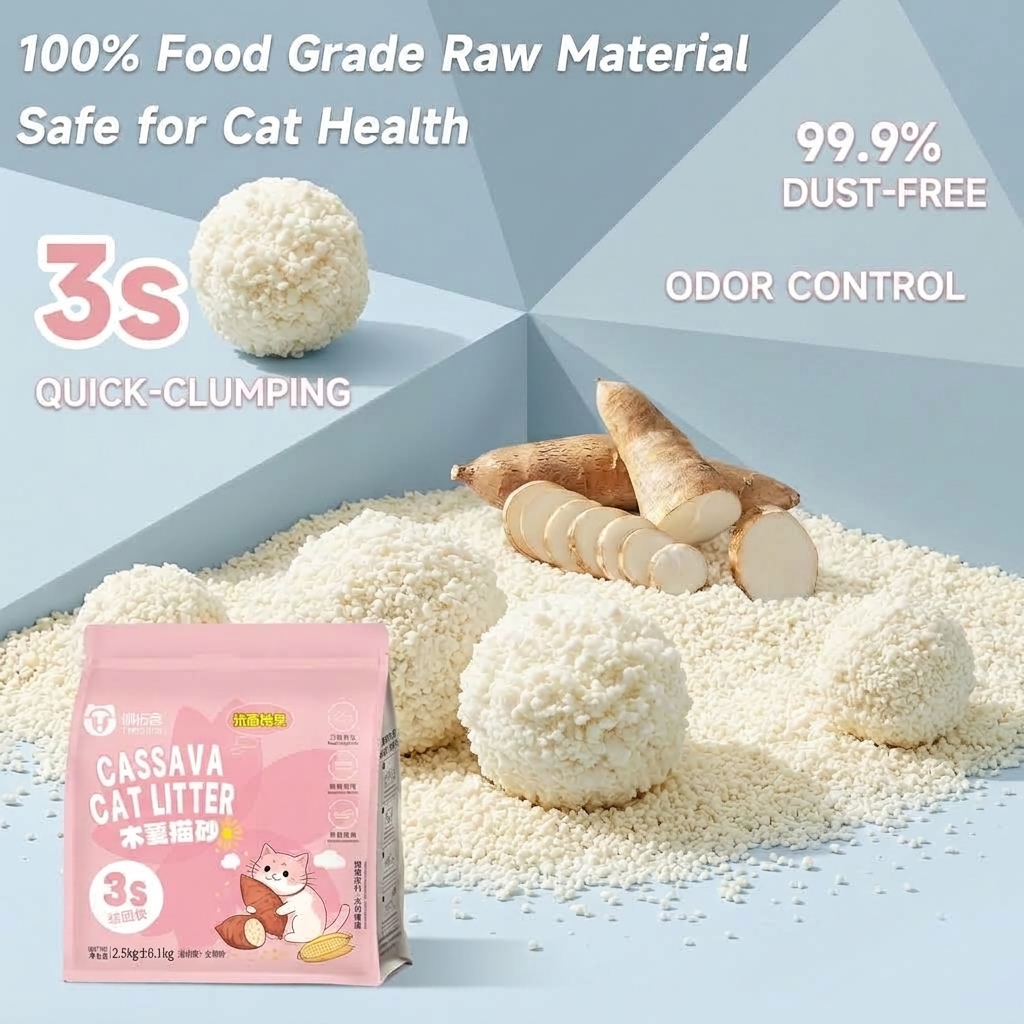
Factory Direct Natural Eco-Friendly Cassava Cat Litter
- 100% Cassava starch matrix
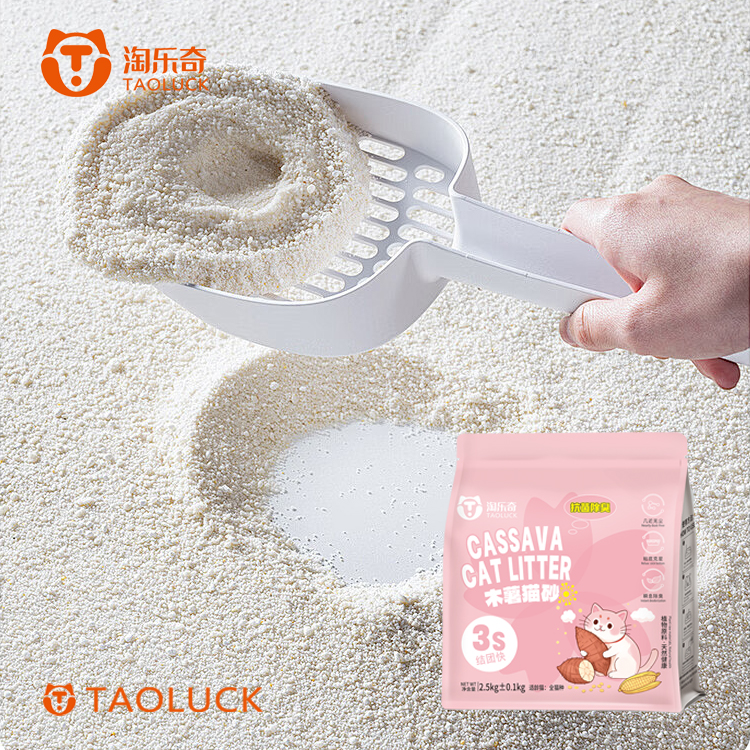
- Rapid 3-second cohesion lock
Certified Facility Floorspace
Super Water Absorption Capacity
Dust-Free De-Dusted Formula
Flexible Low-Barrier OEM MOQ
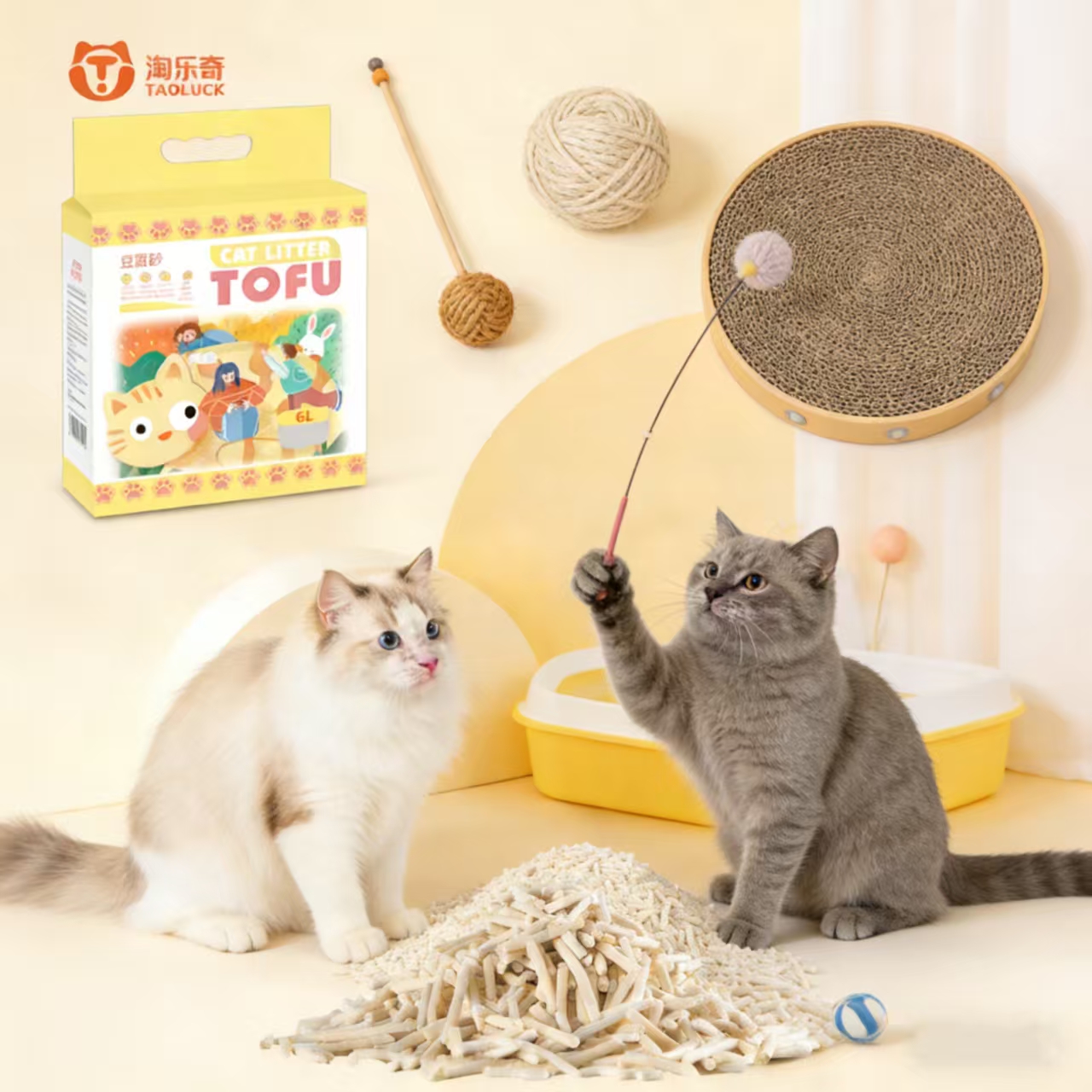
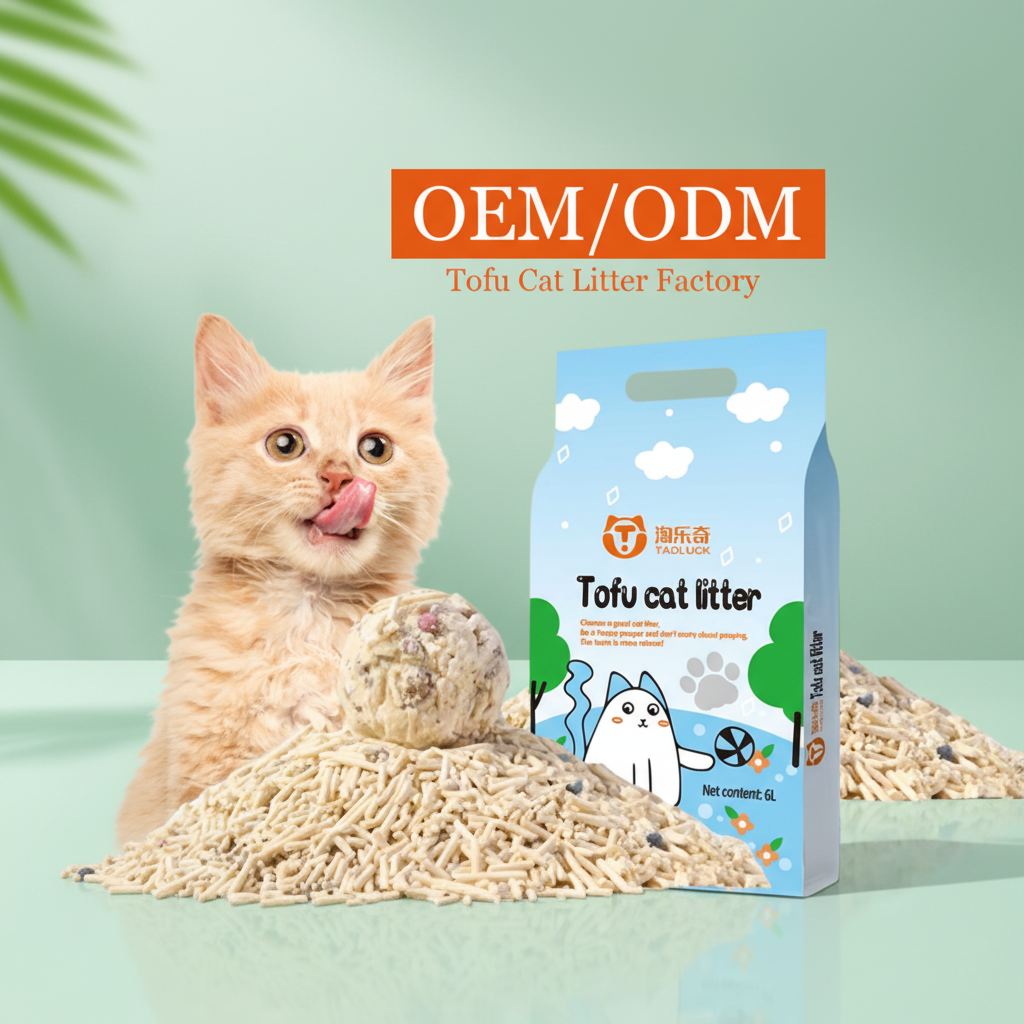
Explore our flagship portfolio of food-grade pea fiber tofu litters and starch-based cassava granule systems, built for commercial pet retail, e-commerce private labels, and high-volume distribution.
A rigorous understanding of physical fluid dynamics allows Brumel Pet to manufacture litter substrate that clumps firmer, neutralizes ammonia faster, and yields up to 40% less consumer product waste.
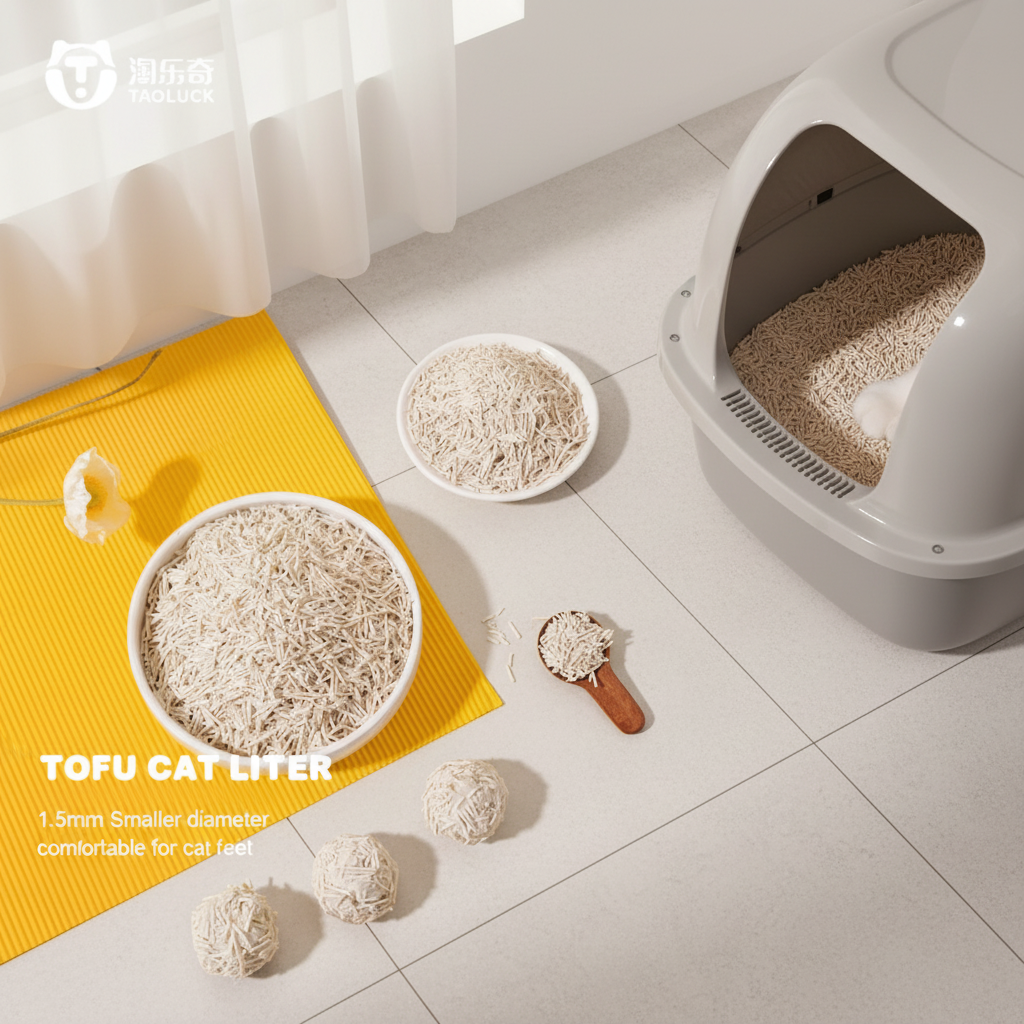
Traditional sodium bentonite clay swells upon liquid contact, forming clumps through mineral expansion that often clings tenaciously to the bottom of the tray. In contrast, Brumel’s tofu litter utilizes dietary food-grade bean fiber structures. Microscopic void channels inside the extruded soybean and pea pulp trigger fast capillary transport. Liquid is drawn instantaneously into the pellet matrix rather than spreading horizontally. The result is a compact surface mass that clumps before moisture reaches the litter box floor, reducing waste per scoop by 32% compared to generic coarse clay.
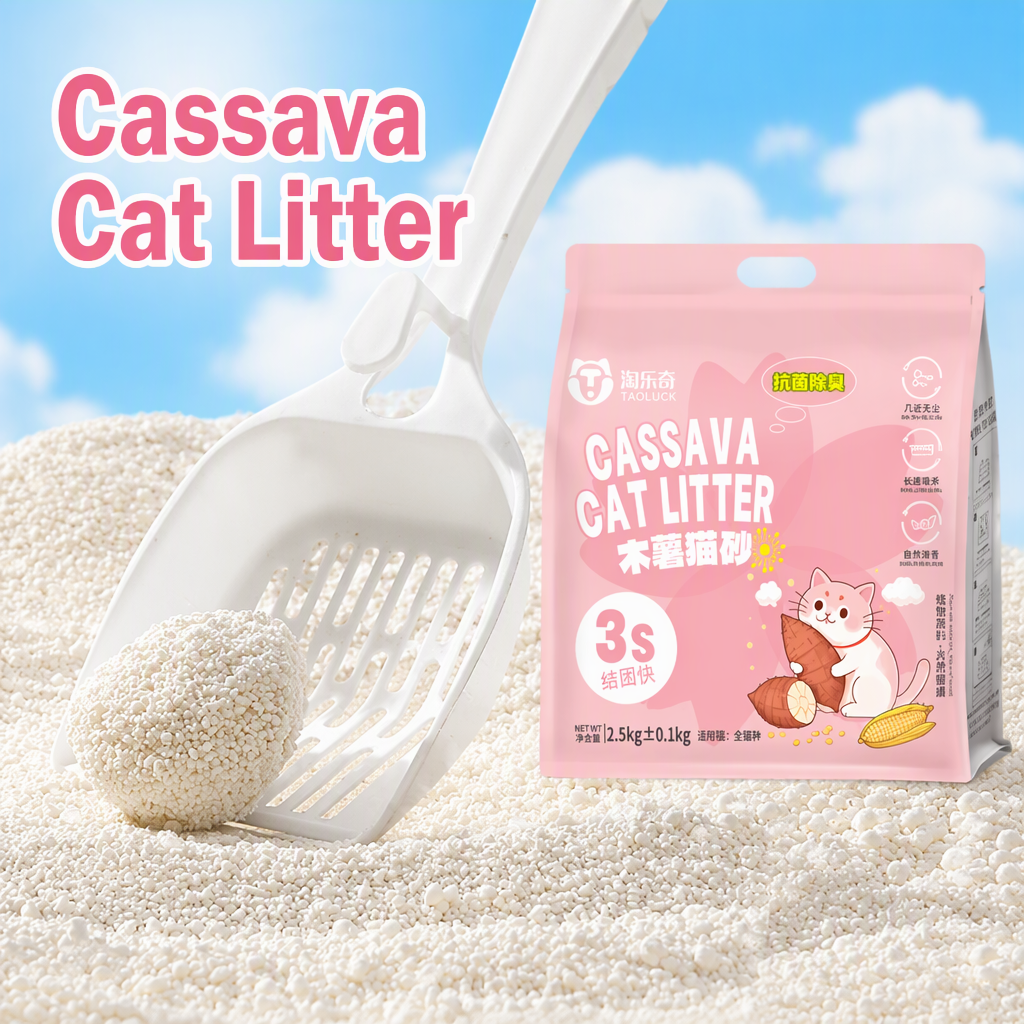
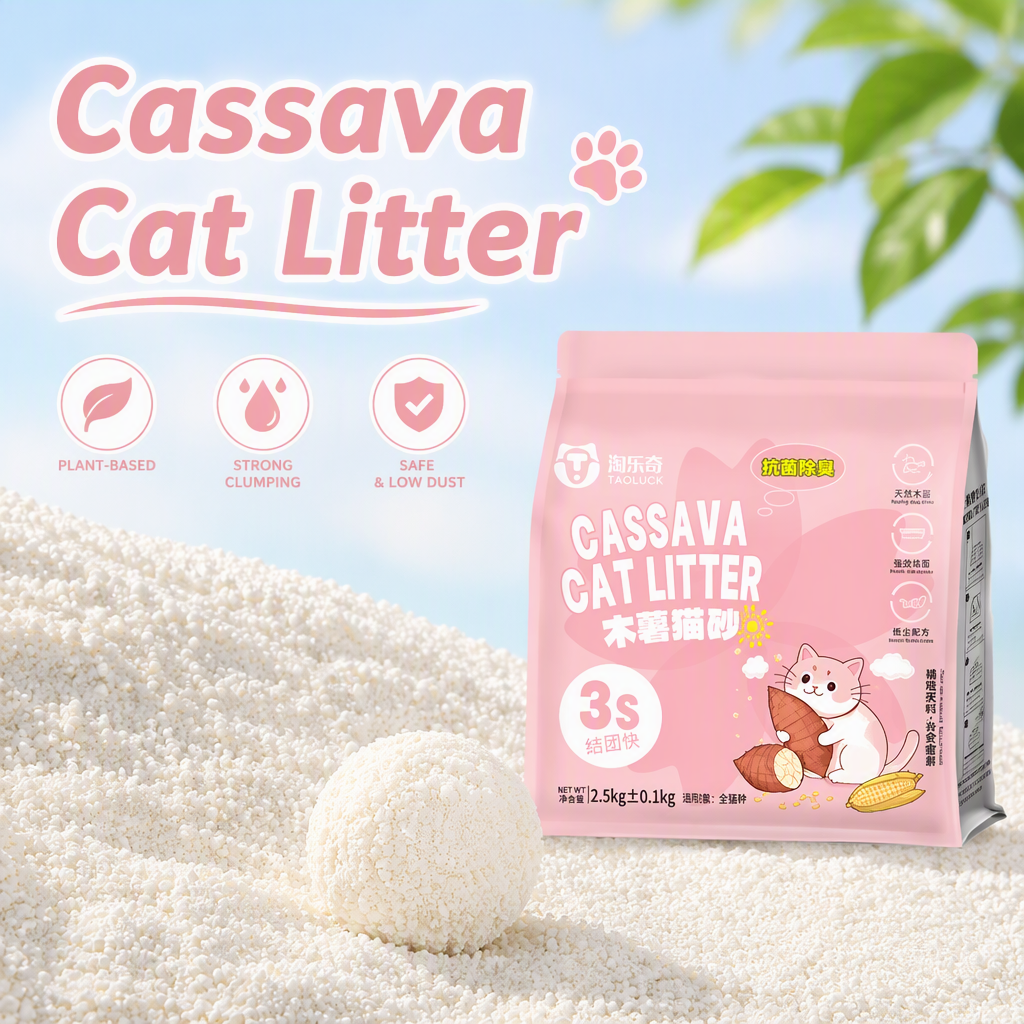
Cassava cat litter presents a higher density of natural amylose and amylopectin starches. Upon contact with feline urine, these polymer chains undergo localized gelatinization without requiring external heat. Within 3 seconds, a structural cohesive lattice is formed around surrounding granules, generating concrete-hard clumps. Because cassava exhibits a naturally pale appearance, commercial brands can also leverage it as an early health diagnostic indicator: changes in cat urine coloration (blood, elevated pH, bile) become immediately visible against the ivory granule surface.
Respiratory safety in domestic felines is a dominant concern for premium pet owners. Conventional bentonite dust releases respirable crystalline silica (RCS), a known pulmonary irritant. Brumel addresses this through a four-stage pneumatic cyclonic dust extraction process during manufacturing: screening, vibration filtering, negative-pressure dust extraction, and final vacuum tumbling prior to packaging. This sequence guarantees our finished product maintains a verified 99.9% dust-free threshold across global sea transits.
| Performance Metrics | Pea Fiber Tofu Litter | Pure Cassava Starch Litter | Corn-Cassava Blend | Standard Bentonite Clay |
|---|---|---|---|---|
| Primary Base Material | Food-Grade Pea/Soy Residue | Agricultural Cassava Root | Cracked Corn + Cassava | Mined Sodium Bentonite |
| Water Absorption Rate | 350% – 400% by weight | 400% – 450% by weight | 320% – 380% by weight | 180% – 220% by weight |
| Clump Cohesion Speed | < 5 Seconds | < 3 Seconds (Ultra-Fast) | < 4 Seconds | 8 – 15 Seconds |
| Disposal Viability | 100% Flushable & Biodegradable | Compostable; Selective Flush | Compostable / Flushable | Landfill Only (Clogs Pipes) |
| Bulk Density | Light (approx. 500g/L) | Medium (approx. 620g/L) | Medium (approx. 580g/L) | Heavy (approx. 900–1000g/L) |
| Dust Rating (%) | ≤ 0.1% (Pneumatic de-dusted) | ≤ 0.1% (Clean starch) | ≤ 0.2% | 1.5% – 4.0% (High silt content) |
Strategic purchasing directors and private brand owners are shifting their supply chain models. Here is how international consumer patterns are fundamentally reshaping bulk cat litter sourcing.
Driven by strict landfill restrictions in the EU and corporate ESG commitments, major supermarket chains and pet franchises are actively delisting strip-mined bentonite. The market demand for renewable plant starches (pea fiber, cassava, corn) is compounding at over 11.4% CAGR through 2030.
With volatile maritime shipping container tariffs, bulk weight directly governs landing cost per package. Plant-based tofu and cassava litters weigh 40% to 50% less than identical volumes of clay sand, allowing importers to pack up to 45% more usable litter volume per 40ft HQ container.
Buyers are diversifying beyond single-ingredient substrates. Next-generation private labels increasingly request hybrid formulations—such as 70% tofu pellet blended with 30% crushed cassava or activated zeolite deodorizing particles—maximizing clump integrity while driving down raw cost barriers.
Headquartered in Dongying, Shandong, Dongying Brumel Pet Products Co., Ltd. combines on-site industrial manufacturing with strict export compliance standards.
Our production premises span 7,500m² of specialized manufacturing infrastructure, audited and verified on-site by SGS Group. Importers enjoy full operational transparency, certified raw input tracking, and third-party verified capability.
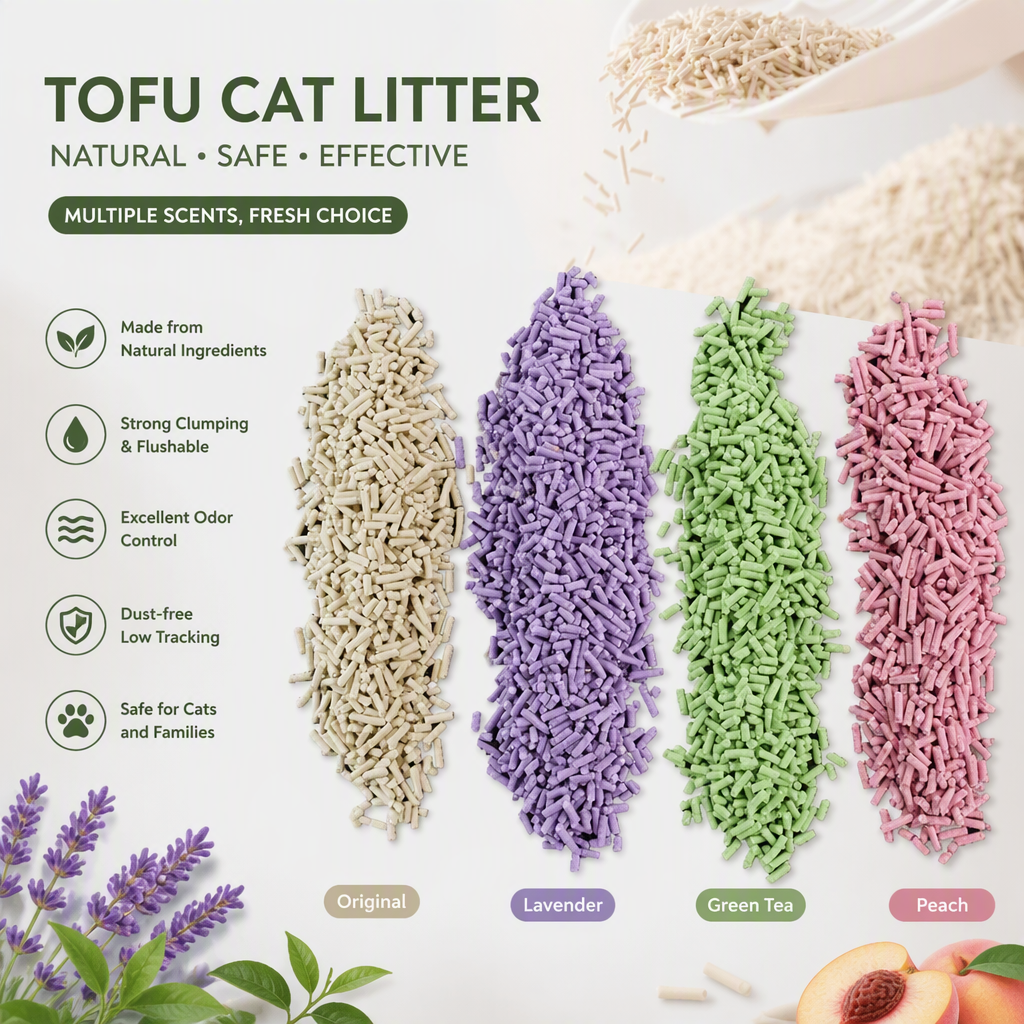
From bag graphic packaging engineering, scent infusing (green tea, peach, lavender, charcoal, unfragranced), to custom pellet geometry (1.5mm micro-strips, crushed crumbs, irregular granules), we build customized solutions from 400 bags.
Every commercial batch is pre-inspected before container sealing. In-house testing covers moisture percentage (≤10%), absorbency expansion ratios, clumping drop tests from 1.2m heights, and automated microbial screening.
In addition to tofu, cassava, and hybrid cat litter varieties, our production capabilities extend to corrugated cat scratching boards, allowing buyers to consolidate product lines into single full-container loads (FCL).
Critical operational answers for commercial import managers, e-commerce brand owners, and overseas supply chain specialists.
Our standard manufacturing run allows entry-level OEM orders starting from just 400 bags for stock formulation packaging. For fully custom-printed composite vacuum foil bags or plastic stand-up pouches with rotogravure artwork printing, packaging cylinder set-up typically starts at 5,000 to 10,000 bags. We also offer unprinted plain bags with custom adhesive brand labels for pilot market testing.
Yes. Moisture control is integral to our factory process. All plant raw materials are dehydrated through dynamic hot-air roasting tunnels to maintain finished product moisture consistently below 8%-10%. Each retail bag is hermetically heat-sealed (with optional vacuum degassing to eliminate dead air), and shipping containers are outfitted with high-capacity desiccant poles to eliminate container rain during cross-equator maritime voyages.
Our tofu cat litter formulas consist of water-soluble food fibers that undergo rapid dispersion upon contact with surplus turbulent water. Individual clump masses begin breaking down within 30 to 60 seconds, allowing for safe residential toilet disposal. However, we advise overseas distributors to confirm compliance with local urban municipal wastewater guidelines, as some jurisdictions (e.g., California) recommend disposal via solid waste bins to safeguard municipal marine waterways.
The 1.5mm micro-pellet offers a higher overall surface-area-to-volume ratio, resulting in tighter clumping, quicker liquid absorption, and a texture that mimics clay sand—ideal for cats resistant to coarser pellets. The 2.0mm pellet is slightly more robust, offering superior structural anti-breakage resistance during transport and minimal inter-granule friction dust.
We supply full export documentation packages tailored to your country of destination. This includes the third-party SGS on-site factory verification report, Material Safety Data Sheets (MSDS), Official Phytosanitary Certificates issued by China Customs (CIQ), Certificate of Origin (CO, Form E, Form F), non-hazardous substance declarations, and microbiological / heavy-metal compliance analysis reports.
Consult with our international export engineering team today. Request free sample lab kits, verify customized formulation options, and receive tailored FOB / CIF container pricing within 24 business hours.