Featured OEM/ODM Plant-Based Cat Litter SKUs
Direct-from-factory private label solutions engineered for global distributors, retail chains, and e-commerce brands.
Whitepaper: Biopolymer Engineering in Soy Pulp (Okara) Cat Litter Manufacturing
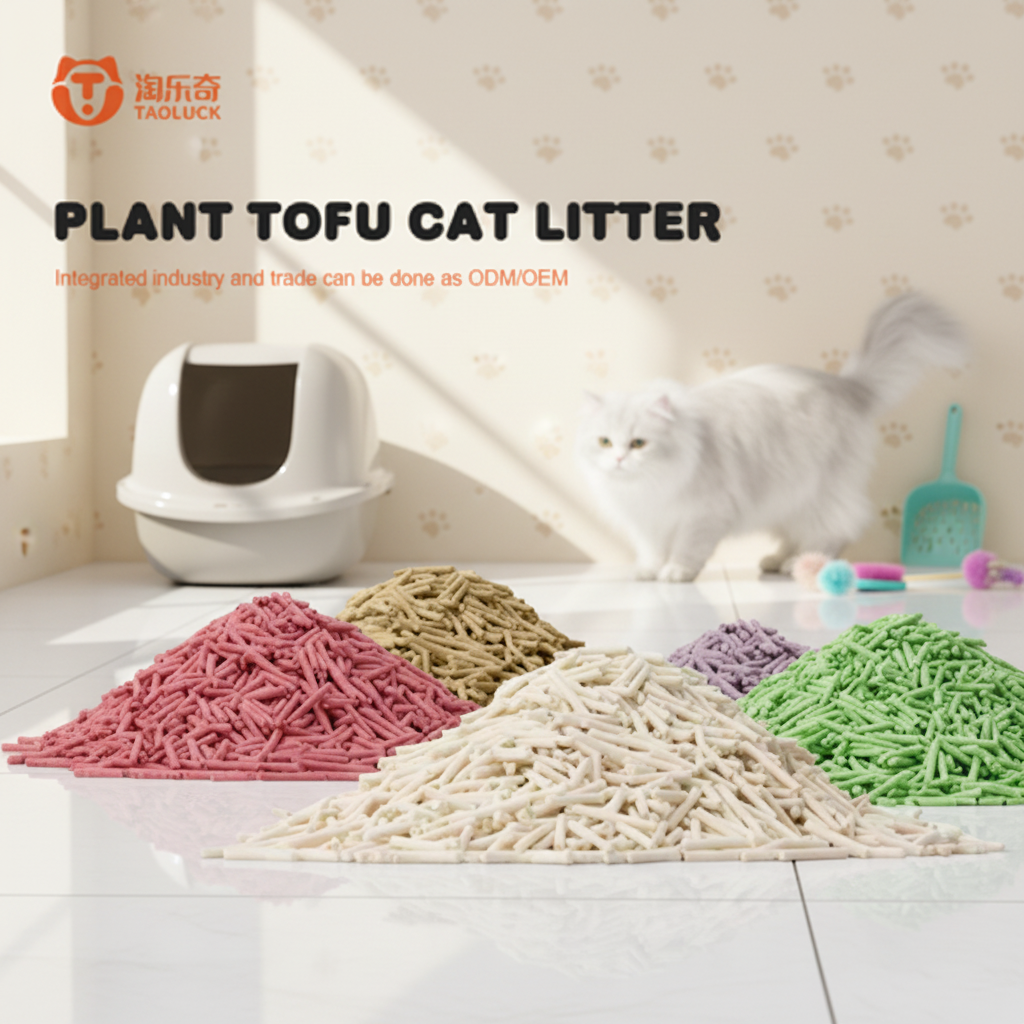
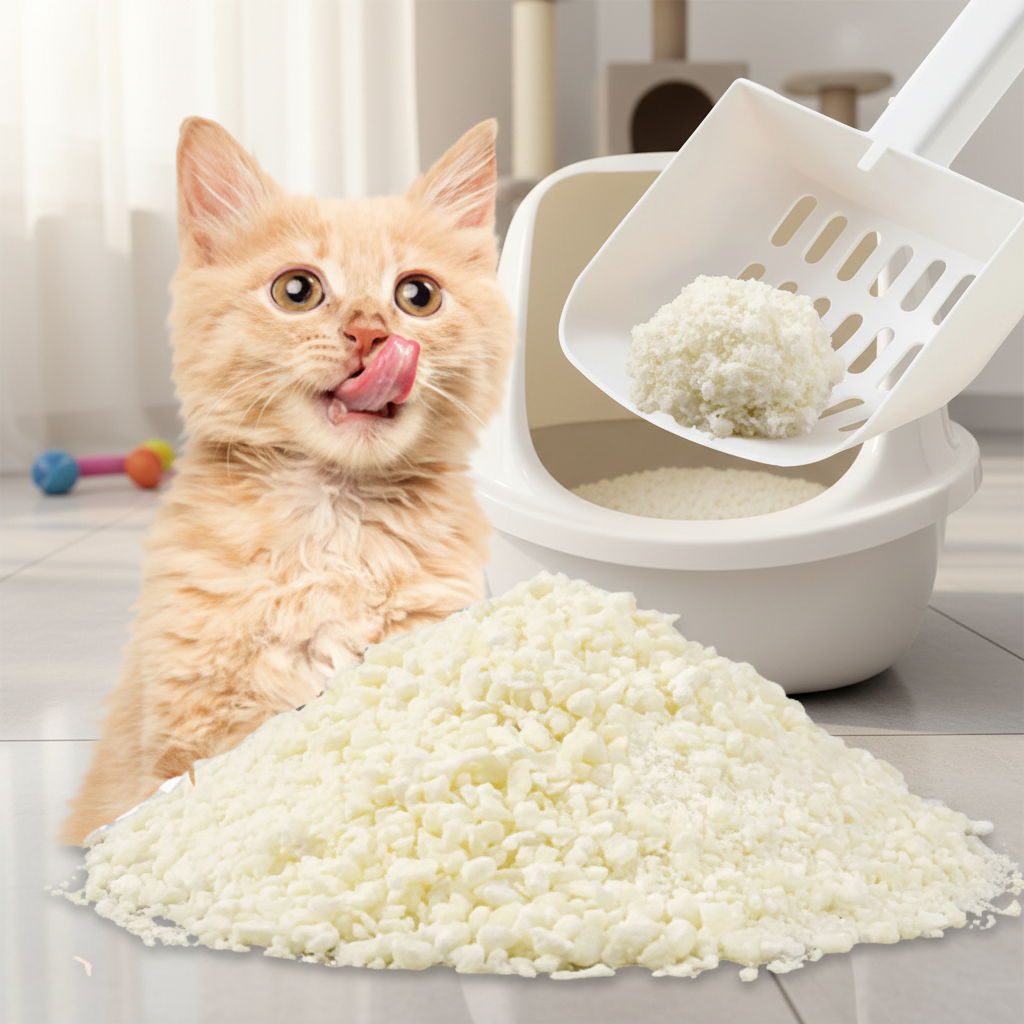
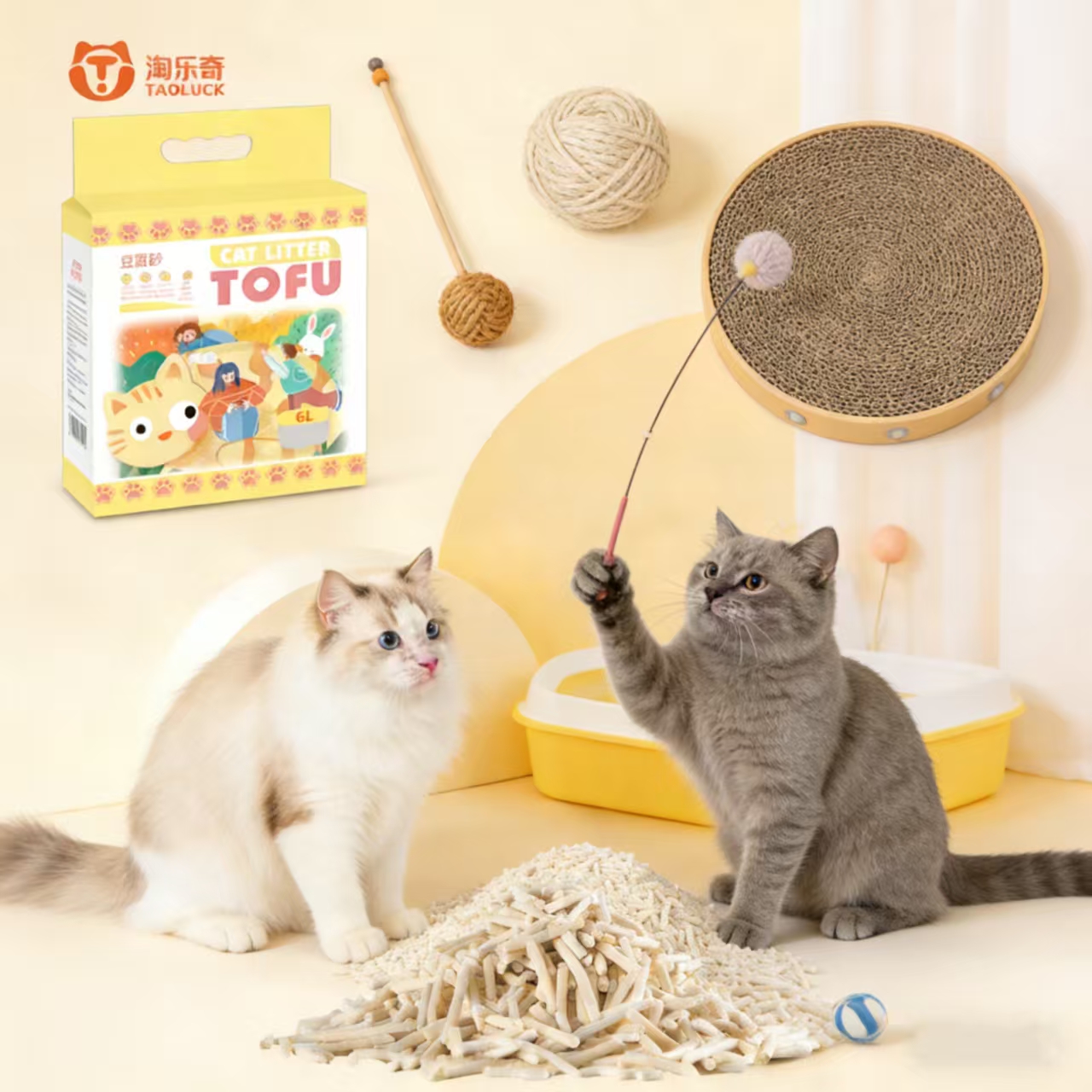
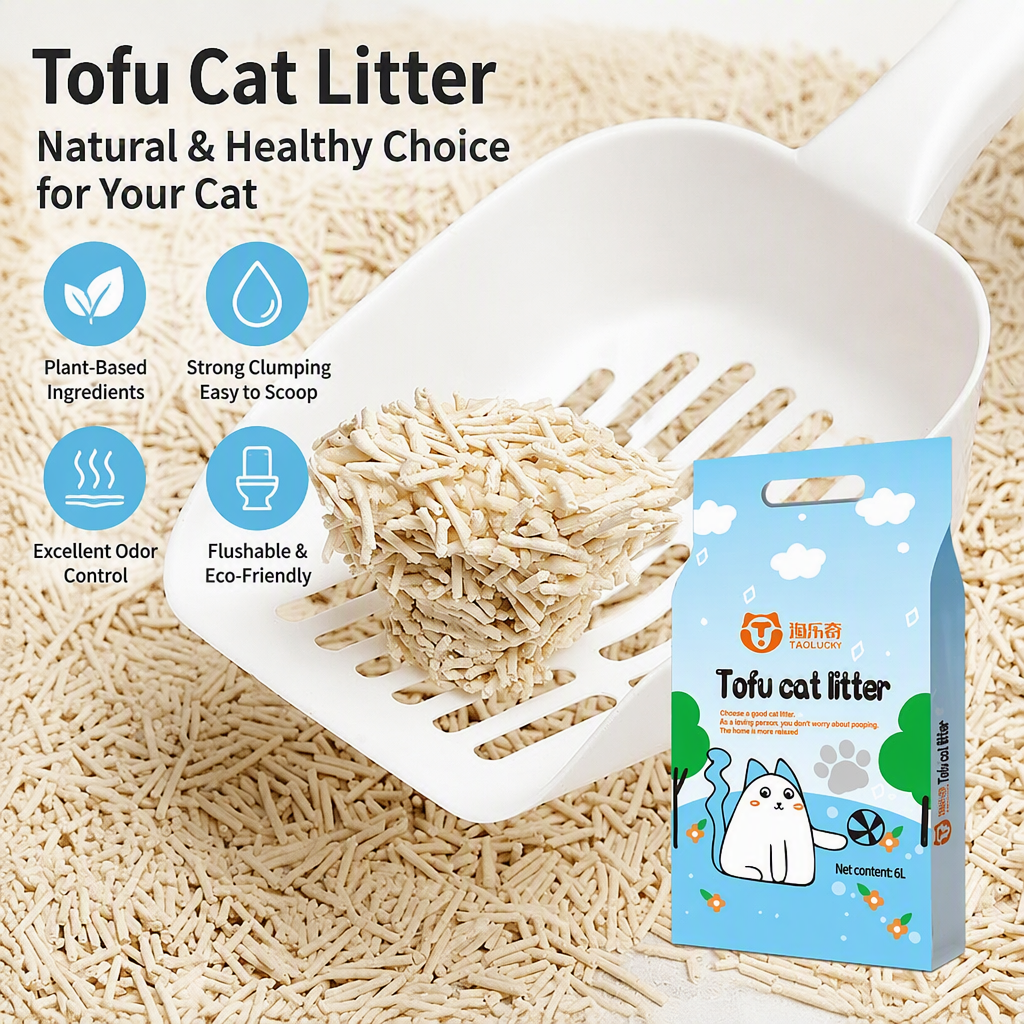
The global pet supplies industry is undergoing a structural transition from mineral-based substrates (sodium bentonite and silica crystal) toward sustainable, plant-derived biopolymers. At the forefront of this evolution are OEM/ODM soy pulp cat litter factories, utilizing upcycled soybean residue (Okara)—a byproduct of soy milk and tofu processing—to create high-performance, flushable, and low-dust cat litter.
From an industrial chemistry perspective, raw soy pulp consists of soluble fiber, insoluble cellulose, hemicellulose, and residual food-grade proteins. When processed under controlled thermomechanical extrusion, these compounds undergo starch gelatinization and protein cross-linking, yielding a microporous matrix with exceptional capillary action.
Mechanisms of Action: Clumping, Deodorization, and Dust Mitigation
Professional buyers evaluating contract manufacturers must scrutinize three fundamental performance parameters:
1. Capillary Liquid Retention
Extruded soy granules create intra-particle micro-voids. Liquid feline waste is absorbed in seconds, locking moisture deep inside the fiber network and preventing bottom-box sticking.
2. Natural Enzymatic Binding
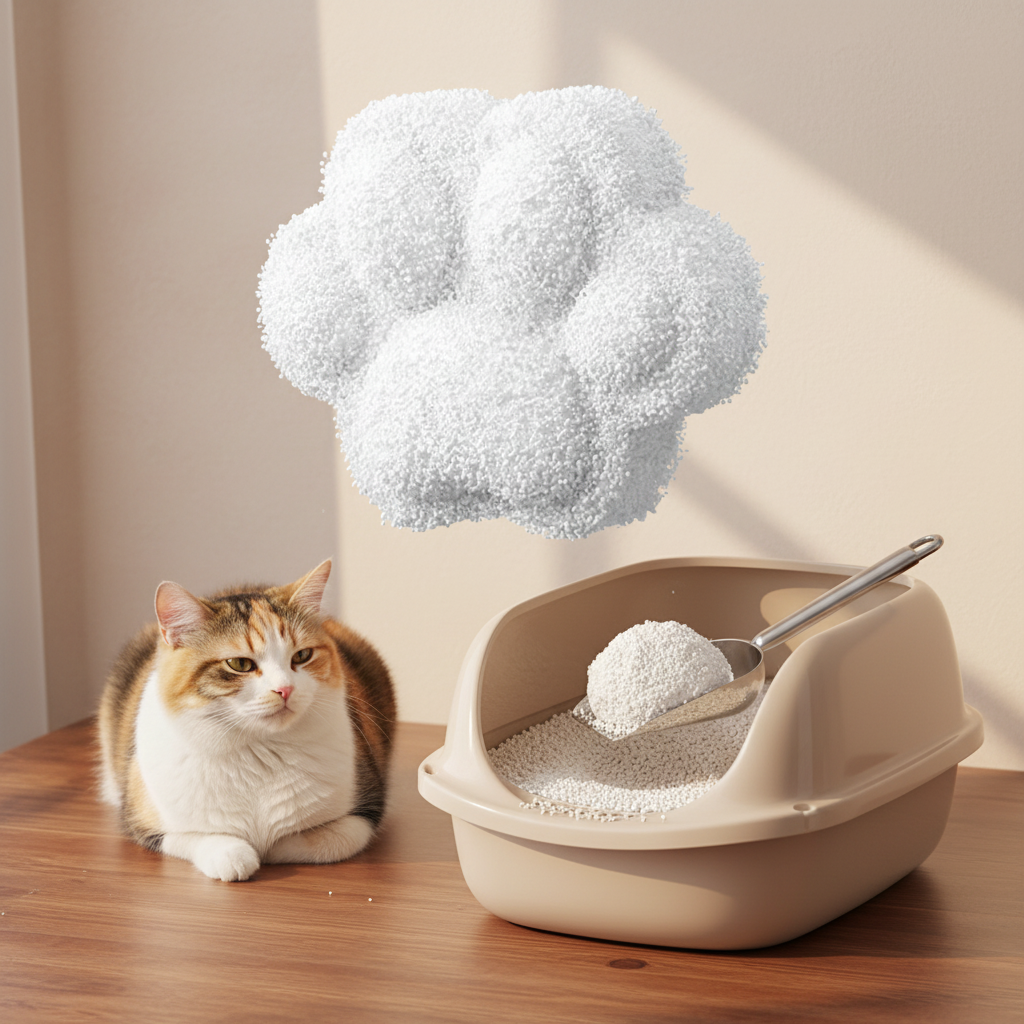
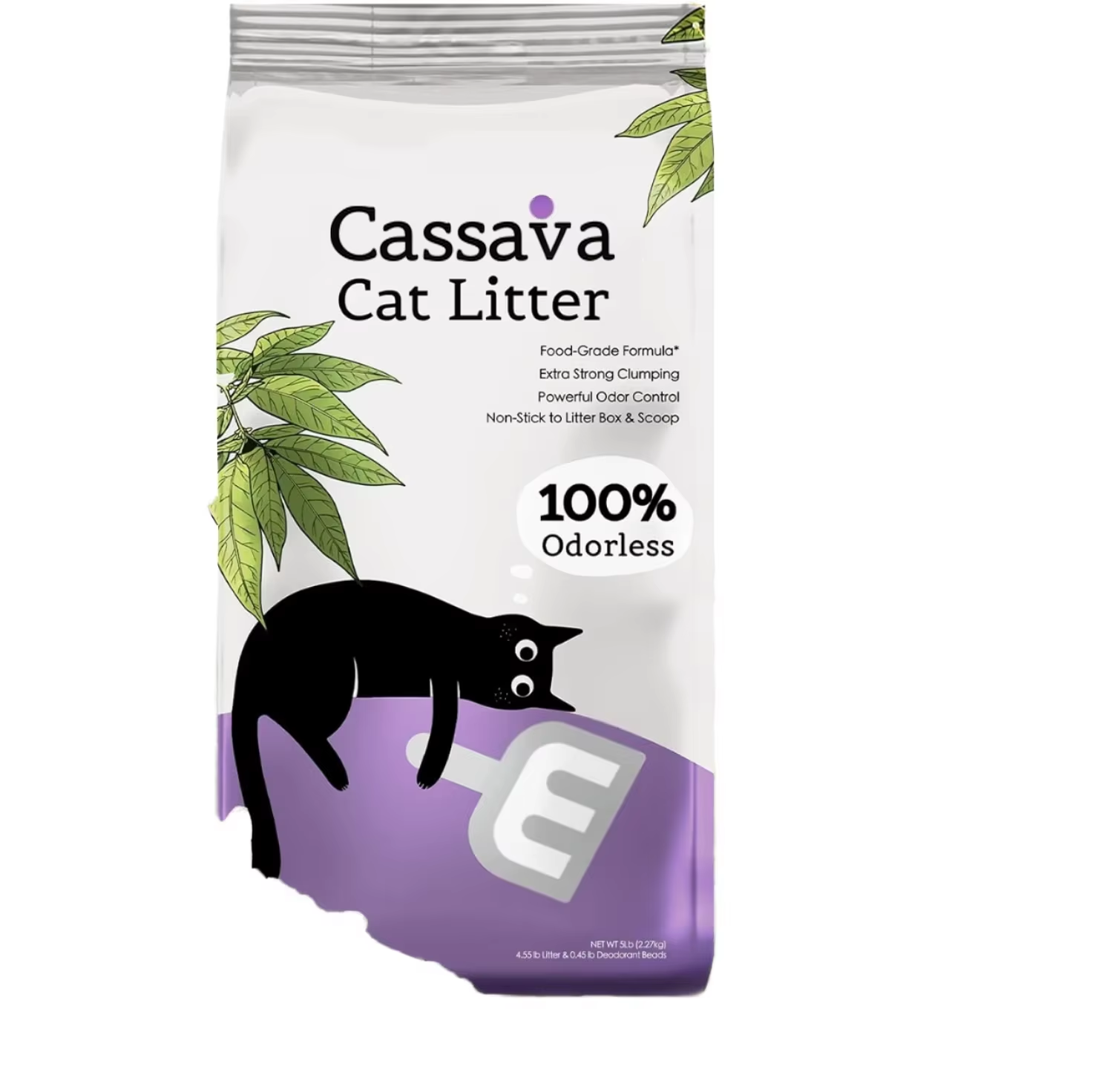
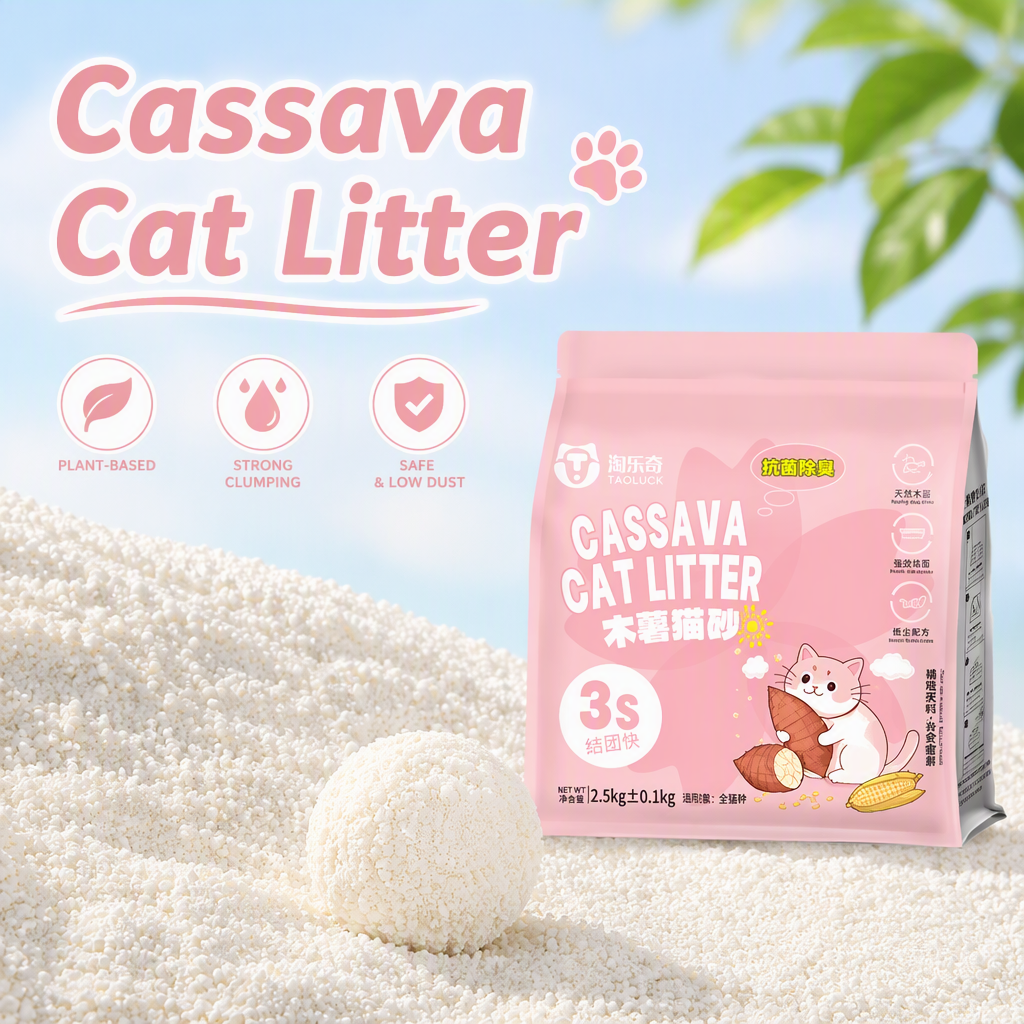
By blending bio-adhesives such as plant starch, guar gum, and natural cassava flour, the granule quickly agglomerates upon contact with moisture to form dense, scoopable clumps.
3. Multi-Stage Dust Extraction
Industrial OEM factories implement negative-pressure dust collectors during drying, sifting, and final packing to achieve dust-free compliance, protecting feline respiratory health.
Comparative Material Matrix for B2B Sourcing Directors
To assist supply chain managers in selecting the ideal material composition for their product lines, the table below contrasts soy pulp formulations against alternative market substrates:
| Performance Metric | Soy Pulp (Tofu) Litter | Cassava Starch Litter | Sodium Bentonite | Crushed Hybrid Blend |
|---|---|---|---|---|
| Primary Raw Material | Food-Grade Soy Residue & Starch | Pure Cassava Root Flour | Mined Clay Minerals | Soy Pulp + Bentonite (70/30) |
| Biodegradability & Flushing | 100% Biodegradable / Flushable | 100% Biodegradable / Flushable | Non-Biodegradable / Clogs Pipes | Partial / Bin Disposal Only |
| Bulk Density (g/L) | 420 – 480 g/L (Ultra-Light) | 500 – 550 g/L (Lightweight) | 900 – 1000 g/L (Heavy) | 650 – 720 g/L (Moderate) |
| Odor Encapsulation | High (Natural Soy Protein Binding) | Medium-High (Starch Trap) | Medium (Requires Fragrance) | Very High (Synergistic Action) |
| Freight & Logistics Efficiency | Optimal (Reduces shipping weights) | Excellent | Poor (High freight costs) | Balanced |
Future Procurement Trends: 2025–2030 OEM/ODM Outlook
The global pet hygiene sector is witnessing major shifts in consumer preference and environmental regulations. Sourcing directors and private-label brand managers must align their manufacturing strategies with these key industry shifts:
1. Transition to Micro-Diameter Granules
Traditional 3.0mm strip-shaped tofu litters are increasingly being replaced by 1.5mm to 2.0mm micro-extrusions and crushed plant litters. Thinner diameter granules increase surface contact area, accelerating absorption speed and reducing total litter consumption by up to 30% per cat household.
2. Hybrid Formulation Synergy (Bentonite-Plant Compositions)
To bridge the gap between traditional clay users and eco-conscious consumers, leading contract factories produce mixed litters. Combining 70% low-dust soy pulp strips with 30% premium sodium bentonite or cassava granules achieves fast clumping while maintaining an eco-friendly brand story.
3. Functional Health Indicators & Odor Tech
Next-generation OEM developments integrate pH-sensitive bio-indicator beads that shift color upon detecting abnormal urinary acidity or alkalinity (indicating early-stage feline lower urinary tract disease). Additionally, enzymatic odor-neutralizers are replacing heavy artificial scents.
Furthermore, stringent European packaging guidelines (such as the EU Single-Use Plastics Directive and EN 13432 compostability certification) are driving demand for vacuum-sealed recyclable polyethylene (PE) bags, paper-based standing pouches, and biodegradable kraft outer cartons.
Enterprise Manufacturing Capabilities: Dongying Brumel Pet Products Co., Ltd.
When selecting a strategic manufacturing partner in China, supply chain risk management requires verified factory audits, technical infrastructure, and rigorous quality control. Dongying Brumel Pet Products Co., Ltd. stands out as an established, SGS on-site verified producer specializing in sustainable plant-based pet care solutions.
Industrial Workflow: Quality Assurance from Raw Fiber to Container Loading
Dongying Brumel operates automated, eco-friendly manufacturing lines designed for consistent output across high-volume production cycles:
- Raw Material Inspection & Preparation: Food-grade soybean residue (Okara) and natural cassava starches undergo moisture analysis, heavy metal screening, and microbial testing prior to batching.
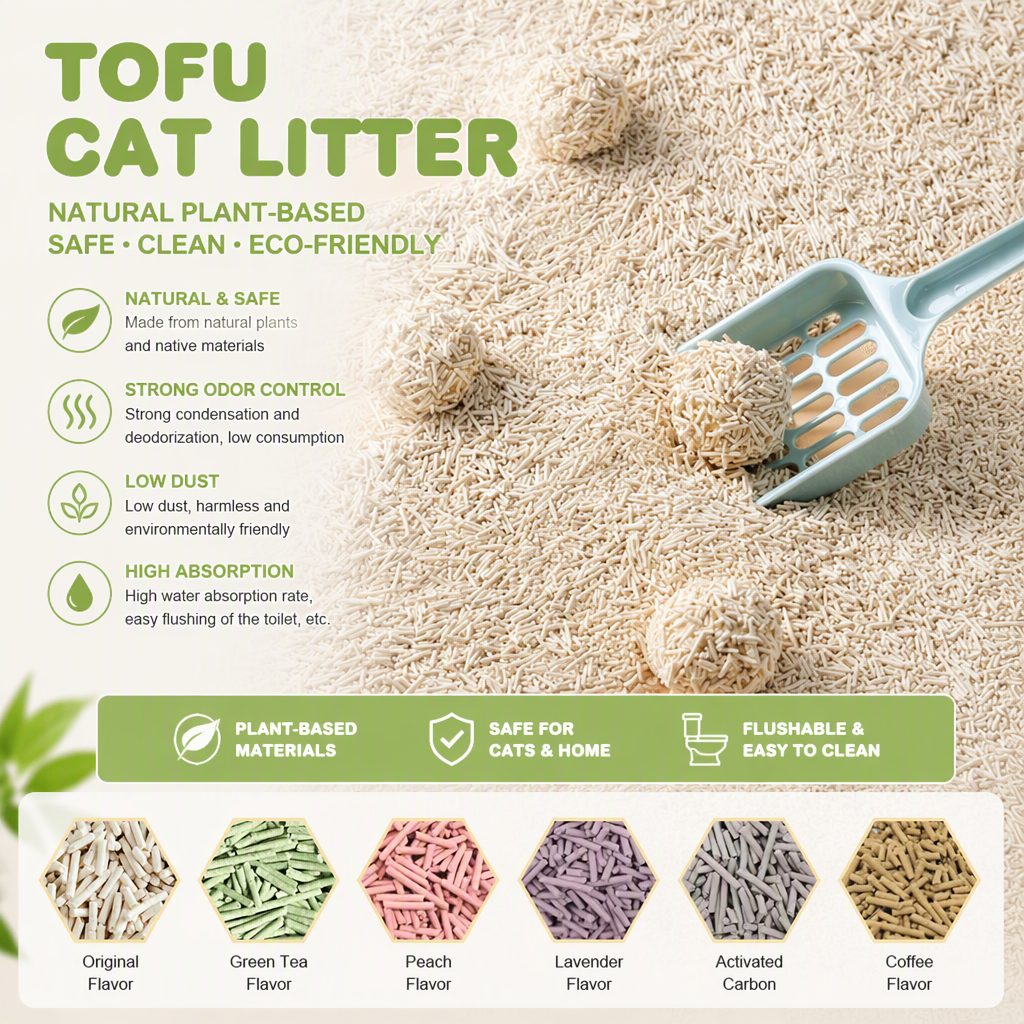
- Precision Mixing & Bio-Scent Infusion: Ingredients are homogenously blended with natural plant gums and bio-based fragrances (such as peach, green tea, lavender, or milk) in automated stainless steel mixers.
- High-Pressure Extrusion & Shaping: The wet paste is extruded through precision dies to produce uniform 1.5mm, 2.0mm, or 3.0mm diameter pellets, crushed granules, or puffed shapes.
- Microwave & Hot-Air Drying: Pellets undergo dual-stage thermal drying to bring residual moisture down to 8%–10%, preventing mold growth without chemical preservatives.
- Triple Air-Screening & Packaging: Vibrating screens remove fine particles, followed by high-suction negative-pressure de-dusting before filling moisture-proof vacuum bags.
Whether you require private-label packaging artwork design, customized fragrance development, or specialized container loading configurations, Brumel provides turnkey OEM/ODM services tailored to your market's regulatory standards.
Sourcing & Procurement FAQ for B2B Buyers
Below are technical and commercial responses to common questions raised by international procurement managers during factory auditing and order placement:
Partner with a Verified Soy Pulp Cat Litter Factory
Accelerate your brand's growth with factory-direct pricing, custom biopolymer formulas, and low MOQ private labeling options from Dongying Brumel Pet Products Co., Ltd.
Get a Quote