Featured Product Catalog
Explore our SGS-verified, factory-direct plant-based cat litters engineered for rapid clumping, ultra-low dust, and complete eco-biodegradability.
1. Executive Summary: The Structural Evolution of Soybean Fiber Cat Litter
In the global pet supply industry, the shift from traditional mineral-based litters (such as sodium bentonite and attapulgite clay) to sustainable, plant-derived substrates represents a structural transformation driven by environmental policy, domestic sanitation trends, and consumer demands for feline respiratory health. As a primary OEM/ODM Soybean Fiber Cat Litter Supplier & Exporters, Dongying Brumel Pet Products Co., Ltd. operates at the intersection of biopolymer engineering and high-volume commercial manufacturing.
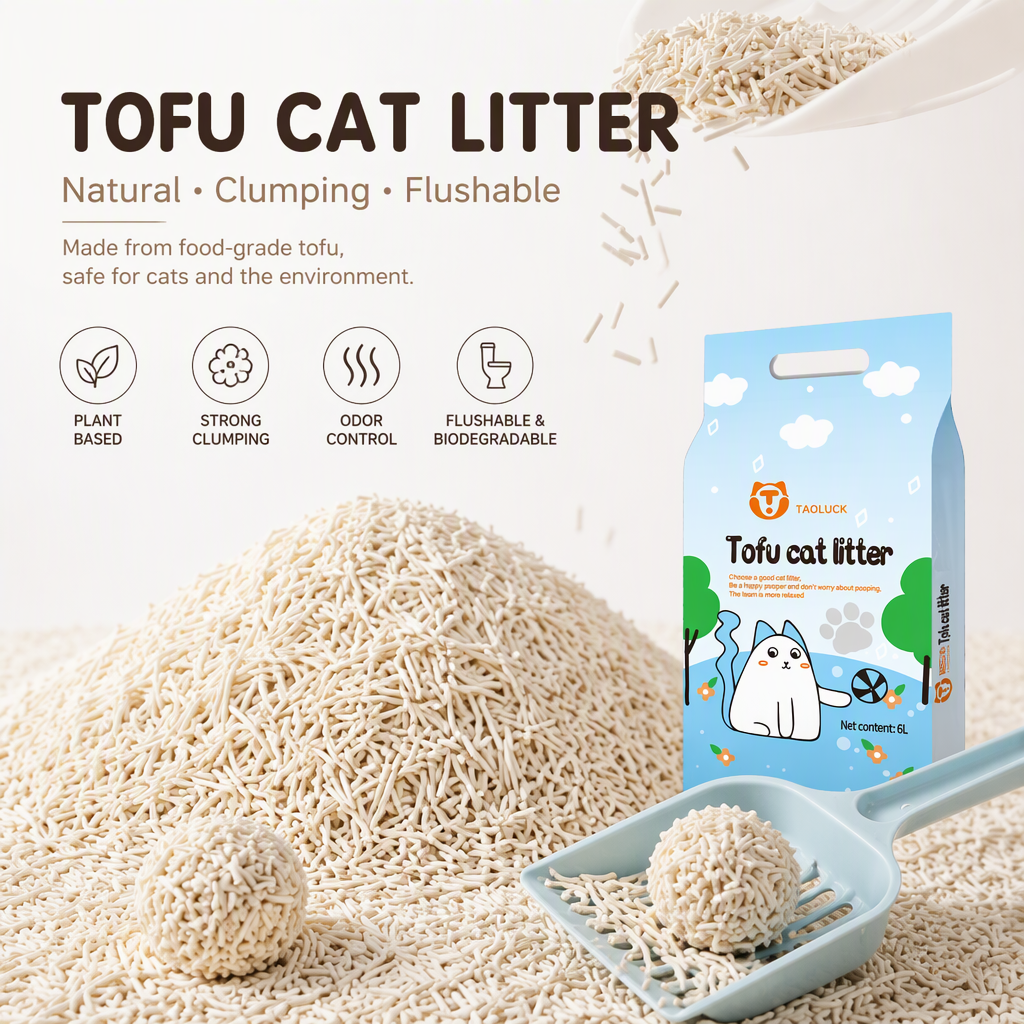
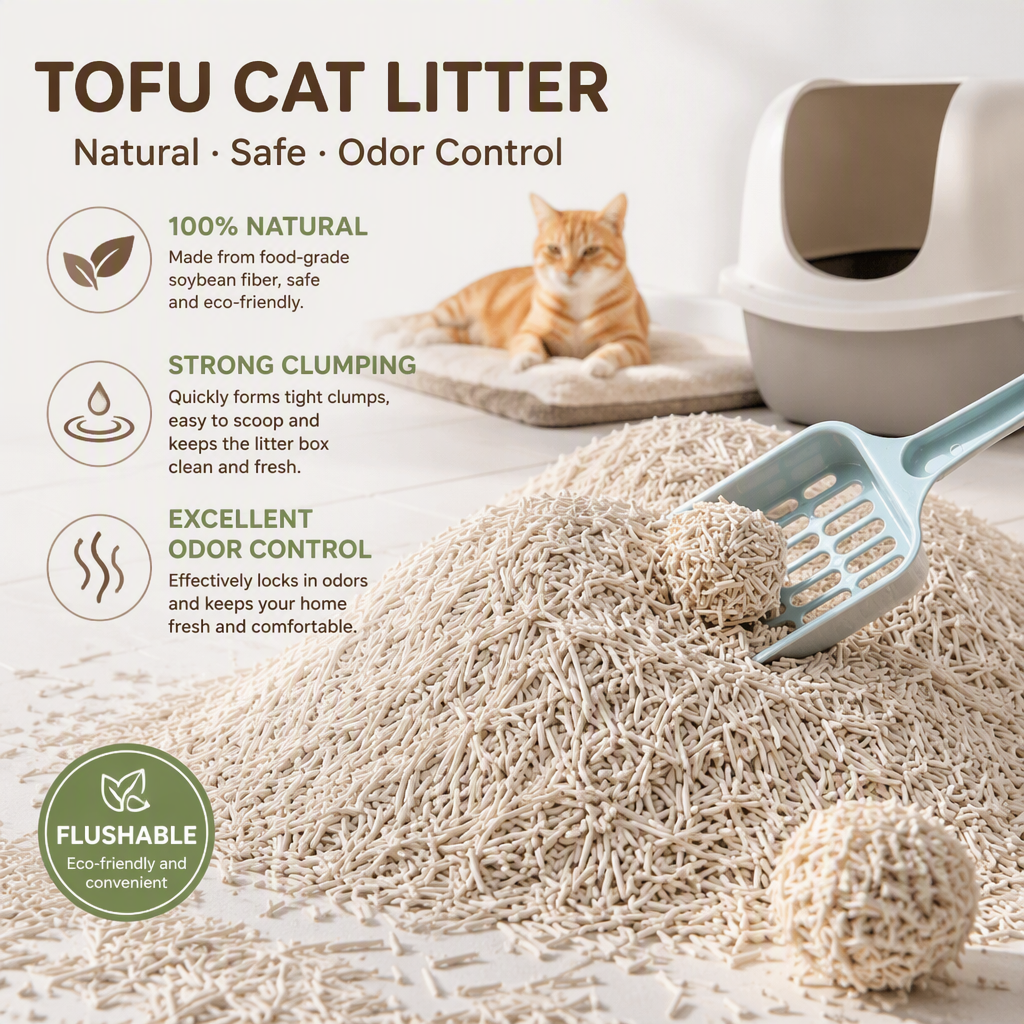
Soybean fiber cat litter—commercially recognized as Tofu Cat Litter—is synthesized from upcycled food-grade soybean dregs (okara), starch binders, and natural plant gums. The material science underlying soybean fiber litters offers distinctive commercial advantages: high water absorption kinetics, rapid gelation upon contact with feline urine, low bulk density, and complete water-dispersible biodegradability that enables municipal toilet flushing.
B2B Market Insight: European and North American retail brands are increasingly shifting private label portfolios toward plant-based litters to reduce logistics carbon footprint per unit volume by up to 45% compared to heavy clay alternatives, while securing premium retail margins.
2. Biochemical Composition and Granulation Engineering
The manufacturing process of industrial soybean fiber cat litter requires precise control over raw material selection, particle size distribution, moisture equilibrium, and thermal gelatinization. Unlike basic agricultural bi-products, commercial-grade soybean fiber litter undergoes a complex mechanical extrusion process.
2.1 Raw Material Matrix and Fiber Synthesis
The foundation of premium tofu litter rests on three core botanical ingredients:
- Soybean Fiber (Okara Residue): Sourced directly from soybean protein extraction lines. The fiber network provides the structural matrix, offering high capillary action to draw moisture into the core of the pellet.
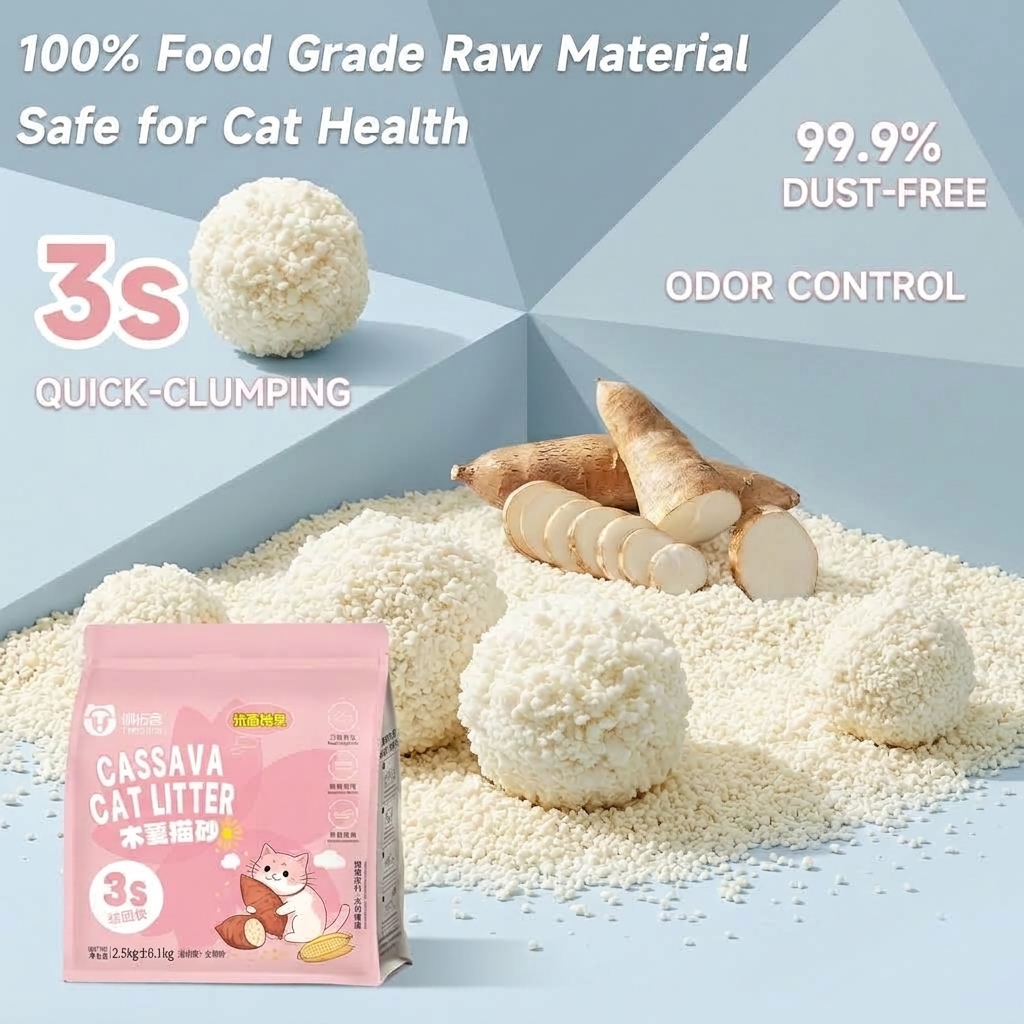
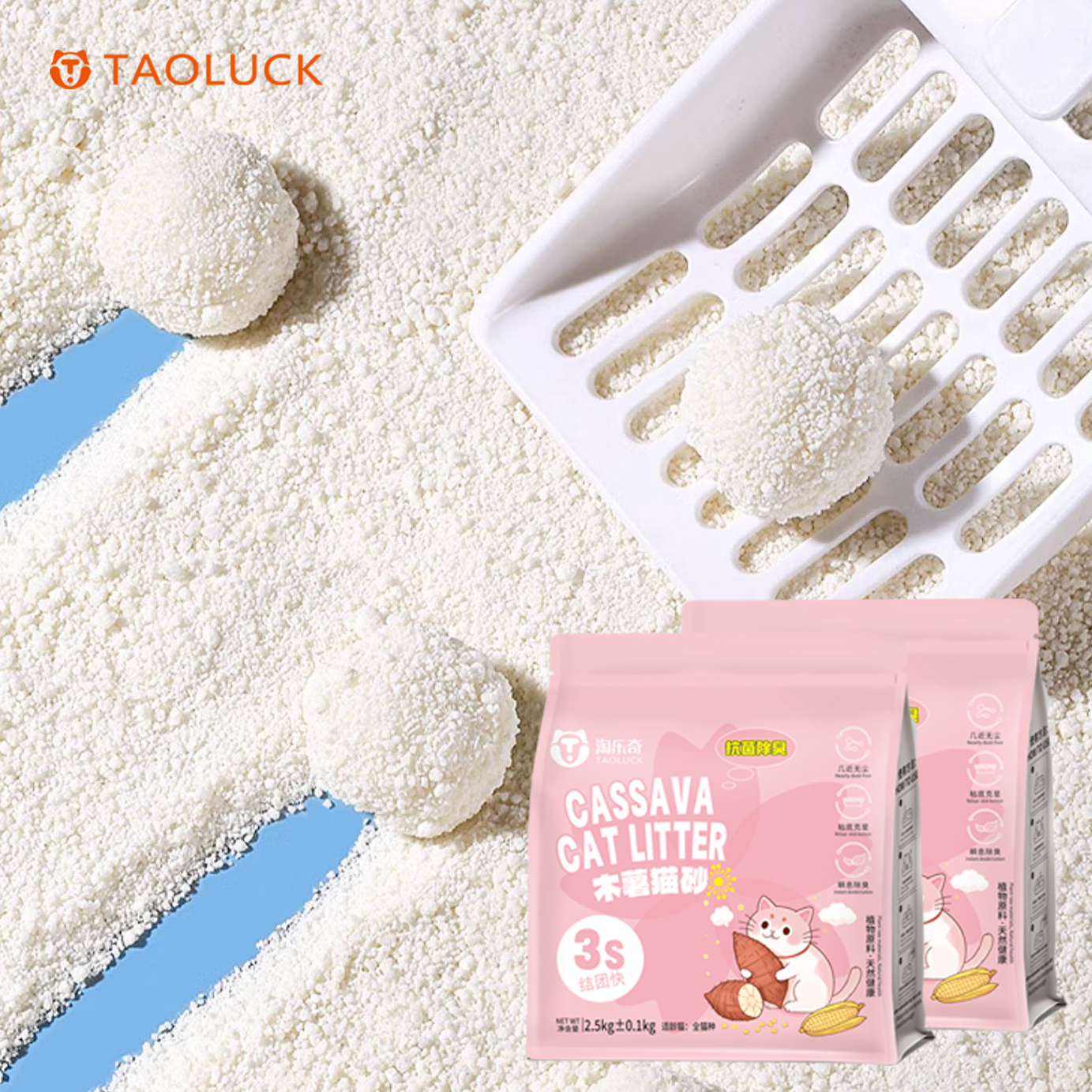
- Industrial Food Starches (Corn & Cassava Starch): Function as the heat-activated binding agent. During high-pressure extrusion, starches undergo gelatinization, forming a cohesive cross-linked network that prevents pellet friability and controls dust generation.
- Guar Gum / Botanical Polysaccharides: Hydrocolloid additives incorporated at 1.5% to 3.5% concentration to exponentially increase viscosity upon liquid contact, driving sub-3-second clump cohesion.
2.2 Granule Geometry: Pellets, Crushed, and Puffed Formulations
To cater to varying geographic market preferences, our OEM manufacturing infrastructure produces multiple structural shapes:
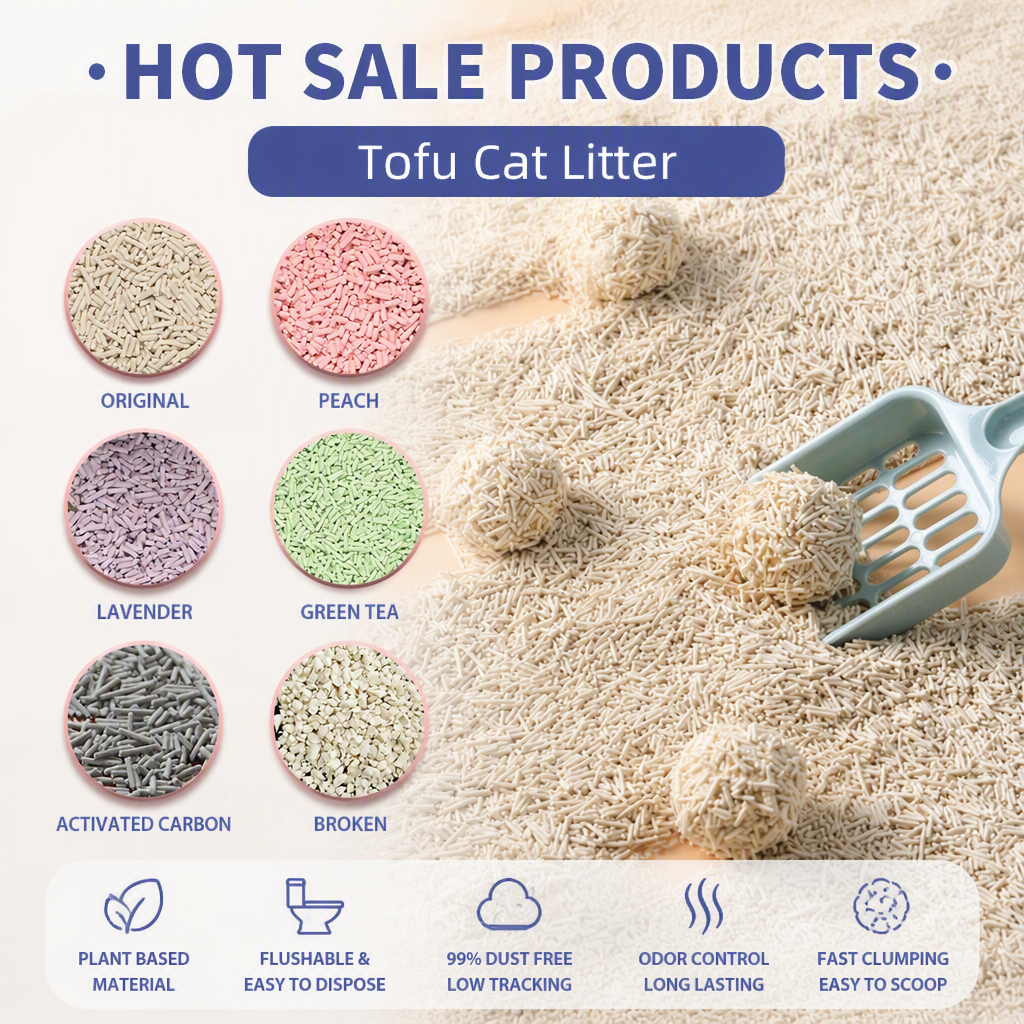
1. Cylindrical Strip Pellets (1.5mm, 2.0mm, and 3.0mm Diameters): The global industry standard. The 2.0mm micro-pellet formulation has emerged as a high-growth SKU, providing a softer paw feel for cats while reducing tracking outside the litter box compared to legacy 3.0mm pellets.
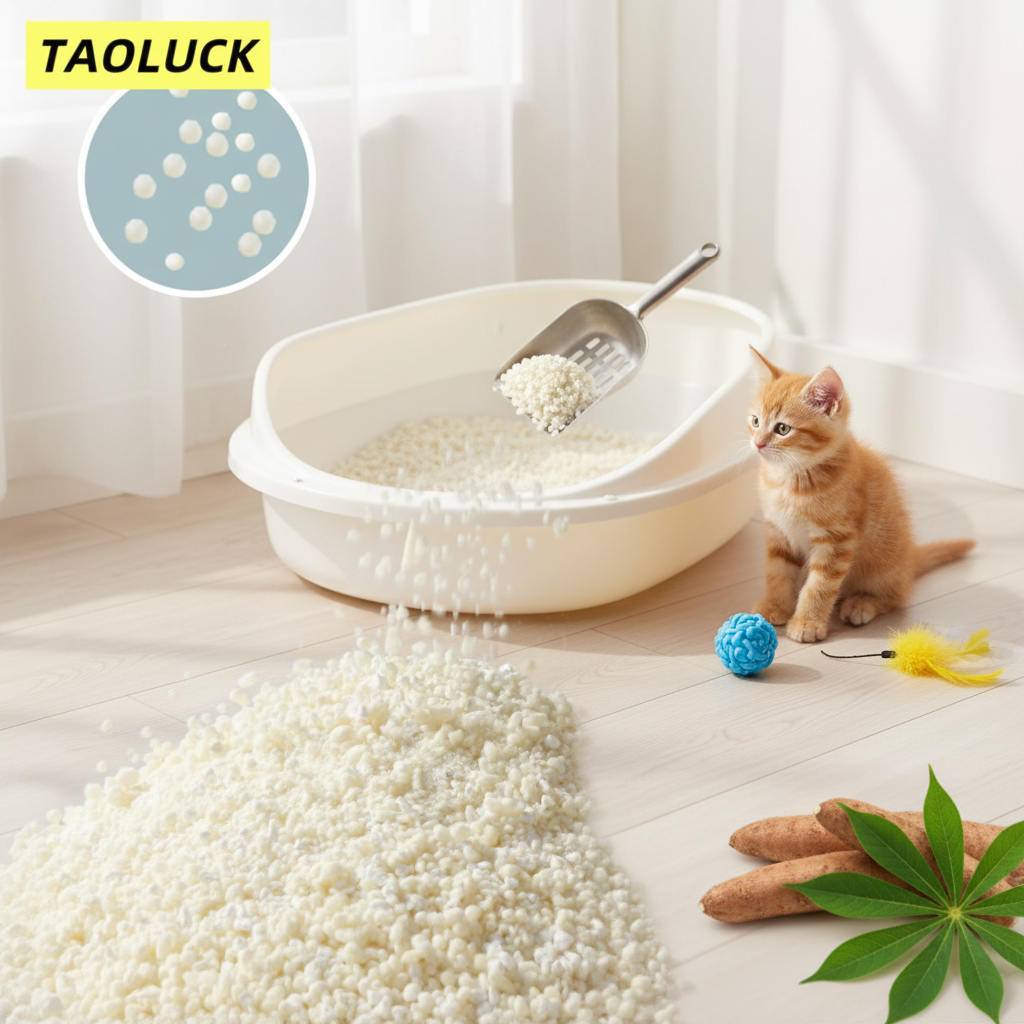
2. Crushed / Granular Tofu Litter: Mechanically fragmented post-extrusion granules resembling bentonite clay texture. Crushed tofu litter dramatically increases total surface contact area, accelerating clump formation speed and liquid lock efficiency.
3. Low-Density Puffed Granules: Processed via high-temperature expansion, producing lightweight pellets with higher internal porosity, optimizing bulk shipping weight for e-commerce direct-to-consumer (DTC) brands.
Product Specification Matrix
Comparative engineering metrics across our primary plant-based manufacturing formulations.
| Performance Metric | Standard Tofu (Soybean) | Premium Cassava Litter | Corn-Cassava Blend | Mixed Bentonite-Tofu |
|---|---|---|---|---|
| Primary Material | Food-Grade Okara Fiber | Pure Cassava Starch & Fiber | Corn Starch + Cassava | 70% Tofu + 30% Sodium Bentonite |
| Water Absorption | 300% - 350% w/w | 400% - 450% w/w | 320% - 380% w/w | 280% - 320% w/w |
| Clump Formation Speed | 3.0 - 5.0 Seconds | 1.5 - 2.5 Seconds | 2.5 - 4.0 Seconds | 2.0 - 3.5 Seconds |
| Dust Index (Dedusted) | < 0.5% (99.5% Dust Free) | < 0.1% (99.9% Dust Free) | < 0.3% (99.7% Dust Free) | < 1.0% (99.0% Dust Free) |
| Bulk Density (g/L) | 420 - 480 g/L | 520 - 580 g/L | 450 - 500 g/L | 650 - 720 g/L |
| Flushability Rating | Fully Flushable (100% Soluble) | Flushable (Small Clumps) | Fully Flushable | Non-Flushable (Clay Content) |
| Target Retail Segment | Mass & Eco Premium | Ultra-Premium Clay Alternative | Value-Line Botanical | Clay Transition Buyers |
Why Overseas Brands Partner With Brumel
Direct factory control, stringent SGS quality verification, and tailored private label engineering.
Custom Formulation (ODM)
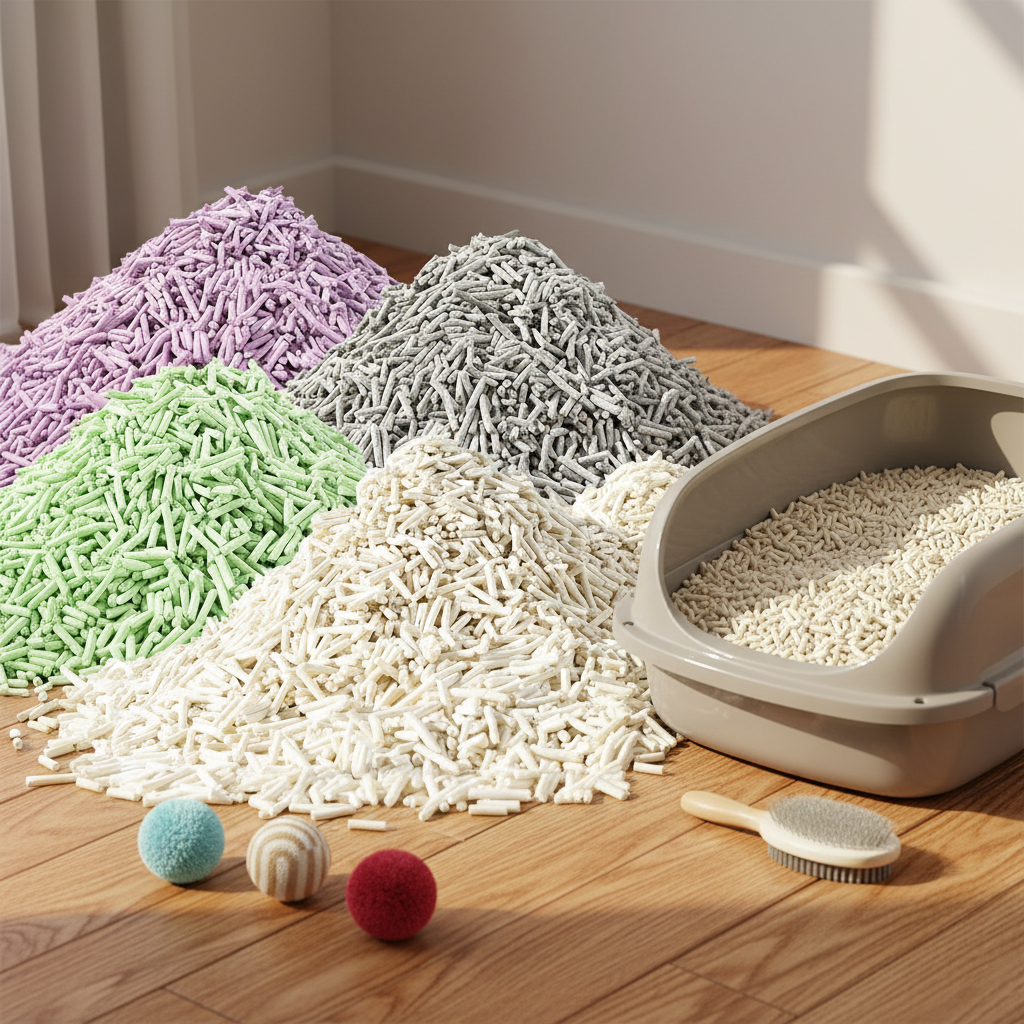
Full control over pellet diameter (1.5mm–3.0mm), scent profile (Unscented, Peach, Milk, Green Tea, Activated Carbon), color pigments, and functional additives like enzymatic odor blockers.
SGS Verified Integrity
Our 7,500 m² plant in Shandong undergoes third-party SGS on-site audits. Every production batch undergoes strict moisture content testing (<8%) to eliminate mold risk during maritime transport.
OEM Private Label Packaging
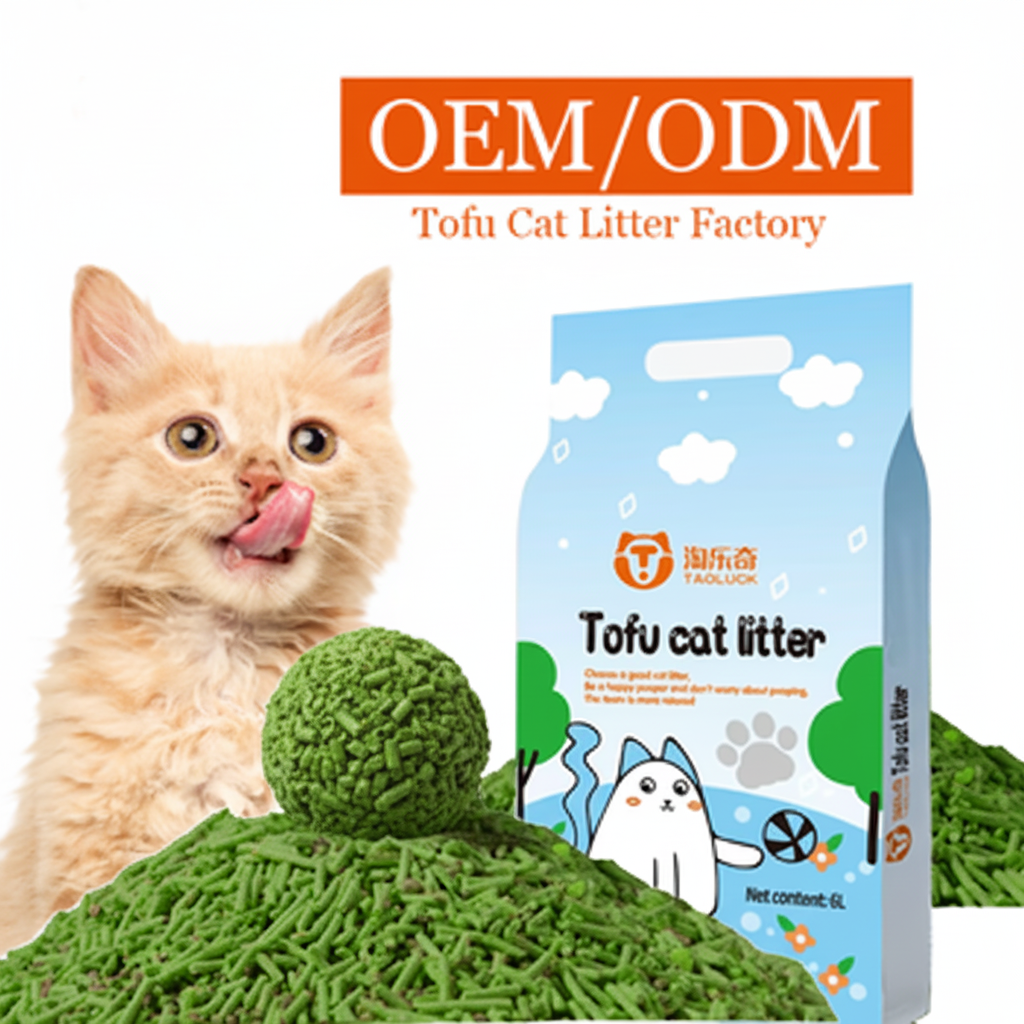
Complete packaging solutions: vacuum bags (2.5kg / 6L / 7L standard), foil bags with handles, inner master cartons, and custom-printed retail packaging starting at a low MOQ of 400 bags.
5-Pass Dust Removal Process
Incorporates negative-pressure air separation and vibrating multi-stage sieves to strip micro-particulates, delivering a 99.9% dust-free claim that protects feline respiratory health.
Global Logistics & Compliance
Turnkey export management across 13 languages and 40+ countries. Compliance documentation ready for EU, US, Southeast Asian, and Middle Eastern customs clearance.
Circular Economy Model
Utilizing zero-waste agricultural okara byproducts. Our plant-based litters decompose naturally into eco-friendly compost within 30 days of environmental exposure.
3. Global Sourcing Trends & Future Outlook (2025–2030)
The global pet care supply chain is experiencing a strategic realignment. Importers, regional distributors, and e-commerce brand owners must navigate key macro trends shaping the plant-based cat litter sector over the next decade.
3.1 Micro-Pellet Formulations Replacing Standard 3.0mm Pellets
Historically, 3.0mm cylindrical tofu pellets dominated the market due to ease of extrusion. However, consumer feedback regarding paw comfort and scooping efficiency has driven rapid adoption of 1.5mm and 2.0mm micro-tofu pellets. Micro-pellets form tighter clumps with less interstitial space, resulting in up to 18% lower litter consumption per cat per month.
3.2 Deodorization Science: Enzymatic & Carbon Infusion Technology
Modern pet owners demand unscented or naturally scented litters that neutralize ammonia ($NH_3$) and hydrogen sulfide ($H_2S$) chemically rather than masking them with synthetic perfumes. Brumel's ODM line integrates activated carbon micropores and natural bio-enzymes directly into the soybean fiber matrix to neutralize volatile organic compounds (VOCs) at the molecular level.
3.3 Modern Retail Vacuum Packaging
Logistics cost optimization is paramount for overseas procurement. Vacuum sealing non-crushing tofu litter bags reduces package volume by up to 25%, maximizing container loading efficiency (e.g., fitting up to 24 metric tons in a 40ft HQ container) while extending product shelf-life to 24 months by preventing atmospheric moisture ingress.
Frequently Asked Questions
Essential procurement insights for B2B importers, private label buyers, and distributors.
Partner with a Leading OEM/ODM Soybean Fiber Supplier
Elevate your pet brand with high-margin, SGS-verified plant-based litters. Request custom samples, private label quotes, or factory inspection documentation today.
Get a Quote