Recommended Plant-Based Cat Litter SKUs
Direct factory supply of premium soybean pulp, cassava starch, and bentonite-tofu hybrid formulations engineered for fast clumping, zero dust, and superior ammonia neutralization.
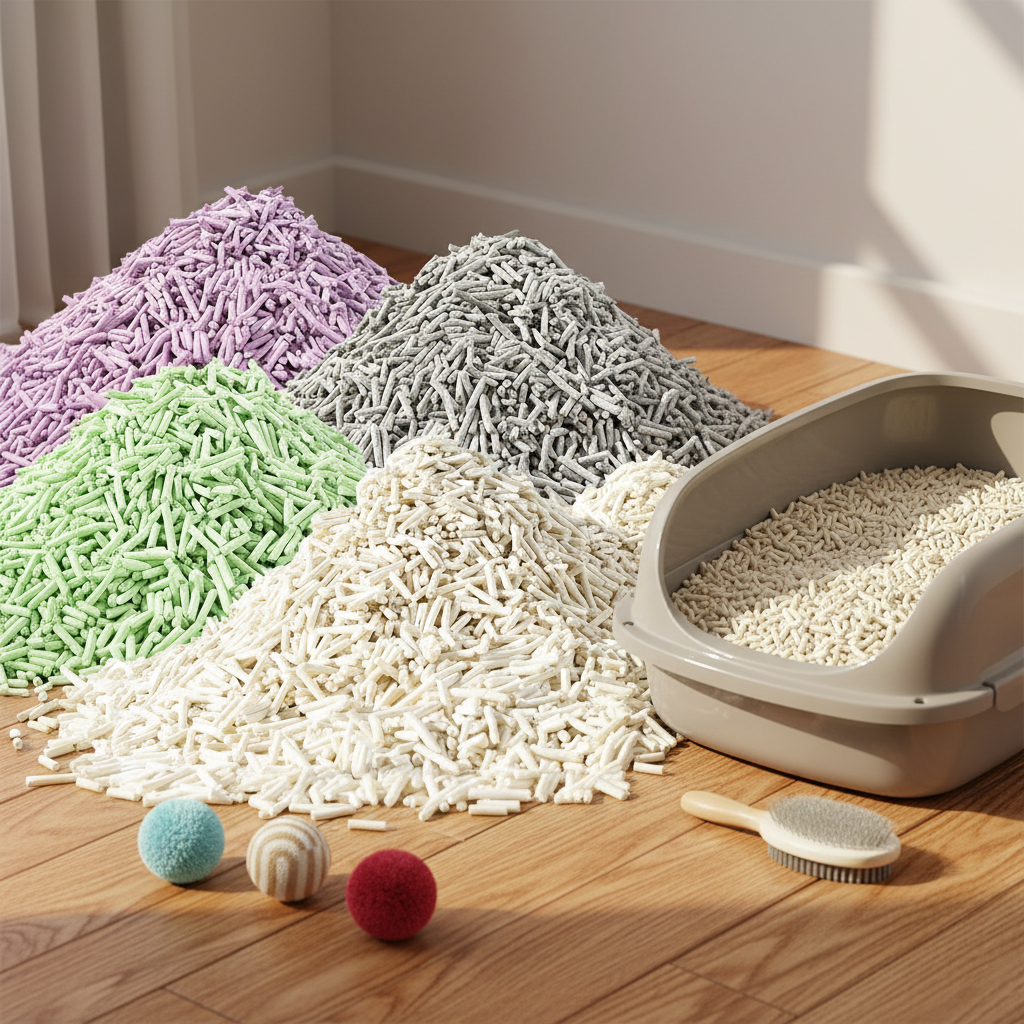
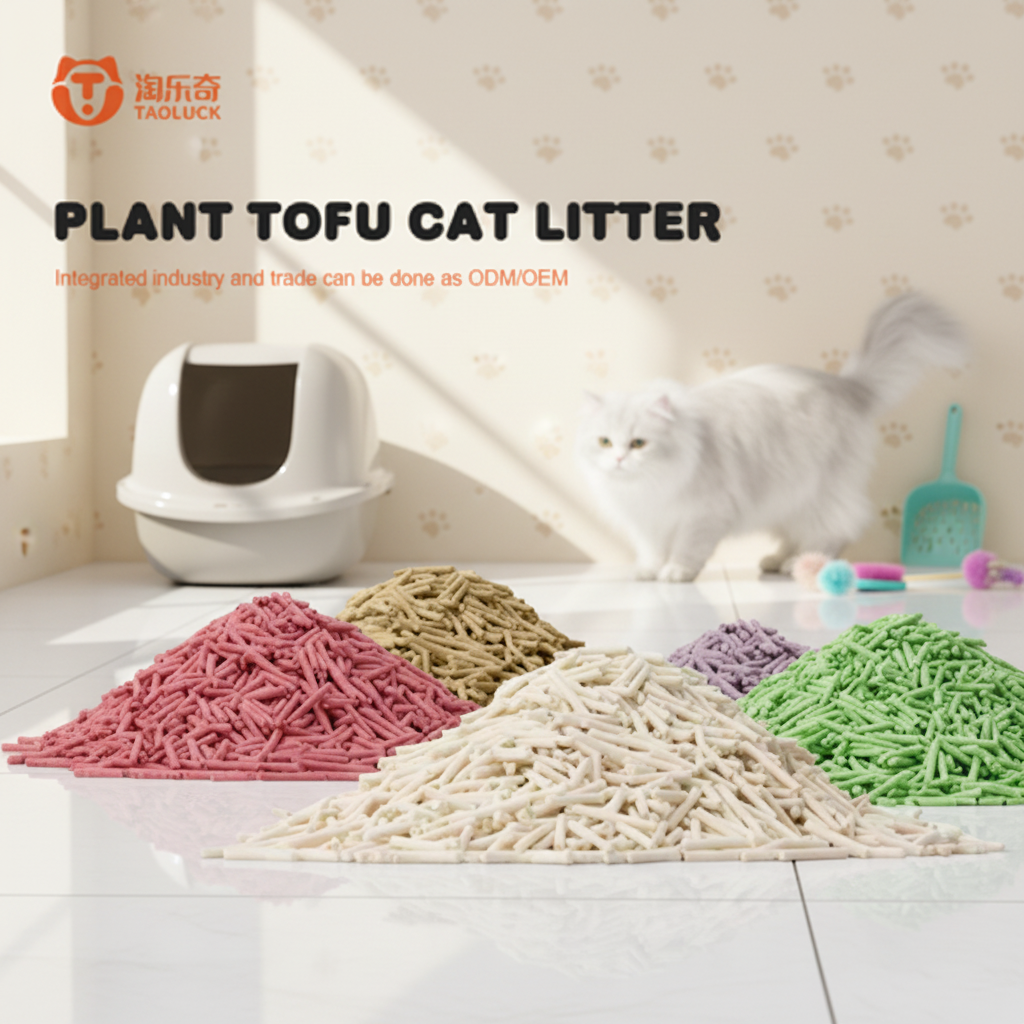
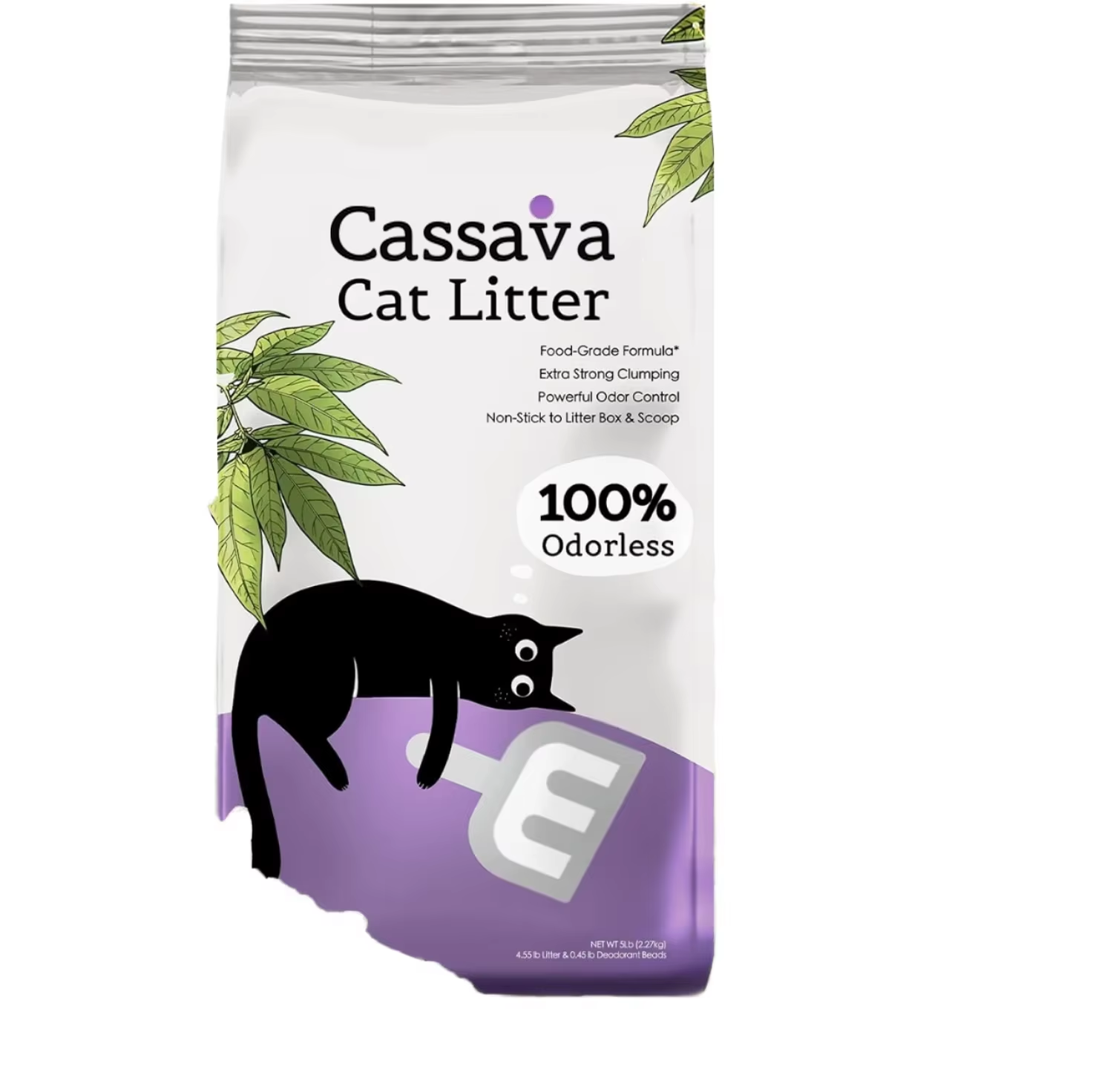
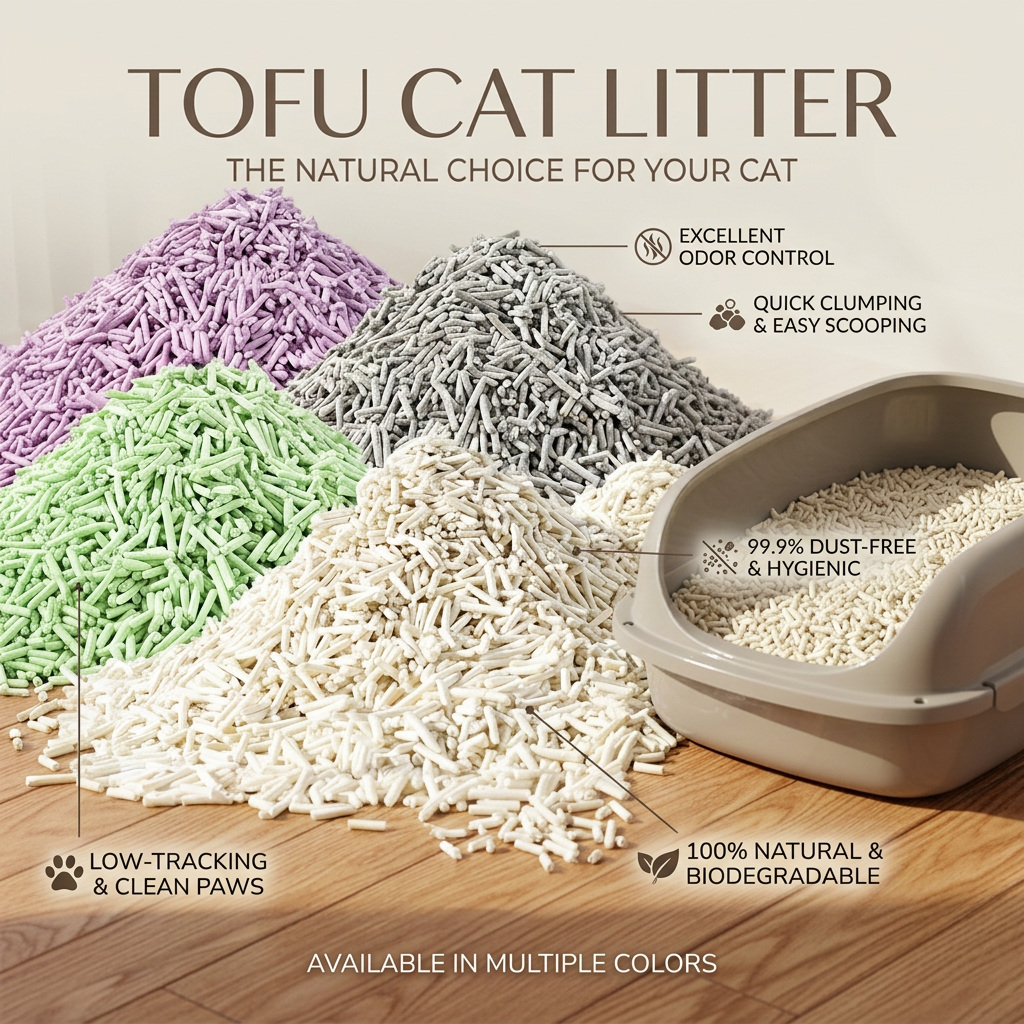
Executive Sourcing Summary: The Global Paradigm Shift to Plant-Based Pet Care
The global pet supplies market is undergoing a seismic structural shift. Modern cat owners are aggressively abandoning legacy mineral litters—such as strip-mined sodium bentonite and non-biodegradable crystalline silica—in favor of eco-friendly, plant-derived alternatives. At the absolute epicenter of this global supply chain transformation stands China’s advanced agricultural processing cluster, specifically specialized manufacturers utilizing soybean dregs (Okara), corn starch, and cassava root fiber.
As international brand owners, wholesale distributors, and mass-market retailers re-evaluate their private-label supplier matrices for 2026 and beyond, choosing a top-tier Chinese soy cat litter manufacturer is no longer merely a pricing calculation. It requires a rigorous technical evaluation of raw material purity, thermal extrusion stability, dust-suppression engineering, and third-party audit compliance.
The Engineering Science Behind High-Performance Soy (Tofu) Cat Litter
To understand why leading European and North American pet brands contract manufacturing to top Chinese exporters, one must analyze the biopolymer physics behind premium tofu cat litter production. The core substrate—food-grade soybean Okara—is a byproduct of tofu and soy milk processing. When refined correctly, it yields exceptional capillary liquid absorption and structural cohesion.
Raw Material Dehydration & Refining
Fresh soybean okara contains over 80% moisture. Leading factories utilize multi-pass industrial flash drying to reduce moisture below 10% within seconds, preventing bacterial fermentation while preserving insoluble dietary fibers crucial for clump integrity.
Twin-Screw Gelatinization Extrusion
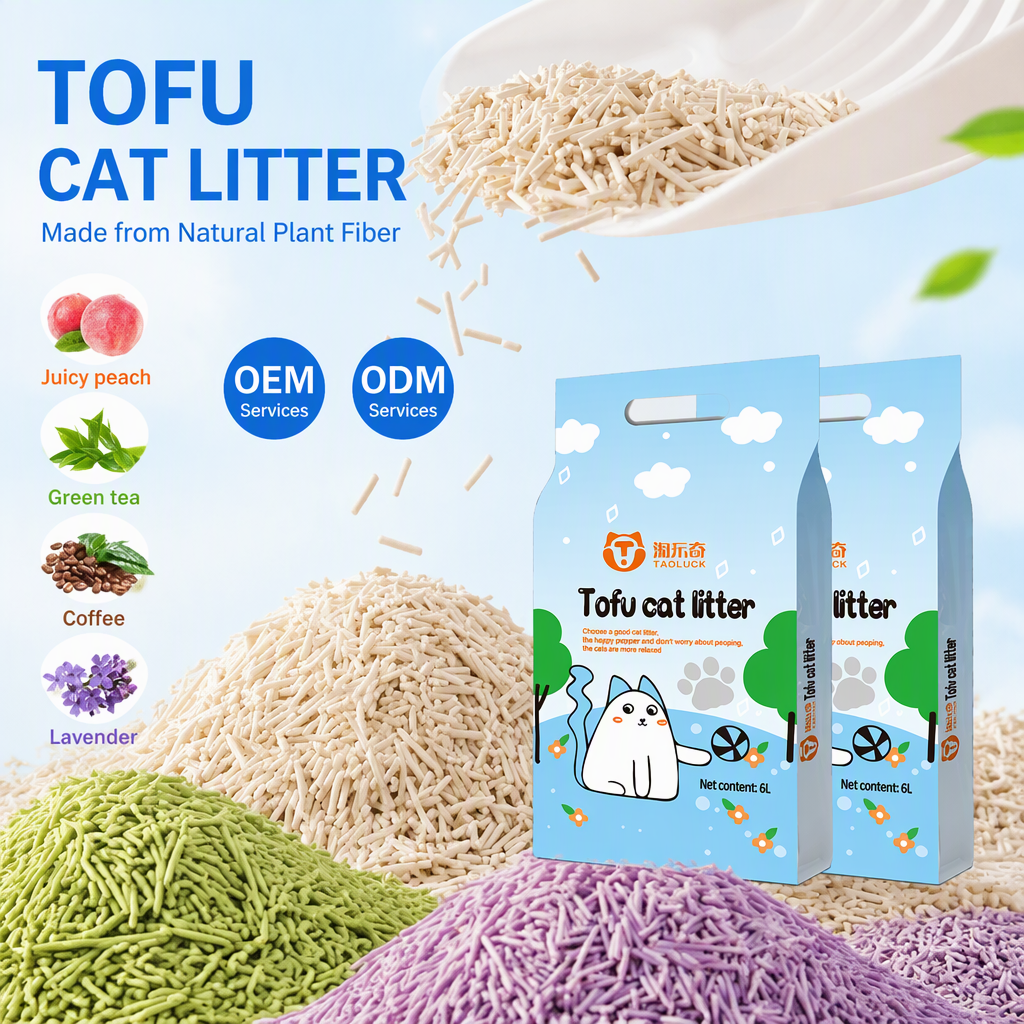
By blending dried soy fiber with industrial-grade corn starch and natural plant gums (such as guar gum), the mixture undergoes high-pressure twin-screw extrusion at 110°C–130°C. This gelatinizes the starch molecules, locking the matrix into uniform 1.5mm, 2.0mm, or 3.0mm diameter micro-pellets.
Triple Vibration Dust Extraction
Dust is the primary cause of feline respiratory illness. High-spec manufacturing lines employ a 3-stage mechanical sifting and vacuum airflow extraction system, guaranteeing a dust-free index exceeding 99.9% before vacuum packaging.
Substrate Material Performance Comparison Matrix
For B2B procurement officers evaluating portfolio mix, the following matrix illustrates why soy-based formulations outperform alternative raw materials across key performance indicators (KPIs):
| Performance Metric | Soybean Fiber (Tofu) | Cassava Root Starch | Sodium Bentonite Clay | Pine / Wood Pellets |
|---|---|---|---|---|
| Liquid Absorption Speed | Fast (< 3 seconds) | Ultra-Fast (< 1.5s) | Moderate (5–8s) | Slow (> 15s) |
| Clump Hardness (PSI) | High (Non-crushing) | Extreme (Rock-hard) | High | Poor (Crumbles to sawdust) |
| Toilet Flushability | 100% Soluble / Rapid Dissolve | Conditional (Small clumps) | Zero (Causes pipe blockage) | Zero (Causes pipe blockage) |
| Bulk Density (kg/m³) | 480 – 520 kg/m³ | 550 – 600 kg/m³ | 900 – 980 kg/m³ | 600 – 650 kg/m³ |
| Carbon Footprint Rating | Upcycled Agricultural Waste | Renewable Crop | High (Strip Mining) | Renewable Byproduct |
2026–2030 Global Procurement Trends in Soy Cat Litter Sourcing
Drawing from retail point-of-sale data across North America, Europe, and Asia-Pacific, procurement leaders must align their OEM contract specifications with emerging consumer preference trends:
1. Micro-Diameter Pellets (1.5mm vs. Traditional 3.0mm)
Early-generation tofu cat litter relied on 3.0mm diameter cylinders. However, modern consumers demand finer textures that mimic natural sand. 1.5mm micro-pellets increase total contact surface area by 40%, delivering tighter clumps while reducing paw-tracking and soft litter rejection by delicate feline breeds.
2. Bio-Hybrid Formulations (Cassava & Bentonite Synergies)
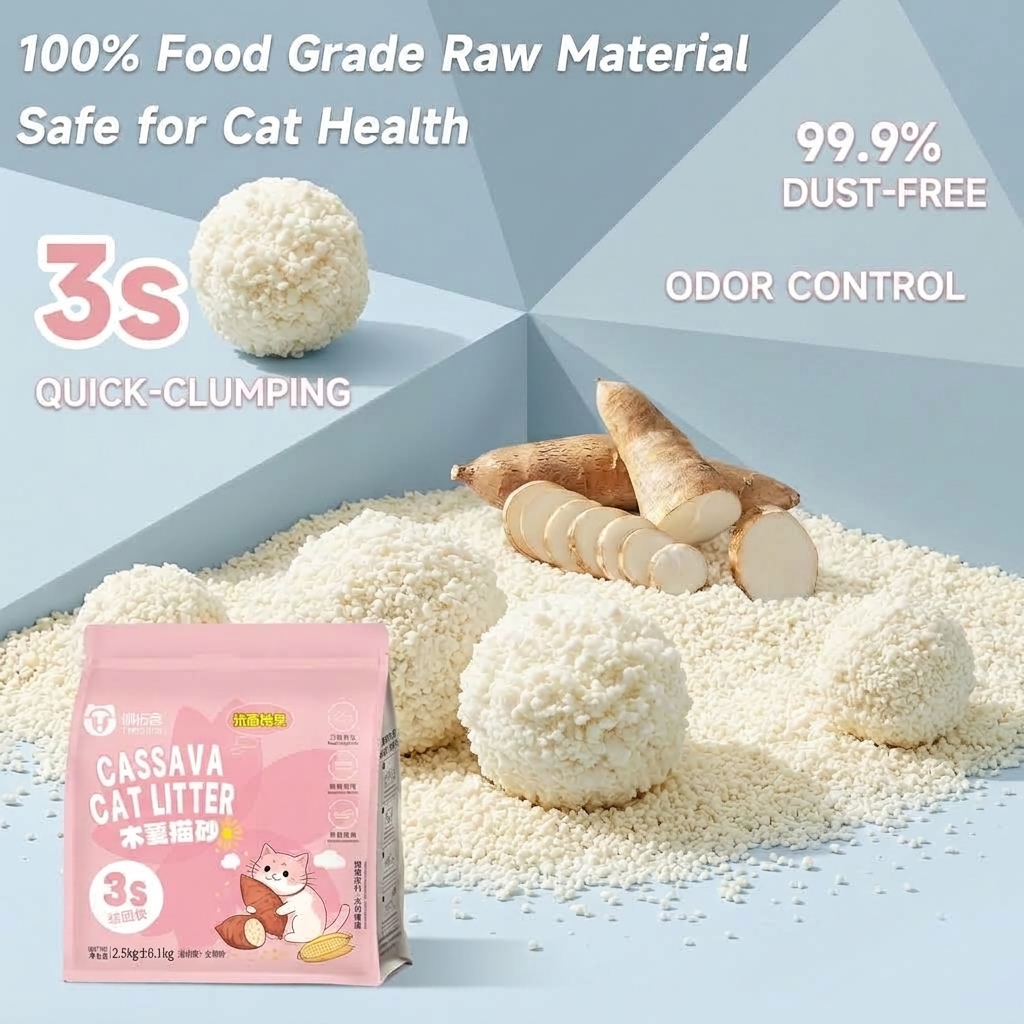
Pure single-substrate litters are increasingly replaced by engineered hybrids. Combining 70% soybean okara with 20% cassava starch and 10% sodium bentonite or activated carbon creates a compound matrix. The cassava acts as a super-binder, while soy provides porous odor adsorption, offering a balanced price-to-performance ratio for mass retail.
3. Eco-Vacuum Shrink Packaging for E-Commerce Logistics
With cross-border e-commerce and home delivery dominating pet product distribution, packaging density is critical. Vacuum-sealed 6-Liter (approx. 2.5kg) brick packages eliminate dead air space inside shipping cartons, maximizing pallet utilization by 35% during Amazon FBA inbound freight operations.
Factory Profile: Dongying Brumel Pet Products Co., Ltd.
Situated in Dongying, Shandong Province—the core manufacturing hub of China’s agricultural bio-product industry—Dongying Brumel Pet Products Co., Ltd. represents the gold standard in custom OEM/ODM manufacturing of plant-based pet hygiene products.
Spanning an audited floor space of 7,500 square meters, Brumel operates fully automated extrusion lines, high-precision mixing stations, and dustless packaging facilities. Assessed on-site by international inspection agency SGS Group, Brumel delivers verified quality assurance from raw material intake to final container loading.
Work With Brumel
Get direct factory pricing, technical spec sheets, and free OEM samples sent to your office.
Frequently Asked Questions for B2B Importers & Procurement Officers
Technical clarity on minimum order quantities, moisture control, flushability testing, and international freight compliance.
Scale Your Pet Brand With China's Leading Soy Litter Manufacturer
Partner with Dongying Brumel Pet Products Co., Ltd. for direct factory pricing, consistent batch quality, and customized plant-based pet care solutions tailored to your target market.