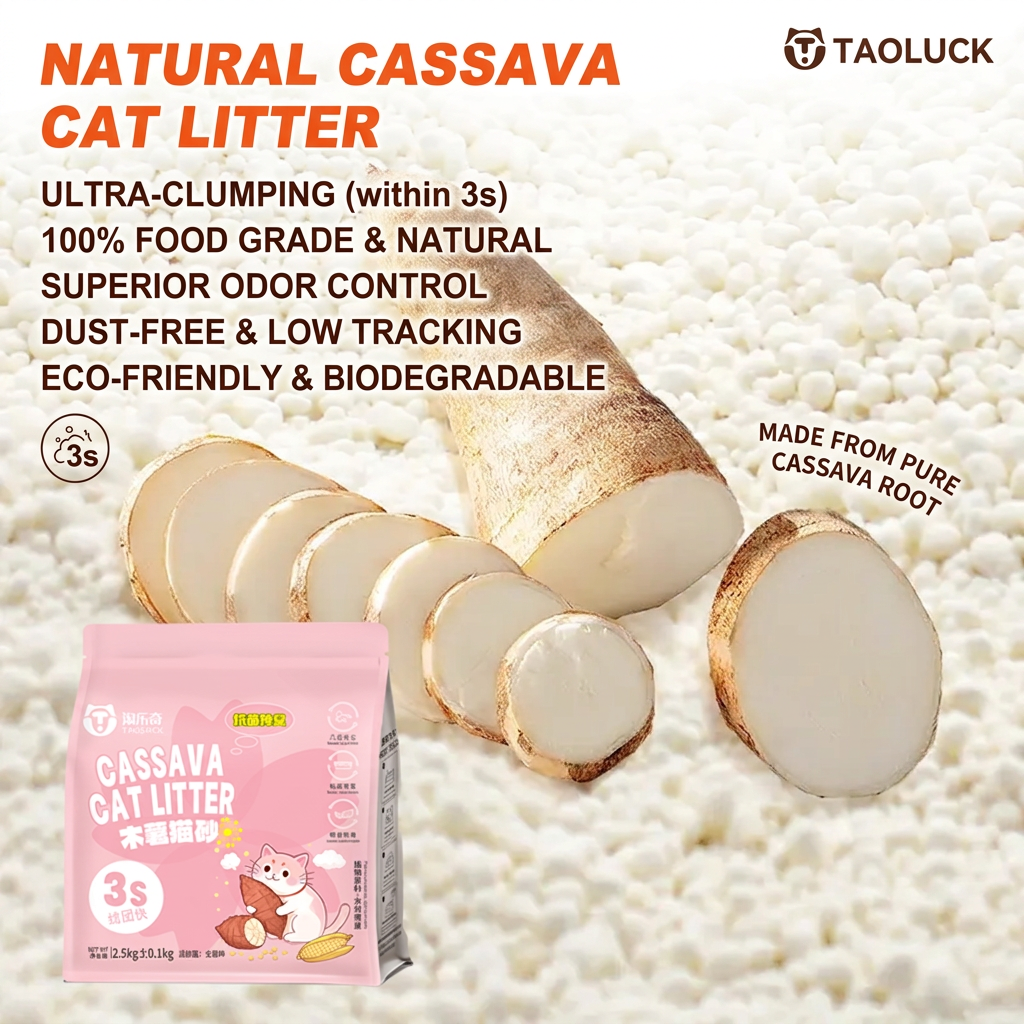
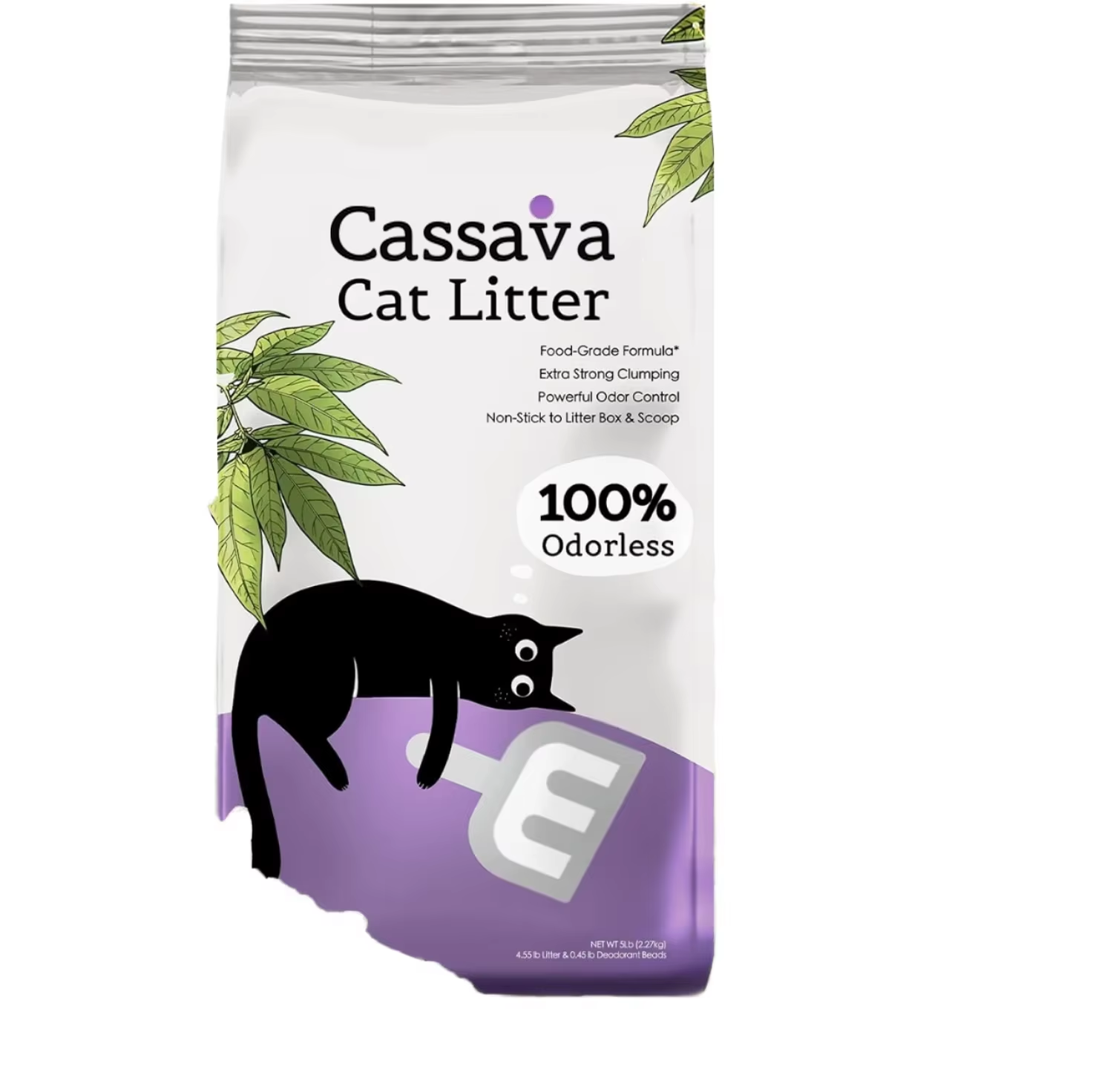
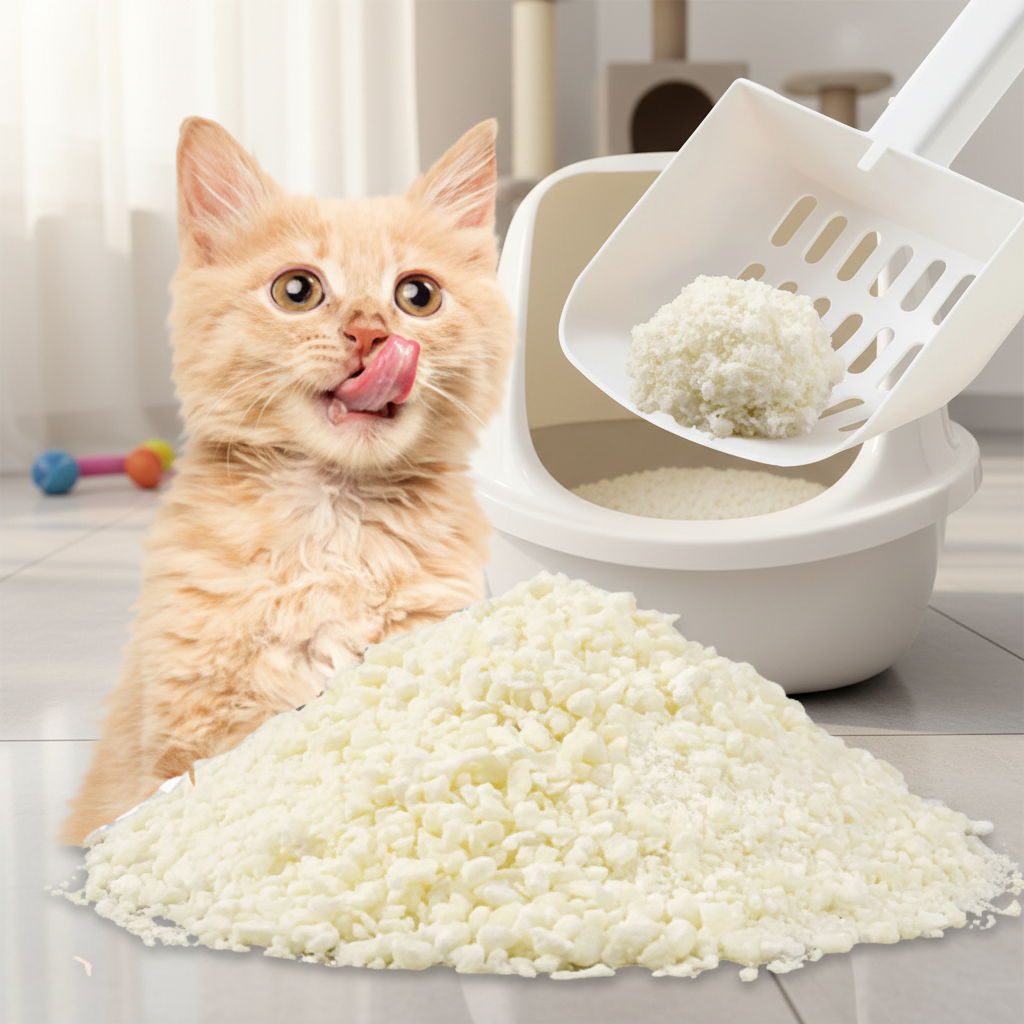
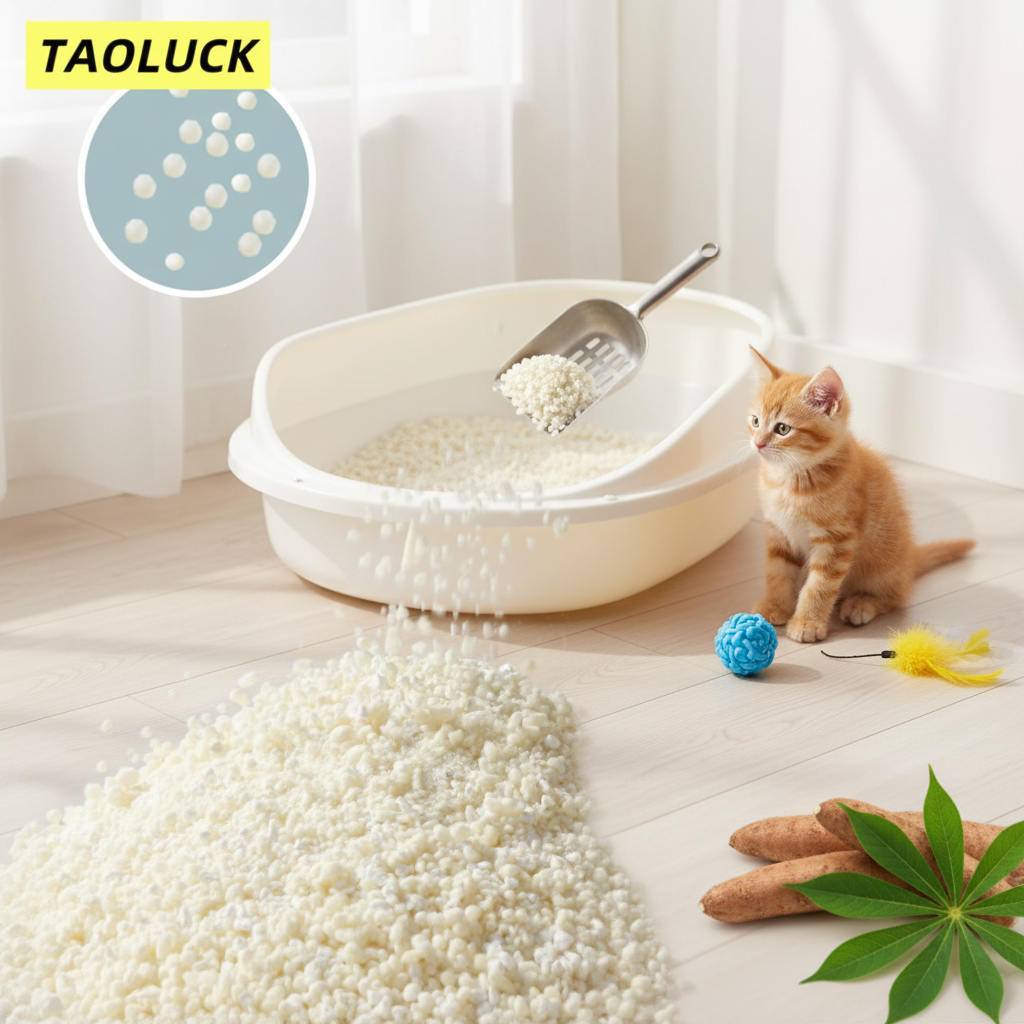
Bean Cassava Cat Litter Manufacturer & Factories in Odesa
Engineering rapid-gelatinizing, dust-free cassava & soybean okara cat litters tailored for maritime logistics, high-humidity coastal storage, and premium pet care distributors across the Black Sea trade corridor.
Engineered Plant Formulations Ready for Immediate Distribution
Browse our verified soybean-okara, pure cassava tuber, and hybrid micro-granule formulations designed for turnkey private labeling, bulk pallet supply, and regional retail deployment.
SGS on-site verified industrial production base in Dongying, Shandong
400 Bags
Accessible OEM MOQ
Democratizing private label manufacturing for emerging Ukrainian brands
≤3 Sec
Capillary Gelatinization
Instant surface hydration preventing urine penetration to pan floor
99.9%
Dust-Free Standard
Five-stage cyclone air dedusting ensuring zero clouding during pouring
The Macro Supply Dynamics: Bean & Cassava Litter in the Odesa Trade Corridor
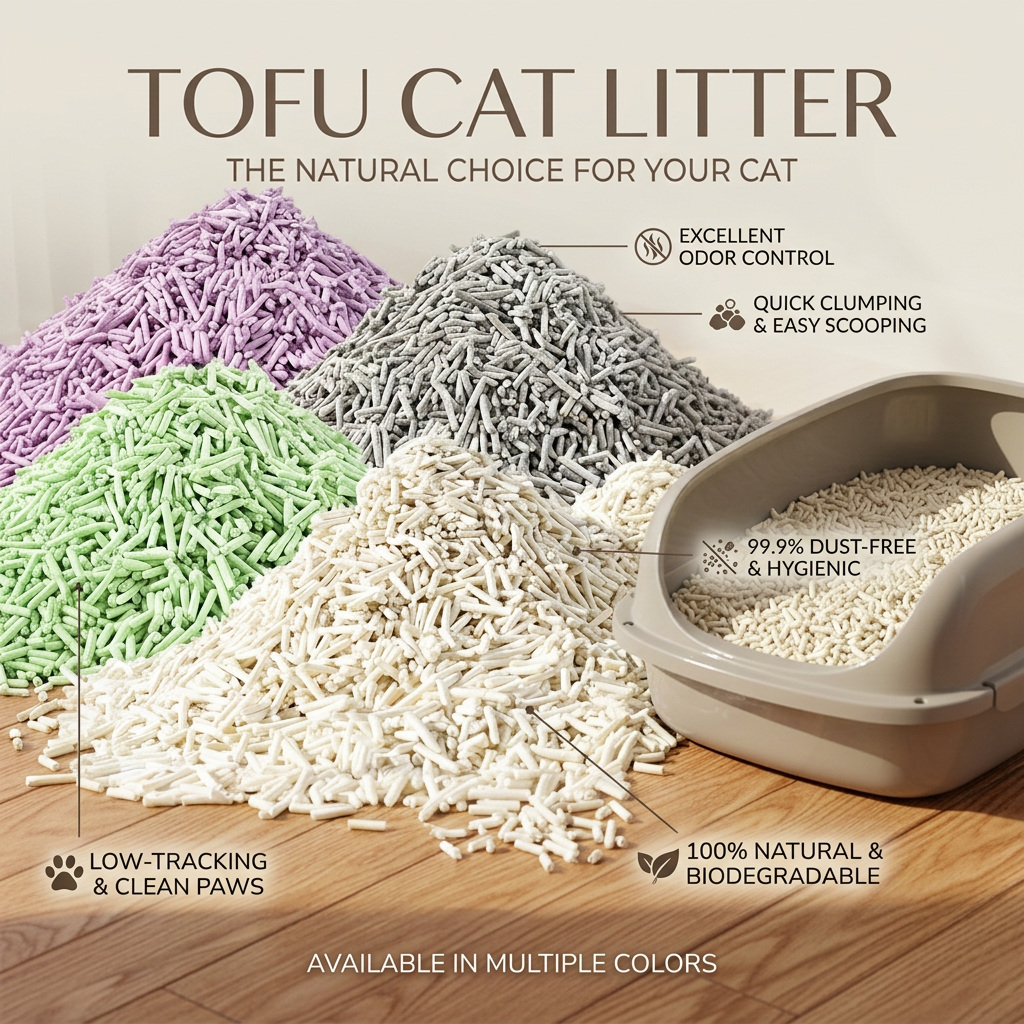
As the maritime commercial epicenter of Ukraine, Odesa occupies a decisive position in the transshipment, warehousing, and distribution of fast-moving consumer pet supplies. In recent years, macroeconomic restructuring across Eastern Europe, coupled with the rapid escalation of urban apartment feline ownership in cities such as Odesa, Kyiv, and Dnipro, has precipitated a fundamental shift away from sodium bentonite clays toward bio-renewable, starch-matrix substrates. Specifically, bean okara (tofu) cat litter and cassava root cat litter represent the fastest growing subsegments in sustainable feline hygiene.
However, procuring plant-based litters for distribution through Odesa's sea terminals and overland multimodal routes presents distinctive technical hurdles. Coastal maritime humidity, fluctuating temperature differentials within transit shipping containers, and long warehouse storage cycles along the Black Sea coast can compromise unrefined organic starches. Without precise industrial extrusion, vacuum extraction drying, and food-grade antifungal stabilizers, ordinary bean and cassava litters are vulnerable to moisture uptake, clumping degradation, and microbiological colonization.
Technical Insight: Cassava starches possess an exceptionally high amylopectin-to-amylose ratio (typically 83:17), which provides superior adhesive cohesion compared to corn starch (72:28). When combined with the high-insoluble-fiber scaffolding of soybean okara, the resulting hybrid composite exhibits instantaneous capillary swelling without requiring chemical adhesives or synthetic tackifiers.
Material Science Comparison: Cassava Starch vs. Bean Fiber vs. Clay
To assist pet retail category buyers, e-commerce brand owners, and veterinarian distributors evaluating inventory strategies in Odesa, the following empirical comparison delineates the functional differences between legacy mineral bentonite, standard extruded bean okara, and advanced cassava micro-granules:
Performance Vector
Sodium Bentonite Clay
Extruded Bean (Tofu) Litter
Micro-Granular Cassava Litter
Brumel Bean-Cassava Composite
Absorption Ratio (w/w)
1.8x – 2.4x water weight
3.0x – 3.8x water weight
4.5x – 5.5x water weight
4.8x – 5.8x water weight
Hydration / Clumping Speed
8 – 15 seconds
4 – 7 seconds
1 – 3 seconds
≤ 3 seconds (Ultra-Fast)
Airborne Particulate (≤PM10)
Moderate to High (3.2%–7%)
Very Low (≤0.5%)
Extremely Low (≤0.2%)
≤ 0.1% (Five-Stage Dedusted)
End-of-Life Disposal
Landfill only (non-degradable)
Toilet flushable & compostable
100% biodegradable & flushable
Fully flushable, home compostable
Bulk Density & Freight Volume
High (~900 kg/m³)
Low (~450 kg/m³)
Medium-Low (~550 kg/m³)
Optimized (~500 kg/m³)
Coastal Humidity Stability
Stable, but prone to caking
Susceptible if unsealed
Hydrophobic coat prevents caking
Moisture-barrier vacuum packaging
Localized Application Scenarios Across Odesa & Regional Hubs
Deploying commercial cat litter across Odesa and adjacent Ukrainian markets requires an operational understanding of local domestic architecture, waste treatment infrastructure, and pet parent lifestyles.
Historical Urban Architecture & High-Rises
In central Odesa neighborhoods (Prymorskyi District, Deribasivska environs) characterized by historic 19th-century residential structures, domestic sewage piping features narrower bores and reduced hydraulic gradients. Heavy mineral clay litter frequently creates catastrophic sediment blockages. Brumel’s 100% plant-based bean and cassava litters dissolve into colloidal slurries upon water immersion within 40 seconds, making them entirely safe for municipal residential drainage.
Maritime Coastal Humidity Management
Coastal winds and Black Sea microclimates sustain relative atmospheric humidity above 75% during humid summer and wet autumn months. Inferior starch litters absorb airborne ambient moisture, deteriorating their clumping power inside the litter tray before feline urination occurs. Brumel incorporates selective thermal carbonization and surface-sealed cassava amylose chains, maintaining dry pellet integrity under challenging atmospheric conditions.
E-Commerce Multichannel Distribution
With the rapid growth of pet retail delivery services (Nova Poshta locker networks, Rozetka pickup hubs, and specialized online pet portals throughout Odesa), product weight is directly correlated with distribution logistics expenses. Clay litters impose crippling freight surcharges. Bean and cassava litters deliver 300% more absorbed volume per net kilogram shipped, significantly reducing last-mile parcel shipping costs.
Emerging Pet Care Procurement Trends in the Ukrainian & Black Sea Market
Market analysis of FMCG retail indicators in Southern Ukraine reveals four key consumer behavioral shifts influencing commercial purchasing strategies:
1. Decoupling from Russian & Mineral Sourced Supply Chains: Ukrainian national retail chains (including MasterZoo, Silpo, Epicentr, and independent veterinary clinic groups) have systematically phased out traditional mineral imports sourced from legacy Eurasian supply routes. Importers based in Odesa are establishing direct maritime and multimodal sourcing partnerships with verified international facilities in Shandong, China—the world’s primary epicenter for industrial food-grade extrusion.
2. Humanization of Feline Indoor Environments: Ukrainian cat owners prioritize dust-free formulations to mitigate feline asthma, allergic bronchitis, and conjunctivitis. Conventional bentonite releases airborne crystalline silica particulates during scooping, whereas five-stage air-washed soybean fiber and natural cassava starch reduce respirable dust levels below 0.1%, earning strong recommendations from veterinary practitioners in Odesa.
3. Demand for High-Margin Private Labels (OEM/ODM): Rather than acting as low-margin distribution conduits for entrenched multinational conglomerate brands, Ukrainian distributors and pet store conglomerates are capturing up to 55% gross retail margin by developing their own proprietary trademark lines. Our flexible factory MOQ of 400 customized bags enables distributors to launch bespoke private-label formulas with low financial entry barriers.
Plan Your Private Label Supply Strategy with Our Factory Engineers
Request comprehensive physical test samples, bulk FOB/CIF Odesa freight estimations, and tailored formulation consultations directly from our technical sales group.
Enterprise Production Advantages: Dongying Brumel Pet Products Co., Ltd.
Dongying Brumel Pet Products Co., Ltd. operates an integrated, high-capacity plant-based manufacturing complex in Dongying, Shandong, China. Independent third-party inspection authorities, including SGS Group on-site verification, corroborate our production rigor, occupational safeguards, and material processing integrity.
SGS On-Site Assessment
7,500 square meters of specialized clean production floor space, verified manufacturing lines, and automated packaging cleanrooms audited by SGS Group.
Food-Grade Virgin Raw Materials
Zero recycled industrial wood waste or toxic additives. We utilize food-grade soybean curd residue (okara) and high-purity edible-grade cassava root starch.
Proprietary Anti-Mold Formulation
Natural biological preservatives prevent microbial blooming and souring during humid container ocean voyages and prolonged warehouse dwell times.
Five-Stage High-Vacuum Dedusting
Every metric ton traverses five successive cyclonic air separators, vibrating screen sieves, and negative-pressure vacuum extractors for 99.9% dust-free pellets.
Experienced documentation handling: Phytosanitary Certificates, Certificate of Origin, Fumigation certification, MSDS, and direct sea-rail freight forwarding.
Frequently Asked Questions: Commercial Procurement for Odesa & Ukraine
Technical, logistical, and commercial inquiries answered for professional pet retail buyers, importers, and supply chain managers.
What are the container load capacities (FCL) for bean and cassava litter destined for Odesa?
For standard 40ft High Cube (40'HQ) shipping containers, plant-based litters exhibit favorable volumetric efficiencies. When packing standard 6-liter (approx. 2.4–2.5 kg) vacuum-sealed brick bags, a 40'HQ container accommodates approximately 18 to 22 metric tons, equating to 7,500 to 9,200 bags depending on whether the shipment is palletized or floor-loaded. Palletized loading utilizes standardized heat-treated wooden euro-pallets (1200mm × 800mm) wrapped in water-resistant poly-stretch film to protect against humidity during maritime transit and cross-docking operations in port hubs.
How does cassava cat litter prevent the growth of mold during coastal humid seasons?
The natural vulnerability of organic plant starches to atmospheric dampness is mitigated through a multi-tiered industrial preservation protocol. First, Brumel dehydrates all raw materials using microwave and forced-air convection drying, reducing finished residual moisture to strictly under 8.5% (well below the 13% threshold required for fungal spore propagation). Second, food-grade organic acid salts (such as calcium propionate and potassium sorbate) are blended into the starch slurry, creating a natural antimicrobial barrier that inhibits spore germination even when litter boxes are exposed to persistent coastal humidity.
Can our company order small test batches under our own proprietary private label?
Yes. While large conglomerate chemical factories require prohibitive MOQs of multiple container loads per SKU, Dongying Brumel supports growing brands with an accessible minimum order quantity starting from just 400 bags for customized OEM orders. Our in-house design team provides packaging die-lines, bag material engineering (glossy PET/PE, matte PE/PE, or recyclable craft laminates), and vacuum degasification packaging, allowing regional Ukrainian pet supply firms to test consumer response with manageable initial inventory investments.
What are the customs and regulatory documentation requirements for importing to Ukraine?
Exporting plant-based agricultural derivatives (soybean fiber and cassava starch) to Ukraine requires strict adherence to State Service of Ukraine on Food Safety and Consumer Protection (Derzhprodspozhivsluzhba) standards. Brumel supplies all indispensable export compliance paperwork: Official Government Phytosanitary Certificates proving freedom from regulated agricultural pathogens, Fumigation / Disinfection Certificates for timber transport pallets, detailed Material Safety Data Sheets (MSDS), Certificates of Non-Radioactive Contamination, and verified Certificates of Origin (COO) to facilitate smooth customs clearance through customs terminals.
Why is cassava cat litter gaining market share over conventional tofu strips?
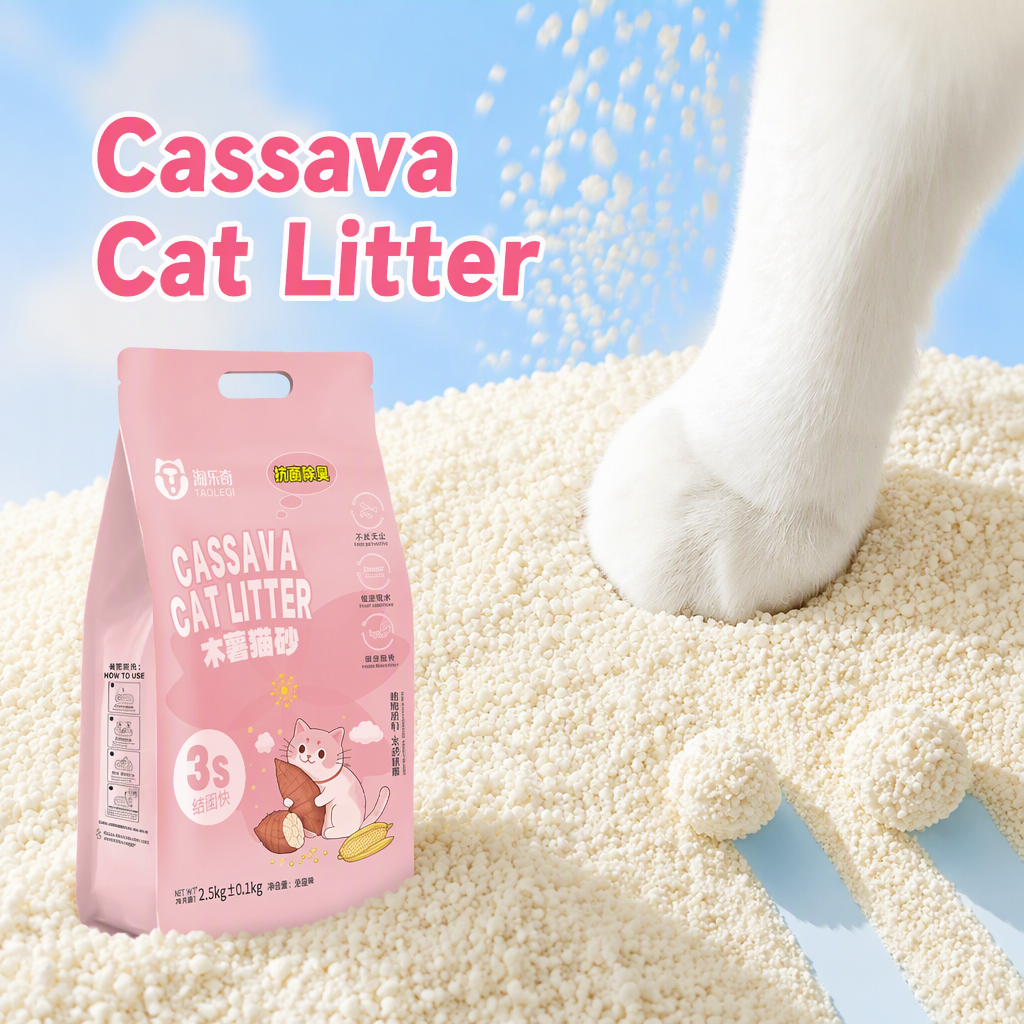
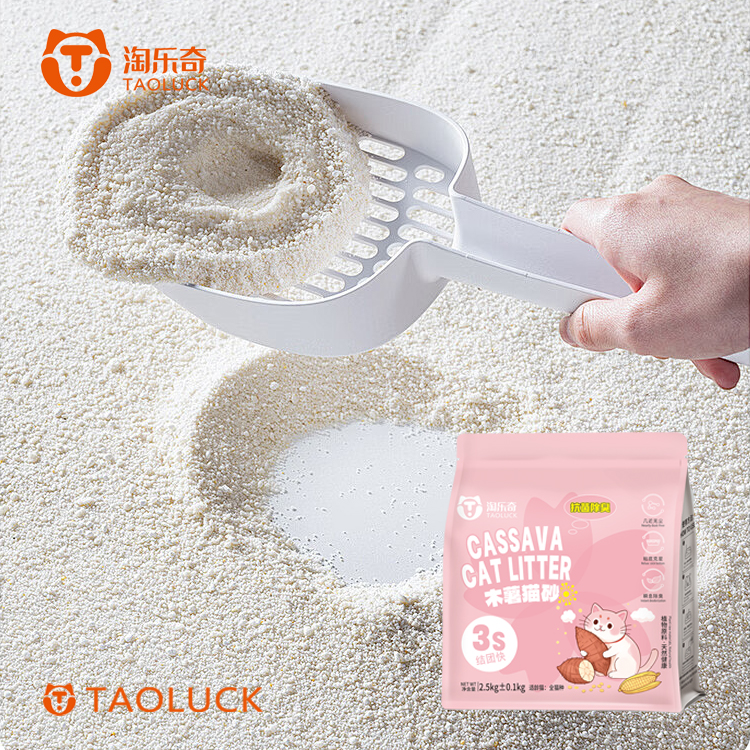
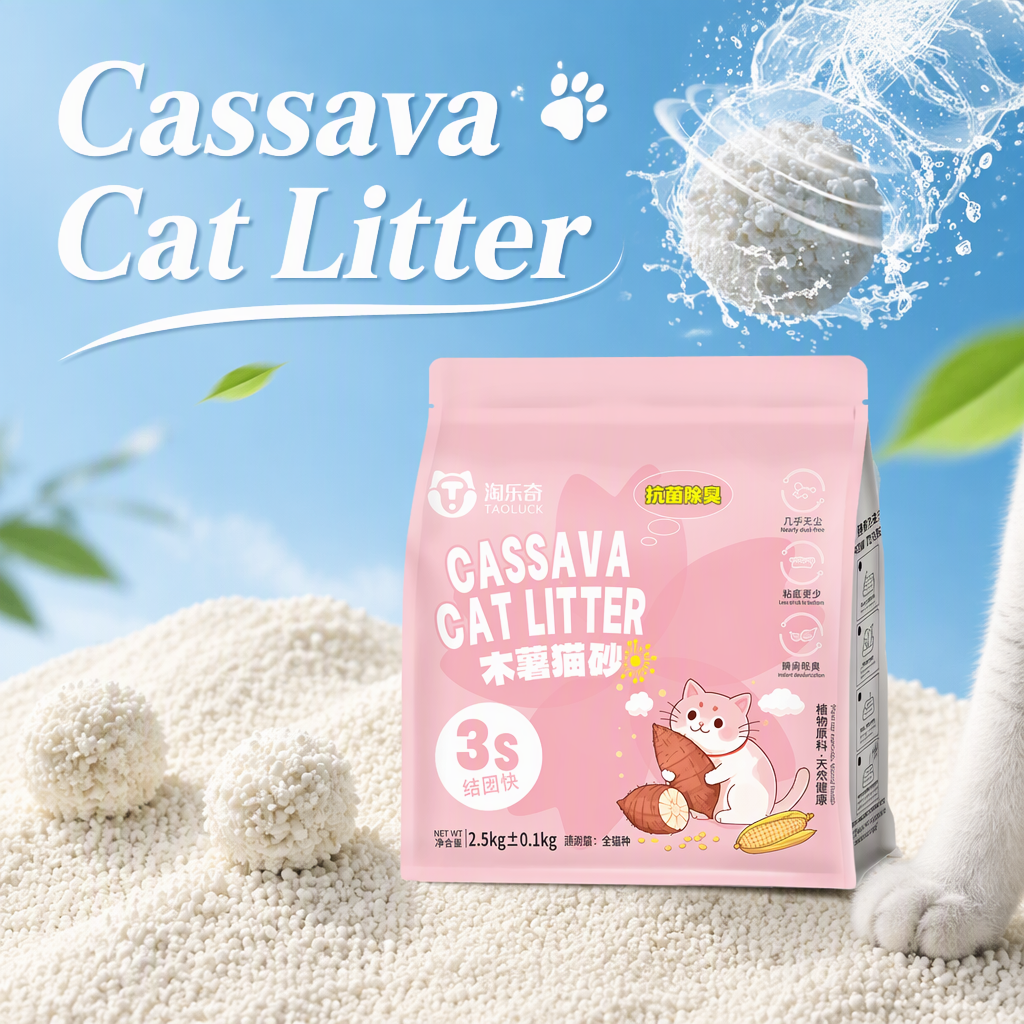
While traditional tofu litter in 2.0mm or 3.0mm cylindrical strip form was a major milestone for natural litters, certain cats show behavioral reluctance to step on elongated pellets due to paw pad sensitivity. Cassava cat litter can be ground into fine, sand-like micro-granules (1.0mm–2.0mm) that closely mimic the soft, sandy textures wild and domestic felines instinctually prefer. Furthermore, pure cassava starches achieve complete surface gelatinization in under 3 seconds—almost twice as fast as typical soybean fibers—forming tighter, flatter surface clumps that are easier to remove without crumbling into the box base.
End-to-End OEM/ODM Supply Chain Workflow
From formula development to container unloading, our production and export teams follow a streamlined five-step manufacturing framework:
01
Formulation & Scent Tailoring
Select your base (100% cassava, pure okara bean, or hybrid starch), select grain diameters (1.5mm, 2.0mm, or crushed micro-granules), and customize natural functional scents (unscented natural, activated carbon, green tea extract, sweet peach, or natural lavender).
02
Lab Validation & Sample Dispatch
We produce and express-air-courier test samples directly to your administrative offices in Odesa or regional distribution centers within 5–7 business days for clumping, dust, and hydration evaluation in your own testing facilities.
03
Packaging Artwork & Cylinder Plate Engraving
Collaborate with our structural packaging specialists to finalize vacuum brick packs (5L, 6L) or bulk zip-lock pouches (10kg, 20kg), ensuring clear Ukrainian language labeling, EAN barcoding, and compliant recycling icons.
Partner with an SGS-Verified Plant Cat Litter Factory
Elevate your pet supply margins across Odesa, Southern Ukraine, and international export channels. Connect with Dongying Brumel Pet Products Co., Ltd. for factory-direct price quotes, custom recipe configurations, and comprehensive shipping solutions.