High-Performance Clumping Litter Portfolio for Guatemala Wholesalers
Engineered with proprietary dust-extraction cyclonics and high-montmorillonite mineral integrity. Explore our eight cornerstone formulations built for pet supermarkets, agricultural distribution hubs, and independent veterinary channels across Quetzaltenango and the Altiplano region.
Technical Whitepaper: Bentonite Clumping Science & Montmorillonite Purity
Understanding the molecular-level hydration mechanics of sodium-activated and natural calcium bentonite for pet care distributors targeting Western Guatemala's retail and commercial pet hygiene sectors.
Smectite Crystal Intercalation
Bentonite cat sand derives its functional performance from the smectite clay mineral family, predominantly dioctahedral montmorillonite. When feline urine enters the granular bed, water molecules hydrate the interlayer cations (Na⁺, Ca²⁺, Mg²⁺), expanding the basal lattice spacing from 9.6 Ångströms to over 20 Ångströms. This crystalline expansion forces immediate physical encapsulation of moisture before liquid can percolate to the litter pan basin.
Sodium Activation vs. Natural Calcium
While European and Latin American markets frequently encounter untreated calcium bentonite with limited hydration swelling ratios (approx. 100% to 150%), our Dongying Brumel manufacturing facility specializes in precision thermomechanical sodium activation. By exchanging exchangeable Ca²⁺ cations with Na⁺ ions under calibrated shear and moisture regimes, the clay achieves swelling capacities exceeding 350%, creating tensile clump strengths resilient enough to survive shipping and domestic scooping.
Granulometry & Capillary Porosity
Litter clumping speed is governed by granulometric classification. Our factory screens bentonite cat sand into a balanced particle curve between 0.5mm and 2.5mm. Sub-millimeter spherical granules create tight interstitial packing that stops capillary seepage, while coarser micro-nodules allow rapid hydraulic permeability. This engineered distribution prevents clump pancake failure, keeping clumps spherical, compact, and non-sticking.
Localized Technical Dynamics: Serving the Climate & Households of Quetzaltenango
Quetzaltenango (commonly known as Xela), situated in the southwestern volcanic highlands of Guatemala at an elevation of 2,330 meters (7,640 feet), presents physical microclimate conditions markedly distinct from coastal or lowland Central American municipalities. Sourcing bentonite cat litter for this commercial hub requires distributors and institutional retailers to account for high-altitude barometric pressures, substantial diurnal temperature swings (frequently dipping below 5°C at night and rising to 22°C during dry-season days), and the prevalence of closed-window historic adobe or masonry residential structures.
In low-temperature, low-ventilation indoor settings such as those in Zona 1 and Zona 3 of Quetzaltenango, conventional unwashed bentonite releases fine crystalline silica and airborne particulate matter that remains suspended in domestic rooms, provoking respiratory sensitivity in felines and families alike. Furthermore, unbuffered ammonia volatility increases sharply when closed rooms trap animal wastes. Dongying Brumel's formulation parameters provide clear solutions:
Cold-Climate Ammonia Neutralization
Low room temperatures decelerate chemical oxidation but trap gaseous volatile organic compounds (VOCs). Brumel infuses active mineral deodorizing beads and cyclodextrin complexes into our bentonite matrices, binding free ammonia (NH₃) molecules via coordinate covalent bonds rather than merely masking smells with heavy industrial fragrances.
Municipal Drainage & Waste Management
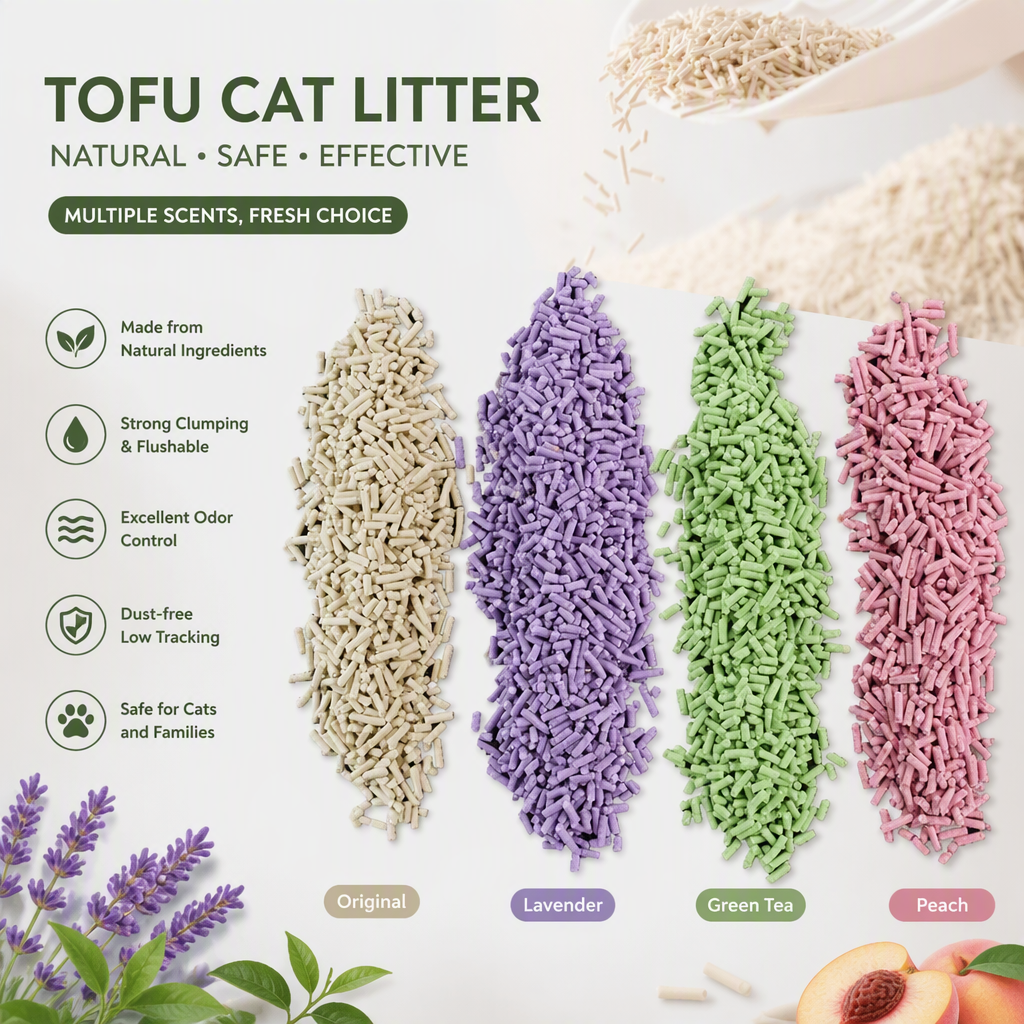
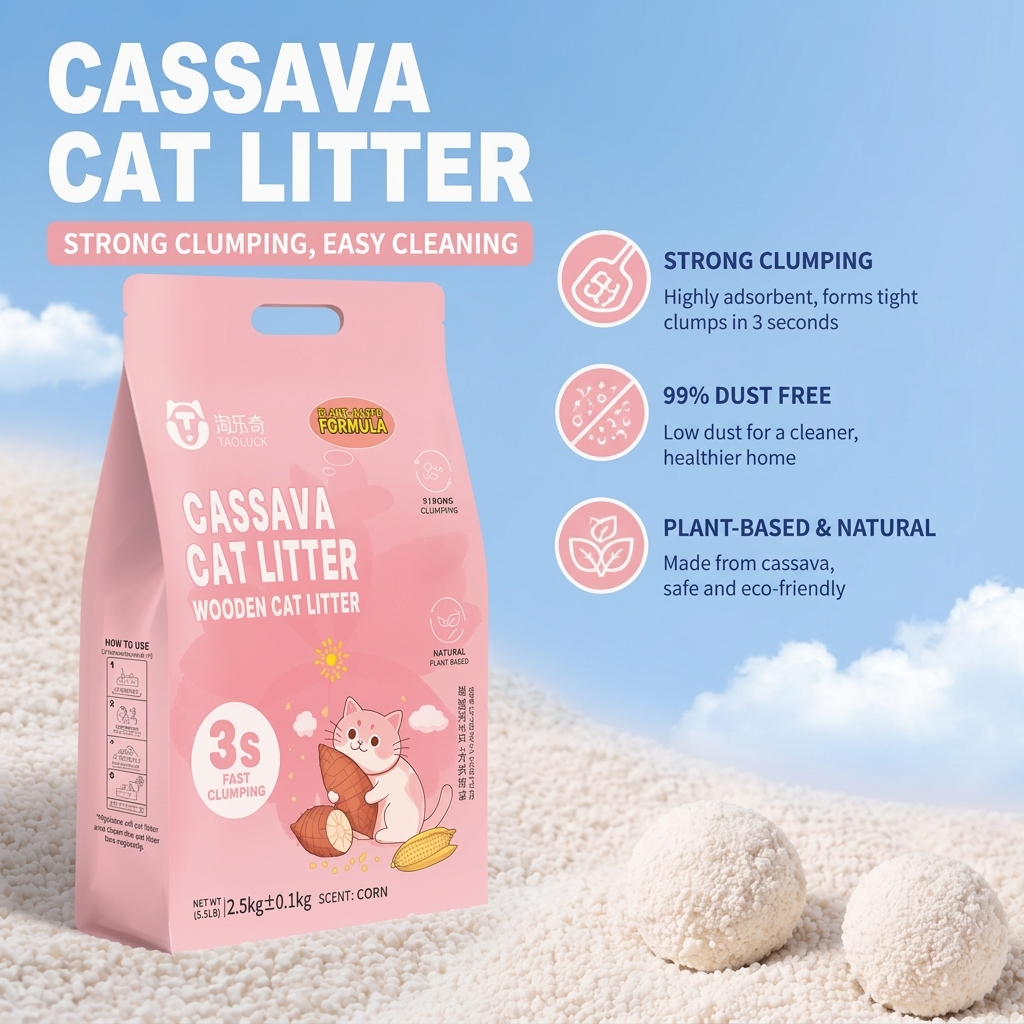
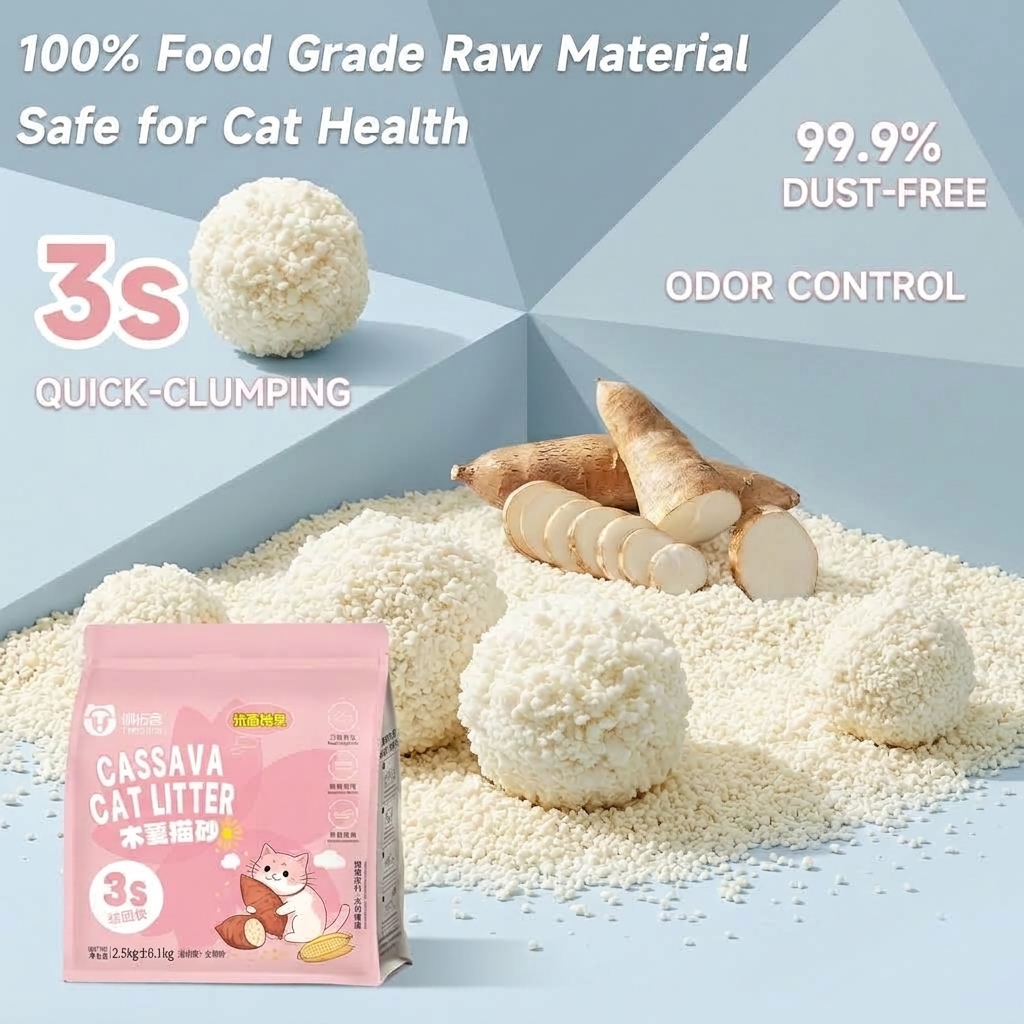
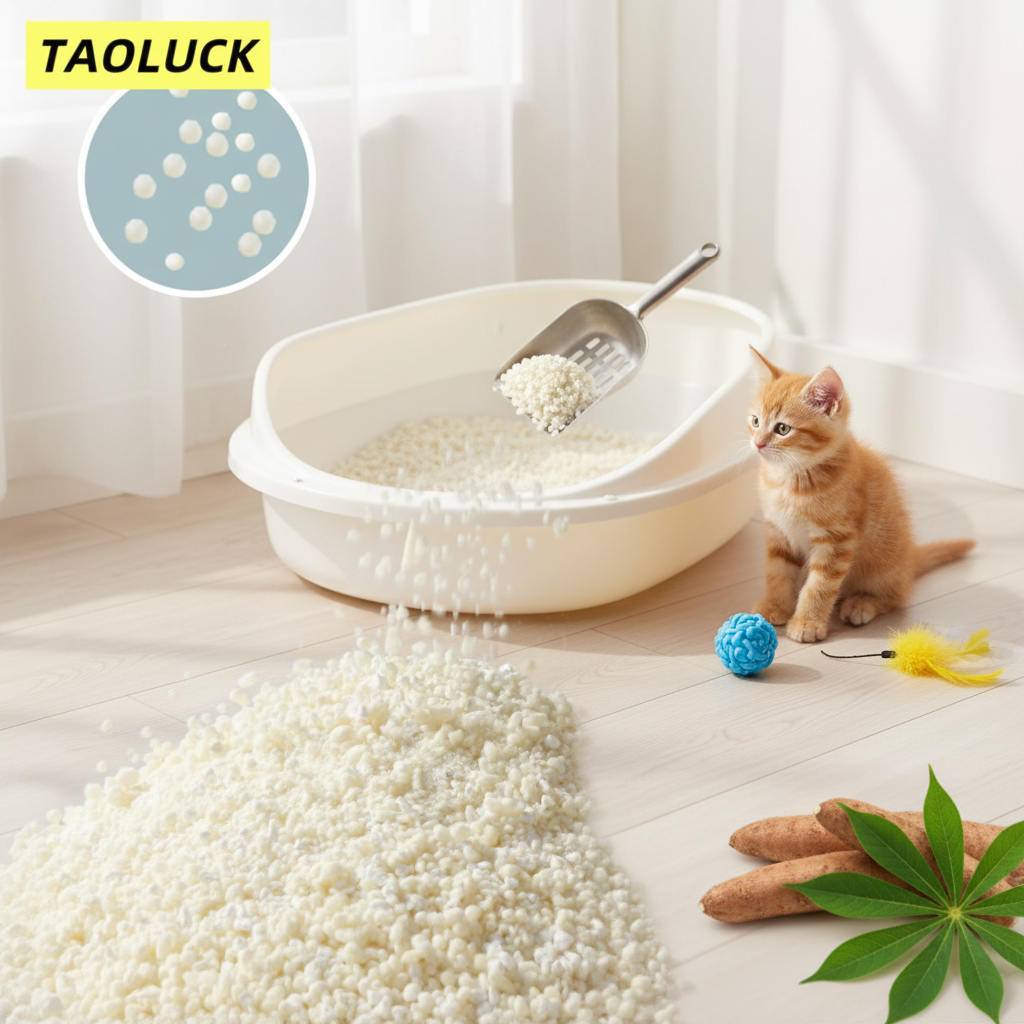
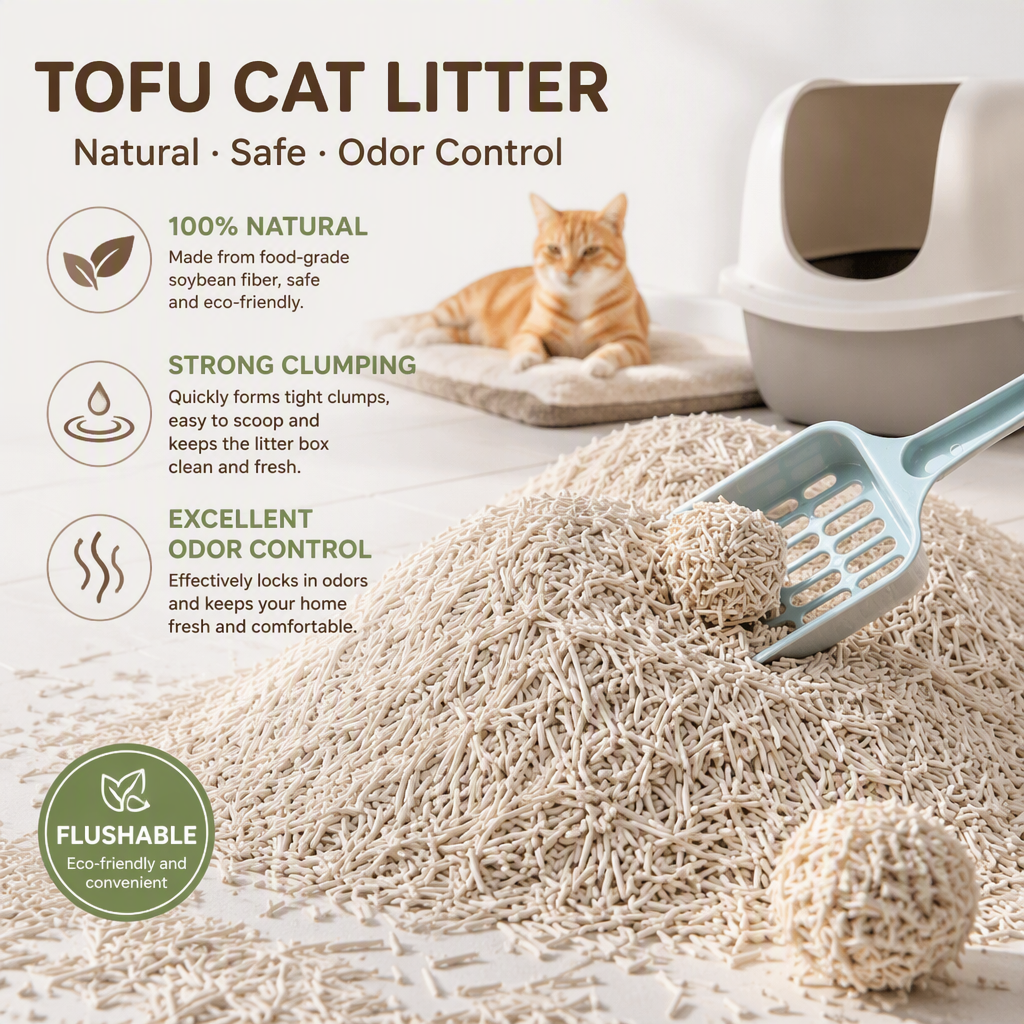
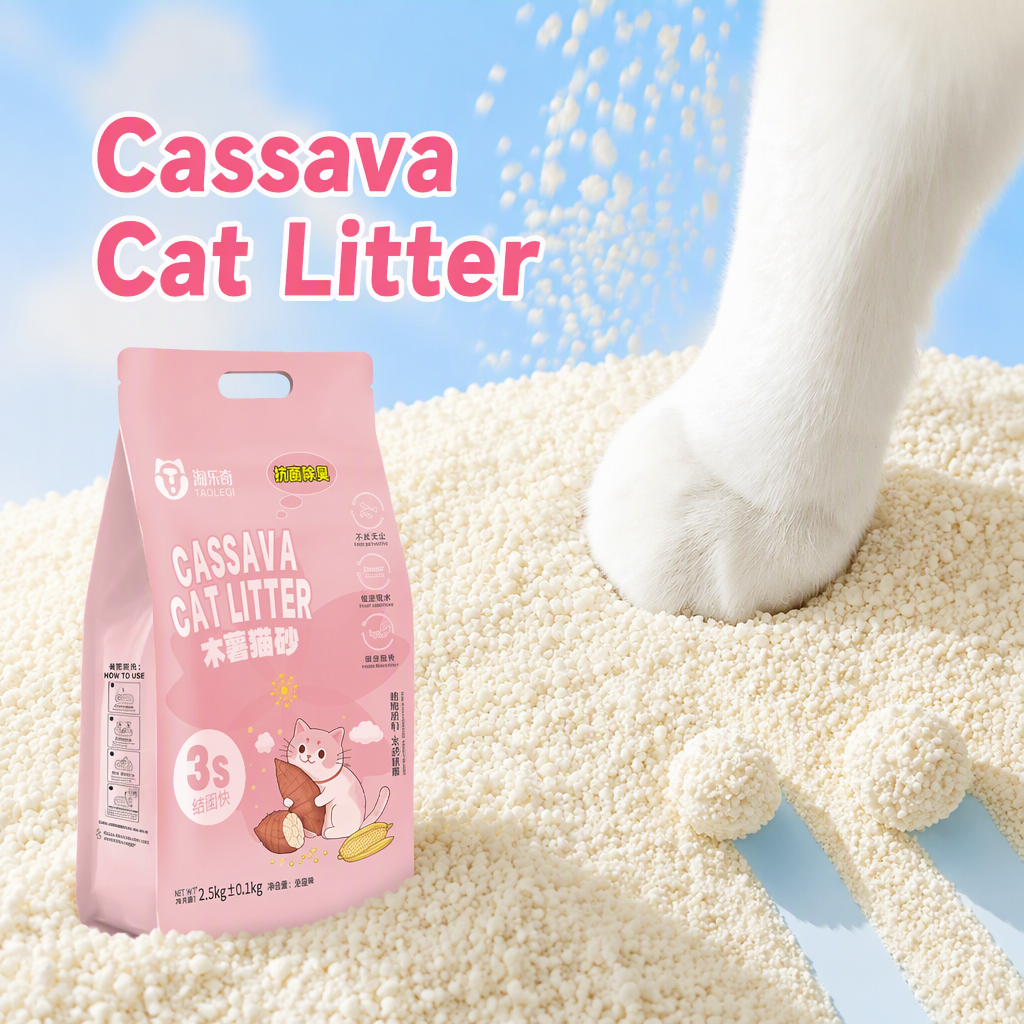
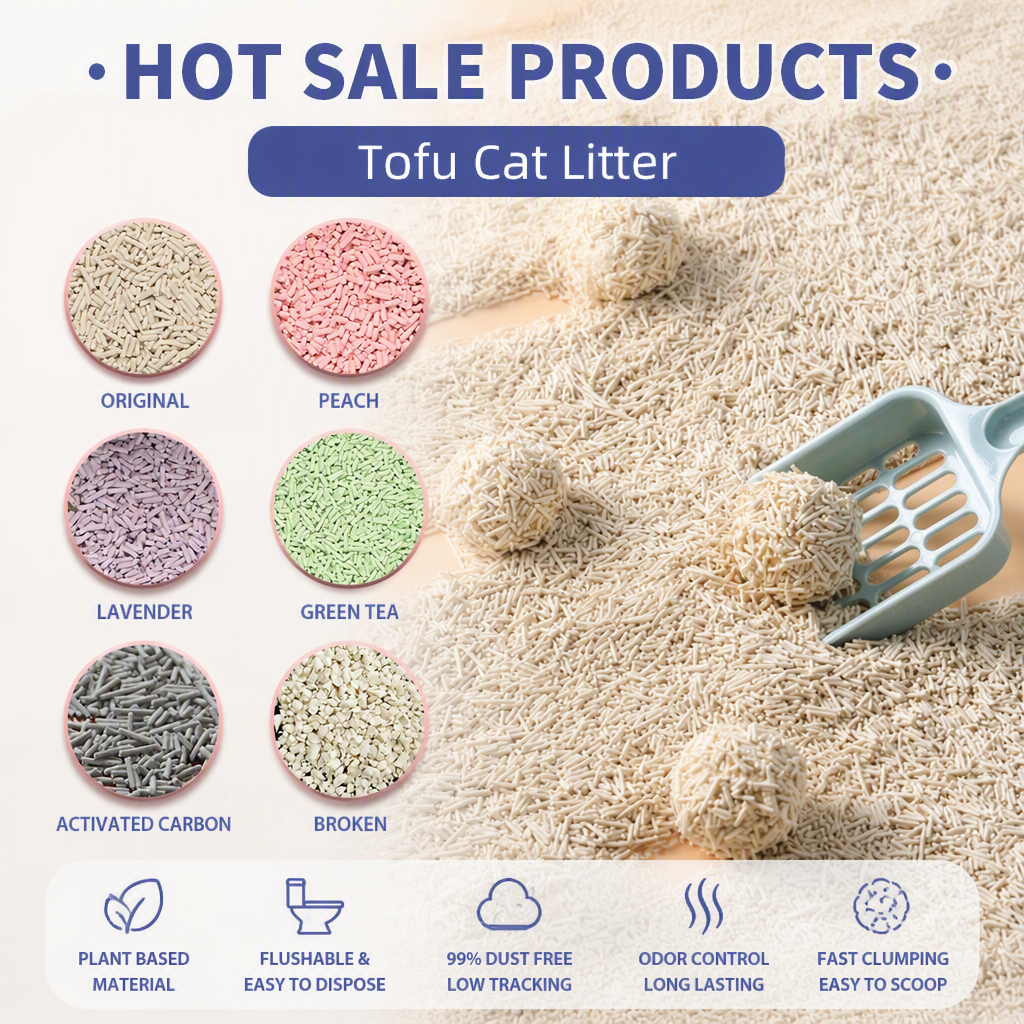
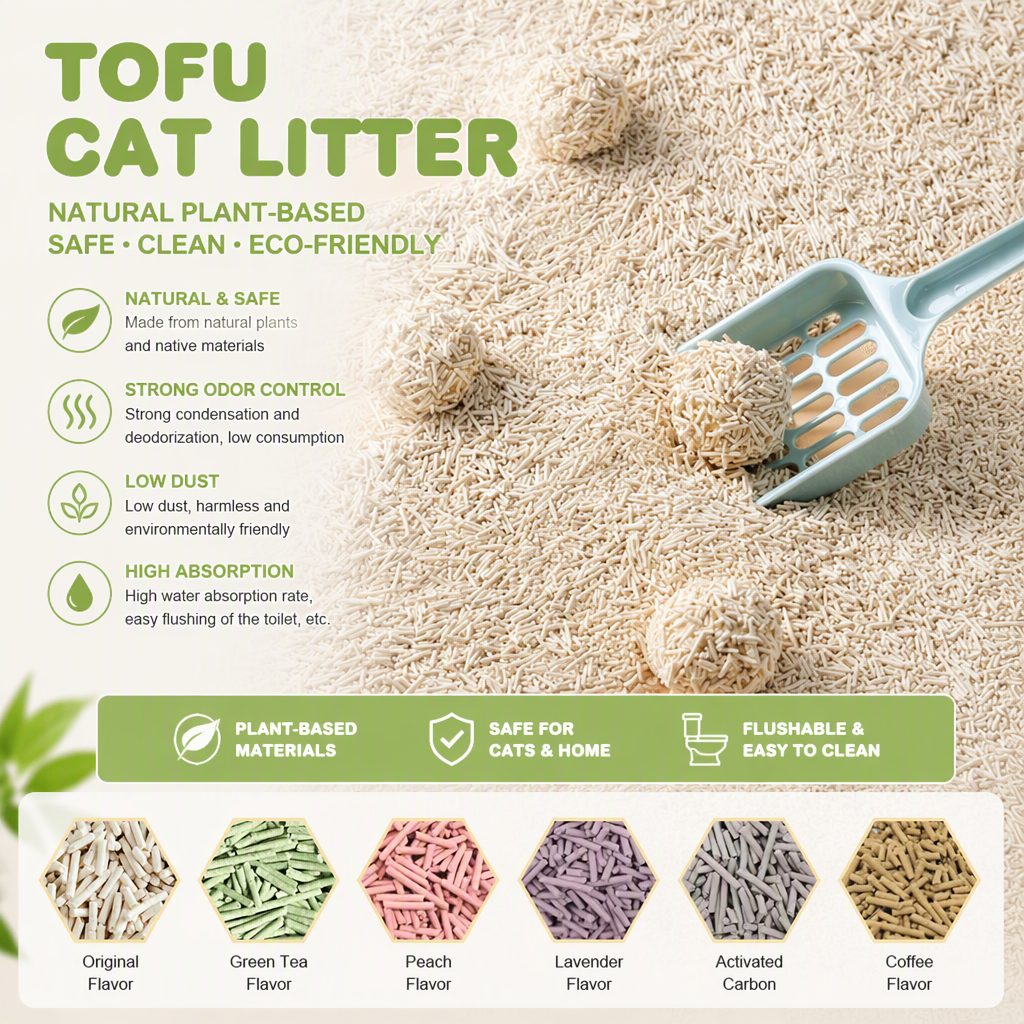
Quetzaltenango's municipal sanitary infrastructure and residential septic configurations across rural Cantel and Salcajá cannot tolerate clay blockages. We guide commercial clients toward our Mixed Bentonite-Tofu and Cassava lines, which deliver high bentonite-style clumping while enabling safe degradation during residential waste sorting.
Technical Performance Comparison: Mineral & Hybrid Formulations
Detailed specification comparison across physical, chemical, and logistical parameters to guide procurement departments of pet product importers and supermarket networks in Guatemala.
| Technical Characteristic | Premium Sodium Bentonite | Mixed Bentonite-Tofu (70/30) | Cassava Starch Mineral-Free | Pure Tofu Okara Pellet |
|---|---|---|---|---|
| Primary Chemical Base | Montmorillonite Clay (Na-activated) | Bentonite Sand + Soybean Pulp | Manihot Esculenta Starch Matrix | Food-Grade Glycine Max Fiber |
| Hydraulic Swelling Ratio | 350% – 420% | 280% – 320% | 380% – 450% | 220% – 260% |
| Agglomeration Speed | < 2.5 seconds | < 3.0 seconds | < 2.0 seconds | < 3.5 seconds |
| Dedusting Grade (Air Curtain) | 99.6% Dedusted | 99.8% Dedusted | 99.9% Dust Free | 99.5% Dedusted |
| Bulk Density (g/cm³) | 0.85 – 0.95 g/cm³ | 0.62 – 0.70 g/cm³ | 0.48 – 0.55 g/cm³ | 0.50 – 0.58 g/cm³ |
| Disposal Pathway (Xela/Guate) | Municipal Bagged Solid Waste | Solid Waste / Partial Compost | 100% Biodegradable / Septic Safe | Flushable in Suitable Lines |
| Logistical Efficiency (20GP Cont.) | Max 24 Metric Tons | Approx. 18-20 Metric Tons | Approx. 14-16 Metric Tons | Approx. 15-17 Metric Tons |
| Market Suitability in Guatemala | Mass Market / Value Retail | Modern Trade Pet Chains | Eco Premium / Vet Clinics | Urban Apartment Brands |
Emerging Pet Category Trends Across Quetzaltenango & Southwestern Guatemala
How socioeconomic shifts, modern commercial retailization, and the humanization of companion animals are transforming the bulk cat litter and mineral hygiene market.
Feline Humanization in Urban Centers
Over the last five years, pet ownership across urban clusters such as Quetzaltenango, Totonicapán, and San Marcos has undergone structural evolution. Felines, traditionally kept as pest controllers in agricultural warehouses or exterior patios, are increasingly regarded as core family members. This cultural shift translates into a direct rejection of coarse builders' sand or low-grade calcined clays in favor of packaged, scent-enhanced, and fast-clumping sodium bentonite sand.
Transition to Modern Pet Specialization
Traditional open-sack agricultural supply stalls (agroservicios) are being augmented by dedicated retail pet boutiques, vet networks, and regional supermarket formats (such as La Torre and local independent shopping strips). Consumers actively seek convenience packaging (5L, 10L, or 2.5kg handles), leak-proof vacuum packs, and multi-scent options (Baby Powder, Lavender, Coffee, Green Tea) that harmonize with household aesthetics.
Demand for Hybrid Bentonite-Plant Solutions
As sustainability consciousness grows among younger consumers in Quetzaltenango's university corridors, buyers seek the clumping hardness of traditional bentonite without excessive bag weight. Our Mixed Bentonite-Tofu formulations merge 70% crushed sodium bentonite with 30% organic plant fibers, cutting packaging weight by 30% while retaining the hard-caking performance expected of premium bentonite.
Why Importers Partner with Dongying Brumel Pet Products Co., Ltd.
Combining world-scale Shandong mineral resources with third-party audited manufacturing integrity, flexible low minimum order thresholds, and end-to-end maritime logistics management.
SGS On-Site Audited
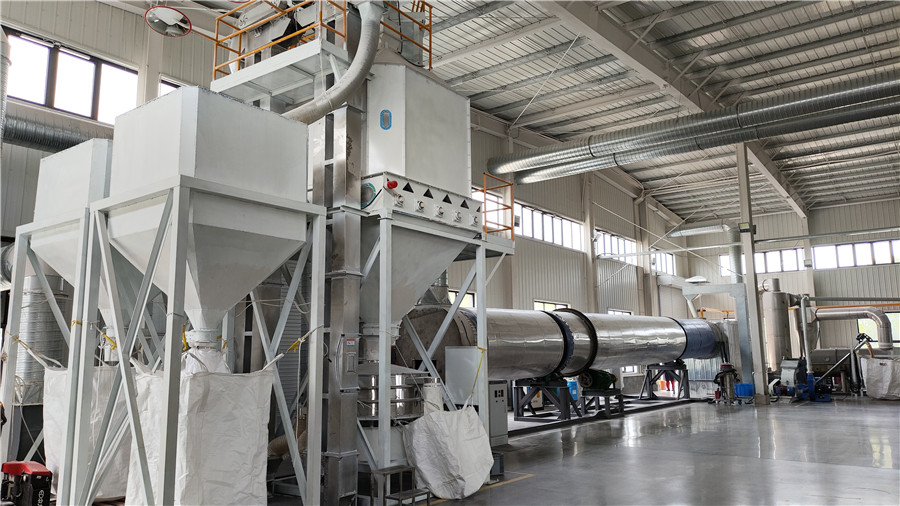
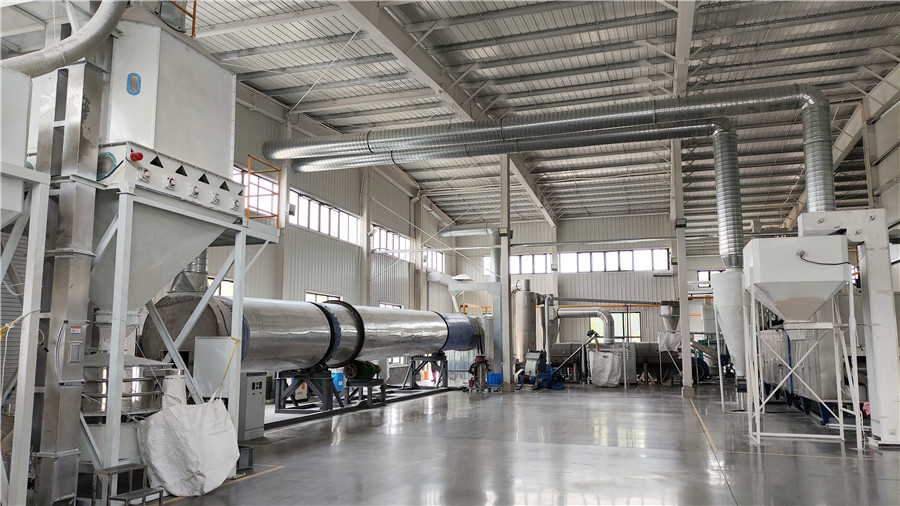
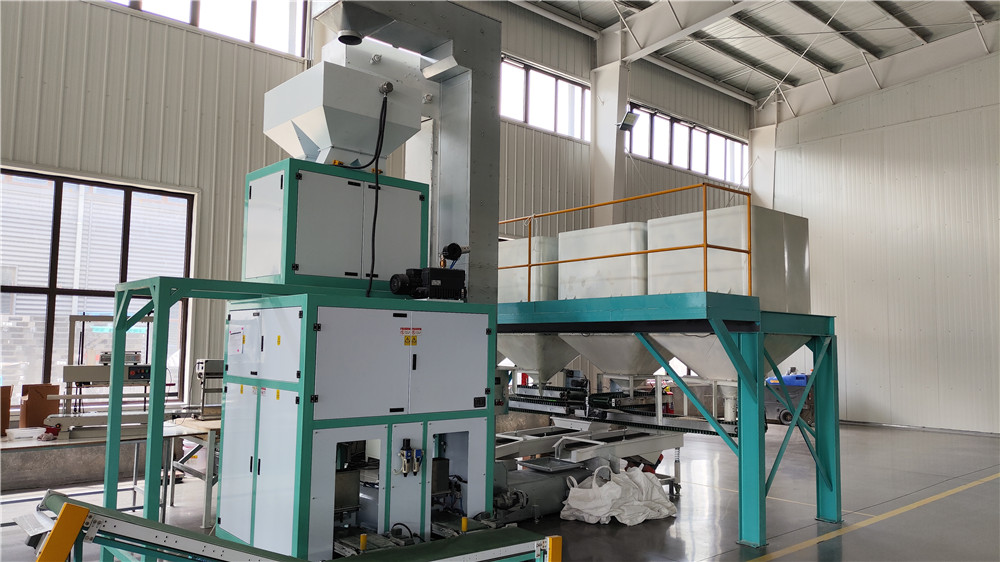
Our 7,500 m² modern manufacturing workshop in Dongying, Shandong, has undergone thorough on-site physical auditing by SGS Group, inspecting machinery capacity, workplace safety, storage conditions, and raw material qualification.
OEM Private Label Starting at 400 Bags
Lowering capital barriers for Guatemalan entrepreneurs and distributor chains. We offer full graphic design support, cylinder gravure print, matte packaging, custom handles, and customized scent concentrations starting from just 400 bags.
6-Stage Negative Pressure Dedusting
Every metric ton of bentonite cat sand undergoes multiple vibrational screeners and powerful cyclone negative-pressure air ducts, removing 99.8% of micro-powders before sealing to ensure respiratory health for pets and consumers.
Intermodal Freight to Puerto Quetzal
We provide comprehensive CIF and FOB container dispatch from Qingdao Port direct to Puerto Quetzal (Guatemala), complete with Certificate of Analysis (COA), Phytosanitary Documentation, Non-Asbestos Declarations, and pallet wrapping.
Frequently Asked Questions by Guatemala Importers & B2B Buyers
Transparent technical, commercial, and freight guidance to help you navigate ocean container procurement, customs clearance, and brand formulation.
How does container freight move from your factory to Quetzaltenango?
Shipments depart our manufacturing center in Dongying and are staged at Qingdao Port (China). Ocean containers travel trans-Pacific routes to Puerto Quetzal on Guatemala's Pacific coast (approx. 24–32 days transit). From Puerto Quetzal, your customs agent or multimodal carrier dispatches the 20GP or 40HQ container along Highway CA-2W and CA-1W inland directly to your warehouse or commercial logistics terminal in Quetzaltenango.
Can you provide custom Spanish packaging and regulatory barcode integration?
Yes. Over 40% of our export volume serves Latin American markets. We provide complete Spanish layout design assistance including mandatory SAT/tax identifiers, EAN-13 barcodes, net weight declarations (kg, lb, or Liters), and user application instructions suited to the regulatory expectations of the Ministry of Agriculture, Livestock and Food (MAGA) in Guatemala.
What is the advantage of Mixed Bentonite-Tofu over 100% bentonite clay?
100% sodium bentonite offers exceptional clumping hardness and cost efficiency, but carries high bulk density (0.85–0.95 g/cm³), resulting in heavy bags for residential apartment dwellers in historic Xela. Our 70% Bentonite + 30% Tofu pellet blend lowers bag weight by roughly 25-30% while retaining the hard-caking clumping strength that pet owners demand.
Can I test samples in Quetzaltenango before committing to full container orders?
Absolutely. We dispatch DHL or FedEx air express sample kits containing calibrated bentonite granules, mixed hybrid formulations, and cassava litter directly to your commercial office in Quetzaltenango or Guatemala City. You can evaluate water absorption ratios, caking speed, clump integrity, and dust dissipation first-hand.
How does your factory prevent humidity absorption during sea transit across the Pacific?
Trans-equatorial ocean transit involves substantial temperature and relative humidity differentials. We pack cat litter using heavy-gauge laminated composite polymer barrier bags (BOPP/PET/PE), tightly sealed under secondary thermal pressure bars. Pallets are wrapped with multi-layer waterproof stretch film with corner protectors, and container interiors are fitted with high-absorption desiccant dry-bags to eliminate container sweat.