Factory-Direct Flushable & Plant-Based Cat Litter SKUs
Direct-from-factory procurement for distributors, luxury beachfront resorts, and pet retailers in the Bolans and Saint Mary Parish trade corridors. Strict zero-landfill, septic-safe biodegradable substrate compliance.
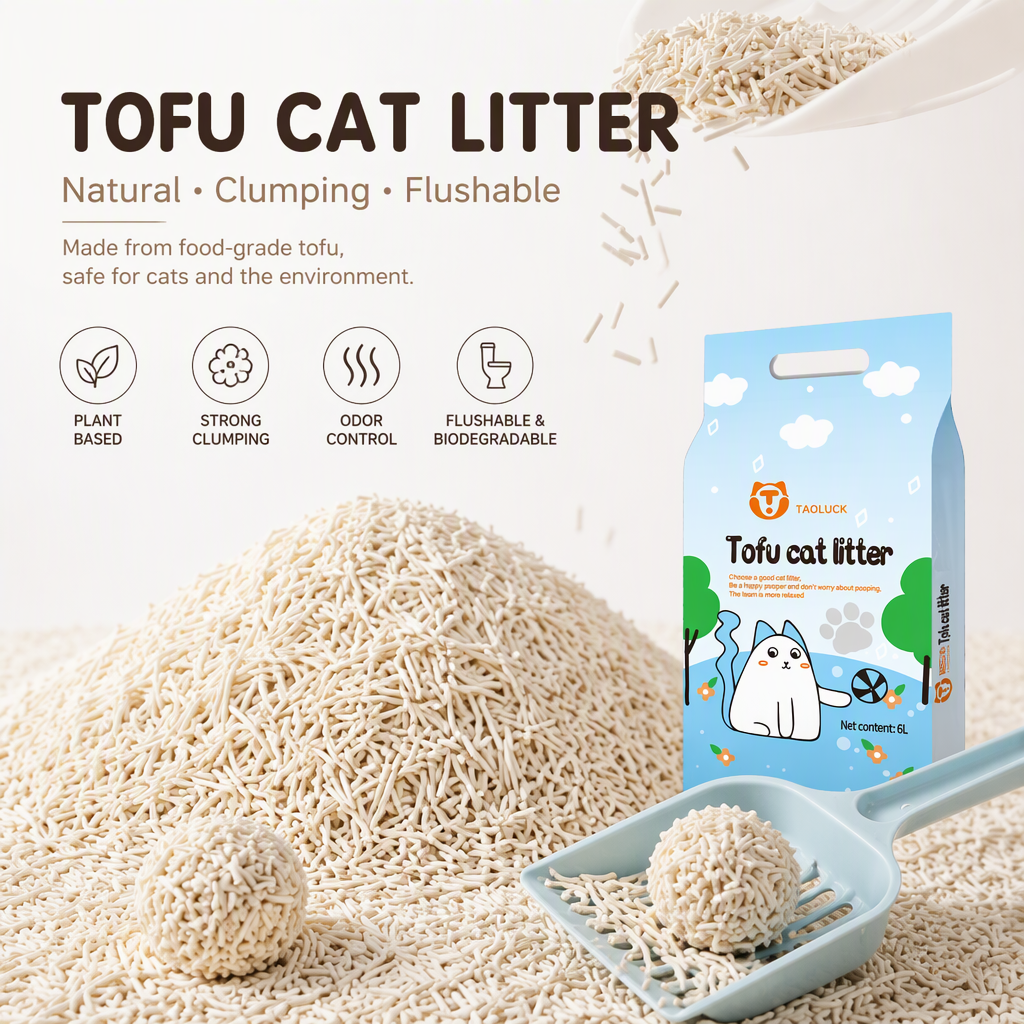
Factory Customized Cat Litter Strong Clumping Non-Stick Easy Biodegradable Clean Plant-Based Tofu Cat Litter
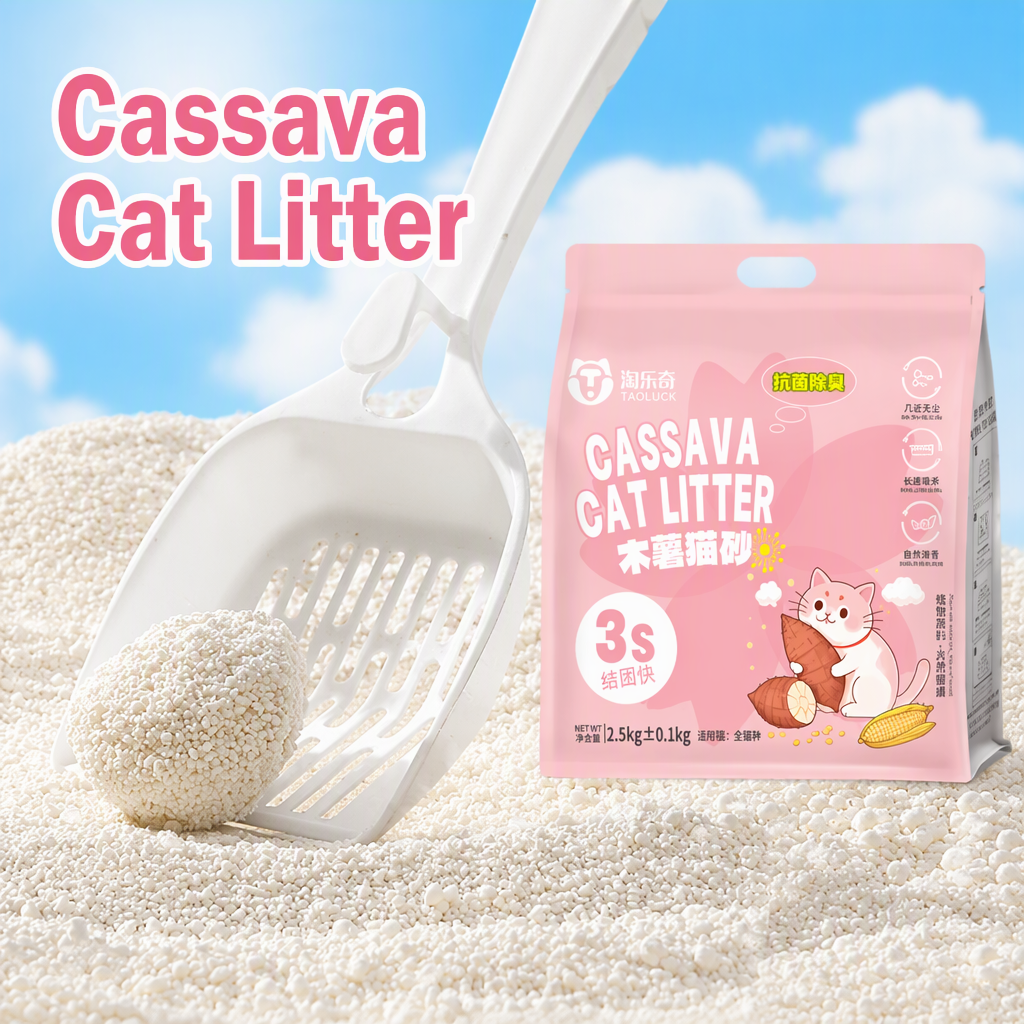
Eco Friendly Clumping Highly Absorbent Cat Litter Odor Control Premium Dust Free Cassava Cat Litter
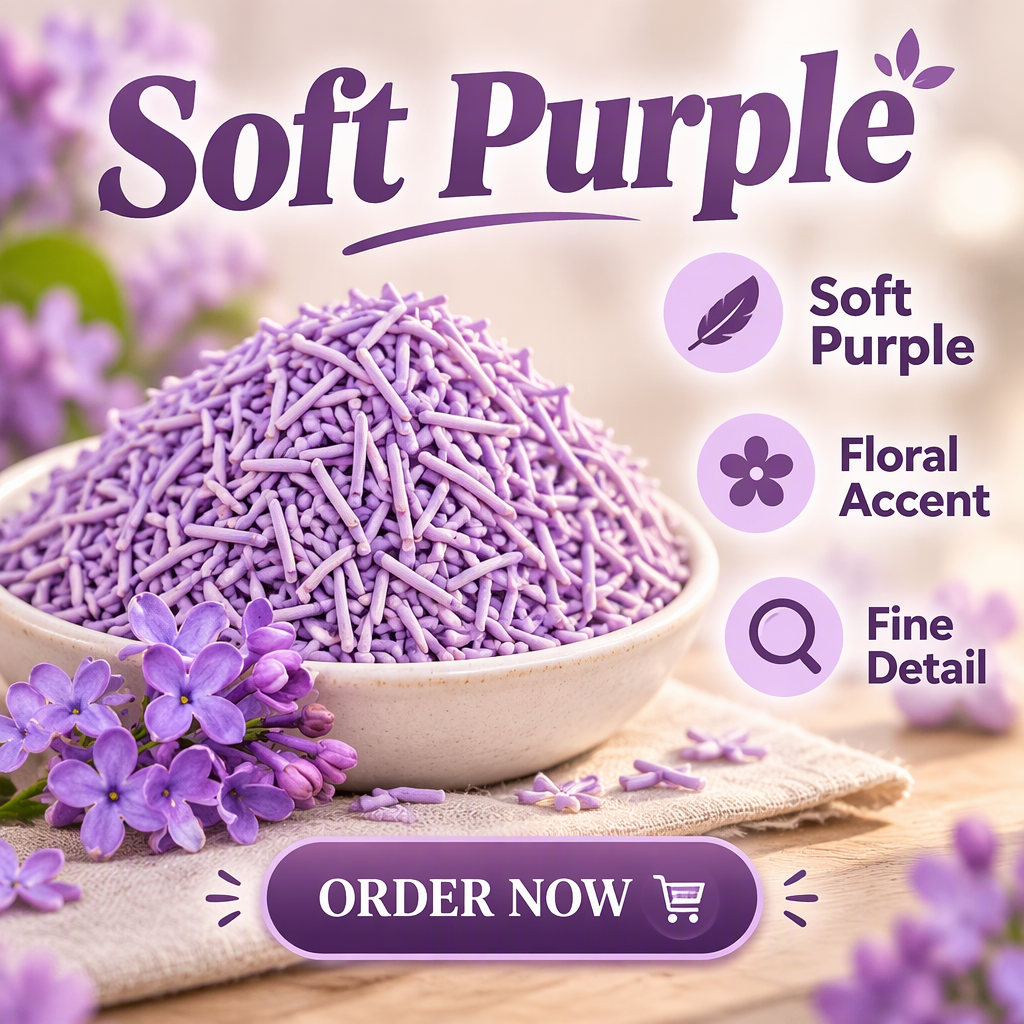
Food-Grade Tofu Fiber Litter Fast Clumping Non-Loose Clumps Affordable Dust Free Cat Litter with Customizable Particle Size
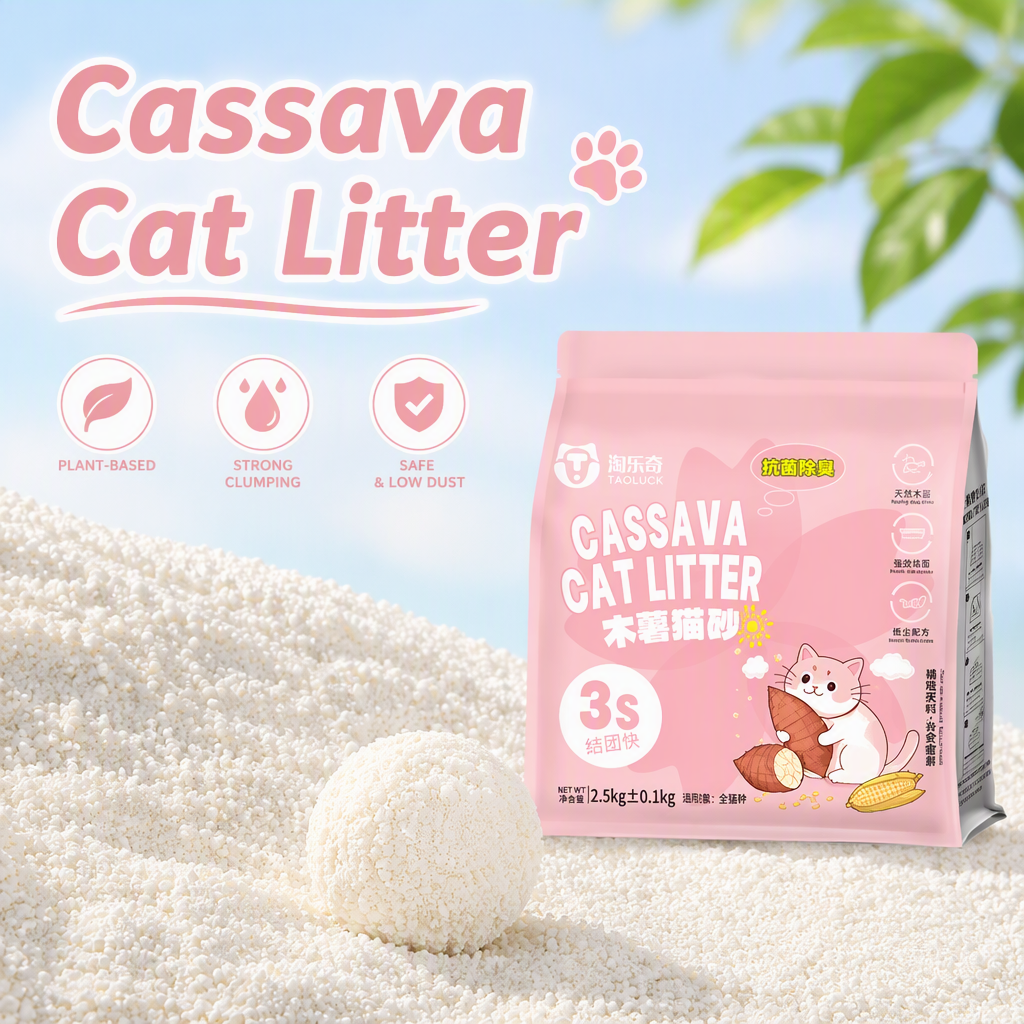
Natural Fragrance Dust Free Cat Litter Strong Long Lasting Odour Control Non Stick Cassava Cat Sand
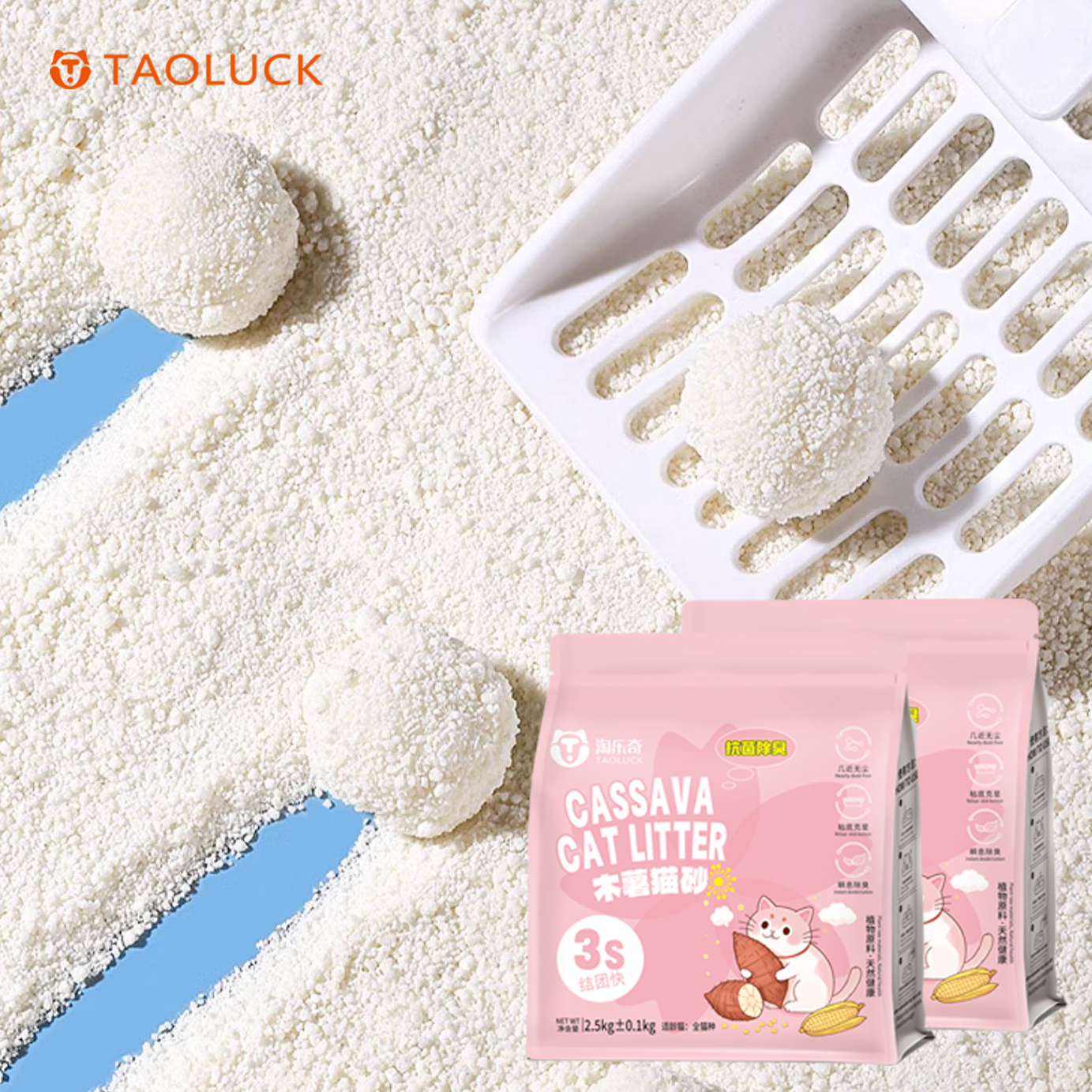
Eco Friendly Fast Delivery Cat Litter Strong Clumping Odor Control Biodegradable Premium Cassava Cat Litter
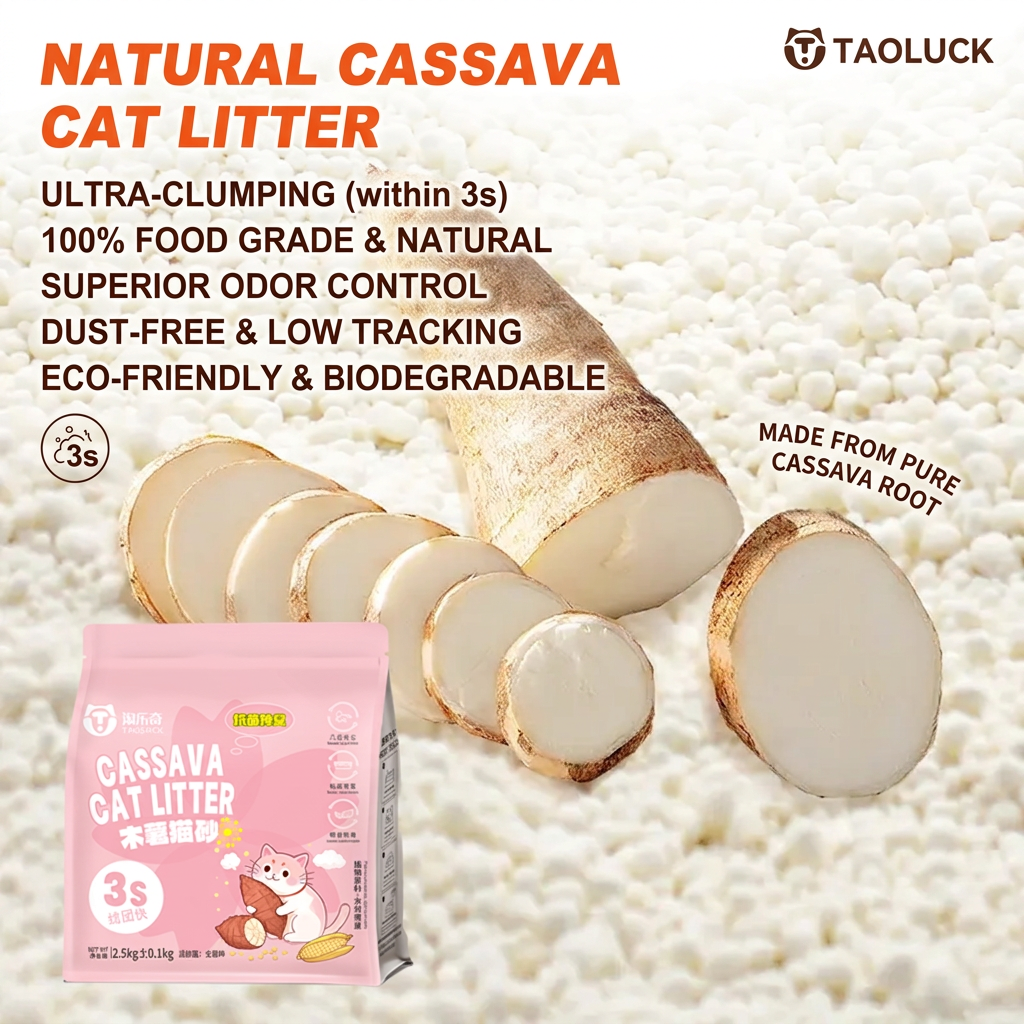
Deodorant Natural Ingredients Cat Litter Factory Supplies High Absorptivity Fast Clumping Cassava Cat Litter
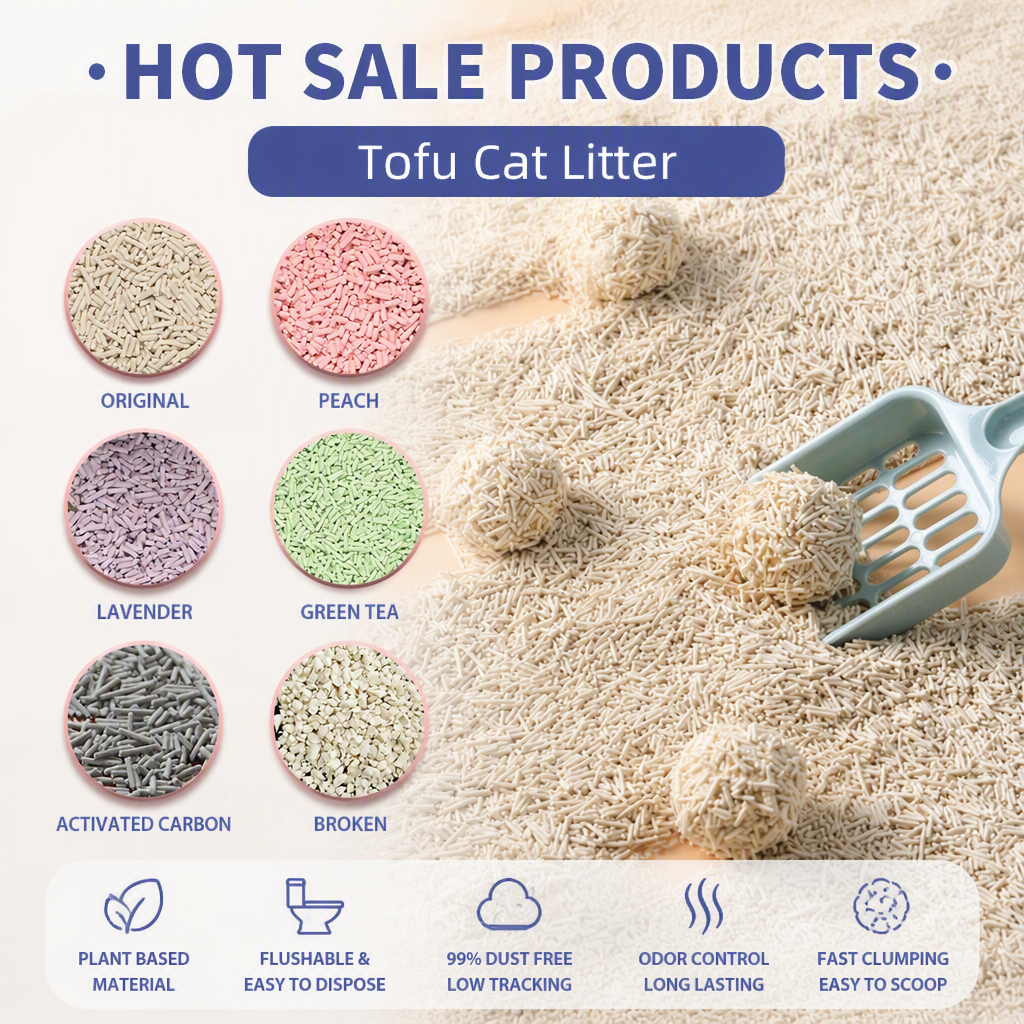
Natural Strong Clumping Flushable Cat Litter Unscented Ultra Absorbent Odor Control Dust-Free Tofu Cat Litter
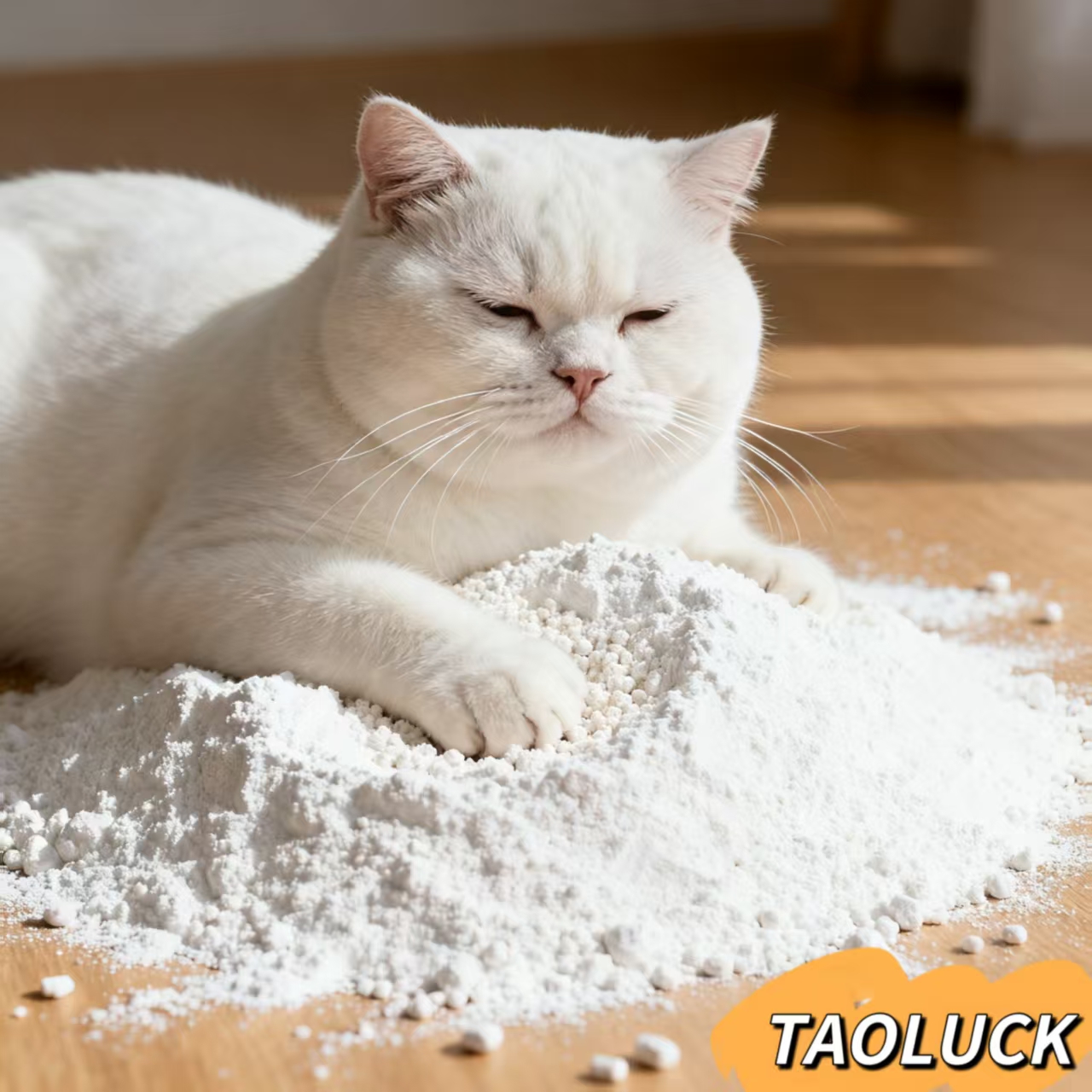
Dust-Free Tapioca Cat Litter 2.5kg Small Spherical Pellets Rapid Clumping Cassava Granules Private Label Packaging
Strategic Shift: Solving Bolans' Island Waste & Plumbing Challenges with Bio-Litter
Bolans, anchored along Antigua's scenic south-western coast in Saint Mary Parish, presents a distinct ecological and operational environment for consumer pet products. As the gateway to luxury marina hubs like Jolly Harbour, premier eco-resorts, and expansive residential villas, the local demand for companion animal care has surged. However, traditional pet waste products—predominantly sodium bentonite clay and synthetic silica crystal litters imported from North America—create acute infrastructure liabilities across the Leeward Islands.
Conventional clay litters do not dissolve. When discarded through municipal waste haulage, they add thousands of metric tons of inert, non-compactable weight to Antigua's primary landfill facilities near Cooks, exacerbating leachate risks and site exhaustion. More critically, when tourists, villa occupants, and local pet parents attempt to flush clay-based clumps down domestic toilets, the consequence is disastrous: heavy bentonite cements within internal soil pipes, overwhelms coastal septic tanks, and disrupts decentralized wastewater treatment plants (WWTP) serving the Jolly Beach and Hermitage Bay corridors. Dongying Brumel Pet Products Co., Ltd. resolves these systemic challenges by engineering food-grade plant-fiber litters tailored precisely for marine-sensitive, septic-dependent island architectures.
Water Solubility & Mechanical Shearing in Island Septic Infrastructure
Our plant-based tofu cat litter (synthesized from natural soybean okara fiber) and pure cassava cat litter operate on physical dispersion principles radically divergent from mineral clays. When introduced into an aquatic environment under mechanical flush agitation, the inter-molecular hydrogen bonds binding the starch and botanical cellulose dissolve in less than 90 seconds. The clump rapidly undergoes structural liquefaction, shearing into micro-scale organic particulates that navigate the narrow bends of 4-inch PVC sewer lines without settling or creating calcified clogs.
In standard septic tank environments typical of Bolans residential developments, the liquefied soybean and cassava fibers act as natural organic substrates. Rather than accumulating as permanent inorganic sludge requiring frequent suction pumping, our litter is completely digestable by local anaerobic bacterial flora. It breaks down into benign water, carbon dioxide, and minimal organic compost, safeguarding soakaway fields and preserving the delicate biological equilibrium essential to prevent drain-field failure along Antigua's high-water-table coastal plains.
Septic & Marine Safe
Complete hydrophilic dispersion prevents sedimentation in decentralized marina waste tanks and prevents plastic/chemical runoff into coastal coral reefs.
Tropical Humidity Shield
Engineered anti-caking granulation maintains structural stability and prevents fungal spore development under Bolans' sustained 75-85% atmospheric humidity.
Optimized Ocean Freight
62% lower volumetric mass compared to traditional bentonite enables Caribbean importers to maximize container payload weight limits into St. John's Port.
Procurement Dynamics & Market Evolution in Antigua and the Caribbean
The Caribbean pet merchandise landscape is undergoing an aggressive transition toward environmental sustainability. In markets like Bolans, where the economy is deeply intertwined with high-tier eco-tourism, blue-economy maritime guidelines, and luxury hospitality, commercial buyers are re-evaluating the life-cycle footprints of imported fast-moving pet supplies. Supermarket chains, veterinary dispensaries, and boutique pet provisioning services catering to the mega-yacht community at Jolly Harbour Marina are phasing out petrochemical-laden and mined-clay cat litters in favor of verifiable circular-economy botanicals.
Freight Mass Optimization: The Importer's Bottom Line
For Caribbean B2B importers operating through the Deep Water Harbour in St. John's, freight cost per kilogram is the ultimate arbiter of gross margin. Traditional sodium bentonite clay possesses an average bulk density ranging from 900 to 1,100 kg/m³. Shipping a 40-foot standard intermodal container of clay cat litter routinely caps out legal road-weight thresholds long before utilizing the cubic spatial capacity of the container, forcing buyers to pay for "empty air."
Conversely, Brumel's extruded tofu cat litter operates at an optimized bulk density of roughly 450 to 520 kg/m³, while our crushed cassava micro-pellets register between 500 and 580 kg/m³. This volumetric weight advantage provides transformative freight economics:
1. Double the Retail Units per Shipping Dollar: Importers in Bolans can pack approximately 18,000 to 22,000 individual 6L/2.5kg retail pouches of tofu litter into a single high-cube container without exceeding axle-weight restrictions, cutting shipping landed cost per bag by up to 38% relative to mined clay.
2. Ergonomic Consumer Advantage: For the end consumer—frequently urban apartment dwellers or yacht crews managing tight companionways—carrying a 2.5kg vacuum pack of Brumel cassava litter delivers equivalent scooping longevity to an unwieldy, back-straining 10kg bucket of clay gravel.
Comparison Matrix: Technical Rheology & Coastal Suitability
To assist Caribbean procurement officers and retail inventory buyers in evaluating alternatives, the following performance matrix benchmarks Brumel's plant-based formulations against commercial legacy substrates under high-salinity, high-humidity tropical conditions:
| Performance Vector | Brumel Food-Grade Tofu | Brumel Premium Cassava | Imported Sodium Bentonite | Synthetic Silica Gel |
|---|---|---|---|---|
| Primary Raw Material | 100% Recycled Soybean Fiber (Okara) | Pure Cassava Starch & Root Fiber | Mined Inorganic Smectite Clay | Amorphous Synthetic Silicon Dioxide |
| Hydration Clumping Velocity | < 2.5 seconds (Compact clump) | < 1.5 seconds (Instant gelation) | 8 - 15 seconds (Spreads wide) | Non-clumping (Absorption only) |
| Airborne Respirable Dust | < 0.1% (Multiple multi-cyclone screen) | < 0.1% (Triple de-dust process) | 2.5% - 6.0% (Crystalline silica risk) | 1.0% - 3.5% (Fine particulate silica) |
| Toilet & Septic Compatibility | 100% Rapid Dispersal; Anaerobic Digestible | 100% Rapid Dispersion; Safe for WWTP | Strictly Prohibited (Forms concrete blockages) | Strictly Prohibited (Insoluble synthetic) |
| Tropical Performance (80% RH) | Oven-baked drying keeps moisture < 8% | Starch sealed against ambient humidity | Absorbs ambient humid air; degrades quickly | Becomes saturated with ambient moisture |
| Landfill Environmental Impact | 100% Compostable in 30-45 days | 100% Biodegradable into bio-nutrients | Permanent non-degradable geological mass | Non-biodegradable synthetic chemical |
Dongying Brumel Pet Products: SGS-Verified Direct Factory Infrastructure
Sourcing directly from an established primary manufacturer removes intermediate brokerage margins, ensures batch-to-batch chemical consistency, and protects your enterprise against Caribbean supply-chain disruptions. Located in Dongying, Shandong Province—an agricultural processing heartland with abundant, direct access to premium non-GMO soybean and cassava starch resources—Dongying Brumel Pet Products Co., Ltd. operates as a globally recognized OEM/ODM manufacturing facility.
Our facility footprint and production competencies have undergone rigorous, on-site third-party audit verification by SGS Group as part of international commercial supplier compliance. Covering over 7,500 square meters of specialized, climate-controlled clean workshops, our manufacturing lines integrate automated raw material batching, secondary precision mixing, high-pressure steam granulation extrusion, microwave and dual-tunnel drying, triple-stage pneumatic dedusting, and robotic automated vacuum bagging.
Custom Engineering for Private Label Brands in the Caribbean
We do not simply offer generic off-the-shelf catalog goods. We build brand equity for our distributors. Whether you are launching a proprietary pet wellness brand across Antigua or developing custom housekeeping supplies for a Caribbean resort chain, our OEM/ODM team supports full-spectrum formulation engineering:
1. Granule Morphology & Diameter Customization: Select between classic 1.5mm micro-pellets (for superior feline paw comfort and minimal tracking), 2.0mm standard industrial pellets (high mechanical durability and zero breakage), crushed irregular granules (engineered to mimic traditional clay gravel for frictionless consumer switching), or spherical tapioca balls.
2. Natural Botanical Deodorization Systems: In tropical settings like Bolans, high ambient heat accelerates the enzymatic breakdown of urea into pungent ammonia gases. Brumel provides proprietary botanical odor-lock additives, including active tea polyphenols, natural fruit extracts (peach, green tea, lavender), active food-grade activated bamboo carbon blends, and organic probiotic odor-digesting matrices that neutralize volatile nitrogenous compounds on contact without artificial masking chemicals.
3. Low-Barrier Minimum Order Quantities (MOQs): While traditional manufacturers mandate massive 20-container initial commitments, Brumel actively fosters regional brand creation with entry-level private label MOQs starting from just 400 bags for baseline SKU runs. This enables Bolans distributors and boutique veterinary groups to test market dynamics, manage working capital efficiently, and scale inventory in direct cadence with actual consumer uptake.
SGS On-Site Audited
Comprehensive verification covering our 7,500m² manufacturing plant, raw-material quarantine standards, and certified ISO-aligned quality management systems.
Complete Private Label OEM
Turnkey graphic packaging design, multi-layer high-barrier foil pouches, vacuum side-gusset bags, and master export carton customization tailored to Caribbean compliance.
In-House Analytical Lab
Every batch undergoes rigorous pre-shipment testing for hydration rates, clump crushing pressure, residual dust percentage, and zero mold pathogen safety.
Frequently Asked Questions for Caribbean & Bolans Buyers
Direct, technically grounded guidance covering supply logistics, plumbing science, and custom private-label procurement protocols for regional commercial partners.
Is plant-based cat litter truly safe for domestic septic tanks and package WWTPs in Bolans?
Yes. Unlike sodium bentonite (which forms an impermeable, insoluble clay barrier that hardens in pipes and septic chambers), Brumel's tofu and cassava litters are composed of hydrophilic plant polysaccharides. In contact with water volumes during a standard flush, clumps dissolve and shear within 60 to 90 seconds. In the septic tank, the organic botanical particles undergo rapid decomposition via anaerobic bacteria naturally present in domestic wastewater, leaving zero residual inorganic sediment.
How does high atmospheric humidity in coastal Antigua affect shelf-life and in-box performance?
Caribbean coastal air regularly exceeds 80% relative humidity, which degrades substandard litters. Brumel integrates a multi-stage high-temperature tunnel baking process that reduces base moisture content below 8%. Furthermore, our retail products are hermetically sealed in multi-layer, high-barrier moisture-proof vacuum poly pouches. Once poured into the litter box, the natural surface tension and starch encapsulation prevent the granules from drawing moisture out of the ambient humid air, ensuring the litter remains crisp, dry, and clumping-ready for 30+ days in tropical climates.
What is the standard container shipping transit time and routing from China to St. John's Port?
Shipments originate directly from Qingdao Port (the premier container export hub serving our Shandong factory). Freight is routed via established international maritime alliances through the Panama Canal to Kingston, Jamaica or Port of Spain, Trinidad transshipment hubs, connecting directly into St. John's Deep Water Harbour, Antigua. Average ocean transit spans 35 to 45 days. Our trade specialists provide complete bill of lading documentation, commercial invoices, packing lists, and certified phytosanitary certificates required for swift customs clearance through the Antigua and Barbuda Customs & Excise Department.
What are the minimum order quantities (MOQs) for custom private label packaging?
For our standard generic packaging or unbranded white-label stock formulations, the MOQ is just 400 bags. For custom rotogravure or digital high-definition printed private label bags displaying your brand graphics, logo, and local barcodes, our typical initial order threshold is 2,000 to 3,000 bags per artwork SKU. We offer flexible split-container arrangements where importers can consolidate multiple scent variants (e.g., Unscented, Activated Carbon, and Peach) within a single 20ft or 40ft container.
Can pet hotels and luxury resorts in Saint Mary Parish compost used plant-based litter?
Absolutely. Tofu and cassava cat litters represent 100% natural, nitrogen-rich organic biomass. For resorts and estate properties maintaining private compost heaps, the urine-soaked plant clumps act as high-nitrogen "green" composting material. When managed under high-temperature composting conditions (exceeding 55°C/131°F to eradicate feline pathogens), the spent litter breaks down completely within 6 to 8 weeks into high-grade organic humus, perfect for non-edible decorative landscaping and flora across island resorts.
How do cassava-based litters compare against tofu litters for cats with allergies?
Both formulations provide ultra-low dust profiles (<0.1% respirable particulate matter), dramatically reducing feline asthma risks. However, cassava cat litter is completely grain-free and legume-free, manufactured purely from cassava root starch. For ultra-sensitive felines with diagnosed soy allergies or autoimmune sensitivities, cassava litter delivers a hypoallergenic substrate. Its natural pale-cream coloration also allows veterinary staff and cat parents to monitor urine coloration for early detection of feline lower urinary tract diseases (FLUTD).
Scale Your Pet Brand in the Bolans & Caribbean Market
Direct factory container pricing, custom branded packaging samples, and full technical specifications for Caribbean distributors, luxury resorts, and pet chains. Initiate direct dialogue with our export directors today.
Contact Us