Industrial Plant-Based Cat Litter Engineered for Romanian Importers
Custom formulations covering flushable pea fiber tofu, hyper-absorbent cassava starches, and hybrid mineral-plant substrates engineered to satisfy EU environmental standards and Romanian household preferences.
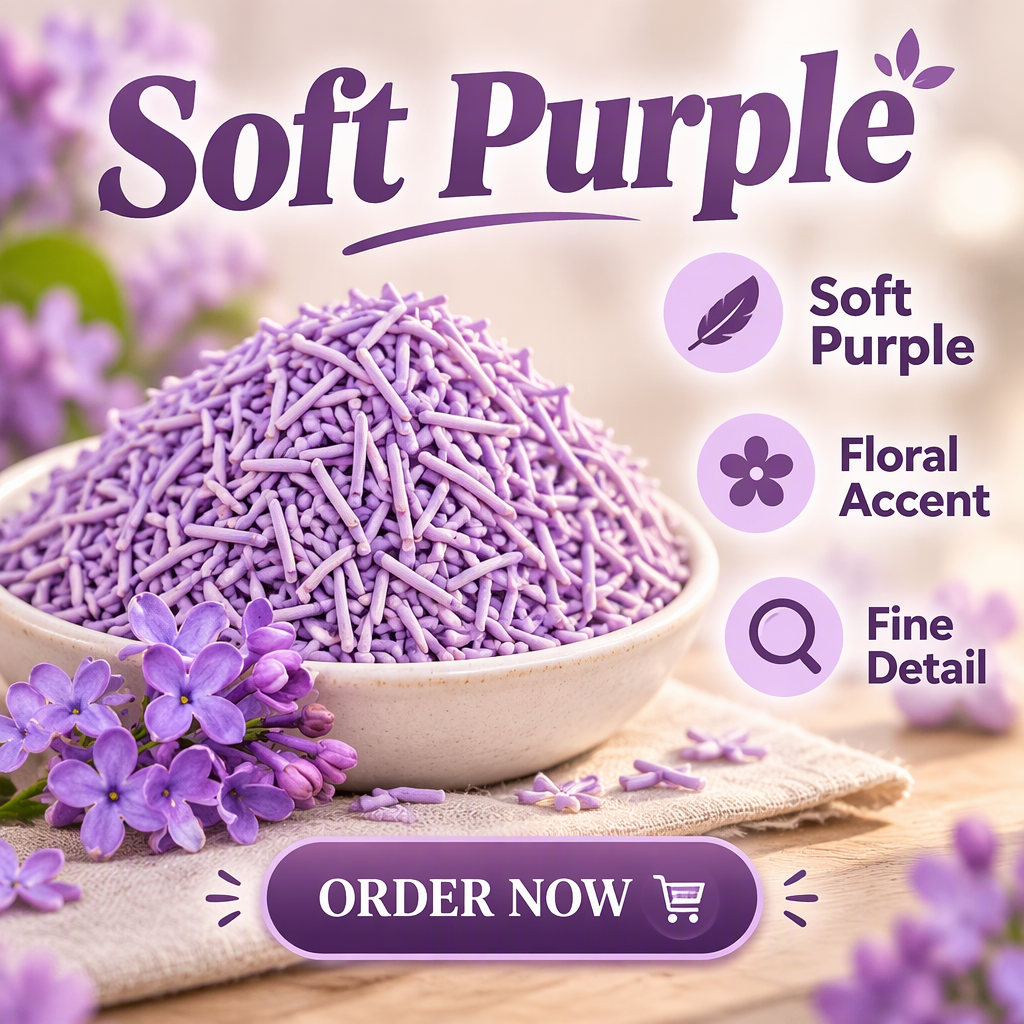
Food-Grade Tofu Fiber Litter Fast Clumping Non-Loose Clumps
- Raw Material: 100% Food-Grade Soybean Pulp
- Clumping Time: Under 3 Seconds Solid Matrix
- Tracking Resistance: 2.0mm Pellet Diameter
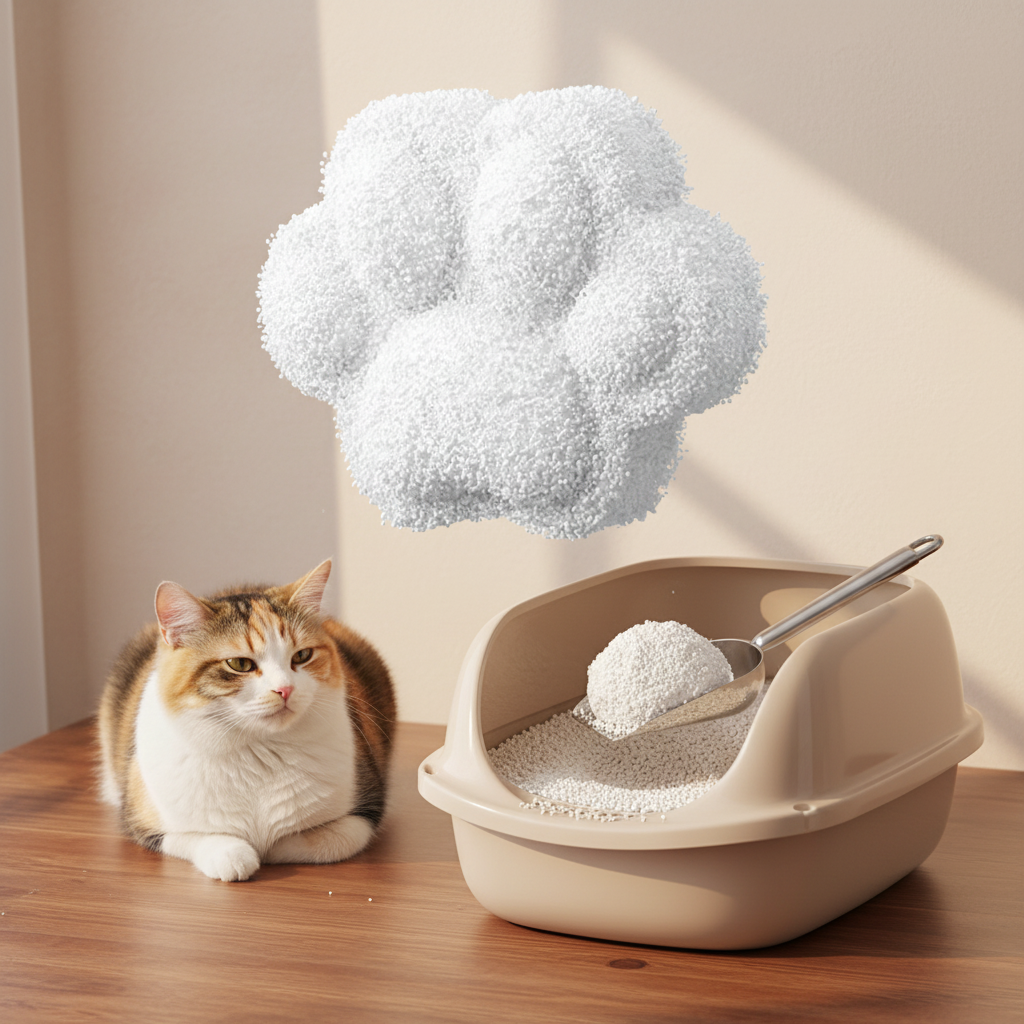
Quick Clumping Easy Scoop Natural Cassava Cat Litter
- Composition: Pure Organic Cassava Starch
- Dust Level: 99.9% De-dusted Screening
- Properties: Hypoallergenic for Sensitive Paws
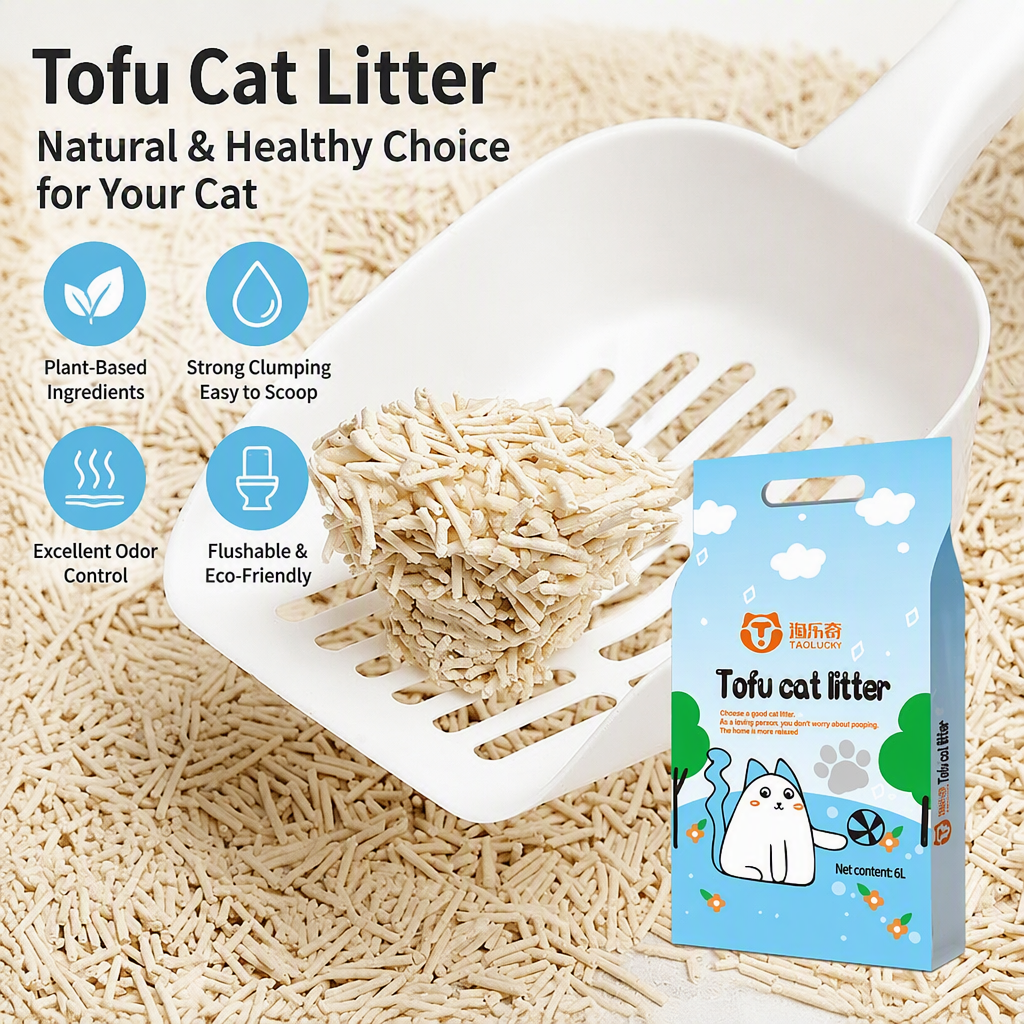
Strong Clumping Flushable Natural Eco-Friendly Tofu Litter
- Disposal: Instant Septic & Toilet Flushable
- Odor Control: Organic Enzymatic Lock
- Safety: Free of Chemical Binders & Lead
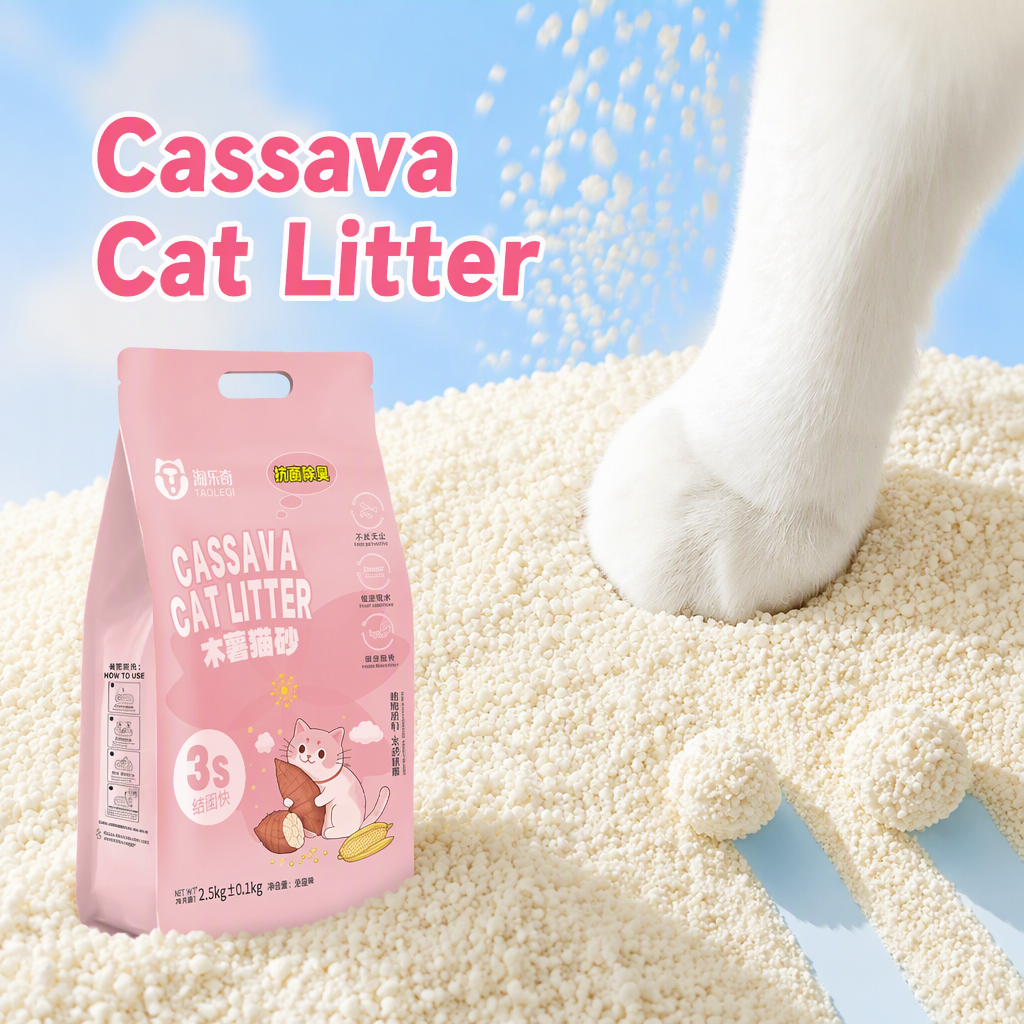
Biodegradable Eco-Friendly Highly Absorbent Cassava Litter
- Absorption Index: Over 450% Water Retention
- Grain Size: Fine Sand-Like Tactile Texture
- Target: Transitioning Clay Cat Users
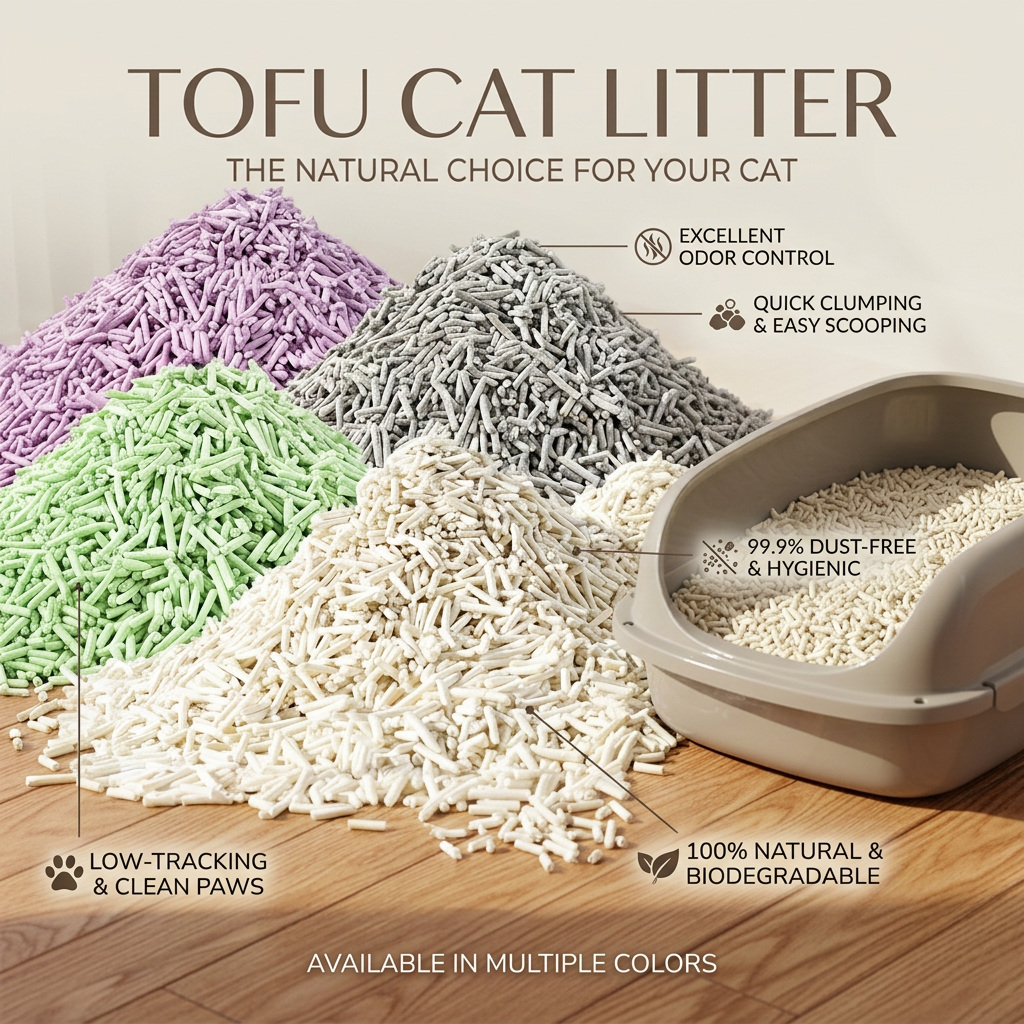
Fast Absorbent Dust-Free Factory Strong Clumping Tofu
- Formula: High-Tension Cohesive Fiber
- Dust Filtration: Cyclone Negative-Air Extraction
- Packaging: 6L / 7L Vacuum Bags Available
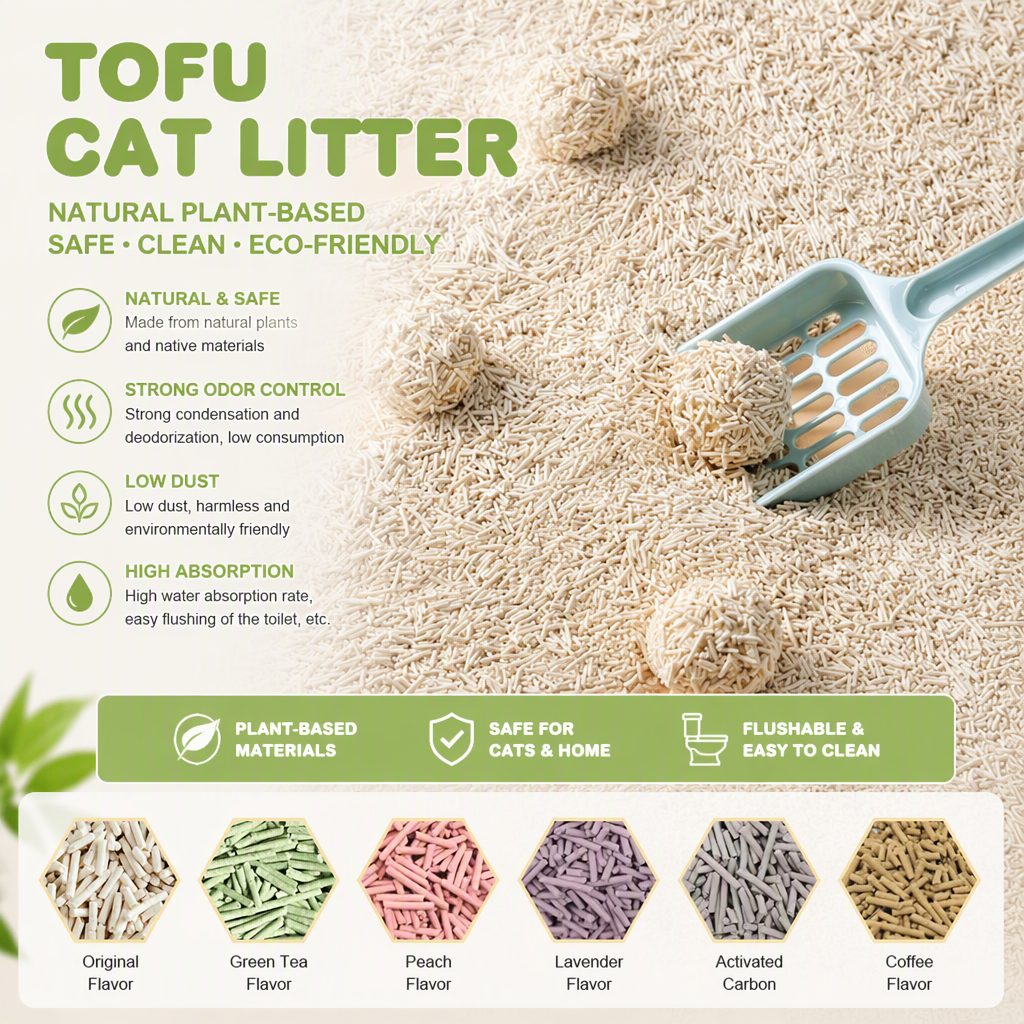
Solid Clumping Flushable Non-Stick Plant Cassava Litter
- Tray Release: Zero Bottom Pan Adhesion
- Clump Integrity: Resists Shattering on Drop
- Safety: Completely Food-Grade Inert Ingredients
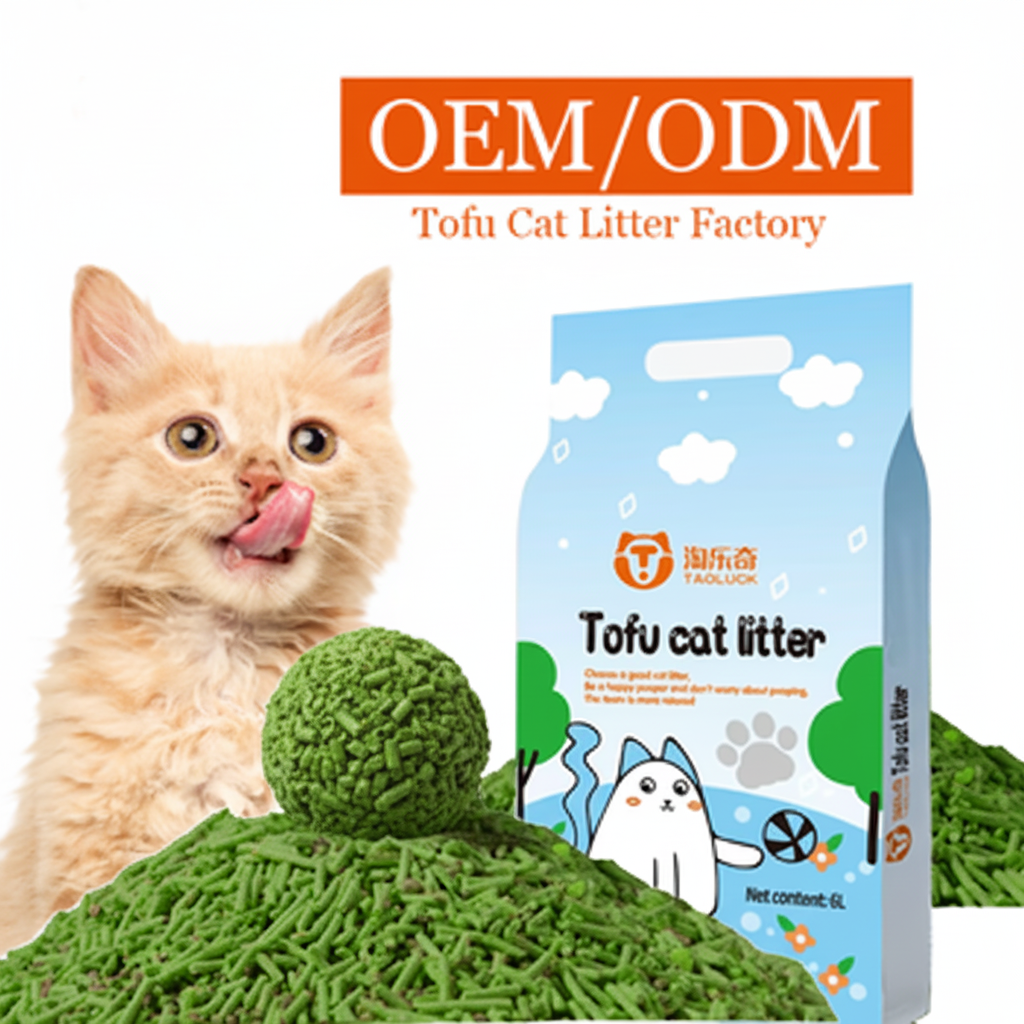
Premium Wholesale Efficient Odor Control 100% Dust Free Tofu
- Pellet Diameter: 1.5mm Ultra-Thin Sticks
- Scent Variants: Unscented, Activated Carbon, Tea
- Target Channel: Premium Specialty Pet Shops
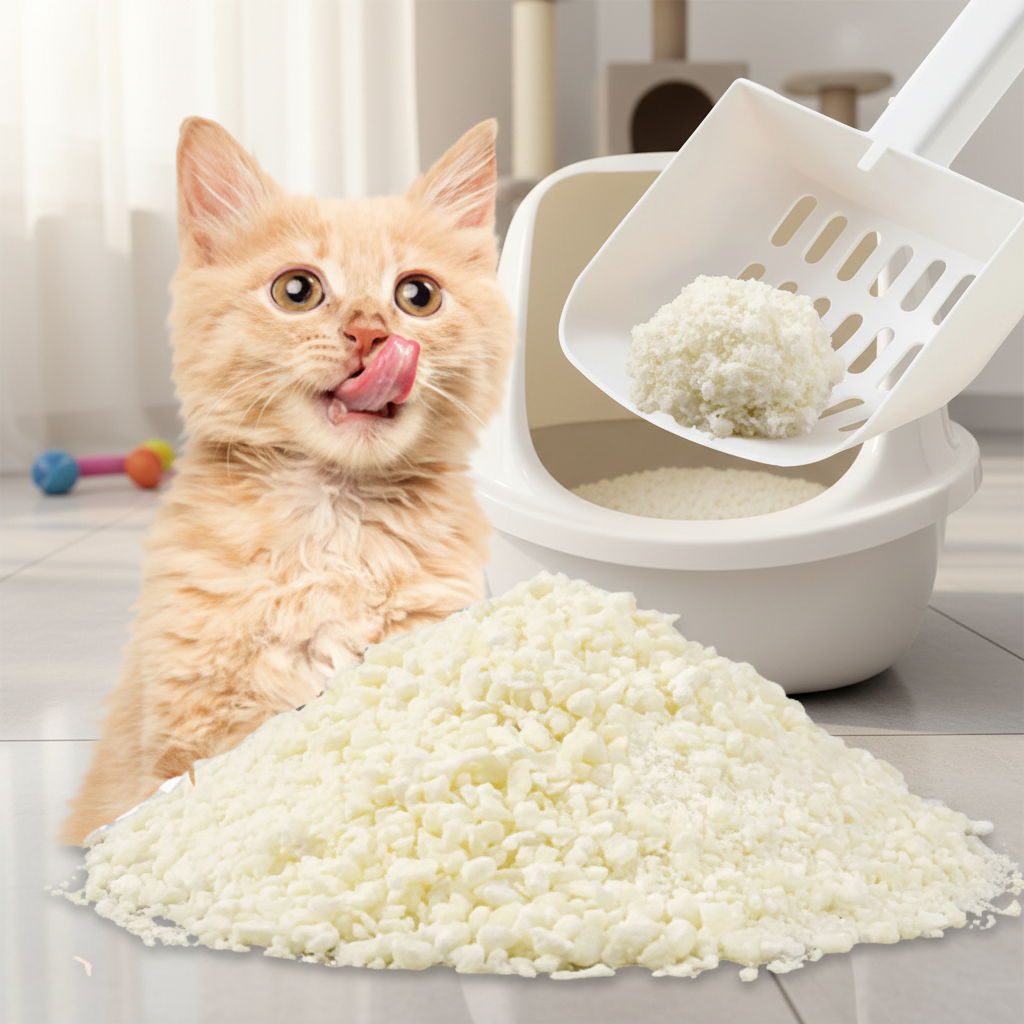
2026 New Breed Sustainable Cassava, Soybean & Bentonite Hybrid
- Formulation: 70% Tofu/Cassava + 30% Bentonite
- Economy: Budget-Friendly Transitioning Hybrid
- Performance: Rock-Solid Clumping with Low Weight
Macro Dynamics of the Romanian Feline Care Industry
Romania represents one of the highest per-capita cat ownership environments within the European Union, undergoing a rapid shift from traditional mineral litters toward ecological plant-based substrates.
Urban Demographics & The "Bloc de Locuințe" Environment
According to recent statistical releases from pet food manufacturers and industry observers (such as FEDIAF), nearly 48% of Romanian households include at least one cat. A significant concentration of this population is clustered in major metropolitan hubs like Bucharest, Cluj-Napoca, Timișoara, Iași, Constanța, and Brașov. The architectural landscape of these metropolitan centers is characterized by high-density residential blocks (blocuri de locuințe).
Living in enclosed apartment spaces creates immediate challenges regarding ammonia volatility and indoor air pollution. Traditional calcium and sodium bentonite litters generate fine respirable airborne silica dust that circulates through modern PVC-insulated apartments. As Romanian pet parents treat felines increasingly as family members, the demand for non-tracking, hypoallergenic, and low-respirable-dust substrates has shifted from an ultra-niche segment into a core retail category across hypermarkets, regional chains (like Animax, Maxi Pet), and fast-growing e-commerce ecosystems (such as eMAG pet storefronts).
Regulatory Push & Municipal Waste Pressures
Romania’s alignment with European Union circular economy frameworks (Directive 2008/98/EC on waste and European Green Deal initiatives) places continuous pressure on municipal landfills. Heavy mineral clay litters generate enormous non-biodegradable municipal solid waste volumes. A typical indoor cat generates roughly 180 to 240 kilograms of soiled clay waste per year.
Plant-based substrates engineered from renewable agricultural by-products—specifically food-grade soybean curd residue (okara) and high-amylopectin cassava tubers—provide a fully compostable, rapidly decomposing alternative. Tofu pellets and cassava granulates break down completely in household composting bins or digest cleanly in municipal sewage pipelines, positioning importers ahead of anticipated European carbon and landfill landfill taxation adjustments.
Trend 01: E-Commerce Lightweighting
Courier shipping rates within Romania (Fan Courier, Sameday, DPD) penalize heavy clay bags (10-15 kg). Tofu and cassava substrates yield 60% lower bulk density for equivalent liquid containment, sharply lowering last-mile logistics expenses.
Trend 02: Private Label Customization
Romanian pet chains and online merchants are moving aggressively away from commoditized multi-brand distribution toward direct factory OEM private labels to insulate gross margins against retail price wars.
Trend 03: Substrate Cross-Blending
Hybrids combining plant fiber with minor percentages of activated charcoal or natural bentonite are emerging as gateway products, catering to price-sensitive Romanian consumers upgrading from basic clumping clays.
Comparative Performance Analysis: Plant vs. Conventional Substrates
Laboratory-measured mechanical behavior under standardized testing protocols simulating Romanian domestic apartment conditions.
| Evaluation Parameter | Brumel Food-Grade Tofu | Brumel Micro-Cassava | Sodium Bentonite Clay | Silica Gel Crystal |
|---|---|---|---|---|
| Bulk Density (g/cm³) | 0.48 – 0.52 (Ultra-Light) | 0.54 – 0.58 (Light) | 0.92 – 1.05 (Heavy) | 0.42 – 0.46 (Light) |
| Hydration Clumping Velocity | < 2.5 seconds | < 1.8 seconds | 5.0 – 9.0 seconds | Non-clumping (Absorption only) |
| Respirable Dust Fraction (<10µm) | < 0.1% (Cyclone Dedusted) | < 0.08% (Triple Screened) | 1.8% – 4.5% (High Silica) | 0.5% – 1.2% (Friable) |
| Apartment Sewer Flushability | Complete Water Dispersion | Cold-Water Soluble | Strictly Prohibited (Clogging) | Prohibited (Pipe Obstruction) |
| Ammonia (NH₃) Vapor Retention | 92.4% over 72 hours | 95.1% over 72 hours | 76.0% over 72 hours | 68.5% over 72 hours |
| Biodegradability (OECD 301B) | 100% (Industrial & Home Compost) | 100% (Rapid Bio-degradation) | 0% (Inorganic Mineral) | 0% (Synthetic Polymer) |
Targeted Deployment Scenarios across Romanian Environments
Matching technical formulations with geographical and architectural realities from Muntenia to Transylvania.
Bucharest & High-Density Urban Living
In Bucharest's bustling sectors (Sector 1 through 6) and adjacent Ilfov residential developments, younger consumers live primarily in studio (garsonieră) or two-room apartments. Space constraints make dedicated litter utility rooms rare; trays frequently sit directly in compact guest bathrooms or enclosed balconies.
Here, our 1.5mm to 2.0mm Fast-Clumping Flushable Tofu Litter excels. Its linear pellet geometry prevents wedging between digital pads, eliminating litter tracking onto parquet or laminate flooring. Because the starch binder disintegrates upon contact with large water volumes, urban owners can dispose of waste directly into the toilet without risk of pipe blockage in aging municipal piping networks.
Seasonal Climatic Fluctuations (Continental Extremes)
Romania’s temperate-continental climate experiences substantial seasonal humidity swings: dry sub-zero winters with intense central heating, contrasted against humid, scorching summer stretches across the Danubian Plain. In low humidity, brittle lower-grade litters pulverize into dust; under high summer humidity, inferior plant litters undergo microbial fermentation and mold.
Dongying Brumel incorporates a high-temperature microwave desiccation protocol during pelletization, ensuring raw internal moisture content stays rigorously calibrated between 8% and 10%. This precise moisture window stops spontaneous secondary mold proliferation throughout sweltering Romanian summers while preserving structural plasticity to stop shattering during freezing winter deliveries.
Dongying Brumel Pet Products Co., Ltd.
Headquartered in Dongying, Shandong Province—adjacent to the world-class shipping hub of Qingdao Port—Dongying Brumel Pet Products operates an advanced 7,500 m² integrated processing and packaging facility. Our manufacturing footprint is independently audited and verified on-site by SGS Group, giving Romanian distributors clear operational transparency and traceability.
- Strict Raw Material Sourcing: Utilization of non-GMO food-grade pea fibers, edible corn starch, and refined cassava tubers devoid of industrial adhesives or chemical binders.
- Multi-Stage Negative-Air Cyclone Dedusting: A 5-point dust filtration line extracts micro-particulates during extrusion, drying, screening, and automated packing.
- Flexible OEM/ODM Private Labeling: Fully customized full-color flexographic or gravure packaging bags, customized scents (green tea, lavender, peach, unfragranced), starting from just 400 bags.
- In-House Batch Testing: Real-time assessment of water absorption indices, clump shatter heights (drop test from 1 meter), and volatile organic compound (VOC) limits prior to container loading.
Quality Assurance Framework
Frequently Asked Questions by Romanian B2B Buyers
Direct answers addressing import protocols, Constanța sea transit, labeling mandates, and sample verifications.
What maritime freight route and transit times apply to Port of Constanța?
Shipments depart from Qingdao Port or Tianjin, routing via the Suez Canal into the Black Sea to arrive at the Port of Constanța (CT). Standard maritime ocean transit typically ranges from 32 to 42 days depending on feeder schedules and carrier routing (e.g., Maersk, COSCO, MSC, CMA CGM). We provide full packing lists, commercial invoices, clean Bills of Lading, and phytosanitary certificates for clearance through Romanian Customs (Autoritatea Vamală Română).
What are the applicable HS Codes and EU import tariffs for Romania?
Plant-based cat litters (tofu fiber and cassava) are classified primarily under HS Code 1404.90.00 (Vegetable products not elsewhere specified or included) or HS Code 2309.90 depending on national customs binding tariff determinations. Because our substrates are purely plant-based and non-feed certified, they clear standard veterinary and plant health screenings without the animal origin documentation mandatory for meat-byproduct derivatives.
What is the minimum order quantity (MOQ) for custom private label packaging?
While standard plain white or generic export packaging starts at 400 bags, fully customized retail packaging featuring your registered Romanian trademark, Romanian-language instructions, and EAN-13 barcodes starts at 2,000 to 3,000 bags per design. For clients launching an initial trial, we offer sticker-label customization on pre-printed bags to test consumer reception before investing in large-volume gravure printing cylinders.
Does our retail packaging require Romanian-language labeling under ANPC rules?
Yes. Under the regulations enforced by the Romanian National Authority for Consumer Protection (Autoritatea Națională pentru Protecția Consumatorilor - ANPC), consumer retail packaging must feature product usage instructions, composition, net weight/volume, disposal methods, and contact details of the European importer or distributor in the Romanian language. Our in-house design studio works with your team to review artwork typography and translation formatting before production printing.
How do you prevent vacuum loss and mold growth during container shipping?
Maritime voyages from Asian origins across diverse latitudes encounter high condensation ("container rain"). Dongying Brumel safeguards product integrity via multi-layer composite vacuum foil bags (PA/PE or PET/PE) that stop moisture infiltration. Furthermore, factory packing protocols mandate heavy-duty container desiccants (calcium chloride bags) inside every 20GP or 40HQ container, maintaining relative humidity inside the box below 50% for the entire journey.
Can we request physical factory evaluation samples in Romania?
Yes. We routinely dispatch sample demonstration kits directly to Romanian prospective corporate clients via DHL or FedEx air express. Sample kits include benchmark packages of our 1.5mm Ultra-thin Tofu, 2.0mm Classic Tofu, Micro-Granule Cassava, and Hybrid Plant-Bentonite substrates. This enables your procurement and quality teams to run rigorous in-house water dispersion, clumping cohesiveness, and odor-challenge assessments before finalizing purchase contracts.
Ready to Scale Your Plant-Based Pet Brand Across Romania?
Connect with our senior international trade engineering team to evaluate physical samples, calculate landed container CIF Constanța pricing, or develop custom OEM formulas tailored to your brand's distribution strategy.
Get a Quote