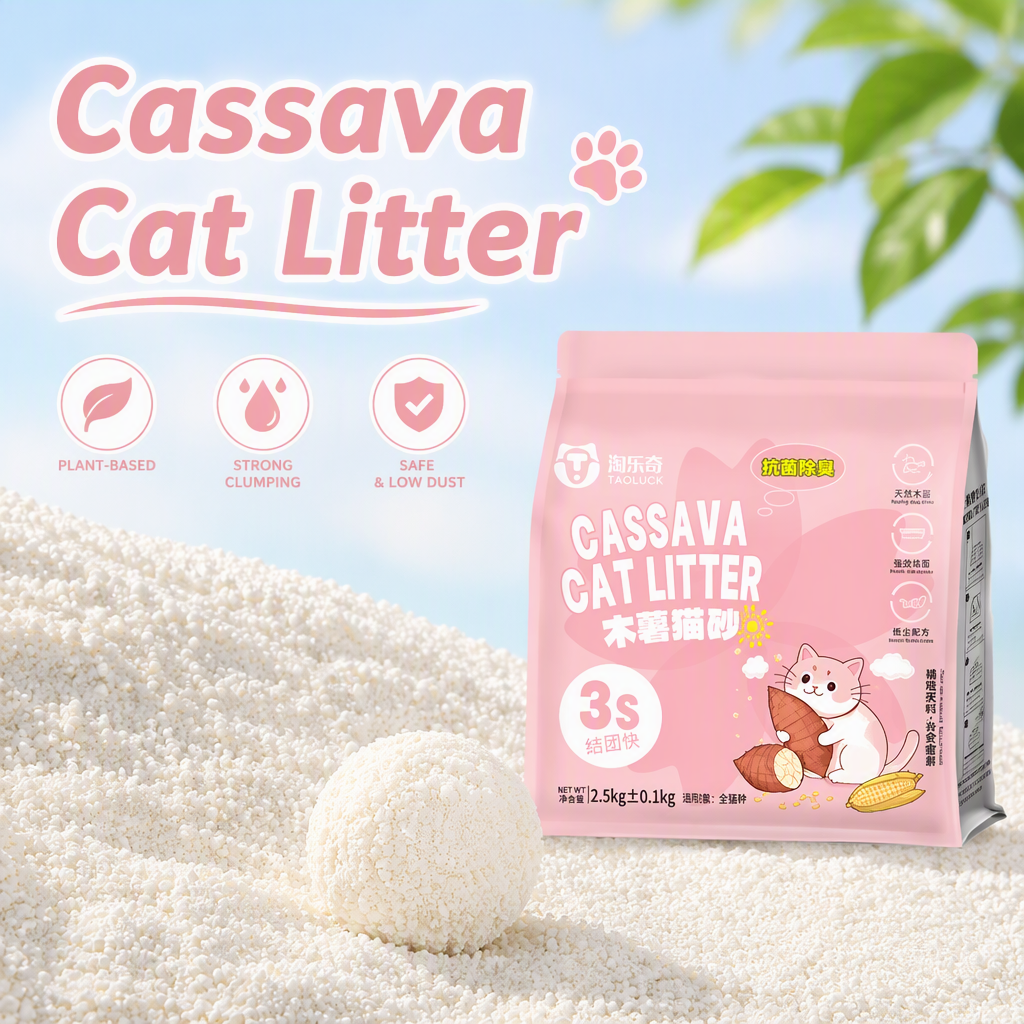
Factory Catalog · Direct OEM/ODM Export
Engineered Cassava & Plant-Based Cat Litter SKUs for Stuttgart
Formulated to conform to DIN EN ISO standards and meet strict European volatile organic compound (VOC) thresholds. Our production lines supply high-yield, low-attrition, and high-clumping plant litters tailored for German retail logistics.
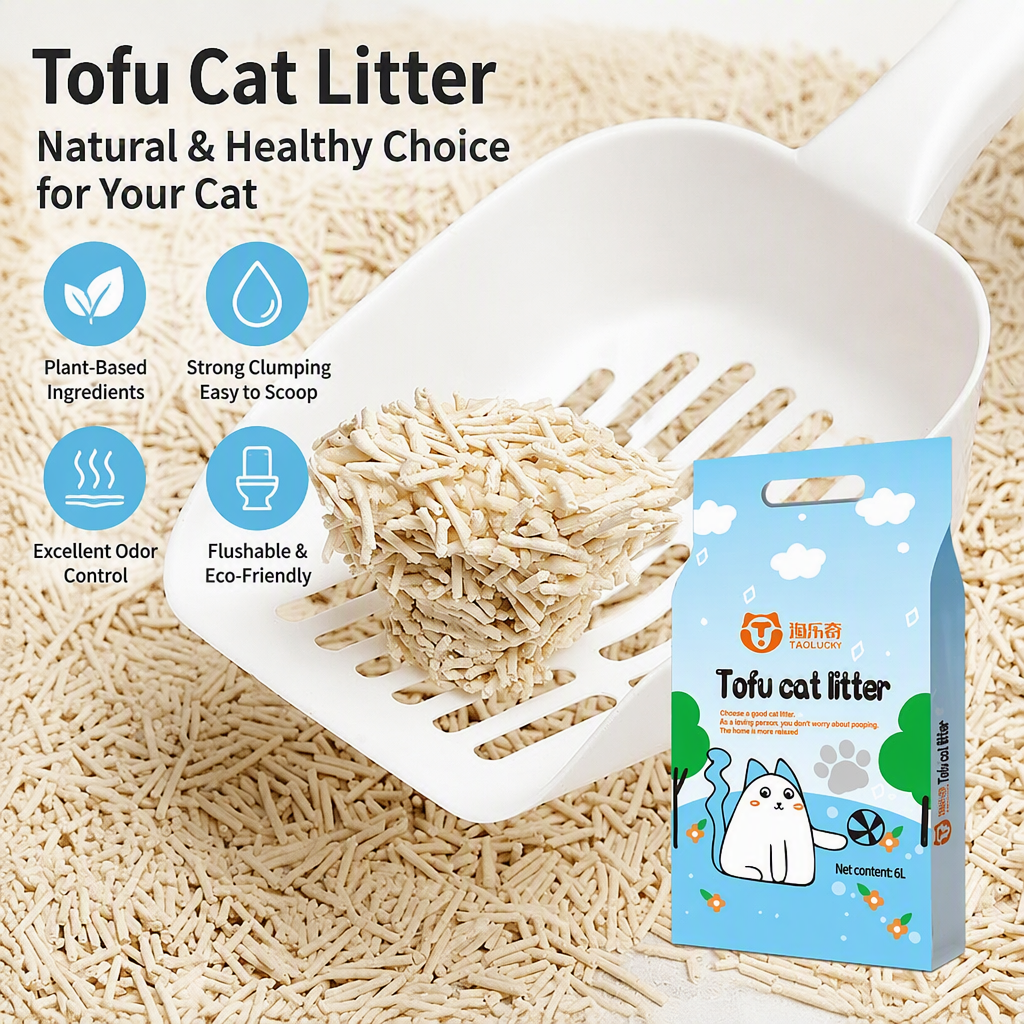
Flushable Eco-Friendly Tofu Litter
Review SKU Technicals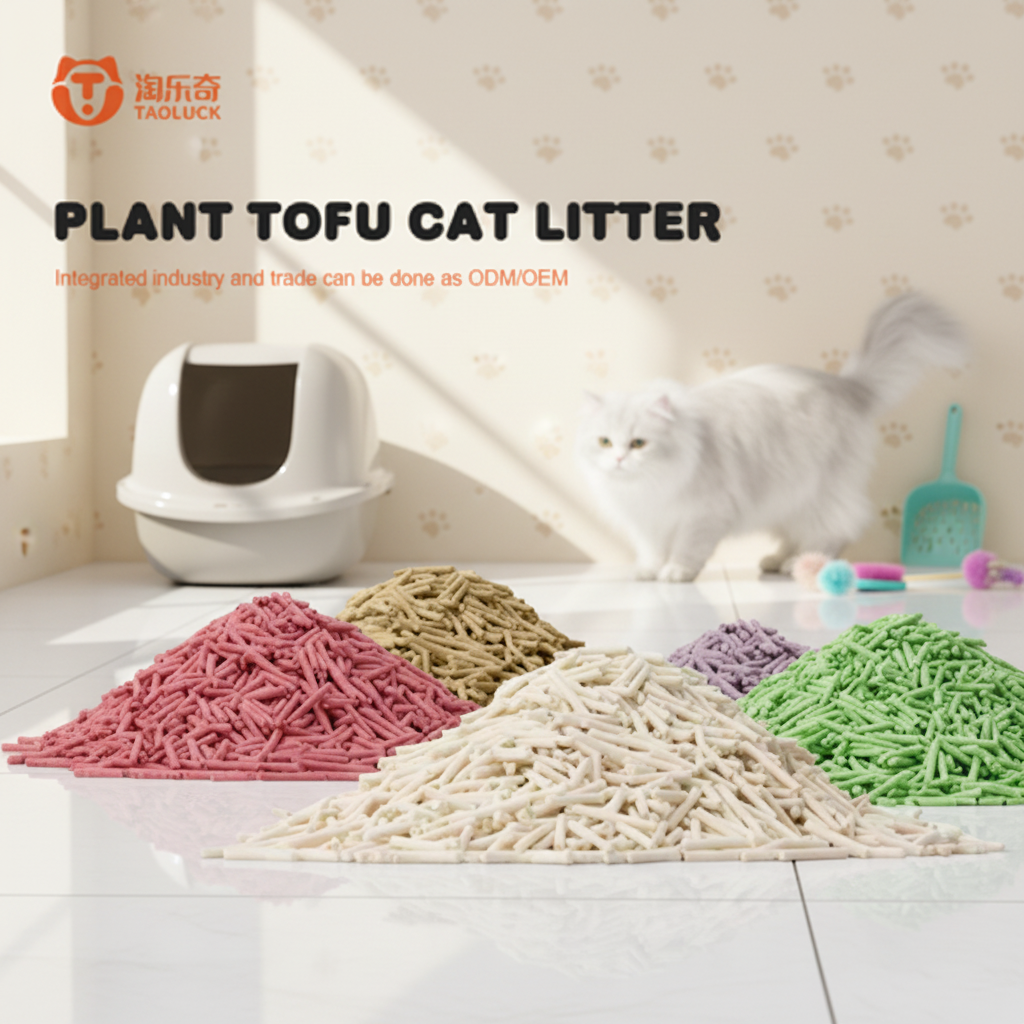
Fast-Absorption Botanical Blend
Review SKU Technicals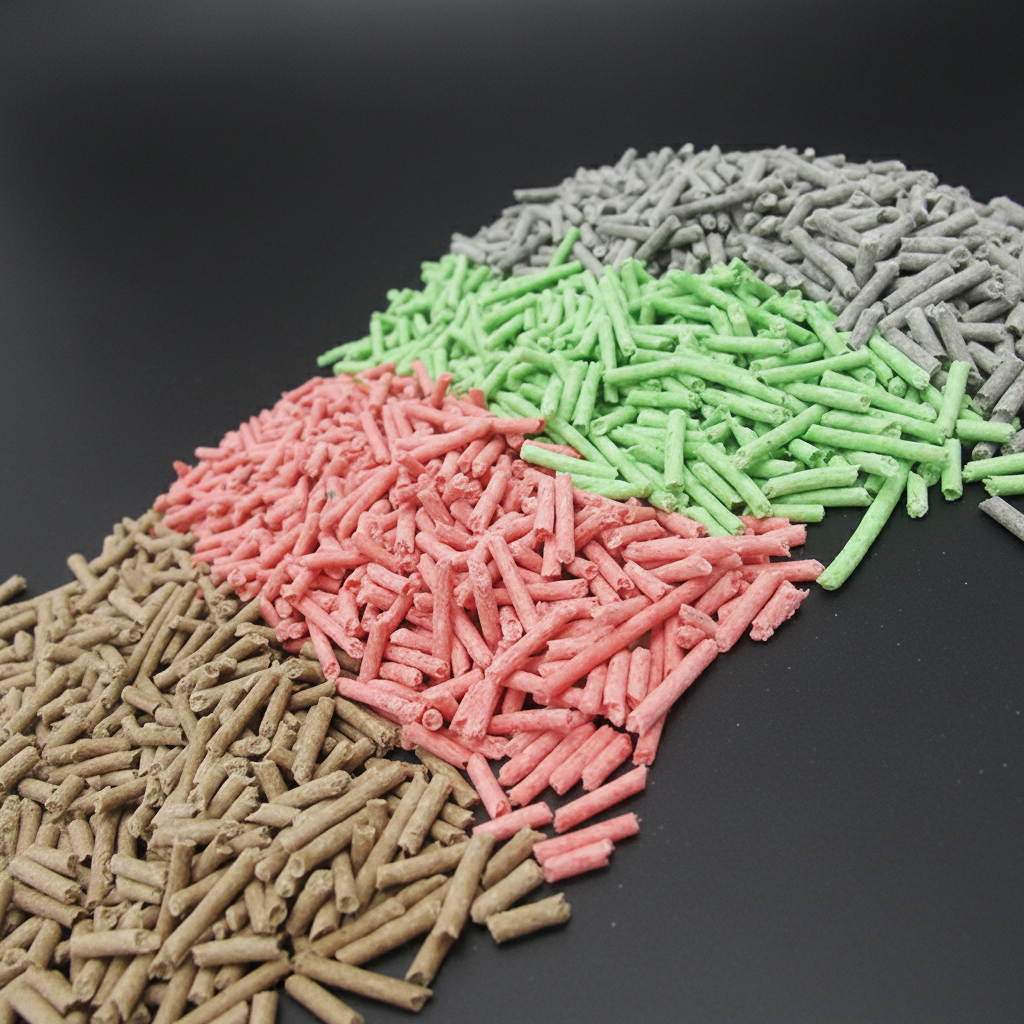
Soluble Corn-Tofu Strip Litter
Review SKU Technicals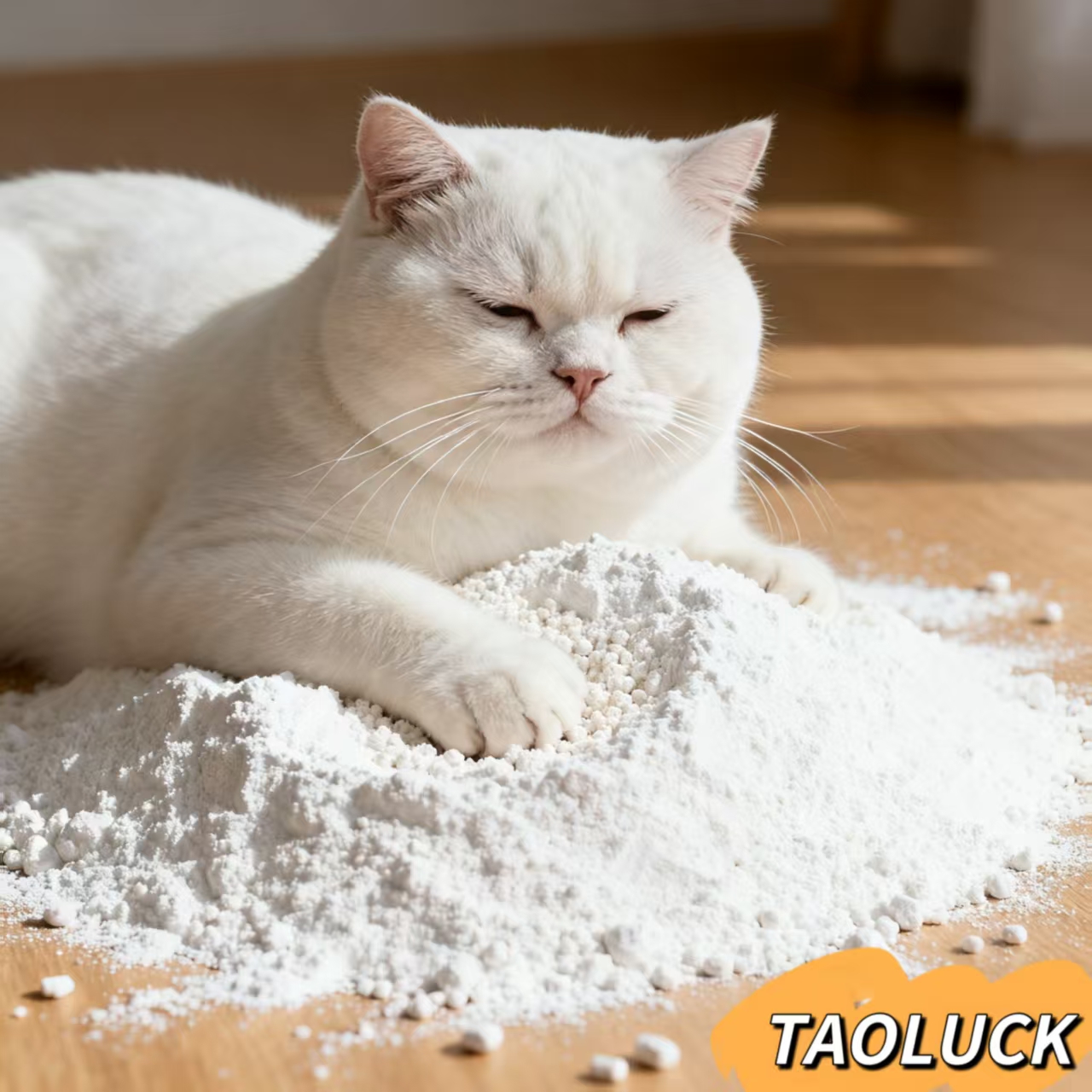
Spherical Tapioca Fast-Clump
Review SKU Technicals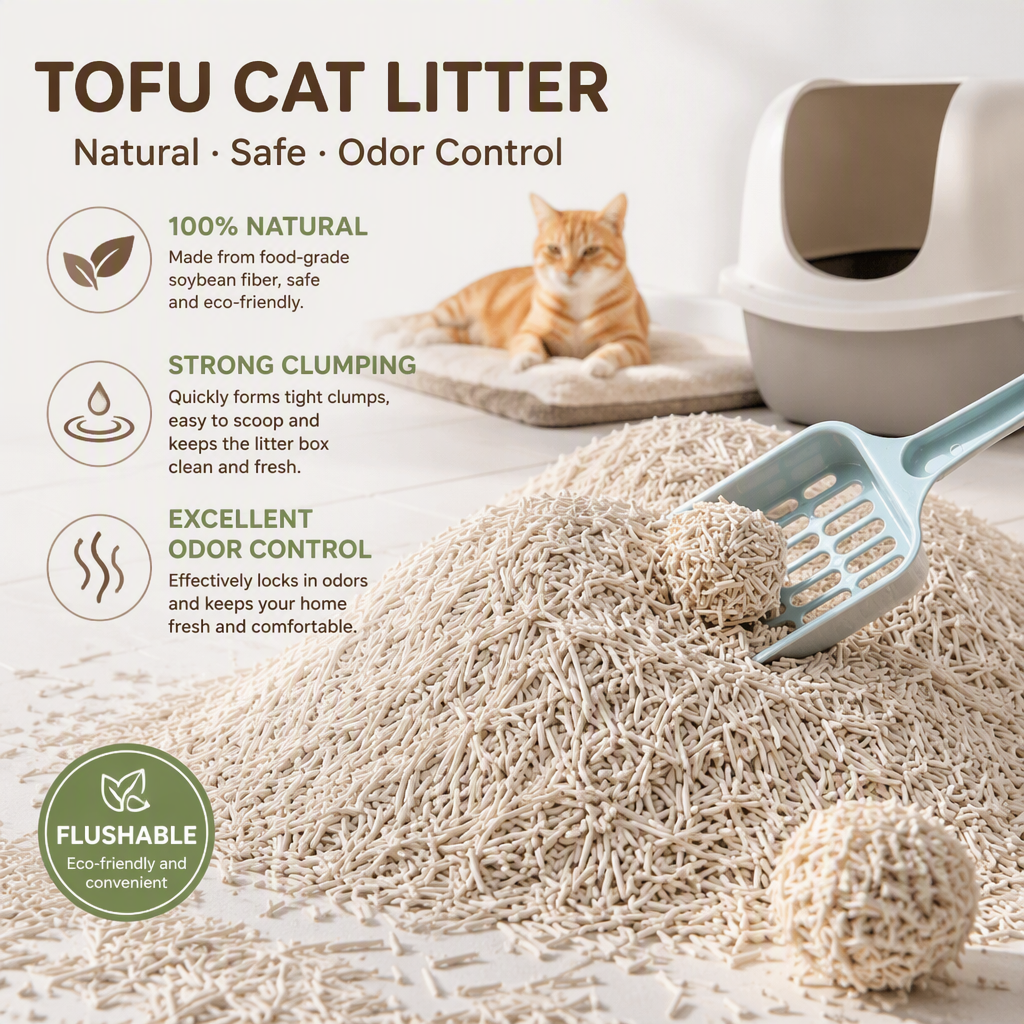
Heavy-De-dusted Plant Granule
Review SKU Technicals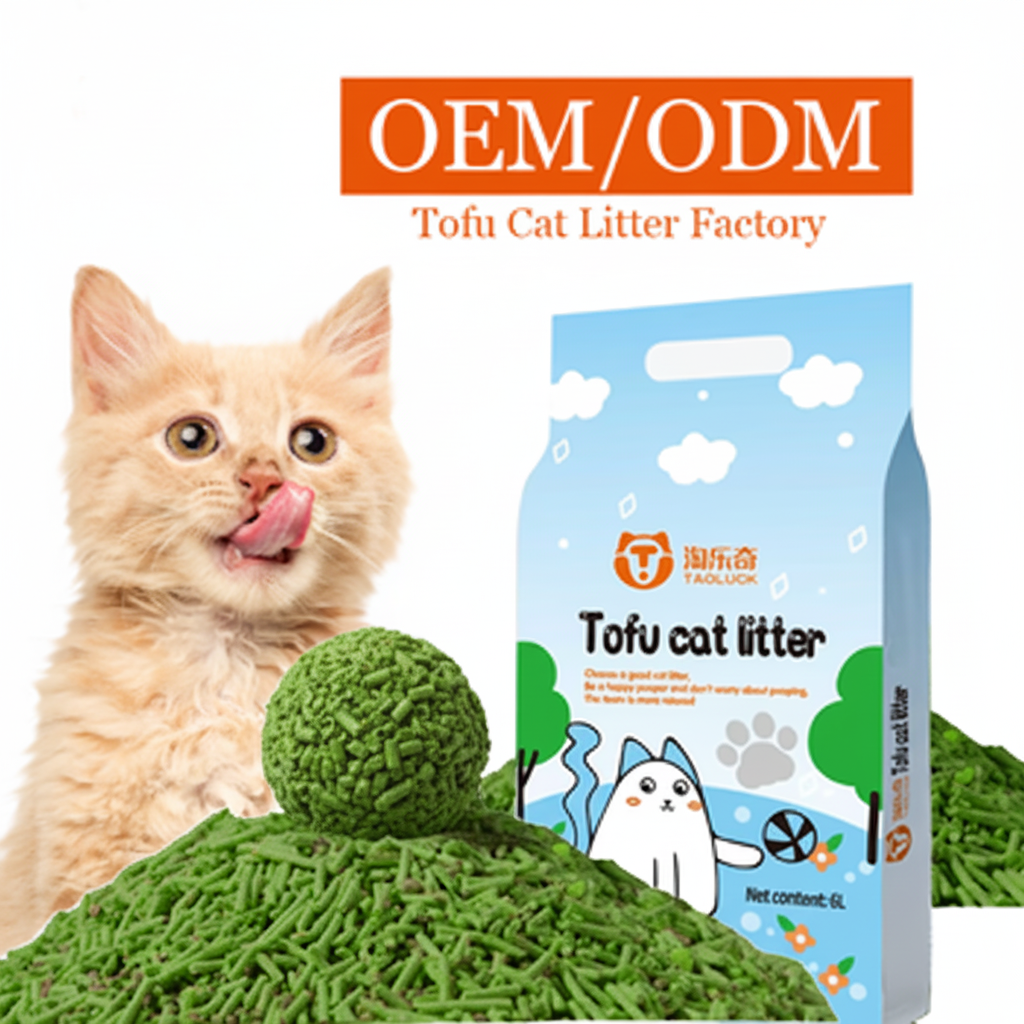
Premium Commercial Tofu Pellet
Review SKU Technicals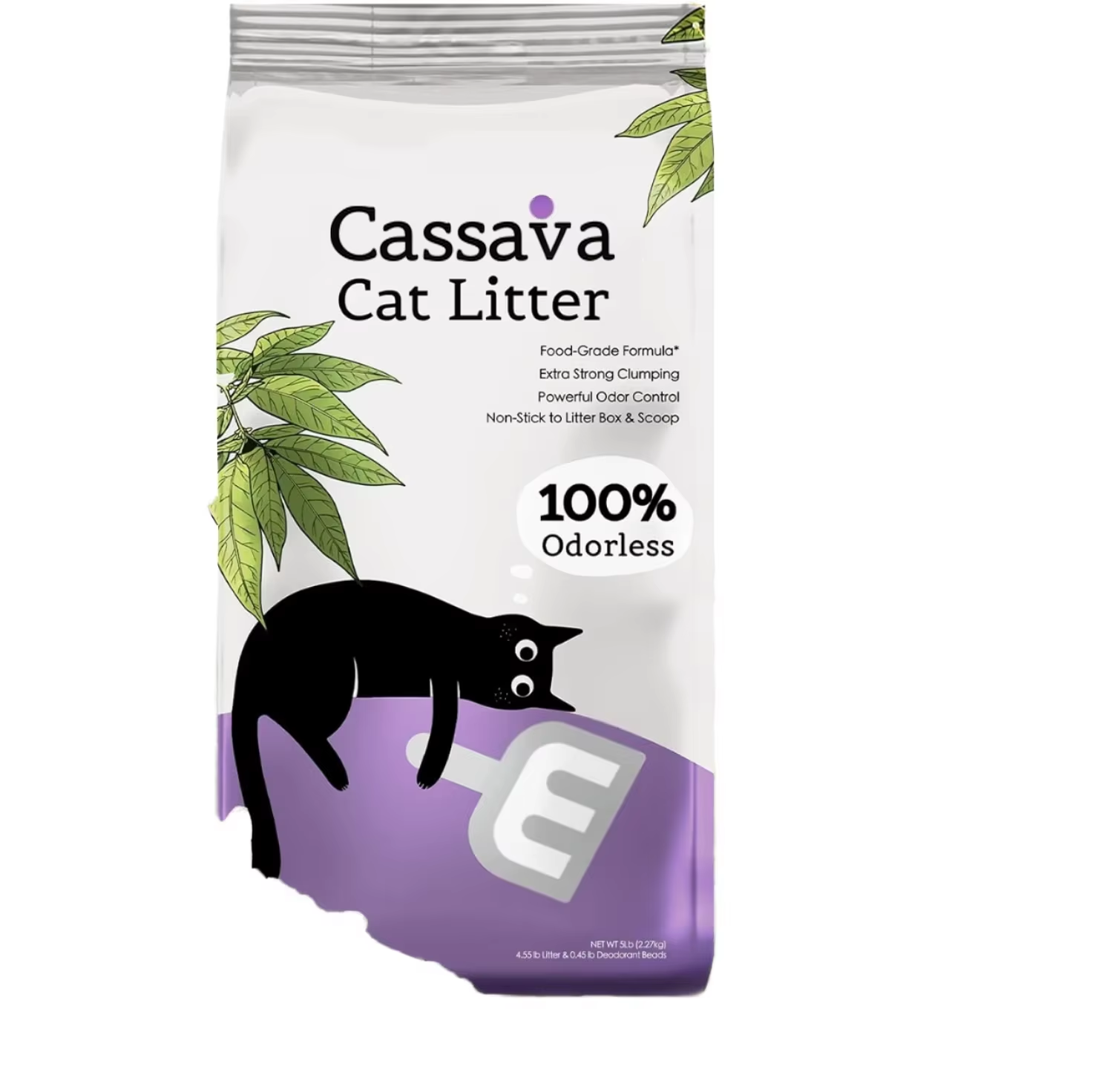
Biodegradable Pure Cassava Base
Review SKU Technicals7,500 m²
SGS Audited Facility Area
< 0.1%
Fine Dust Particulate Attrition
3 Sec
Capillary Liquid Clump Speed
400 Bags
Low-Risk Direct OEM MOQ
Urban Engineering & Municipal Compliance
Engineering Plant-Based Litter for the Stuttgart Metropolitan Microclimate
Procuring pet hygiene products for Baden-Württemberg requires technical alignment with the region's geographical realities, building structures, and regional environmental legislation.
Stuttgart Basin (Kessellage) Air Quality
Due to Stuttgart’s unique topographic basin (Kessellage), thermal inversions limit ambient air exchange, making indoor particulate matter (PM2.5 and PM10) a primary respiratory health concern for apartment residents. Traditional bentonite litters generate crystalline silica dust that hangs in interior spaces. Our cassava litters undergo a quad-stage cyclonic de-dusting process, achieving less than 0.1% airborne fines to preserve pristine indoor air quality.
Thermal S-Bahn Flats & In-Floor Heating
Modernized multi-family residences across Bad Cannstatt, Stuttgart-Mitte, and Degerloch widely utilize hydronic in-floor radiant heating (Fußbodenheizung). Placing a litter tray over a heated subfloor accelerates bacterial decomposition of urea, causing sharp ammonia spikes. Cassava's concentrated amylopectin matrix forms tighter surface seals than clay, capturing odor molecules at the molecular level before heat can volatilize them.
Baden-Württemberg Biowaste & Kreislauf
German waste sorting under the Circular Economy Act (Kreislaufwirtschaftsgesetz) places severe emphasis on bio-degradation and landfill diversion. Our cassava litters are 100% compostable and organic. When commercial municipal guidelines permit or when handled via home composting gardens in suburban zones like Sindelfingen and Esslingen, the litter decomposes into harmless organic matter, reducing municipal residual waste (Restmüll) tonnage fees.
Macro Market Shift · 2025–2030 Projections
B2B Sourcing Trends: Plant-Based Litters in Southwestern Germany
Consumer spending analytics in Stuttgart show an accelerated departure from carbon-heavy mined mineral litters toward agricultural byproduct formulations.
Clay Substitution Velocity
Bentonite strip-mining incurs substantial environmental and logistics tariffs across the EU. Retail chains are allocating up to 38% more shelf facings to cassava and plant-fiber substrates to satisfy customer demand for environmentally responsible pet care.
E-Commerce Freight Optimization
Cassava litter provides equivalent clump volume to calcium/sodium bentonite at 60% less physical weight. For regional direct-to-consumer pet subscriptions and platforms, this massive reduction in density lowers last-mile parcel shipping costs significantly.
Clean Label & Hypoallergenic Trends
Veterinary clinics and cat behaviorists throughout Baden-Württemberg actively recommend fragrance-free cassava granules for post-operative felines and cats suffering from feline asthma, making "unscented medical purity" a high-converting private-label claim.
Strict EU Packaging Laws
Compliance with the German Packaging Act (VerpackG) via the LUCID register requires suppliers to offer fully recyclable mono-material PE pouches or FSC-certified paper bags. Our OEM team supplies complete pre-certified, recyclable packaging lines ready for market deployment.
Procurement Specification Comparison
Material Performance Matrix for EU Import Audits
Detailed lab performance parameters contrasting Brumel Plant-Based Cassava formulas against traditional cat litter substrates used in the German market.
| Technical Characteristic | Brumel Native Cassava | Corn-Cassava Blend | Traditional Tofu (Soy) | Sodium Bentonite (Clay) |
|---|---|---|---|---|
| Primary Composition | 100% Cassava Starch & Fiber | 70% Cassava / 30% Zea Mays | Food-Grade Soybean Okara | Natural Mineral Clay |
| Bulk Density (g/cm³) | 0.45 – 0.52 | 0.48 – 0.55 | 0.50 – 0.58 | 0.95 – 1.15 |
| Liquid Hydration Speed | < 3.0 Seconds | < 3.5 Seconds | < 4.5 Seconds | > 7.0 Seconds |
| Friability / Dust Ratio | < 0.1% (High Airflow Screen) | < 0.15% | < 0.3% | 1.5% – 3.5% (High Silica) |
| Clump Tensile Rigidity | Superior (Gelatinized Amylopectin) | High (Double Starch Complex) | Standard / Medium-Hard | Rigid but Brittle |
| EU Logistics Weight Efficiency | Maximum (+55% Volume per Ton) | High (+48% Volume per Ton) | High (+45% Volume per Ton) | Baseline (Heavy, Freight Inefficient) |
Factory Qualifications · Dongying Brumel Pet Products
Why Importers and European Distributors Choose Brumel
Direct factory sourcing with complete transparency. We minimize cross-border purchasing risk through verified infrastructure, certified testing, and scalable batch customization.
SGS On-Site Verified Production
Our modern 7,500 m² factory footprint in Dongying, Shandong, has undergone rigorous on-site facility validation by SGS Group. Importers can audit verified documentation covering factory space, worker safety, production capacity, and automated machinery lines.
Flexible OEM/ODM From 400 Bags
We offer market accessibility with an entry threshold of just 400 bags for standard private-label packaging. Importers can trial tailored formulations, localized German branding, and varied pellet sizes without high initial capital exposure.
End-to-End In-House QC Testing
Every shipment undergoes mechanical testing before dispatch, including liquid dispersion, clump drop survival rates, residual moisture monitoring (<10%), and precision dust gravimetric analysis. We guarantee stable batch-to-batch consistency.
Streamlined Global Export Operations
Our dedicated multilingual foreign trade specialists handle FOB, CIF, and DDP shipments via Qingdao Port. We manage all export documentation, phytosanitary certifications, Bill of Lading clearance, and CE verification dossiers smoothly.
Procurement Direct Answers
Frequently Asked Questions by German Importers & Buyers
Straightforward answers addressing regulatory compliance, customs, minimum order constraints, and material safety for businesses sourcing cat litter in Stuttgart.
Does cassava litter comply with European CE and REACH safety guidelines?
Yes. Our low-dust cassava cat litter is formulated using non-toxic agricultural starch and fiber matrices, entirely free from heavy metals, synthetic fragrance phthalates, or hazardous silica dust. Products comply with European consumer safety standards, allowing smooth clearance through German customs without REACH chemical restrictions.
How are shipping containers routed to Stuttgart and Baden-Württemberg?
Shipments originate at our automated packaging lines in Shandong and load via Qingdao Port. For destinations across southwestern Germany, sea routes typically transit to Rotterdam or Hamburg, connecting directly via Rhine-Neckar container barges or rail freight to inland customs terminals such as the Port of Stuttgart (Hafen Stuttgart), optimizing logistics costs.
What packaging options are provided for German retail compliance?
We offer full OEM design services for consumer bags (typically 2.5kg, 6L, or 10L formats) using fully recyclable single-polymer materials (LDPE/PE) or recyclable kraft paper bags. All typography and barcode areas can be formatted for German language requirements (EAN-13 barcodes, Grüne Punkt licensing, and recycling instructions).
Can we customize granule size, clumping speed, and natural coloring?
Yes. We engineer customized pellet diameters ranging from 1.5mm to 3.0mm, or irregularly crushed granular textures resembling traditional sand. We can also integrate natural odor absorbers like activated carbon granules or plant enzymes according to your brand's technical specifications.
What is the production lead time for a 40-foot HQ container?
Standard turnaround time for repeat orders is 14 to 21 days from final artwork confirmation. First-time private-label production runs require approximately 25 days to complete film plate-making, specialized packaging rotogravure printing, formulation mixing, and final export quality inspection.
Direct Factory Consultation
Request Factory Direct Pricing & Lab Testing Samples
Connect directly with our engineering and export team. Receive complete technical dossiers, factory audits, and customized freight quotations tailored to your distribution requirements in Stuttgart.