Engineered Low-Dust Plant Formulations
Direct export configurations compliant with strict EU indoor air quality criteria, packaged for retail brands and bulk importers in the Metropolitan City of Naples.
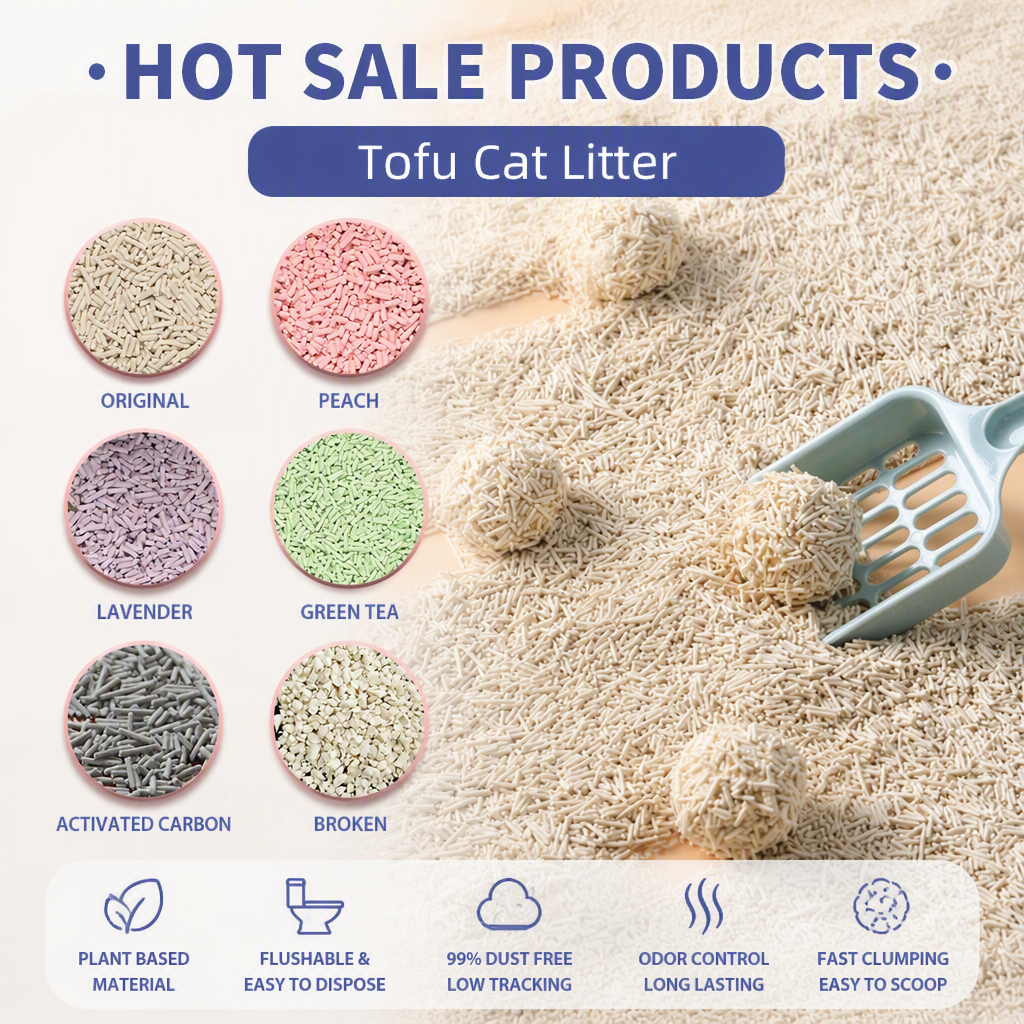
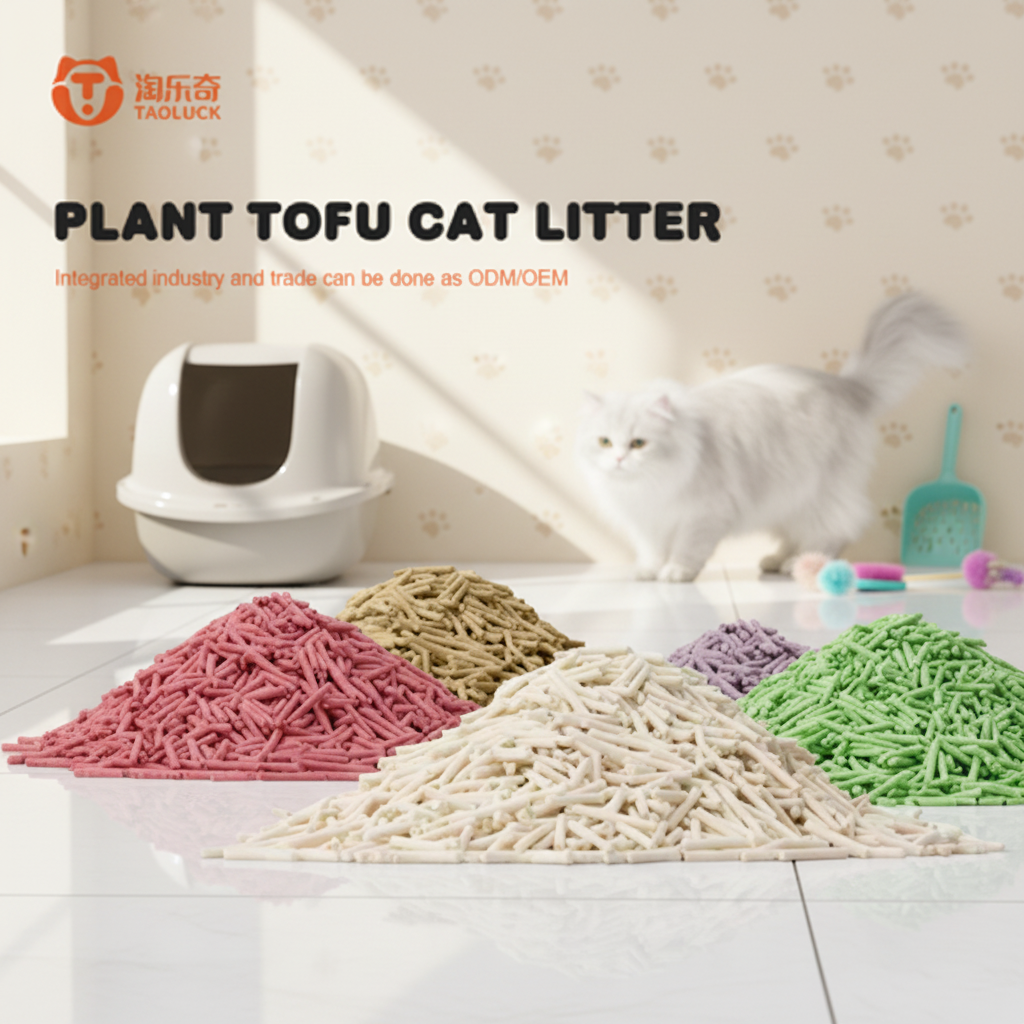
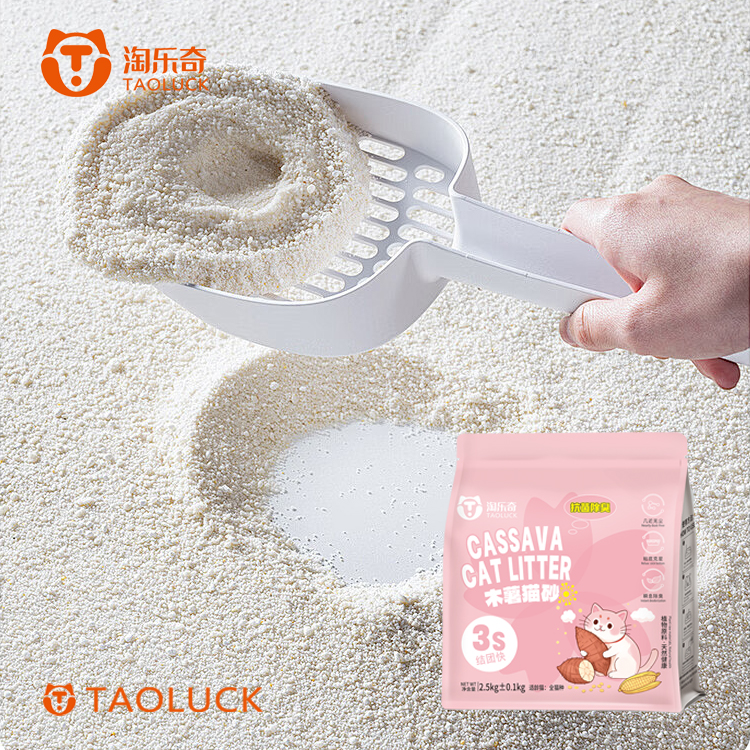
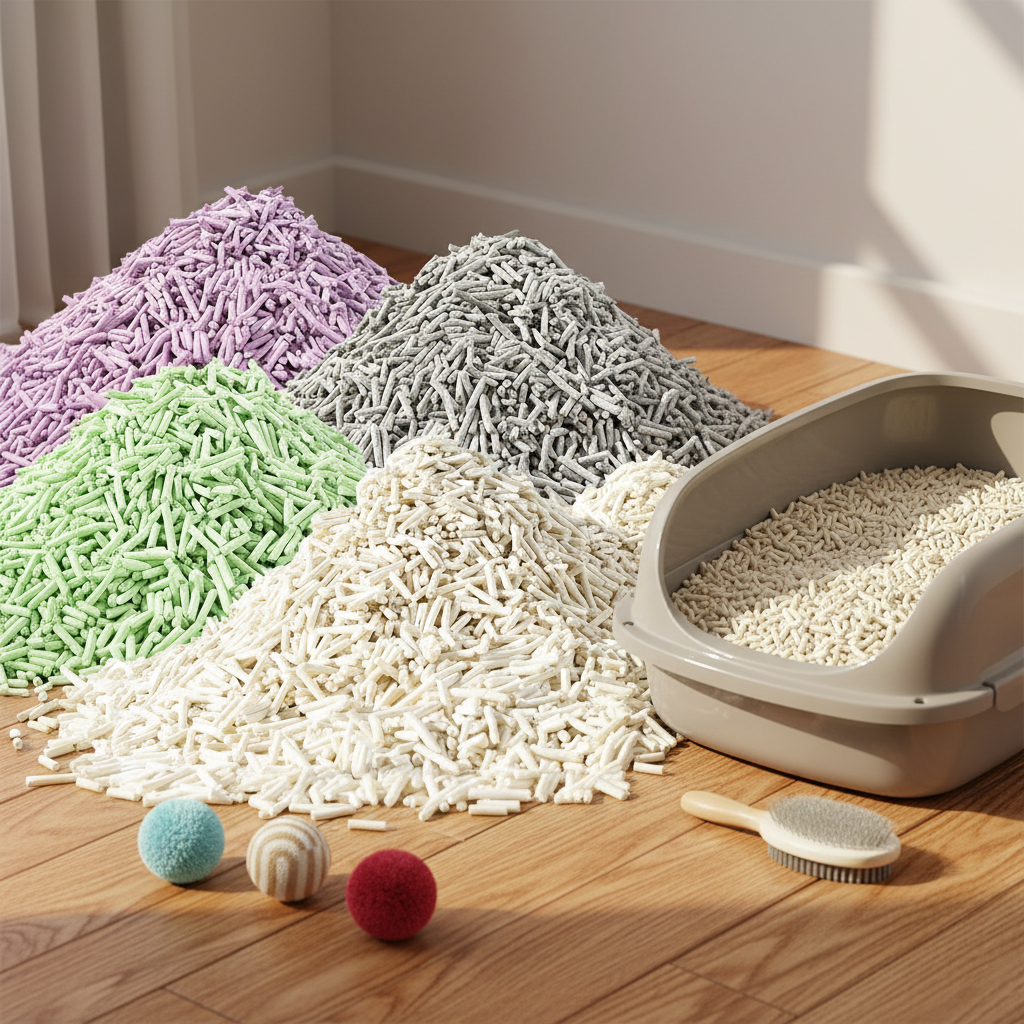
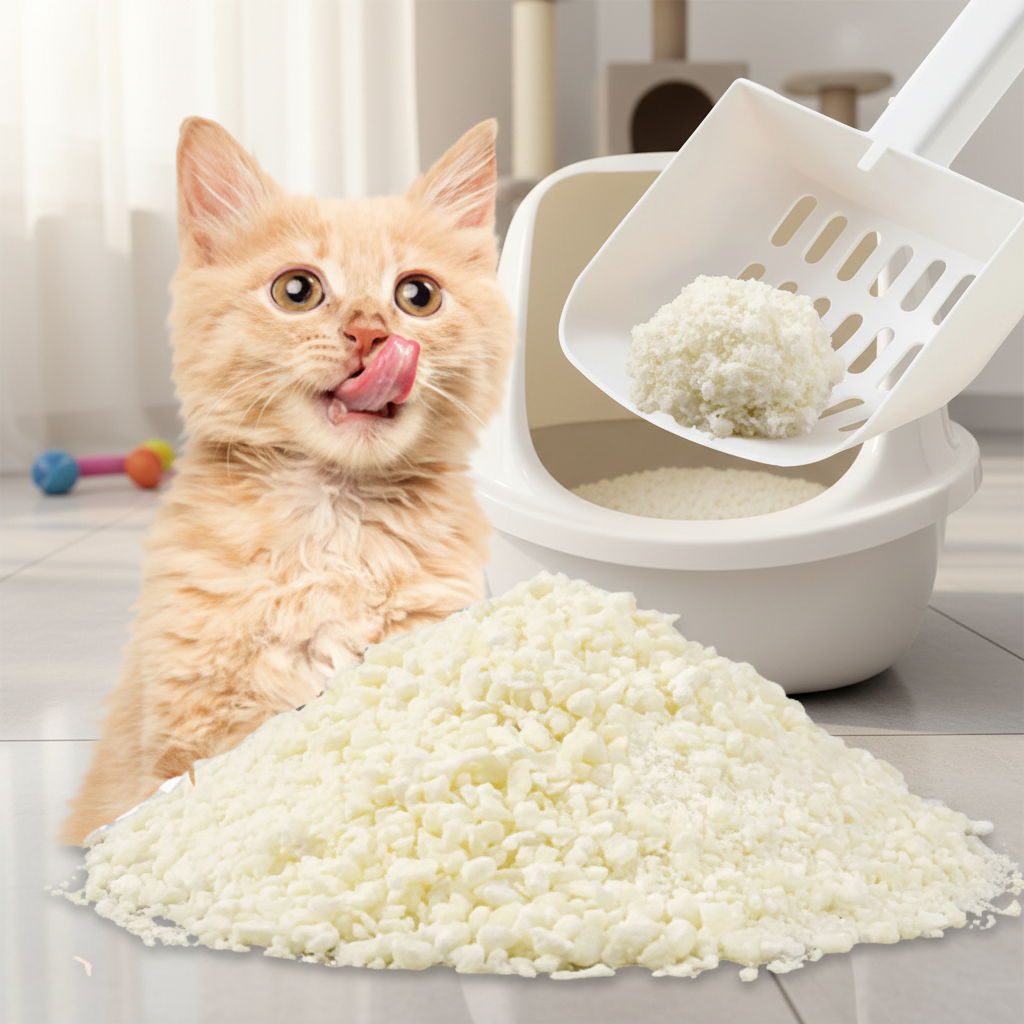
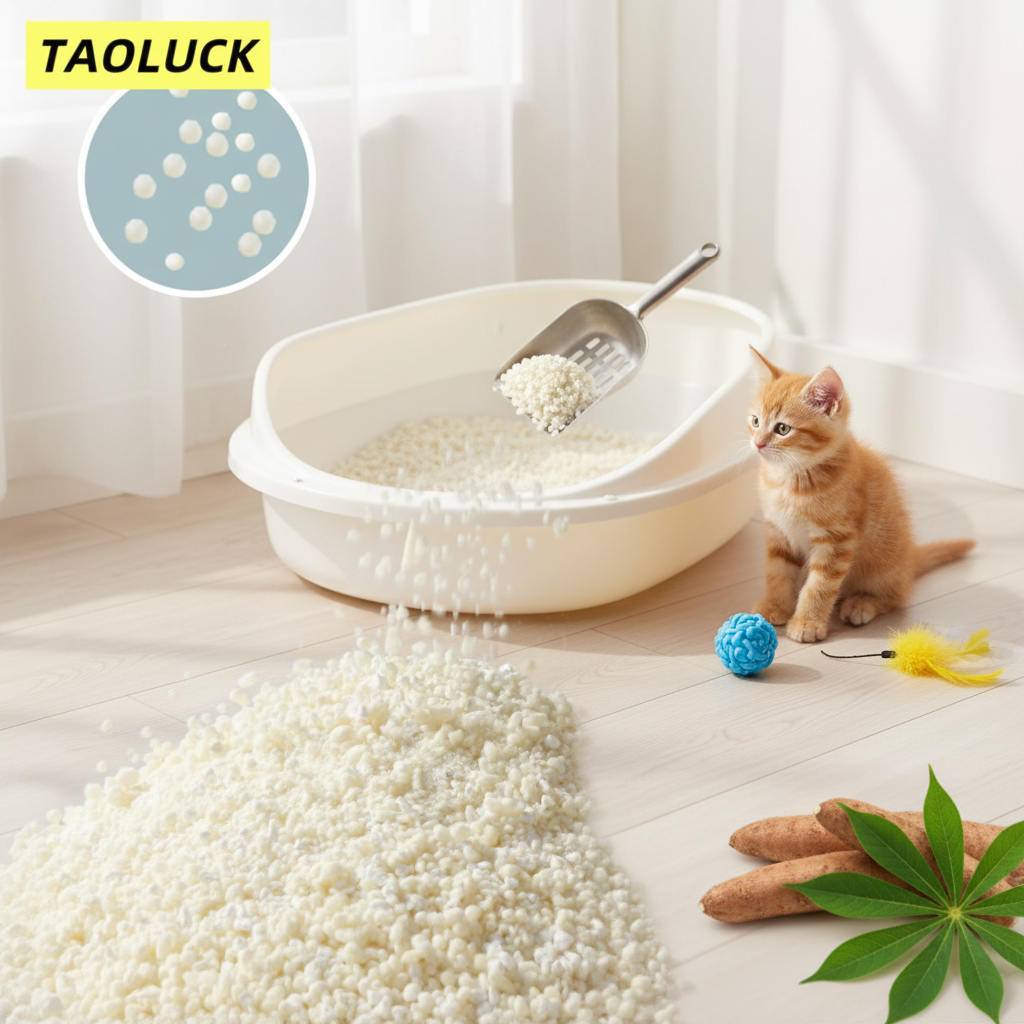
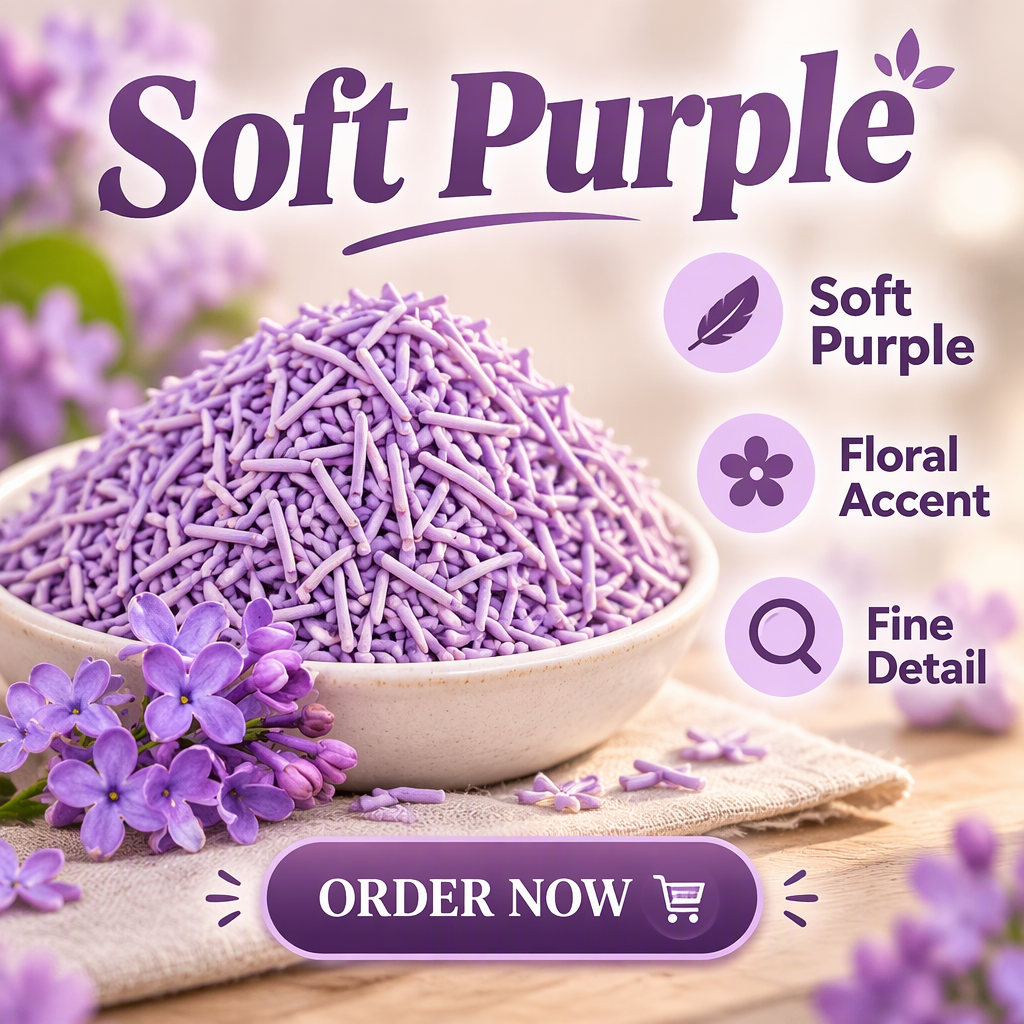
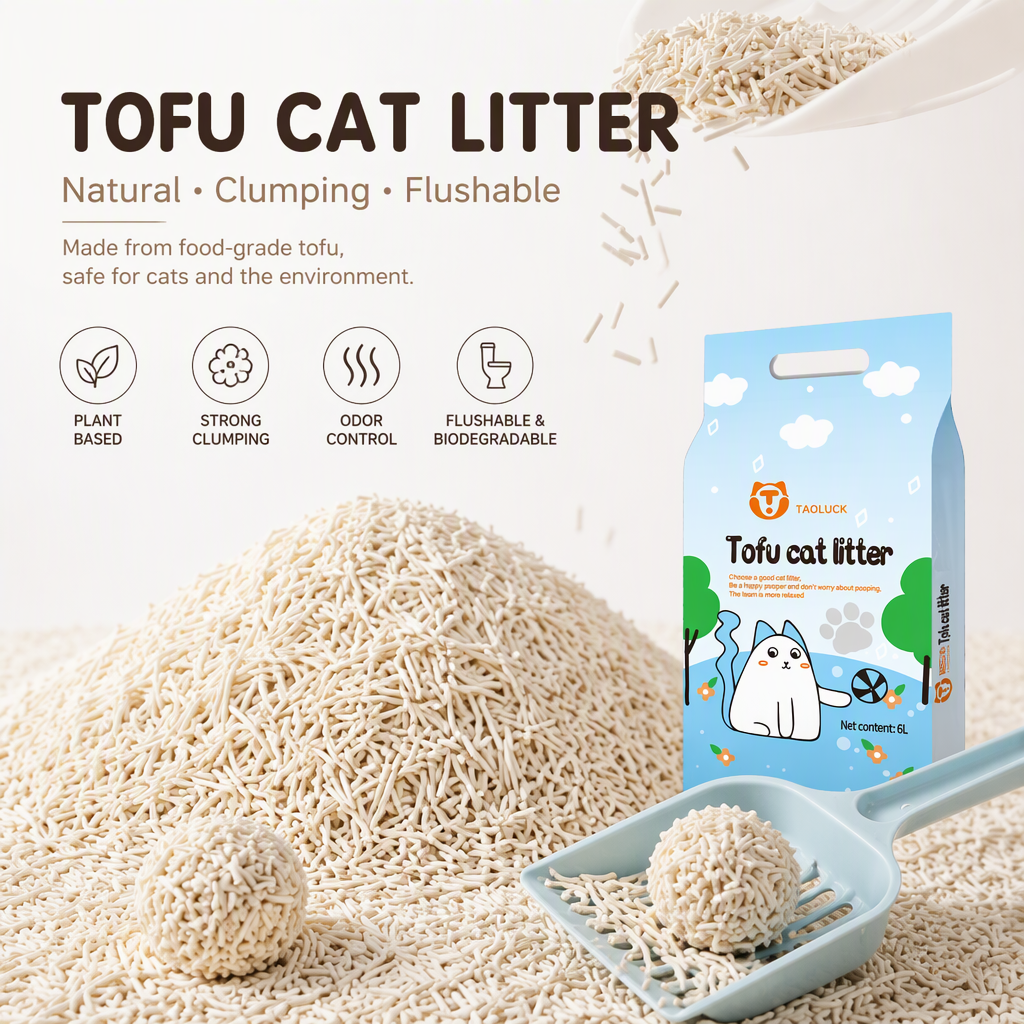
Regional Sourcing Dynamics: The Naples & Campania Pet Care Corridor
The logistics ecosystem of Campania, anchored by the commercial hub of the Port of Naples (Porto di Napoli) and the surrounding dry docks of Interporto Campano di Nola, is undergoing an operational transition within pet care consumable commodities. Historically, southern Italian pet retail distribution relied predominantly on bulk imports of high-dust bentonite, sepiolite, and palygorskite clay compounds extracted from Mediterranean and Eastern European quarries. However, shifting urban demographics across dense coastal municipalities—such as central Naples, Pozzuoli, Portici, and Casoria—have caused a severe structural spike in consumer demand for low-dust, low-tracking, and indoor-safe cat litter formulations.
Urban housing architecture in Naples predominantly features historic residential structures and multi-story apartment developments characterized by limited interior cross-ventilation, small surface area bathrooms, and shared municipal plumbing configurations. In these high-density urban settings, traditional clay cat litters generate inhalable airborne particulates (PM2.5 and PM10 fractions) whenever a cat digs or the owner scrapes waste. This particulate matter not only accelerates domestic cleaning cycles but poses confirmed veterinary respiratory risks, such as feline asthma and rhinitis, while triggering pulmonary distress in household human occupants. Consequently, pet boutique chains, regional retail cooperatives, and veterinarian-associated pharmacies across Campania are pivoting towards certified plant-derived litters capable of guaranteeing sub-0.1% dust metrics.
To maintain commercial compliance within European wholesale channels, pet supply importers must scrutinize manufacturing supply chains. While finished cat litter is technically classified as an animal accessory rather than a heavy machinery item requiring direct statutory Machinery Directive CE marking, products distributed within the European Union must conform to strict consumer health and material safety guidelines. Our manufacturing facility implements strict adherence to European Regulation (EC) No 1907/2006 (REACH), ensuring absolute absence of harmful crystalline respirable silica, formaldehyde adhesives, toxic colorants, or non-biodegradable additives. Brumel combines industrial scale with technical traceability, providing international testing documentation that satisfies both Italian customs clearance authorities and tier-one European laboratory audits.
Crystalline Silica Mitigation
Unlike mineral clay litters containing respirable silica quartz dust, our organic soybean residue and purified cassava root starches produce soft, non-carcinogenic organic micro-particles that sediment instantly rather than remaining suspended in ambient indoor air.
Five-Stage Cyclone Dedusting
Every metric ton processed through our 7,500 m² automated production line passes through multi-tier oscillating sieves and high-velocity vacuum cyclone dedusting towers, effectively stripping unbound fines down to an industry-leading standard of under 0.1% loose dust.
Optimized Naples Port Landed Cost
Engineered with a density roughly 60% lighter than standard bentonite, our plant litters drastically decrease international ocean shipping freight costs per liter, allowing Italian brand owners to maximize gross profit margins when unloading containers at the Port of Naples.
Scientific Performance: Plant Polymers vs. Conventional Clay
A rigorous comparative matrix engineered for category managers and procurement directors evaluating retail SKU optimization.
| Evaluation Parameter | Brumel Low-Dust Tofu Formula | Brumel Native Cassava Aggregate | Commercial Sodium Bentonite | Industrial Sepiolite / Attapulgite |
|---|---|---|---|---|
| Primary Composition | Food-grade soybean okara + corn starch | Ultra-pure cassava tuber fiber & starch | Mined volcanic aluminosilicate smectite | Mined hydrated magnesium silicate clay |
| Respirable Dust Index | < 0.1% (Post cyclone screening) | < 0.15% (Fine granule processing) | 2.5% – 6.0% (High respiratory tracking) | 4.0% – 8.5% (Severe airborne suspension) |
| Absorption Kinetic | Instant capillary wicking (4-5s) | Hyper-rapid polymer binding (3s) | Slow surface gelation (10-15s) | Porous non-clumping absorption |
| Waste Disposal Ecology | Water-soluble, 100% biodegradable | Fully compostable, toilet flushable | Landfill only; clogs municipal pipes | Landfill only; inorganic bulk weight |
| Bulk Density (g/cm³) | 0.45 – 0.52 (High logistics yield) | 0.50 – 0.58 (Compact pellet volume) | 0.85 – 1.05 (Heavy freight surcharge) | 0.65 – 0.80 (Bulky dry weight) |
| VOC & Ammonia Control | Enzymatic natural binding + odor locks | Starch-matrix ammonia encapsulation | Requires synthetic fragrance masking | Moderate dry-state odor trapping |
Deployment Trends in Campania's Pet Retail Market
Italian pet ownership metrics indicate that southern Italy is rapidly adopting specialized boutique pet feeding and hygiene regimes historically dominant only in northern metropolitan centres like Milan and Turin. In Naples and surrounding municipalities, independent pet stores and regional retail chains are competing aggressively against multinational discounters. The primary differentiator has become product specialization: hypoallergenic, dust-free cat hygiene lines tailored to indoor felines.
Municipal waste management directives across Campania have also exerted distinct pressures on household pet waste handling. Incineration and landfill quotas have forced local municipalities to incentivize organic waste segregation (la raccolta dell'organico). When consumers utilize non-biodegradable mineral clay, bags must be discarded into the non-recyclable residual waste (indifferenziato), which incurs higher household collection tariffs and neighborhood container limitations. Brumel's food-grade soybean and cassava formulations are certified to disintegrate rapidly in water, leaving zero plasticizing residues or hazardous synthetic gels behind. For urban pet parents in Naples, this guarantees that individual spent clumps can be safely flushed directly or routed through domestic green waste systems in full alignment with Campania's circular economy programs.
Furthermore, supply chain resilience has emerged as a top vulnerability for Italian importers. With recent freight volatility in shipping routes through Mediterranean transshipment hubs, pet suppliers require a manufacturing partner capable of reliable OEM packaging, rapid container loading, and consistent palletization integrity. Brumel's factory sits within close operational proximity to major Chinese container freight stations, where bags are hermetically vacuum-sealed in five-layer barrier films. This airtight packaging protects plant starches against high sea-voyage relative humidity, ensuring that every batch unloaded in Naples arrives crisp, dry, and entirely mold-free.
Dongying Brumel Pet Products: Integrated Manufacturing Advantage
Engineered formulations backed by audited manufacturing facilities and third-party laboratory oversight.
SGS Audited Infrastructure
Our company operations in Dongying, Shandong encompass an industrial footprint of 7,500 square meters. Assessed on-site by SGS Group, our mechanical infrastructure guarantees strict separation between raw starch storage, granulation extrusion lines, and cleanroom vacuum packaging zones.
Full OEM/ODM Private Labeling
We supply sample-based, design-based, and bespoke formula engineering. Importers can customize pellet diameters (from 1.5mm micro-pellets to 3.0mm structural strands), aromatic profiles (natural green tea, peach, activated carbon), packaging dimensions (from 5L consumer bags up to 1-ton jumbo export sacks), and customized brand artwork.
Low 400-Bag Trial MOQ
We eliminate inventory holding risk for emerging distributors and growing e-commerce merchants across Italy by supporting baseline custom runs starting at just 400 bags. This empowers retail brand incubators to validate regional market acceptance across Campania before committing to full FCL container allocations.
Frequently Asked Questions for Naples & Southern Italy Importers
What specific certification criteria apply to cat litter imported into Italy?
Within the European Union, cat litter must comply with Regulation (EC) No 1907/2006 (REACH) for chemical safety, ensuring the absence of SVHCs (Substances of Very High Concern) and toxic binder compounds. Furthermore, because our litters are formulated using food-grade plant starches, they are completely non-toxic and exempt from agricultural plant quarantine restrictions through the issuance of heat-treatment and fumigation certifications.
How does Mediterranean maritime transit humidity affect plant starch pellets?
Maritime freight traversing the Indian Ocean and the Suez Canal before docking in Naples faces dramatic temperature swings and ambient humidity. Brumel resolves this by packaging litters in heavy-gauge, multi-layer co-extruded vacuum poly bags with secondary master cartons. Desiccant packs and container thermal liners ensure moisture levels stay below our critical 8% ceiling upon arrival.
Can tofu and cassava litters safely dissolve in historic Naples plumbing systems?
Yes. Historic city quarters in Naples often rely on legacy gravity-drain plumbing lines susceptible to mineral calcification. Unlike sodium bentonite, which forms hard hydrogels that permanently obstruct sewer bends, our soybean and cassava fibers possess hydrophilic molecular structures that spontaneously separate and disperse within 15 to 20 seconds of turbulent water submersion.
What is the standard production lead time and ocean transit duration to Porto di Napoli?
Standard customized OEM production cycles require 10 to 14 business days from artwork plate approval. Direct container vessels departing Qingdao port arrive at the Port of Naples within roughly 28 to 35 transit days. For urgent supply needs, partial pallet air freight or accelerated sea-rail multi-modal dispatch via northern Italian logistics hubs can be arranged.
Expand Your Private Label Portfolio with SGS-Audited Quality
Consult with our technical export specialists to receive physical testing samples, full REACH compliance dossiers, and direct FOB/CIF container shipping quotations tailored to your distribution requirements across Italy.