Industrial B2B Export Whitepaper

China Best Tapioca Starch Cat Litter Manufacturers & Exporter serving the Basel market

Engineered Micro-Porosity Granules, Zero-Dust Pneumatic Fractionation, and Carbon-Neutral Compliance Engineered for Swiss Pet Distributors & Retail Chains

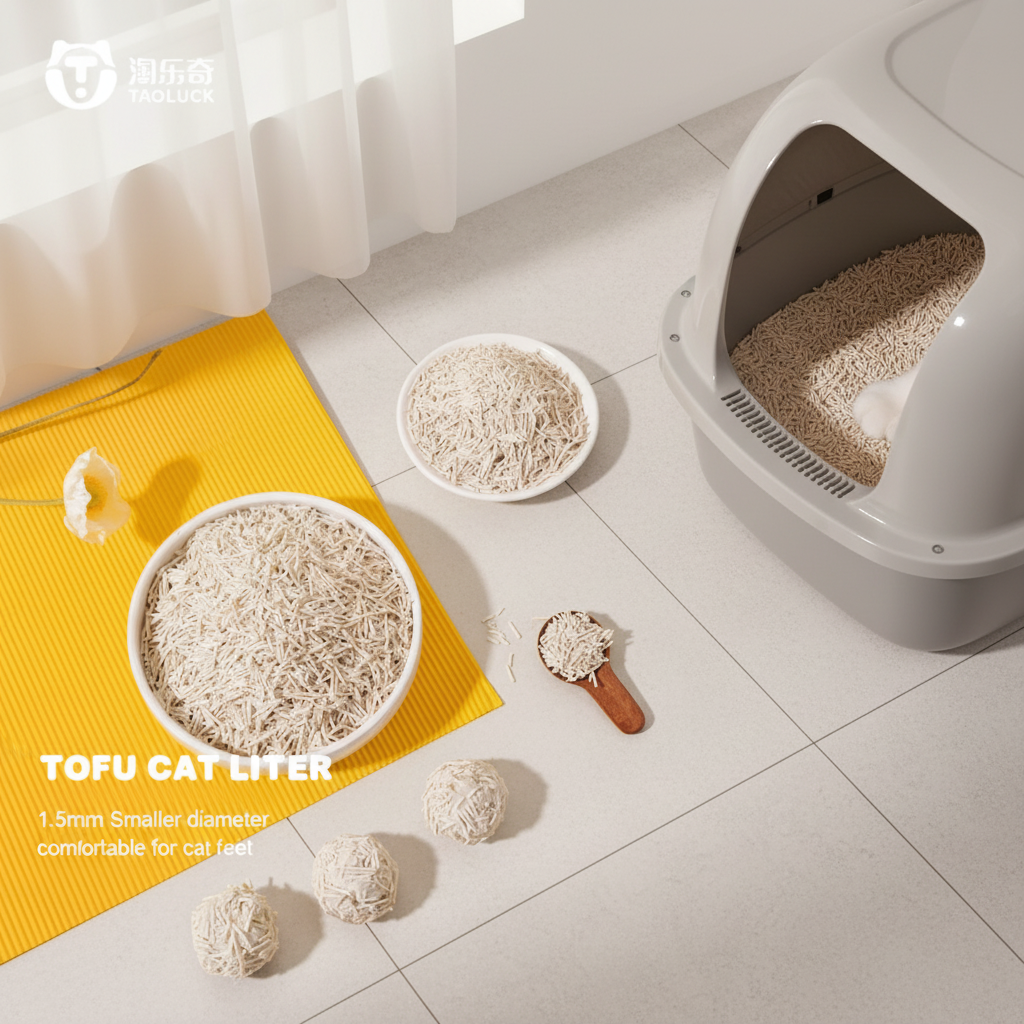
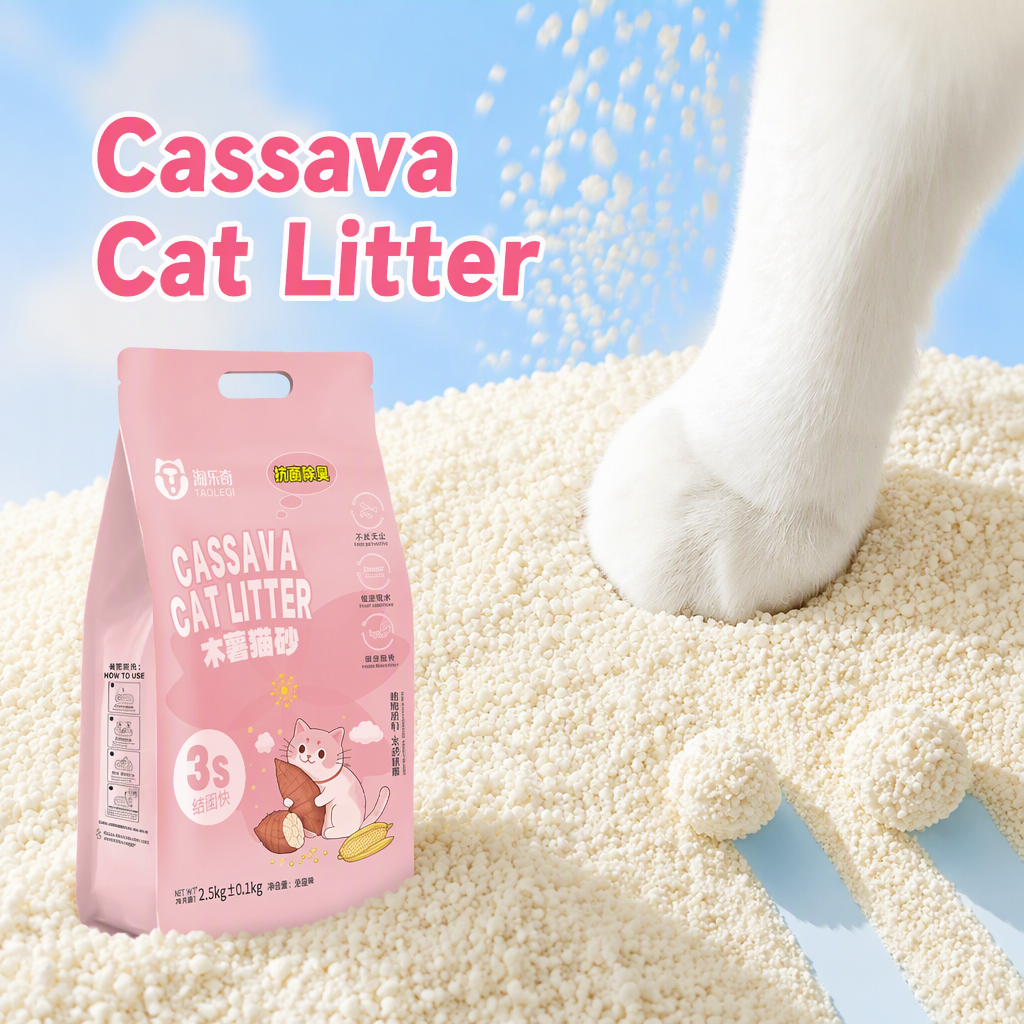
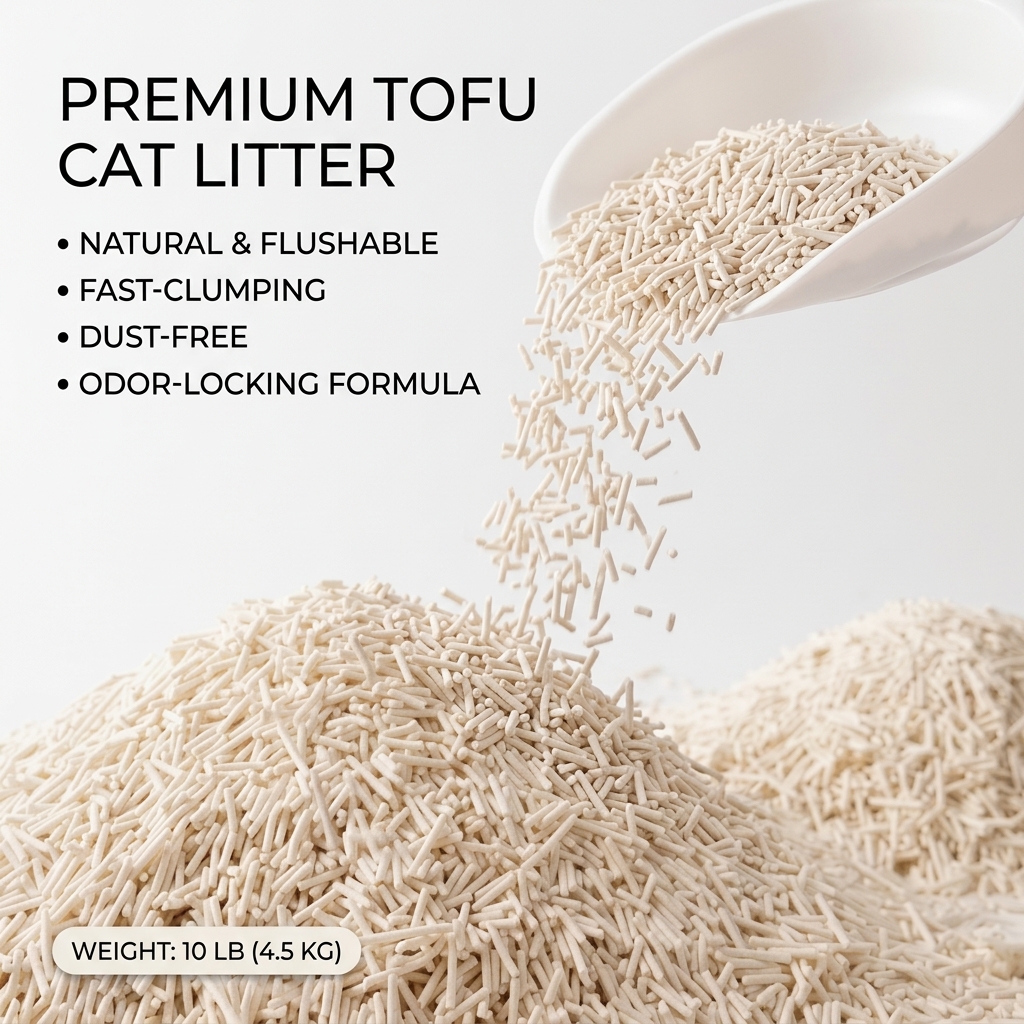
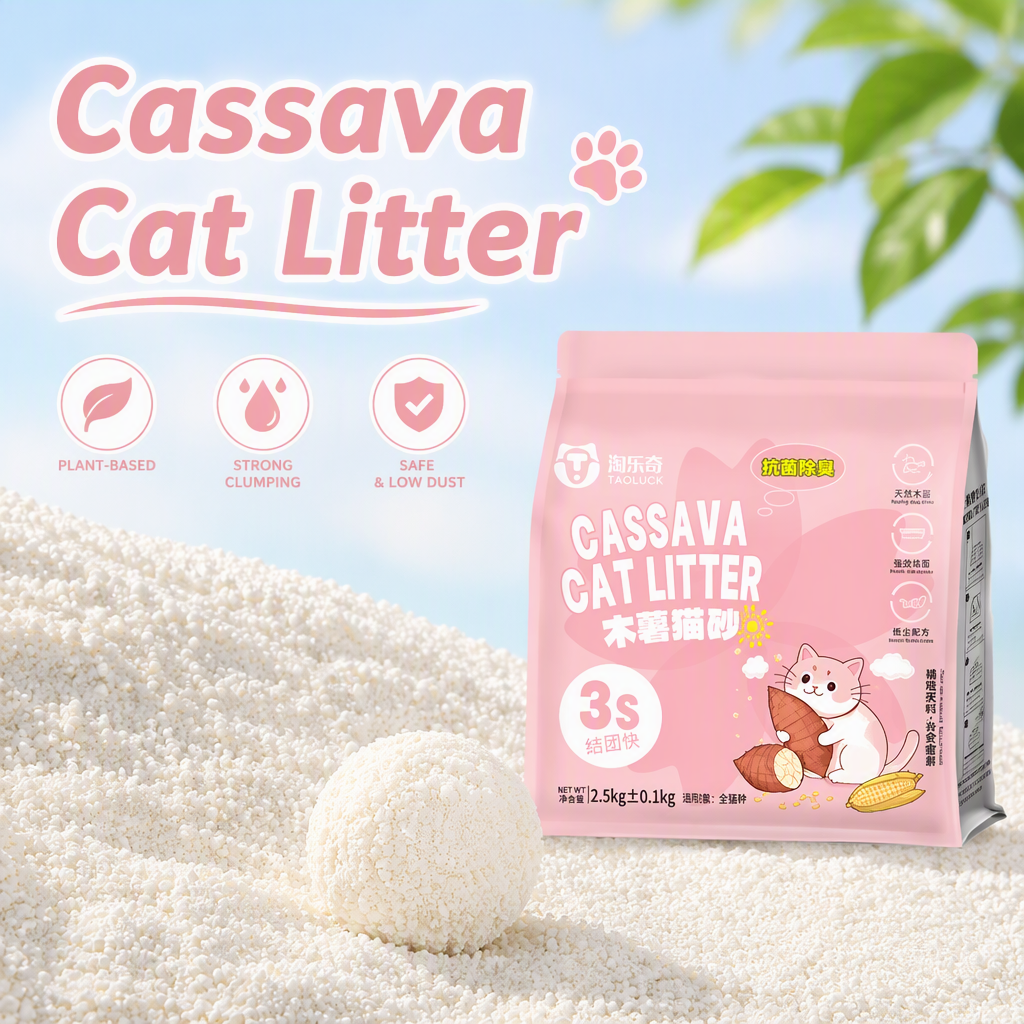
Featured B2B Export Portfolio

Direct-From-Factory Tapioca & Plant-Fiber Catalog

Formulated with pure food-grade cassava roots, functional pea fibers, and fast-dissolving starches. Backed by SGS factory verification, our custom OEM/ODM formulas meet strict European REACH and Swiss chemical/soil environmental protection standards.
7,500m²
SGS-Inspected Plant
Modernized Shandong Manufacturing Base
< 3 Sec
Instant Hydration Lock
High Amylopectin Starch Matrix
99.9%
Screened Dust-Free
5-Stage Pneumatic De-Dusting System
400 Bags
Flexible OEM Trial MOQ
Custom Packaging & Private Label Support
Regional Market Dynamics

Navigating Basel's Eco-Pet Sector: Why Tapioca Starch Dominates

The Canton of Basel-Stadt and the trinational metropolitan region represent one of Europe's most environmentally progressive consumer markets. To maintain competitive advantage, Swiss pet retailers are aggressively transitioning away from heavy, mineral-depleting bentonite towards rapidly renewable tapioca and plant starches.

Mitigating Basel's "Bebbi-Sagg" Disposal Tax

Basel-Stadt levies substantial consumption fees through the mandatory blue refuse bag (Bebbi-Sagg) program. Traditional sodium bentonite or attapulgite clay contributes exorbitant weight and volume to residual municipal waste incinerators.

Tapioca starch cat litter yields a 65% reduction in dry bag weight compared to clay, slashing recurring household disposal expenses for Basel pet parents.

Urban Apartment Air Quality & Low Dusting

High-density residential architectures across Gundeldingen, St. Johann, and modern developments along the Rhine require near-zero dust dispersion. Mineral quartz particles trigger feline asthma and leave white footprints on parquet floors.

Our triple-sifted cassava starches undergo intense negative-pressure dedusting, delivering a guaranteed 99.9% dust-free environment for enclosed living spaces.

Total Compliance With Swiss Circular Directives

Swiss Federal Office for the Environment (FOEN / BAFU) benchmarks mandate circular organic cycles. Unlike strip-mined bentonite, pure cassava roots regenerate within a single agricultural season with a low chemical footprint.

Brumel utilizes 100% natural, unbleached tapioca root starch and organic food fibers that completely mineralize into nitrogen-rich plant compost within 30 days.
Material Science & Technical Audit

Tapioca Starch vs. Traditional Litter: The Engineering Matrix

A granular performance evaluation illustrating why Basel private labels and high-end veterinarian clinics specify tapioca starch (cassava) over legacy clumping substrates.

Critical Performance Indicator Brumel Pure Tapioca (Cassava) Litter Soybean Tofu Litter Sodium Bentonite Clay Pine / Wood Pellets
Hydration Velocity Instant (< 3.0 seconds) Fast (4.0 – 6.0 seconds) Moderate (8.0 – 15 seconds) Slow (Pellet breakdown)
Clumping Mechanism Natural Amylose/Amylopectin Gel Pea Fiber Gelatinization Inorganic Smectite Swelling Disintegrates into Sawdust
Friability & Hardness Superior Hard Cake (No Crumbles) Resilient Medium-Hard Clump Brittle Bottom-Sticking Mass Non-Clumping (High Waste)
Respiratory Hazard (Silica) 0.00% (Free of Respirable Silica) 0.00% Food-Grade Soybean High Crystalline Silica Risk Wood Dust / Terpene Vapor
Biodegradability & Waste Impact 100% Rapid Aerobic Decomposition Compostable / Flushable Permanent Landfill Inert Mass Slow Lignin Breakdown
Density / Freight Weight 480 – 520 g/L (Optimal Shipping) 400 – 460 g/L (Ultralight) 850 – 1050 g/L (Heavy & Costly) 500 – 600 g/L

Why Swiss Brands Trust Brumel Pet Products

Dongying Brumel Pet Products Co., Ltd. operates an on-site SGS-verified 7,500 m² clean-room production complex in Shandong, China. Engineered to serve demanding international supply chains, our factory pairs raw starch refinement, customized extrusion, multi-stage rotary drying, and robotic packaging lines to supply pristine private-label inventory to Basel, Zurich, and across Europe.
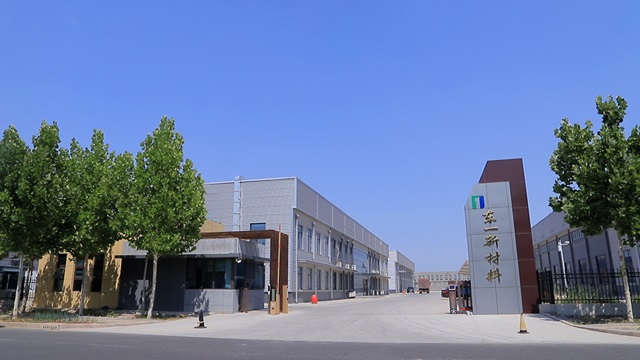
SGS On-Site Verified Facility
Batch Quality Control Certification
400 Bags Minimum Low OEM Threshold
Multilingual Trade Team (EN, DE, FR)
Brumel SGS Verified Manufacturing Facility
Local Procurement Intelligence

Frequently Asked Questions for Basel & Swiss Importers

Everything your supply chain and compliance managers need to know about sourcing, shipping, customs declarations, and local compliance for tapioca starch cat litter.

FAQ 01 Can tapioca starch cat litter be legitimately flushed down Basel residential toilets?
Yes, under specific application guidelines. Pure cassava starch clumping granules dissolve rapidly when immersed in high-volume water, breaking down within 30 to 45 seconds without creating blockages in standard Swiss 100mm PVC sewage conduits. However, we advise distributors to label packaging according to Swiss water protection guidelines (VSA recommendations): single clumps can be safely dispersed via domestic toilets, but full litter tray dumpings must be discarded into the municipal Bebbi-Sagg or organic collection bins depending on local municipal bylaws.
FAQ 02 How does Brumel manage freight logistics and Rhine barge delivery into the Port of Switzerland (Basel)?
We maintain end-to-end multi-modal routing for Swiss importers. Ocean containers depart from Qingdao Port directly to Rotterdam or Antwerp, where cargo is transferred to Rhine container barges docking at the Port of Switzerland (Rheinhäfen Basel-Kleinhüningen or Birsfelden). This waterborne corridor minimizes inland transport carbon emissions by over 70% compared to road trucking, aligning with Swiss net-zero logistics mandates. We also provide DDP and DAP door-to-door forwarding.
FAQ 03 What are the Swiss customs tariffs (OZD) and phytosanitary requirements for tapioca litter?
Under the Swiss Customs Tariff (Tares), processed plant-based cat litter derived from cassava/tapioca starch is generally classified under Chapter 14 or 23 (vegetable materials and residues). Because the starch undergoes high-temperature thermal gelatinization and high-pressure extrusion exceeding 110°C, the product is fully sterilized. We supply official Certificate of Origin, Phytosanitary Certificates issued by China Customs (GACC), Non-GMO Declarations, and heavy metal testing reports required by the Federal Food Safety and Veterinary Office (FSVO / BLV).
FAQ 04 What is the minimum order quantity (MOQ) for custom German/French bilingual Swiss packaging?
Swiss law requires multilingual consumer labeling (typically German and French for the Basel-Mulhouse trinational market). While mass rotogravure printing for custom vacuum packaging typically requires 10,000 bags, Brumel offers flexible boutique private labeling: we support digital printing and localized labeling runs starting at just 400 bags. This enables Swiss startups, boutique catteries, and regional pet store chains to validate the tapioca market without capital lockup.
FAQ 05 How does tapioca starch litter hold up against mould in humid Basel summers near the river?
Basel experiences elevated relative humidity during summer months along the Rhine basin. Raw starch can naturally be susceptible to spoilage if improperly processed. Brumel eliminates this hazard through a multi-pass infrared microwave drying process that stabilizes moisture content consistently below 8.5%. Combined with our anti-fungal food-grade moisture scavengers and hermetically sealed, multi-ply barrier packaging, our tapioca litter delivers a validated shelf life of 24 months without caking or mold.

Accelerate Your Brand in the Swiss Plant-Based Pet Care Market

Request an OEM procurement assessment, certified laboratory spec sheets, and physical formulation sample kits delivered directly to your Basel or Swiss headquarters.