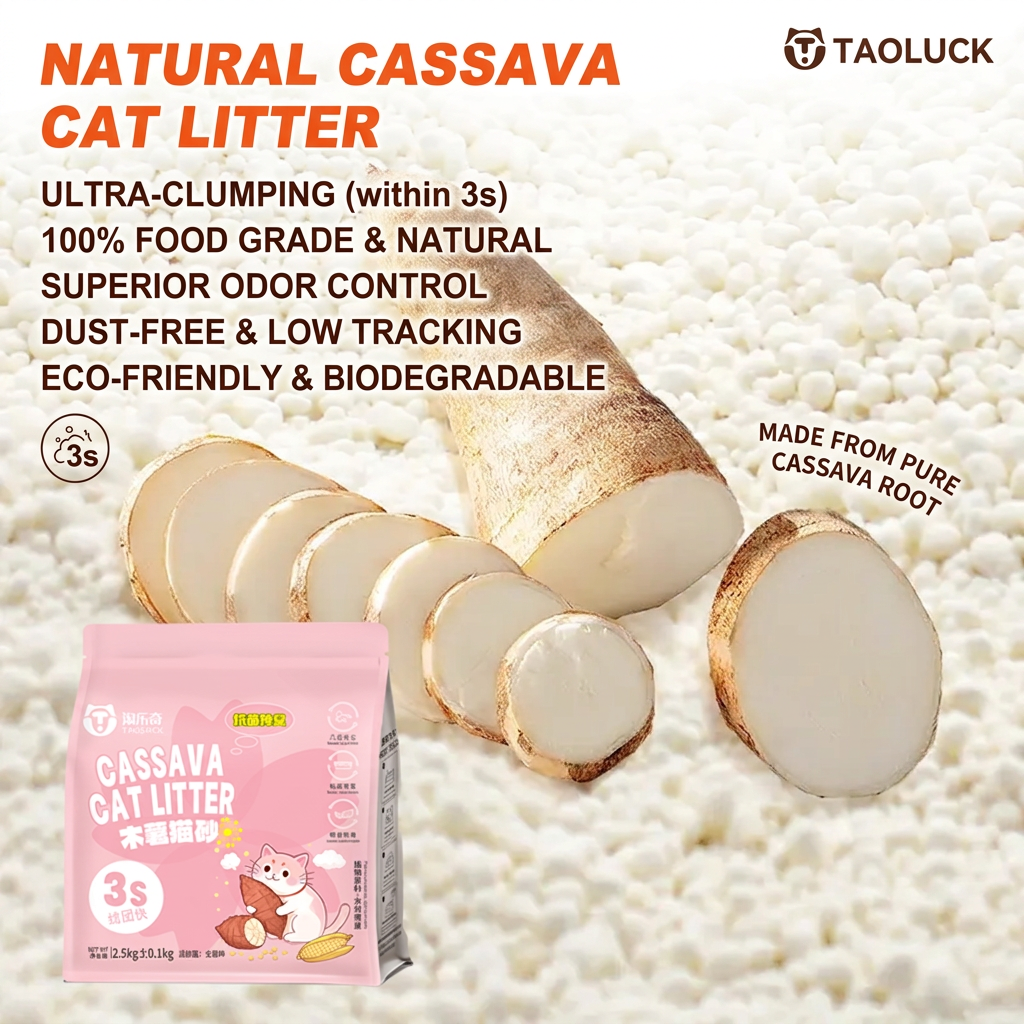
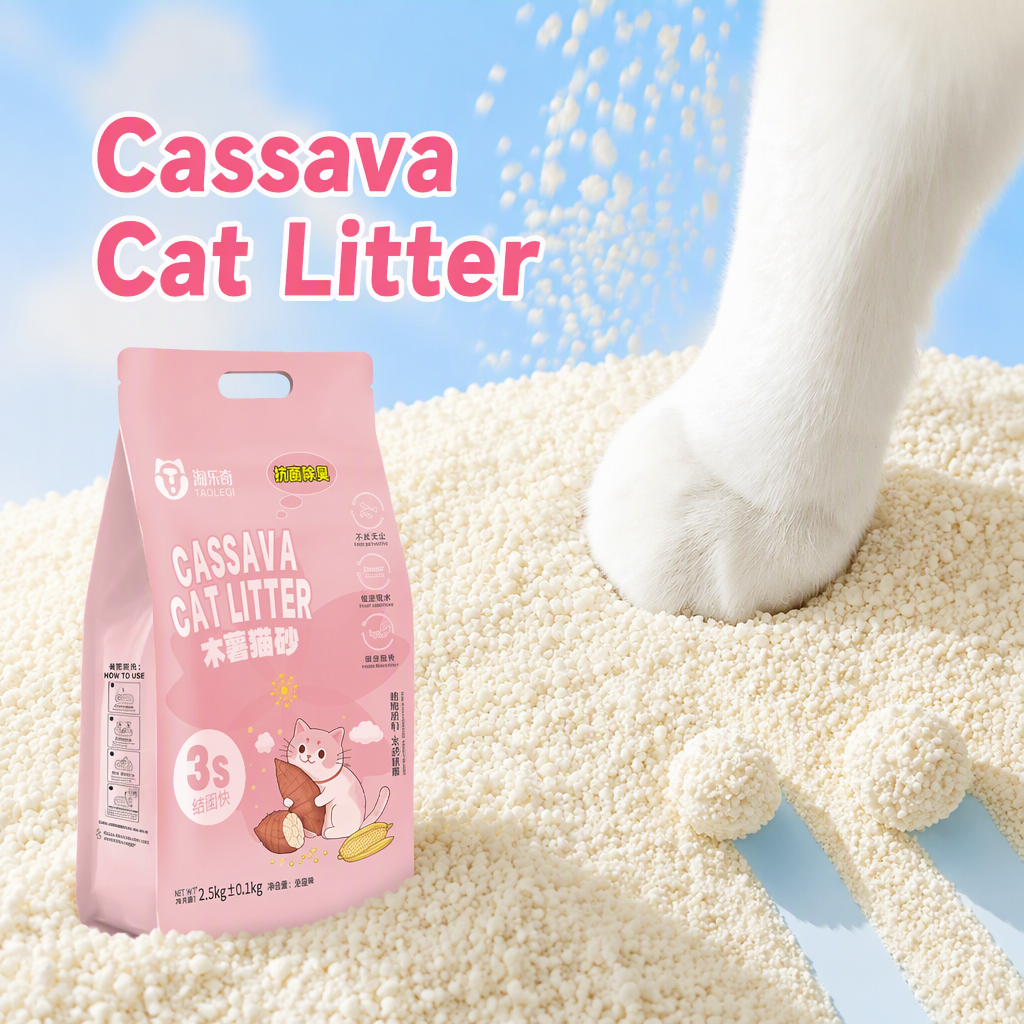
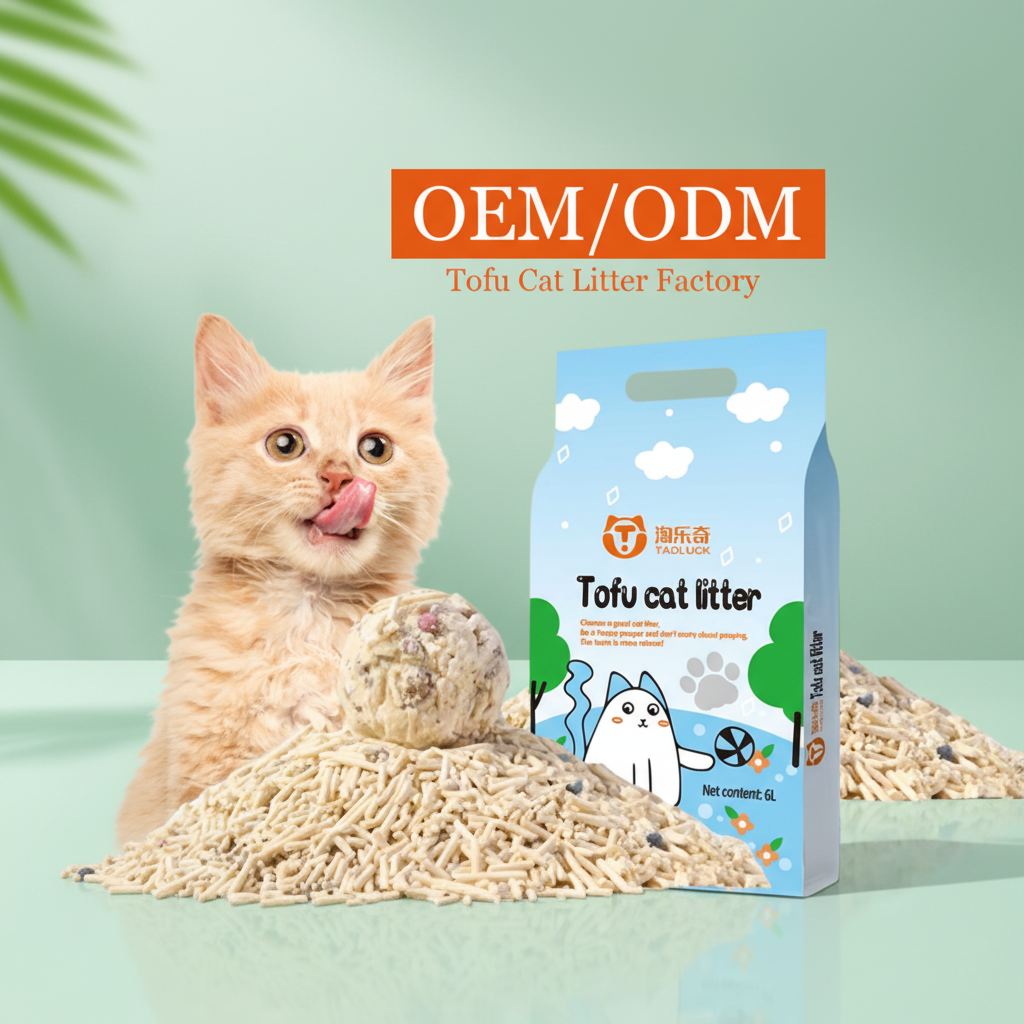
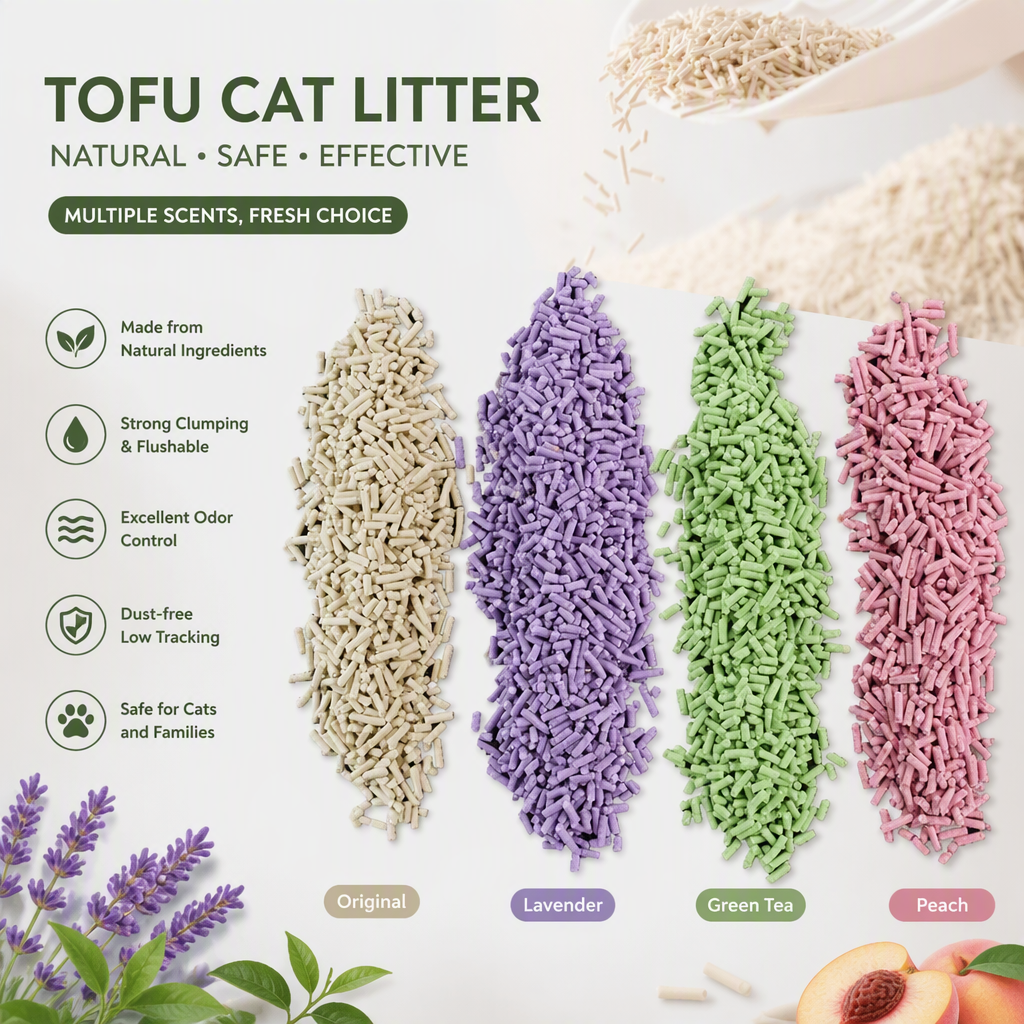
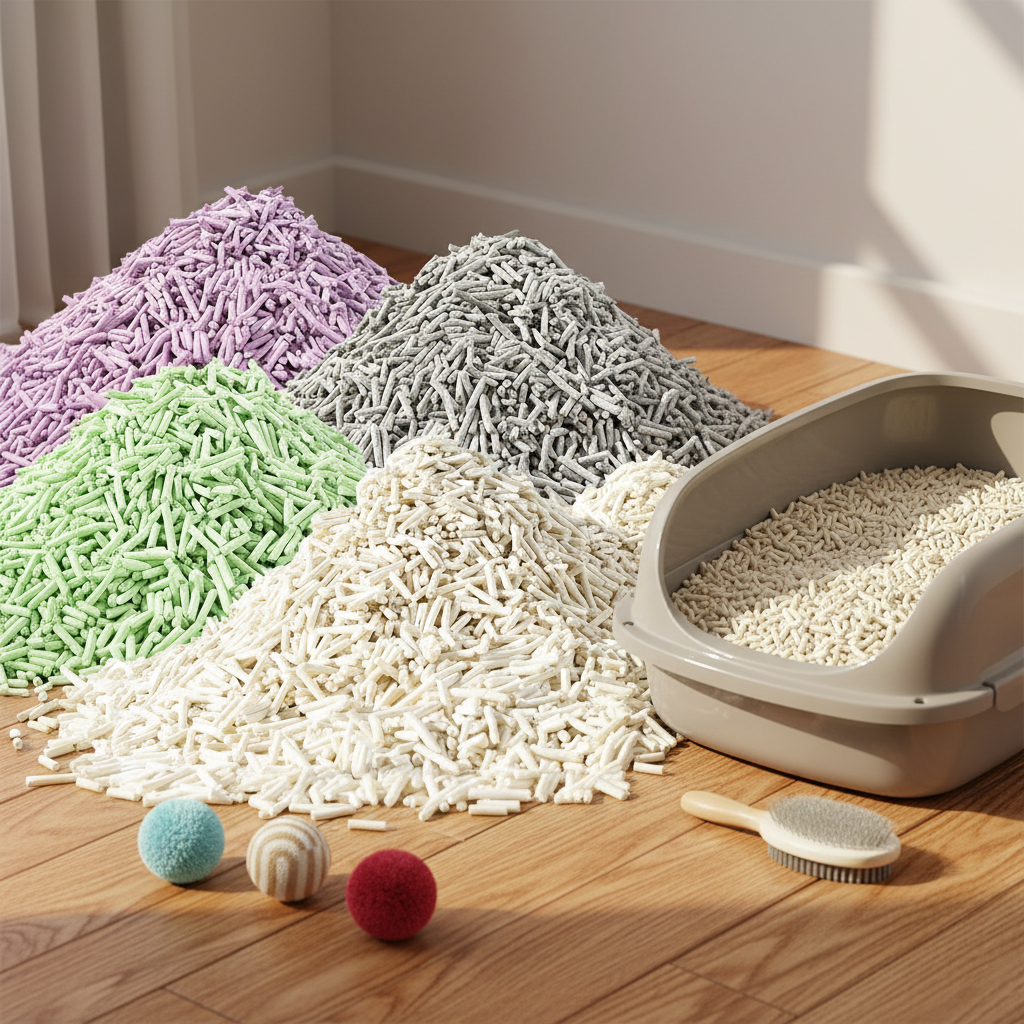
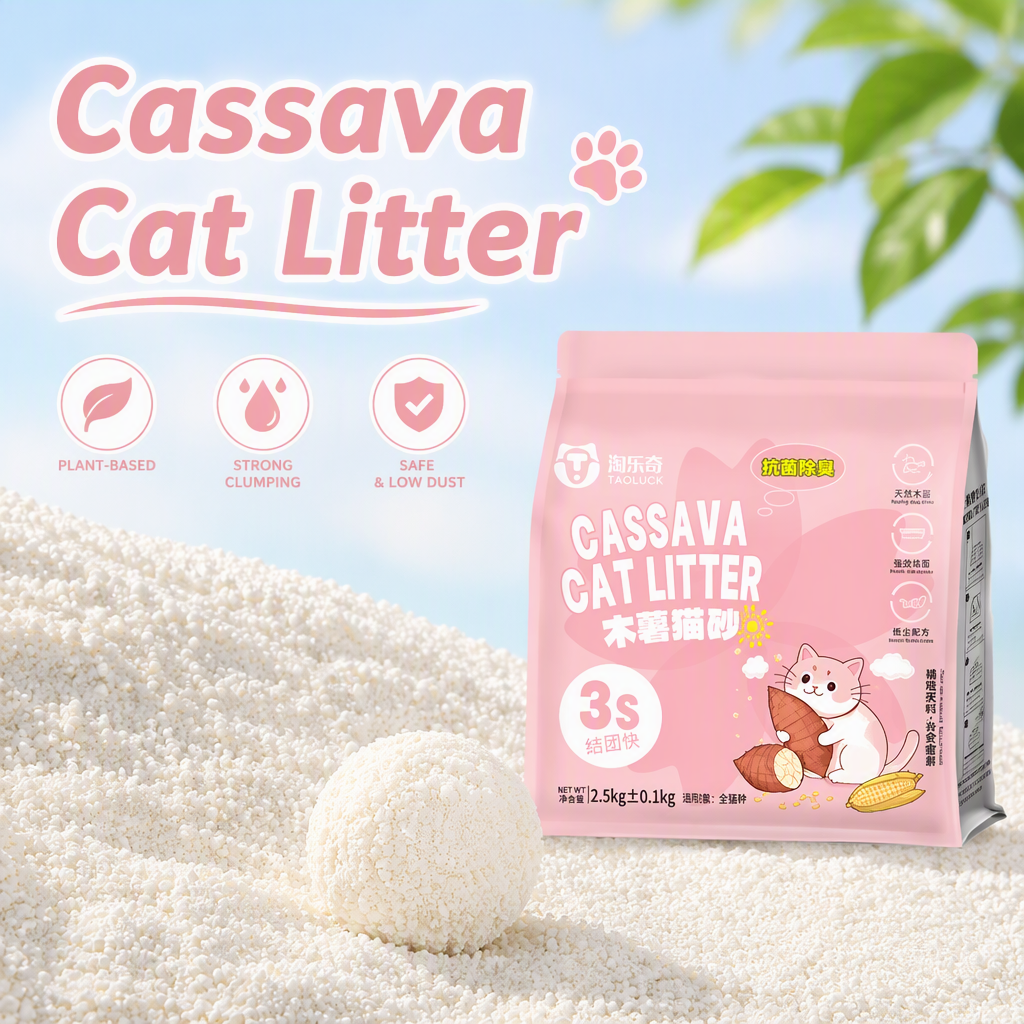
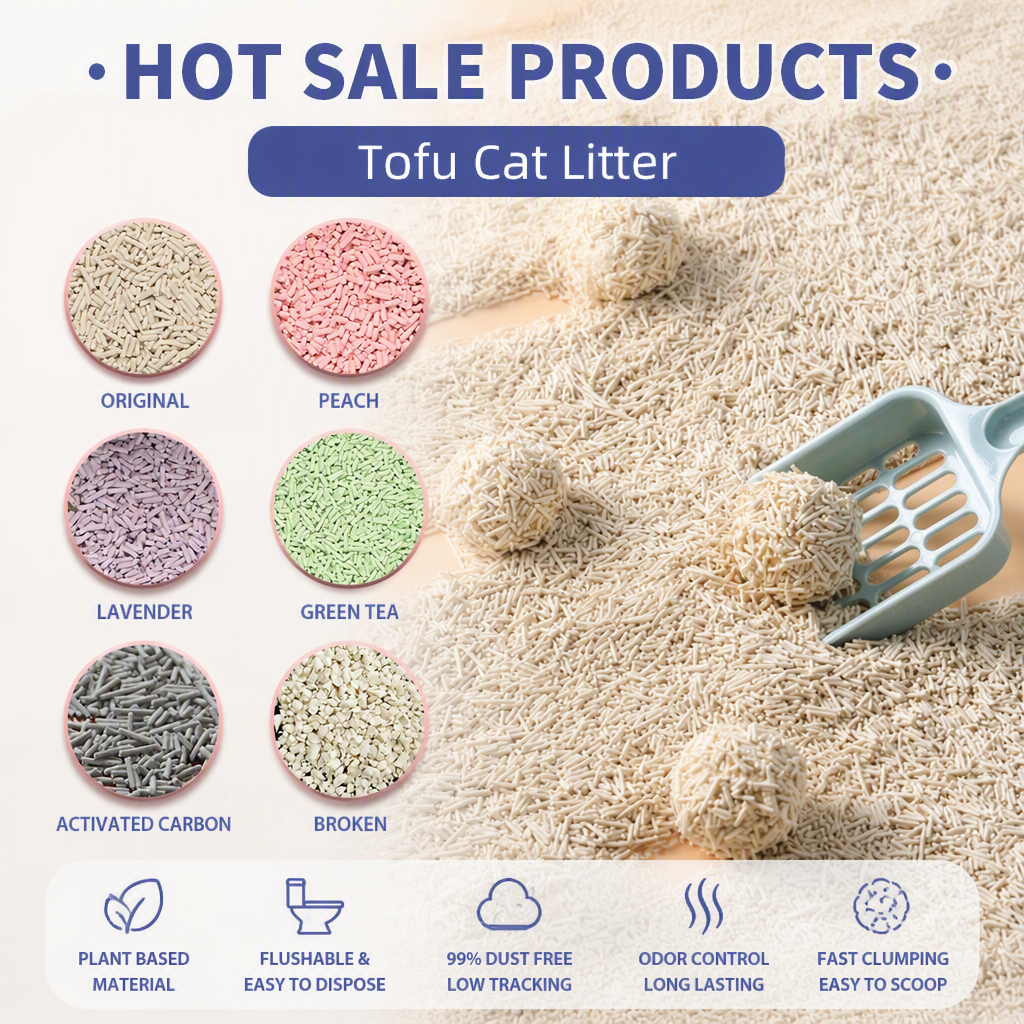
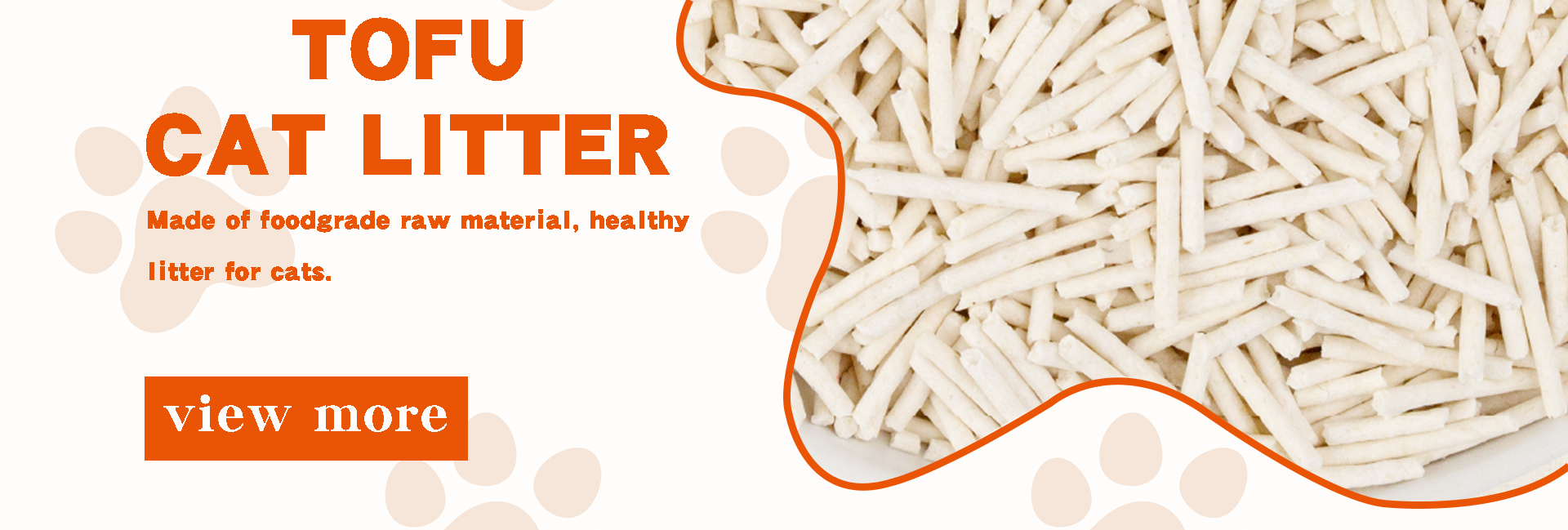
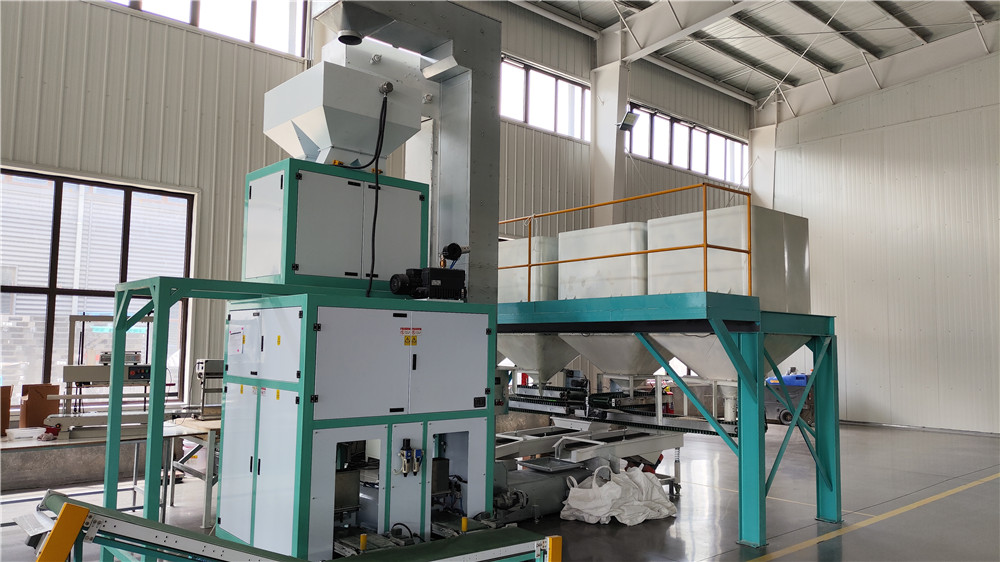
Formulated in Dongying, Shandong, our plant-derived clumping litters harness food-grade pea fibers, pure cassava starches, and natural soybean pulp to replace legacy sodium bentonite across Borgo Maggiore pet boutiques and regional San Marino distribution centers.
Dongying Brumel Pet Products Co., Ltd. operates a high-precision plant-based extrusion and dehydration plant in Shandong, China. Evaluated on-site by SGS Group, we bridge the gap between Asian agricultural raw material dominance and strict European micro-state environmental legislation.
Our formulations utilize yellow pea husk fiber (Pisum sativum) derived as a clean by-product of food-grade protein processing. This gives our pellets a micro-porous tubular structure that outperforms timber wood pellets and paper pulp in both capillary liquid uptake and ammonia locking.
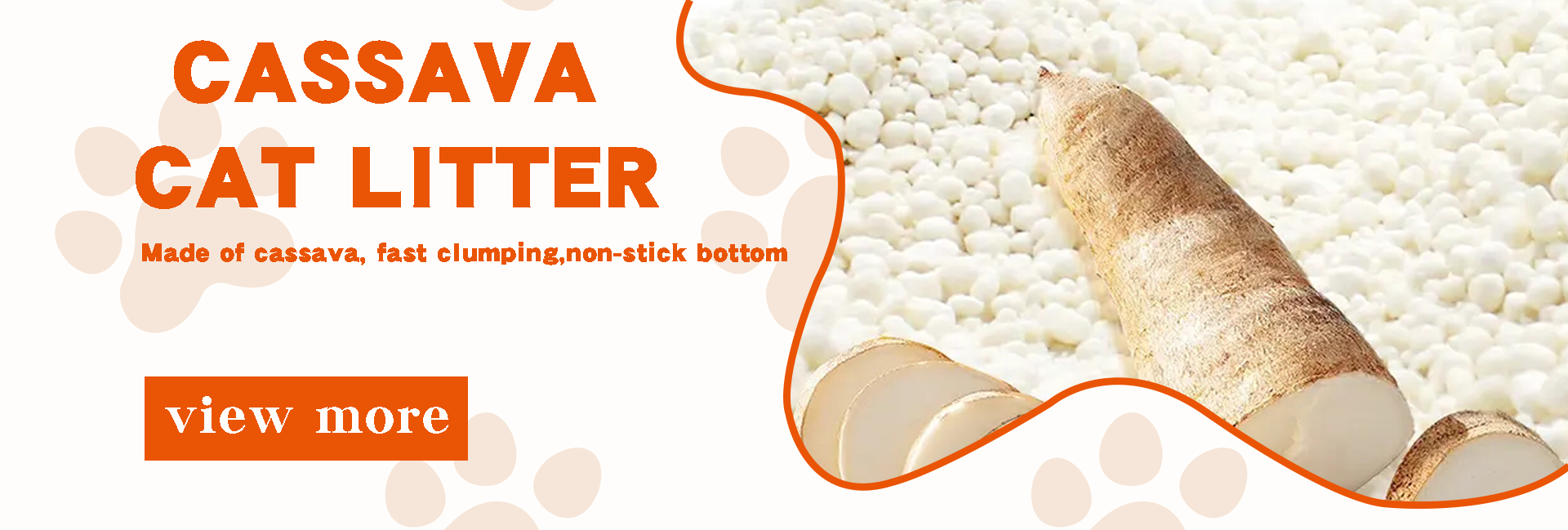
By compounding fine food-grade cassava starch, modified corn starch, and natural food guar gums, our high-shear twin-screw extruders calibrate pellet density to roughly 520 g/L. Liquid is instantaneously corralled into a flat surface disk, completely arresting downward seeping.
Every single export consignment destined for the European customs perimeter undergoes rigorous physical and microbiological screening. Moisture content is tightly locked beneath 10% to prevent aflatoxin or fungal spores during Mediterranean ocean transits.
Borgo Maggiore, nestled at the foot of Mount Titano, combines historic architectural preservation, compact multi-story residential layouts, and strict municipal waste collection protocols that render traditional clay litters obsolete.
Many domestic residences throughout Borgo Maggiore and the surrounding Castelli of San Marino feature medieval stonework, vaulted ceilings, and localized air drafts. When conventional clay litters are poured or aggressively scratched, fine bentonite airborne silica particulates settle onto antique surfaces, upholstery, and enter feline bronchia, often aggravating asthma in domestic British Shorthairs and European breeds.
Brumel's pea husk and cassava cat litter undergoes an industrial multi-stage desilting cyclone treatment before packing. The resulting pellet exhibits an abrasion-resistant outer mantle that eliminates 99.9% of breathable dust, protecting historic home aesthetics and the sensitive lungs of both cats and owners residing along Via 28 Luglio or the upper historic district.
Furthermore, because plant-fiber granules are naturally antistatic, they do not cling to the paw pads or long coats of breeds like Maine Coons or Ragdolls, preventing the annoying dispersion of litter onto polished terracotta and parquet floors common in modern San Marino apartments.
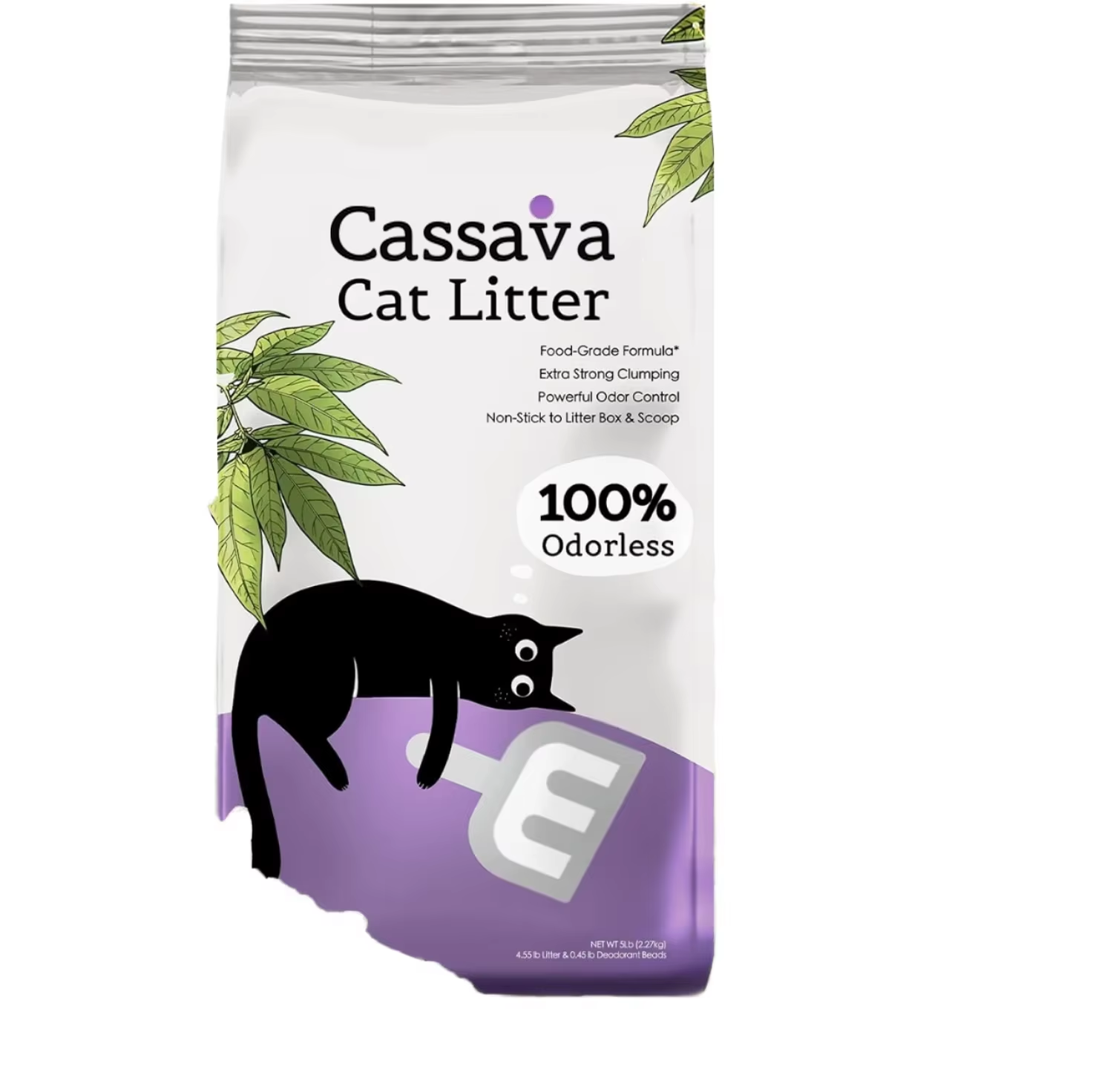
The Autonomous Public Works Agency of San Marino (AASFN) maintains exacting recycling guidelines. Traditional bentonite clay cannot enter municipal organic composting systems; it occupies heavy volumes in landfill streams and ruins mechanical wastewater shredders. Brumel's pea husk and pure cassava litters break down completely into compost within standard aerobic cycle parameters, complying fully with EU organic waste recycling targets.
During the humid Sub-Apennine winters of the Titano valley, indoor windows remain shut to conserve thermal energy. Cat litter boxes can rapidly produce unpleasant ammonia and amine gas build-ups that overwhelm small apartments. Unlike fragranced clay that merely masks foul odors with heavy perfume, our pea husk matrices physically entrap ammonia ions via botanical enzyme neutralization and capillary encapsulation.
For urban apartment tenants, clumps can be dropped straight into standard plumbing fixtures. Once submerged in agitated household toilet water, the starch-guar bonding system hydro-disperses within 15 seconds, washing away cleanly without posing any obstruction to ancient municipal drainage networks.
Laboratory evaluation conducted according to ISO and ASTM international pet care testing protocols.
| Physical Metric | Brumel Pea Husk Formulation | Brumel Cassava Matrix | Sodium Bentonite Clay | Silica Gel Crystal |
|---|---|---|---|---|
| Hydraulic Absorption Rate | 350% – 380% (Capillary) | 380% – 420% (Starch gel) | 200% – 250% (Pore swelling) | 120% – 150% (Saturation) |
| Ammonia (NH3) Trapping (24h) | 94.8% Natural Enzyme Capture | 92.1% Starch Encapsulation | 65.4% (Requires Perfume) | 71.0% (Chemical masking) |
| Airborne Respirable Dust (<10μm) | < 0.1% (5-Stage Cyclonic) | < 0.08% (De-dusted) | 3.5% – 7.2% (High silica) | 1.8% – 3.0% (Brittle) |
| Bulk Transport Density | Approx. 520 g/L (Ultralight) | Approx. 580 g/L (Balanced) | 950 – 1050 g/L (Very Heavy) | 450 g/L (Non-clumping) |
| San Marino Waste Compatibility | Organic Bin / Toilet Flushable | Organic Bin / Biodegradable | Landfill Only (Heavy Waste) | Landfill Only (Synthetic) |
| Carbon Footprint Index (LCA) | -42% vs Bentonite Mining | -38% vs Clay Extraction | High (Open-pit Quarrying) | Very High (Synthesized) |
Analyzing distribution channel evolution, legislative circularity pressures, and pet humanization tendencies across the Republic of San Marino and the Emilia-Romagna / Marche trade corridors.
Pet owners in Borgo Maggiore treat felines as full family members. This demographic actively rejects chemical scents, crystalline silicas, and strip-mined bentonites that could pose dermal or digestive issues. Plant-based solutions made from food-grade pea husk and non-GMO cassava starches command upwards of a 35% retail price premium in upscale specialty outlets along Strada Statale 72 and historic town center pet supply stores.
As San Marino synchronizes its environmental statutes more closely with European Green Deal guidelines, commercial pet shops face growing scrutiny over non-recyclable packaging and heavy mineral landfill quotas. Brumel provides completely biodegradable litters alongside FSC-certified kraft paper and recyclable polyethylene-polyester multi-layer packaging solutions that streamline compliance with regional sustainability reporting.
Rising continental diesel tariffs and steep mountain access roads up Monte Titano make moving dense, 10-kilogram bentonite bags economically punishing for local distributors. Pea husk cat litter provides equal liquid clumping capacity at less than 55% of clay's bulk weight. A single shipping container yields more than double the litter box fills, dramatically trimming sea freight, tolling costs, and retail warehouse shelf footprints.
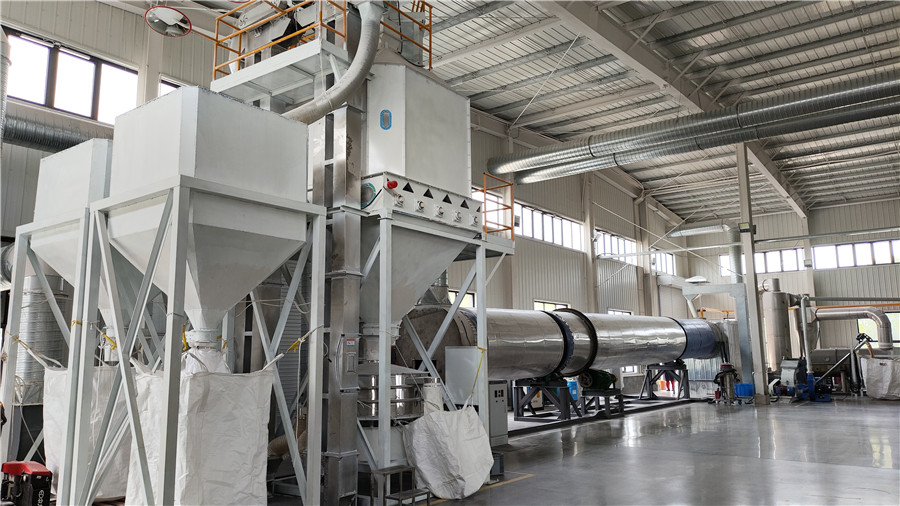
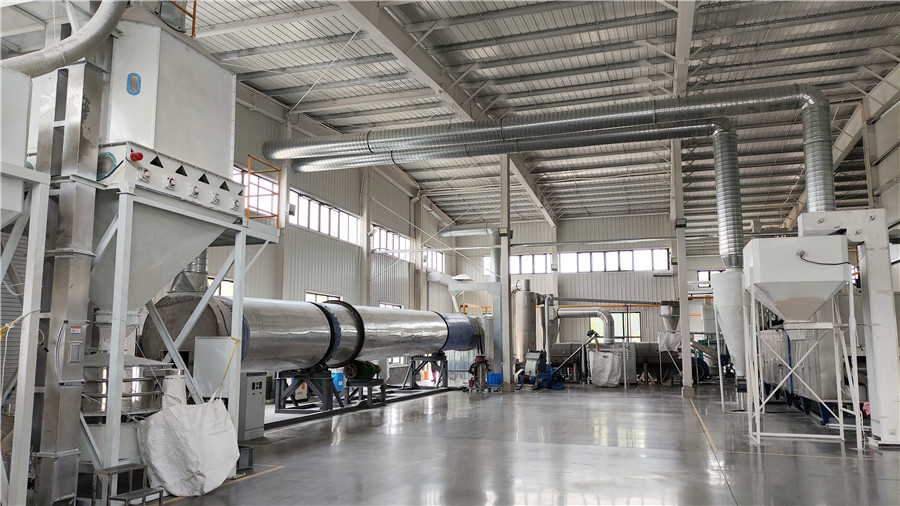
Explore how our Dongying facility guarantees consistent batch quality from raw legume processing through automated moisture-barrier packaging.
High-capacity twin-screw extruders apply regulated temperature profiles to gelatinize natural starches without degrading fiber tensile cohesion.
Interchangeable die arrays allow 1.5mm, 2.0mm, and crushed granulometries tailored to specific retail paw-feel and tracking expectations.
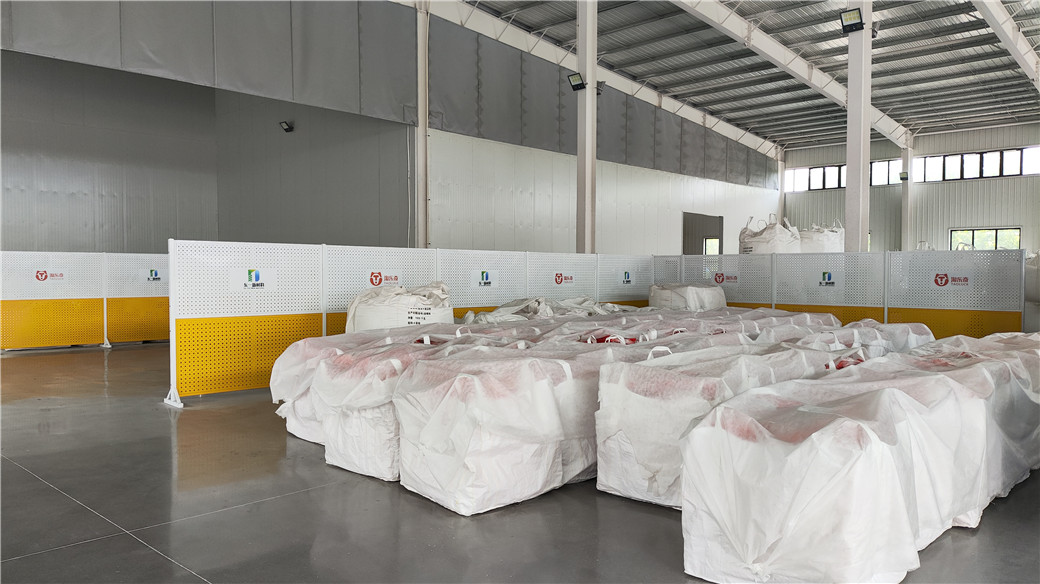
Automated vacuum sealing lines eliminate residual internal oxygen and moisture, guaranteeing 24-month unopened shelf life in maritime transit.
Moisture-shielded marine palletization directly loaded at our dock for onward dispatch via Qingdao port straight to European terminals.
Practical B2B guidance addressing customs, logistics, product differentiation, and private labeling for San Marino enterprise buyers.