100% Cassava
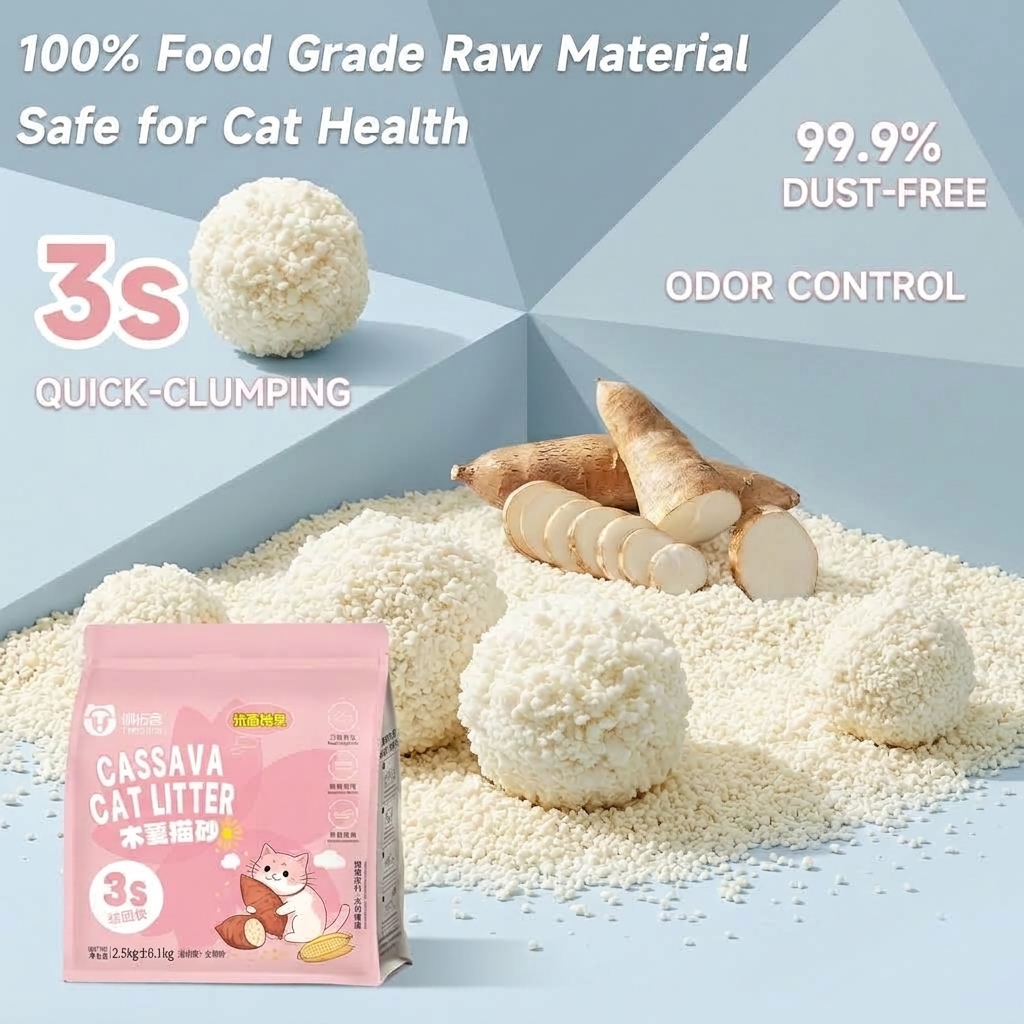
Direct from our 7,500 m² Shandong automated facility. Each SKU provides fast 3-second moisture encapsulation, flushable structural integrity, and 99.9% dust filtration engineered for Baltic living spaces.

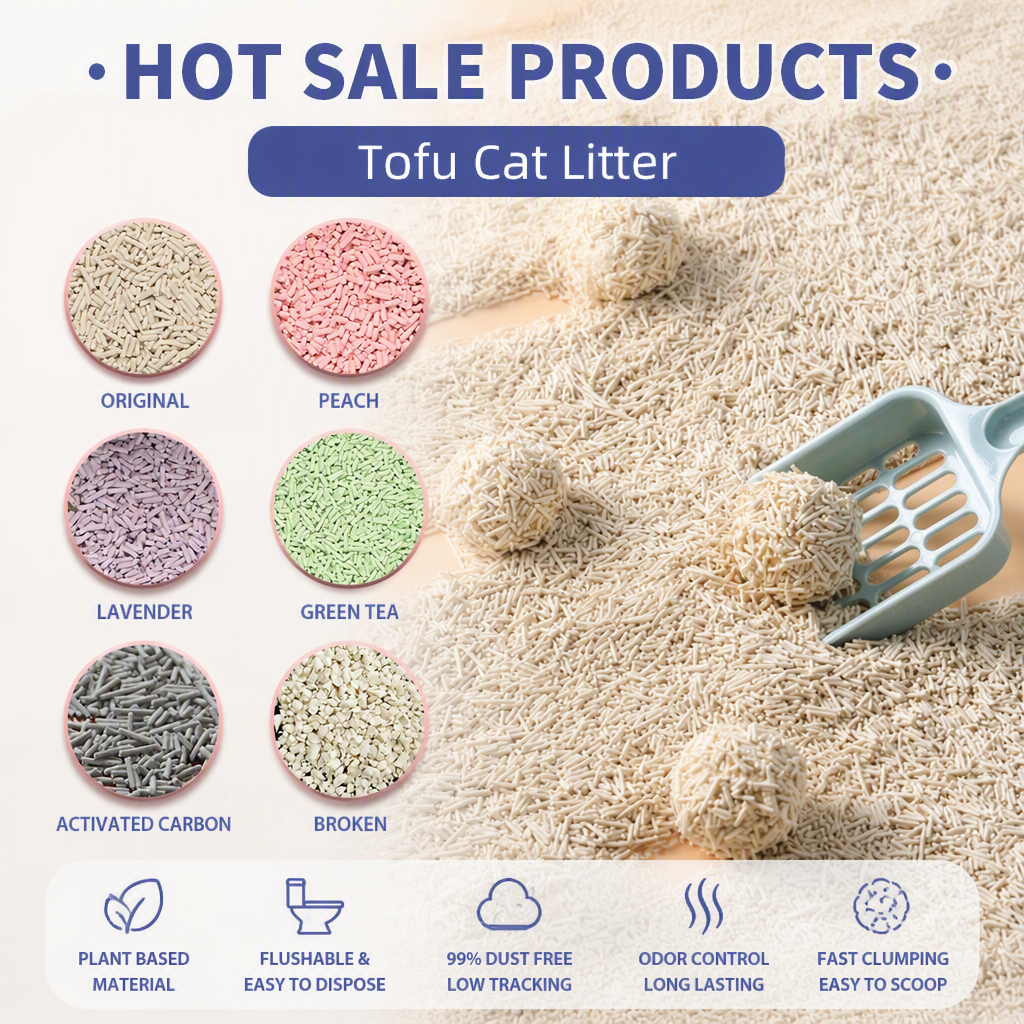
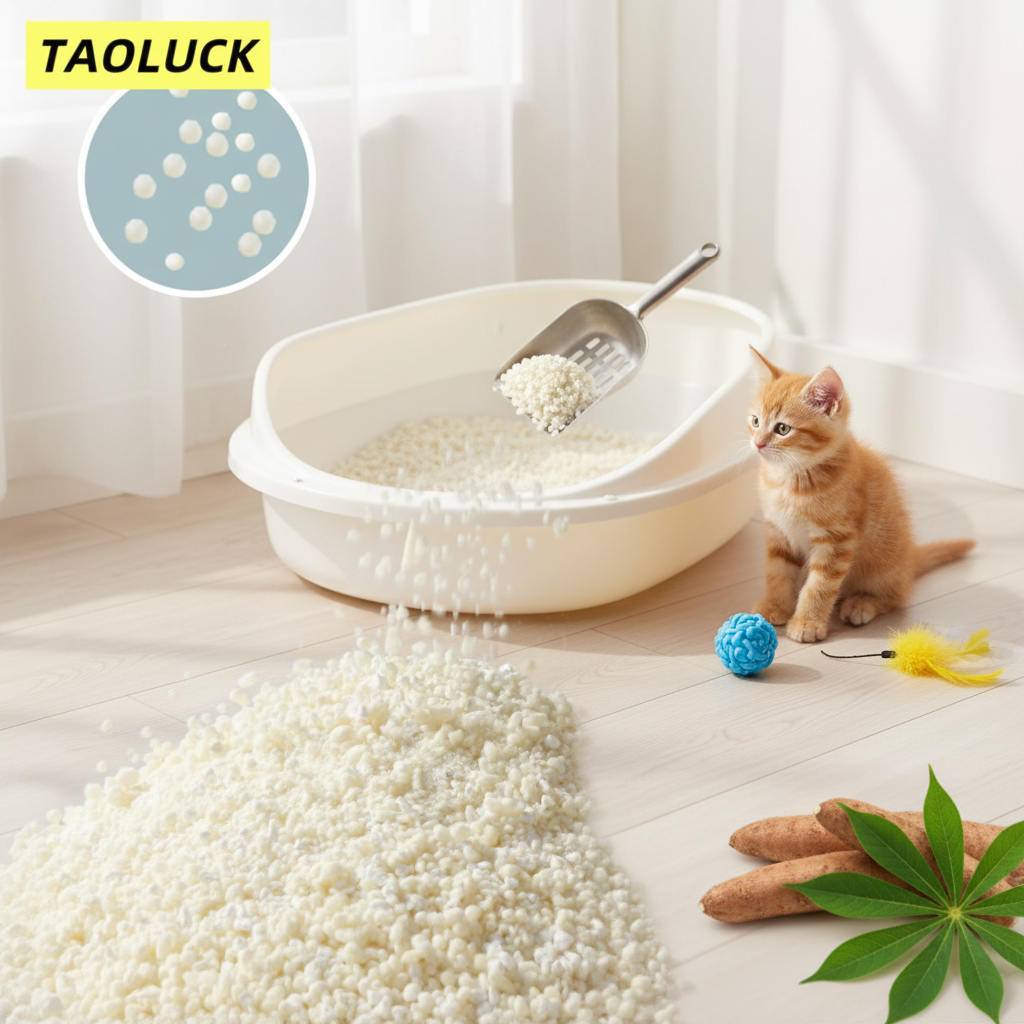
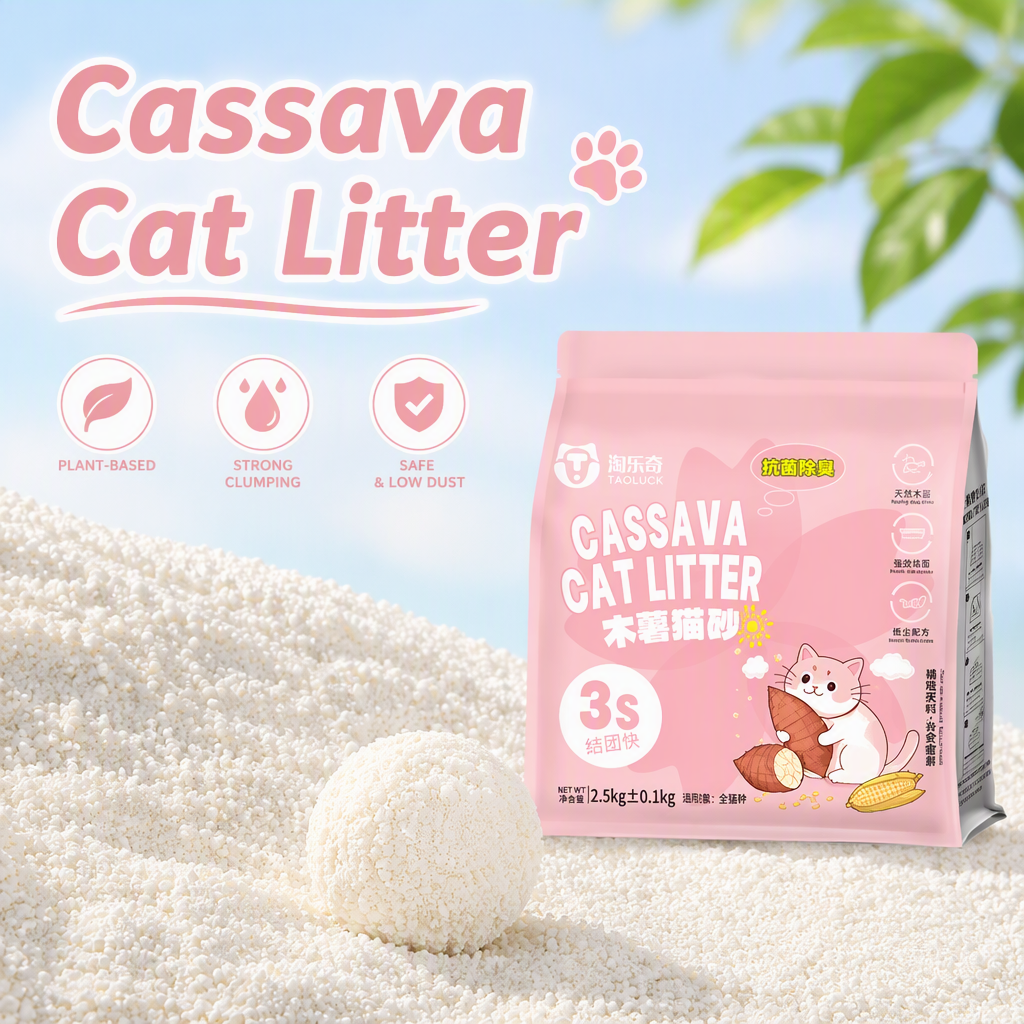
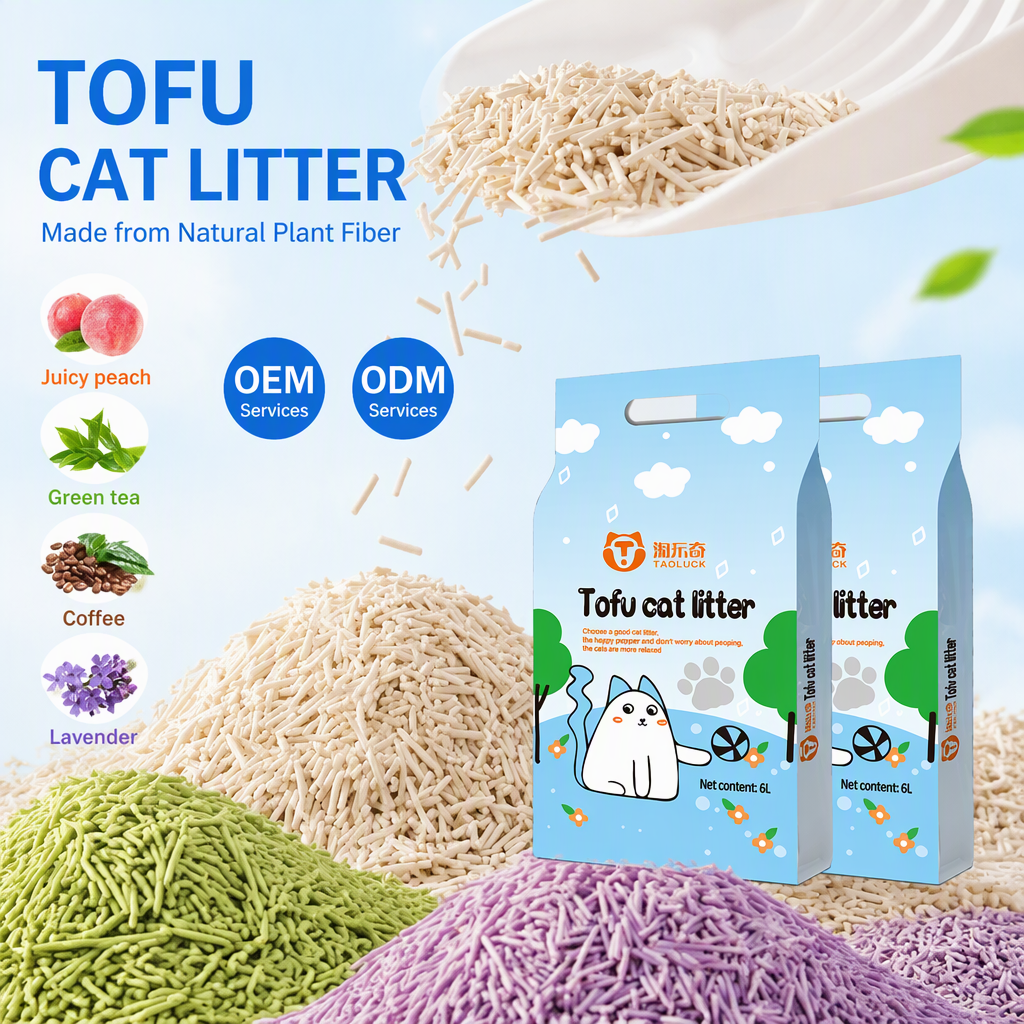
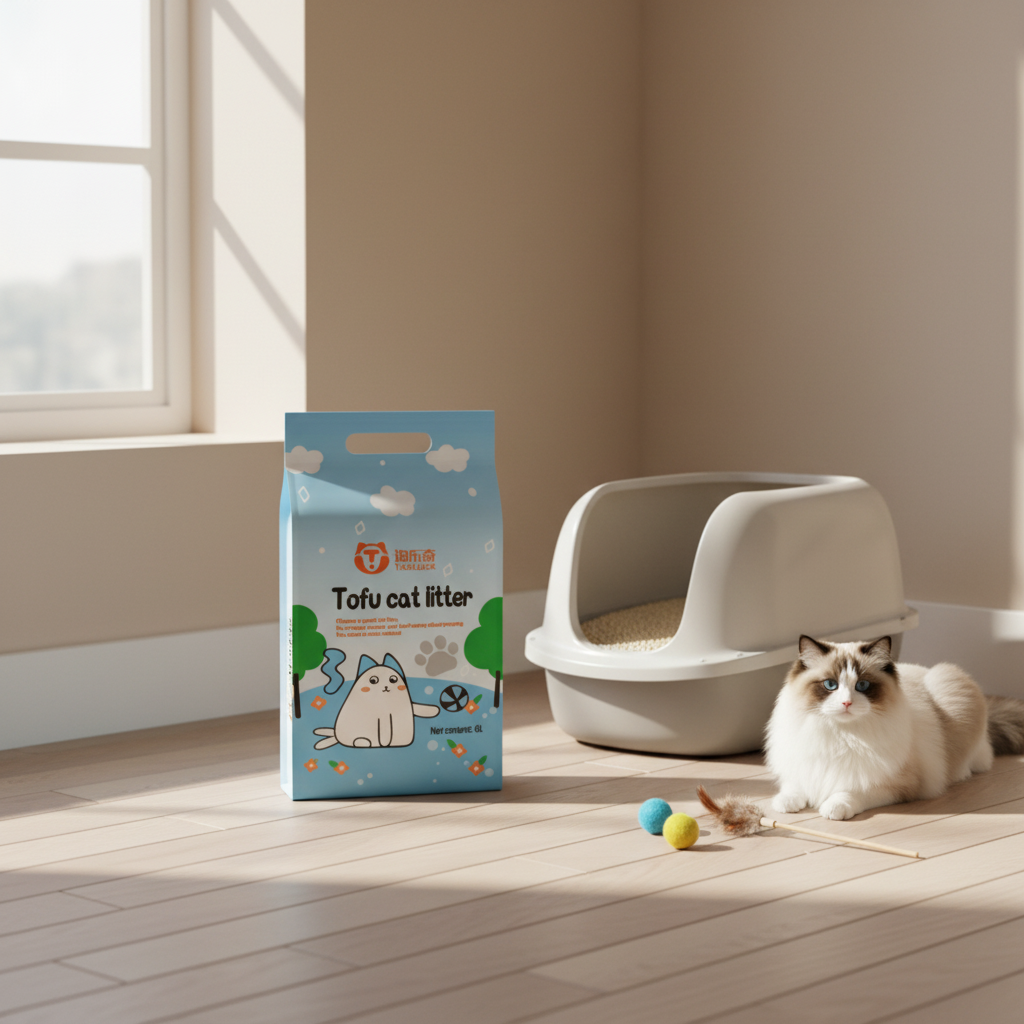
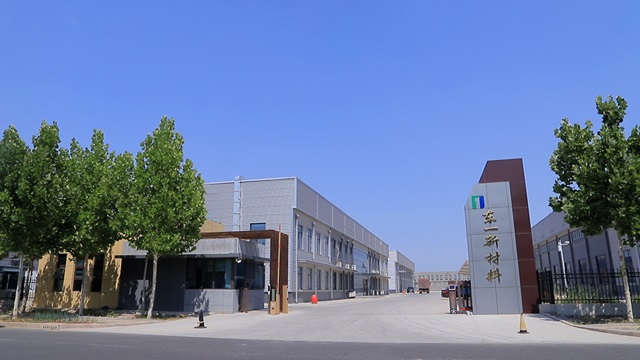
As an SGS on-site assessed manufacturer headquartered in Dongying, Shandong Province, Brumel specializes in advancing the science of biodegradable companion animal hygiene. We combine automated raw plant extrusion, precision drying, and vacuum multi-stage dust extraction to deliver premium cat litters that exceed global retail thresholds.
A technical examination of consumer behaviors, indoor architectural heating profiles, and municipal environmental mandates governing pet hygiene imports into Latvia.
Over 72% of Riga urban pet owners reside in multi-family apartments (Purvciems, Pļavnieki, Āgenskalns) dependent on seasonal municipal central heating (Rīgas Siltums). The intense indoor dry warmth accelerates bacterial ammonia vapor from traditional clay trays. Brumel’s cassava starch traps uric acid within a low-pH plant matrix, preventing foul indoor odor cycles.
Riga has modernized domestic bio-waste sorting (brūnā bioloģisko atkritumu tvertne). Sodium bentonite clay is non-biodegradable and damages processing machinery. Brumel plant-based tofu (okara) and tapioca litters are 100% compostable and organic-certified, satisfying Latvian municipal environmental targets and reducing domestic landfill disposal fees.
With coastal maritime humidity along the Daugava River during autumn and winter, low-grade clay licks up moisture before feline urination, turning clay into mud that tracks onto timber parquet. Brumel’s 1.5mm - 2.0mm micro-extruded tofu and heavy spherical cassava granules retain clump cohesion even at 85% relative humidity without tracking.
Comparative physical and commercial performance metrics compiled by Brumel R&D for Baltic private-label procurement specialists.
| Performance Parameter | Brumel Cassava Starch Litter | Brumel Okara Tofu Litter | Imported Bentonite Clay |
|---|---|---|---|
| Clump Dynamic | Ultra-Fast (Under 3 seconds, glass-hard) | Fast (3-5 seconds, elastic cohesion) | Moderate (10-15 seconds, sticky) |
| Respirable Dust (<10μm) | <0.1% (Multi-stage cyclone dedusted) | <0.2% (Cold air screened pellets) | 2.5% - 6.0% (Risk of feline asthma) |
| Disposal & Flushability | 100% Biodegradable / Organic Compost | Rapid Water Dispersion (Flushable) | Non-flushable (Clogs domestic pipework) |
| Density & Shipping Weight | 580 - 620 g/L (35% lighter than clay) | 480 - 520 g/L (45% lighter than clay) | 900 - 1050 g/L (High freight cost) |
| Maritime Container Utilization | Approx. 24 Metric Tons / 40ft HQ | Approx. 18-20 Metric Tons / 40ft HQ | Reaches weight limit before volume |
| Chemical Additives | Zero chemicals; edible raw starch | Zero heavy metals; food-grade okara | Often contains synthetic artificial perfumery |
How distributor product portfolios in Riga, Jurmala, and Liepāja are shifting from price-driven mineral litters to higher-margin botanical eco-alternatives.
Latvian cat owners increasingly purchase supplies via local e-commerce channels (Barbora, 220.lv, and dedicated boutique pet websites). Traditional 10kg clay sacks incur steep parcel locker (Omniva / DPD parcel terminals) shipping fees. Brumel's ultra-lightweight 2.5kg cassava pouches lower last-mile delivery surcharges by nearly 40%.
Veterinary clinics in Riga (such as around Čiekurkalns and Teika) note an uptick in feline respiratory allergy complaints tied to perfumed silica and dusty bentonite. Latvian pet owners now actively seek "Fragrance-Free / Tīrs un Dabīgs" plant formulas that do not aggravate sensitive feline respiratory systems or skin.
Baltic retail chains are consolidating white-label pet brands to insulate margins against multinational FMCG price competition. Brumel offers turnkey brand localization: European EAN-13 barcode generation, multi-lingual Latvian/Lithuanian/Estonian compliance typography, and stand-up pouches with side gussets.
Essential trade details covering import duties, plumbing safety, minimums, and shipping routes into the Baltic region.
Standard ocean transit from Qingdao Port to the Port of Riga (Rīgas brīvosta) typically spans 38 to 48 days via transshipment through major European hubs like Rotterdam or Hamburg. Production time for customized private label orders ranges from 12 to 18 business days after graphic package approval.
Yes. Many residential buildings in Riga (built during historic or Soviet-era periods) feature cast-iron drainage systems prone to scaling. While bentonite creates cement-like blockages, Brumel’s tofu litter dissolves entirely in water within 15 to 25 seconds through starch hydrolysis, allowing safe flushing of individual clumps without risk of domestic pipe obstruction.
Plant-based litters fall under HS Code 1404.90 or 2309.90. Because our litters contain processed agricultural starches rather than raw animal proteins, they do not require complex veterinary health certifications (TRACES). Brumel supplies comprehensive commercial documentation including Phytosanitary Certificates, Certificates of Origin, Safety Data Sheets (SDS), and Non-hazardous Chemical declarations for smooth clearance through Latvian State Revenue Service (VID) customs.
Our standard manufacturing baseline starts at just 400 bags for stock packaging configurations. For fully custom-printed multi-color composite bags featuring dedicated Latvian and Baltic multilingual labeling, our factory accommodates lower threshold runs starting from 1,000 to 2,000 units per artwork SKU.
Yes. In addition to 100% cassava starch or 100% food-grade soybean residue, we regularly engineer hybrid formulations: 70% tofu + 30% spherical cassava granules, corn-cassava blends, and activated carbon odor-neutralizing pellets. Samples can be prepared and dispatched via air express directly to your office in Riga within 5 days.
Direct factory pricing, SGS-certified production transparency, and end-to-end container logistics support tailored for Baltic distributors, supermarket suppliers, and e-commerce leaders.