Technical Trade Briefing
Clumping Bentonite Litter Manufacturers & Suppliers in the Łódź Market
A Comparative Whitepaper & Strategic Sourcing Guide for Polish Distributors, Pet Retail Chains, and Central European Fulfillment Hubs
Factory-Direct Catalog
High-Performance Clumping Litters Available for Poland Import
Engineered to satisfy exacting European standards for volatile organic compounds (VOCs), zero-silica dust extraction, and cohesive clump integrity under dense multi-cat urban conditions.
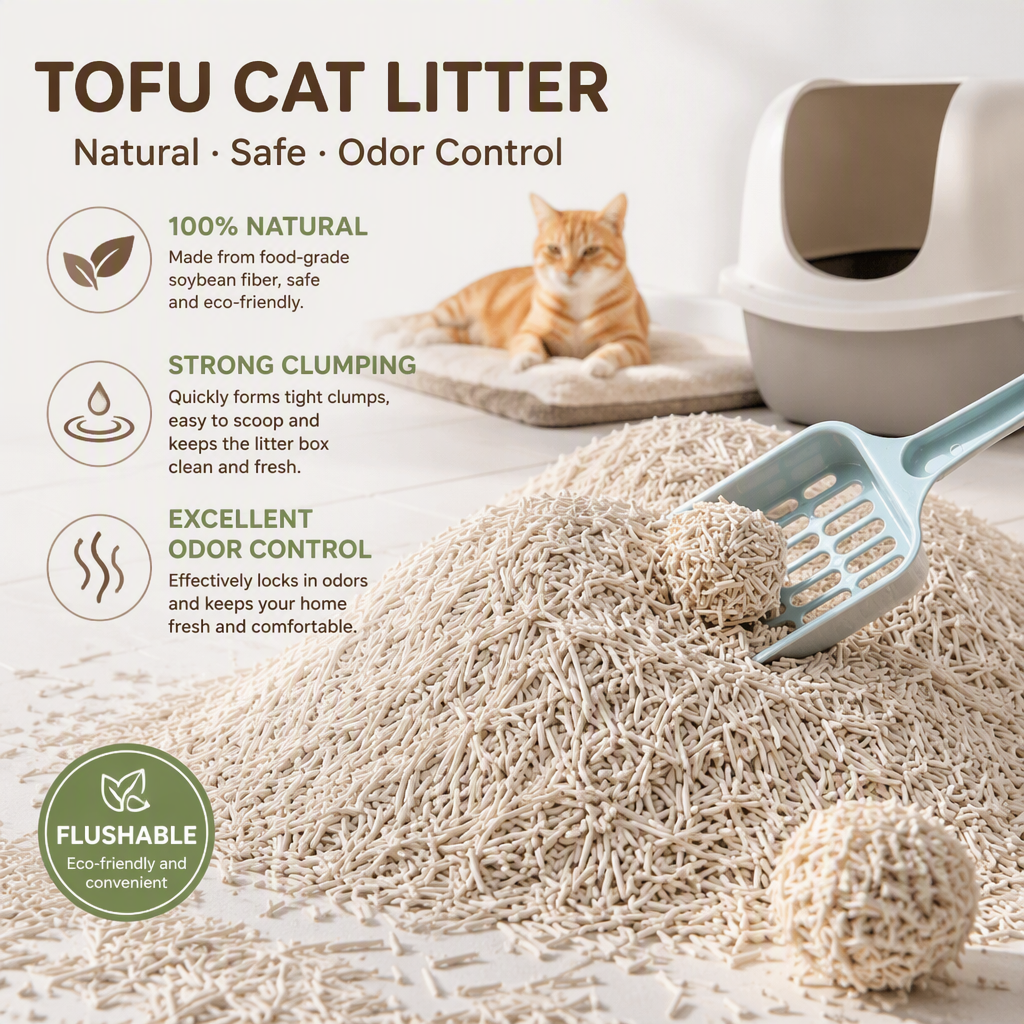
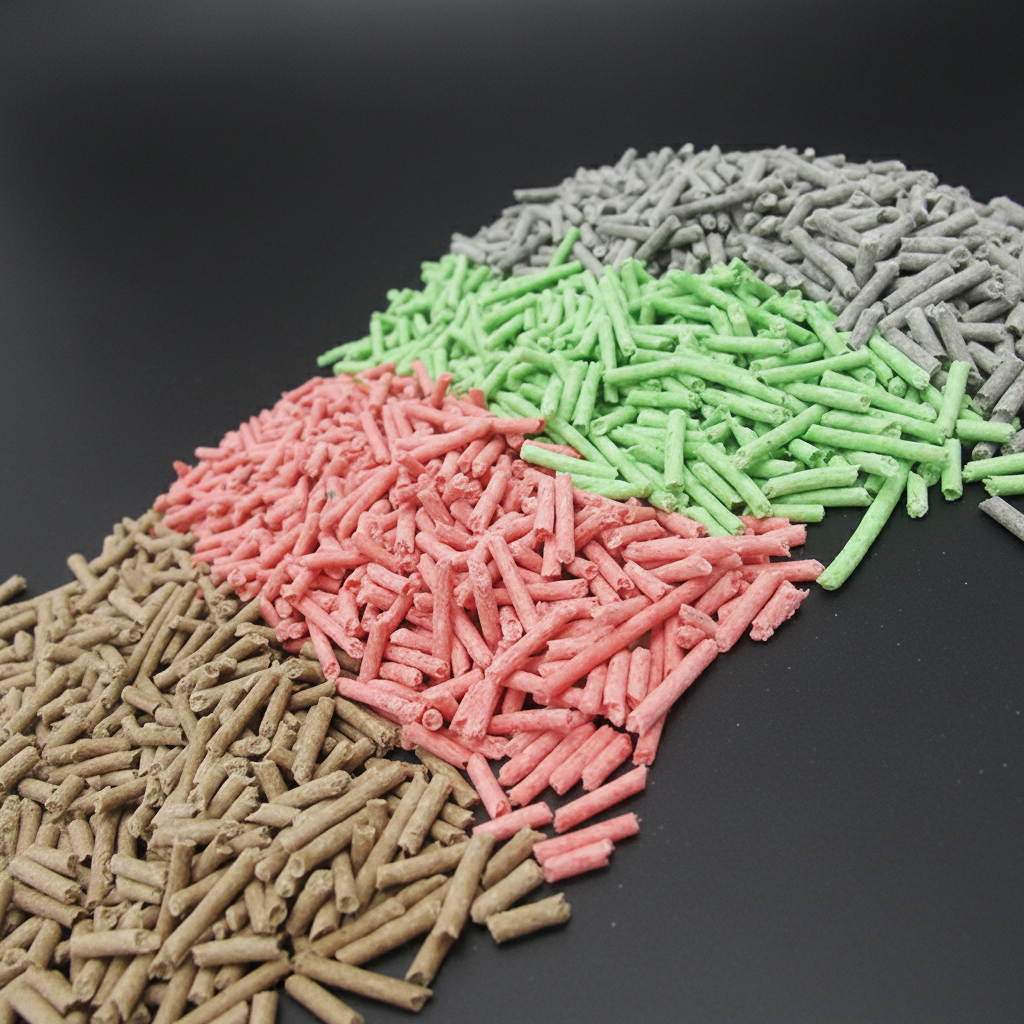
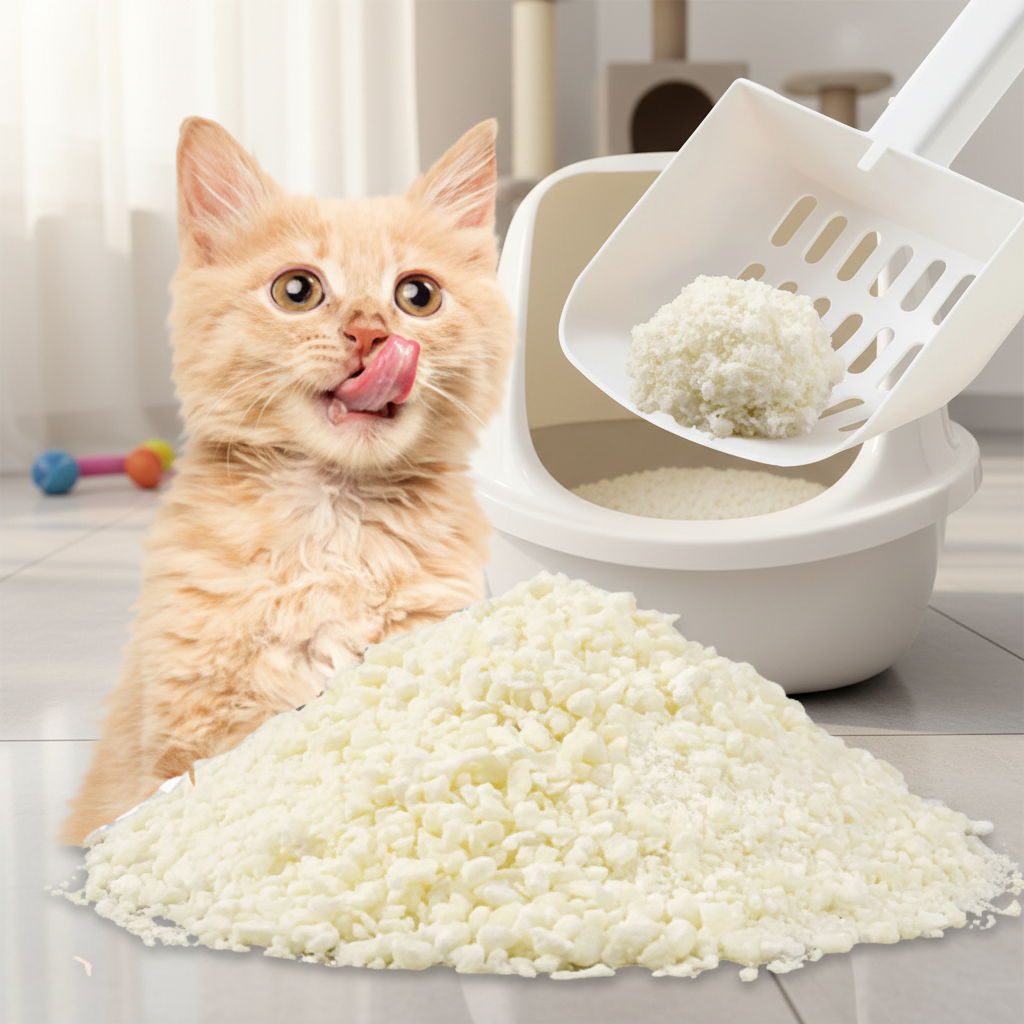
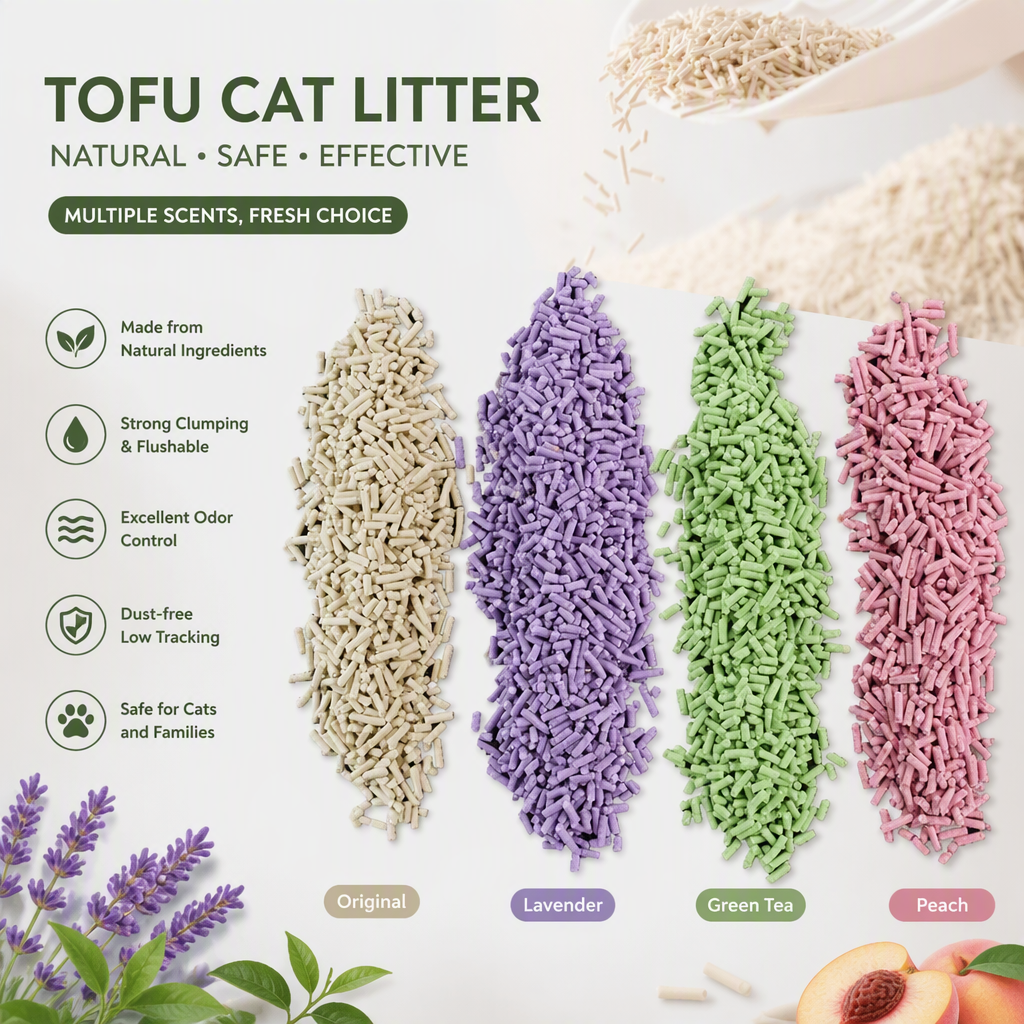
7,500 m²
Integrated Facility Footprint
99.9%
Five-Stage Dedusting Rating
400 Bags
Flexible Private Label MOQ
3.0 Sec
Hydrophilic Clump Binding
Strategic Logistics & Consumption Realities in the Łódź Metropolitan Node
The Voivodeship of Łódź occupies an exceptional position within Poland’s expanding pet retail landscape. Situated directly at the intersection of major trans-European transit arteries (the A1 North-South motorway and the A2 East-West trans-continental highway), Łódź has evolved beyond its textile heritage into the undisputed freight handling capital of Central and Eastern Europe (CEE). For cat litter importers, wholesalers, and fast-growing pet product labels, accessing the Łódź distribution corridor implies lower inland shipping costs to major population centers including Warsaw, Wrocław, Poznań, and Kraków. However, distributing clumping bentonite and high-performance hybrid litters within this territory requires navigating distinct local consumer behavioral patterns and operational logistics constraints.
"Local distribution economics in Łódź demand a calculated balance between bulk weight freight efficiency and apartment-level functionality. With high apartment density in districts like Bałuty, Śródmieście, and Widzew, end-consumers prioritize clumping speed and strict dust control over traditional raw bulk clay weight."
Modern Polish households in urbanized municipal sectors increasingly consider cats full family members, giving rise to an accelerated humanization of pet products. Traditional sodium bentonites, historically favored for raw cost considerations, face mounting scrutiny from urban pet parents. Apartment living creates unique consumer pressures: enclosed living spaces quickly trap airborne silica dust particles and magnify volatile organic amine odors resulting from bacterial degradation in unscooped trays. Consequently, professional distributors in the Łódź market are systematically transitioning from standard calcium bentonites toward dust-extracted sodium montmorillonite formulas or next-generation bentonite-plant hybrid matrices that significantly reduce litter box tracking across polished hardwood and laminate flooring.
Material Performance Matrix: Sourcing Benchmark for Polish Buyers
When selecting SKUs for national or regional Polish retail distribution, supply-chain procurement teams must evaluate structural clumping physics, transport mass margins, and environmental trade-offs:
| Evaluation Parameter | Standard Sodium Bentonite | Mixed Bentonite-Tofu Hybrid | Pure Plant (Cassava/Tofu) |
|---|---|---|---|
| Hydration Binding Time | 5.0 to 12.0 Seconds | 3.0 to 5.0 Seconds | 2.0 to 3.5 Seconds |
| Clump Compressive Rigidity | High (Clay Solidification) | Exceptional (Polymer Interlocking) | Firm (Starch Cross-linking) |
| Bulk Density (g/cm³) | 0.85 – 0.95 g/cm³ | 0.50 – 0.60 g/cm³ | 0.42 – 0.48 g/cm³ |
| Dust Index after Transport | 1.5% to 3.0% (Attrition prone) | < 0.2% (De-dusted) | < 0.1% (Fiber bounded) |
| Inland Road Freight Cost / Pallet | Baseline Cost (+35% heavier) | Optimized (-25% weight) | Lowest Shipping Cost / Volume |
| Post-Use Disposal Channel | Municipal Landfill (Black Bin) | Landfill / Controlled Composting | Bio-waste / Select Flushable SKUs |
SGS Verified Capabilities
Standardized Chinese Manufacturing with European Oversight
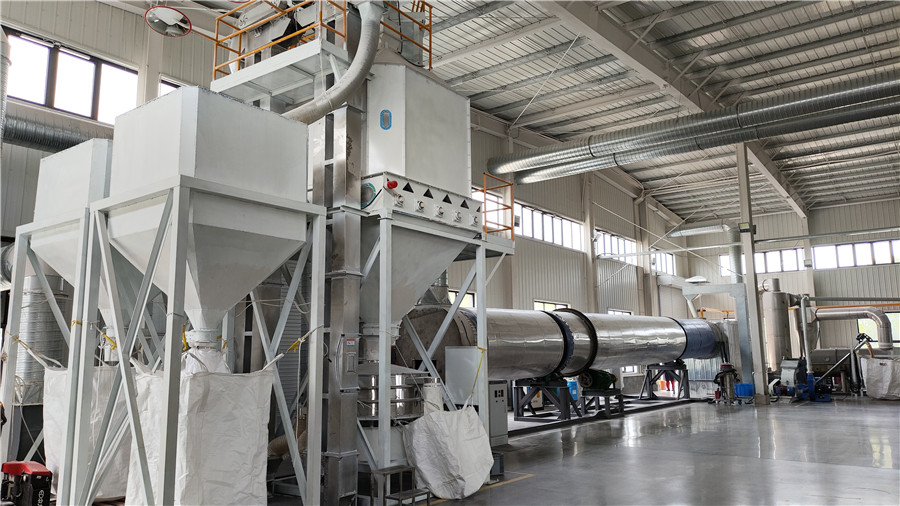
Operating from an audited 7,500 m² factory compound in Dongying, Shandong, Dongying Brumel Pet Products Co., Ltd. resolves the trade deficit in high-stability pet hygiene commodities. Our plant utilizes automated positive-pressure extraction lines, reducing particulate fines under 20 microns to near zero.
- Zero-gap batch consistency verifying moisture retention below 10%.
- Comprehensive tensile packaging tests safeguarding against maritime seal fractures.
- Full compliance with EU raw material handling directives and chemical safety standards.
Factory Verifiable Value
Why Tier-1 Importers Partner with Dongying Brumel
Combining primary mineral and botanical raw material sourcing with certified production processes to ensure supply chain resilience for international brands.
SGS-Verified On-Site Plant
Verified by SGS on-site inspections covering structural engineering, floor storage layout, and raw material throughput capacity, ensuring reliable, large-volume execution without factory misrepresentation.
Full OEM/ODM Formula Tuning
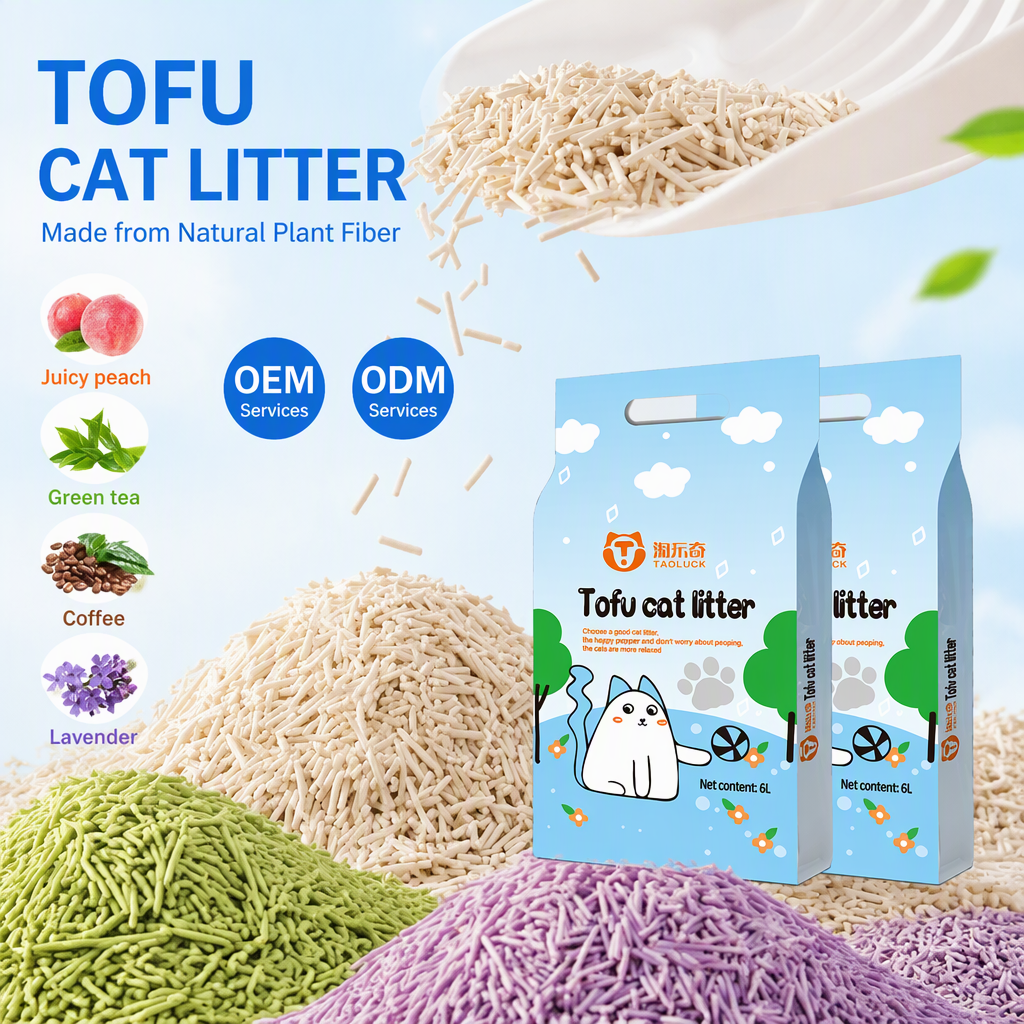
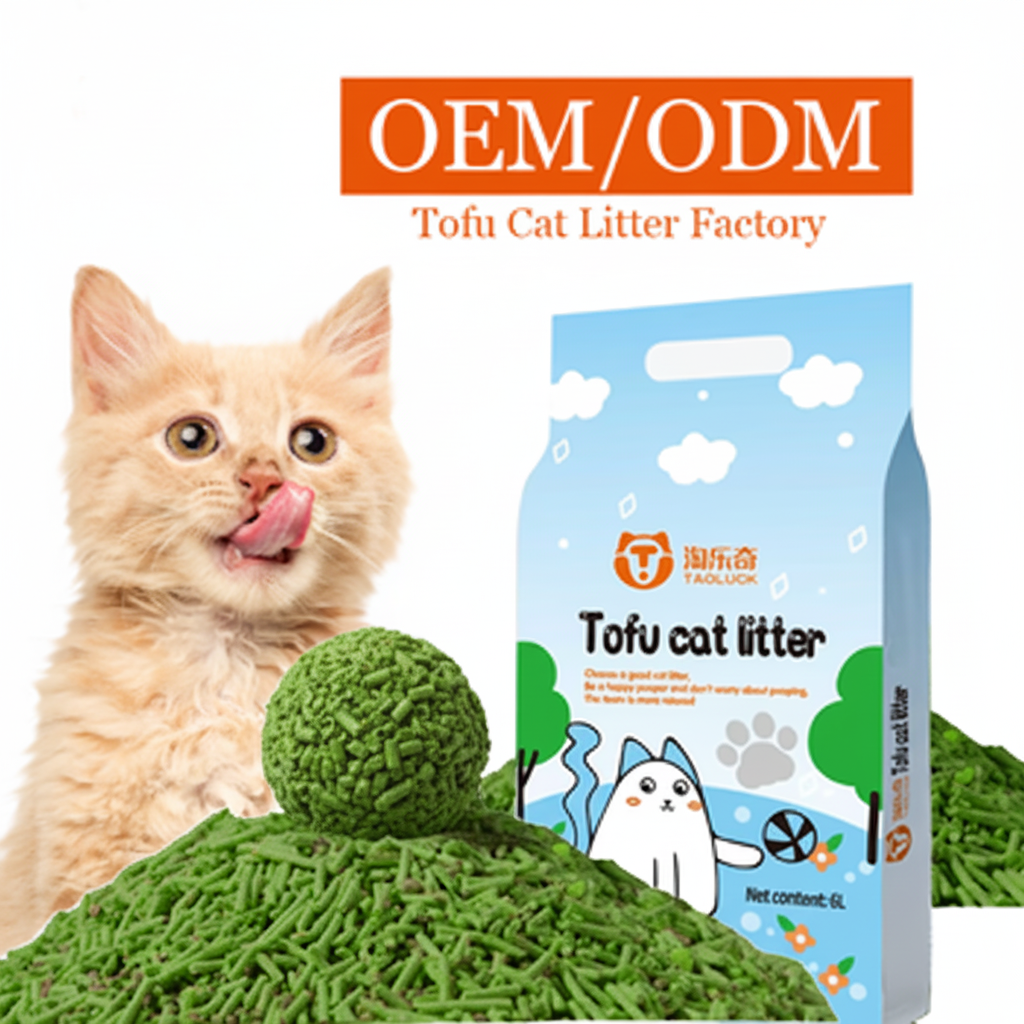
We tailor specific clumping speeds, color variations, custom scents (lavender, green tea, baby powder), and custom packaging styles (vacuum polybags, side-gusset carry bags, corrugated mailer boxes).
Rapid Sample & 400-Bag Trial MOQ
Test physical absorption, dust levels, and clumping behavior in your own laboratories before volume runs. Our 400-bag entry threshold enables controlled market testing without tying up working capital.
Procurement Directives
Frequently Asked Questions by Polish & CEE Importers
Technical guidance covering transit, tariff harmonization, moisture mitigation, and distribution mechanics.
How are maritime humidity and condensation managed on shipments into Gdańsk/Gdynia?
Ocean container shipping passing through equatorial belts into northern Europe is vulnerable to cargo sweat. Brumel uses thick, heat-sealed co-extruded packaging bags, loaded with industrial clay desiccant packs across pallet tops. Liners prevent condensation from penetrating outer cartons during cold-season discharge into Baltic sea terminals before rail or road transshipment to Łódź.
What is the standard HS code classification for your clumping bentonite and hybrid litters?
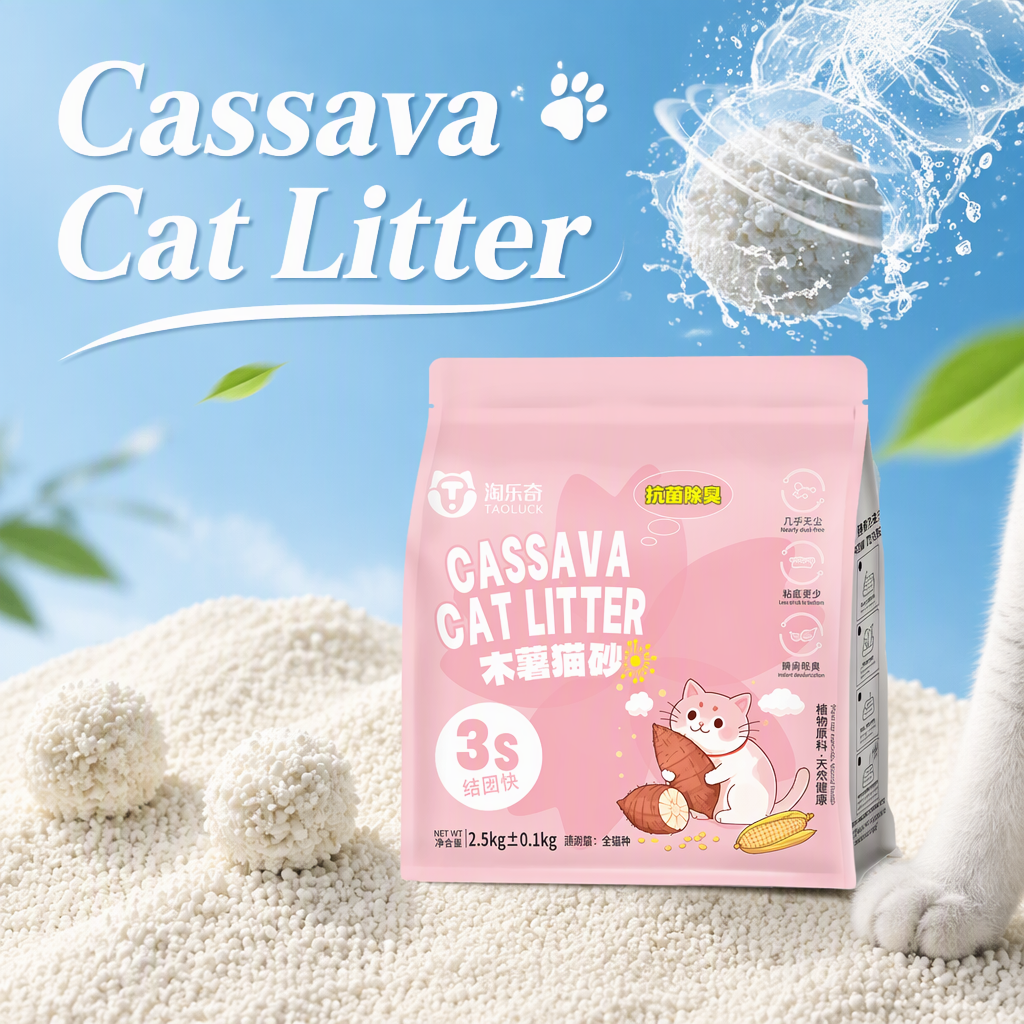
Standard clumping bentonite falls under HS Code 2508.10.00 (Bentonite, whether or not calcined). Mixed bentonite-tofu or plant-derived cassava litters are commonly classified under HS Code 1404.90.00 (Vegetable products not elsewhere specified or included) or HS Code 2309.90. We supply comprehensive commercial invoices, packaging declarations, certificates of origin, and complete technical data sheets (TDS) for clearance through Polish Customs.
Can Brumel match Polish-language retail bag design and European packaging waste compliance?
Yes. We provide complete OEM printing services for both flexible polybags and rigid corrugated boxes. Our pre-press design department handles Polish typographical layouts, product claim validation, EAN-13 barcodes, and green-point recycling indicators (BDO compliance indicators). Pre-production proofs are verified digitally before plate engraving.
What is the delivery lead time to distribution platforms located in the Łódź logistics region?
Production cycles for initial customized private label runs average 20–25 days from final artwork confirmation. Ocean transit from Qingdao port to Gdańsk or Gdynia takes roughly 32–38 days depending on shipping route, followed by 2–3 days for customs processing and road transport to warehouses around Stryków, Piotrków Trybunalski, or central Łódź.
Direct Factory Communication
Secure Sourcing Allocations for the Polish Market
Partner with an SGS-verified manufacturer to stabilize your product line, lower logistics weight margins, and deliver reliable, low-dust clumping performance for your retail partners across Poland and the wider CEE network.