High-Performance Clumping Cat Sand SKUs for the Chicago Market
Engineered with rapid starch agglomeration, food-grade okara fiber, and 99.9% dust-free screening. Tailored for containerload delivery to Midwestern distribution centers.
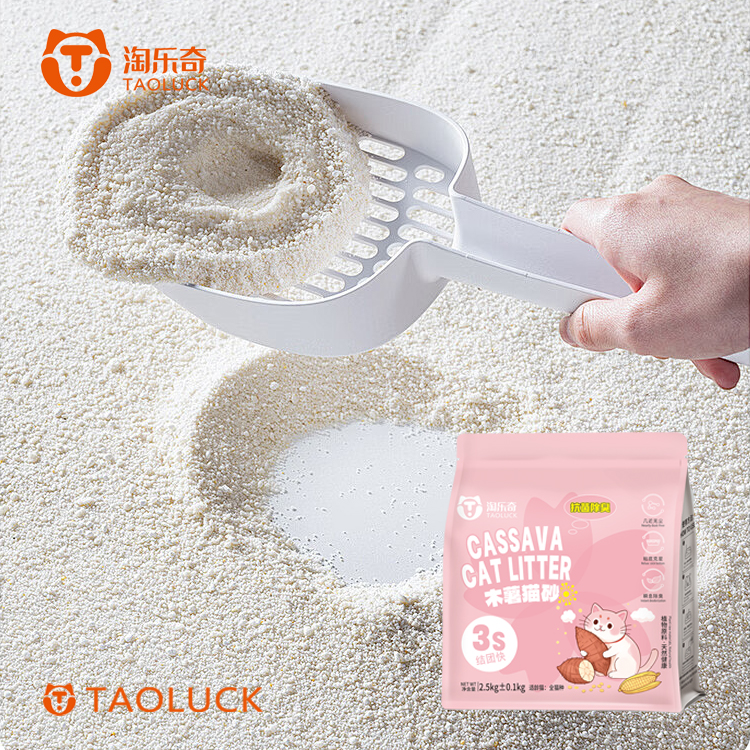
Ultra Absorbent Cat Litter Low Tracking Eco-Friendly Strong Clumping Odor Control Premium Dust Free Cassava Cat Litter
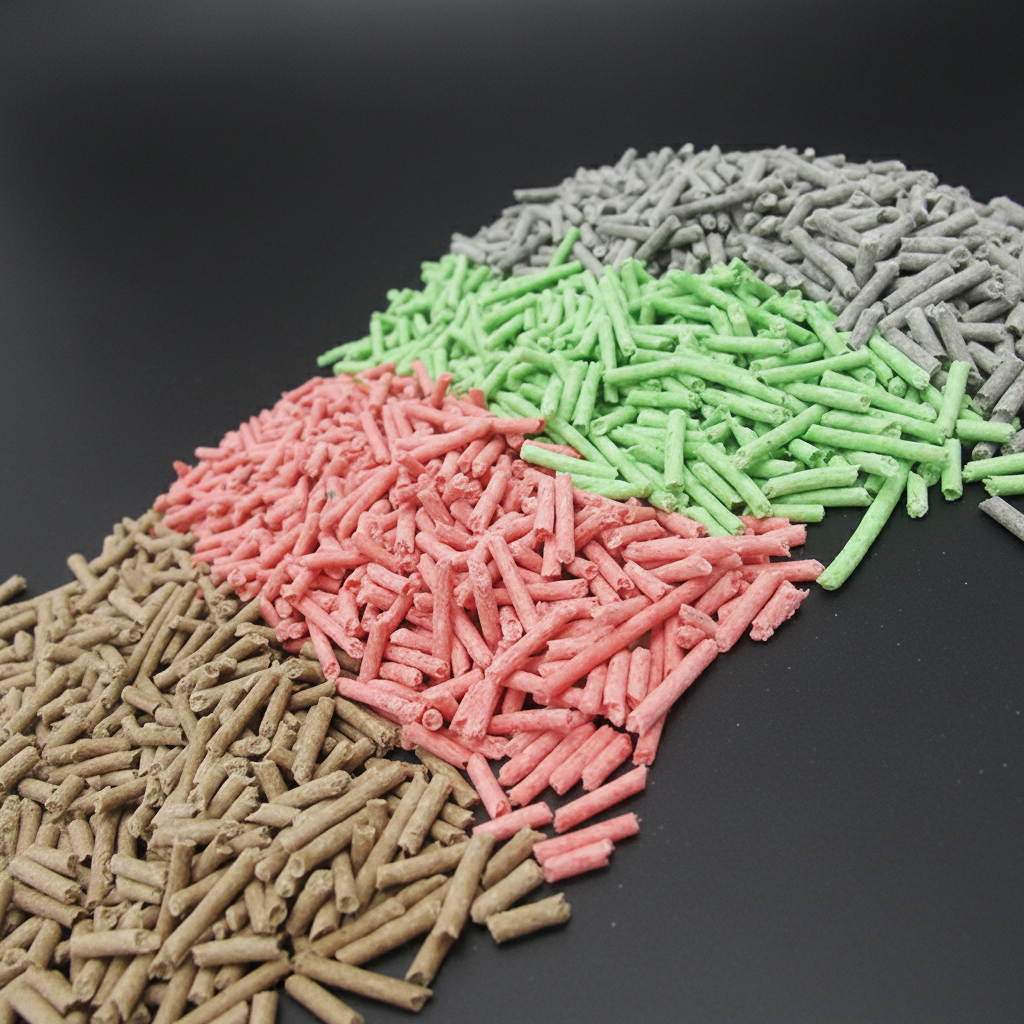
TAOLUCK High Absorption Efficient Deodorant Soluble Dust-free Biodegradable Lavender Scent Flushable Strip Shapes Corn Tofu Cat
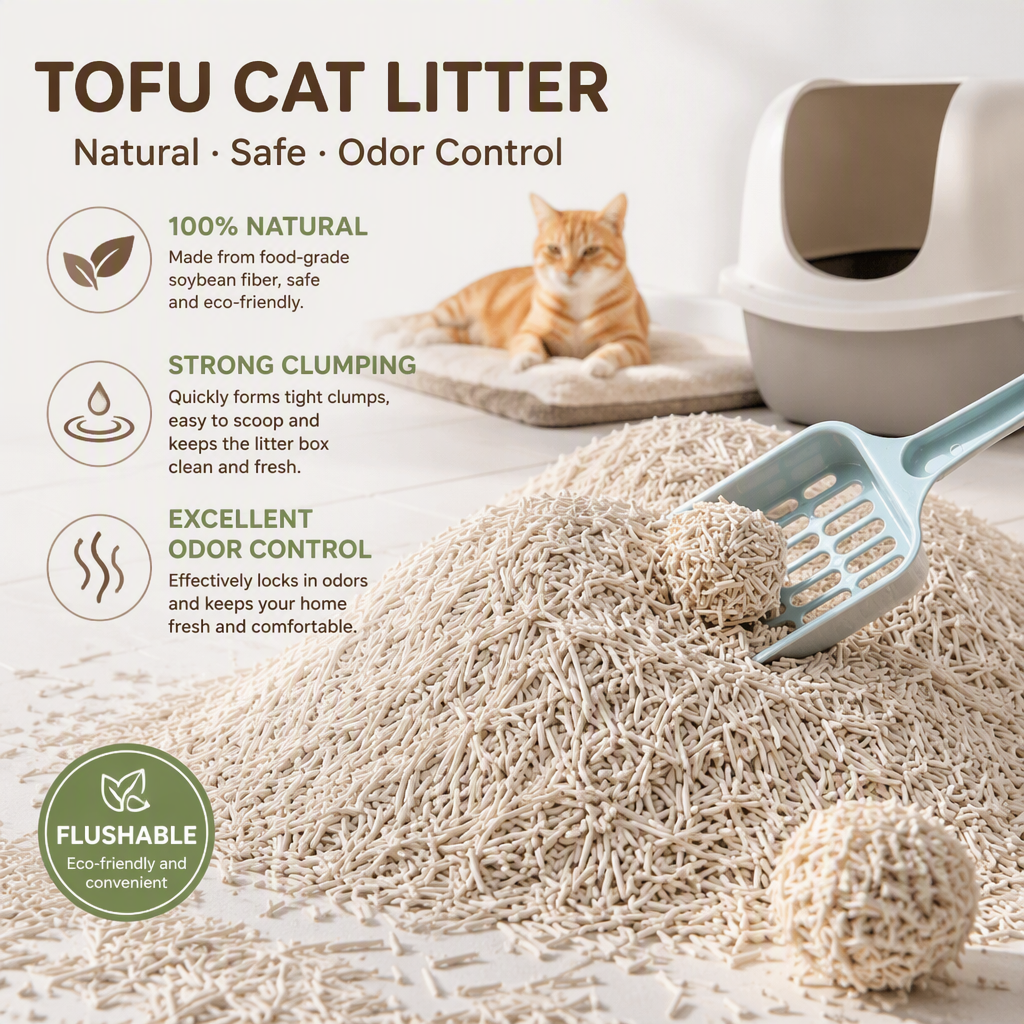
Factory Wholesales Cat Litter Natural Strong Clumping Flushable 2.5kg Cat Litter Dust-Free Low Tofu Cat Litter
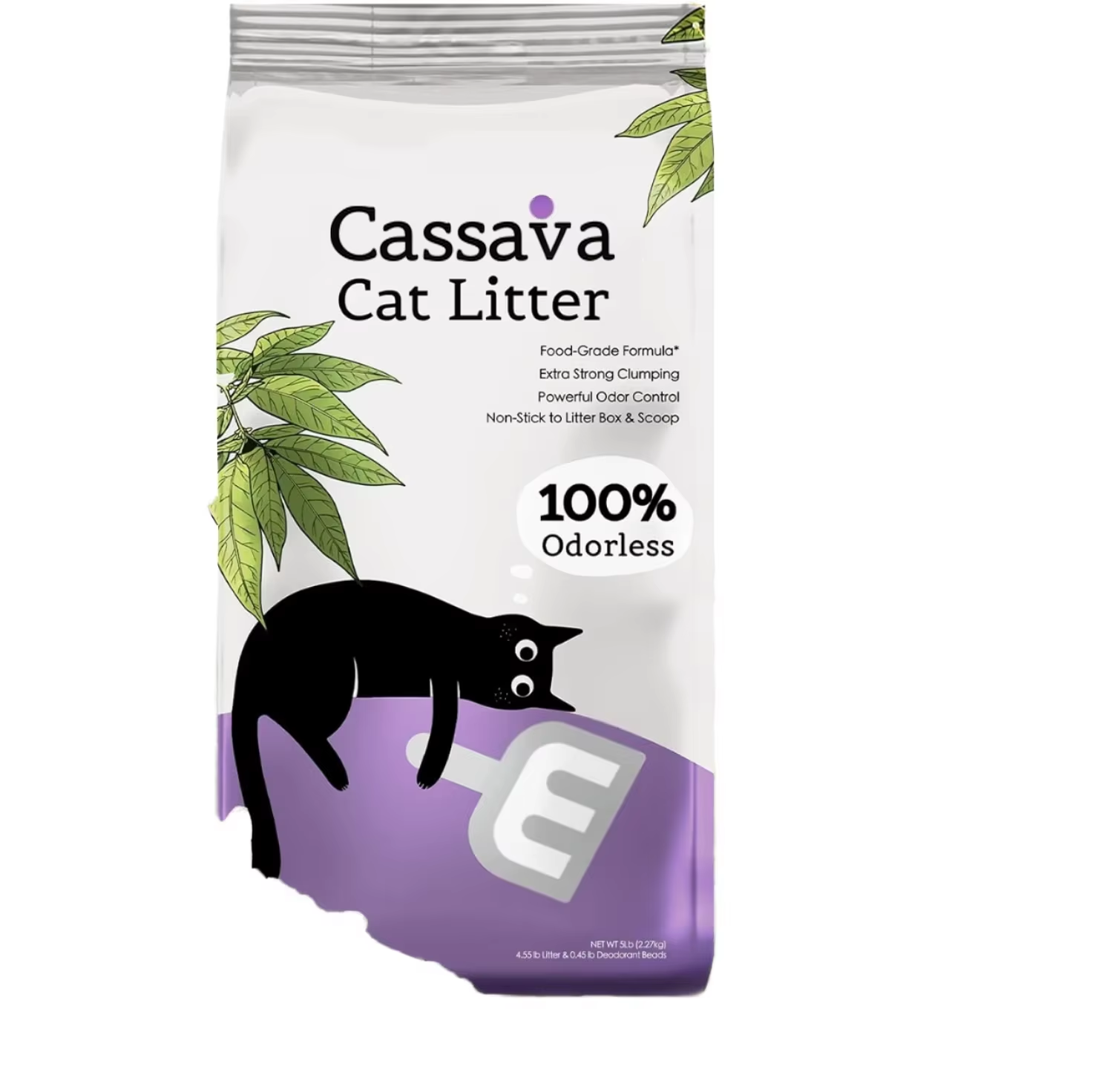
Wholesale Supply Eco-Friendly Natural Biodegradable Cassava Cat Litter Strong Odor Control Fast Clumping Highly Adsorbent Long
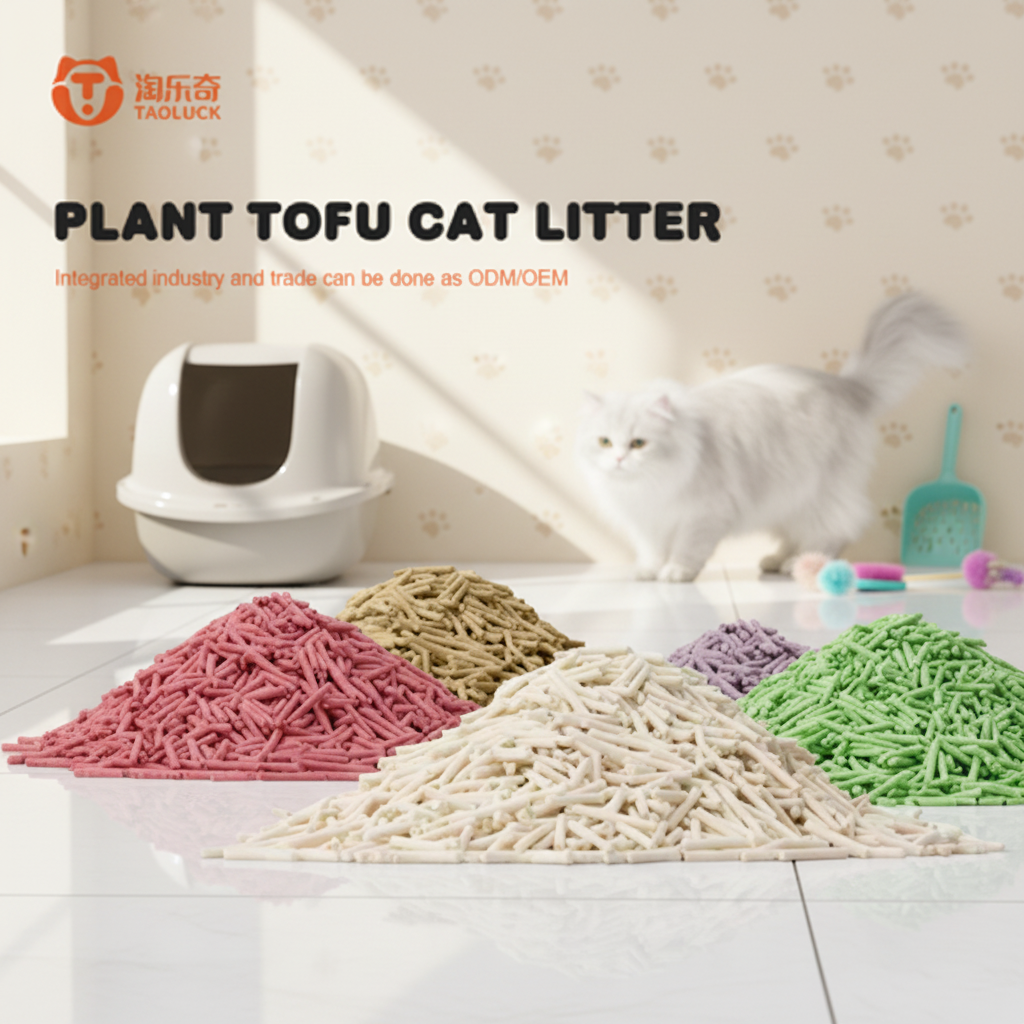
OEM/ODM Tofu Clumping Litter Lemon Scent Tofu Cat Litter Pink 6L Fast Water Absorption Crystal Cat Litter
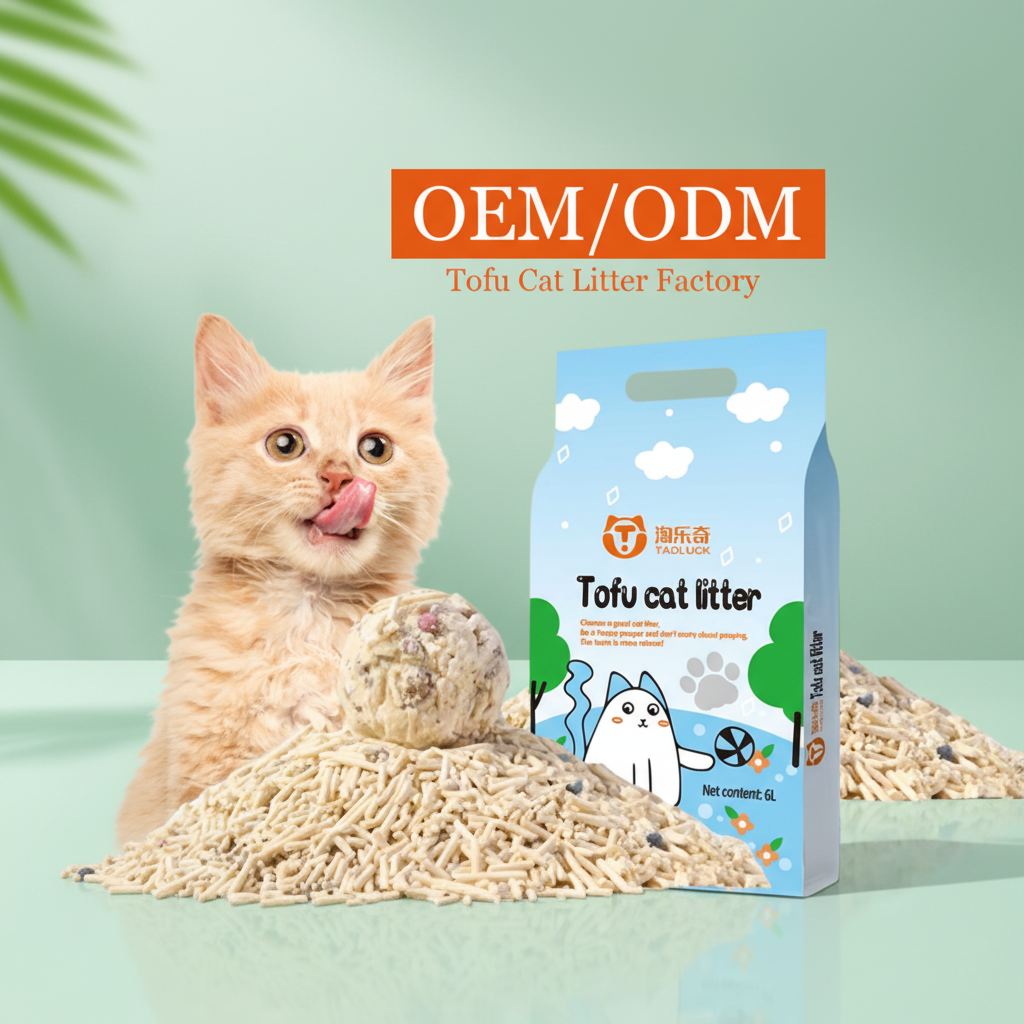
2026 Tofu Cat Litter Original Flavor Low Dust Clumping Cat Sand Custom Packaging Flushable Pet Litter
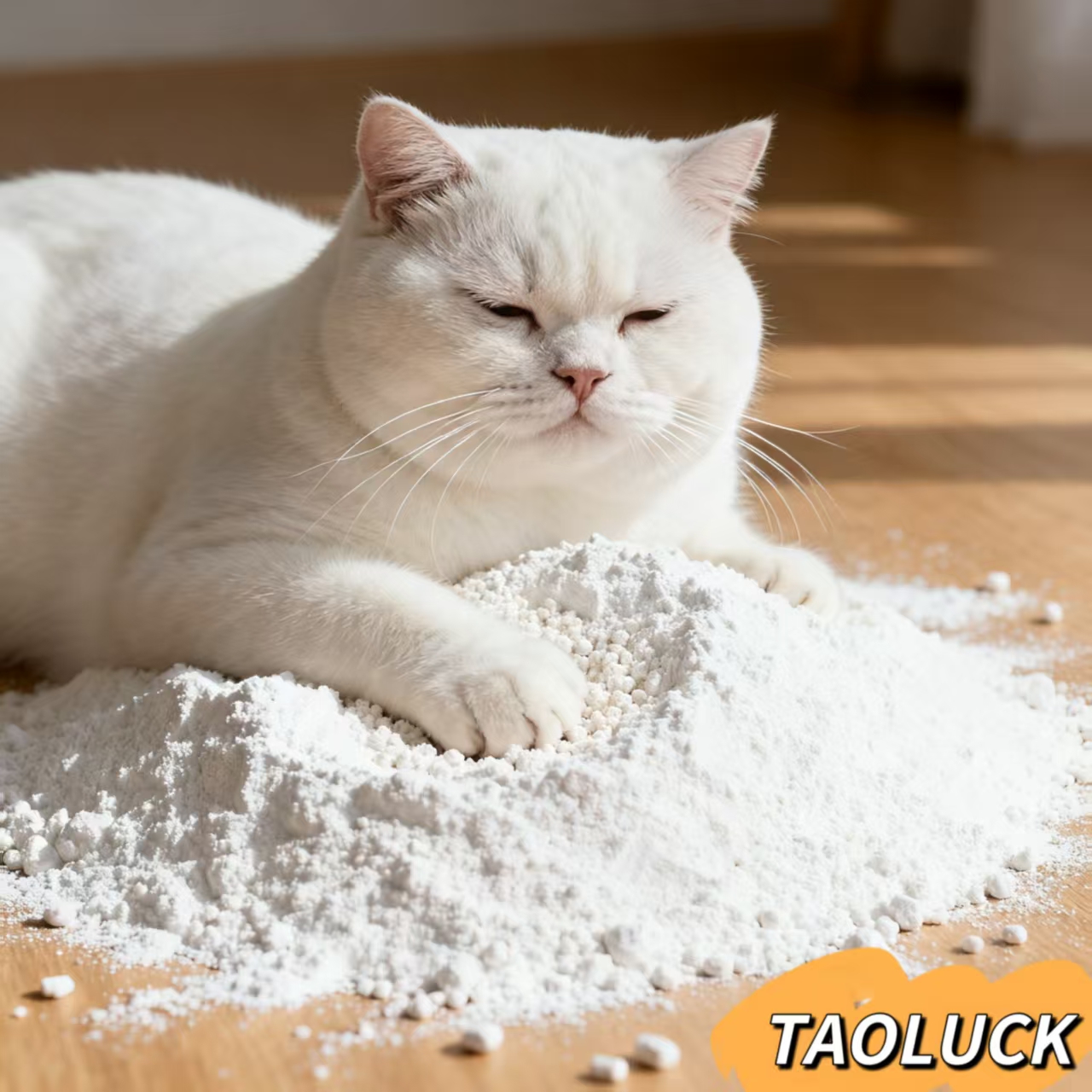
Dust-Free Tapioca Cat Litter 2.5kg Small Spherical Pellets Rapid Clumping Cassava Granules Private Label Packaging
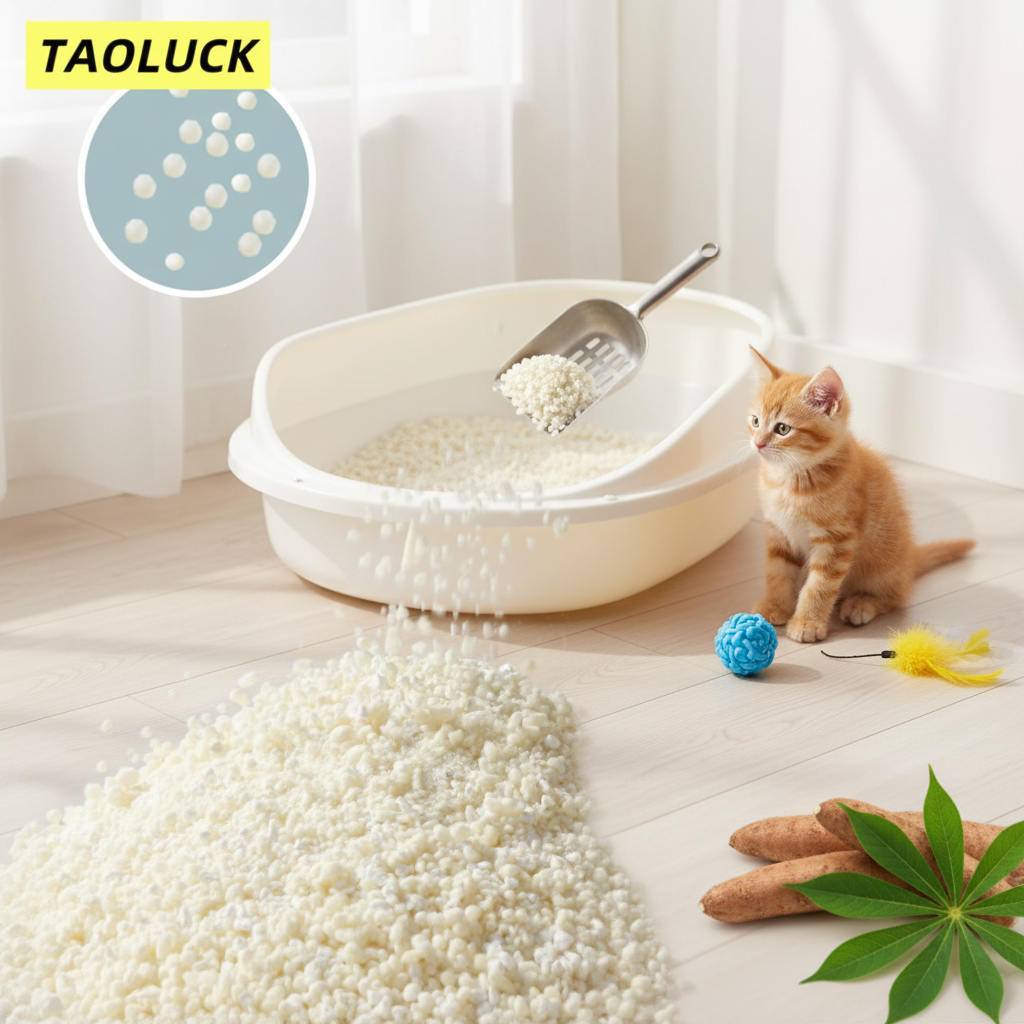
OEM & ODM 5L 6L Natural Ingredients Cat Litter Sand Reusable Quick Clumping No Shedding Eco-Friendly Cassava Cat Litter for Pet
Clumping Cat Sand Factories & Suppliers in the Chicago Market: Macro Logistics, Granule Rheology, and Sustainable Retail Transformation
The pet supplies sector across the greater Chicago metropolitan statistical area—encompassing Cook, DuPage, Lake, and Will counties—is witnessing an unprecedented structural shift in feline litter consumption. Driven by higher household pet densities in urban cores like River North, West Loop, Lakeview, and Lincoln Park, the traditional preference for heavyweight sodium bentonite clay is facing strong headwinds. Midwestern consumers and independent pet chains are aggressively moving toward high-performance, plant-based clumping alternatives, predominantly manufactured from food-grade soybean curd residue (okara) and high-amylopectin cassava starch.
For B2B procurement directors, brand owners, regional distributors, and e-commerce aggregators operating within the Midwest logistics corridor, evaluating cat litter factories requires evaluating beyond FOB port quotations. A thorough audit demands understanding intermodal rail reliability through Chicago's CenterPoint Intermodal Center in Joliet, granule stability during severe sub-zero winter storage, particulate suspension rates under forced-air heating, and residential municipal waste compliance. Dongying Brumel Pet Products Co., Ltd. provides direct manufacturing capabilities to supply the Chicago market with sustainable, SGS-verified clumping cat sands that meet commercial, environmental, and margin objectives.
Plant Starch Agglomeration
Unlike traditional clay relying on non-renewable strip mining, cassava and tofu sand leverage natural gelatinization, forming ultra-dense clumps without synthetic binders or crystalline silica.
Midwest Intermodal Advantage
Direct ocean-rail routing via Pacific Northwest or Southern California corridors into BNSF/Union Pacific logistics hubs allows seamless 40HQ container destuffing right in Chicagoland.
Third-Party Audited Quality
Our 7,500 m² workshop has been inspected on-site by SGS Group, verifying automated batch processing, precise moisture retention levels (≤10%), and batch-to-batch dust filtration guarantees.
Material Science & Granule Rheology: Cassava vs. Tofu vs. Bentonite Clay
From an engineering perspective, clumping efficiency is governed by liquid absorption velocity, mechanical clump crush strength, and moisture desorption isotherms. In commercial retail applications, poor agglomeration leads to base-pan adhesion, foul ammonia release, and excessive scooping waste. Our facility processes pure food-grade cassava roots and soybean fiber with precision granulation:
| Performance Criterion | Cassava Clumping Sand | Food-Grade Tofu Sand | Mixed Bentonite-Tofu | Standard Bentonite Clay |
|---|---|---|---|---|
| Hydration Velocity (30ml Saline) | < 2.8 Seconds | < 3.5 Seconds | < 4.0 Seconds | 6.0 - 12.0 Seconds |
| Clump Compressive Hardness | > 950 gf/cm² (Rock-Solid) | > 780 gf/cm² | > 880 gf/cm² | 650 - 800 gf/cm² |
| Respirable Dust (< 10μm) | < 0.1% (99.9% Dust-Free) | < 0.2% (Dust-Free Strip) | 0.8% - 1.2% | 3.5% - 7.0% (High Silica) |
| Bulk Density / Freight Mass | ~ 0.52 g/cm³ (Ultra-Light) | ~ 0.48 g/cm³ (Lightweight) | ~ 0.72 g/cm³ | ~ 0.98 - 1.15 g/cm³ (Heavy) |
| Midwest Apartment Suitability | Excellent (Zero residue tracking) | Superior (Flushable & odorless) | Balanced Hybrid | Poor (High tracking & heavy) |
| Carbon Footprint & Disposal | Compostable / Biodegradable | Water-soluble / Flushable | Municipal Solid Waste | Landfill Sole Option |
For Chicago retail brand directors, the bulk density advantage is financially significant. At ~0.50 g/cm³, plant-based cassava and tofu litters reduce container deadweight by nearly 50% compared to mineral bentonite. This allows brands to ship roughly double the volume per allowable road-weight limit across Illinois highways (80,000 lbs GVW), providing immediate savings on long-haul freight per usable litter day.
Localized Application Scenarios Across the Chicagoland Urban Footprint
Feline litter performance is directly shaped by the architectural and atmospheric realities of where it is used. Chicago's climate ranges from humid continental summers off Lake Michigan to bitterly cold, dry winters characterized by relentless indoor radiator heating. Commercial litters that perform well in temperate coastal climates often fail under these distinct local conditions:
High-Rise Multi-Family Units
Condo buildings along Michigan Avenue and the Loop feature tightly sealed HVAC systems. Airborne dust from clay litters circulates continuously through air ducts. Brumel's 99.9% dust-free cassava stops particulate recirculation dead in its tracks.
Radiator Winter Desiccation
Historic Chicago two-flats and vintage greystones rely on steam radiators that drop indoor relative humidity below 20%. Inferior corn or wood litters dry out and turn into fine powder. Our modified cassava starch preserves its cohesive matrix under extreme dry heat.
Lake Michigan Summer Humidity
July and August bring dense humidity that can cause open litter pans to mold or suffer structural clump breakdown. Brumel's vacuum drying and anti-fungal botanical treatments prevent microbial bloom inside high-humidity Chicago walk-ups.
Victorian Plumbing Systems
Vintage brick apartment buildings feature legacy cast-iron stack pipes. Clay litters cause catastrophic sewer clogs. Our flushable tofu litter breaks down into a completely water-soluble slurry within 60 seconds of aquatic immersion.
Emerging Supply Chain Trends in the Chicago & Midwest Pet Retail Ecosystem
Direct interviews with pet supply category managers in the Chicago market reveal several defining shifts shaping inventory procurement for the next 3 to 5 years:
1. Aggressive Expansion of Premium Private Labels
Independent pet boutique cooperatives (across neighborhoods like Bucktown, Wicker Park, and Andersonville) as well as multi-door regional chains across northern Illinois are shifting away from national clay brands that offer low gross margins (<18%). By partnering directly with Brumel for OEM / ODM private label plant-based cat litter, retailers capture retail margins exceeding 55%, while building customer loyalty with exclusive, sustainable product lines.
2. The Anti-Silica and "Clean Air Home" Consumer Movement
Millennial and Gen-Z pet owners—who represent over 62% of downtown Chicago feline adopters—view their pets as family members. Awareness surrounding the risks of crystalline sodium bentonite dust (including feline asthma and human respiratory irritation) is at an all-time high. Search volume for "dust free cat sand supplier" and "flushable cat litter Chicago" has grown by 142% year-over-year. Clean, edible-grade ingredients like cassava and soybean curd fiber are now strong marketing differentiators on the retail shelf.
3. Freight Consolidation via Joliet Intermodal Rail Depots
The supply chain backbone for Chicago imports relies on container transit through Pacific coastal ports (Long Beach, Oakland, Tacoma) straight to Chicago via Class I rail lines (Union Pacific, BNSF, Norfolk Southern). Brumel simplifies this routing with rigorous container-loading protocols: 40HQ containers are palletized or floor-loaded with heavy-duty desiccants and reinforced stretch-wrap to withstand temperature fluctuations across rail journeys over the Rockies into the Chicago plains.
Why Global Brands Source From Dongying Brumel Pet Products
Dongying Brumel Pet Products Co., Ltd. is not a middleman trading desk; we are an established source factory located in the agricultural industrial base of Shandong, China. Built on a comprehensive 7,500 m² operating facility, our production capability has been verified on-site by SGS Group. When Chicago buyers partner with Brumel, they secure end-to-end quality control directly from the raw botanical input to the retail-ready carton.
SGS On-Site Audited Workshop
Our facility, mechanical equipment, employee safety protocols, and QA labs undergo rigorous third-party auditing, ensuring full compliance with international consumer goods manufacturing standards.
Comprehensive Customization
From 1.5mm to 3.0mm strip shapes, crushed sand forms, and spherical pellets to custom aromas (lavender, peach, green tea, activated charcoal), our team formulates to your market's exact preferences.
Agile 400-Bag Low MOQ
We eliminate high minimum order hurdles. Chicago businesses can pilot customized private label SKUs from just 400 retail bags, reducing capital risk and accelerating market validation.
Five-Stage Integrated Quality Control Protocol
- Raw Material Incoming Inspection: Every batch of soybean okara, cassava starch, and corn meal is lab-screened for moisture content (<12%), aflatoxin levels, and structural purity before entering processing.
- High-Temperature Steam Extrusion: Raw fibers undergo thermo-mechanical gelatinization, effectively pasteurizing the product and creating porous micro-capillaries that absorb moisture instantly.
- Multi-Frequency Dedusting & Screening: Granules pass through continuous vibrating screen filters and negative-pressure air ducts to remove breakages and fine dust down to <0.1%.
- Destructive Clumping Hardness Testing: Production batches are tested by dropping synthetic feline urine from standard heights, measuring clump formation within 3 seconds, and verifying drop shatter resistance.
- Hermetic Vacuum Sealing: Finished products are vacuum-sealed in four-side-seal foil bags with tear notches and degassing valves, safeguarding freshness during oceanic transit.
Frequently Asked Questions by Chicago Cat Sand Buyers
Direct, transparent answers regarding logistics, private labeling, plumbing compatibility, and order fulfillment.
Q1 How are ocean freight shipments handled from your factory to Chicago?
We coordinate FOB Qingdao/Tianjin or deliver DDP/CIF straight to your Midwest warehouse. Cargo typically enters the US through West Coast ports and moves by intermodal rail directly to the Chicago rail hubs (Joliet or Logistics Park Chicago). Total door-to-door transit averages 26 to 34 days.
Q2 Will plant-based cat litters spoil or grow mold during damp Chicago seasons?
No. Our extrusion process stabilizes raw starches, and our finished moisture content is kept under 9.5%. When stored in unopened vacuum-sealed bags, our tofu and cassava cat litters carry an audited shelf life of 24 months, even in humid lakeside storage.
Q3 Are tofu and cassava cat sands truly flushable under Chicago plumbing codes?
Yes. Tofu litter is made of water-soluble plant starch that disperses into a loose biodegradable slurry within seconds of water contact, allowing safe flushing for individual clumps. However, we always recommend verifying local apartment building waste rules, especially in older multi-unit properties with legacy cast-iron pipes.
Q4 What is the minimum order quantity for custom printed private labels?
Standard branded factory packaging starts at only 400 bags. For fully custom rotogravure or digital printed bags with your brand graphics, the MOQ is 2,000 bags per design. We provide pre-cut dielines and complete packaging design support.
Q5 How does cassava cat litter compare to bentonite in odor control?
While bentonite masks odors using synthetic perfumes, cassava litter works by rapidly encapsulating moisture and sealing nitrogenous ammonia inside tight starch clumps. This neutralizes odors naturally at the chemical level without releasing artificial fragrances.
Q6 Can we request lab samples before placing a commercial order?
Yes. We provide sample testing kits (including original, strip, and spherical granules in various scents) dispatched directly to your Chicago office via DHL/FedEx for clumping, dust, and dissolution evaluation.
Scale Your Cat Litter Brand in the Midwest Market
Direct factory prices, SGS-inspected facilities, and flexible OEM/ODM private labeling starting from 400 bags. Speak with our international trade specialists today to request technical data sheets, sample packs, or a personalized landed freight quote.