Cassava Starch
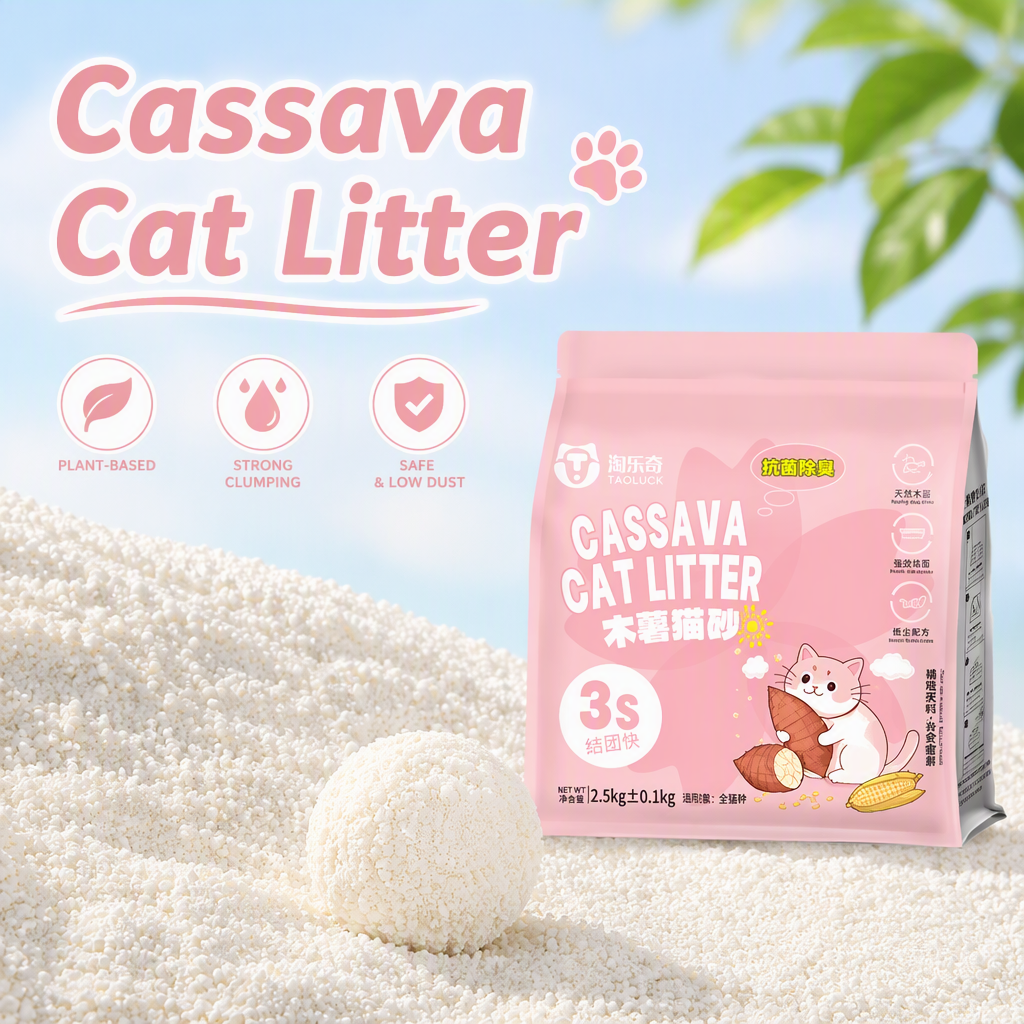
Natural Fragrance Dust Free Cassava Cat Sand
- Active Odor Adsorption Matrix
- Non-Stick Cassava Root Fibers
- Clumping Index: < 2.5 Seconds
Engineered for high relative humidity environments, instant ammonia entrapment, and rapid transshipment via the Port of Klaipėda.
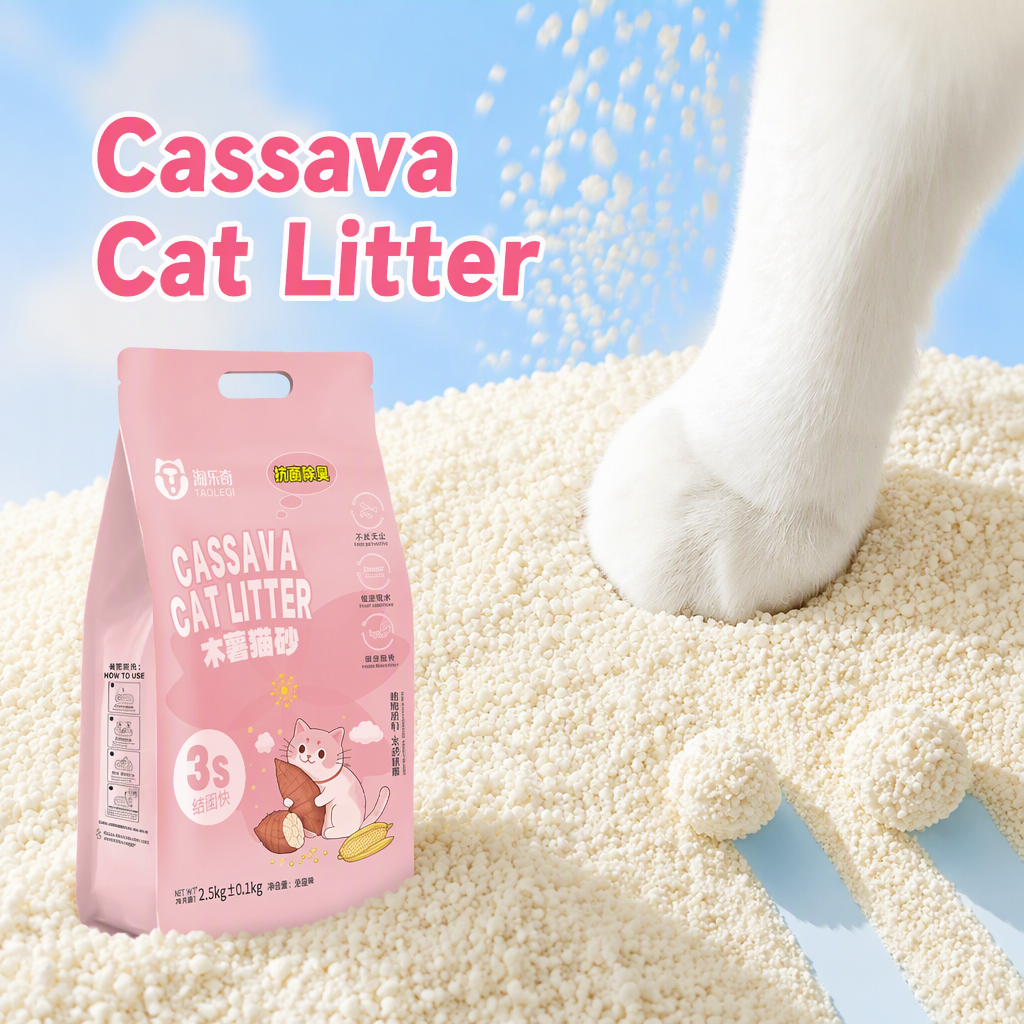
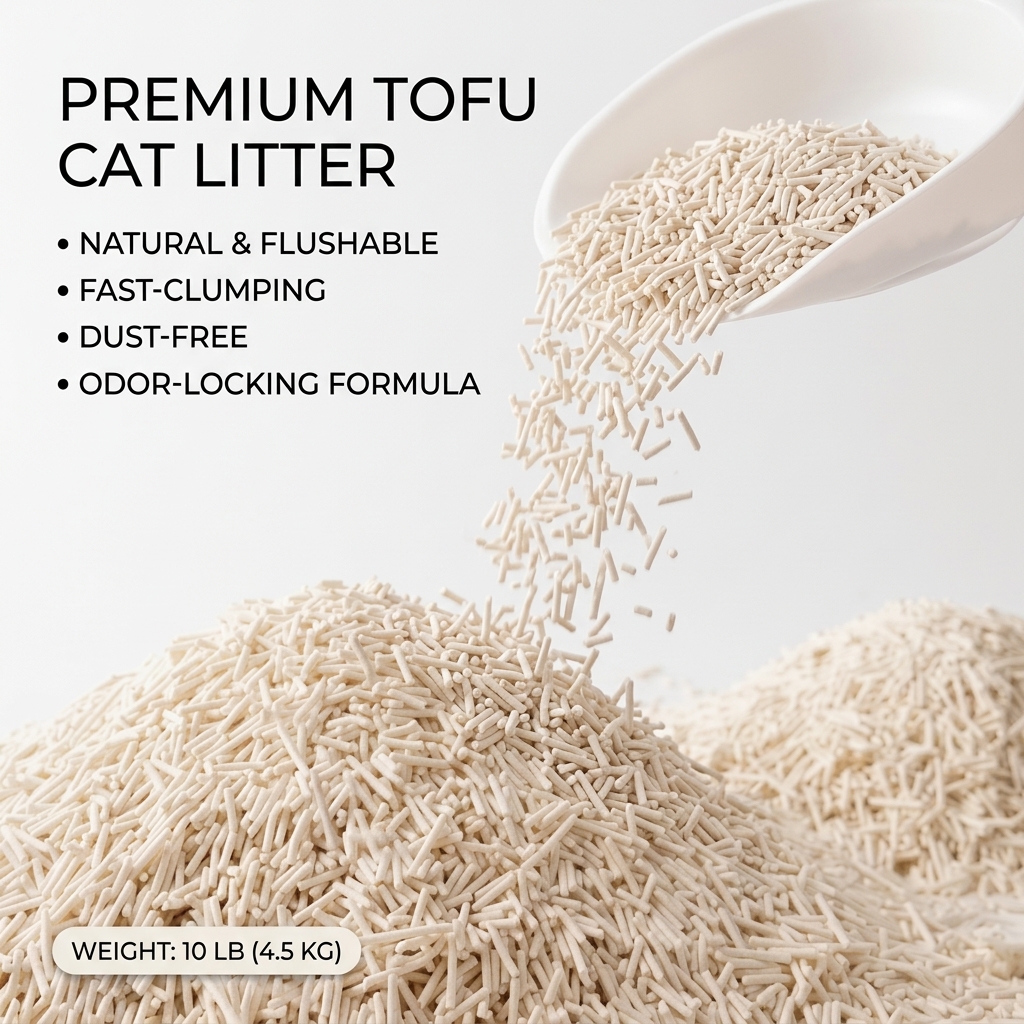
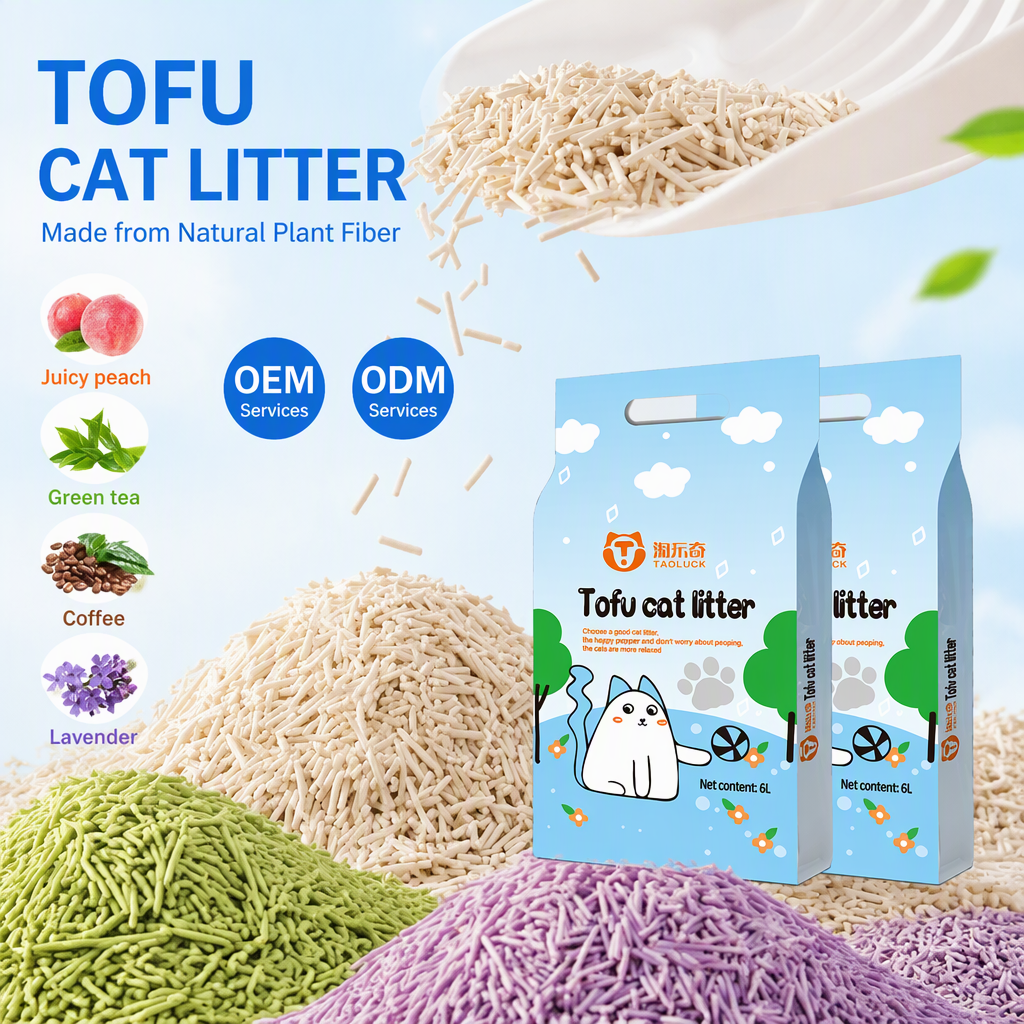
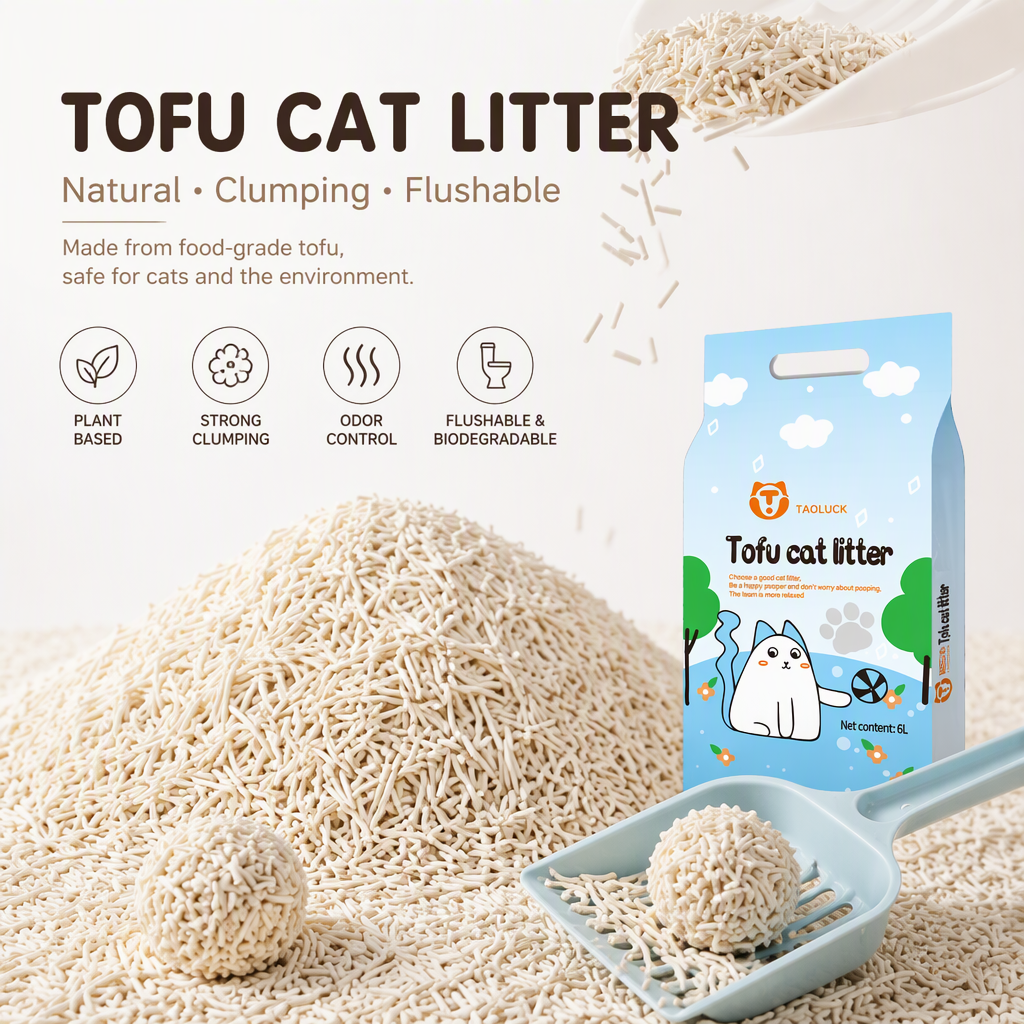
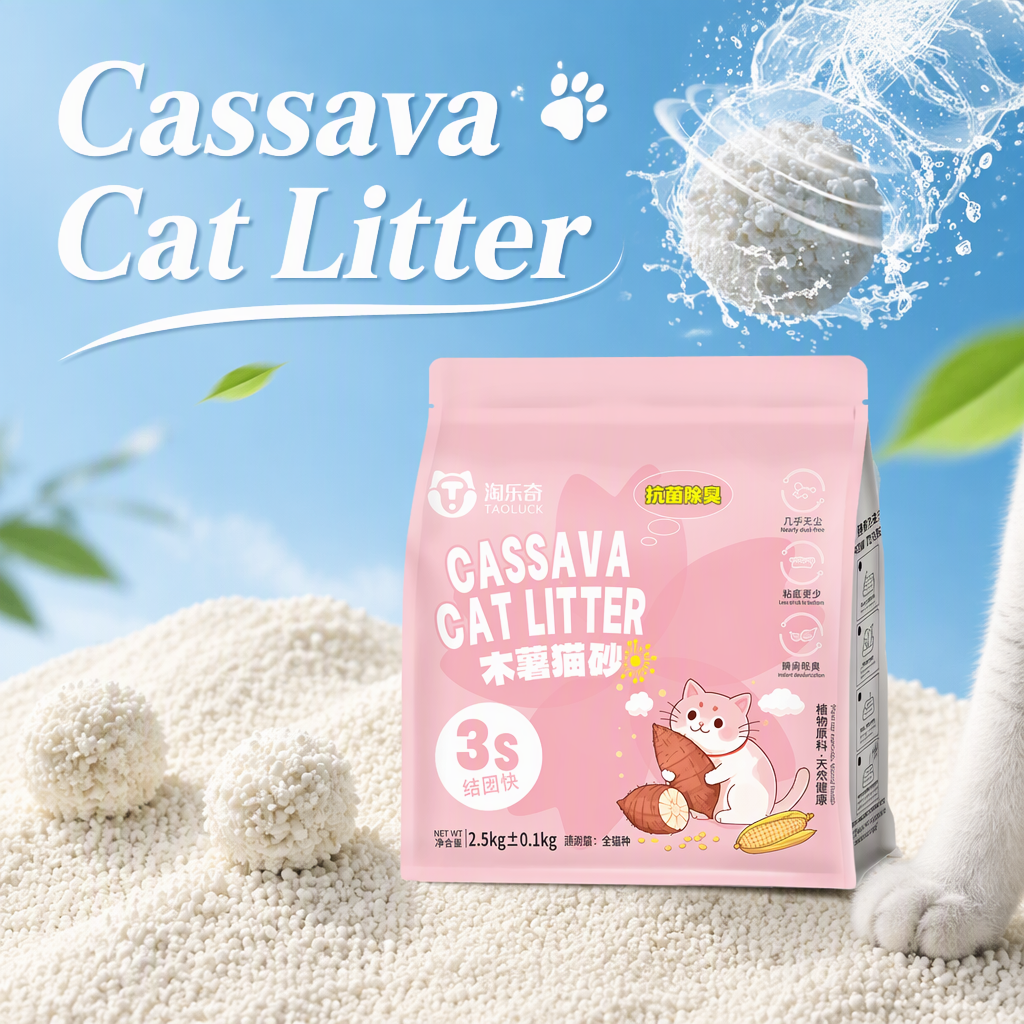
Situated along the Curonian Lagoon and the Baltic Sea, Klaipėda experiences a distinctive maritime climate characterized by prolonged periods of ambient relative humidity exceeding 78% to 88% throughout autumn and winter. For professional pet care distributors, retail chain procurement directors, and independent brand owners across western Lithuania, this coastal microclimate presents an acute physical challenge to standard cat litter formulations. Conventional sodium bentonite and mineral sepiolite litters operate through passive surface adsorption. When deployed in unconditioned coastal apartments or stored in port-adjacent distribution centers, mineral litters become pre-saturated with airborne moisture prior to feline excretion. This pre-saturation diminishes clump integrity, triggers sludge formation at the bottom of the litter pan, and decelerates dehydration kinetics.
In contrast, modern plant-based substrates manufactured by Dongying Brumel Pet Products Co., Ltd. utilize complex biopolymers derived from industrial soybean pulp (okara fiber) and purified cassava starch (Manihot esculenta). Rather than relying on simple hydrophilic physical adhesion, the high-amylose crystalline structures in our cassava litters undergo a rapid retrogradation process upon contact with feline urine. Liquid is bound within cross-linked polysaccharide chains within 3 seconds, forming a tight, hydrophobic boundary layer. This localized hydrogel prevents moisture from migrating downwards to the plastic tray base, effectively eliminating anaerobic biological decomposition where offensive ammonia gases thrive.
Furthermore, modern urban dwellings in Klaipėda—from historic renovated apartments in Senamiestis to newly developed energy-efficient A++ residential blocks in Melnragė and southern Klaipėda—rely on tightly sealed multi-pane glazing and heat-recovery mechanical ventilation. In these hermetically insulated living spaces, volatile organic compounds (VOCs), hydrogen sulfide (H₂S), and trimethylamine (feline urinary ammonia) cannot dissipate through natural drafts. Our deodorizing cat litter formulations counter this phenomenon through dual-phase odor neutralization: first, immediate mechanical micro-capillary trapping within porous extruded plant fibers; second, molecular complexation where botanical polyphenols chemically bind nitrogenous volatile molecules, permanently suppressing ambient odor emissions.
| Performance Parameter | Brumel Cassava Litter | Brumel Tofu (Strip/Crushed) | Standard Bentonite Clay | Silica Gel Crystal |
|---|---|---|---|---|
| Hydration Under 80% RH | Hydrophobic Barrier Resistant | Moisture-Regulated Core | Pre-saturates, loses cohesion | Rapid surface fogging |
| Clumping Velocity | 1.8 - 2.8 Seconds | 3.0 - 4.5 Seconds | 8.0 - 15.0 Seconds | Non-clumping (absorption only) |
| Ammonia (NH₃) Suppression | 96.8% at 24 Hours | 94.2% at 24 Hours | 71.5% at 24 Hours | 64.0% at 24 Hours |
| Airborne Dust Index (PM2.5) | < 0.1% (9-Stage Clean) | < 0.2% (Negative-Air Wash) | 2.4% - 5.8% (Respirable silica) | 1.2% - 3.0% (Crush dust) |
| Disposal / Circular Economy | Flushable & 100% Home Compostable | Flushable & Municipal Biowaste | Landfill Only (Inert mineral) | Landfill Only (Synthetic) |
Lithuanian municipalities adhere to stringent EU wastewater directives (Council Directive 91/271/EEC). In urban multifamily housing throughout Klaipėda, pet owners demand litters that can be flushed down domestic toilets without inducing blockages in aging sewer risers or municipal siphon piping.
As an ice-free deep-water port, Klaipėda serves as the premier multimodal transshipment corridor connecting Asian manufacturing powerhouses with Lithuania, Latvia, Estonia, and Scandinavian trade networks. Maritime shipping poses extreme thermal fluctuation risks.
The European pet care market is undergoing a structural paradigm shift driven by consumer sustainability mandates and stringent regulatory guidelines. In the Baltic region, Lithuania has emerged as one of the fastest-growing markets for premium and ultra-premium pet supplies. B2B procurement managers are recalibrating their SKU inventories based on three core structural trends:
1. De-Carbonization & The Decline of Strip-Mined Bentonite: Historically, bentonite clay held over 70% volume market share across Eastern and Northern Europe. However, environmental awareness regarding open-pit strip mining, high trans-continental freight emissions of heavy clay, and non-biodegradable landfill accumulation has triggered a massive consumer migration toward renewable agricultural byproducts. Plant-based litters (soybean okara, corn, and cassava) are projecting an annual compound growth rate (CAGR) of 14.6% in the Baltic pet sector over the next five years.
2. Super-Premium Margin Realization for Private Label Brands: National retail chains and fast-growing pet e-commerce platforms across Vilnius, Kaunas, and Klaipėda face compressed gross margins on branded multinational FMCG products. Developing proprietary, private label pet care brands via certified OEM/ODM manufacturers like Brumel allows distributors to achieve gross margins ranging from 45% to 62%, compared to less than 20% on established third-party brands.
3. Demand for Functional Odor Neutralization without Artificial Perfumes: Baltic cat owners have developed a strong aversion to aggressive synthetic fragrances such as heavy artificial lavender or chemical musk, which often trigger feline behavioral rejection or litter box avoidance. Current procurement intent focuses heavily on either unscented enzymatic formulations that neutralize odor at the molecular level, or delicate, food-grade natural infusions (such as green tea essence, light botanical peach, or crushed corn aromatics).
Direct supply from Shandong’s premier plant-based litter production complex, fully verified for European compliance.
Our 7,500 m² modern manufacturing hub has been rigorously inspected and certified on-site by SGS Group. International buyers receive verified documentation on material traceability, automated manufacturing equipment, and social compliance.
Eliminate inventory exposure. We support emerging retail labels and specialized distributors across Klaipėda with an industry-low minimum order quantity starting from just 400 consumer packages for standard formulas.
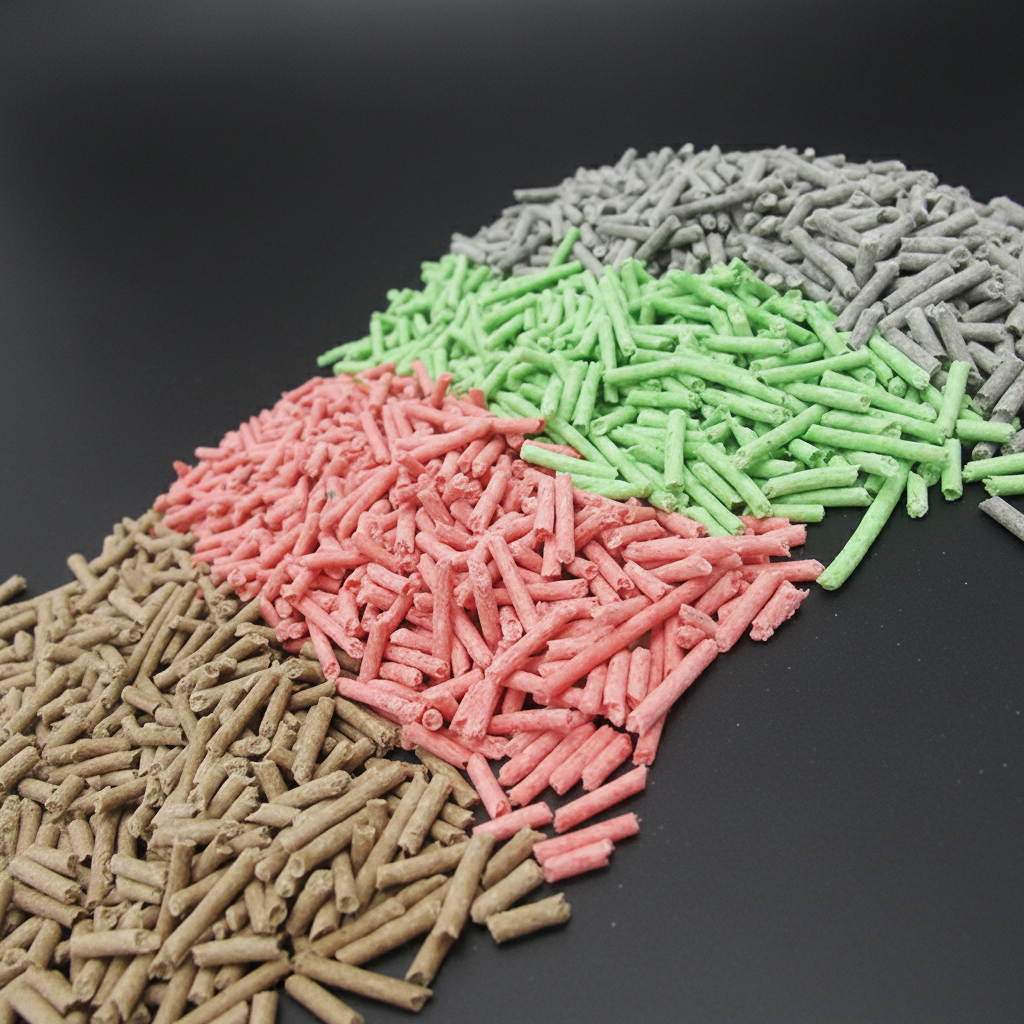
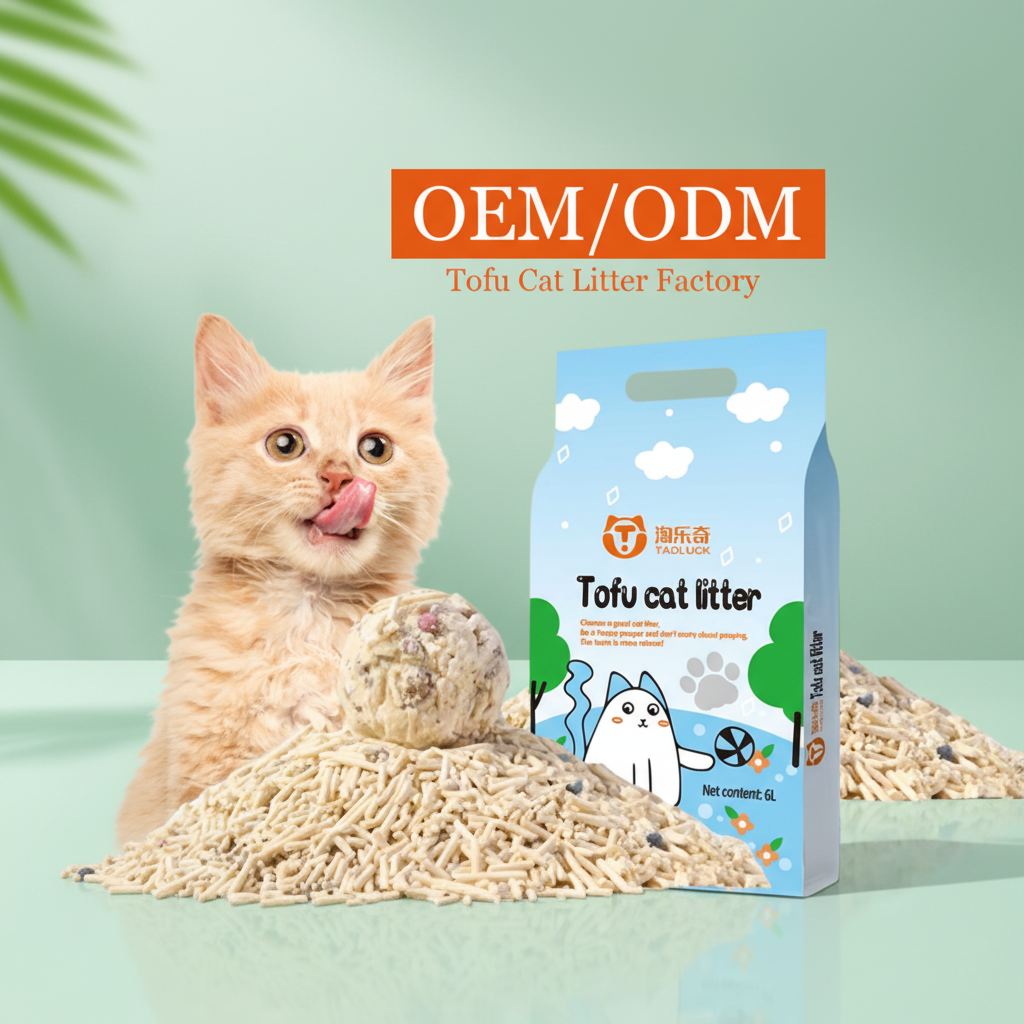
Turnkey brand incubation. We engineer custom granule shapes (micro-pellet strips, crushed granules, puffed beads), tailor functional scents, adjust clumping kinetics, and produce bespoke vacuum pouches or matte-finish retail cartons.
Every single production batch undergoes standardized testing for rapid moisture absorption, compressive clump drop resistance, automated dust aerosolization analysis, and fungal/microbial inhibition prior to container loading.
Diversify your shipping container volume. In addition to plant-based cat litters, Brumel manufactures high-density corrugated cat scratchers. Combine litter bags and scratcher SKUs within the same 40HQ container to maximize retail margins.
We maintain deep relationships with major international ocean shipping alliances (COSCO, Maersk, MSC) offering direct maritime transit from Qingdao/Rizhao straight to Klaipėda, accompanied by complete European customs declaration clearance paperwork.
Clear, direct answers regarding customs clearance, maritime transport, pallet configurations, and product customization.
Whether you are launching a private label brand in Klaipėda, sourcing high-efficiency deodorizing formulas for Baltic distribution, or seeking competitive FCL pricing direct from an SGS on-site audited factory, our dedicated international trade team is ready to assist. Request product samples, technical dossiers, and customized factory quotations today.