High-Efficiency Plant-Based Litters Ready for Hamburg Port Consignment
Lab-tested, highly absorbent, and formulated for zero-dust urban confinement. Available in bulk FCL direct shipments and customized private label packaging.
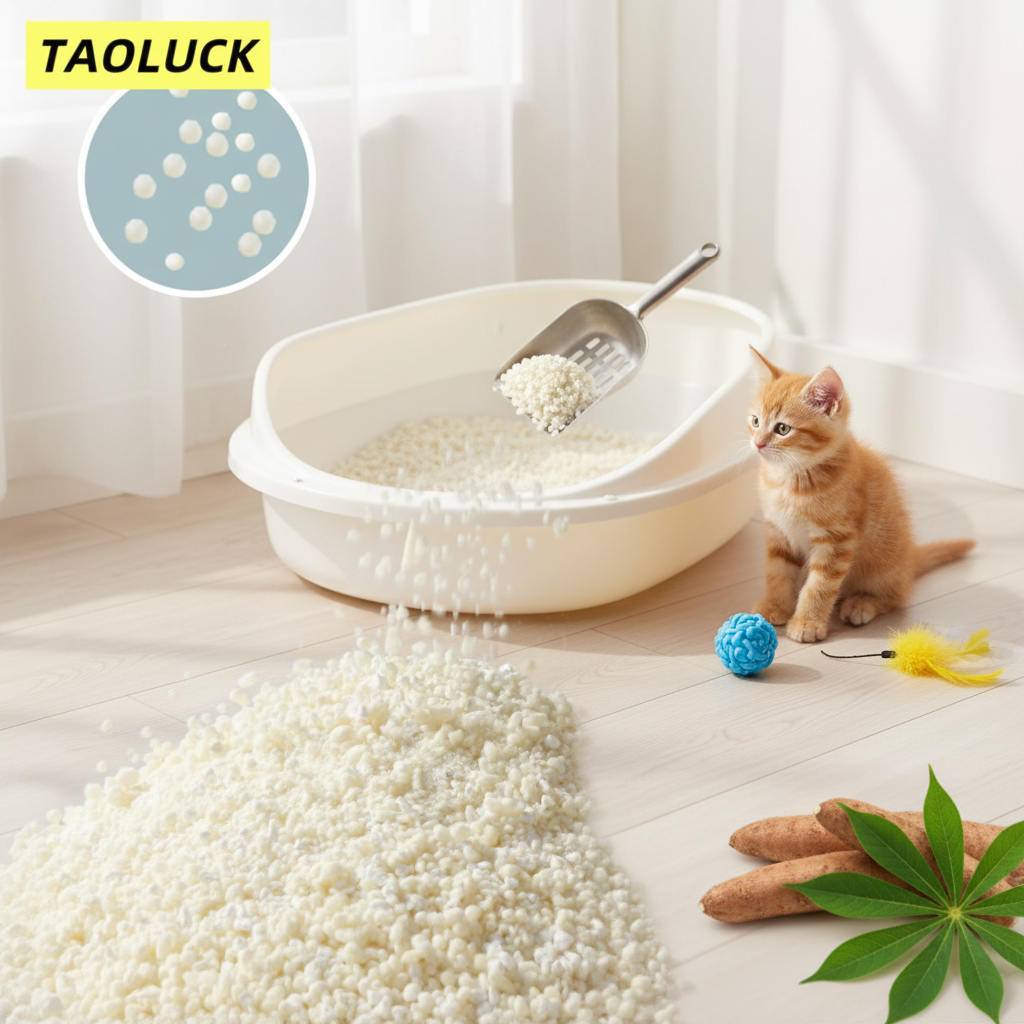
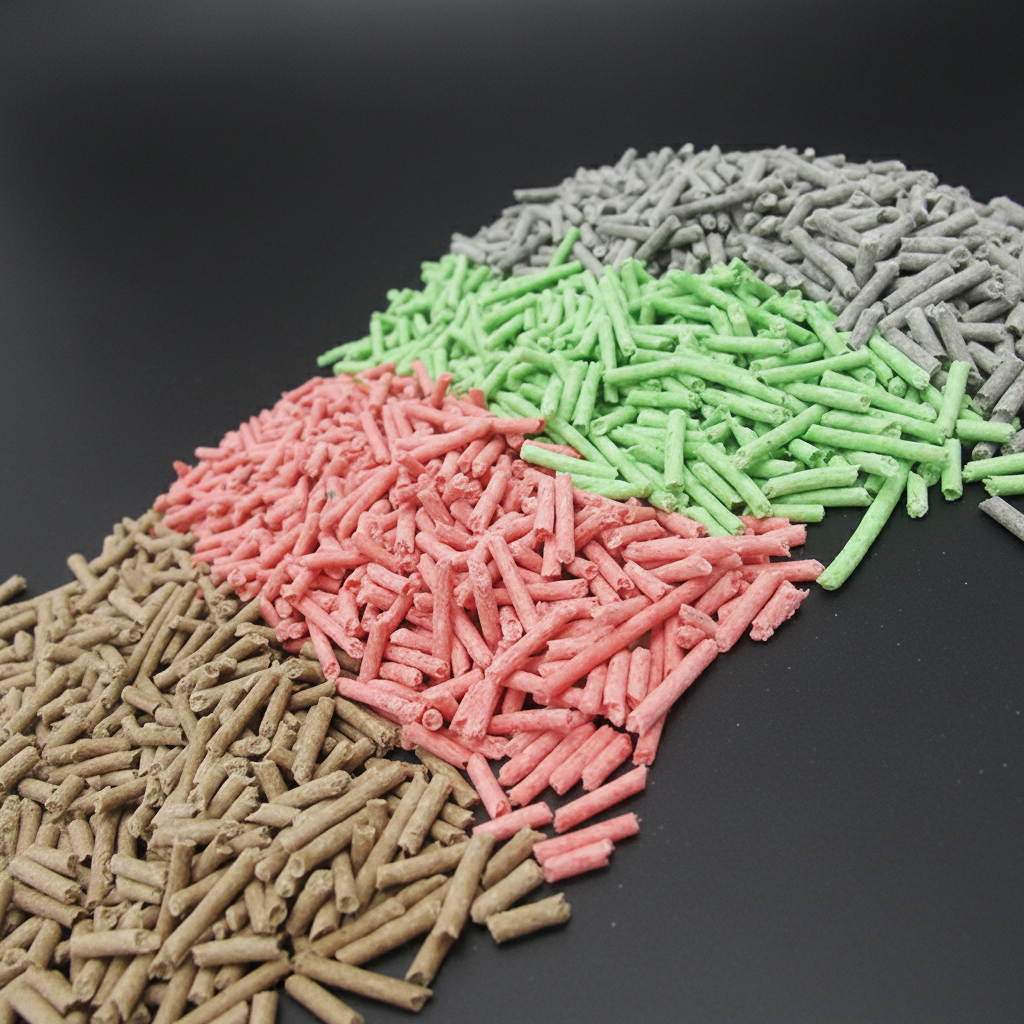
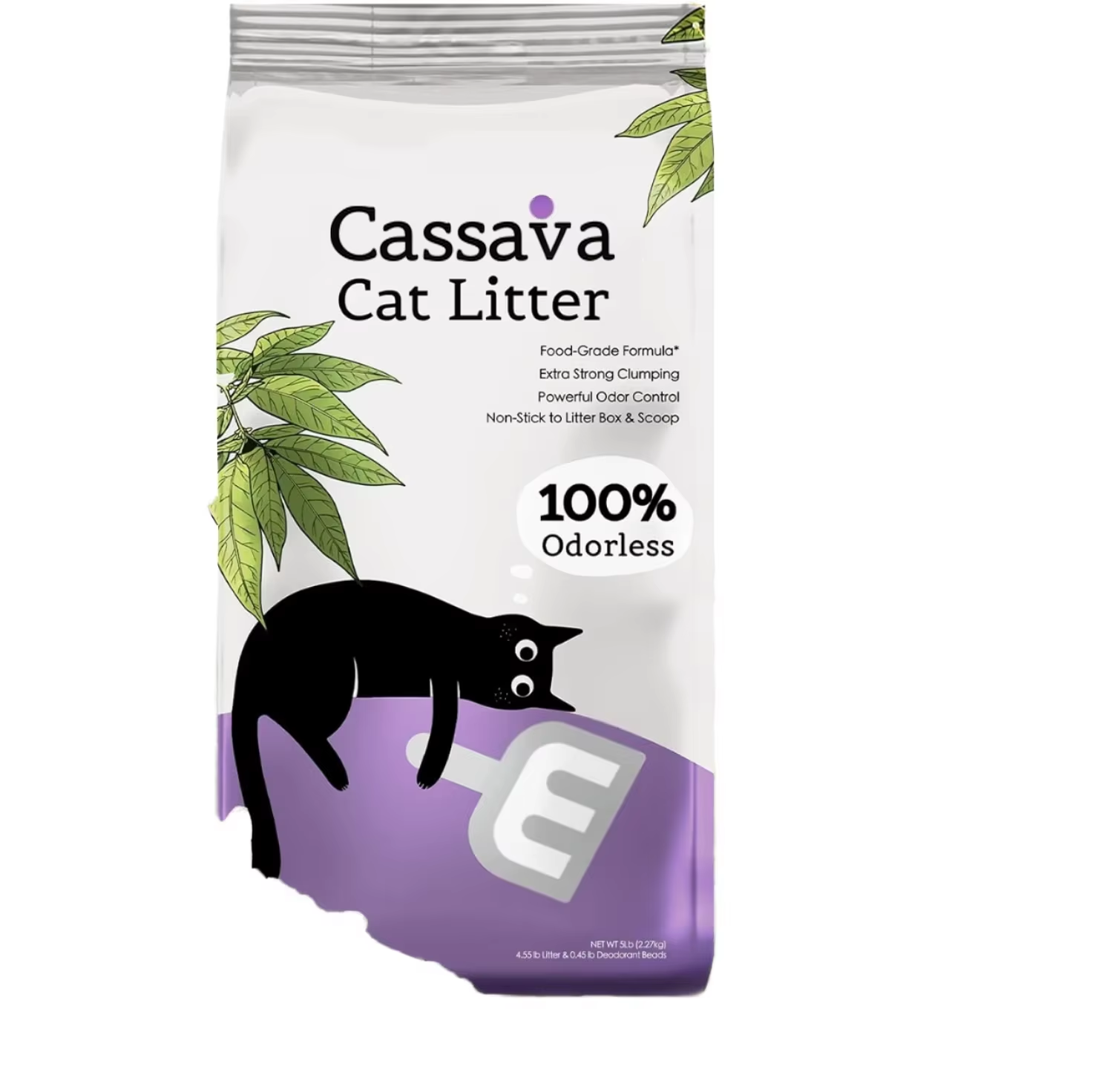
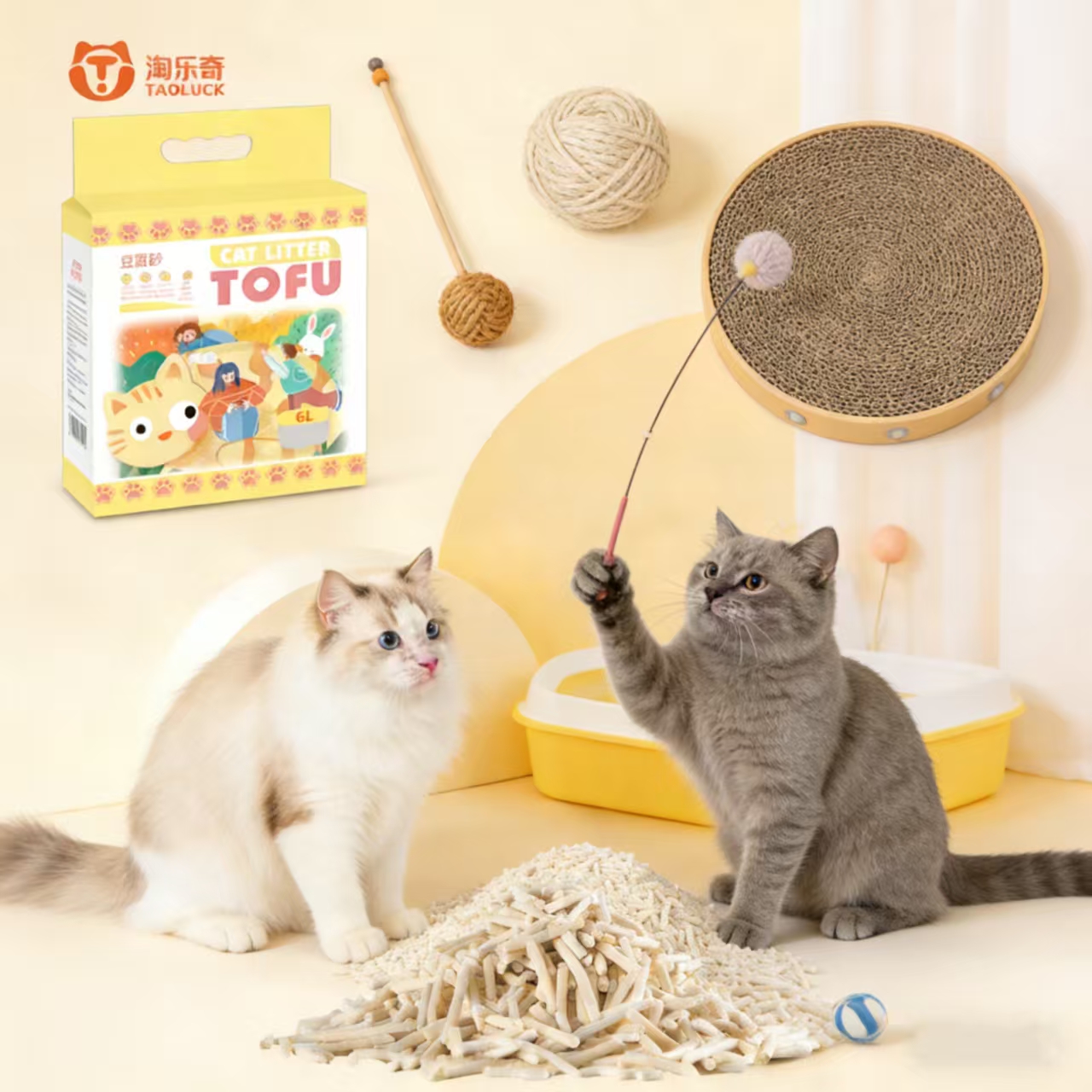
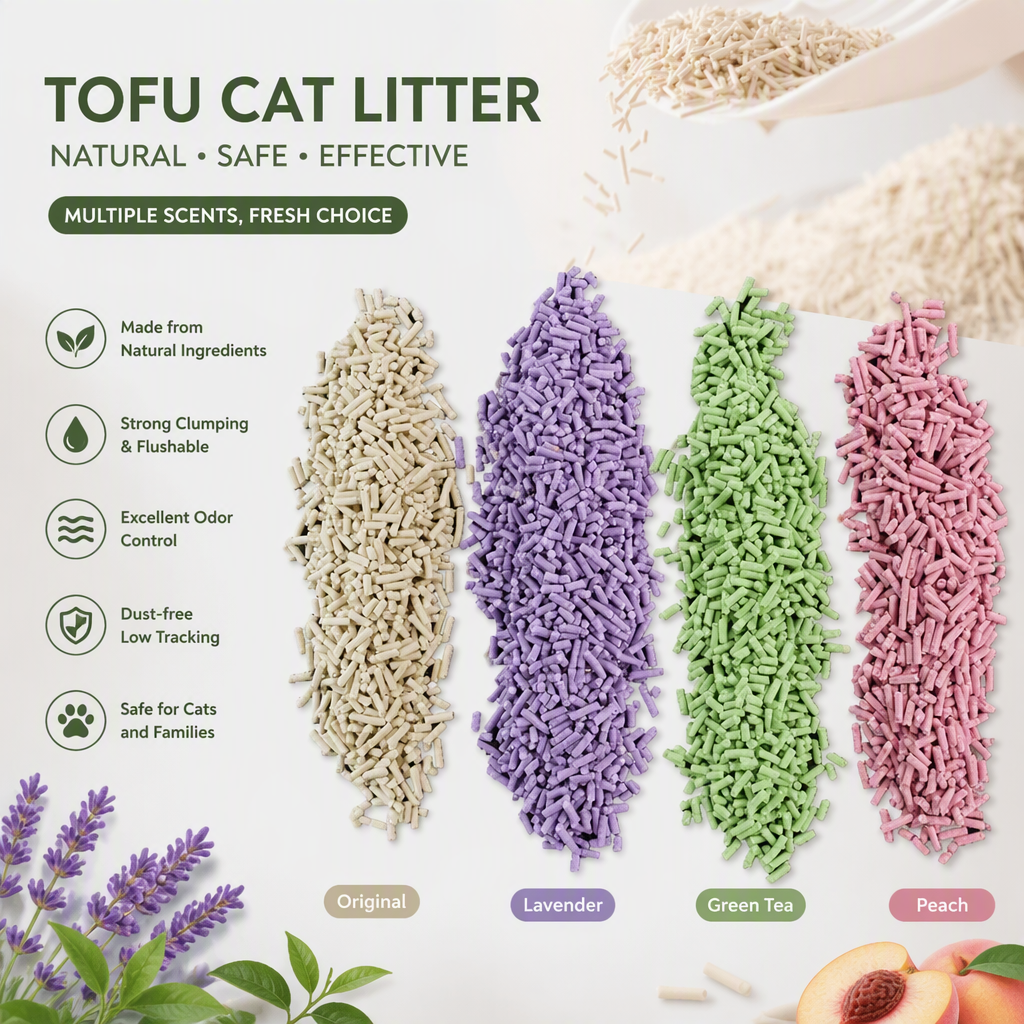
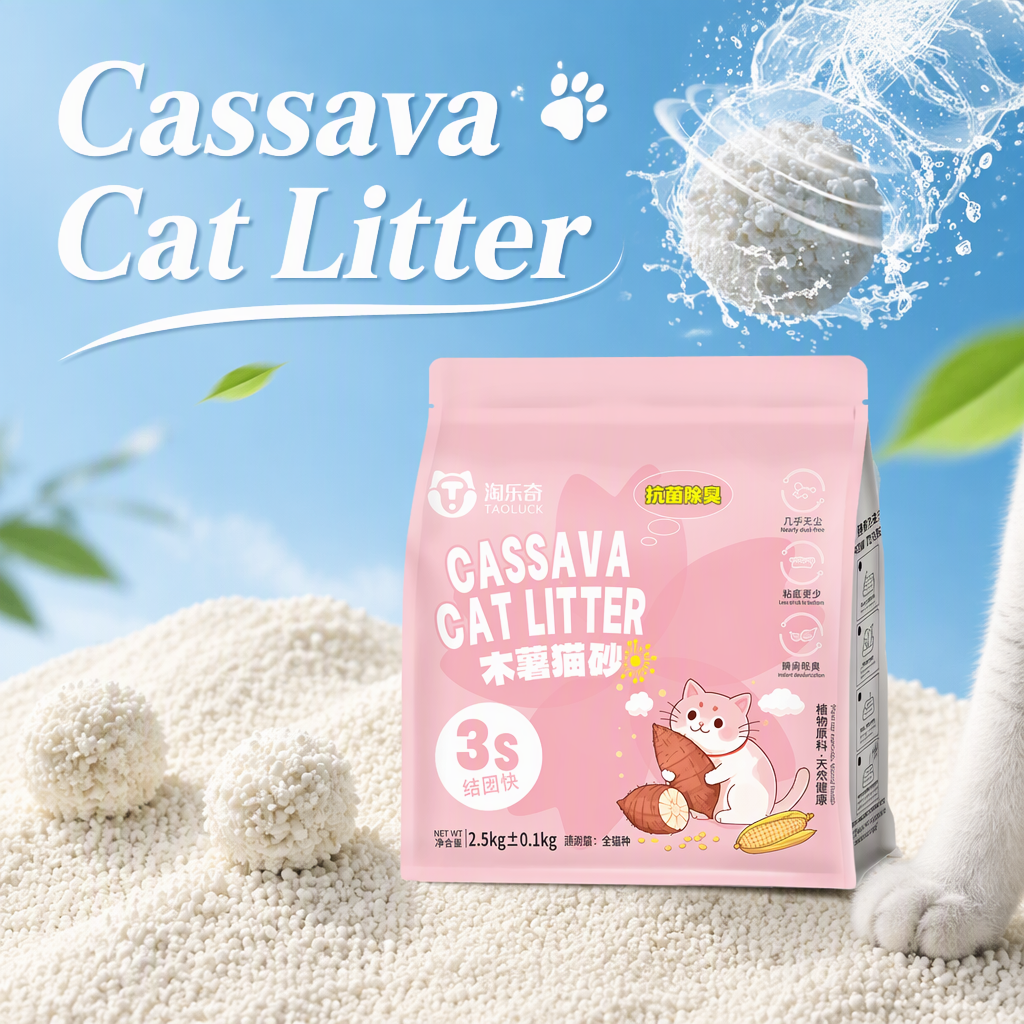
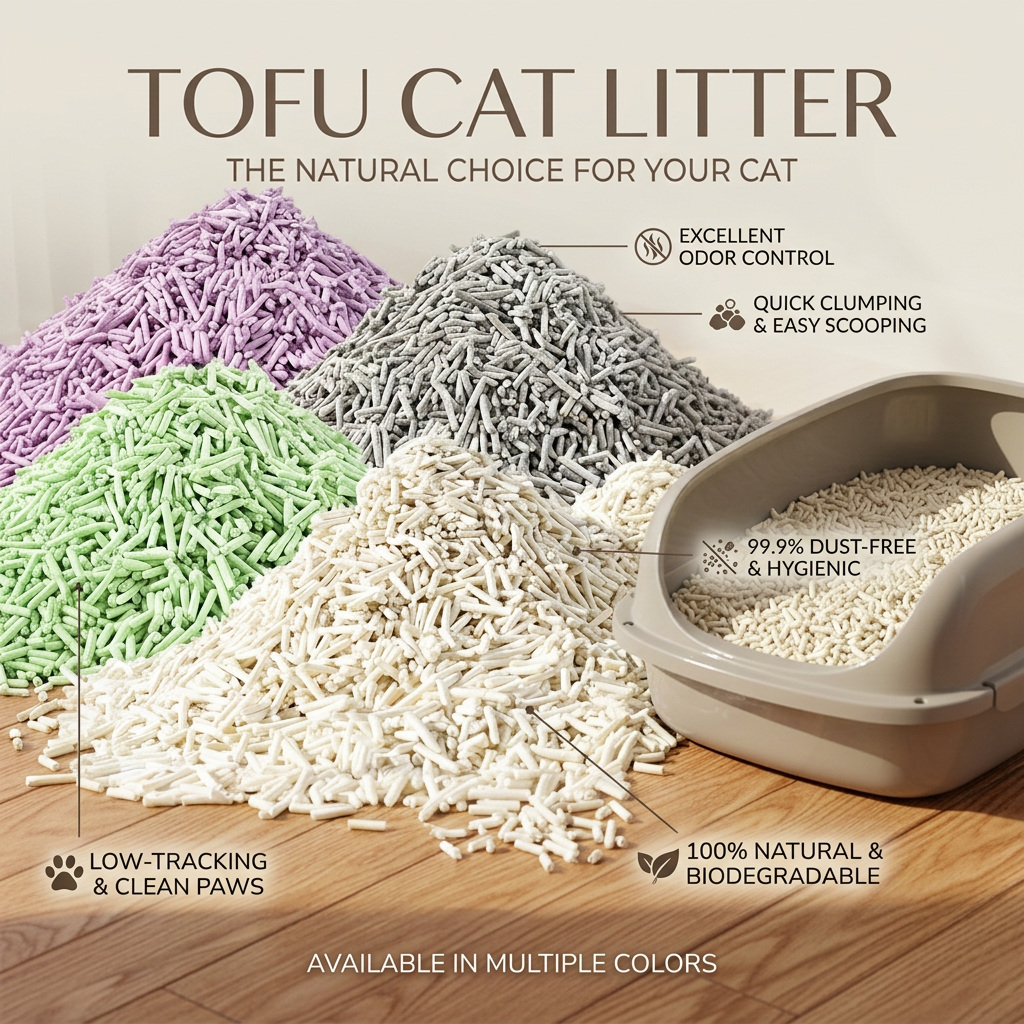
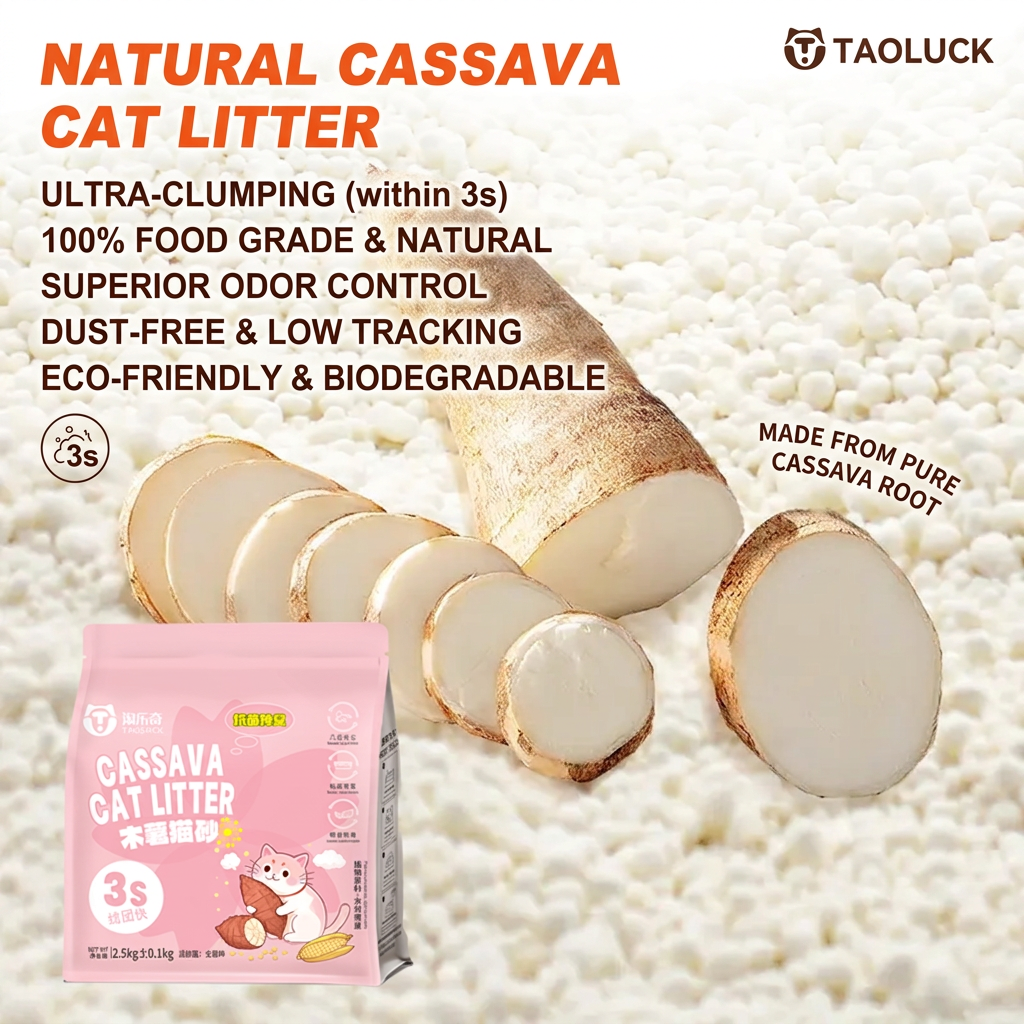
Engineering Biochemical Odor Neutralization for Urban Enclosures
How food-grade pea and soybean okara fibers replace synthetic chemical masking with molecular adsorption and natural enzymatic breakdown.
In modern multi-cat urban domiciles across Northern Germany, standard sodium bentonite and quartz-based mineral litters are increasingly viewed as outdated legacy substrates. Beyond their significant environmental footprint—stemming from destructive strip-mining and energy-intensive transoceanic transit—mineral litters rely almost entirely on synthetic perfume masking to counteract feline metabolic excretion odors.
Feline urine contains high concentrations of urea, which rapidly undergoes hydrolysis in the presence of ubiquitous atmospheric bacteria (such as Proteus mirabilis and Staphylococcus spp.), degrading into volatile gaseous ammonia (NH₃) and trimethylamine. When trapped within compact living quarters, these alkaline gases cause respiratory irritation for both felines and human cohabitants. Dongying Brumel Pet Products Co., Ltd. addresses this kinetic challenge at the molecular interface through precision-extruded plant okara (soybean dietary fiber residue) and natural food-grade starch matrices.
Micro-Capillary Entrapment
Our thermal granulation and negative-pressure drying process creates an interconnected micro-porous internal surface area within each 1.5mm to 3.0mm pellet. Capillary forces pull liquid into the pellet core within 1.5 seconds, locking urea away from oxygen exposure before microbial enzymes can vaporize it into free ammonia.
Isoelectric Acidic Buffering
Unlike alkaline clay clumping litters, natural soy okara possesses an intrinsic, slightly acidic pH buffer (pH 5.8 – 6.4). This chemical condition forces volatile free basic ammonia ions into non-volatile ammonium salt bonds (NH₄⁺), stabilizing the chemical equilibrium directly inside the clump without noxious artificial perfumes.
Zero-Residue Bio-Enzymes
For specialized private label formulations, we integrate food-derived botanical polyphenols and plant-sourced esterase agents. These compounds target fecal thiol compounds (isovaleric acid, mercaptans) and decompose sulfur bonds into odorless organic water-soluble metabolites.
Overcoming Hamburg’s Maritime Climate & Urban Architecture
Specific performance considerations for distributors stocking retail channels in the Free and Hanseatic City of Hamburg.
Exporting to Northern Germany requires far more than rebranding generic litter formulas. The unique physical and municipal realities of Hamburg demand strict engineering adaptations:
1. Maritime Relative Humidity along the Elbe & Alster: Hamburg experiences an oceanic climate characterized by elevated coastal humidity levels, frequently averaging between 75% and 88% throughout autumn and winter. Conventional starch-based eco-litters absorb ambient atmospheric moisture rapidly, leading to premature pellet softening, structural disintegration, and mold proliferation in the storage bag. Brumel applies a proprietary high-temperature sterilization cycle that restricts baseline moisture below 10% (±1%), pairing each retail batch with vacuum-degassed moisture-barrier composite packaging to maintain granule integrity during portside warehousing.
2. Traditional Hamburg Altbau Living Confinements: Historic residential zones such as Eimsbüttel, Winterhude, and Eppendorf feature historic Altbau architecture. These multi-story apartment buildings are characterized by closed double-glazed insulation, enclosed stairwells, and strict multi-tenant noise and odor tolerances. Feline owners living in urban apartments require litters that offer immediate odor encapsulation, virtually non-existent tracking, and zero dust clouds that could settle on antique parquet floors or trigger allergy sensitivities.
3. Municipal Waste Disposal & Stadtreinigung Hamburg Compliance: German waste separation regulations (Mülltrennung) are strictly enforced. While Brumel’s tofu litters dissolve rapidly in standing water within 15 seconds—enabling toilet flushing for emergency individual clumps—we engineer our formulas to fully comply with organic decomposition mandates under EU DIN EN 13432.
For municipal disposal via the Restmülltonne (residual waste bin) or municipal industrial composting streams (where local regulations permit pet waste disposal), our 100% plant-derived fibers incinerate cleanly with near-zero toxic ash residue, substantially reducing tipping fees and municipal carbon taxes compared to mineral clay disposal weights.
Emerging Procurement Trends Shaping Northern European Pet Distribution
Capitalizing on shifting consumer ethics, national carbon taxation, and modern packaging compliance across Germany.
VerpackG & LUCID Compliance
German environmental legislation penalizes non-recyclable multi-material laminate packaging. Brumel supplies distributors with fully mono-material recyclable PE/PE packaging options registered for streamlined LUCID dual-system reporting, keeping EPR licensing fees low.
Logistics Weight Reduction
With density averaging 450–520 g/L, plant-based tofu litter is roughly 60% lighter than bentonite (900–1000 g/L). For e-commerce fulfillment hubs serving the Hamburg metro area via DHL or DPD, shipping plant litters dramatically reduces last-mile freight surcharges.
The Vegan & Circular Economy Ethic
Pet owners in urban centers like Hamburg, Altona, and Bergedorf demonstrate strong brand loyalty toward verifiable circular raw materials. By utilizing food-grade soybean pulp byproducts, Brumel empowers brands to market a genuine circular, cruelty-free, and vegan-certified consumer product.
Comparative Performance Matrix: Plant-Based vs Traditional Litters
Laboratory data measured under controlled conditions (22°C ambient, 60% relative humidity, saline solution injection).
| Evaluation Parameter | Brumel Tofu Litter | Brumel Cassava Litter | Sodium Bentonite | Wood / Pine Pellets |
|---|---|---|---|---|
| Primary Material Origin | Food-Grade Soy/Pea Okara | Cassava Root Starch & Fiber | Mined Clay Minerals | Lumber Industry Sawdust |
| Liquid Clumping Speed | < 2.5 Seconds | < 1.5 Seconds | 4.0 – 8.0 Seconds | Non-clumping (Disintegrates) |
| Ammonia Binding Efficiency (24h) | 94.8% Active Retention | 96.2% Active Retention | 62.0% (Relies on Fragrance) | 71.5% (Natural Wood Terpenes) |
| Airborne Dust Ratio (Screened) | < 0.1% (Cyclonic filtered) | < 0.05% (Near Zero) | 1.8% – 4.5% (Silica Risk) | 0.8% – 2.0% (Wood Dust) |
| Bulk Density Range | 450 – 520 g/L | 500 – 560 g/L | 900 – 1,050 g/L | 600 – 700 g/L |
| Decomposition Cycle | 100% Biodegradable (3-4 wks) | 100% Biodegradable (2-3 wks) | Non-Degradable Mineral | Slow Degradation (6-12 mos) |
| Disposal Compatibility | Water-soluble / Residual bin | Small clump flush / Bin | Strictly Residual Waste | Compost / Residual Waste |
Why Major Importers Source Directly from Brumel
Dongying Brumel Pet Products Co., Ltd.: Verified manufacturing infrastructure, strict batch quality assurance, and end-to-end OEM support.
Located in Dongying, Shandong Province—the heartland of China's agricultural processing industry—Dongying Brumel Pet Products Co., Ltd. operates as an SGS on-site assessed and certified production entity specializing exclusively in plant-based pet care solutions.
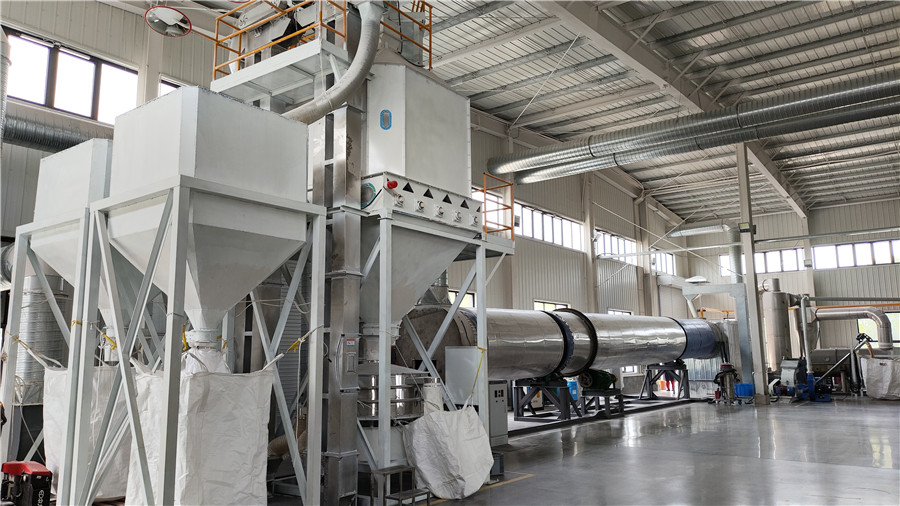
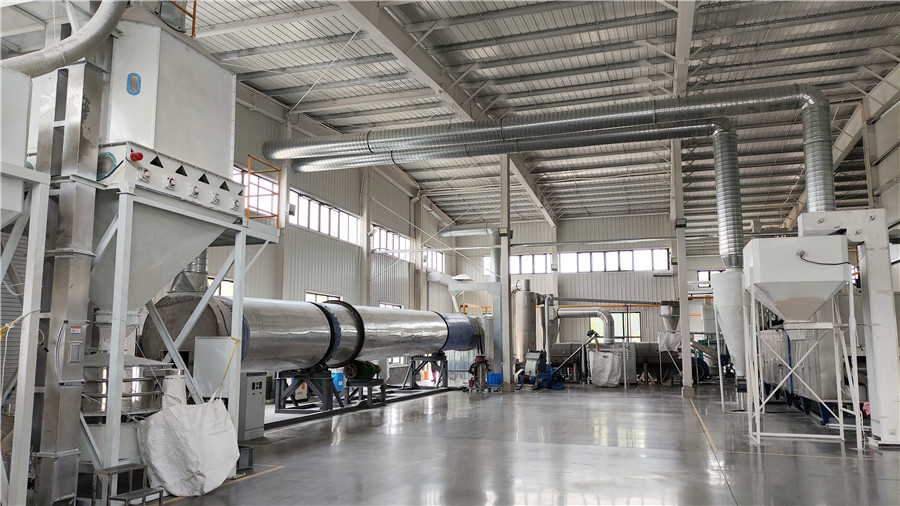
Our 7,500 m² automated manufacturing hub integrates closed-loop raw material intake, industrial starch drying, dual de-dusting cyclones, and vacuum-sealed automatic packaging lines. By maintaining direct contracts with food-grade soybean processing centers, we secure a consistent supply of pristine, mold-free okara raw materials, completely independent of seasonal market shortages.
For European buyers requiring rigorous regulatory validation, our facility operates under standardized HACCP-inspired hygiene controls and ISO quality protocols. Every single export container undergoes pre-shipment tests for heavy metals, aflatoxin, moisture levels, and clumping hardness, ensuring smooth customs processing at Hamburg Port border inspection points.
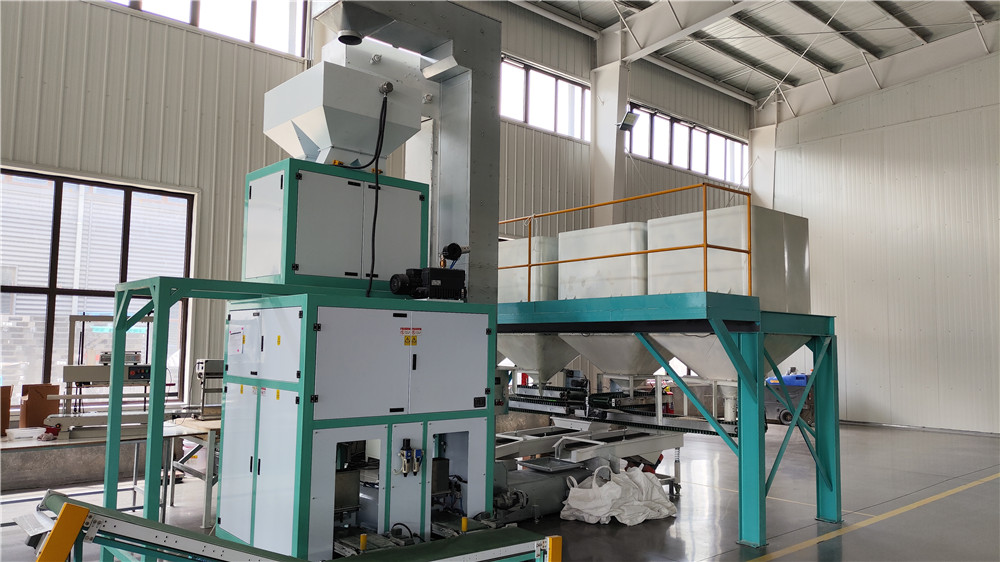
SGS On-Site Audited Facility
Our workshop floorspace, trade capacity, production throughput, and QA laboratories are physically audited on-site by SGS Group. You can verify audited capacity before issuing deposits.
400-Bag Low OEM Entry
We eliminate prohibitive volume hurdles for regional brand launches. Test private label formulas in the German market with low-risk MOQs starting from just 400 bags for standard SKUs.
Custom Formula Tailoring
Granule diameters (1.5mm, 2.0mm, 3.0mm, crushed, or puffed), scent infusions (unscented, active charcoal, green tea, lavender, corn starch), and custom packaging formats are engineered precisely to your specs.
Hamburg Procurement & Regulatory Compliance FAQ
Comprehensive operational answers for commercial import managers, category buyers, and customs agents.
What are the transit logistics and transit times from your factory to the Port of Hamburg?
Shipments depart from Qingdao Port (approximately 3 hours overland trucking from our Dongying manufacturing facility). Direct ocean container lines (e.g., COSCO, Hapag-Lloyd, Maersk) run weekly service to the Port of Hamburg (HHLA Container Terminals Altenwerder or Burchardkai) with a typical ocean transit time of 28 to 34 days. We provide comprehensive FOB, CIF, or DDP delivery terms with all necessary export declarations.
How does Brumel accommodate European EPAL-1 Euro-pallet standards?
We specifically configure container loading plans for standard Euro-pallets (800 mm × 1200 mm). A standard 40ft High Cube (40'HQ) container accommodates up to 24 pallet spaces when cross-stacked or optimized floor-loaded up to 24 metric tons. Palletized loads are shrink-wrapped in weatherproof film with protective corner boards to prevent moisture intake during maritime handling.
What HS Code is utilized, and are there European import tariffs on tofu cat litter?
Our plant-based tofu litters are generally classified under HS Code 1404.90.00 (Vegetable products not elsewhere specified or included) or 2304.00.00 (Soybean residues/okara). Import duties into the European Union under these classifications are typically between 0% and 3.5%, subject to current TARIC database regulations. We provide certificates of origin (Form A / RCEP where applicable) to streamline clearance via the Hauptzollamt Hamburg.
Does the product comply with EU microbial safety and aflatoxin limits?
Yes. Because plant-based litters derive from agricultural raw materials, testing for mycotoxins and pathogenic contamination is paramount. Every export production run undergoes microbiological laboratory screening ensuring total absence of Salmonella, E. coli, and total aflatoxins within strict EU pet safety thresholds. Official third-party phytosanitary certificates and SGS test reports accompany each bill of lading.
What packaging options are available for private label retail branding?
We offer full OEM graphic support across multiple barrier bag constructions: 5L (approx. 2.0kg – 2.5kg), 6L, 10L, and 20L bulk sacks. Bag configurations include vacuum-sealed side-gusset bags, quad-seal stand-up pouches with carry handles, and recyclable mono-PE pouches designed for compliance with the German Packaging Act (VerpackG / Duales System).
Can we request free pre-production samples for domestic laboratory validation?
Absolutely. We regularly dispatch standardized 500g to 2kg sample parcels via DHL/FedEx directly to prospective commercial partners across Germany for dissolution, dust-screen, and clumping hardness testing. Please utilize our direct inquiry portal below with your desired formulation specs.
Launch Your Private Label Tofu Cat Litter Line in Hamburg
Connect with our senior technical export team today for formula samples, customized OEM packaging mockups, and direct CIF Hamburg Port container pricing.
Inquire Now