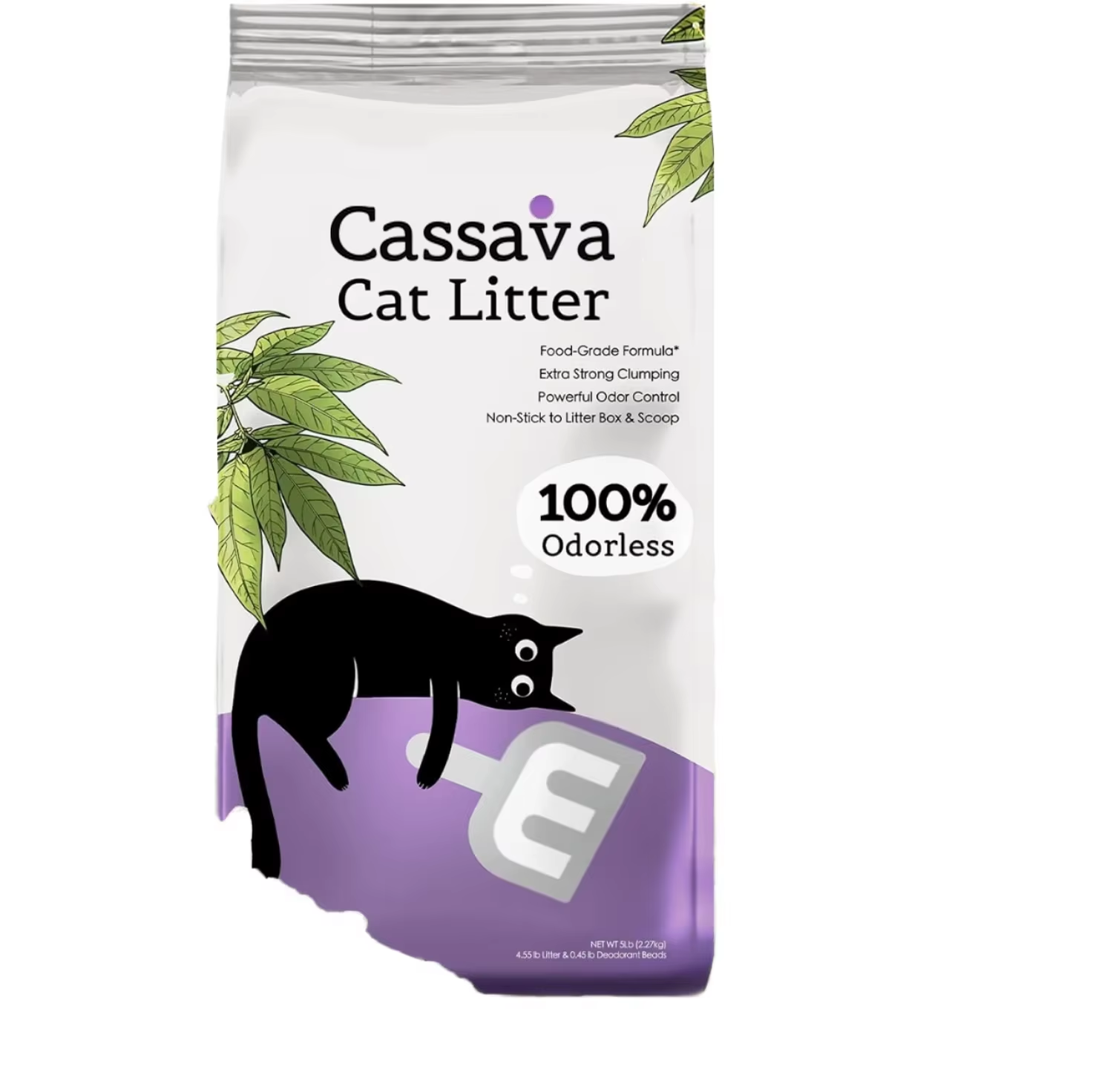
Transforming Cat Hygiene Distribution Across Kaunas County & Central Lithuania
As the primary intermodal freight, warehousing, and wholesale crossroads of Lithuania, the Kaunas market—stretching from the Kauno LEZ (Free Economic Zone) logistics clusters to hypermarket supply corridors along the A1 and A6 highways—is experiencing a structural transition. Nordic-inspired pet parenting standards and stringent municipal landfill diversion guidelines have rendered traditional bentonite and high-dust silica crystal litters vulnerable to shifting consumer preference. Retail networks, veterinary hospital groups, and specialty pet chains across Kaunas (including Šilainiai, Aleksotas, and Dainava) demand certified, virtually dust-free, non-tracking, and flushable plant litters that eliminate feline upper-respiratory irritation while reducing municipal urban solid waste loads.
Export-Certified Plant Litters: Core Product Portfolio for Kaunas Importers
Direct from our 7,500 m² SGS-verified automated manufacturing facility, explore our 8 flagship plant-based cat litter formulas designed for European private labels, regional distribution brands, and retail bulk operations.
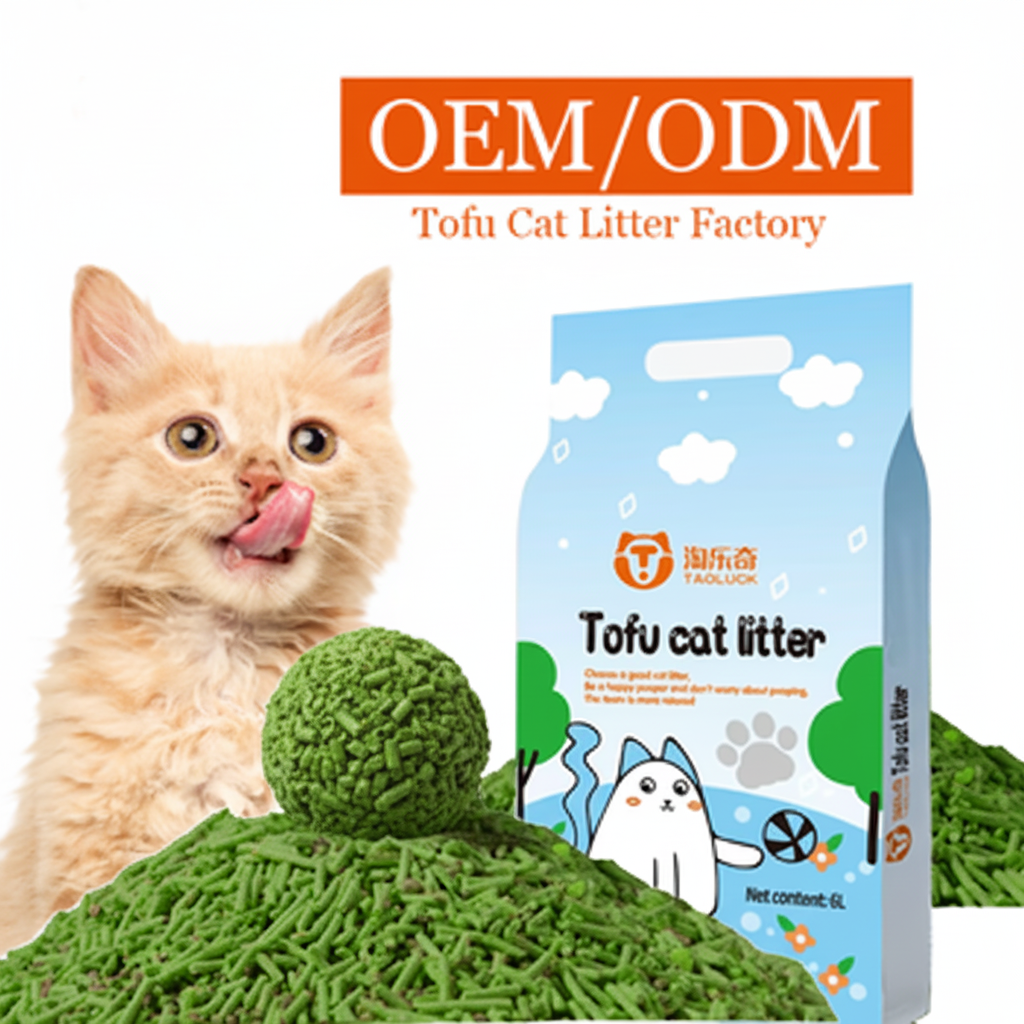
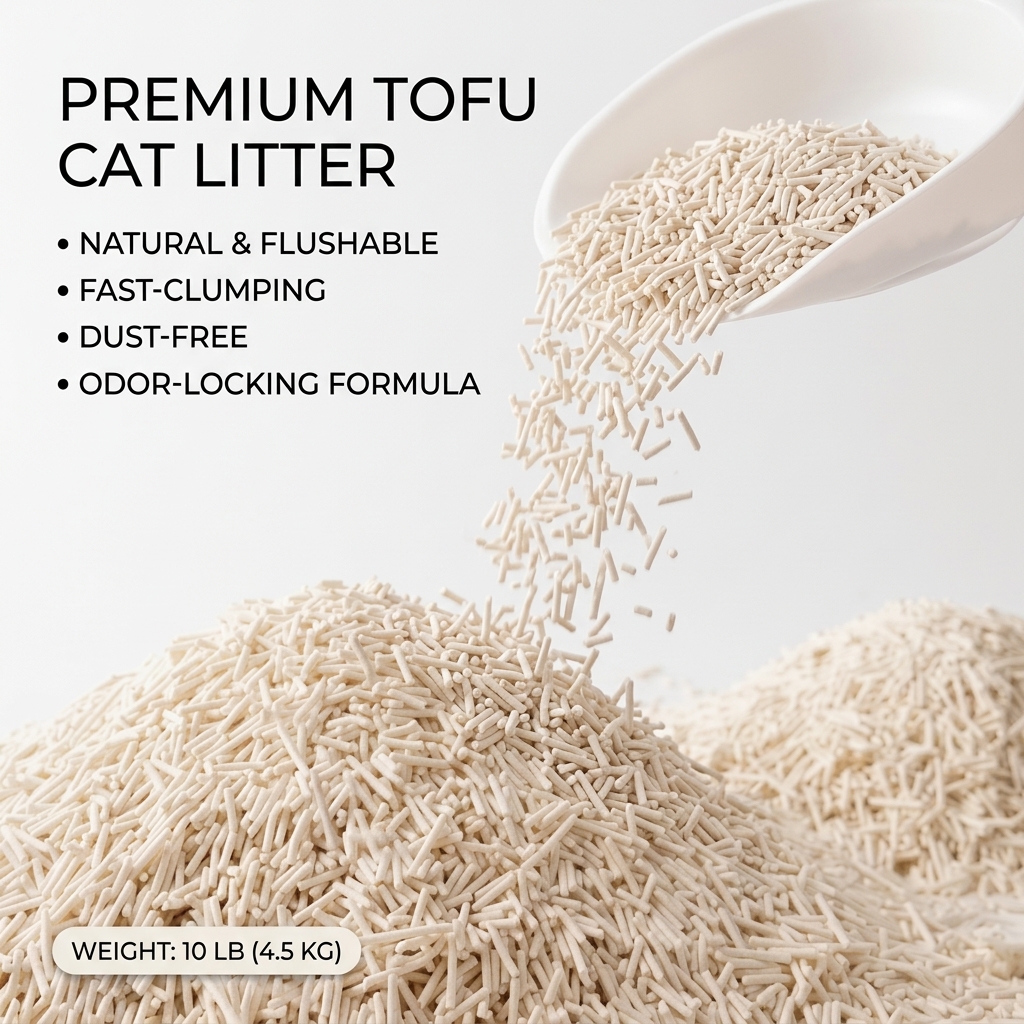
Food-Grade Tofu
Zero-Dust Grade
Cat Litter Premium Tofu Wholesale Efficient Odor Control 100 Dust Free Clumping Cat Litter Tofu Kitty Litter
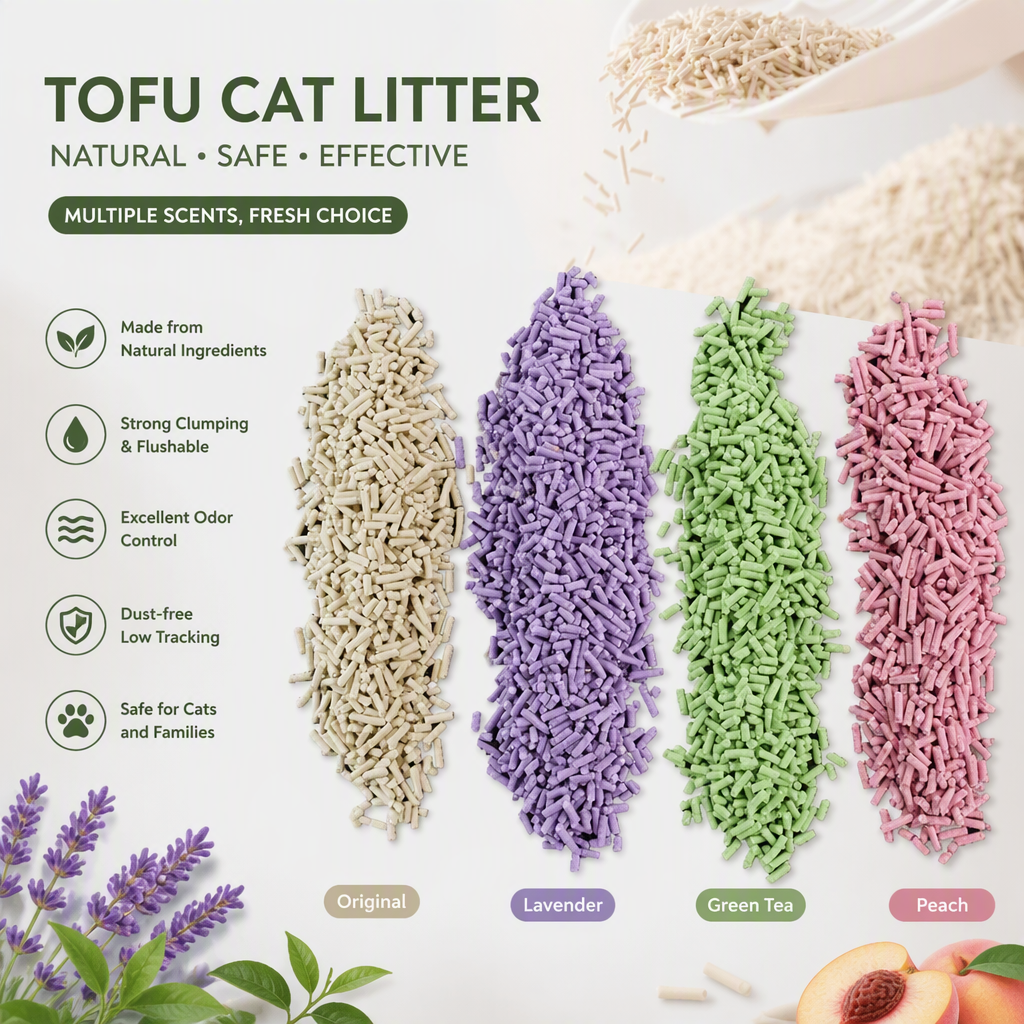
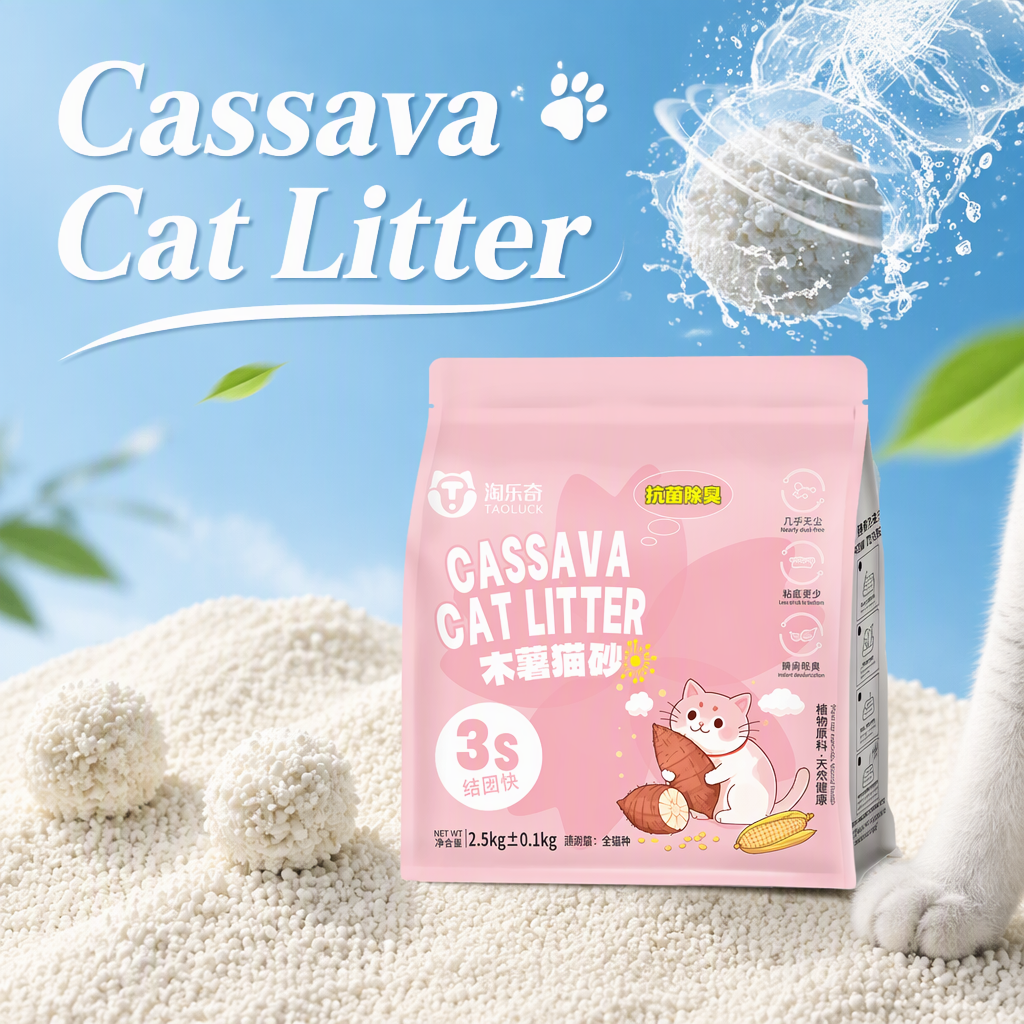
Dense Granulation
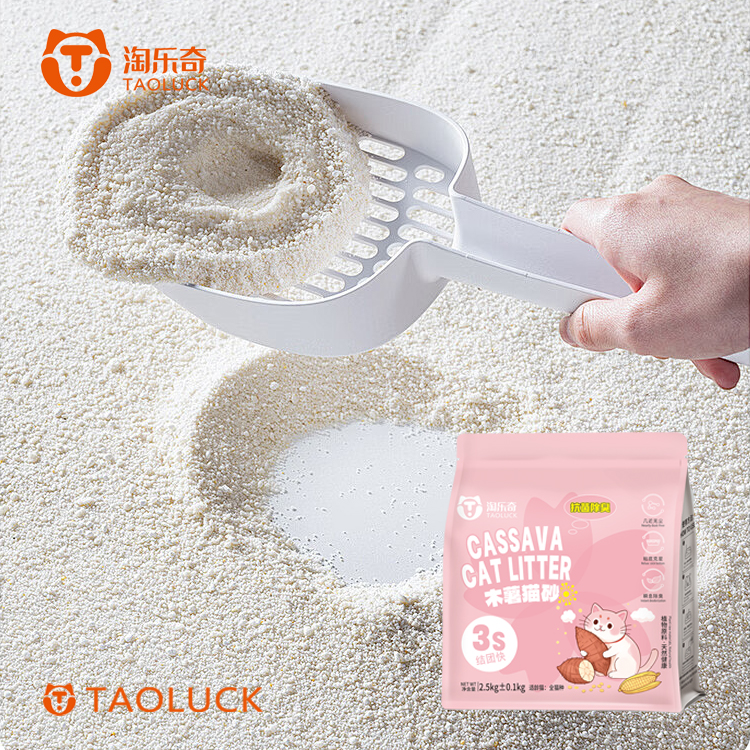
Multi-Scent
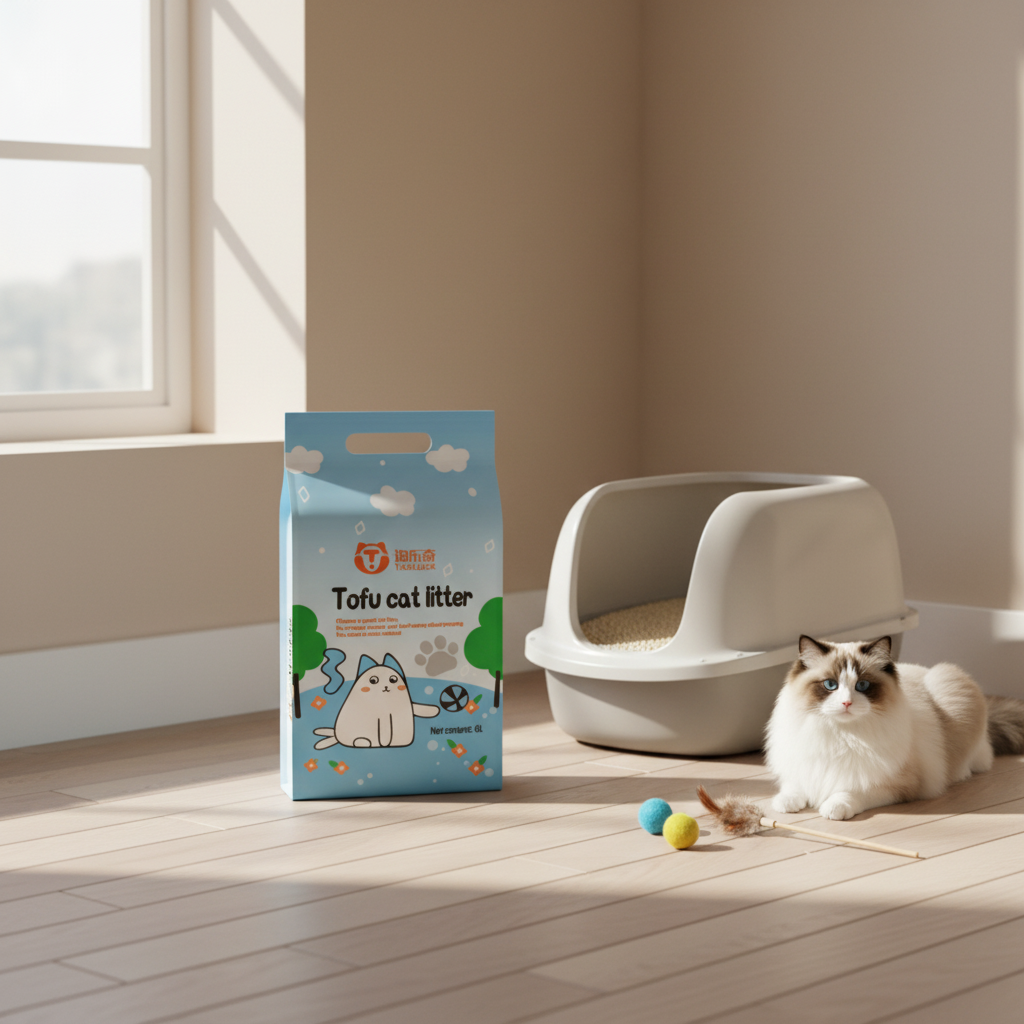
OEM Wholesales Cat Litter Factory Dust Free Strong Clumping Premium Tofu Cat Litter
Lithuanian Operational Dynamics
Engineering Low-Dust Performance for Kaunas Climatic & Urban Demands
Technical realities distinguishing high-density apartment households in Kaunas from generic suburban pet ownership models across Europe.
Lithuanian Apartment Indoor Air Quality
During the protracted Baltic winter heating cycle (October to April), radiators in multi-family apartment blocks (Daugiabučiai) in Kalniečiai or Eiguliai dry out indoor air. Airborne silica crystalline fragments or bentonite clay micro-dust stay suspended for hours, provoking chronic feline asthma and owner allergies. Brumel’s 5-stage mechanical cyclone dedusting cycle eliminates airborne PM2.5 and PM10 particles at the production source.
Wastewater & Municipal Composting Compatibility
Lithuanian urban regulations place progressive tariffs on unsorted municipal solid waste. Brumel’s tofu cat litters are synthesized from food-grade pea and soybean fiber with plant starches that dissolve instantly in turbulent water without clogging 100mm residential drainage pipes or overburdening the municipal treatment works operated by Kauno Vandenys.
Intermodal Transit via Klaipėda to Kaunas Dry Ports
Import shipments routed through the Port of Klaipėda encounter high ambient Baltic humidity before rail or road transshipment into Kaunas logistics terminals. Unlike low-grade unsealed pellets that soften prematurely, our vacuum-sealed, multi-layer laminated bags maintain an impermeable barrier, preserving pellet hardness (>98%) and moisture content under 10%.
Substrate Material Engineering: Plant Fiber vs. Traditional Minerals
Procurement directors managing supermarket shelf-space allocation and e-commerce product portfolios require quantifiable parameters to balance freight costs against consumer repurchase rates. Below is a bench-test comparison between our export formulations and standard retail litters commonly distributed in the Baltic region:
| Performance Metric | Brumel Cassava Litter | Brumel Tofu Pea Litter | European Sodium Bentonite | Synthetic Silica Crystal |
|---|---|---|---|---|
| Primary Raw Material | Refined cassava starch & fiber | Soy okara & natural pea fiber | Quarried bentonite clay | Synthesized sodium silicate |
| Dust Free Index | 99.9% (<0.05% respirable) | 99.7% (<0.08% respirable) | 82% - 90% (visible dust cloud) | 88% - 94% (powder abrasion) |
| Hydraulic Clump Speed | Sub-3 seconds | Sub-5 seconds | 10 - 20 seconds | Non-clumping (absorptive saturation) |
| Bulk Density (kg/L) | 0.52 - 0.58 (Lightweight) | 0.48 - 0.54 (Ultra-light) | 0.85 - 1.05 (Heavy) | 0.42 - 0.46 (Chemical light) |
| Biodegradability | 100% Home compostable | 100% Rapid water flushable | 0% (Permanent landfill mass) | 0% (Non-degradable chemical) |
| Baltic Freight Efficiency | High (approx. 40% more bags/FCL) | Superior (highest volume-to-weight) | Low (hits road gross weight early) | Moderate (volume limited) |
Verified Manufacturing Excellence
Dongying Brumel Pet Products Co., Ltd.: Your Direct Factory Partner
Combining verified physical infrastructure with direct custom packaging capabilities to support private label brands from initial pilot runs to full container contracts.
SGS On-Site Audited
Our 7,500 m² factory in Dongying, Shandong, has undergone rigorous physical assessment by SGS Group, providing verified documentation of our continuous pelletizing machinery, testing rigs, and ethical working standards.
Agile 400-Bag Pilot MOQ
We reduce market trial risks for Baltic retailers and startup brands by offering a baseline MOQ from only 400 retail bags, enabling cost-effective SKU testing across Kaunas and the wider Baltic e-commerce space.
Precision Pellet Customization
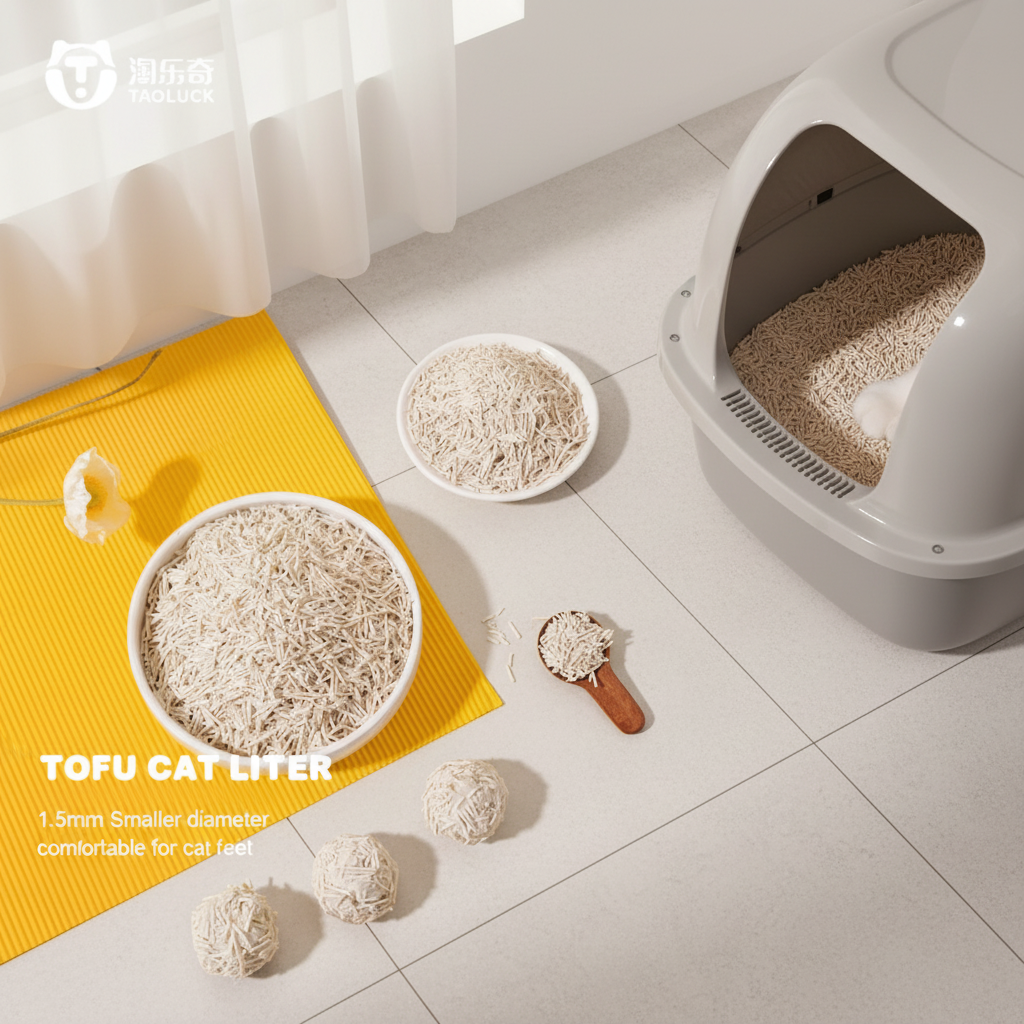
Customize granule diameters (1.5mm micro-strips, 2.0mm standard, crushed clay-mimic granules, or puffed aerated pellets), infusion scents (matcha, charcoal, peach, lavender), or clean unscented variants for Northern European buyers.
Full Private-Label Packaging
From gravure and matte LDPE bags with degassing valves to vacuum bricks, kraft paper cartons, and heavy-duty 20kg bulk breeder sacks, our in-house packaging prepress team brings your Lithuanian-language packaging vision to life.
Kaunas Commercial Inquiries
Frequently Asked Questions by Lithuanian Importers & Distributors
Everything you need to know about lead times, EU regulatory compliance, port transit, and custom recipe validation.
Q: How do shipments reach Kaunas logistics hubs from your Shandong factory?
Our plant in Dongying is situated close to Qingdao Port. FCL ocean containers (20GP/40HQ) are shipped via direct maritime routes to the Port of Klaipėda (typically 32 to 40 days on water). From Klaipėda, freight is transported directly via rail cargo or standard A1 motorway trucking into Kaunas Free Economic Zone (LEZ) warehouses within 4 hours of customs clearance.
Q: Do plant-based tofu and cassava cat litters comply with EU and Lithuanian sanitary regulations?
Yes. Because our tofu litter utilizes food-grade soybean residue and pea fiber, and our cassava litters use natural cassava root starch, the products are heat-extruded at temperatures exceeding 120°C. This eliminates moisture, pathogens, bacteria, and spores. We provide complete phytosanitary certificates, SGS safety dossiers, and material safety data sheets (MSDS) to ensure effortless clearance through Lithuanian Customs (Lietuvos muitinė).
Q: What is the optimal granule diameter for retail success in Lithuania?
Our 1.5mm to 2.0mm micro-strip tofu pellet and crushed cassava granule perform exceptionally well in the Baltic region. The 1.5mm diameter provides an ultra-soft texture favored by housebound indoor cats, while reducing tracking out of closed litter trays commonly placed in small modern apartment bathrooms in Kaunas.
Q: Can we request pre-shipment sample kits for local laboratory and clinic testing?
Absolutely. We regularly air-freight 1kg to 5kg testing kits (via DHL/FedEx) directly to purchasing offices in Kaunas and Vilnius. These samples enable you to evaluate water absorption speeds, dust residue tests, clump cohesion, and deodorization efficacy with local cat owner focus panels before placing purchase orders.
Q: What is your factory's production lead time for customized OEM brand bags?
For initial orders requiring newly engineered gravure printing plates and customized multilingual retail bag production, manufacturing lead times are generally 20 to 25 days from digital artwork sign-off. Repeat orders on existing packaging plates are completed and ready for container stuffing within 10 to 14 days.
Q: Can corrugated cat scratchers be combined inside the same shipping container?
Yes. As detailed in our comprehensive product catalog, Brumel also operates dedicated high-density corrugated scratcher manufacturing lines. Many Baltic retail chains maximize container cubic efficiency by nesting scratchers into the upper headroom of 40HQ containers above heavy palletized cat litter sacks, optimizing overall freight costs per item.