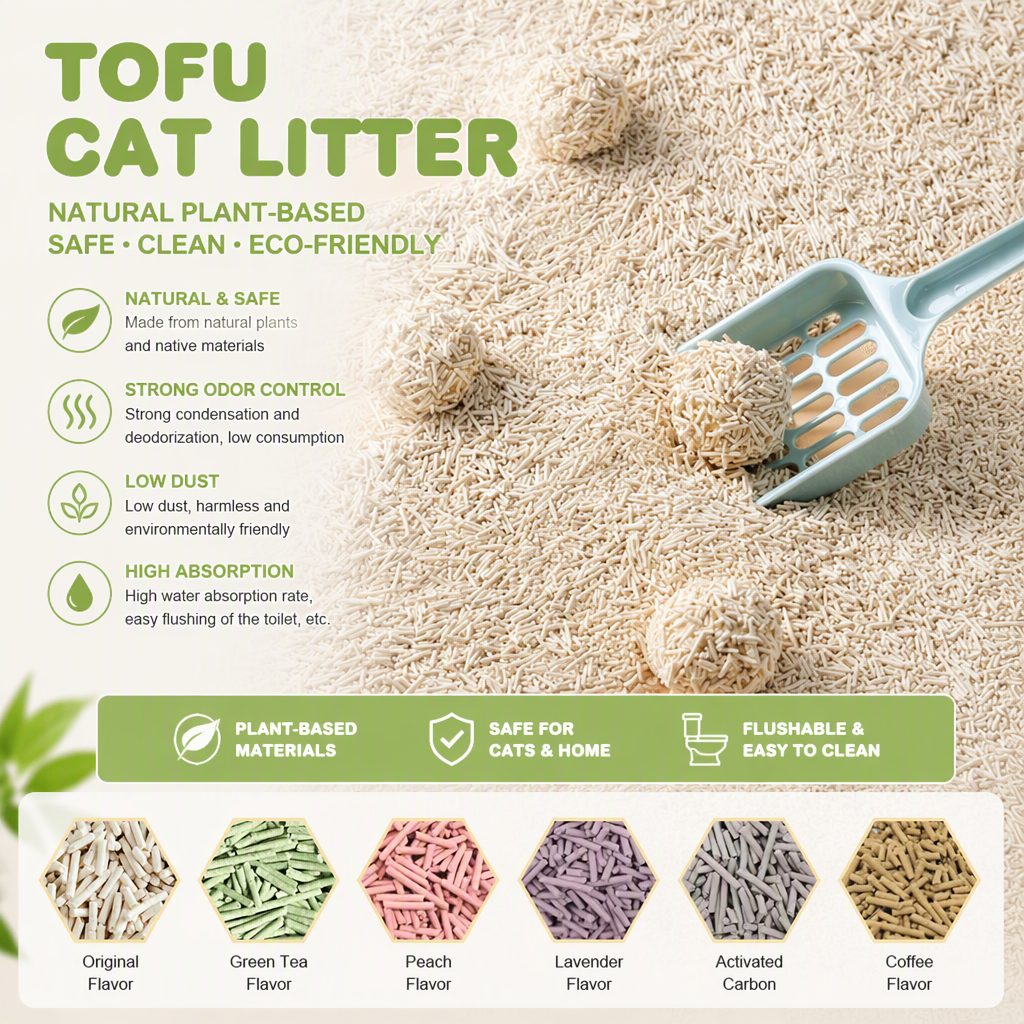
Wholesale Product Portfolio
Specialized Plant & Composite Cat Litter Formulations
Precision-granulated formulations developed for commercial pet product brands, retail supermarket chains, and specialty distributors across Düsseldorf, Neuss, and Ratingen.
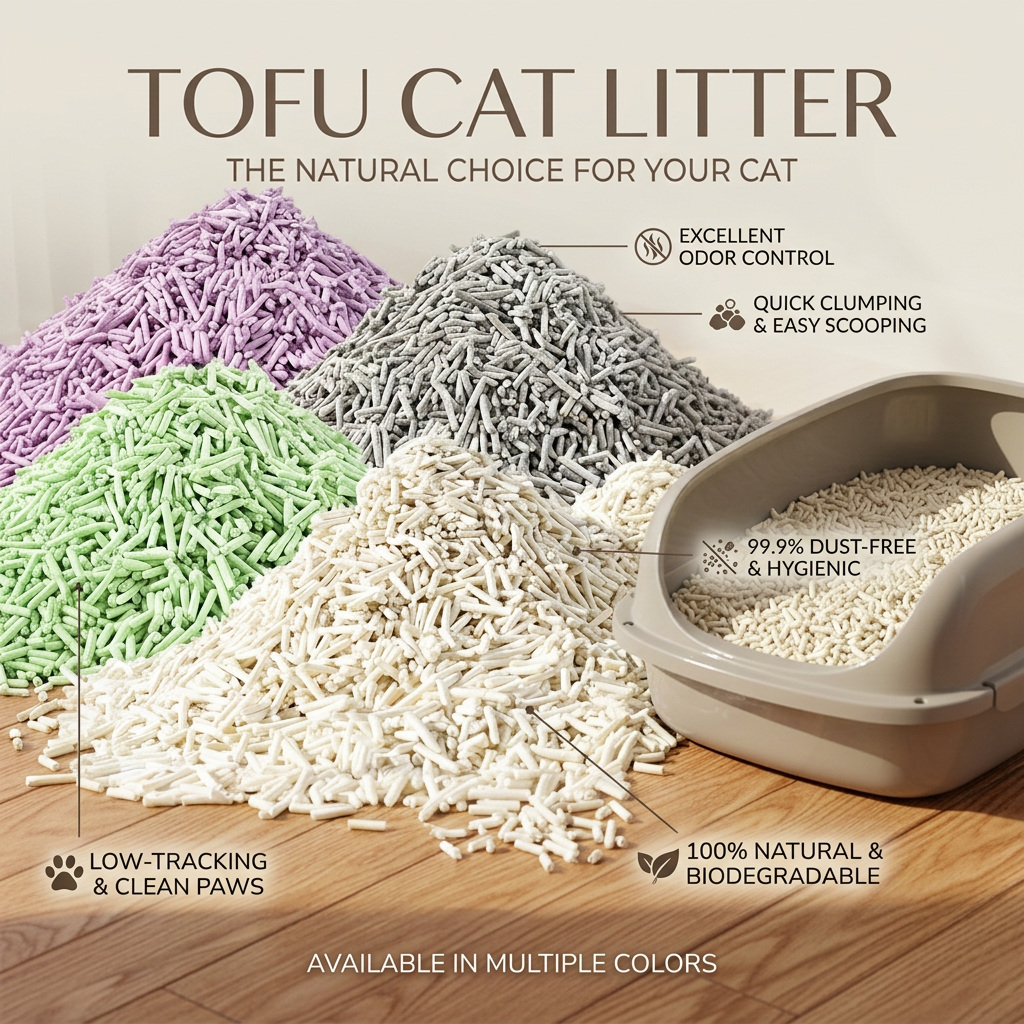
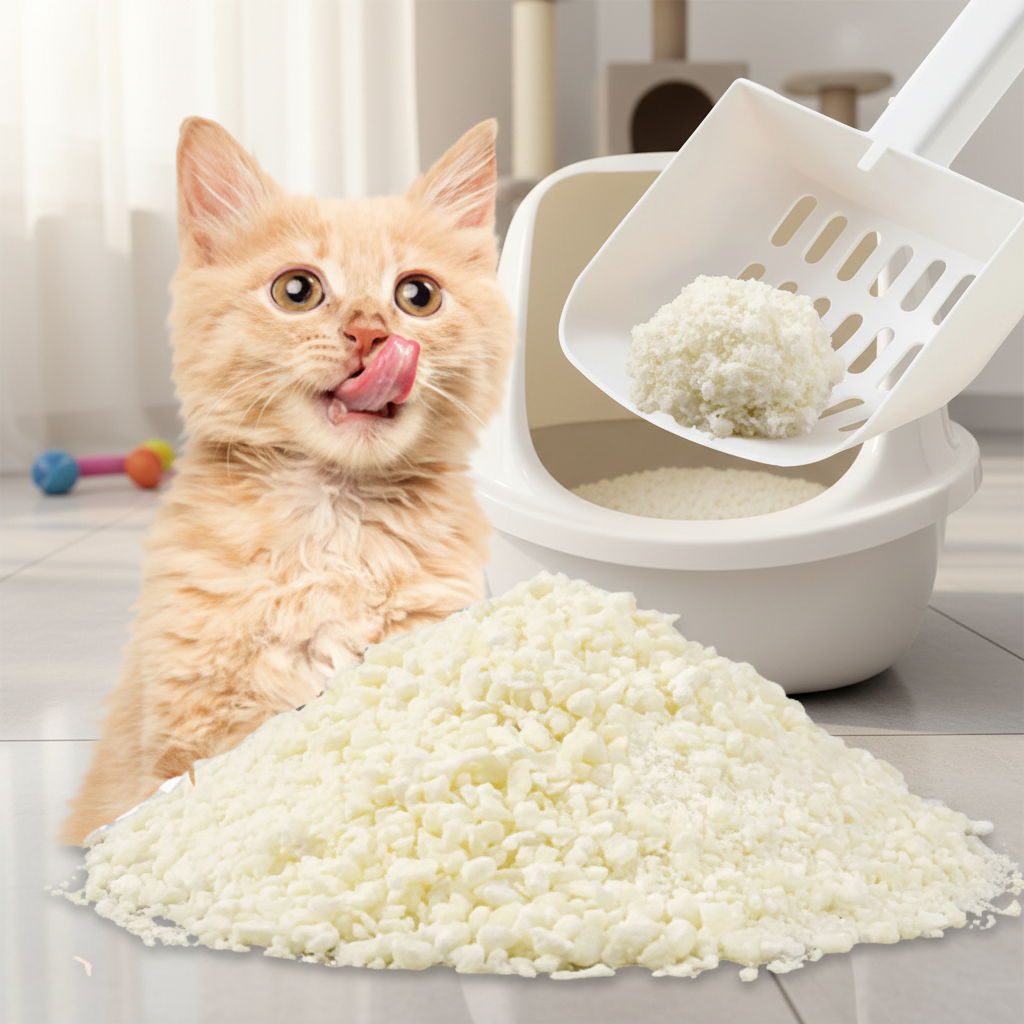
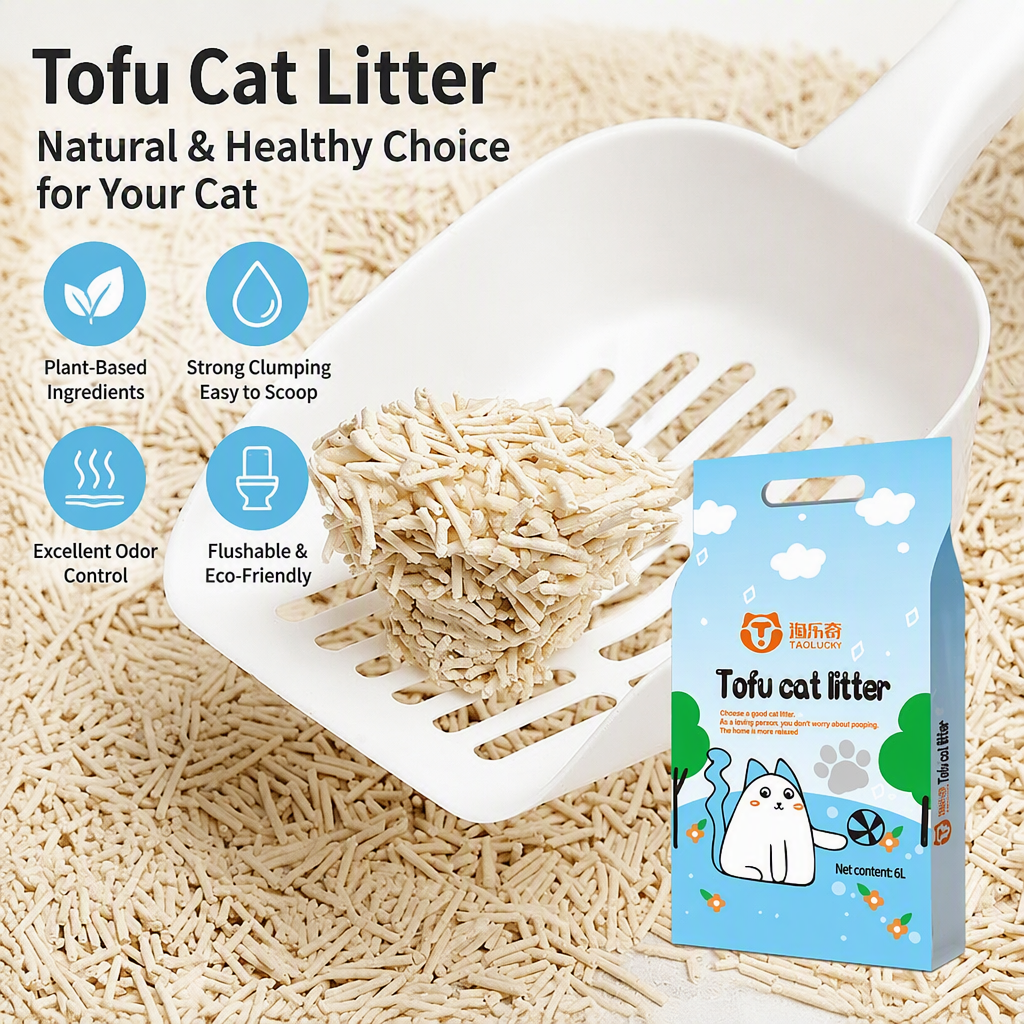
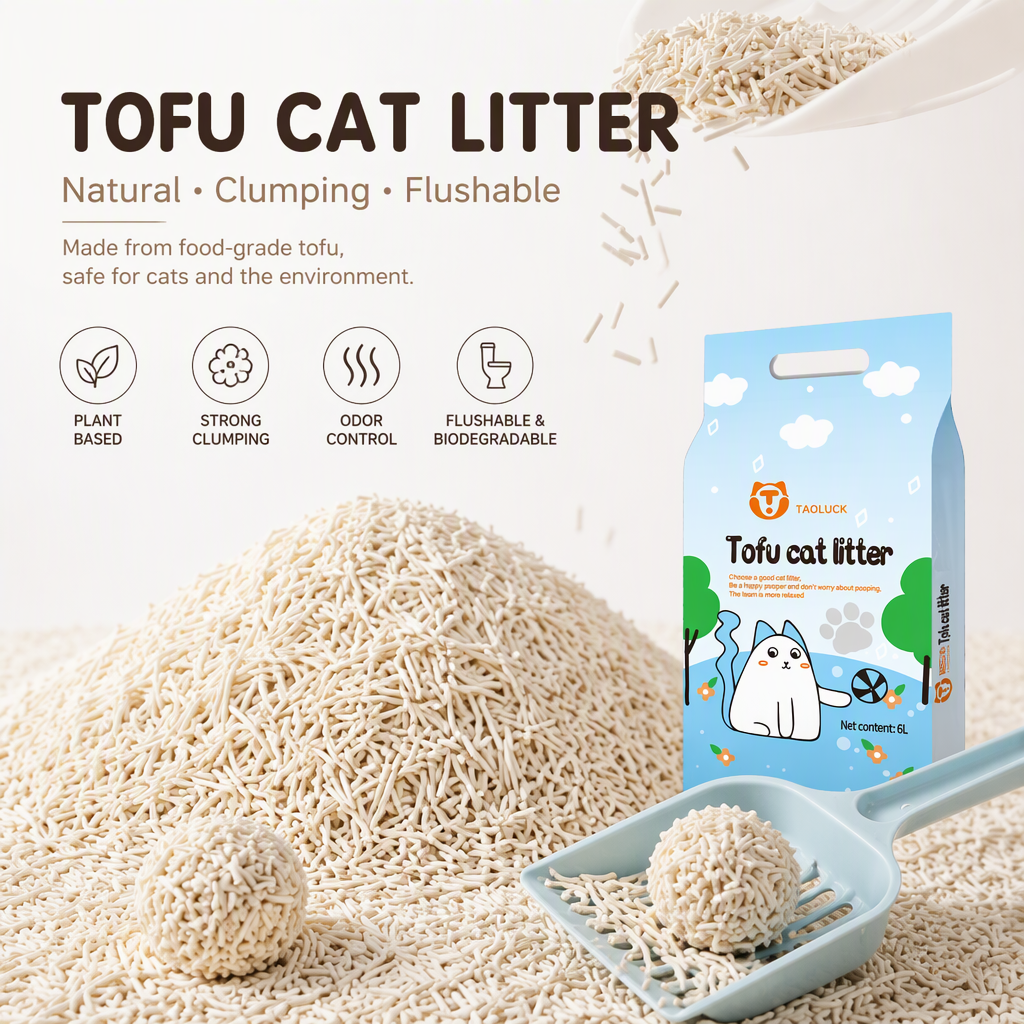
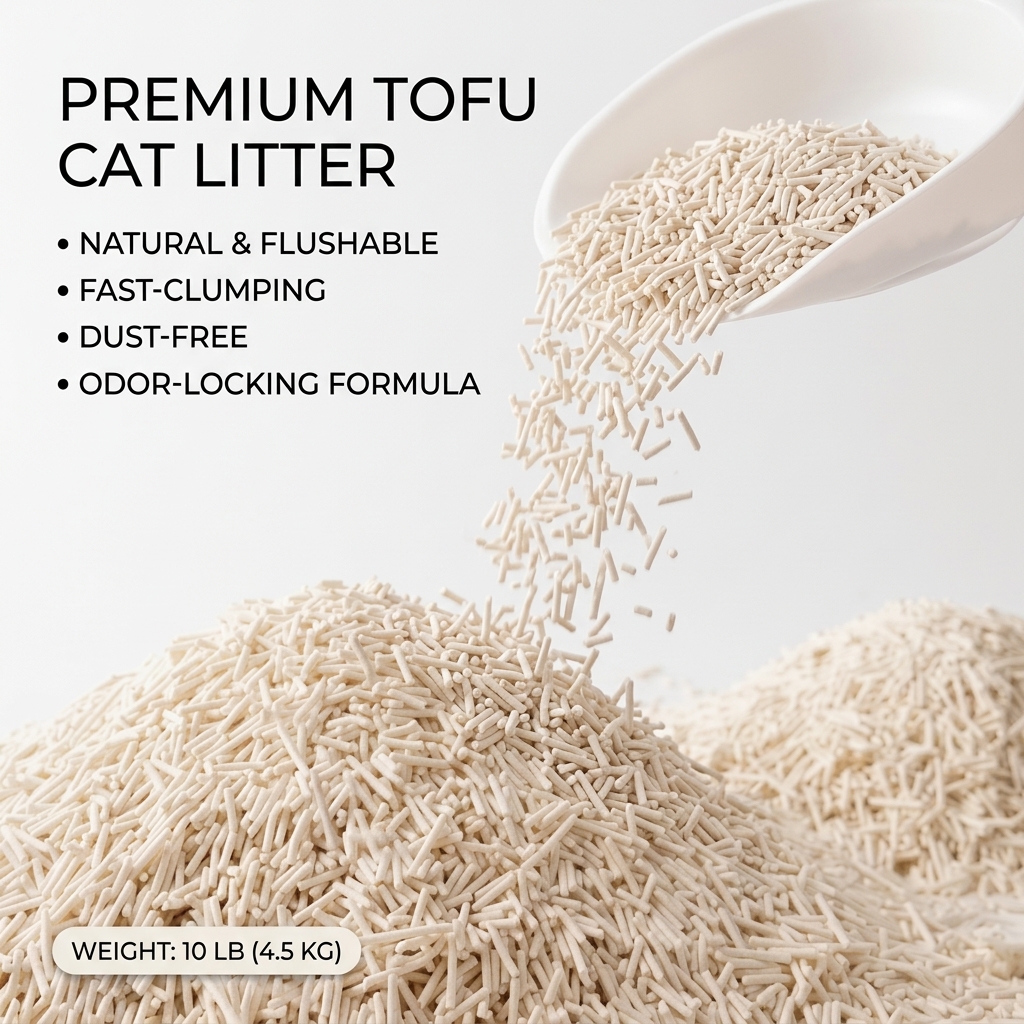
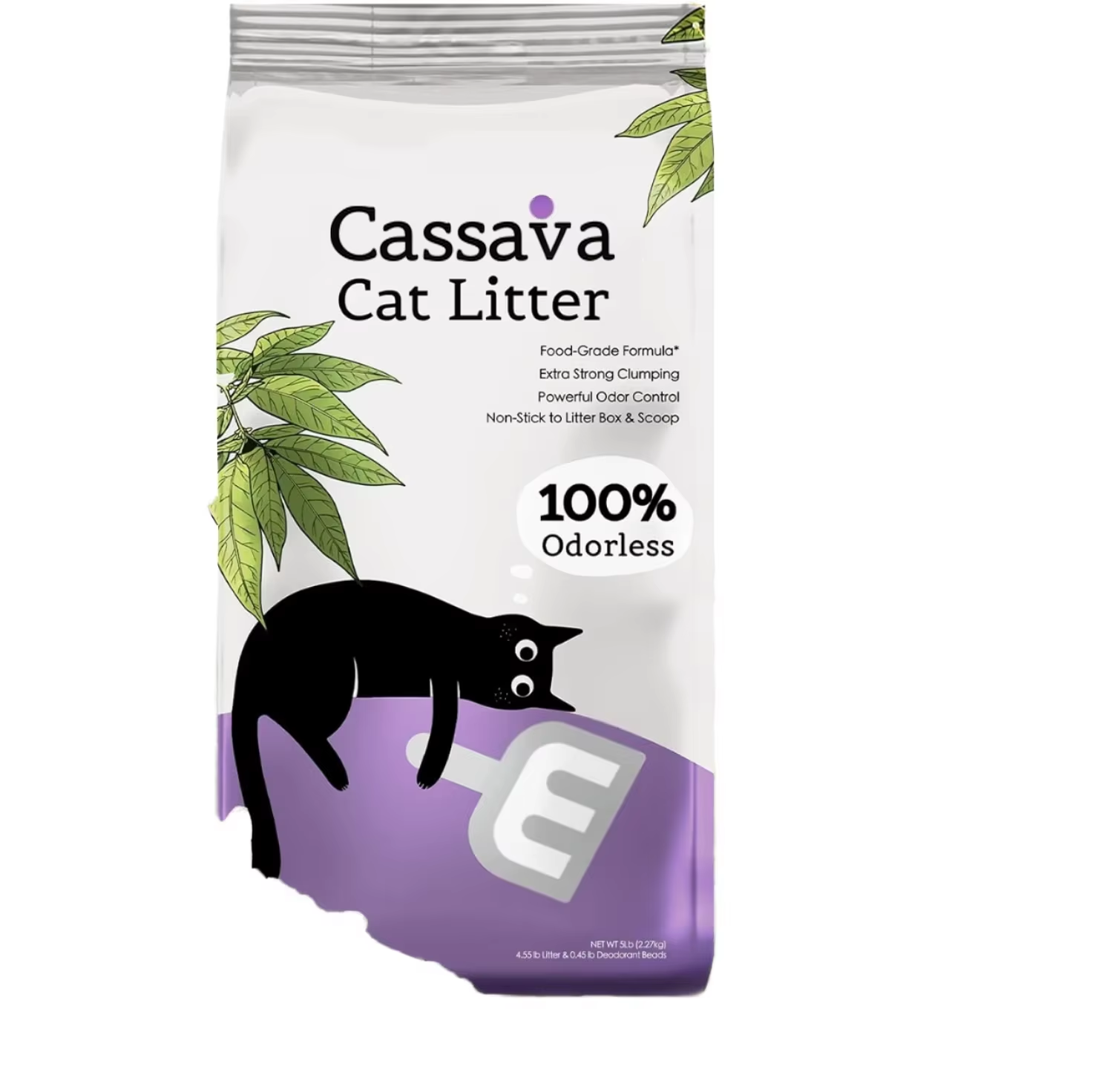
Localized Application Scenarios: The Urban Pet Ecosystem in Düsseldorf
Düsseldorf stands as one of the densest metropolitan and economic centers within North Rhine-Westphalia (NRW). Characterized by high-density multi-story rental apartments in central districts like Pempelfort, Unterbilk, Friedrichstadt, and Derendorf, feline husbandry takes place primarily in confined indoor settings. For feline guardians in these urban spaces, cat litter is not merely an absorbent commodity; it directly impacts indoor microclimates, ambient airborne particulate levels, and structural residential hygiene.
Standard industrial bentonite often poses distinct challenges in modern German apartments: heavy volumetric mass complicates physical transport through multi-floor walk-ups, while persistent mineral tracking scratches expensive parquet and engineered hardwood flooring. Conversely, pure tofu litter, while lightweight and low-tracking, can sometimes struggle under rapid sequential urination cycles from multi-cat households.
This is where Brumel’s engineered mixed cat sand (composite hybrid litter) delivers high technical utility. By synergizing 70% food-grade soybean fiber or natural tapioca cassava with 30% refined high-montmorillonite sodium bentonite and active deodorizing pellets, our composite litter provides:
Porous Acoustic & Odor Encapsulation
Confined architectural footprints require zero ammonia diffusion. Plant starches physically trap volatile organic compounds (VOCs) instantaneously, preventing odor migration in closed-window winter environments.
Reduced Bulk Volume & Logistics Weight
At 40% less mass per volume than pure bentonite, our mixed formulation reduces freight handling strain for both delivery couriers navigating Rhine logistics hubs and end-consumers walking up German Altbau apartments.
Low-Tracking Paw Safety
Granular densities between 1.5mm to 2.0mm are carefully calibrated to avoid clinging to paw hair, protecting polished timber and tiled floors common in modernized Düsseldorf residences.
Market Trends: Regulatory Shifts & Environmental Standards in North Rhine-Westphalia
The German companion animal market is experiencing an unprecedented structural transition driven by stringent ecological policies, consumer awareness, and rigorous circular economy legislation (Kreislaufwirtschaftsgesetz - KrWG). Düsseldorf pet parents lead national metrics in eco-conscious consumer behavior, prioritizing carbon-neutral raw materials, reduced landfill contributions, and ethical manufacturing practices.
Three primary drivers dictate procurement dynamics for pet retailers and e-commerce brand owners across the Rhine basin:
Decarbonization of Supply Chains
Strip-mined clays face growing consumer skepticism due to geological habitat disruption and transportation carbon tolls. Hybrid plant-based formulations utilize agricultural byproducts like soy curd fiber (okara) and cassava starch, lowering life-cycle emissions while appealing to sustainability metrics.
Multi-Bin Separation (Restmüll Optimization)
German municipal waste directives mandate clear disposal segregation. While used cat litter universally belongs in the residual waste bin (Restmüll) to prevent biological pathologens from entering compost streams, lower unit volume and biodegradability accelerate incineration efficiency in city facilities.
Respiratory Safety & Zero Artificial Scent
Düsseldorf veterinarians and feline dermatologists frequently caution against heavy chemical masking perfumes. The German market heavily favors fragrance-free or minimally fragranced formulas with guaranteed sub-10 micron dust filtration (<0.1% dust index) to protect feline respiratory health.
Industrial Integrity: Brumel's Manufacturing Advantages
As an SGS on-site audited manufacturer spanning 7,500 square meters of specialized production floorspace, Dongying Brumel Pet Products Co., Ltd. bridges the gap between raw ingredient supply security and stringent European import compliance. Our facility integrates automated processing lines dedicated to eliminating human error, moisture variability, and batch deviation.
SGS Verified Integrity
Our workshop, production capacities, storage facilities, and testing laboratories undergo rigorous on-site audit verification, providing complete transparency for European commercial contracts.
5-Tier Dedusting Process
Every metric ton of mixed litter undergoes negative-pressure cyclonic air separation and secondary screen filtering, ensuring less than 0.1% particulate residue inside the finished retail pouch.
Agile Private Label (OEM/ODM)
With an accessible entry barrier starting from just 400 bags, we empower boutique brands, regional distributors, and German market entrants with custom packaging, localized EAN barcodes, and bespoke ratios.
Direct Port Logistics to Neuss/Duisburg
Strategic maritime container freight routes connecting Qingdao directly to Rotterdam/Hamburg, with inland barge connections to the Rhine-Ruhr logistics terminals serving Greater Düsseldorf.
Technical & Commercial FAQ
Procurement Inquiries for German Importers
In-depth responses covering regulatory compliance, supply chain logistics, and material formulation standards for the North Rhine-Westphalia market.
What is the standard clumping ratio and composition of Brumel's mixed cat sand?
Our gold-standard commercial hybrid formula incorporates 70% food-grade plant fibers (purified soybean okara or cassava tapioca starch) and 30% premium crushed sodium bentonite clay, further augmented by antibacterial deodorizing micro-pellets. This synergistic combination utilizes the high capillary absorption of plant fibers for rapid liquid locking (under 3 seconds) while the montmorillonite clay forms hard, shatterproof clusters that will not break apart when scooped with commercial European wire shovels. Custom hybrid ratios (such as 80/20 or 60/40) can be formulated upon client specification.
How does this product align with German waste disposal regulations (KrWG & Abfallentsorgung)?
In Germany, including the municipality of Düsseldorf (AWISTA guidelines), any litter containing mineral bentonite or utilized for animal excrement must be discarded via the residual waste bin (Graue Tonne / Restmüll) rather than the organic waste bin (Biotonne) or public sewer systems. Because our mixed formulation is composed predominantly of organic plant materials, it possesses a significantly higher calorific value during thermal recovery in modern waste-to-energy facilities (Müllverbrennungsanlagen) compared to pure heavy clay, drastically reducing bottom-ash volume and aligning with NRW sustainable waste recovery goals.
What are the shipping routes, lead times, and customs handling for Düsseldorf?
Goods are produced at our factory in Dongying, Shandong, and containerized at Qingdao Port (approximately 3 hours away). Ocean vessels typically transit via Rotterdam or Hamburg (ocean transit roughly 28–35 days), after which cargo is routed via Rhine-Ruhr intermodal feeder rail or river barges directly into the Port of Düsseldorf (Rheinhafen) or neighboring Neuss/Duisburg inland hubs. Brumel provides full export documentation including commercial invoices, packing lists, Bills of Lading, Phytosanitary Certificates, and Certificate of Origin (Form A) to ensure streamlined German customs clearance (Zollabfertigung).
Can we design private label packaging with German legal labeling and Grüner Punkt conformity?
Yes. We offer comprehensive OEM/ODM custom packaging services. Our packaging options include multi-layer composite recyclable vacuum pouches, matte gusseted stand-up bags with sturdy handle designs, and master transport cartons. We assist in printing your localized German copy—including German text, volume disclosures (in Liters and Kilograms), recycling symbols, EAN-13 barcodes, and registration compliance markings for packaging disposal systems (such as Der Grüne Punkt / LUCID system compliance under the German Verpackungsgesetz - VerpackG).
What is the minimum order quantity (MOQ) and sample verification procedure?
For neutral or standard brand packaging, our minimum order quantity starts at just 400 bags. For fully customized private label printed packaging runs, production minimums are usually calibrated to one 20GP or 40HQ container load to optimize oceanic freight economics. Prior to commercial commitment, we supply free laboratory test samples (air couriered via DHL Express within 3–5 working days to your German facility) so your QA team can verify dust index, absorption speed, clump density, and VOC retention firsthand.
Launch Your Private Label Line in the German Pet Market
Connect directly with our engineering and export team for technical data sheets, SGS audit documentation, freight cost calculations to Düsseldorf, and complimentary testing samples.
Get a Quote