Export Catalog
Verified Plant-Based Cat Sand Formulas
Precision-engineered plant-derived substrates configured for swift moisture extraction, structural clump cohesion, and superior volatile ammonia containment.
Okara Fiber
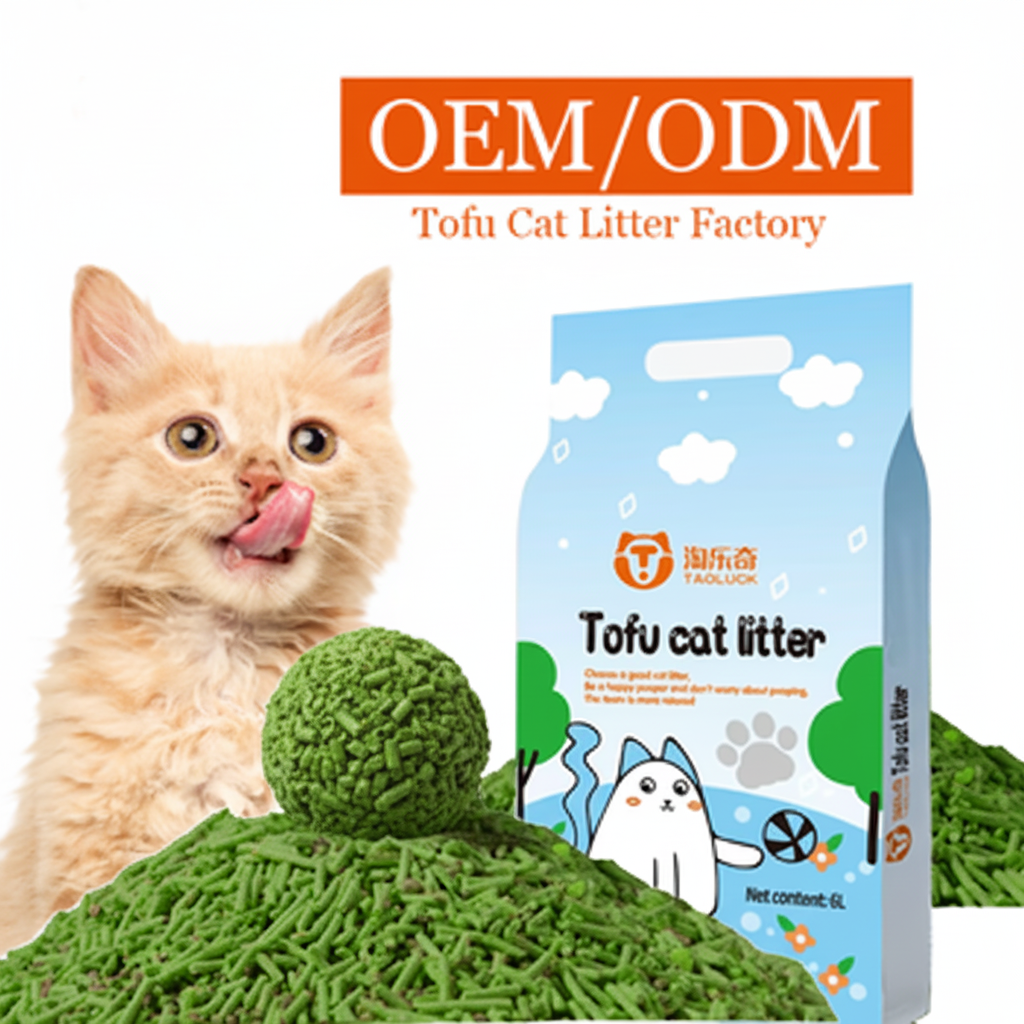
Cat Litter Premium Tofu Wholesale Efficient Odor Control 100 Dust Free Clumping Cat Litter Tofu Kitty Litter
Flushable Matrix
Inquire Now
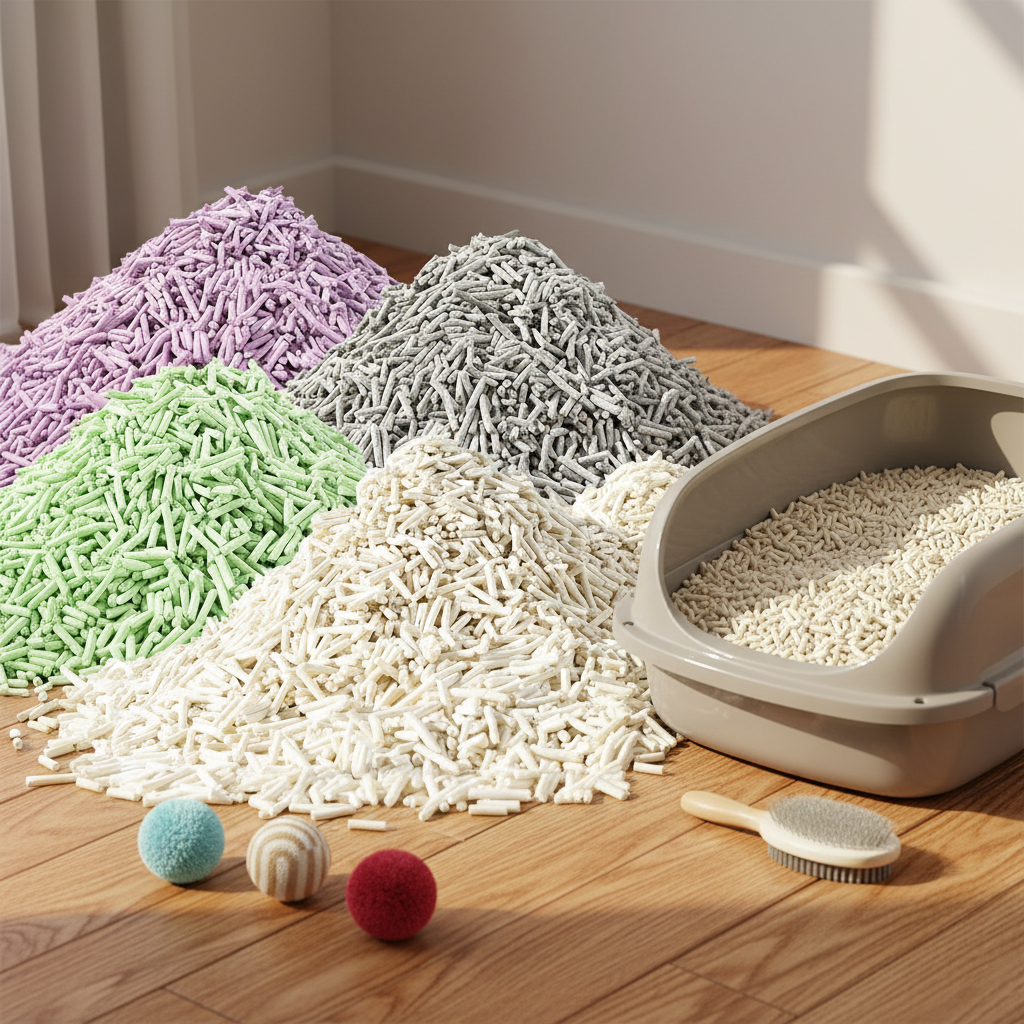
Factory Direct
Factory Direct Cat Litter Plant-based Eco Friendly Factory Dust Free OEM Strong Clumping Premium Tofu Cat Litter
Bulk Available
Inquire Now
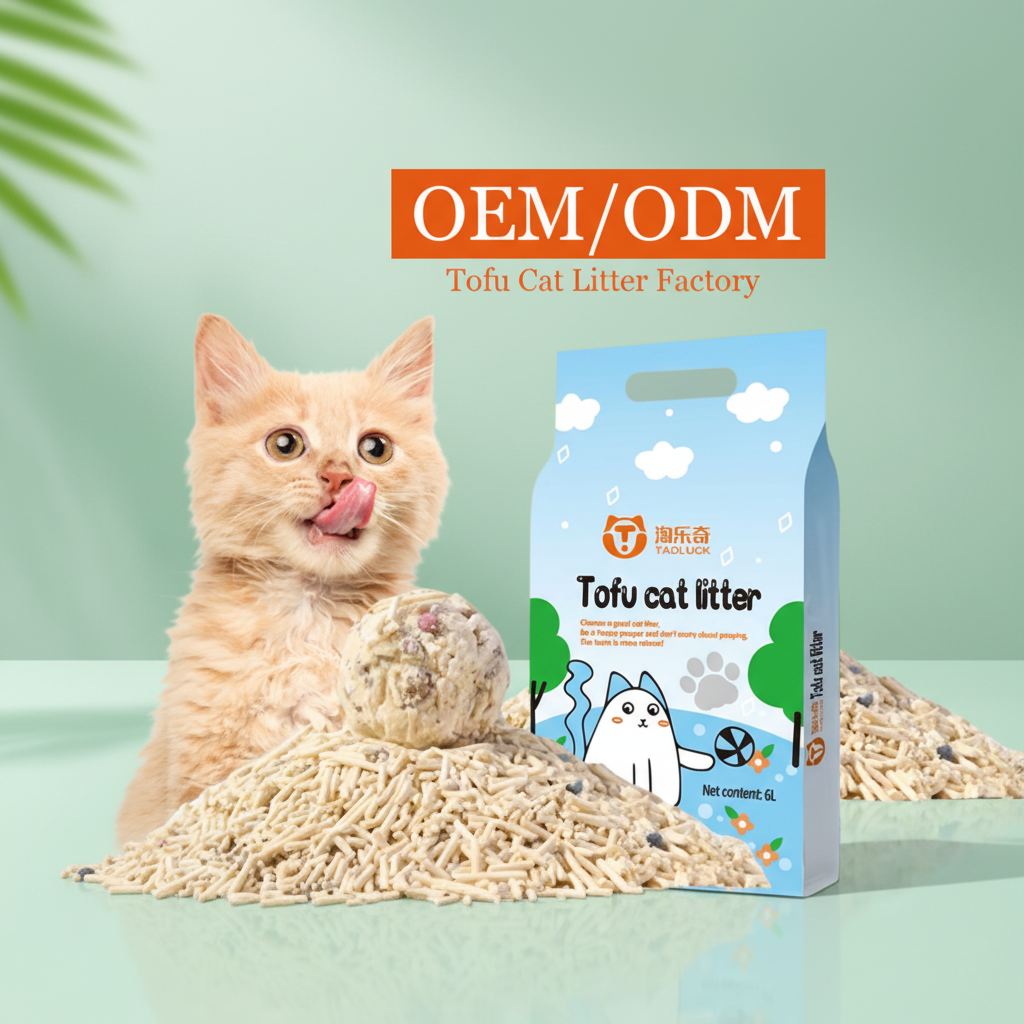
Original Scent
2026 Tofu Cat Litter Original Flavor Low Dust Clumping Cat Sand Custom Packaging Flushable Pet Litter
Biodegradable
Inquire Now
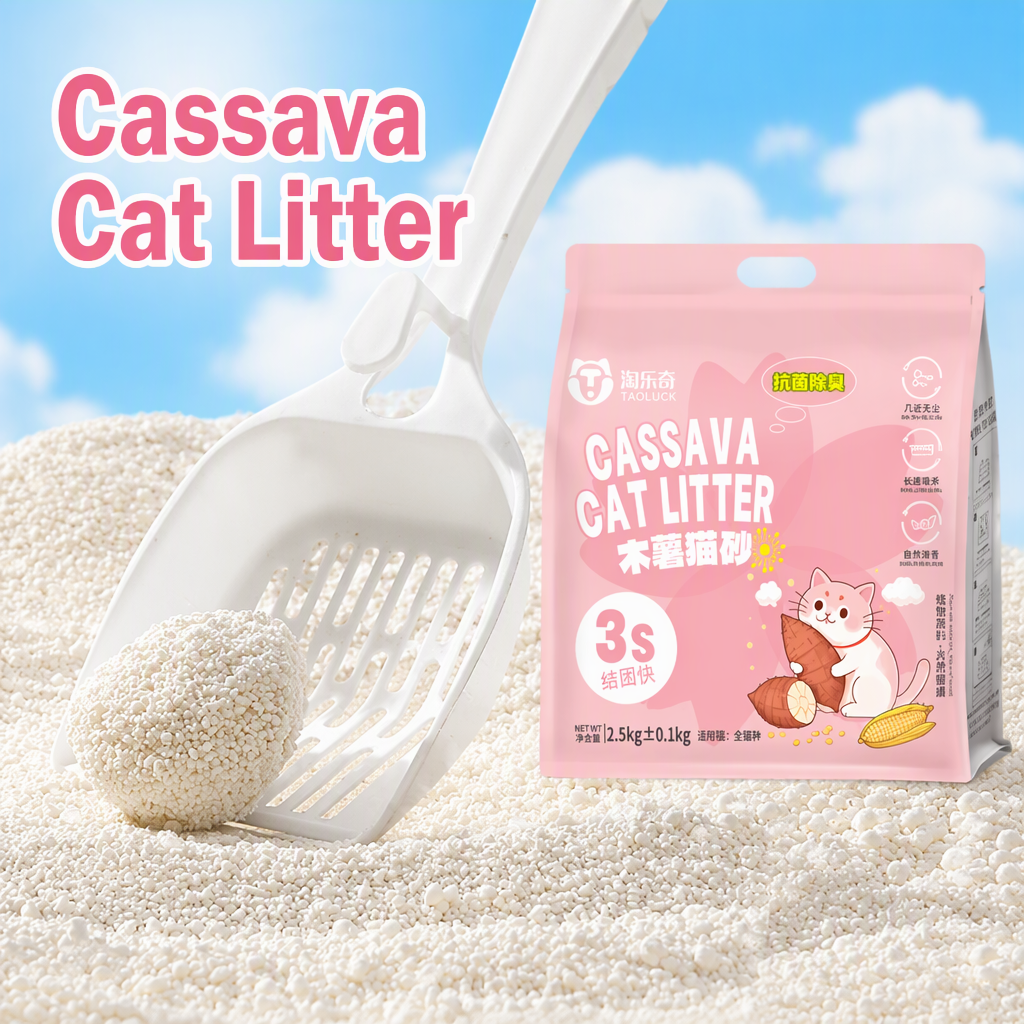
High Absorptive
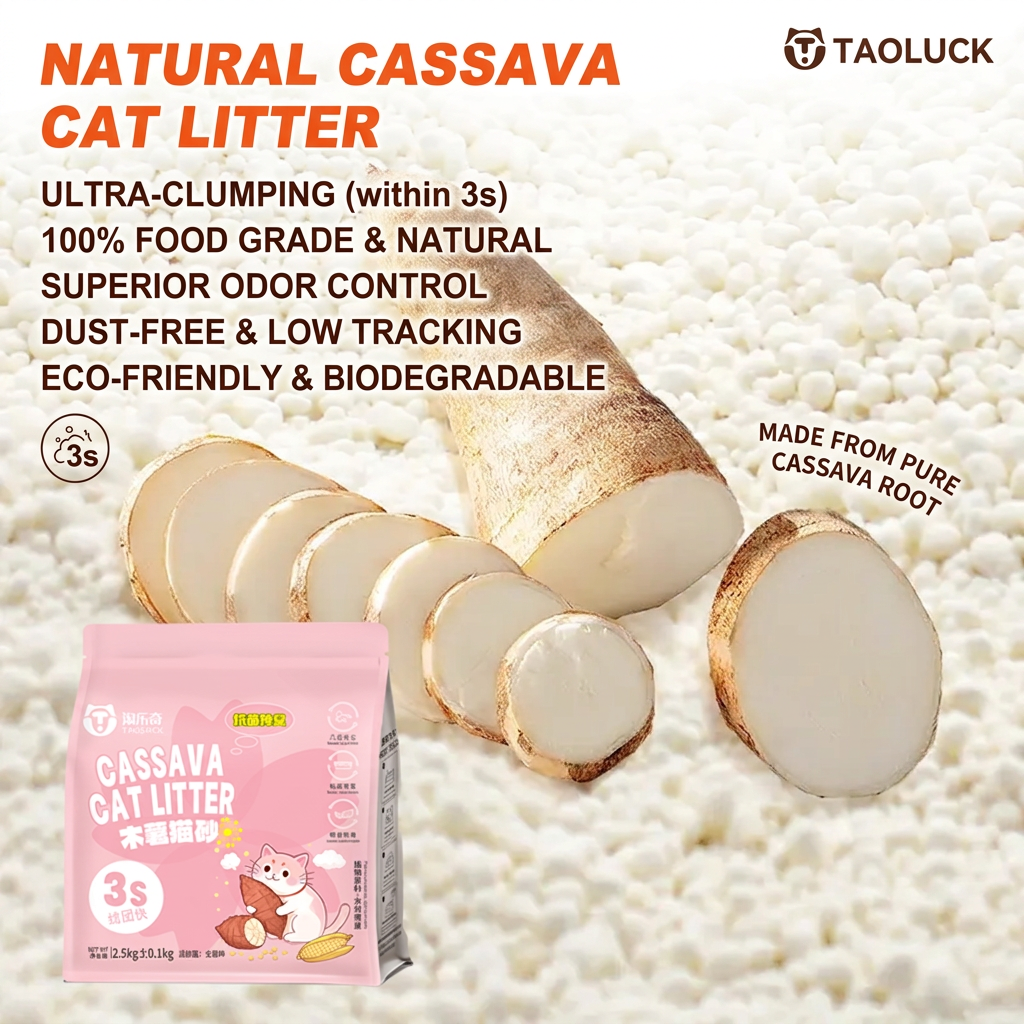
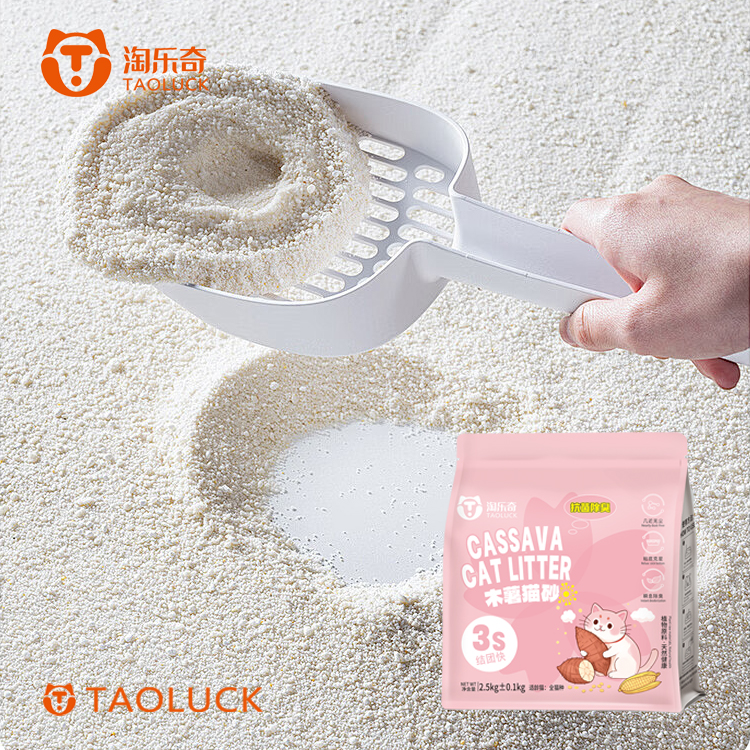
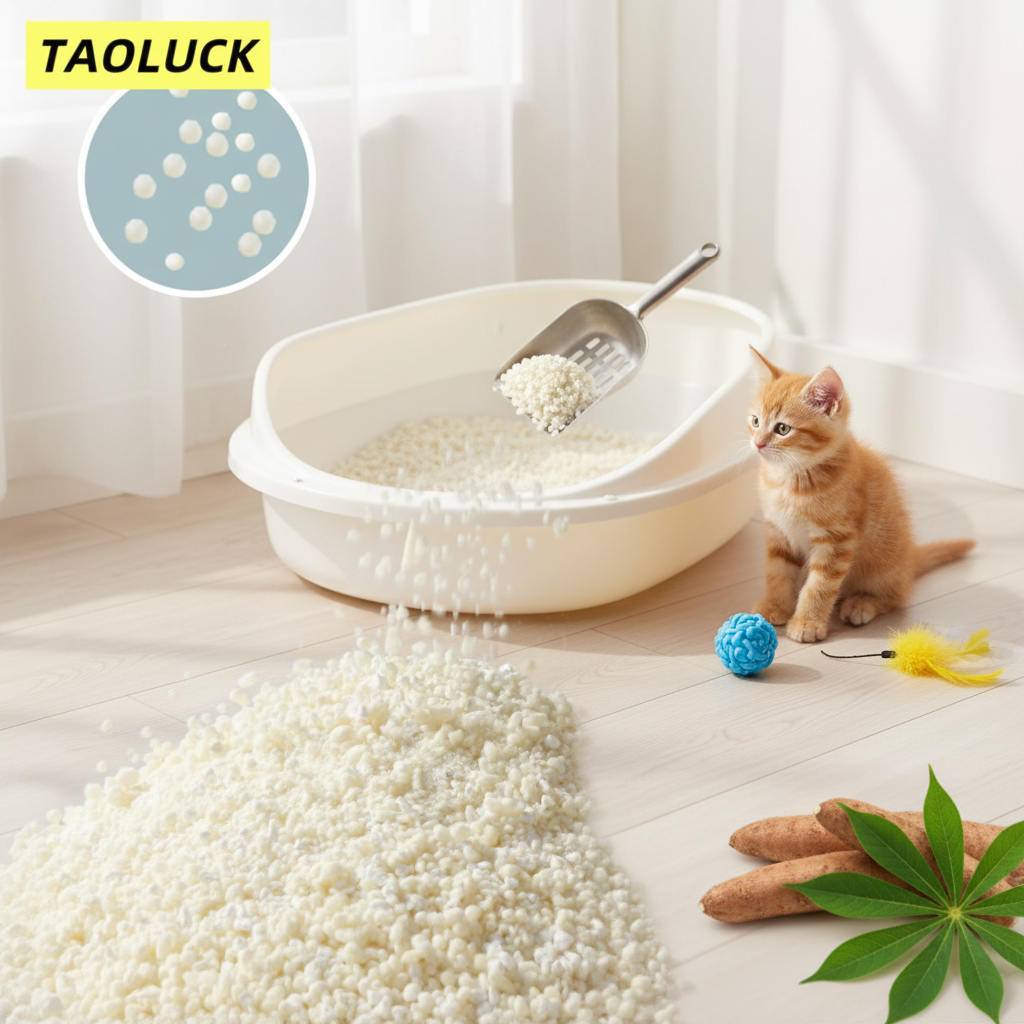
Eco Friendly Clumping Highly Absorbent Cat Litter Odor Control Premium Dust Free Cassava Cat Litter
Starch Granule
Inquire Now
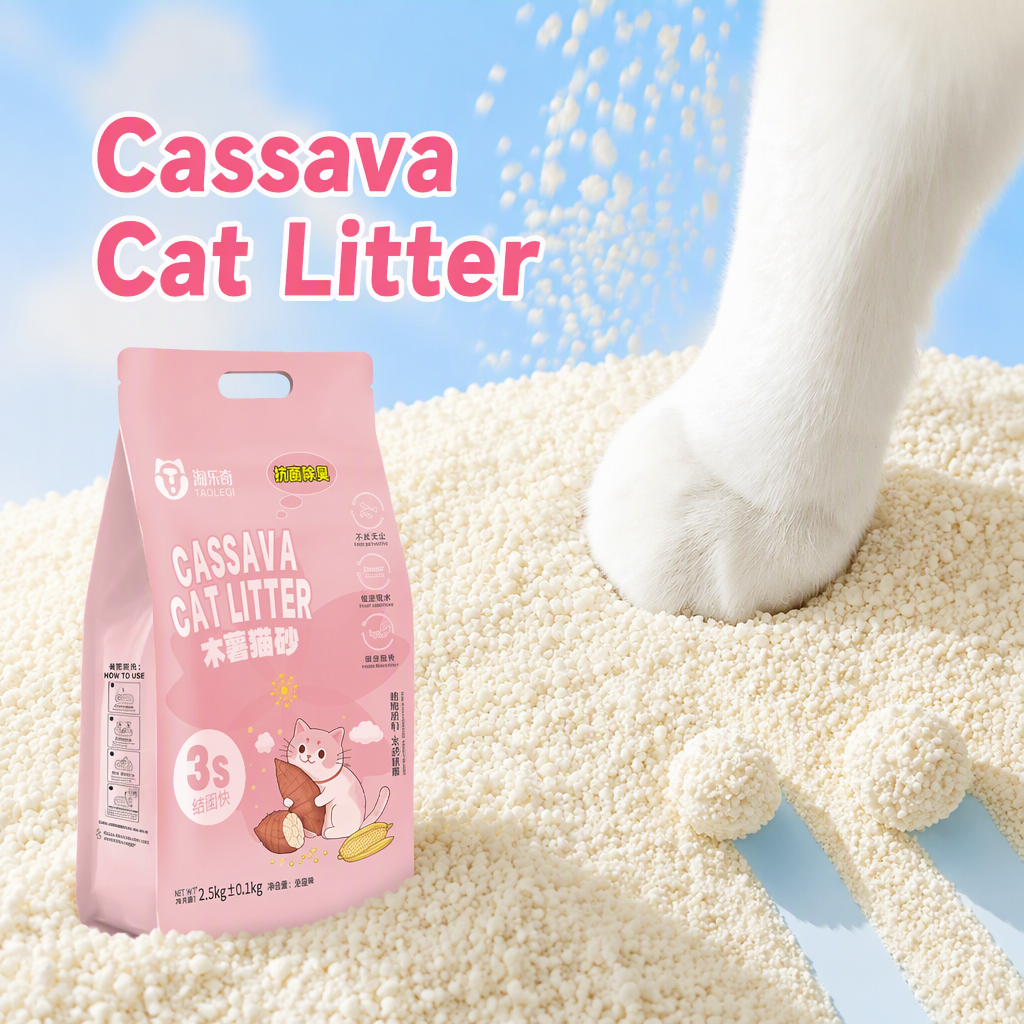
Premium Plant
Biodegradable Eco Friendly Clumping Highly Absorbent Odor Control Premium Dust Free Cassava Cat Litter
Zero Synthetic
Inquire Now
7,500 m²
Factory Floor Area
3 Sec
Absorption Velocity
400 Bags
Flexible Entry MOQ
SGS
On-Site Verified Facility
The Battambang Pet Economy: Climatic Challenges & Material Science
Battambang, historically renowned as the agricultural backbone and commercial nexus of northwestern Cambodia, is witnessing an unprecedented transition within its urban domestic pet sector. As multistory shop-houses, modern residential housing estates, and commercial shophouses dominate the central Svay Por and Wat Kor communes, pet management has moved completely indoors. In this tropical savanna climate—characterized by ambient temperatures routinely exceeding 34°C and relative humidity levels climbing above 85% during the monsoon months—standard mineral-based bentonite and untreated sodium clay litters suffer systemic structural and hygienic breakdowns.
When high atmospheric moisture saturates conventional sodium bentonite clay, its crystalline lattice pre-expands prior to feline contact. This reduces liquid absorption by up to 45%, resulting in sluggish clump formation, muddy residue adherence to the pan floor, and severe tracking across living spaces. More critically, high ambient heat accelerates the enzymatic breakdown of urea by microbial urease, causing rapid gaseous ammonia dissemination. Brumel’s engineered natural cat sand—manufactured via strict OEM/ODM processing from refined food-grade soybean fiber (okara) and high-density cassava starch matrices—delivers the thermodynamic and hygroscopic resilience required to overcome the distinct regional challenges faced by Battambang pet owners, veterinary clinics, and boarding operations.
Capillary Absorption Dynamics
Cassava amylopectin polymers undergo rapid cross-linking within 3 seconds of liquid contact. This creates high-tensile, localized clumps that do not collapse, flake, or seep to the base of the tray even under Northwestern Cambodian humidity.
Multi-Tier De-Dusting Technology
Passing through an advanced triple pneumatic screening and cyclone dedusting system at the Shandong plant, our 99.9% dust-free granules safeguard feline corneal health and eliminate respiratory risks in poorly ventilated urban interiors.
Biodegradable Waste Protocol
Unlike clay which clogs urban septic conduits, our plant-based okara and cassava litters dissolve cleanly when submerged in excess water, enabling full toilet-flushing disposal and mitigating municipal municipal solid-waste strains in provincial centers.
Technical Matrix: Plant-Based Substrates vs. Traditional Clay
For commercial importers, regional master distributors, and retail procurement managers in Battambang, selecting an appropriate litter variant requires balancing logistical weight costs, consumer shelf performance, and product margins. Below is our empirical laboratory matrix:
| Evaluation Parameter | Engineered Cassava Sand | Micro-Pellet Tofu Litter | Standard Bentonite Clay |
|---|---|---|---|
| Raw Material Origin | Purified Cassava Starch & Fibers | Food-Grade Reclaimed Okara | Mined Sodium Bentonite |
| Hydration Velocity (10ml Saline) | Under 3.2 Seconds | 3.8 - 4.5 Seconds | 7.0 - 11.5 Seconds |
| Hydraulic Clump Hardness | Extremely Firm (Dry Clump) | Elastic Compact Block | Friable / Sludge-Prone |
| Bulk Density (Shipping Freight) | 0.52 - 0.58 g/cm³ (Lightweight) | 0.48 - 0.54 g/cm³ (Ultra-Light) | 0.95 - 1.15 g/cm³ (Heavy Freight) |
| Disposal Channels | Flushable in Small Clumps / Compost | Rapid Flush Dispersion / Septic Safe | Landfill Only (Insoluble Aggregate) |
| In-Bag Moisture Content | ≤ 8.5% (Mold-Resistant Packaging) | ≤ 9.0% Vacuum De-aerated | Variable (Attracts Moisture) |
Direct Sourcing Authority: Dongying Brumel Pet Products Co., Ltd.
Navigating the overseas supply chain requires guaranteed manufacturing integrity, strict regulatory compliance, and predictable shipping lead times. As an SGS on-site verified custom manufacturer based in Dongying, Shandong, China, Brumel provides end-to-end B2B support tailored for Southeast Asian import conditions:
SGS Physical Verification
Our complete 7,500 m² workshop, raw ingredient quarantine zones, and mechanical output lines are physically validated by SGS Group, giving Battambang commercial buyers full confidence in operational legitimacy.
Flexible Private Labeling (OEM/ODM)
Democratizing private label expansion: we deliver tailored vacuum packaging, moisture-barrier multi-wall foil bags, and distinct scent infusions starting from a manageable entry point of just 400 bags.
Streamlined Sihanoukville Logistics
Our dedicated export department handles complete fumigation, phytosanitary certifications, ASEAN-China FTA documentation (Form E), and direct shipping corridors into Sihanoukville (PAS) or Phnom Penh dry ports.
Battambang Procurement FAQ: Technical & Commercial Specifications
Direct, data-backed clarifications designed for retail directors, commercial breeders, and wholesale importers operating within Northwestern Cambodia.
Q1: How does plant-based cat litter resist mold during storage in Battambang's rainy season?
All Brumel cassava and tofu cat sands undergo high-temperature multi-stage hot-air desiccating ovens, stabilizing raw granule internal moisture beneath 8.5%. Packed in multi-layer co-extruded moisture-barrier vacuum packs, our products resist mold and moisture penetration during maritime shipping and local warehousing.
Q2: What are the shipping lead times and routing options from Qingdao to Battambang?
Ocean freight routes directly from Qingdao Port to the Port of Sihanoukville (PAS) or Phnom Penh Autonomous Port. Transit typically ranges from 12 to 18 days. From port clearance, domestic bonded highway transit conveys container loads to Battambang distribution depots within 24 to 48 hours.
Q3: Can custom packaging support bilingual Khmer and English labeling?
Yes. Our in-house graphics division assists Battambang brands in developing tailored packaging typography, integrating Khmer registration text, consumer usage instructions, barcoding, and local brand iconography on gravure-printed glossy, matte, or kraft bags.
Q4: Why are plant starches preferred over clay in modern Cambodian apartments?
Clay tracking damages traditional polished timber and tile floors prevalent in Cambodian architecture. Moreover, clay dust settles on food surfaces in open-layout homes. Cassava and tofu litters are 99.9% dust-free, non-tracking, and can be safely flushed into standard municipal plumbing, eliminating daily waste buildup.
Q5: What is the minimum capital threshold for launching an exclusive private label?
Standard SKU customization begins at only 400 bags per batch, enabling small-to-midsize pet shops and regional distributor networks in Battambang to establish high-margin proprietary branding without burdensome inventory overhead.
Q6: How do your cassava formulas perform in multi-cat breeding environments?
Cassava's rapid capillary action traps liquid at the surface, creating flatter, thinner clumps that use less material per elimination. This extends total pan longevity by up to 35% compared to bentonite, making it more cost-effective for commercial catteries.