High-Performance Odor Control Litters for Yangon
Laboratory-tested clumping matrices, zero-dust sieving, and advanced bio-enzymatic odor encapsulation for importers and distributors across Myanmar.
1. Tropical Microclimate Dynamics: Why Yangon Requires Specially Formulated Mixed Cat Litter
Yangon is characterized by a tropical monsoon climate (Köppen climate classification Am), marked by an extended rainy season lasting from May to October, where relative humidity (RH) routinely exceeds 85% to 95%, accompanied by mean daily ambient temperatures between 28°C and 36°C. In such an intense hygrothermal ecosystem, standard single-component cat litters experience rapid structural and chemical breakdown. When feline urine (consisting of approximately 95% water and 2.5% urea) contacts conventional bentonite clay under high ambient humidity, the moisture-saturated air significantly retards evaporation. As a consequence, the urease enzyme produced by ambient bacteria (such as Proteus mirabilis and Staphylococcus spp.) hydrolyzes urea into volatile ammonia gas (NH₃) and toxic sulfur-bearing mercaptans at an exponential rate.
In Yangon households, where urban apartments in townships such as Yankin, Bahan, Kamayut, and Sanchaung rely on limited cross-ventilation or intermittent air conditioning, ambient ammonia levels inside closed rooms can reach irritating thresholds (>25 ppm) within 4 hours. Traditional sodium bentonite litter tends to saturate prematurely from atmospheric moisture absorption before feline discharge even occurs, resulting in sludgy, gummy deposits that adhere tenaciously to the litter pan bottom. Conversely, pure tofu litter (derived from food-grade soybean fiber or okara), while possessing superior capillary absorption, is prone to secondary fungal colonization, surface softening, and mold spore proliferation when exposed to continuous tropical moisture.
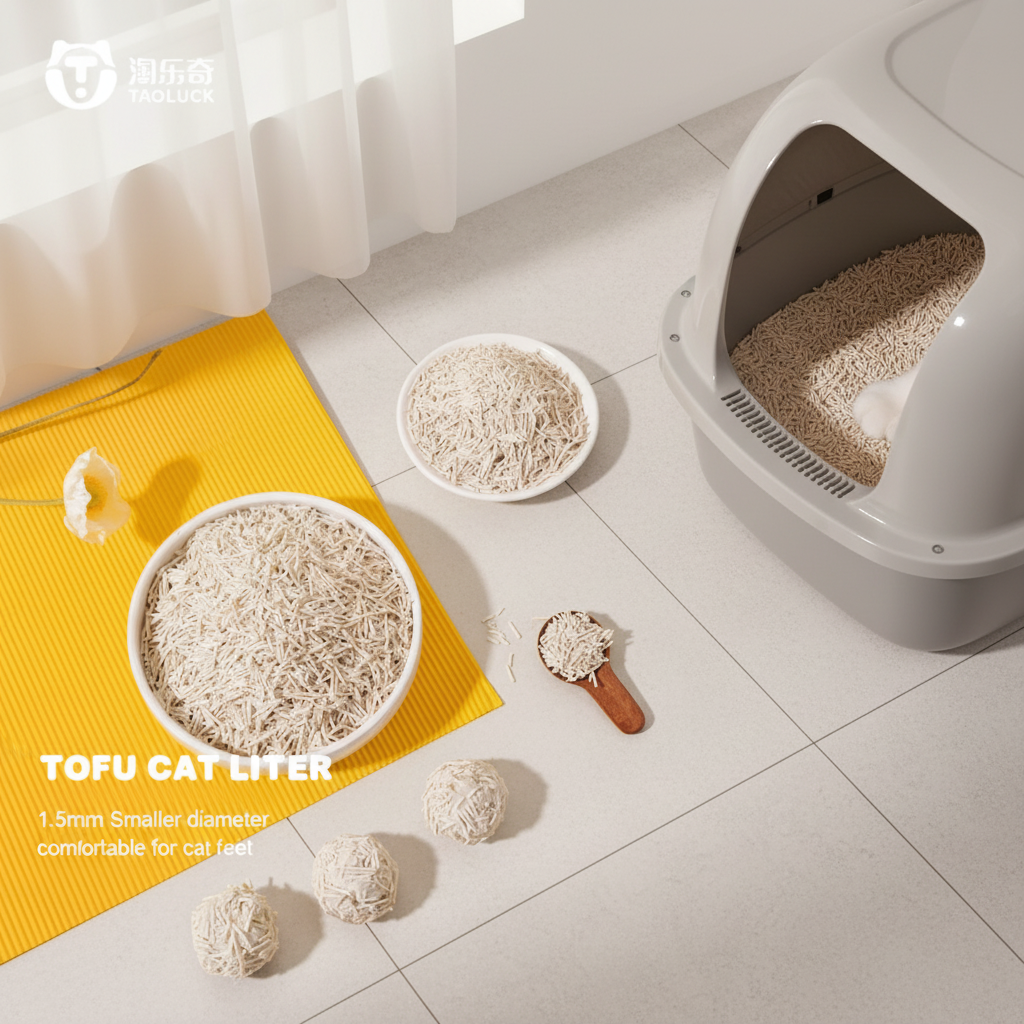
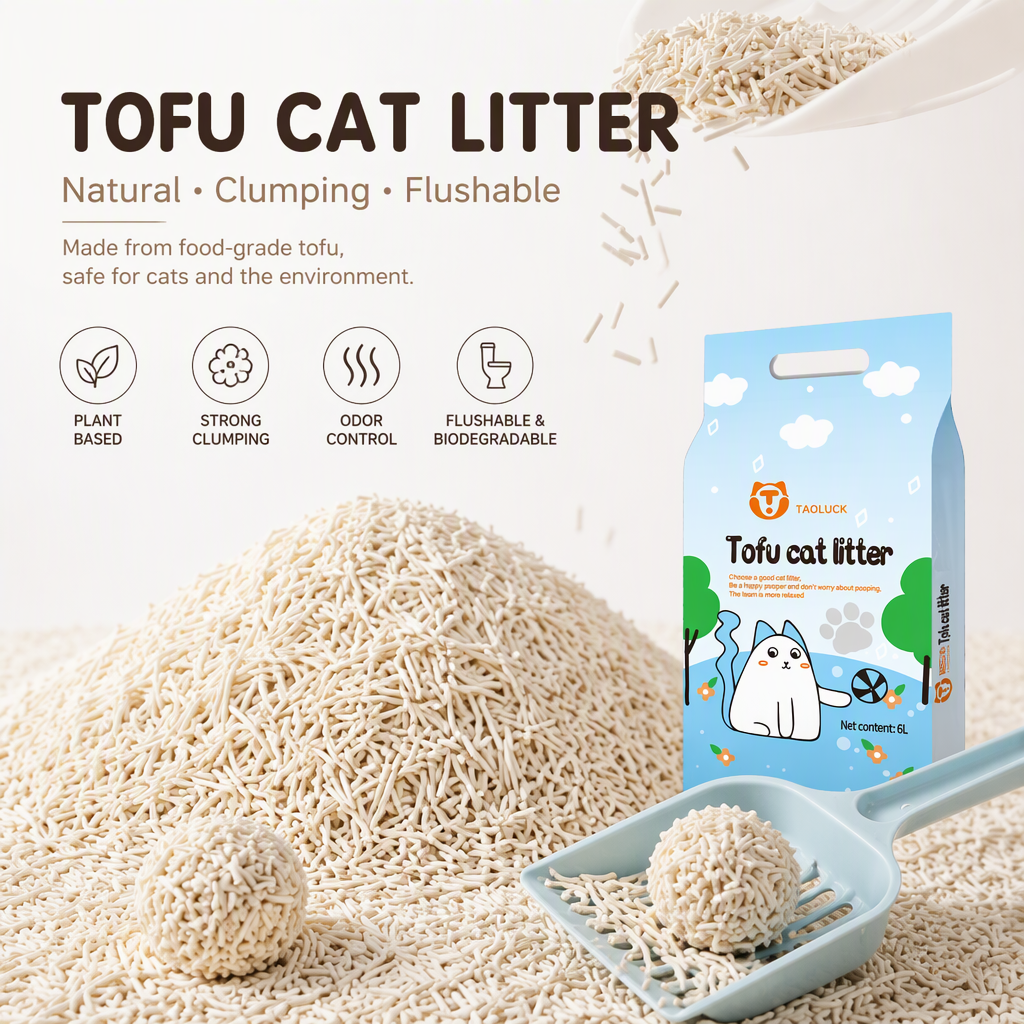
To solve this environmental challenge, Dongying Brumel Pet Products Co., Ltd. has developed specialized Odor Control Mixed Cat Litter. By scientifically combining organic pea fiber/food-grade tofu granules (1.5mm–2.0mm micro-pellets) with graded natural sodium bentonite, functional activated carbon particles, and STA bio-deodorizing beads, we achieve an engineered interstitial matrix. The spherical bentonite granules nest within the void spaces between cylindrical tofu pellets, reducing the inter-pellet interstitial porosity by 42%. This physical configuration instantly channels liquid downward into a compact focal point, triggering a rapid 3-second moisture lock. The combined matrix physically sequesters volatile fatty acids and neutralizes ammonia ions at the molecular lattice level, delivering dry, easily scoopable clumps that resist environmental ambient condensation even during Yangon's peak monsoon deluges.
Engineering Formulations: Mixed Litter vs. Single-Source Litters
Quantitative laboratory metrics demonstrating the thermodynamic, absorption, and anti-humidity superiority of mixed matrices in Southeast Asian tropical conditions.
| Performance Parameter | Brumel Mixed Hybrid (Tofu 70% + Bentonite 30%) | Pure Sodium Bentonite (100%) | Standard Food-Grade Tofu (100%) | Cassava-Enzyme Blend (Brumel OEM) |
|---|---|---|---|---|
| Clumping Velocity (Seconds) | < 2.8 s (Solid cohesive mass) | 4.5 – 6.0 s (Permeable cone) | 3.5 – 5.0 s (Cylindrical mass) | < 2.0 s (Hard spherical clump) |
| Tropical Anti-Humidity Resistance (90% RH) | Exceptional: Interstitial voids resist atmospheric clumping | Poor: Prone to surface crusting and pan adhesion | Moderate: Softens after 7 days exposure | High: Starch-crosslinked resistance to moisture |
| Ammonia (NH₃) Suppression (24 Hrs) | 96.8%: Activated carbon + dual porous action | 68.2%: Surface clay encapsulation only | 78.5%: Pea fiber plant-acid buffering | 94.1%: Starch lattice & organic acid control |
| Bulk Density / Freight Efficiency | Balanced (approx. 560–620 g/L) – cost-effective ocean transit | Heavy (approx. 900–980 g/L) – high ocean freight surcharge | Lightweight (approx. 400–450 g/L) – high volume, low mass | Optimal (approx. 520–580 g/L) – ideal bag fill factor |
| Dust Emission Index (Optical Particle Count) | < 0.1% (Five-stage vacuum extraction) | 1.5% – 3.8% (Airborne particulate hazard) | < 0.2% (Low tracking, pet safe) | < 0.05% (Near zero dust formulation) |
| Pan Adhesion Risk (Bottom-Sticking) | Minimal: Bentonite fines seal tofu base clump | Severe: Forms clay mortar at tray base | Low to Moderate depending on scooping speed | Negligible: Clump suspends within top 3 cm |
Localized Application Scenarios in Yangon's Urban Ecosystem
Targeted product matching engineered for specific residential formats, commercial facilities, and lifestyle habits across Myanmar's primary commercial capital.
High-Rise Condominiums (Yankin & Bahan)
In modern residential developments such as Golden City, StarCity (Thanlyin), and serviced apartments surrounding Inya Lake, balconies are frequently enclosed to keep driving monsoon rains out. Poor air exchange traps odor inside living rooms. Brumel’s 70:30 Mixed Bentonite-Tofu formulation infused with natural lavender or activated charcoal provides aggressive odor neutralization. The lightweight plant fractions allow easy bag carrying up elevators, while flushable properties (small clump dispersibility) prevent plumbing clogs in contemporary condominium drainage systems.
Colonial Flats & Traditional Walk-Ups (Downtown Yangon)
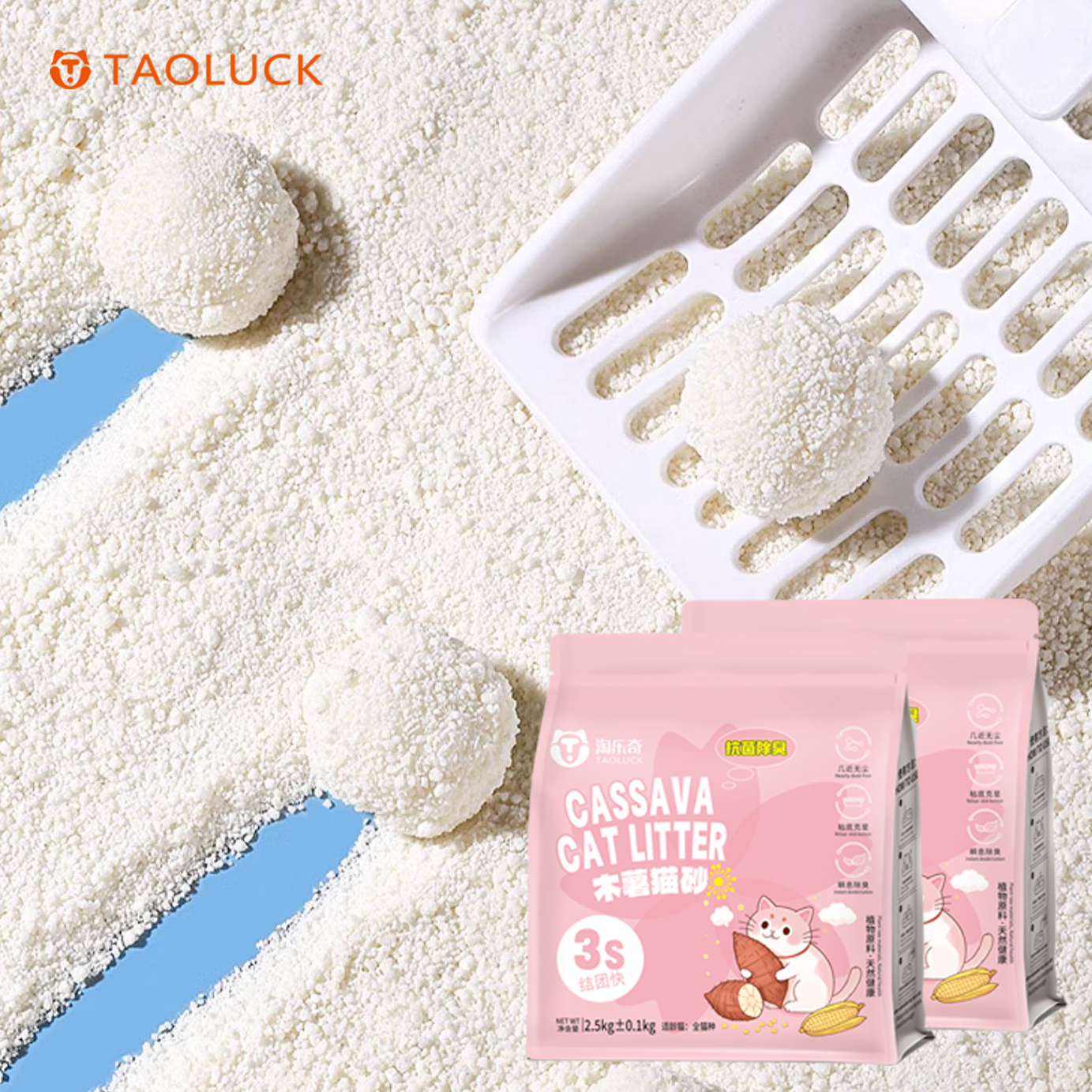
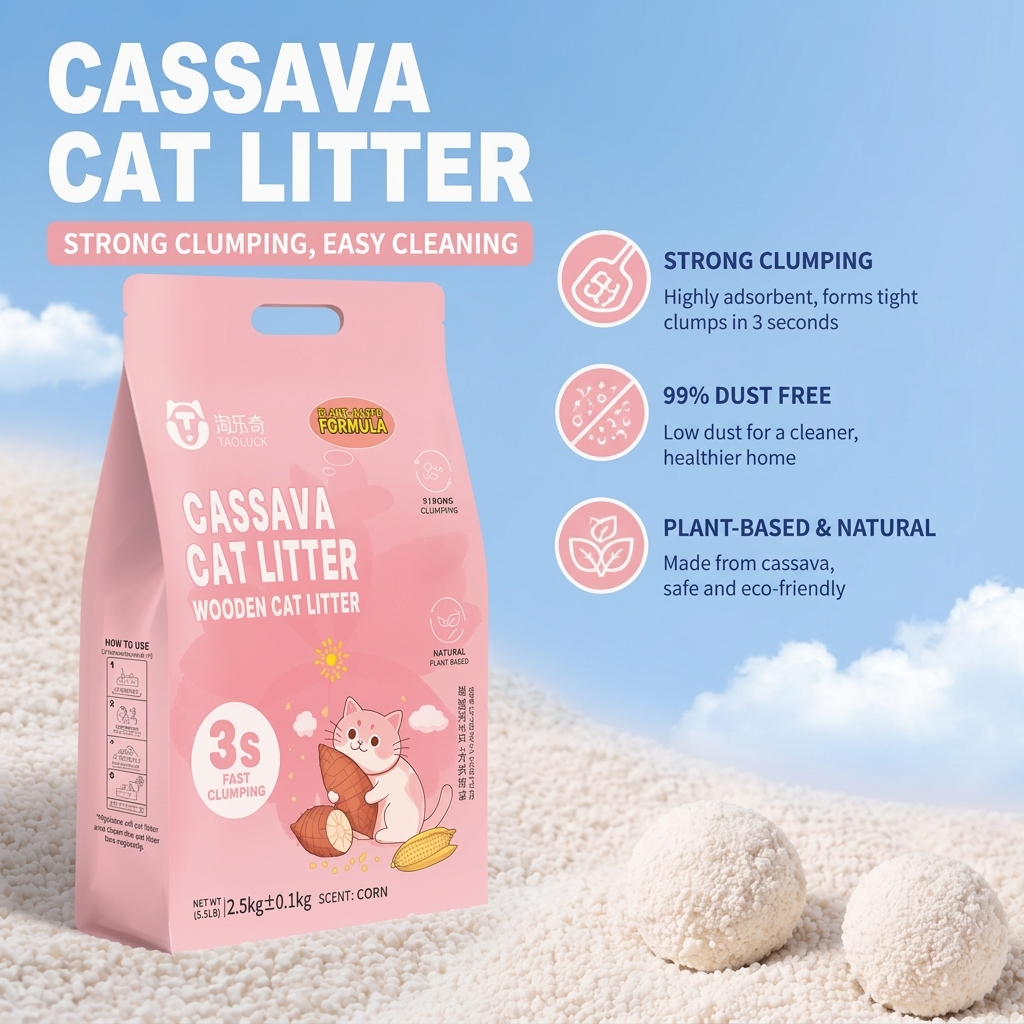
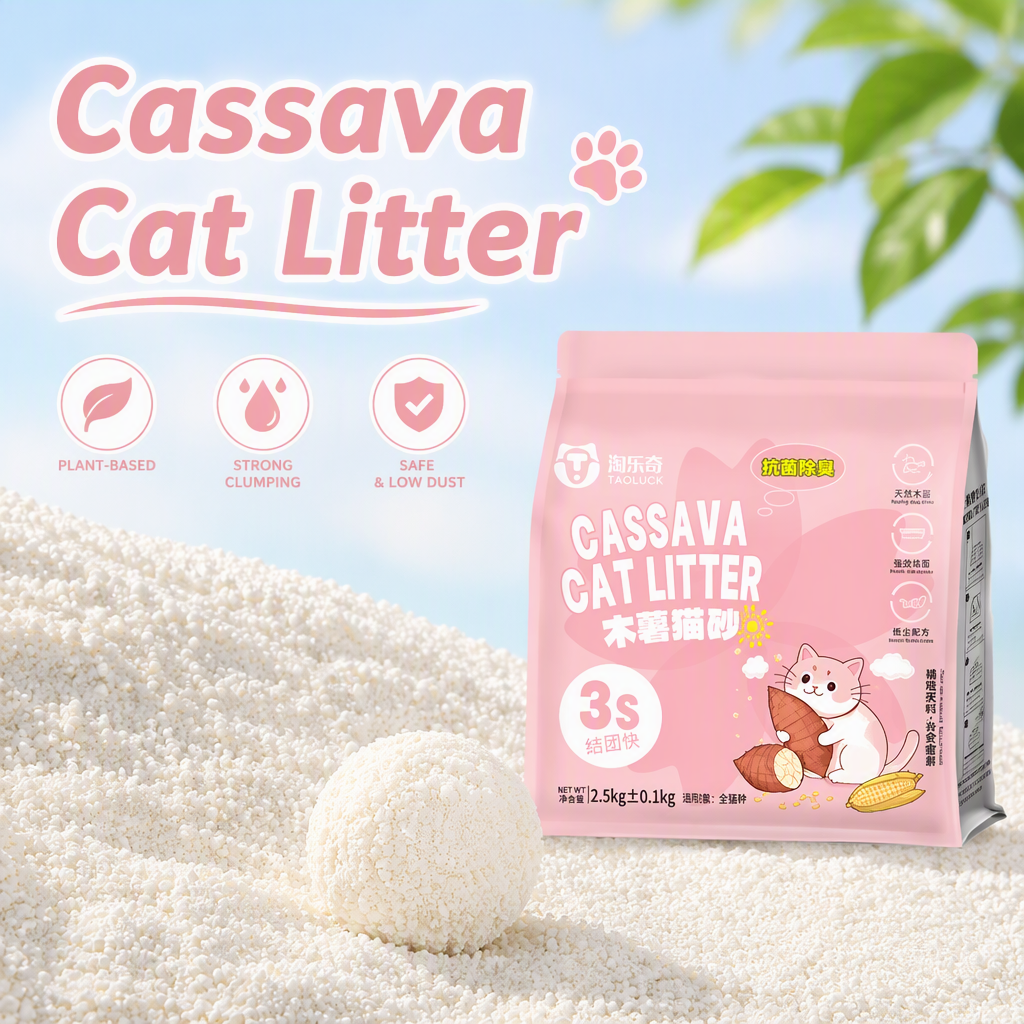
Downtown townships like Kyauktada, Pabedan, and Lanmadaw feature heritage walk-up buildings with narrow stairwells and older municipal waste infrastructure managed by the Yangon City Development Committee (YCDC). Waste disposal schedules are strictly timed, forcing pet owners to store scooped cat waste indoors for 12–24 hours. Our cassava-blended and mixed litters feature immediate odor encapsulation that neutralizes hydrogen sulfide, preventing indoor stench from escaping into compact multi-family corridors.
Feline Cafes, Boarding Catteries & Vet Clinics
With Yangon’s expanding middle class, high-density cat cafes and veterinary hospitals in Kamayut and Hledan experience extreme litter box turnover. High-volume usage creates damp litter pans where bacterial colonies flourish rapidly. Brumel’s crushed-tofu and mixed cassava formulations utilize food-grade bactericides and botanical pea starches that suppress microbial propagation, maintaining fresh, sanitary environments for feline patients and visitors alike while lowering the total monthly consumption volume by up to 35%.
The Chemistry of Interstitial Moisture & Odor Adsorption
Traditional single-ingredient cat litter fails in tropical Myanmar because it addresses odor only via surface area exposure. Brumel's mixed formula operates on a tri-phasic physical-chemical cascade:
2. Market Growth Trends: The Structural Shift in Myanmar's Pet Retail Industry
The companion animal market in Myanmar, predominantly centered in Yangon and Mandalay, is undergoing an accelerated modernization phase. Historically dominated by low-cost unbranded clay litters imported across overland borders, the market is pivoting rapidly toward premium plant-based and hybrid formulations. Several macro trends underline this transition:
1. Pet Humanization and Health Awareness: Urban pet owners in Yangon increasingly view cats as central family members ("fur babies"). Respiratory conditions caused by silica dust in low-grade bentonite have prompted cat owners to demand 99.9% dust-free guarantees. Veterinarians in Yangon are actively recommending low-dust plant litters (pea fiber tofu and cassava) to mitigate feline asthma and corneal ulcers.
2. Logistics Economics & Container Space Optimization: Importers shipping containers into Yangon (via Asia World Port Terminal or Myanmar Industrial Port) face strict container weight limits and port handling tariffs. A 20GP container filled with pure bentonite hits the maximum payload weight (approx. 24–26 tons) while utilizing only 60% of the interior volume. In contrast, Brumel’s mixed cat litter and cassava formulations achieve an optimal balance between volumetric cubic meters (CBM) and weight, allowing distributors to maximize carton counts, minimize per-bag freight landed costs, and enhance retail gross margins.
3. Explosion of Digital Commerce and Social Retail: E-commerce platforms like Shop.com.mm along with TikTok Shop and Facebook live-selling channels have become the dominant distribution vectors in Myanmar. Packaged cat litters that photograph well, feature vacuum-tight premium bricks to prevent shipping damage, and offer localized Burmese/English bilingual packaging command high retail price points and repeat customer loyalty.
3. Manufacturer Competence: Dongying Brumel Pet Products Co., Ltd.
Sourcing directly from a verified source manufacturer is the single most critical factor for Myanmar pet product importers seeking consistent product quality, stable pricing, and uninterrupted supply chains. Dongying Brumel Pet Products Co., Ltd., located in Dongying, Shandong Province, China, represents the forefront of plant-based and hybrid pet hygiene production:
SGS On-Site Verified Facility
Our modern 7,500 square meter manufacturing plant has undergone comprehensive on-site audit and physical verification by the internationally recognized SGS Group. Every step—from raw material storage to high-speed granulation lines—complies with strict global manufacturing guidelines.
Five-Stage Cyclonic Dedusting
Unlike workshops relying on basic mesh screens, Brumel integrates a multi-phase negative-pressure cyclonic dedusting process with positive airflow screening. Granules undergo three distinct tumbling and suction stages, removing 99.9% of micro-particulates and zeroing out feline respiratory irritation.
Low MOQ OEM/ODM (400 Bags)
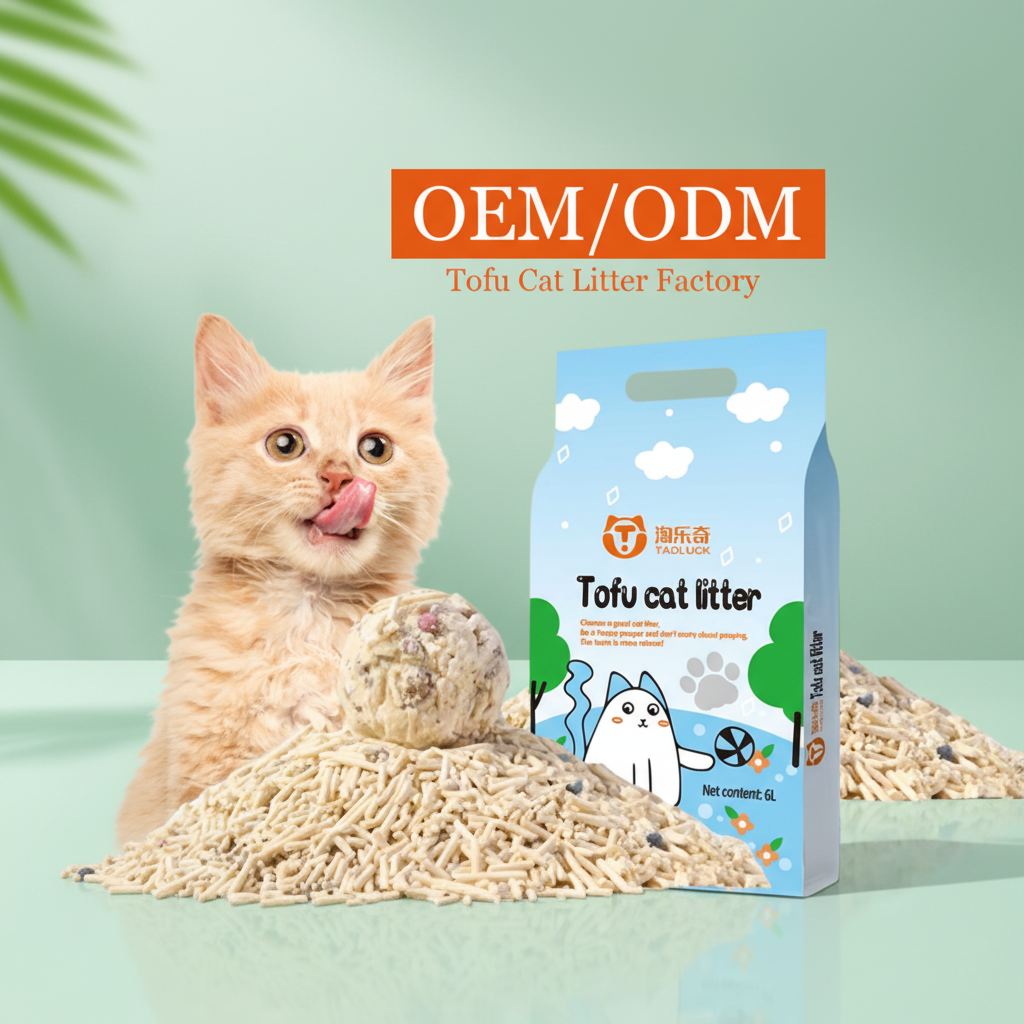
We empower Yangon pet store chains, e-commerce distributors, and private brands by offering accessible minimum order quantities starting from just 400 bags for standard private label projects. Full formula customization (scent, pellet diameter 1.5mm–3mm, color beads) is supported.
Qingdao Port Shipping Advantage
Operating out of Shandong Province positions our production lines in direct proximity to Qingdao Port, China’s northern shipping hub. We arrange rapid sea container bookings directly to Yangon (MIP/AWPT), with typical transit intervals of only 16 to 22 ocean days, accompanied by complete Form E documentation.
Yangon Importers & B2B Procurement FAQ
Direct, professional technical answers to the most common questions raised by Myanmar distributors, retail chains, and pet brand owners.
How does the litter withstand the monsoon voyage and high humidity in Yangon warehouses?
We employ heavy-duty multi-layer co-extruded plastic bags with optional vacuum brick compression or nitrogen flush sealing. This creates an impermeable moisture barrier that blocks tropical humidity throughout the 20-day ocean transit through the Andaman Sea and preserves product shelf-life up to 24 months inside un-airconditioned Yangon warehouses. We also place silica gel desiccant packs within export master cartons upon request.
Can we request custom packaging with Myanmar language (Burmese) font and barcode integration?
Yes. Over 80% of our orders are OEM private label productions. Our in-house packaging design department assists in typesetting Burmese (Zawgyi or Myanmar Unicode script), English labeling, local regulatory compliance notices, QR codes, and custom EAN-13 barcodes. We supply matte, glossy, metallic foil, and biodegradable kraft packaging variants.
What shipping terms and certificates are provided for Myanmar Customs clearance?
We routinely support FOB Qingdao, CIF Yangon, and CFR Yangon terms. For customs clearance through the Myanmar Customs Department, we provide complete sets of commercial invoices, packing lists, ocean bills of lading, phytosanitary certificates, SGS inspection reports, non-wood packing certificates, and China-ASEAN Free Trade Agreement Certificates of Origin (Form E) allowing eligible importers to benefit from preferential tariff rates.
What is the optimal mixing ratio recommended for the Yangon market?
Our most successful formulation for Myanmar distributors is the 70% Tofu Pellet (2.0mm) + 28% Sodium Bentonite + 2% STA Deodorizing / Charcoal Granules. This ratio achieves maximum clumping integrity and total odor control at a price point that remains highly competitive for local retail shelves in Junction City, Myanmar Plaza, and neighborhood pet shops.
How can we test samples in our Yangon facility before signing a container contract?
We provide free sample kits containing our full range of tofu, cassava, and mixed litters. Prospective distributors only need to provide their DHL, FedEx, or local freight forwarding account in China (such as Muse/Ruili border transit or direct air express to Yangon), and samples will be dispatched within 48 business hours for clumping, dust, and odor testing.
Partner with China’s Leading Mixed Litter Factory
Elevate your pet brand in Yangon with factory-direct pricing, SGS-certified quality control, and custom formulations designed to master tropical climate challenges. Request our full OEM product specifications and wholesale container quotation today.
Get Catalog