Precision Swiss-Grade Plant-Based Formulations
Custom manufactured in our audited facility to satisfy stringent cantonal organic disposal benchmarks, premium retail branding, and demanding feline respiratory health demands.
Technical Whitepaper
Biodegradable Feline Substrates in the Swiss Pet Market
Comparative analysis of mineral bentonite, crystalline silica, and plant-based biopolymers under the Swiss Federal Office for the Environment (FOEN / BAFU) framework.
As the European pet supplies sector pivots aggressively away from open-cast mined bentonite and synthetic silica gels, Switzerland represents the vanguard of this transition. Swiss feline guardians demonstrate some of the highest spending parity per domestic carnivore within Europe, paired with unyielding expectations regarding consumer safety, chemical nontoxicity, and traceable sustainability.
Traditional sodium bentonite litters, while economical, rely on strip-mining processes with heavy ecological footprints and generate respirable crystalline silica (quartz dust < 4 µm), which poses chronic pulmonary irritations for both cats and indoor inhabitants. Brumel's pure soybean curd residue (okara) and native cassava starches offer a carbon-neutral alternative. Derived from reclaimed food-grade byproduct streams, our manufacturing process utilizes thermomechanical gelatinization to construct an interconnected matrix of natural amylose and dietary insoluble fiber.
Localised Swiss Application Scenarios
The operational suitability of feline litter within Switzerland is strictly defined by urban architectures, cantonal waste handling practices, and indoor domestic lifestyles:
High-Density Alpine & Urban Apartments
In compact residences across Zurich, Geneva, and Basel, passive ventilation during sub-zero Alpine winters requires exceptional zero-dust hygiene and continuous enzymatic ammonia neutralization without overpowering synthetic odor maskers.
Cantonal Bag Tax ("Sackgebühr") Optimization
Swiss households pay direct municipal levies per refuse container (e.g., Züri-Sack). Our plant litters weigh up to 60% less than dense bentonite minerals, visibly cutting waste displacement tonnage and recurring collection expenses for end consumers.
Strict Biowaste & Composting Regimes
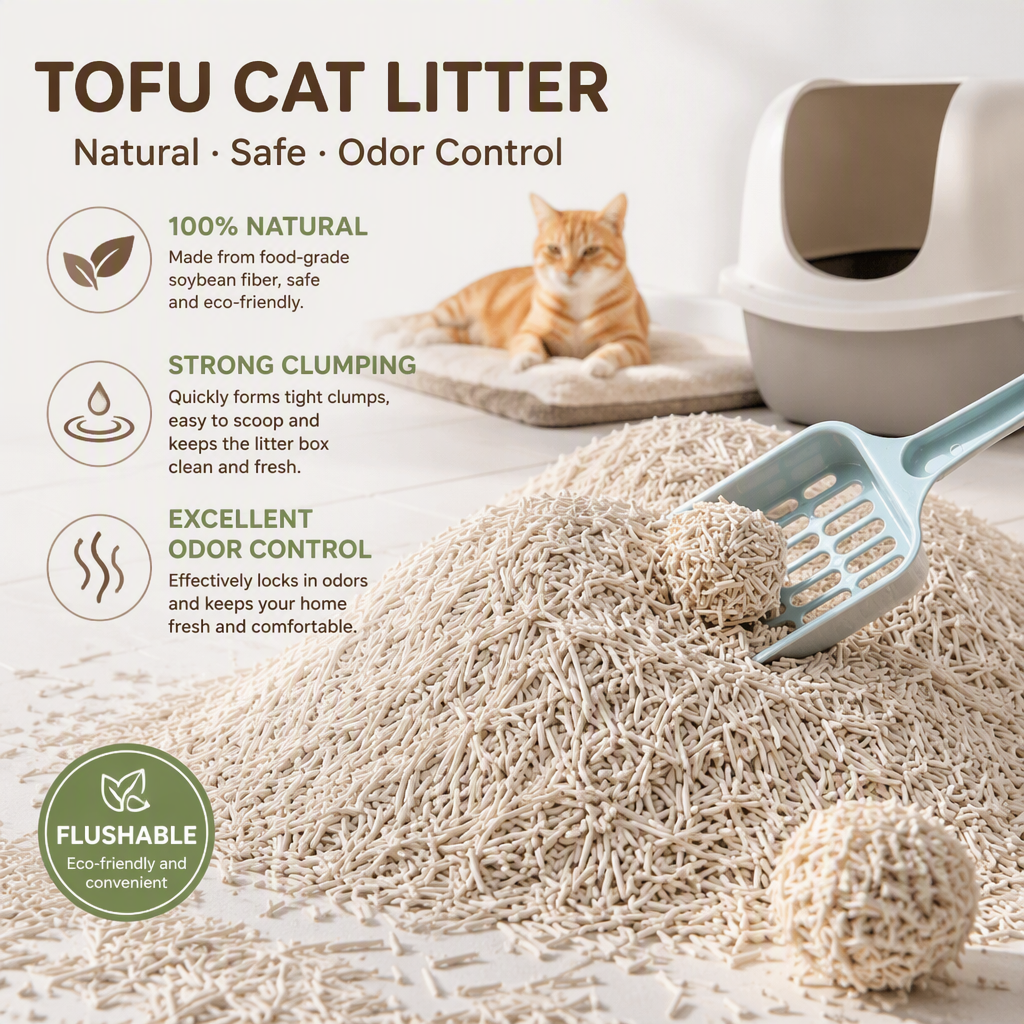
In municipalities where decentralized organic garden composters or certified green-bin pipelines operate, unadulterated soybean fiber dissolves naturally within 30-45 days, returning trace bio-nitrogen to the substrate with zero chemical leaches.
Swiss Market Evolution & Legislative Dynamics
The pet wellness landscape in the Swiss Confederation is experiencing rapid qualitative modernization. Market monitoring indicates three definitive commercial trajectories shaping buyer procurement across 2025–2030:
1. Decarbonization of Import Logistics: Swiss corporate importers are actively scrutinizing scope-3 supply chain emissions. Dense clumping clay involves heavy seafreight and cross-border rail transport deadweight. Transitioning to lightweight porous plant substrates cuts shipping fuel expenditures and associated import carbon surcharges.
2. Respiratory Safeguards and Veterinarian Endorsements: Leading veterinary practices in Bern and Lausanne actively recommend dust-screened plant pellets for post-operative recovery and brachycephalic cat breeds (e.g., Persians, British Shorthairs). Our multi-cyclone 0.05% moisture-controlled dedusting ensures corneal and airway security.
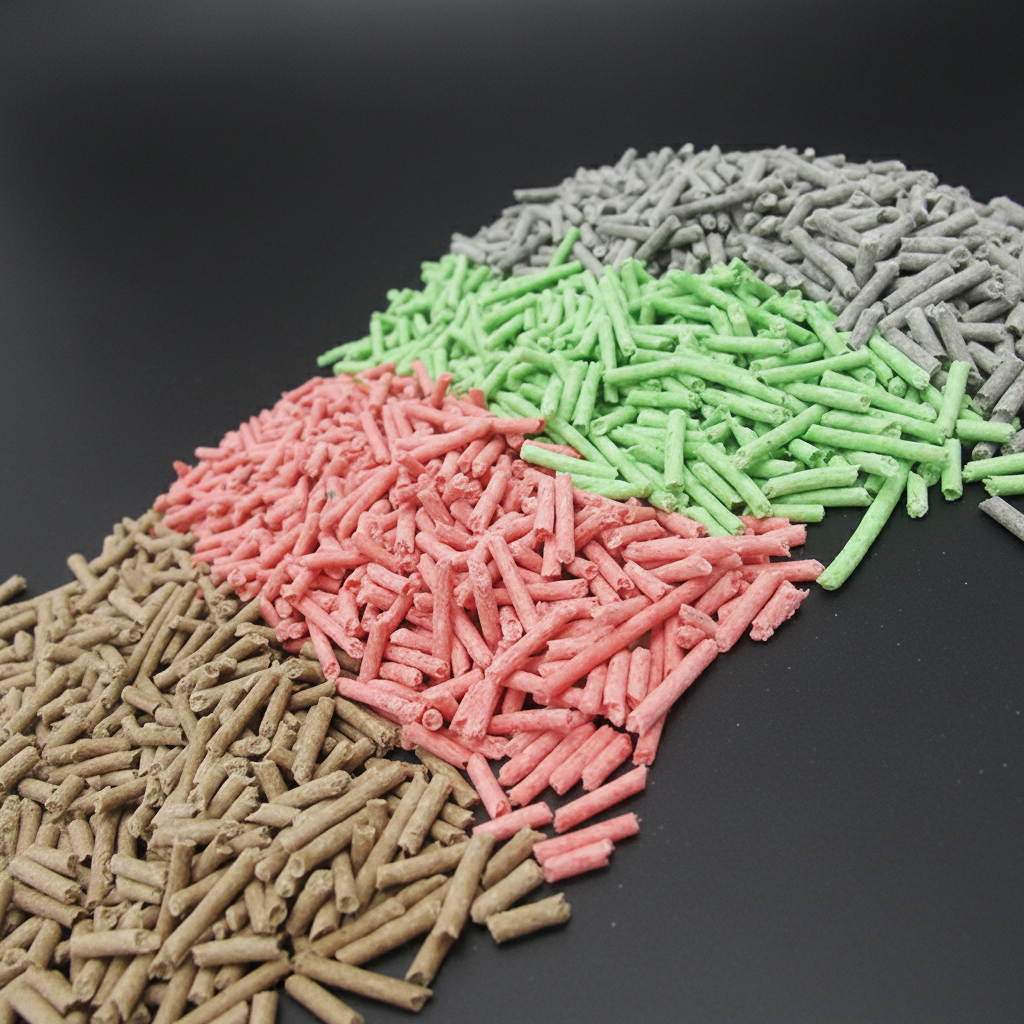
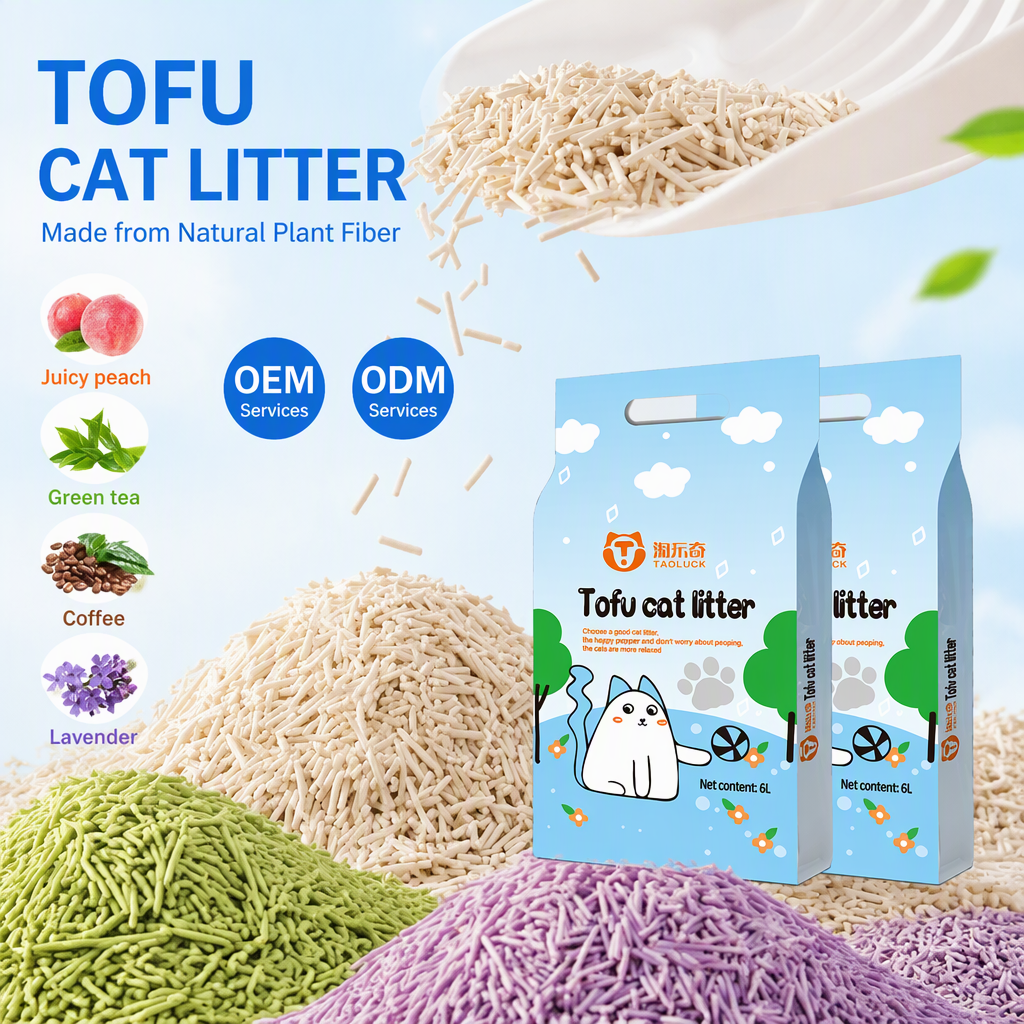
3. Private Label Customization with Natural Colorants: Private-label boutique Swiss brands demand distinct differentiation. Brumel caters to this by formulating bespoke pastel hues utilizing natural green tea extract, activated charcoal, food-grade cornstarch, and delicate botanical essences that conform with Swiss cosmetic-grade aromatic guidelines.
Swiss Importers & Wholesalers FAQ
Addressing compliance, logistical clearance, cantonal wastewater regulations, and private label specifications.
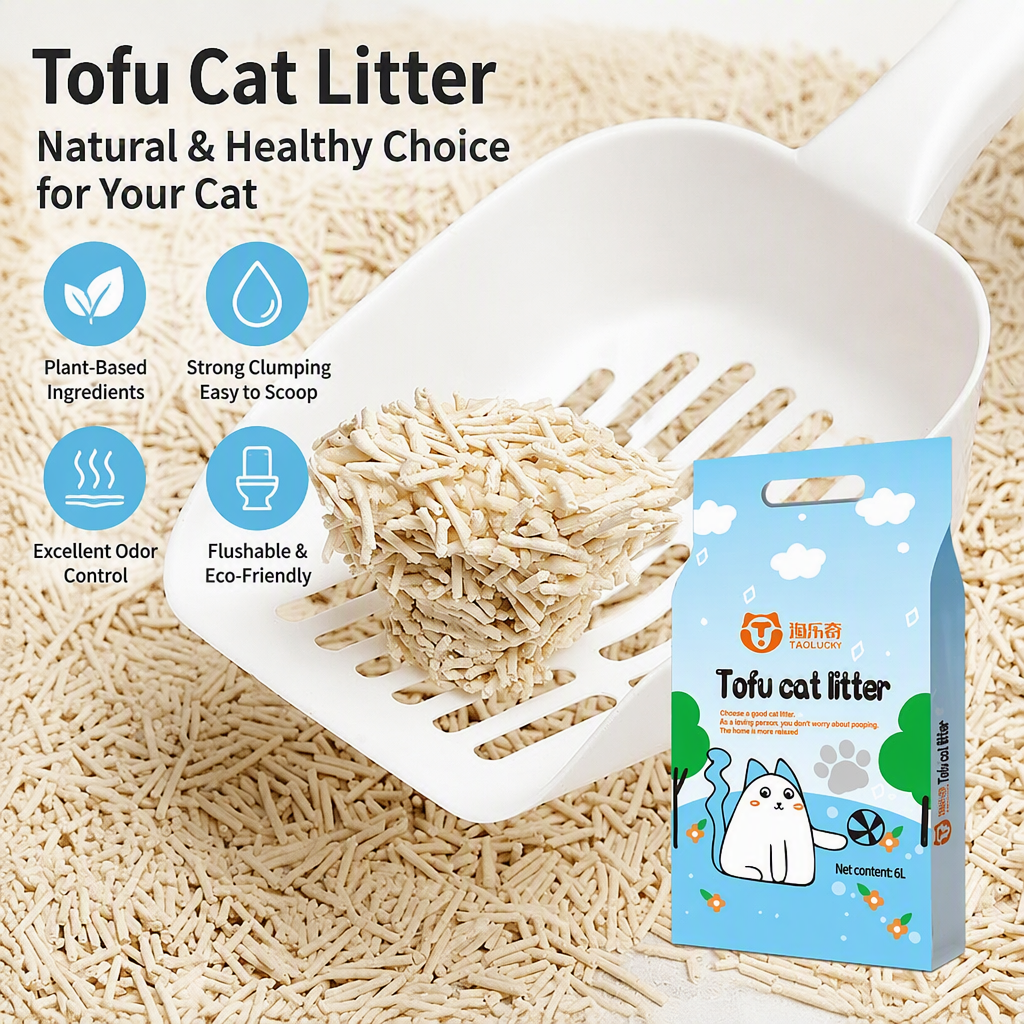
Can tofu litter be legally flushed down Swiss toilets?
Under Swiss municipal drainage statutes, responsible flushability depends on rapid hydrolytic dispersion. Brumel's tofu litter granules decompose into colloidal suspension within 15 seconds of water immersion, preventing U-bend clogs. However, commercial packaging must explicitly advise flushing solitary scooped clumps rather than entire tray dumps to respect cantonal wastewater purification plant recommendations.
How does the factory prevent mold formation during ocean and rail transit?
Because plant-based substrates contain organic starch, mold control is paramount. We enforce a strictly regulated microwave dehydration process ensuring residual core moisture is maintained under 8-10%. Vacuum-sealed bags with food-grade moisture scavengers are enclosed in multi-layer barrier films, ensuring stability across trans-continental routes into Swiss bonded warehouses.
What customisation options are available for Swiss multilingual packaging?
Switzerland requires market products to cater accurately to language zones. We provide comprehensive OEM/ODM packaging printing handling French, German, Italian, and English layouts. Options include matte flat-bottom pouches with carry handles, recyclable kraft paper bags, vacuum brick packs, and retail-ready pallet displays starting from 400 bags per SKU.
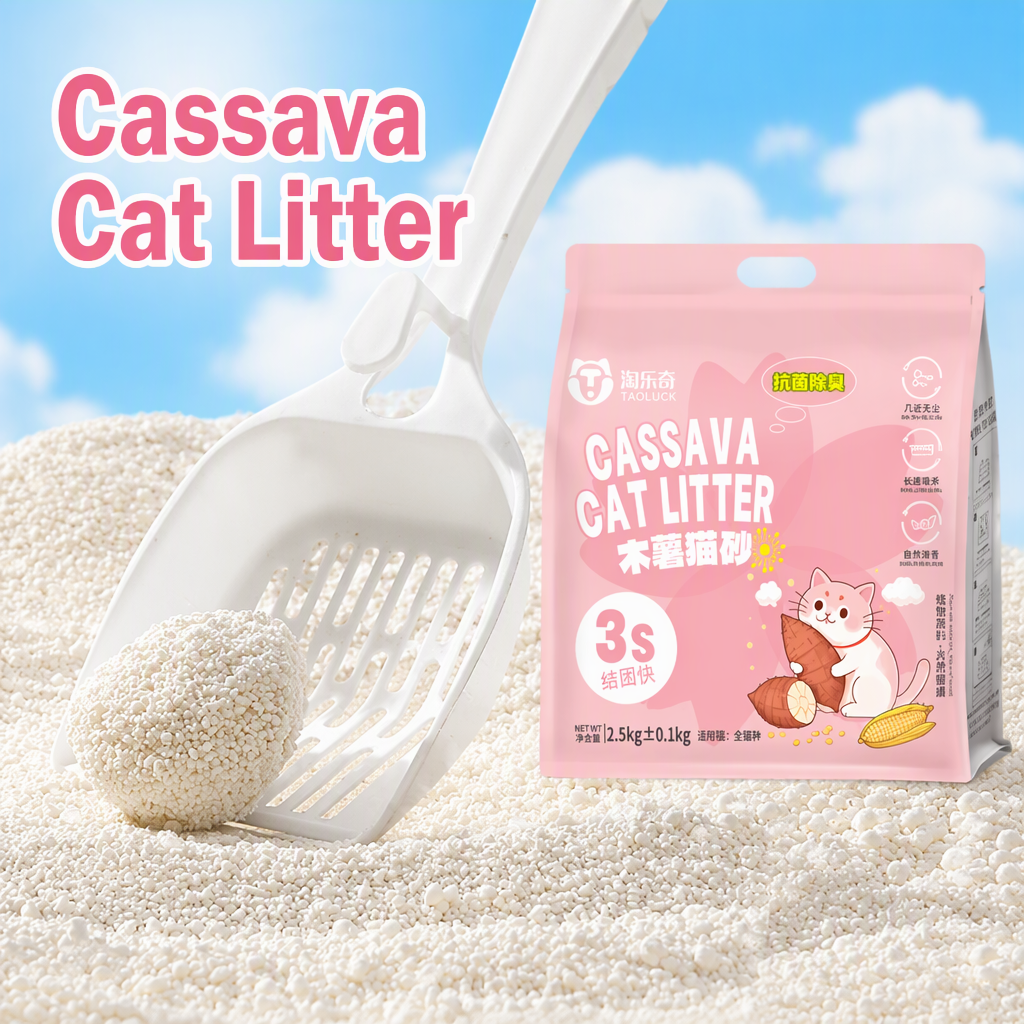
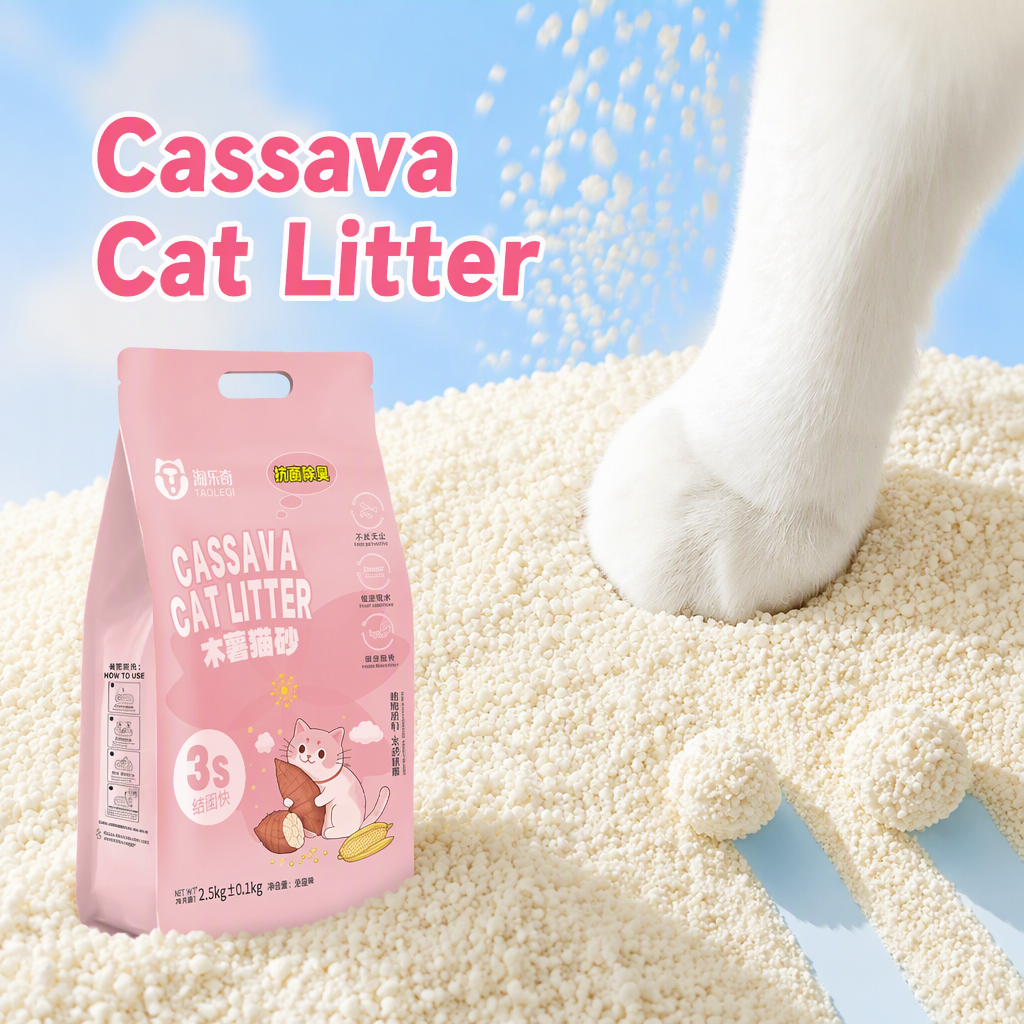
How does cassava cat litter compare to tofu litter in clump cohesion?
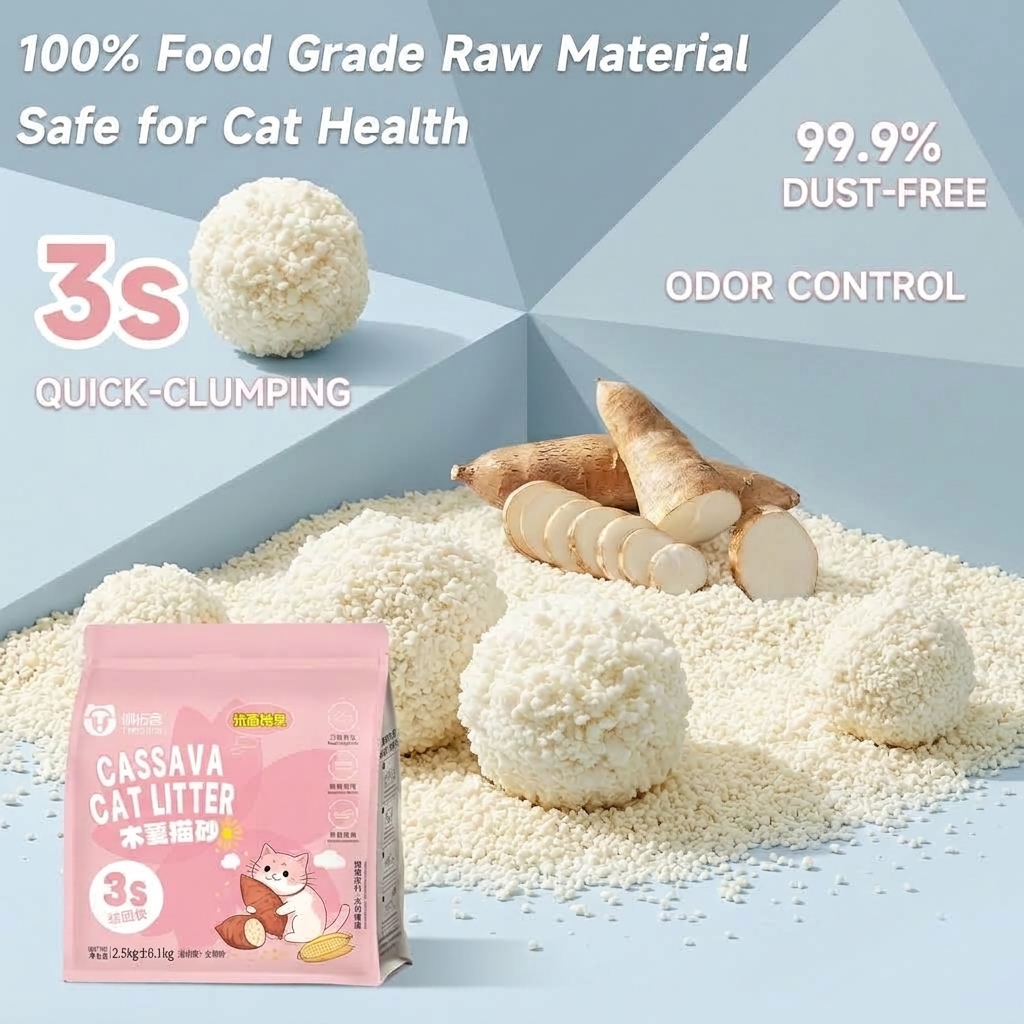
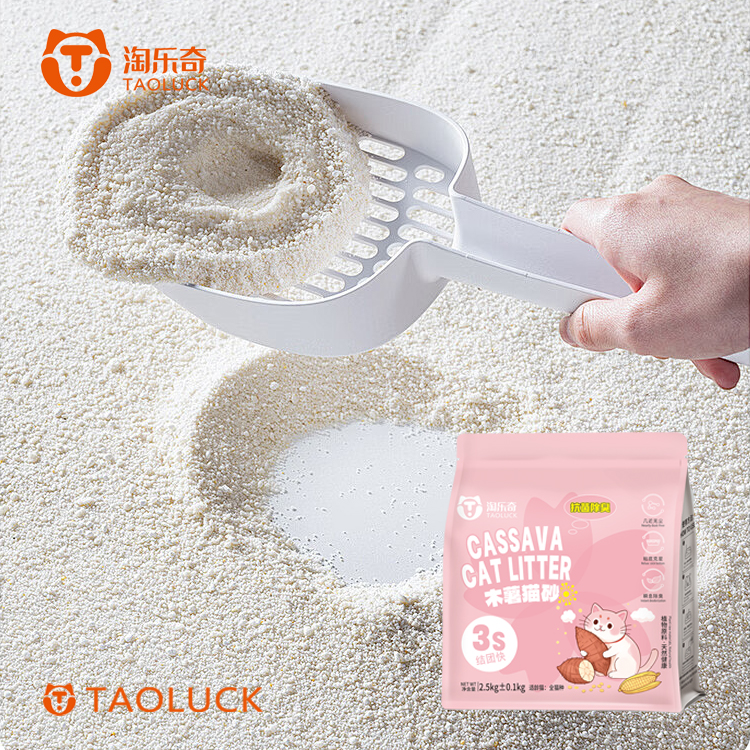
While tofu cat litter forms fibrous, manageable clumps with great odor trapping, cassava contains exceptionally high native amylopectin content. When exposed to feline urea, cassava forms ultra-compact, glass-like hard clumps within 3 seconds, making it the ideal formulation for customers desiring clay-like hardness without the chemical footprint.
Dongying Brumel Pet Products: Verified Manufacturing Authority
A precision-engineered industrial facility delivering verified consistency from raw soybean intake to final multi-container port shipments.
SGS On-Site Audited
7,500 square meters of specialized workshop space fully verified on-site by SGS Group, guaranteeing total traceability of raw ingredients and equipment calibration.
In-House QC Laboratories
Every single batch undergoes testing for moisture thresholds (≤9.5%), shatter resistance, water absorption capacity (>400%), and mechanical dust filtration analysis.
Low MOQ Flexibility
Supporting boutique e-commerce launches and pan-European importers with entry MOQs starting at only 400 bags for stock lines, backed by rapid sample prototyping.
End-to-End Export Logistics
Dedicated international export team managing direct container drayage to Qingdao port, comprehensive Swiss customs documentation (EUR.1, phytosanitary, MSDS), and FOB/CIF handling.
Request Direct Swiss Wholesale Pricing & Sample Kits
Partner directly with Dongying Brumel Pet Products Co., Ltd. Discover our high-yield cassava starch formulas, dust-free strip tofu litters, and custom retail packaging programs tailored for Swiss distribution.