B2B Core Product Formulations for Importers & Brands
Engineered for immediate commercial distribution across pet specialty retail networks, Coupang vendors, and premium veterinary clinics in Daejeon Metropolitan City.
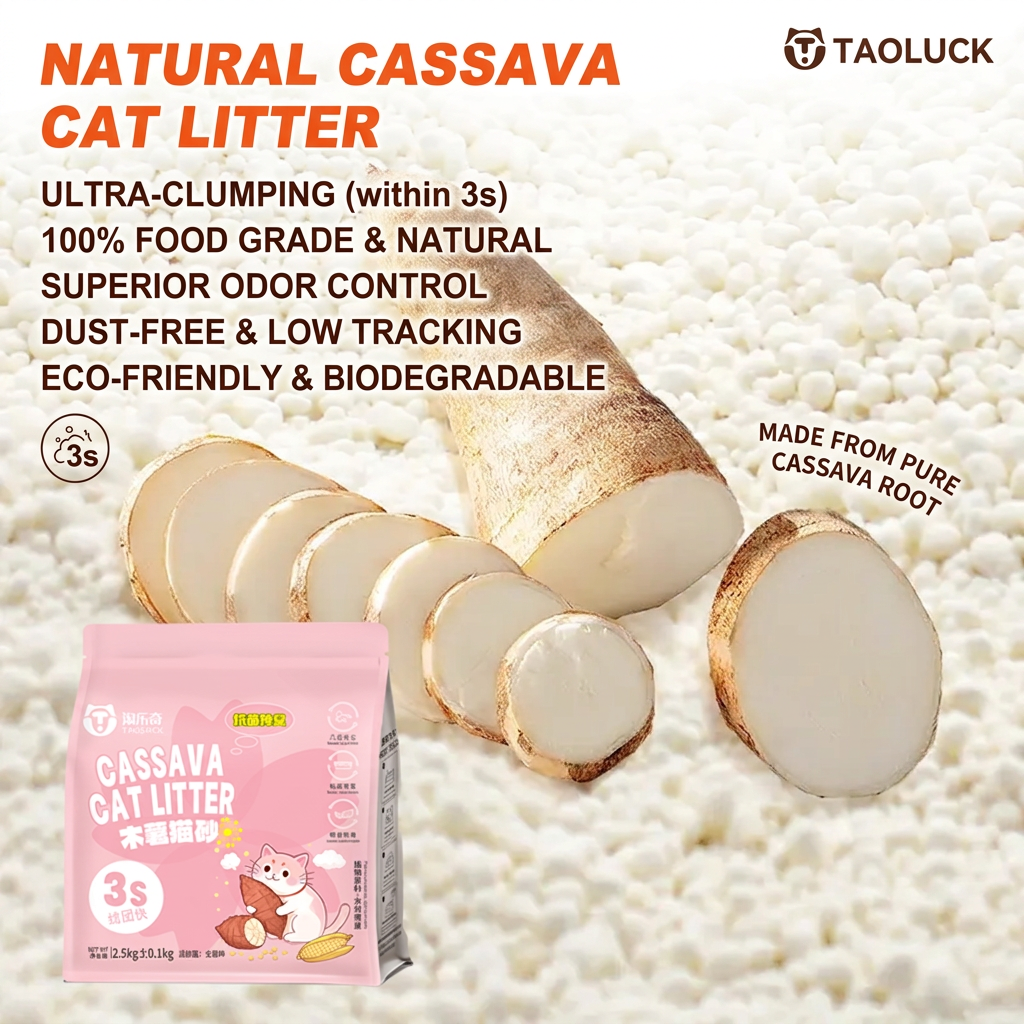
Natural Deodorant Fast Clumping Cassava Litter
- Pore-level odor encapsulation
- Hyper-absorptive botanical starch
- Micro-granule paw comfort
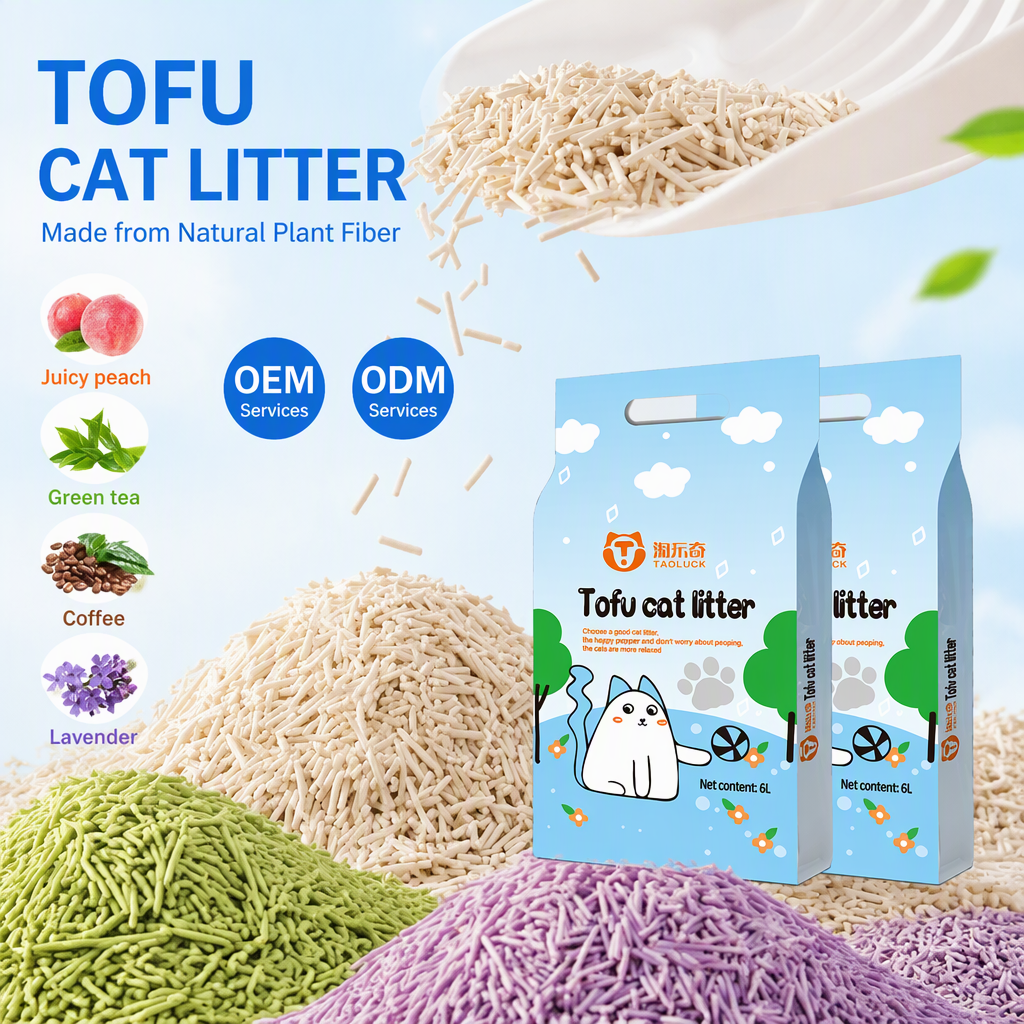
Bulk Supply Wholesale Odor Control Tofu Litter
- 1.5mm & 2.0mm micro-extrusions
- Ultra-dry compressed soybean fibers
- Zero chemical binders or resins
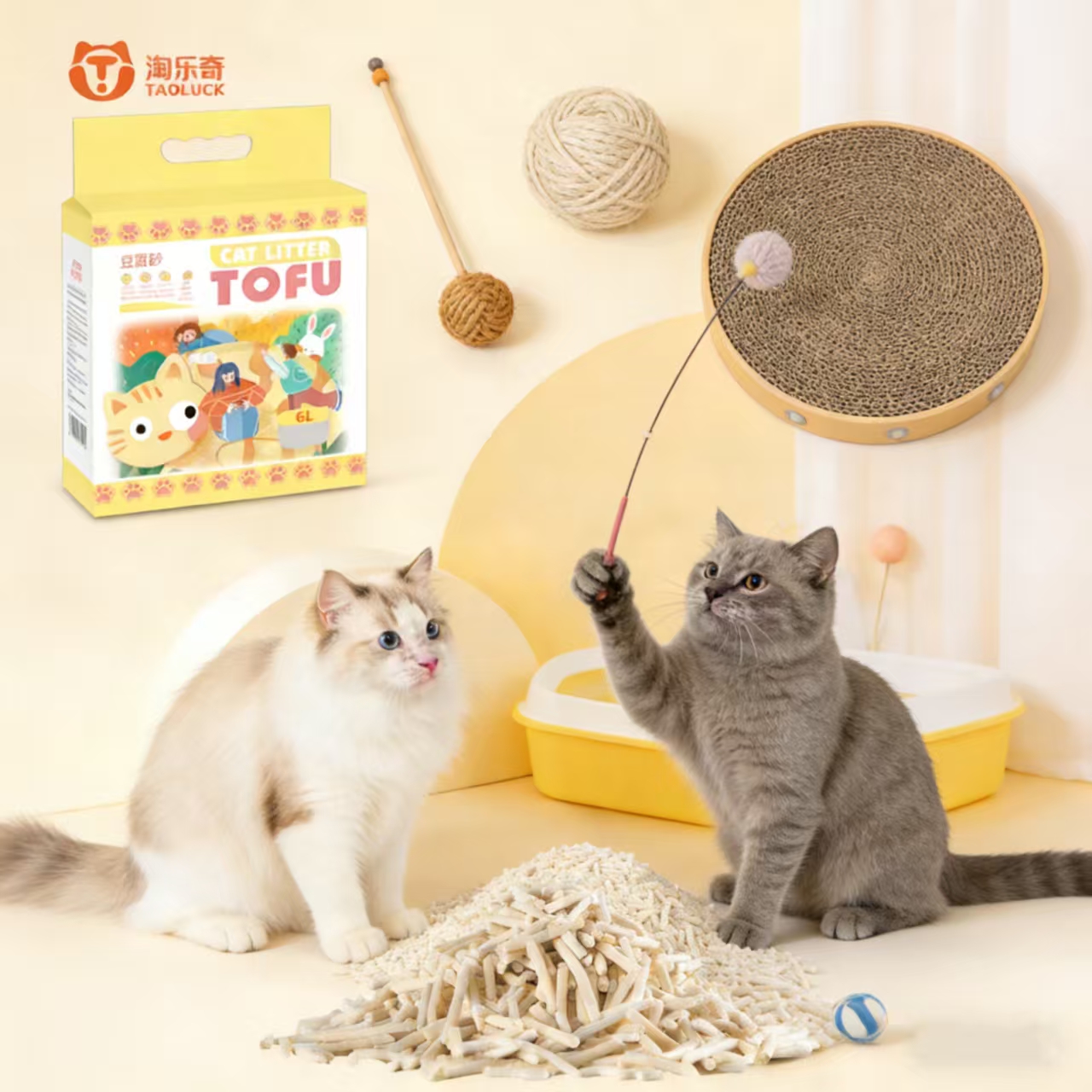
Biodegradable Dust-Free Absorbent Tofu Litter
- High-yield cost optimization
- Complete flushable degradation
- Bulk ton packaging or retail bagging
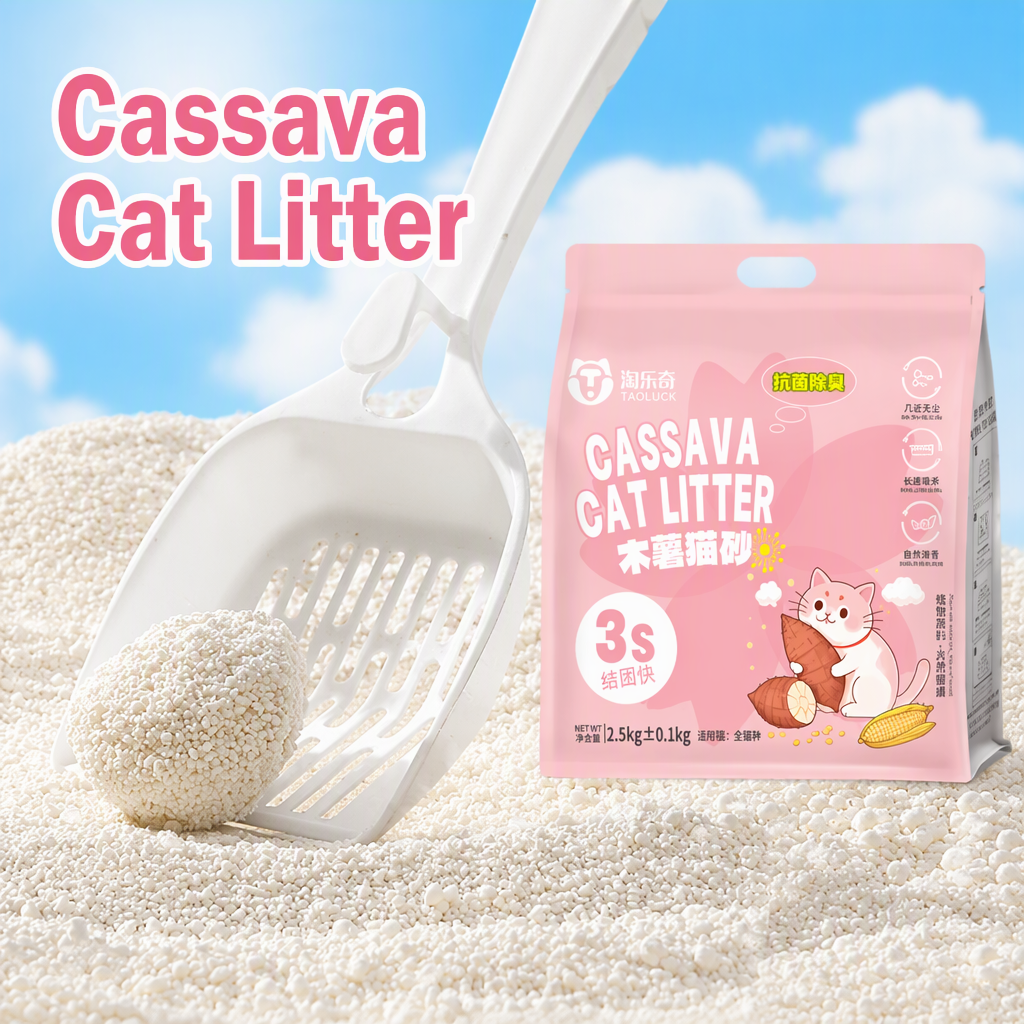
Eco-Friendly Dust-Free Premium Cassava Litter
- Clay-like hard clumping behavior
- Light-colored clump monitoring
- Dust-free vacuum processing
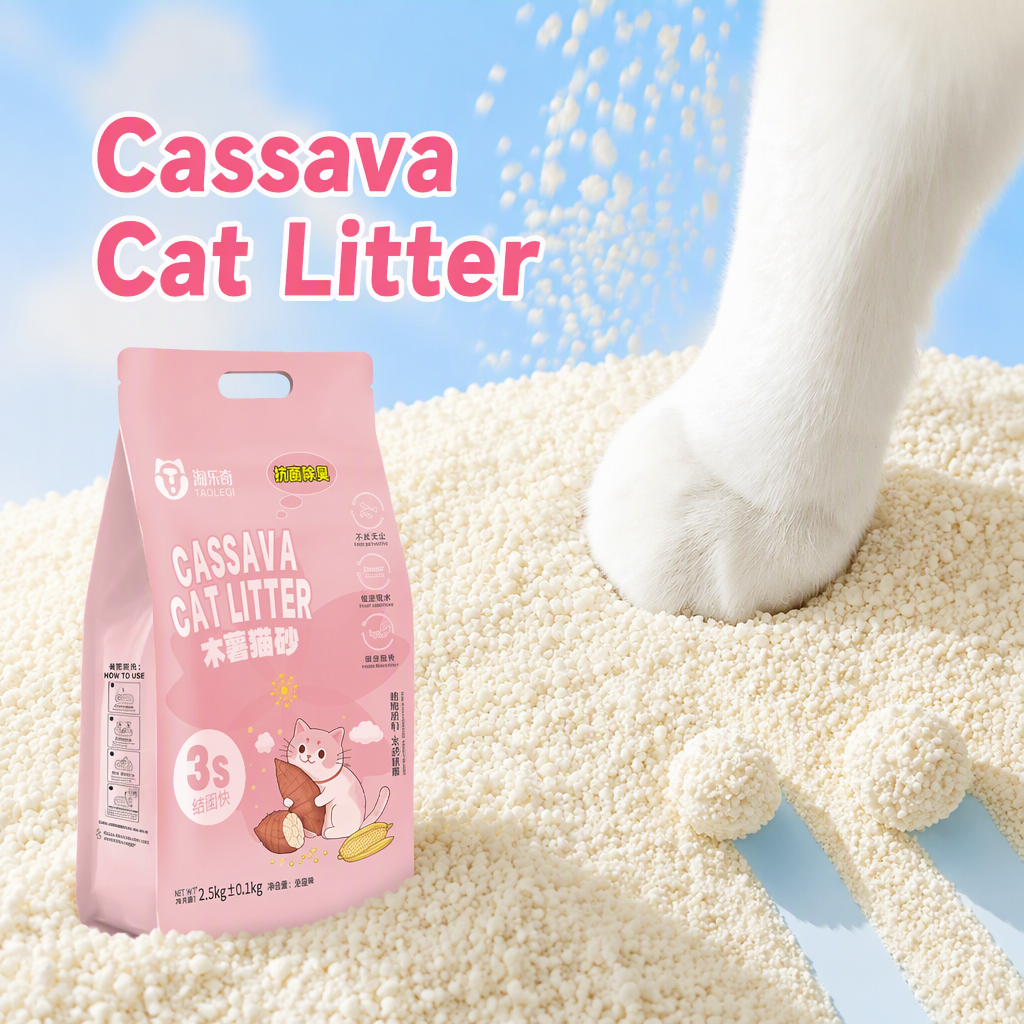
Biodegradable Clumping Odor Control Cassava
- Fast surface drying capability
- Natural organic plant enzymes
- Ideal for multi-cat residences
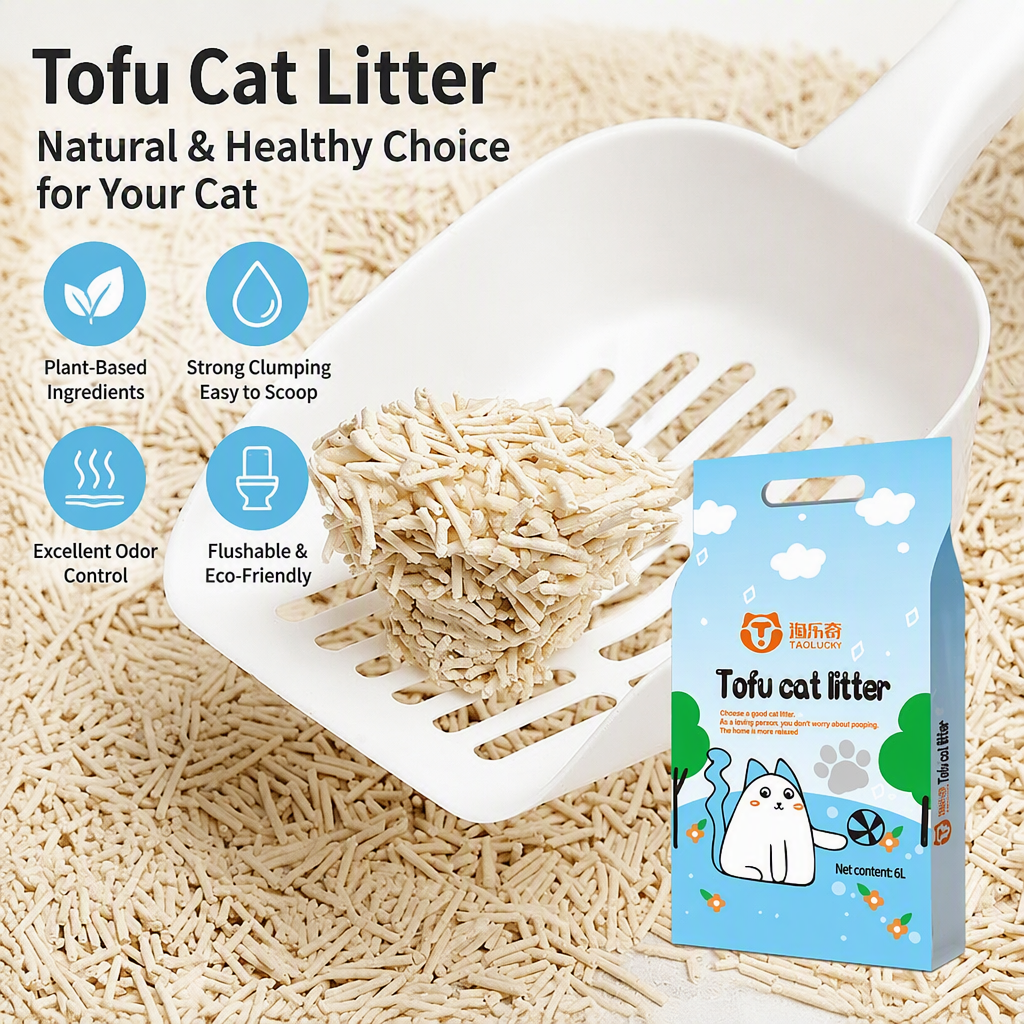
Strong Clumping Flushable Eco Tofu Litter
- Immediate hydraulic dissolution
- Safe for multi-story plumbing
- Zero residue in sewer drains
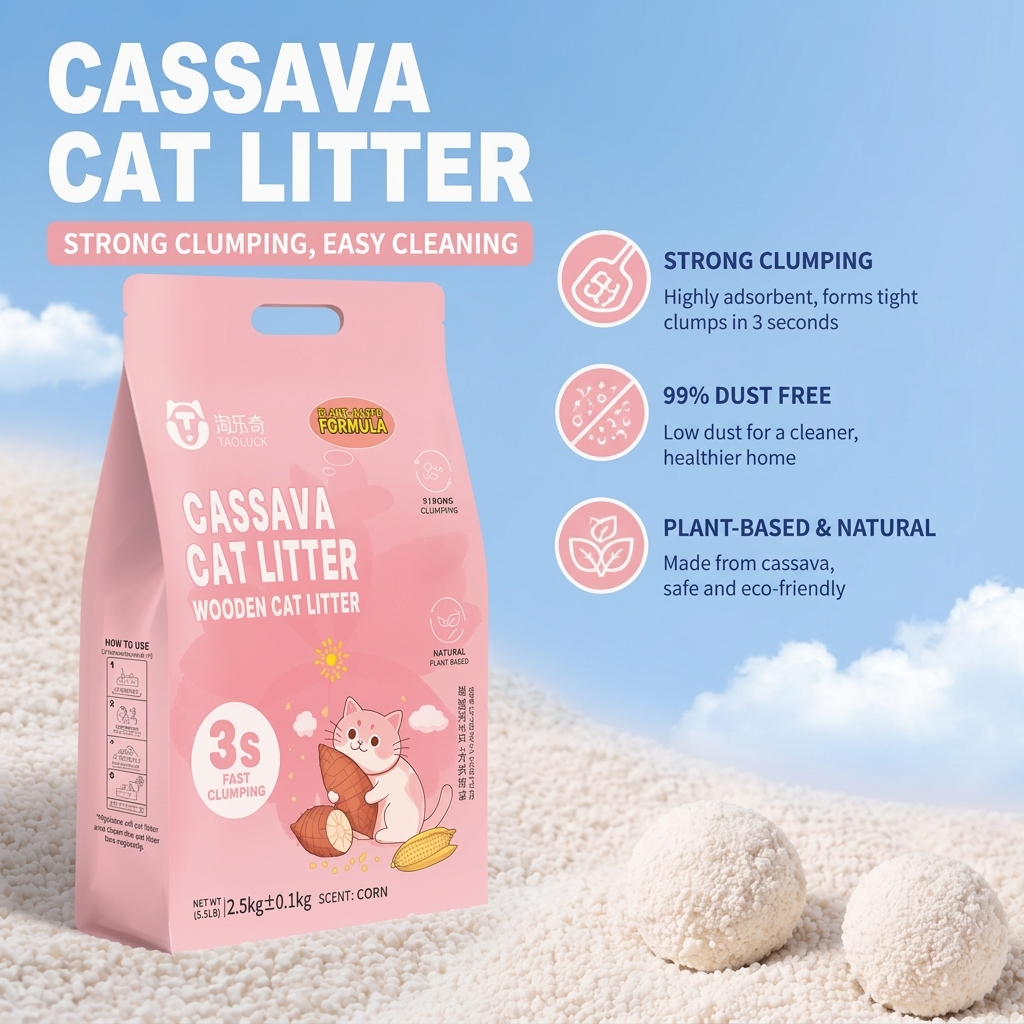
Eco-Friendly Long-Lasting Odor Control Cassava
- Subtle natural plant fragrances
- Anti-tracking granular density
- Sustained moisture containment
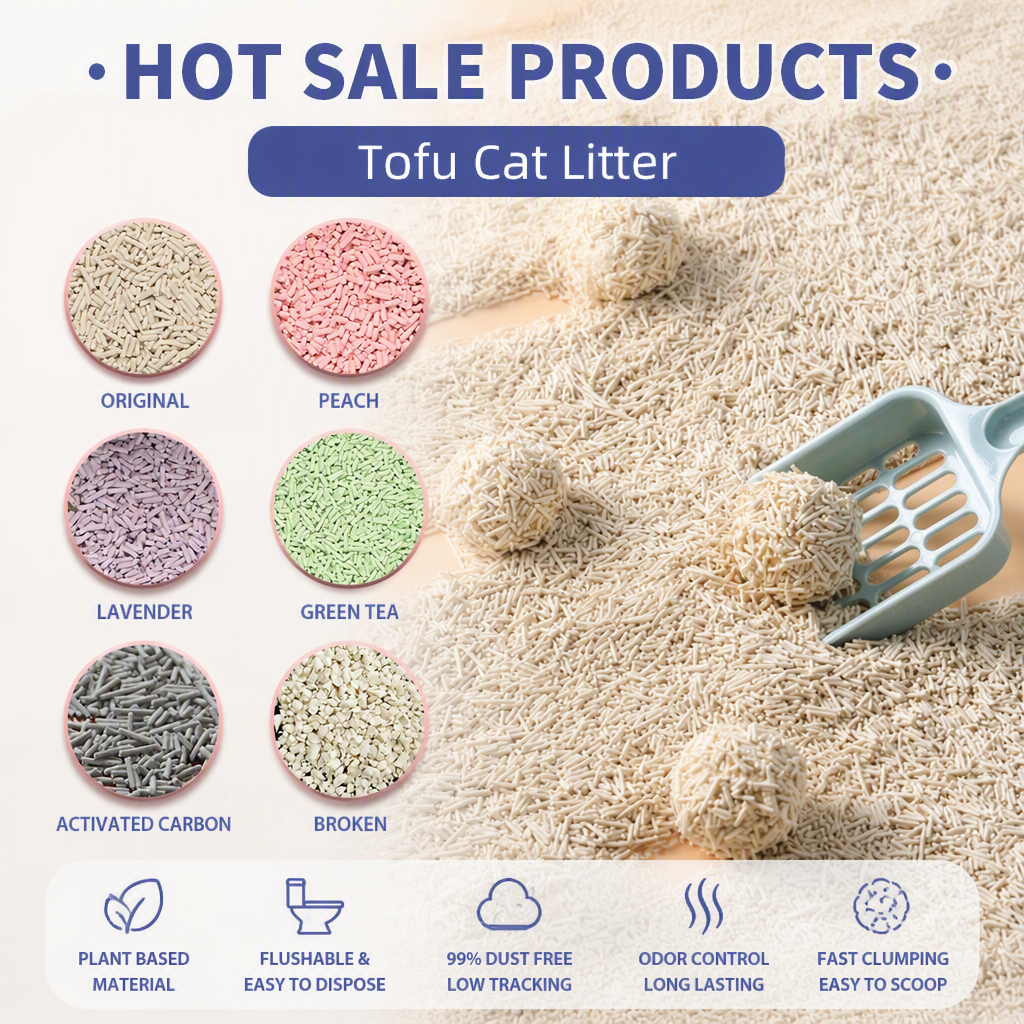
Natural Strong Clumping Unscented Tofu Litter
- Hypoallergenic soybean dietary fiber
- Rigid, mess-free solid clumps
- Zero added fragrance compounds
Evaluating Plant-Based Cat Litter Performance in Daejeon’s Urban Microclimate & Housing Topology
As the central science and technological capital of South Korea, Daejeon presents a distinctly sophisticated demographic landscape for companion animal care. Encompassing academic and high-tech research clusters across Yuseong District (유성구), alongside densely populated multi-family apartment complexes in Seo District (서구), pet ownership profiles in Daejeon exhibit acute sensitivity toward indoor air metrics, chemical non-toxicity, and strict compliance with municipal solid waste separation ordinances.
Unlike standard bentonite clay options—which carry substantial environmental footprints and cause abrasive damage to domestic plumbing systems—the high-density extruded plant-fiber substrate developed by Dongying Brumel Pet Products Co., Ltd. addresses the specific structural tensions found in Korean high-rise apartment living (아파트). Through industrial-grade thermo-mechanical extrusion, natural soybean curd residues (okara) and food-grade cassava starches are synthesized into 1.5mm to 2.0mm micro-pellets that deliver high mechanical resilience, instantaneous capillary action, and rapid aqueous dispersion.
Localized Application Scenarios across Daejeon Living Spaces
High-Rise Apartment Hydrology
Daejeon apartments in Dunsan-dong and Doan-dong utilize shared high-velocity vertical drainage stacks. Brumel's flushable tofu litter breaks down within 15 seconds in dynamic water columns, preventing blockage risks and complying fully with residential building codes.
Pay-As-You-Throw Waste Mandate
Under South Korea's Standard Waste Bag (종량제 봉투) pricing model, heavy clay waste increases residential disposal taxes. Our low-density plant litter reduces wet mass by up to 58%, yielding direct economic value for urban households.
Enclosed Heating Air Quality
During winter months under central underfloor radiant heating (Ondol), closed air volumes exacerbate indoor ammonia accumulation. Our plant litters utilize natural porous okara cell walls that lock volatilized nitrogen and control malodor at the source.
Comparative Rheological & Functional Performance Matrix
| Evaluation Parameter | Brumel Soybean Tofu (1.5mm) | Pure Industrial Cassava | Cassava-Corn Copolymer | Traditional Bentonite Clay |
|---|---|---|---|---|
| Hydraulic Clump Speed | 1.8 to 2.4 seconds | 1.2 to 1.6 seconds | 2.0 to 2.8 seconds | 6.0 to 12.0 seconds |
| Airborne Particulate (<PM2.5) | < 0.1% (Triple screened) | < 0.05% (Near-zero dust) | < 0.2% | 4.5% to 8.5% |
| Aqueous Dispersion Index | Complete (< 15s in toilet) | Gelatinized breakdown | Semi-dispersive | Non-dispersive (Severe Clog) |
| Density Factor (kg/L) | 0.48 - 0.52 | 0.54 - 0.58 | 0.50 - 0.55 | 0.85 - 1.15 |
| Volatile Ammonia Reduction | 94.6% after 24 hrs | 91.2% after 24 hrs | 89.5% after 24 hrs | 64.0% (Saturation decay) |
Daejeon Market Growth Trajectory & Import Dynamics
Market data points within the Chungnam/Daejeon pet supply distribution matrix reveal an aggressive swing away from mineral clays toward certified plant-based polymers. Driven by high homeownership rates among science researchers, university educators, and software engineers in Daedeok Innopolis, Daejeon consumers heavily scrutinize product ingredient registries. There is a documented preference for non-toxic raw inputs, transparent manufacturing origin verification, and certified dust elimination to preserve precision household air filtration systems.
Additionally, the rapid proliferation of automated electronic sifting litter boxes across Korean households has redefined grain diameter requirements. Traditional coarse tofu litter cylinders (3.0mm) frequently jam automated grid sifters or lead to excessive clean litter wastage. Brumel’s engineered 1.5mm high-compression, ultra-dense micro-strips effortlessly transit smart-box rake sieves, establishing our factory formulas as a premier option for high-end Korean automated pet tech brands.
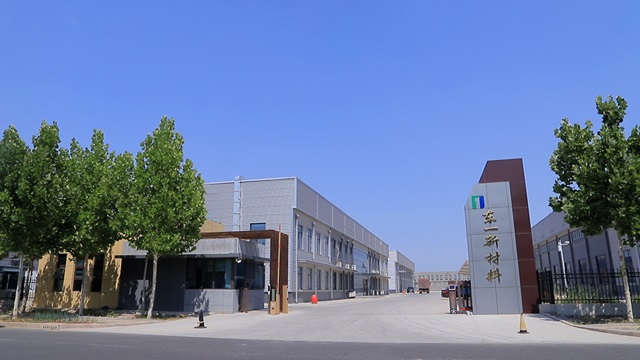
Dongying Brumel Pet Products Co., Ltd.
Located in Dongying, Shandong, China, our specialized manufacturing complex sits directly adjacent to deep agricultural supply channels for food-grade soybean pulp and corn starch. Our operational infrastructure provides international buyers with transparent manufacturing controls and verified capabilities.
- SGS On-Site Verified Facility: Comprehensive 7,500 m² modern manufacturing footprint validated through third-party technical inspection protocols.
- Rigorous Four-Stage Quality Assurance: Inbound raw starch testing, automated high-temperature drying, four-step cyclonic dust removal, and drop-impact seal audits.
- End-to-End Private Labeling: Custom bag design, bilingual Korean/English packaging typography, vacuum debubbling, and multi-ply outer carton engineering.
- Direct Maritime Export Routes: Rapid containerized drayage to Qingdao port, reaching Busan Port within 48 to 72 hours of vessel dispatch.
Frequently Asked Questions by Korean Importers & Distributors
Technical, logistical, and commercial inquiries addressed by our international trade advisory team.
Containers are packed at our Dongying facility and trucked via bonded corridors to Qingdao Port. Frequent sea freight sailings reach Busan Port or Incheon Port in 1.5 to 3 days. From Busan/Incheon customs bonded warehouses, direct highway freight connects to central logistics depots in Daejeon (e.g., Sintanjin or Daedeok cargo hubs) within hours.
While generic unprinted master packs start as low as 400 bags, private label printed packaging (rotogravure film or laminated matte stand-up pouches) typically initiates at a low threshold per SKU. We provide cylinder development and plate storage for repeat seasonal runs.
Yes. We offer unscented organic white litters alongside natural plant-extracted scent profiles popular in the South Korean market, including Green Tea, Natural Peach, Activated Charcoal, and Gentle Baby Powder, all derived from non-sensitizing fragrance grades.
Finished litters undergo strict microwave dehydrating and infrared sterilization to stabilize internal core moisture at 8% to 10%. Combined with heavy-gauge vacuum packaging, our products resist clumping or mold growth during marine transit and Korean summer humid conditions (장마).
Ready to Scale Your Plant-Based Pet Line in Daejeon?
Partner directly with our SGS-verified Chinese manufacturing base. Request comprehensive OEM technical specifications, certified lab assay reports, and container trial quotes.
Get Catalog