Pea Husk Cat Litter: Technical Architecture & The Castries Import Matrix
The pet supplies distribution landscape in Castries, the capital and principal port of Saint Lucia, is encountering an operational paradigm shift. For decades, Caribbean retailers have relied almost exclusively on heavy sodium bentonite clay shipped from North America or generic mineral litters. However, the high freight costs associated with high-density mineral shipments, coupled with Saint Lucia's delicate island waste infrastructure and tropical microclimate, have driven commercial demand toward ultra-absorbent, lightweight, and completely compostable alternatives. Pea husk cat litter—derived from refined botanical pea fibre (Pisum sativum) reinforced with renewable starches—has rapidly positioned itself as the gold-standard solution for regional pet retail distributors, veterinary chains, and hospitality-adjacent boarding catteries across Gros Islet, Castries, and Vieux Fort.
From a biophysical standpoint, pea husk material possesses an intrinsic micro-porous capillary network. When feline urine enters the litter pan, hydrophilic capillary forces draw moisture into the hollow interstitial channels of the extruded pellet in under 2.5 seconds. The natural starch compounds rapidly gelatinize, forming a compact, cohesive structural clump that remains suspended on the substrate surface rather than migrating to adhere to the base of the tray. This high-efficiency absorption mechanism yields an aggregate liquid uptake performance of roughly 350% to 450% of its dry weight—drastically outperforming standard mineral aggregates while maintaining less than half of their bulk density.
Micro-Pellet Technology
Extruded at 1.5mm to 2.0mm diameters, creating high-density inter-pellet contact zones that accelerate clumping speed and reduce perimeter fragmentation.
Tropical Moisture Shield
Kiln-dried down to an internal moisture content below 8.5%, stopping ambient humid air absorption before feline discharge occurs.
Enzymatic Odor Lock
Natural pea polysaccharides chemically neutralize alkaline ammonia molecules (NH₃), neutralizing pungency without relying on artificial cover scents.
Local Application Scenarios in Saint Lucia's Tropical Maritime Environment
Operating a pet distribution or retail establishment within Castries involves navigating distinct physical obstacles. Relative humidity throughout the year routinely hovers between 70% and 85%, combined with sustained coastal temperatures. Standard clay litters struggle in this ecosystem; bentonite clays gradually pull moisture out of the ambient marine air, softening premature clump structures, diminishing adsorption capacity, and producing foul mud-like residues at the bottom of the tray. Additionally, urban living in Castries and surrounding apartment sectors like Rodney Bay emphasizes low-dust, odor-controlled, and septic-safe products.
Pea husk cat litter answers these ecological constraints through four primary application modes:
- Urban Coastal Residences: In modern apartments across Castries and waterfront properties, litter boxes are frequently positioned in enclosed bathrooms or laundry utility rooms. Pea husk substrates produce near-zero airborne particulate matter (dust rate below 0.1%), preventing fine silica dust from settling over surfaces or compromising indoor HVAC air circulation filters.
- High-End Resort Pet Concierge & Fostering Sanctuaries: Saint Lucia's luxury tourism sector increasingly incorporates pet-friendly long-stay arrangements. The aesthetic, neutral appearance and delicate plant aroma of pea fibre offer a clean sensory experience that satisfies five-star environmental expectations.
- Rainy Season Sanitation & Septic Management: Unlike clay litter, which immediately clogs domestic plumbing systems, municipal drainage lines, and decentralized septic systems common throughout suburban Saint Lucia, pure pea husk fibres dissolve completely in standing water. Once a clump is immersed in a domestic toilet bowl, water breaks the starch bonds within seconds, permitting clean, environmentally responsible flushing.
- Eco-Conscious Landscaping & Composting: For homeowners in suburban areas like Marigot Bay or Babonneau, used non-fecal pea husk substrate can be integrated directly into floral garden soil amendments, breaking down fully into organic nitrogen-rich humus within weeks.
| Performance Vector | Refined Pea Husk Pellets | Traditional Bentonite Clay | Standard Wood Pellets |
|---|---|---|---|
| Bulk Density (Weight/Volume) | 0.52 – 0.58 g/cm³ (Lightweight) | 0.95 – 1.15 g/cm³ (Very Heavy) | 0.65 – 0.70 g/cm³ (Moderate) |
| Ocean Freight Efficiency | High (~20-22 MT per 40HQ container) | Low (Exceeds road/container payload quickly) | Moderate (Bulky space utilization) |
| Performance in 80% RH | Maintains clump integrity; anti-mold processed | Absorbs air moisture; loses clumping capacity | Disintegrates into dusty sawdust powder |
| Waste Disposal Pathway | Water-soluble, flushable, or garden compost | Non-biodegradable landfill mass exclusively | Slow wood decay, non-flushable |
| Respiratory Safety Profile | Zero respirable silica dust; food-grade base | Contains crystalline silica fine dust hazards | Potential pine/chemical terpene sensitivity |
Emerging Supply Trends in the Eastern Caribbean Pet Care Category
Commercial data over the past three years highlights three decisive trends shaping pet accessory procurement across the Organization of Eastern Caribbean States (OECS), with Saint Lucia operating as a critical regional logistics and distribution node:
1. The High Freight Factor & The Shift to High Yield: Importers in Castries face significant ocean shipping tariffs from East Asian and North American distribution hubs. Importing sodium bentonite clay effectively means paying freight costs on heavy mineral rocks. Pea husk and plant-derived litters deliver more than double the volume and longevity per metric ton. A standard 6-liter bag of pea husk litter weighs approximately 2.4 kilograms, whereas an equivalent operational cycle of bentonite requires roughly 6 to 8 kilograms. Distributors reduce their carbon footprint and per-unit transport expenses, protecting retail margins.
2. Municipal Landfill Restrictions & Island Sustainability: Like many island nations, Saint Lucia faces strict limitations on landfill space and waste processing. Government initiatives and consumer advocacy continue to steer consumer goods toward biodegradable solutions. Retailers actively seek OEM partners capable of verifying that both the packaging and the underlying product degrade harmlessly, minimizing plastic and mineral refuse across the island's marine ecosystem.
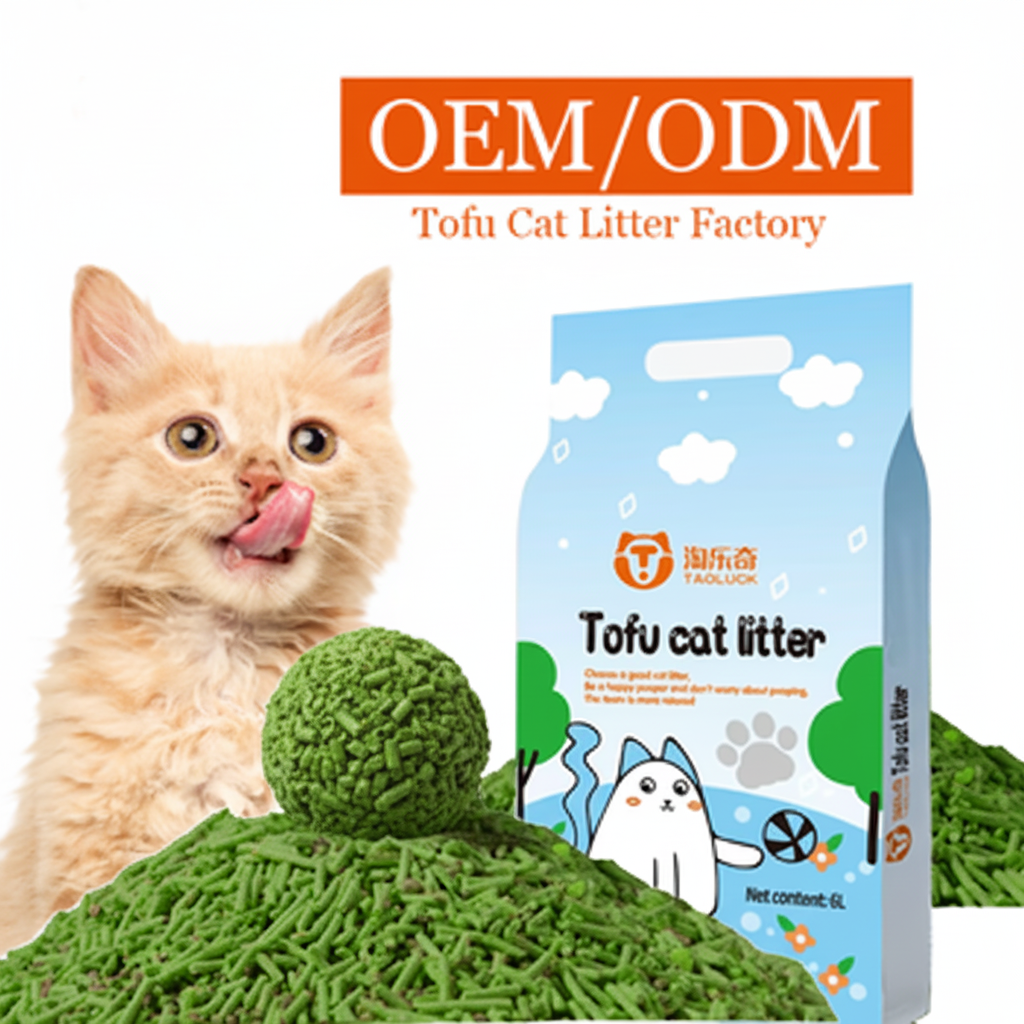
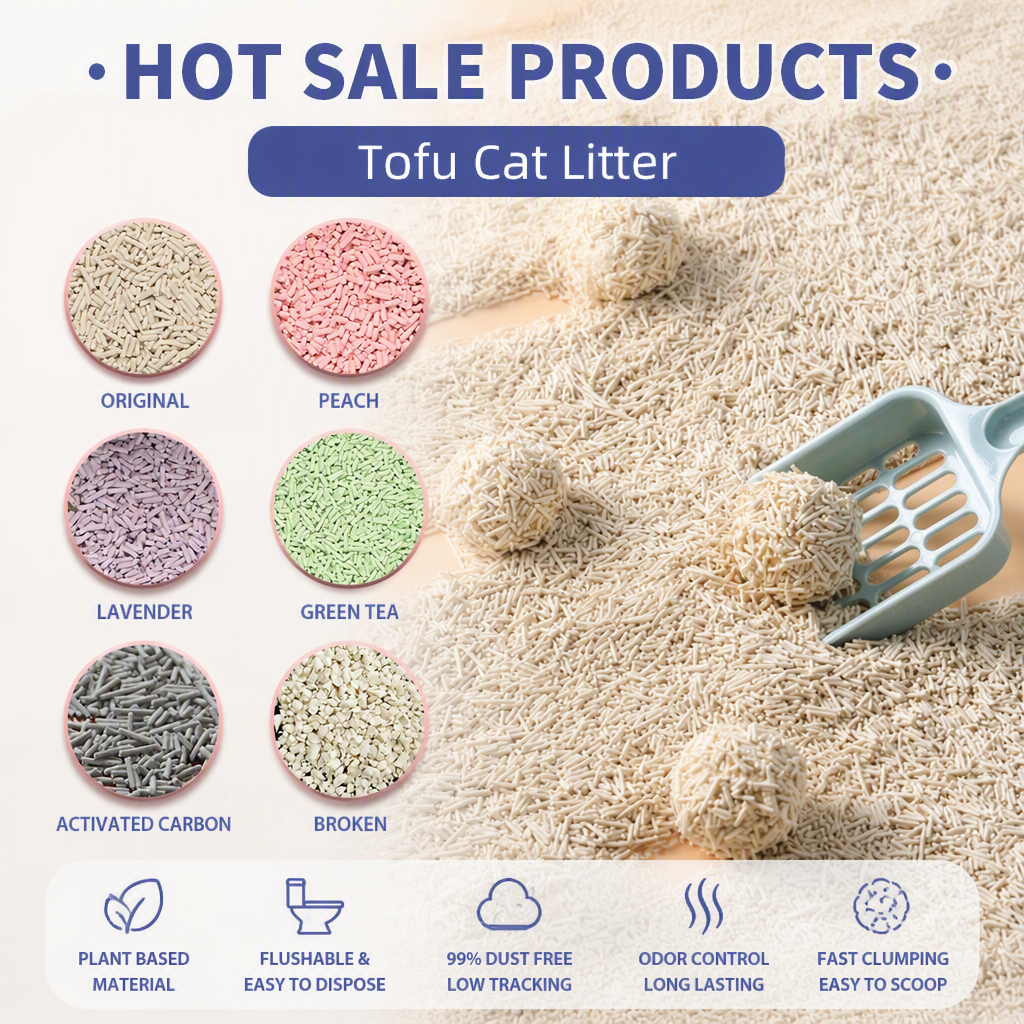
3. Private Label Customization for Regional Brands: Supermarkets, agricultural supply centers, and specialized pet boutiques in Castries are moving away from multi-tiered third-party brand distribution. By partnering directly with a certified manufacturer like Brumel, local brands can launch their own proprietary branded packaging—customized with English language compliance, tailored tropical scents (such as green tea, unscented, or soft peach), and packaging volumes suited to local household shopping budgets.
Manufacturing Mastery: The Brumel Factory Advantage
Dongying Brumel Pet Products Co., Ltd. operates as a specialized direct manufacturer of plant-based animal hygiene solutions. Strategically situated in Shandong, China—an agricultural core with immediate, direct access to premium non-GMO pea fibre and soybean harvests—we maintain end-to-end oversight over raw materials, formulation chemistry, pelletizing extrusion, and multi-stage dust elimination.
SGS On-Site Audited
Our complete 7,500 square meter industrial complex is rigorously audited on-site by SGS Group, verifying production throughput, safety, and trade integrity.
Pioneering Multi-Step De-Dusting
Pellets pass through four sequential vibrating screens, cyclones, and air-vacuum collection tubes to guarantee less than 0.1% dust before retail packaging.
Agile OEM / ODM Services
Low starting MOQs from 400 bags allow Caribbean business owners to pilot formulations, test branding, and preserve liquidity without overextending capital.
Our quality assurance laboratories track every batch through stringent moisture resistance trials, simulated flushing dispersion assessments, clumping cohesion tests, and accelerated thermal decay testing. When Castries importers source from our factory, they receive guaranteed batch-to-batch consistency that safeguards brand reputation, drives customer retention, and eliminates high distribution returns.
Saint Lucia Importer Procurement FAQ
Q1: How does pea husk cat litter survive the ocean transit to Castries?
Every retail package is sealed with heavy-duty multi-layer composite film or optional vacuum brick packing. Furthermore, full container loads (FCL) feature industrial moisture desiccants and container liner seals, ensuring goods arrive at Port Castries free from maritime humidity absorption or fungal contamination.
Q2: Can we mix pea husk litter with cassava or bentonite formulas in one shipment?
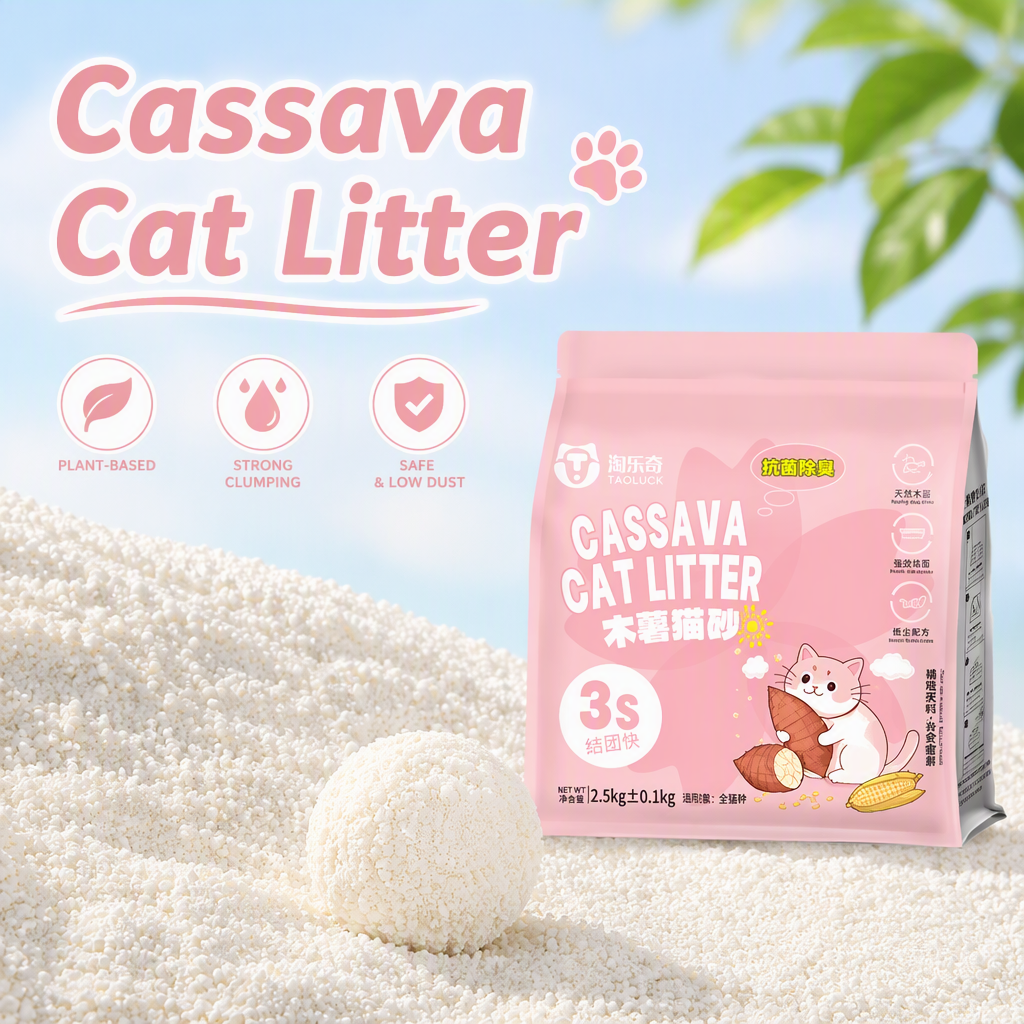
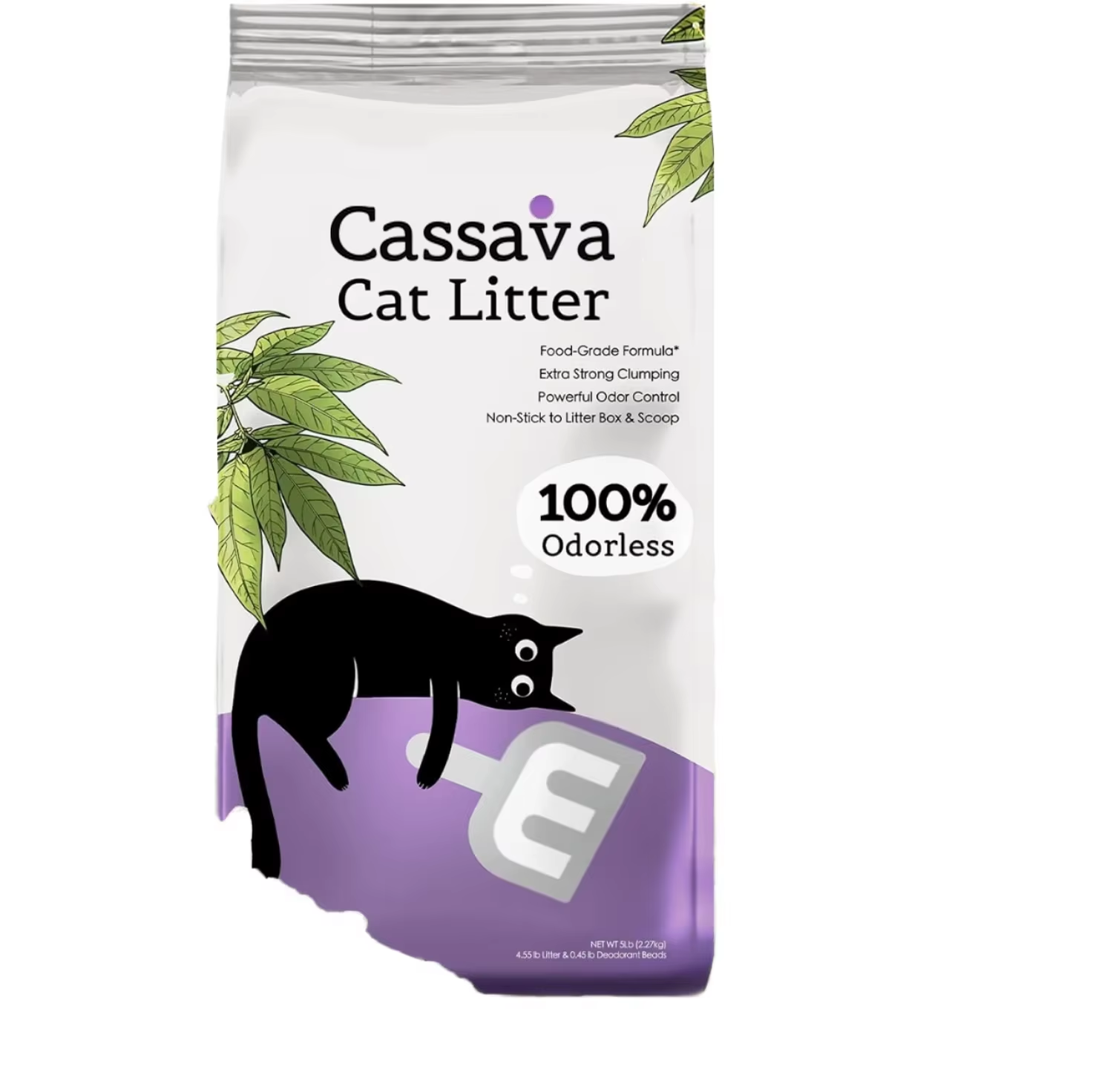
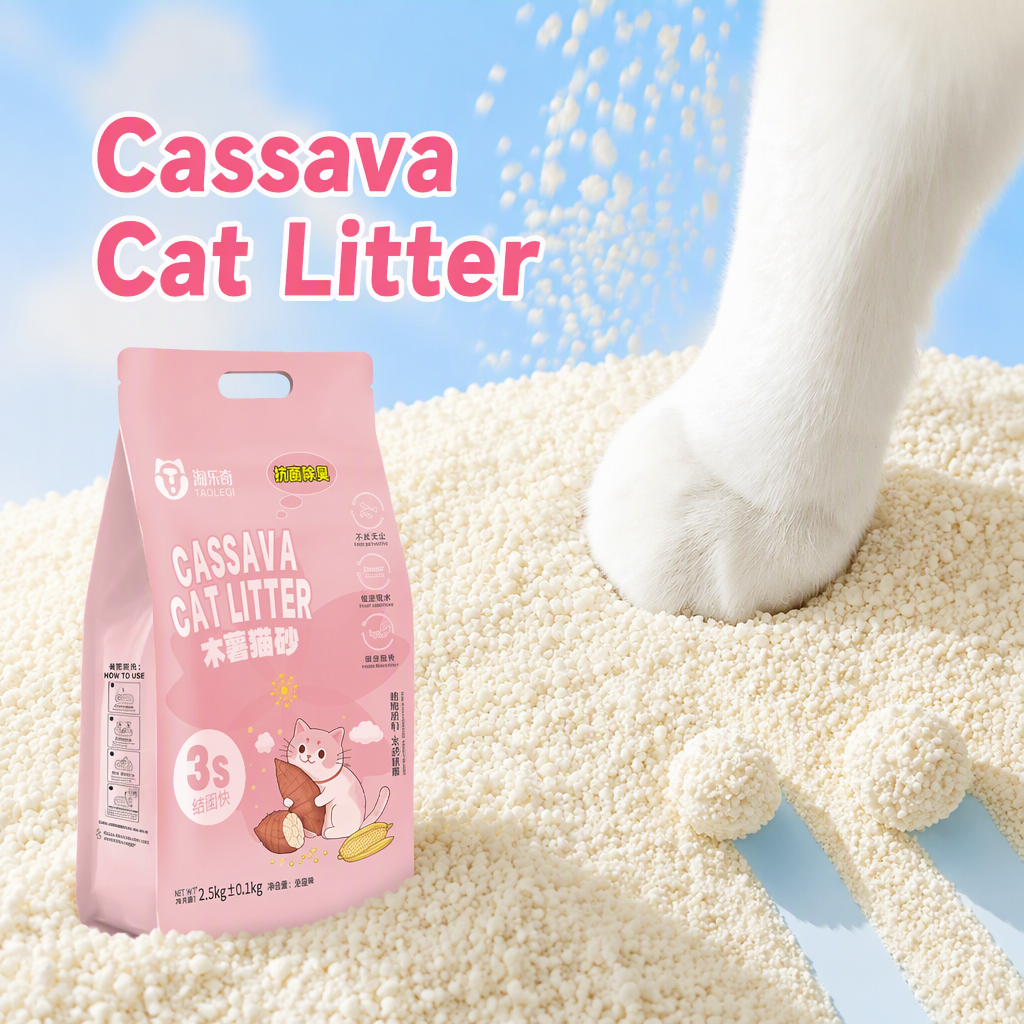
Yes. Brumel specializes in mixed container options. Caribbean distributors can combine our pure pea husk pellets, cassava micro-granules, mixed bentonite-tofu litters, and corrugated cat scratchers within a single 20GP or 40HQ container to diversify their inventory smoothly.
Q3: Is pea husk cat litter completely non-toxic if consumed by domestic animals?
Our raw material inventory consists entirely of food-grade pea fibre, natural corn/cassava starch, and food-grade guar gum binders. It contains zero synthetic silica, harsh chemical binders, or toxic aromas. Accidental minor ingestion causes zero gastrointestinal obstruction, making it safe for homes with curious pets.
Q4: What are the lead times and shipping logistics from Qingdao Port to Castries?
Standard OEM manufacturing and private-label packaging production run between 10 to 18 days depending on bag print complexity. Ocean transit from Qingdao to Port Castries typically takes 35 to 45 days via major global carriers (e.g., CMA CGM, Maersk, MSC). Full customs clearance documentation is provided.