Engineered Cassava, Tofu & Hybrid Cat Litter Portfolios
From raw cassava root fiber extrusion to deodorized micro-pellets, these eight factory-direct formulations represent the current pinnacle of plant-based performance tailored for cold-climate and humid maritime pet care retail.
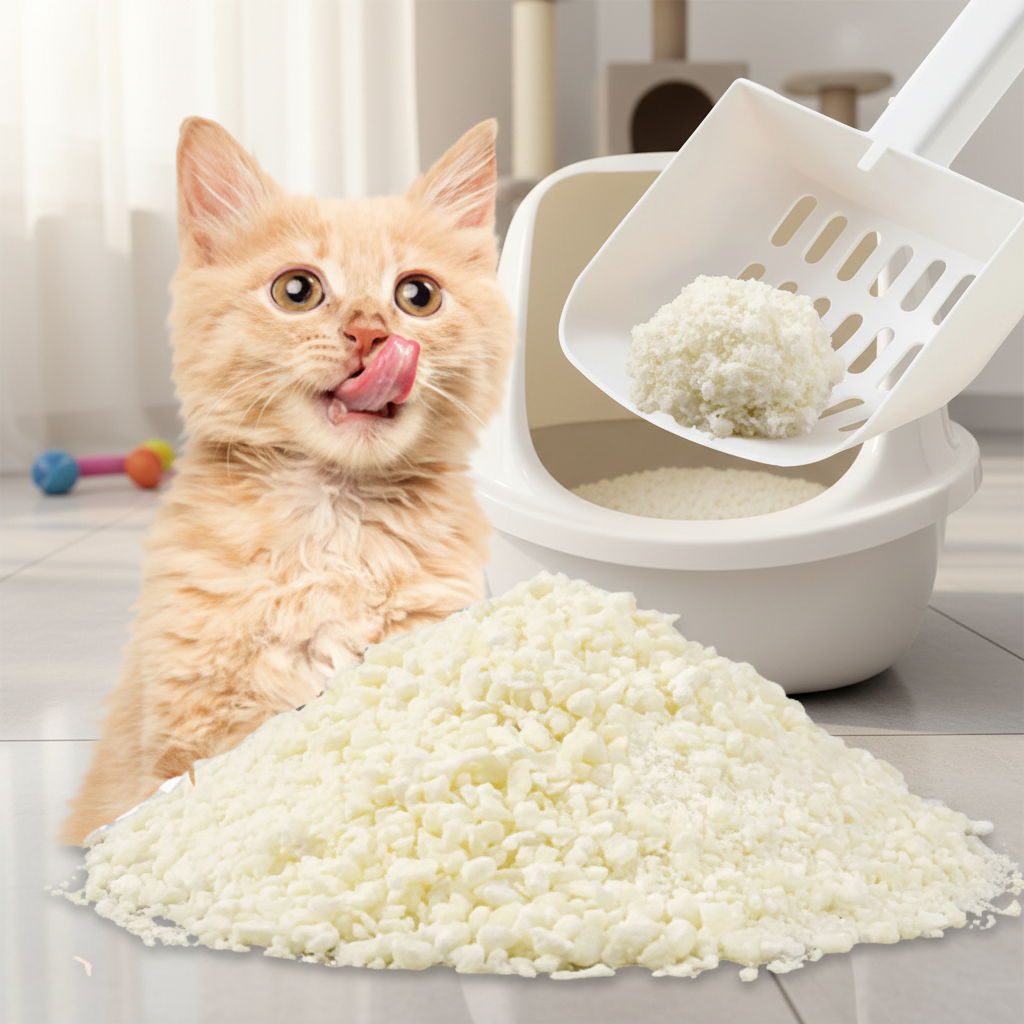
2026 New Breed Dust-Free Cassava Soybean & Corn Starch Deodorized Bentonite
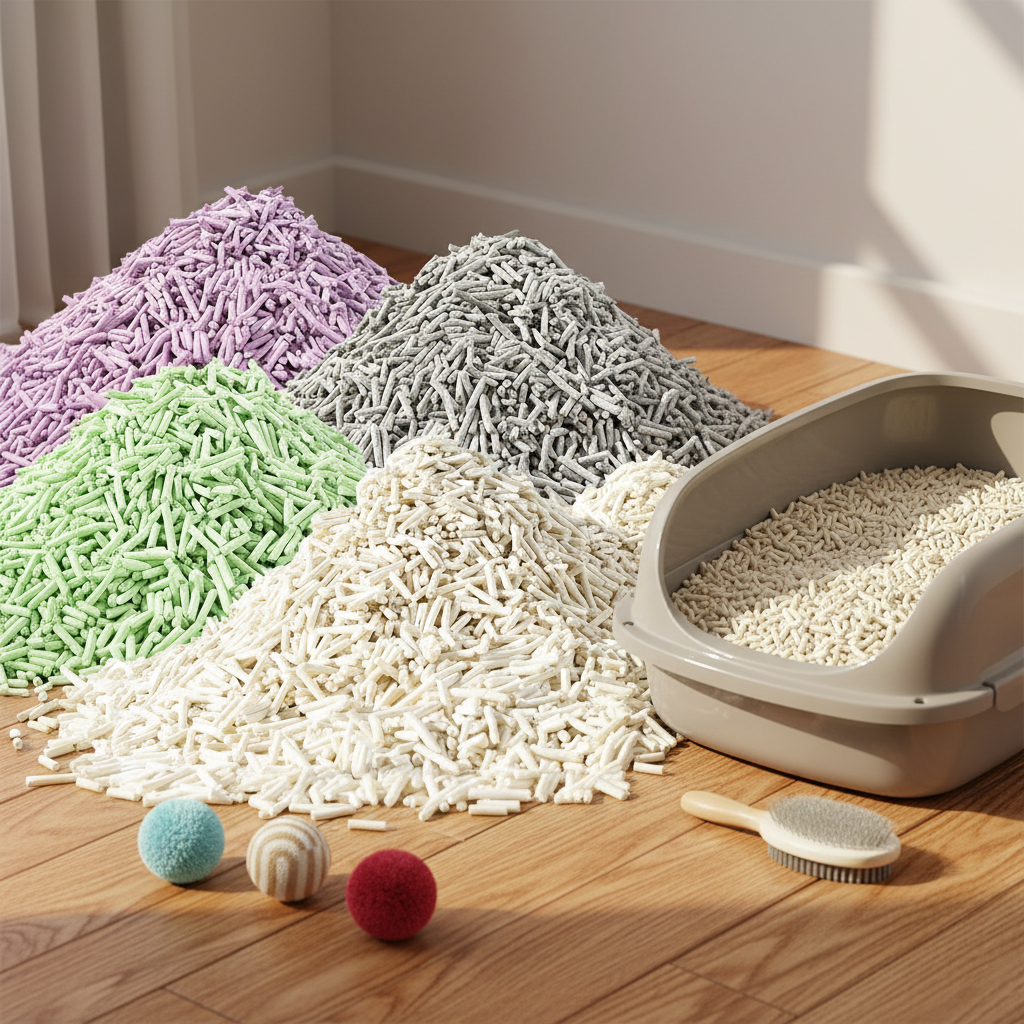
Factory Direct Plant-Based Eco Friendly OEM Strong Clumping Tofu Cat Litter
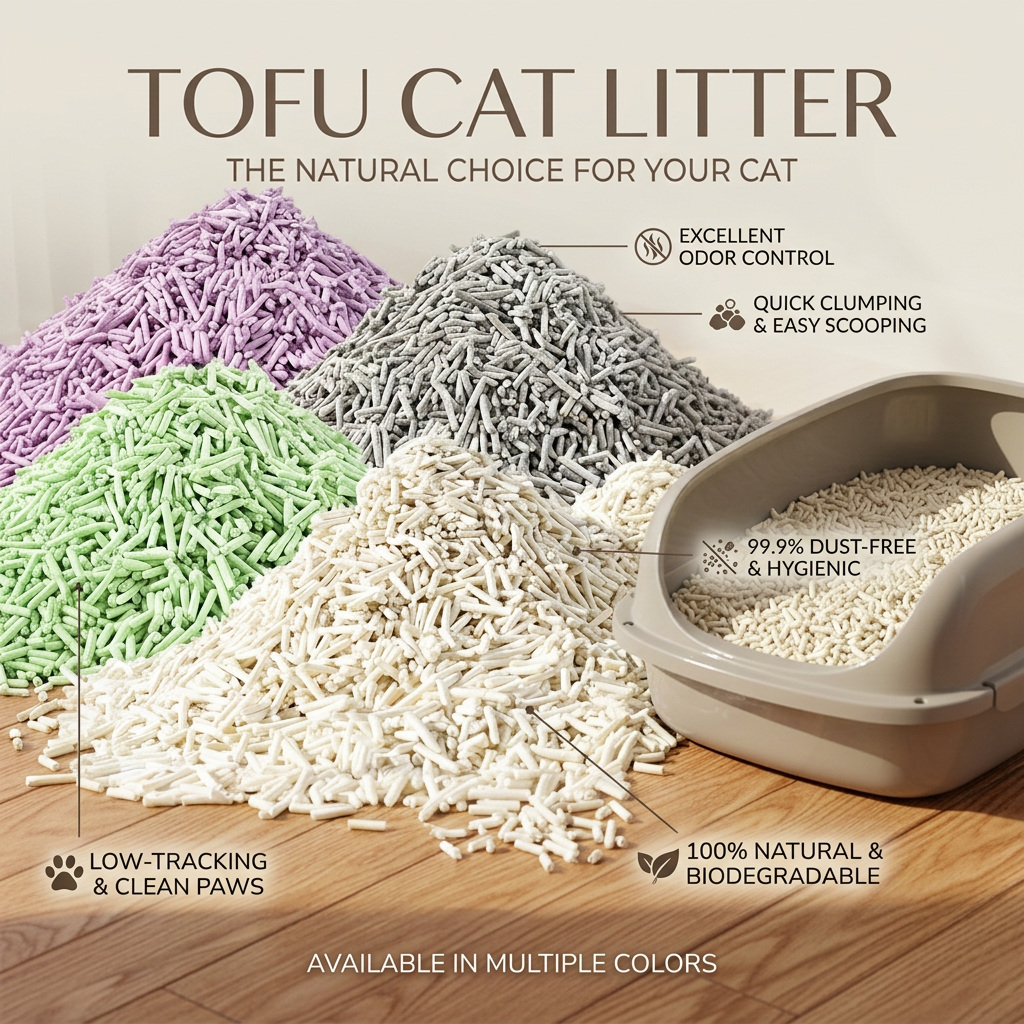
Fast Absorbent Dust Free Factory Direct Strong Clumping Premium Tofu Litter
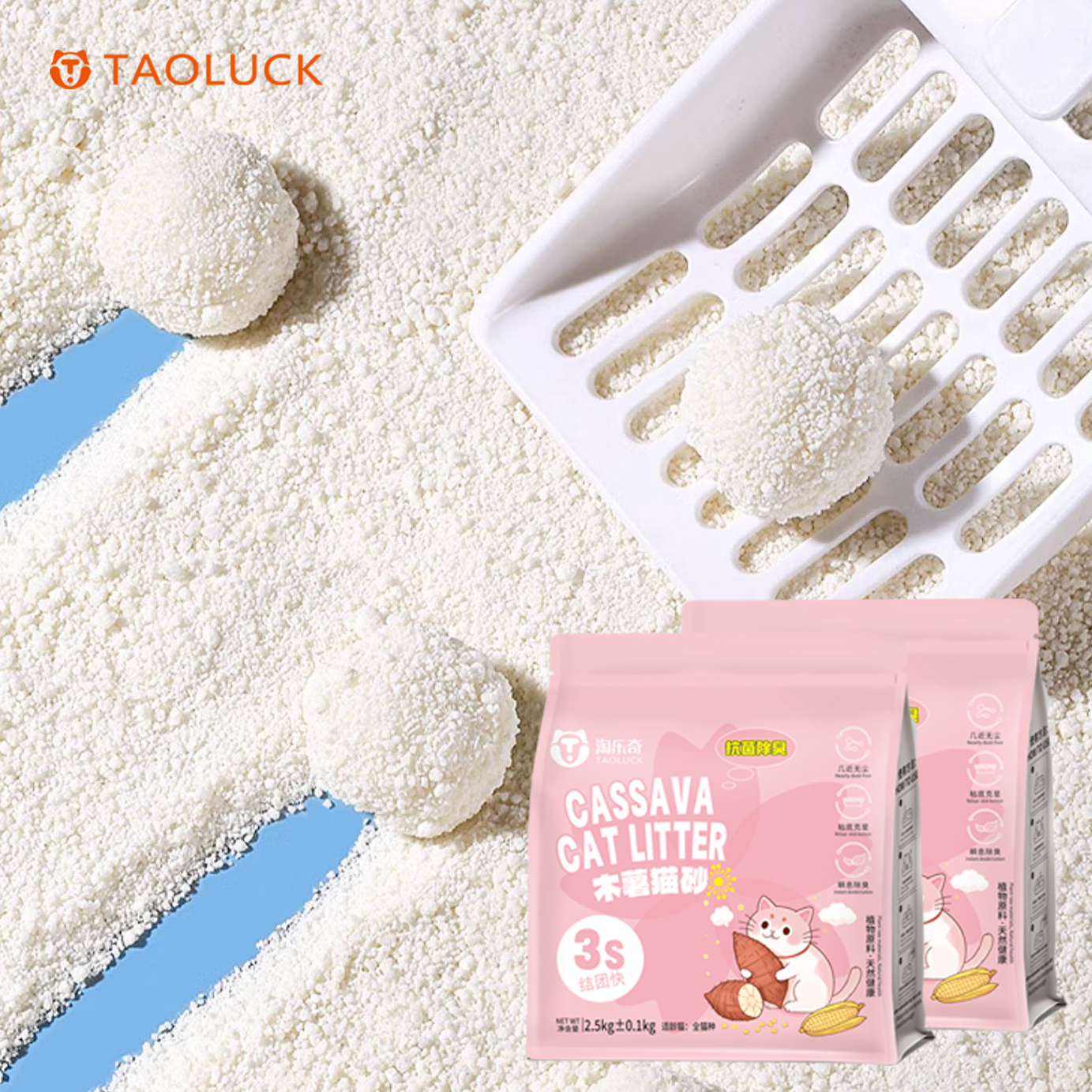
Eco Friendly Fast Delivery Strong Clumping Odor Control Cassava Litter
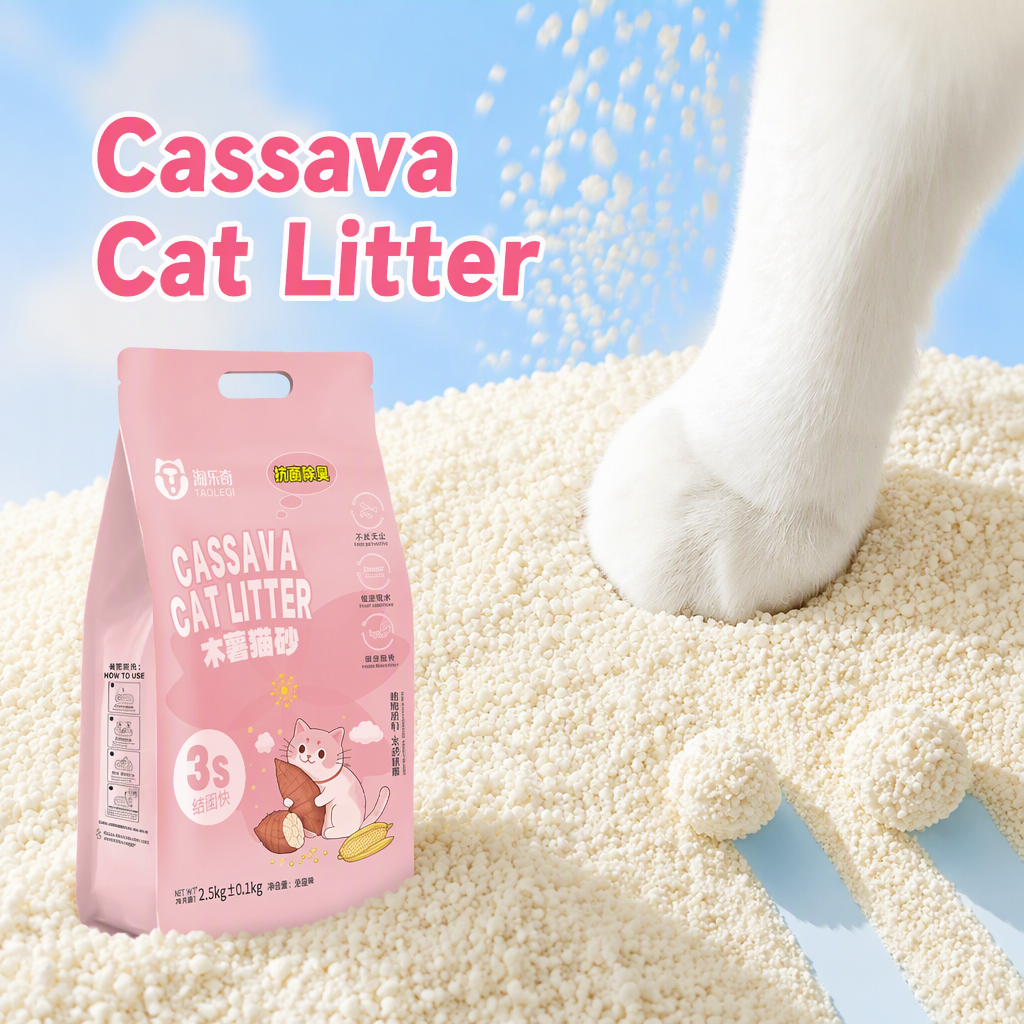
Biodegradable Eco Friendly Highly Absorbent Dust Free Cassava Cat Litter
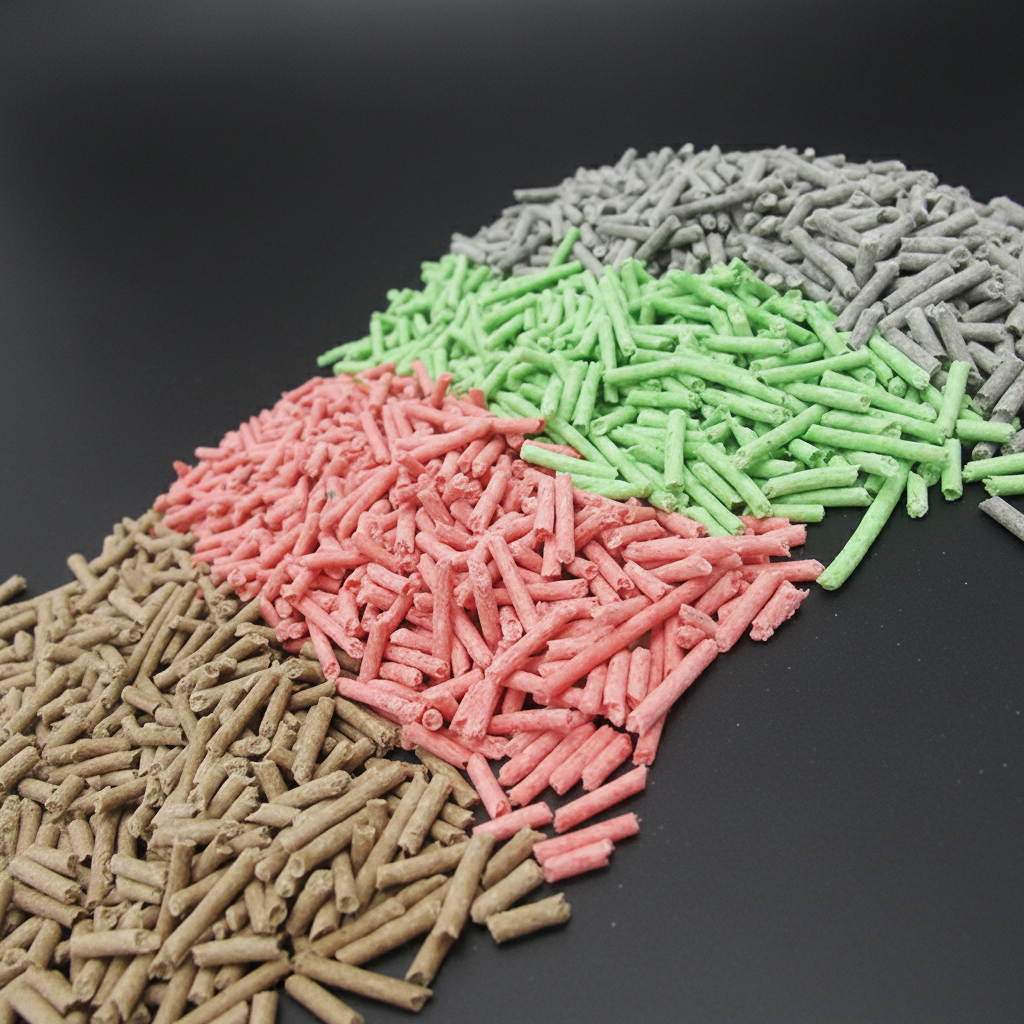
TAOLUCK High Absorption Soluble Lavender Flushable Strip Corn Tofu Cat Litter
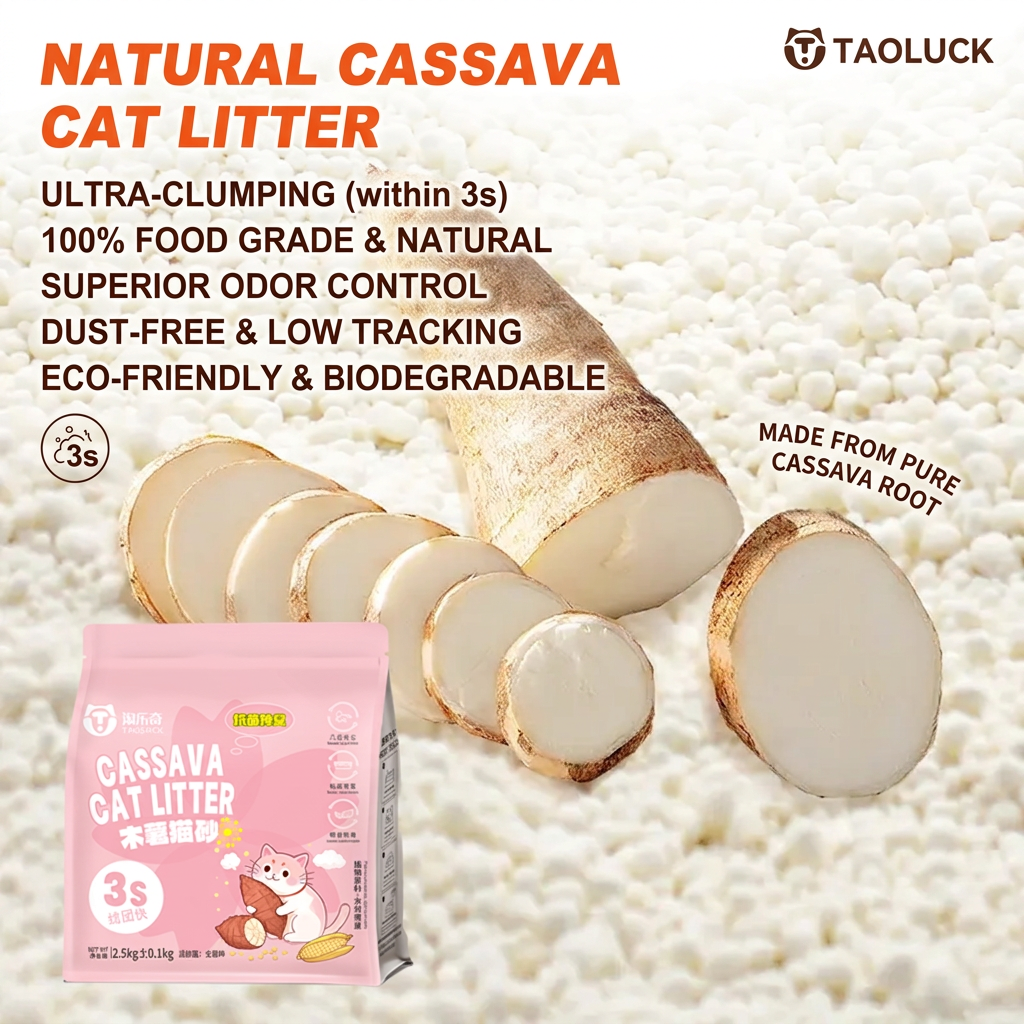
Deodorant Natural Ingredients High Absorptivity Fast Clumping Cassava Litter
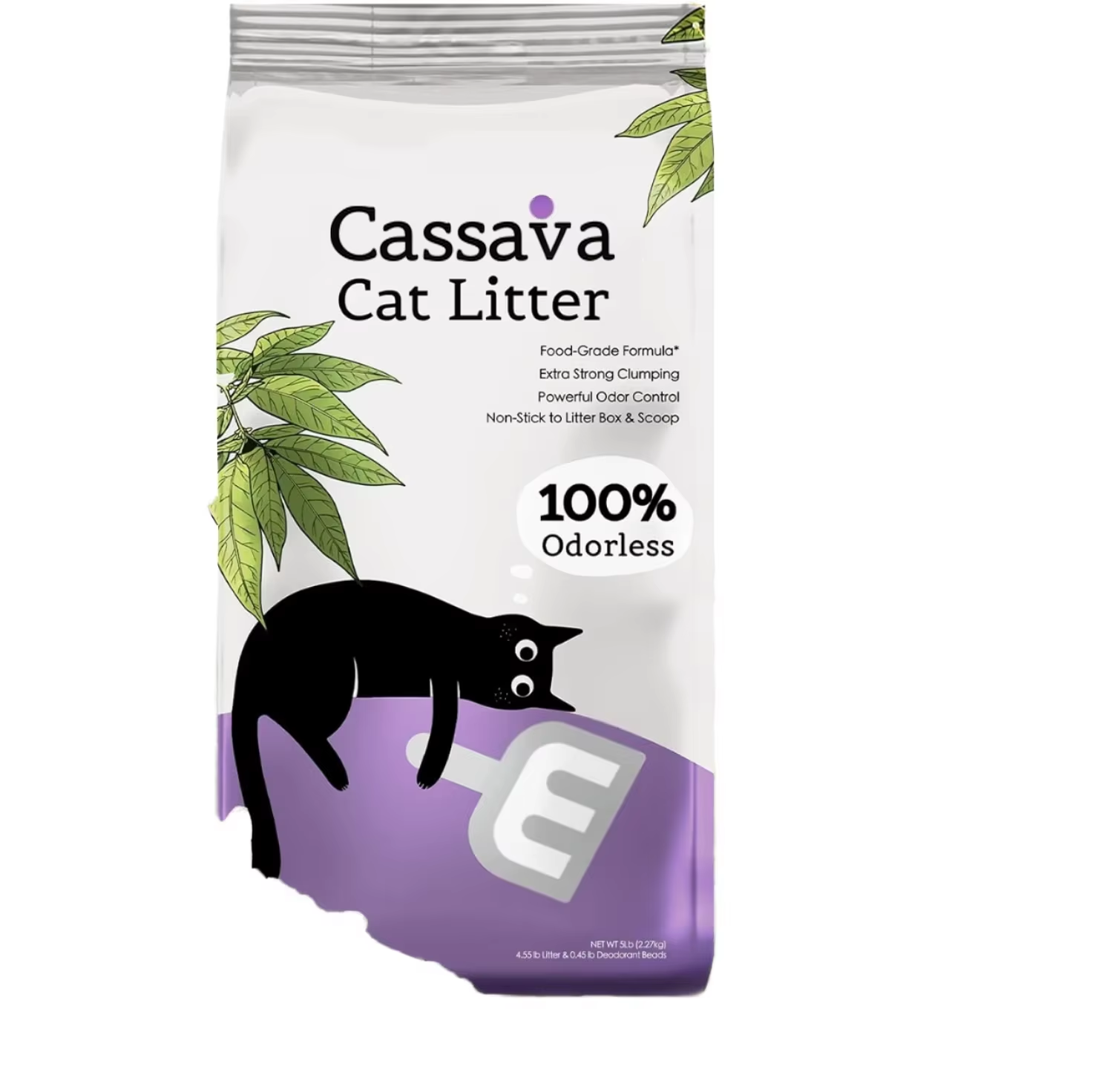
Wholesale Eco-Friendly Natural Biodegradable Strong Odor Cassava Cat Litter
The Macromolecular Mechanics of Tapioca (Cassava) Starch in Pet Hygiene
The shift from traditional sodium bentonite strip-mined clays toward renewable, botanical alternatives is accelerating globally, but nowhere is this transition more technically demanding than in sub-Arctic and maritime climates like St. John’s, Newfoundland and Labrador. For retail brand managers, pet boutique owners, and Canadian veterinary supply distributors operating on the Avalon Peninsula, product failure is usually attributed to excessive ambient moisture absorption, airborne dust degradation in closed indoor spaces during prolonged winters, and crumbling clumps under sub-zero storage cycles.
Tapioca cat litter, derived from the tubers of the cassava plant (Manihot esculenta), solves the structural limitations of conventional legumes and wood shavings through its specific starch polymer configuration. Native cassava starch contains approximately 80% to 83% amylopectin and 17% to 20% amylose. Amylopectin is a highly branched polymer composed of thousands of glucose units linked by α-1,4 and α-1,6 glycosidic bonds. When feline urine (an aqueous solution containing urea, electrolytes, and volatile ketones) contacts tapioca granules, the branched macromolecular structure undergoes instantaneous cold-water hydration. This triggers swelling without requiring thermal energy, forming a tightly knit hydrogel matrix that traps liquid within under 3 seconds.
Why Amylopectin Branching Outperforms Legume (Tofu) Protein in Extreme Climates
While food-grade soybean residue (okara) makes an exceptional lightweight, flushable carrier, soy protein contains hydrophilic polypeptide chains that can suffer structural collapse under extended exposure to air with relative humidity exceeding 75%. In coastal regions such as St. John’s, where fog, North Atlantic drizzle, and marine sea-spray elevate average annual humidity levels, pure soybean tofu litters can experience reduced clumping efficiency if open litter pans are placed in poorly ventilated historic row houses or basements.
Tapioca root starch granules, when calibrated through our factory's computerized high-pressure granulation and low-temperature drying protocols, form a dense outer shell with micro-capillary channels. The fluid is drawn inward via capillary suction rather than pooling horizontally across the surface. As a result, the clump remains circular and shallow rather than spreading down to adhere tenaciously to the bottom of the plastic pan. This property directly curtails ammonia gas generation by physically encapsulating microbial urease within the desiccated starch core.
Laboratory Rheology & Operational Comparison Matrix
The following performance data reflects standardized testing conducted at our 7,500 m² Dongying facility, utilizing multi-stage laser particle analysis and mechanical shear testing simulators.
| Evaluation Parameter | Brumel Native Tapioca | Standard Tofu (Soy Residue) | Sodium Bentonite Clay | Pine Pellets (Wood Fibers) |
|---|---|---|---|---|
| Primary Base Material | 100% Cassava Tuber Starch & Fiber | Food-Grade Soybean Pulp (Okara) | Mined Volcanic Bentonite Clay | Compressed Softwood/Hardwood Sawdust |
| Clumping Mechanism | Amylopectin Hydrogel Interlocking | Protein Cross-Linking & Guar Gum | Smectite Mineral Hydration & Swell | Non-Clumping (Breaks into Powder) |
| Average Clump Shear Strength | 1,420 g/cm² (Extremely Firm) | 980 g/cm² (Firm) | 1,150 g/cm² (Hard/Brittle) | N/A (Disintegrates into Fines) |
| Dust Index (0.1–10μm PM Rating) | < 0.1% (Near-Zero Particle) | < 0.4% (Ultra-Low) | 3.5% – 7.8% (Elevated Inhalable Dust) | 1.2% – 2.5% (Wood Fibers) |
| Bulk Density (g/cm³) | 0.48 – 0.52 (Ultra-Lightweight) | 0.45 – 0.50 (Lightweight) | 0.95 – 1.10 (Heavy Weight) | 0.60 – 0.65 (Medium Weight) |
| Municipal Waste Footprint | Rapid Soil Biodegradation / Compost | 100% Biodegradable & Flushable | Non-Degradable (Landfill Accumulation) | Organic Composting Potential |
| Maritime Storage Stability | High (Sealed barrier moisture shield) | Moderate (Requires desiccant liners) | High (Inert to mold, susceptible to cake) | Low (Rapidly absorbs ambient air dampness) |
Localized Application Scenarios: Deploying Tapioca Litter in St. John’s, NL
Supplying pet accessories and consumables to St. John’s requires an understanding of the region's geographical, climatic, and municipal realities. As North America's easternmost urban hub, Newfoundland's capital features unique logistical and lifestyle parameters:
Maritime Marine Condensation Resistance
St. John’s records an average of over 120 days of dense fog annually, coupled with cold sea-borne relative humidity often hovering near 85%. While conventional clay litters form damp crusts in cold basements, our specialized tapioca formulation utilizes high-density vacuum extrusion. Each granule is heat-sealed to resist hygroscopic dampness from ambient air while maintaining complete reactivity to targeted feline urine discharges.
Heritage Downtown Homes & Indoor Air Purity
Historic multi-story timber homes and modernized flats throughout downtown St. John’s, Quidi Vidi, and Georgestown frequently utilize electric baseboard heating. Closed windows during sub-zero winters elevate indoor particulate dust risks. Tapioca’s dust-free, starch-bound matrix eliminates airborne silica dust, mitigating feline asthma and protecting both pet owners and sensitive indoor air environments.
Ferry Transit & Freight Optimization
Freight reaching St. John’s traverses either intermodal rail via the Marine Atlantic commercial ferry route (North Sydney to Port aux Basques/Argentia) or direct container shipment to the Port of St. John's. Because tapioca litter is less than half the density of heavy clay litter (0.50 g/cm³ versus 1.05 g/cm³), maritime freight weight surcharges are reduced by roughly 50%, enabling higher retail unit margins on every pallet.
Municipal Waste Realities & The Avalon Peninsula Green Transition
Municipal waste management on the Avalon Peninsula (including Robin Hood Bay Regional Waste Management Facility) faces severe long-term capacity pressures with heavy, non-degradable sodium bentonite clay. When buried in landfill cells, bentonite forms an impermeable slurry that impedes natural leachate drainage and takes centuries to settle.
In contrast, factory-engineered tapioca cat litter provides St. John's retailers with an eco-certified differentiator. Cassava starch dissolves and mineralizes into harmless organic carbon within 6 to 8 weeks in soil environments. When pet owners scoop and manage their waste, they no longer contribute persistent mineral mass to local municipal landfills. This directly matches the ethical purchasing profile of St. John's pet parents, who consistently demonstrate strong demand for organic, biodegradable alternatives.
Why Brumel Stands as the Premier Factory Partner for Canadian Importers
Dongying Brumel Pet Products Co., Ltd. is not a middleman or trading company. We are a direct, SGS on-site verified manufacturing plant located in Dongying, Shandong, China, dedicated specifically to plant-based cat litter formulation, high-density granulation, and custom packaging engineering.
-
✓
SGS On-Site Audited Infrastructure: Certified 7,500 m² modern manufacturing workshop with documented raw material purity testing.
-
✓
Accessible Scale (Low 400-Bag MOQ): We support growing private brands, independent pet boutique chains, and regional distributors in Atlantic Canada with custom packaging starting from just 400 bags.
-
✓
Advanced 5-Stage Dedusting Technology: High-vacuum air separation and screen filtration remove 99.9% of all airborne particles, ensuring a truly clean pour.
-
✓
Ocean-Grade Protective Packaging: Specialized multi-layer barrier films, foil vacuum bags, and nitrogen-purged packing preserve product integrity during 30+ day ocean transit through variable North Atlantic temperatures.
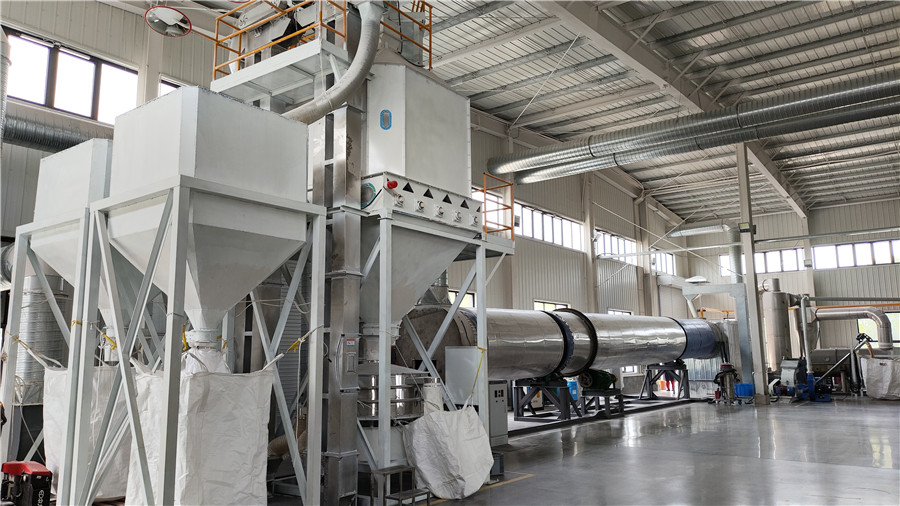 Granulation Workshop
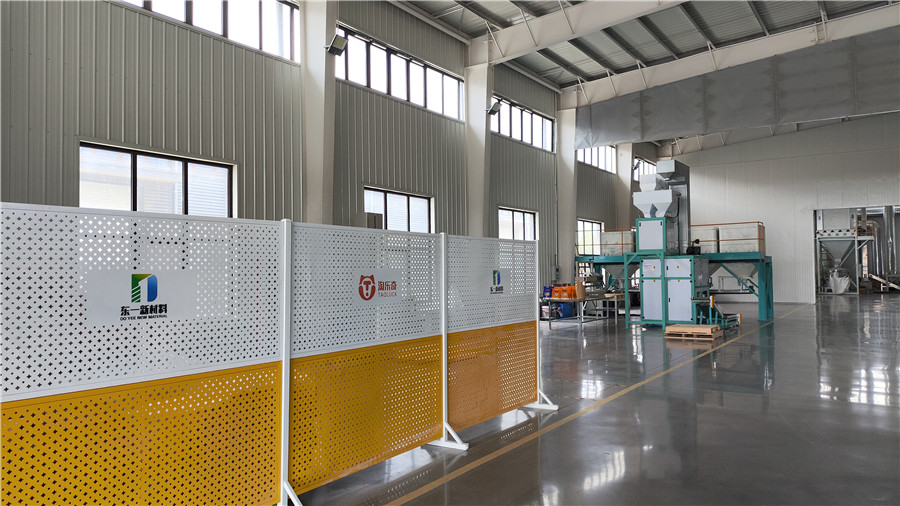 Sealed Climate Warehouse
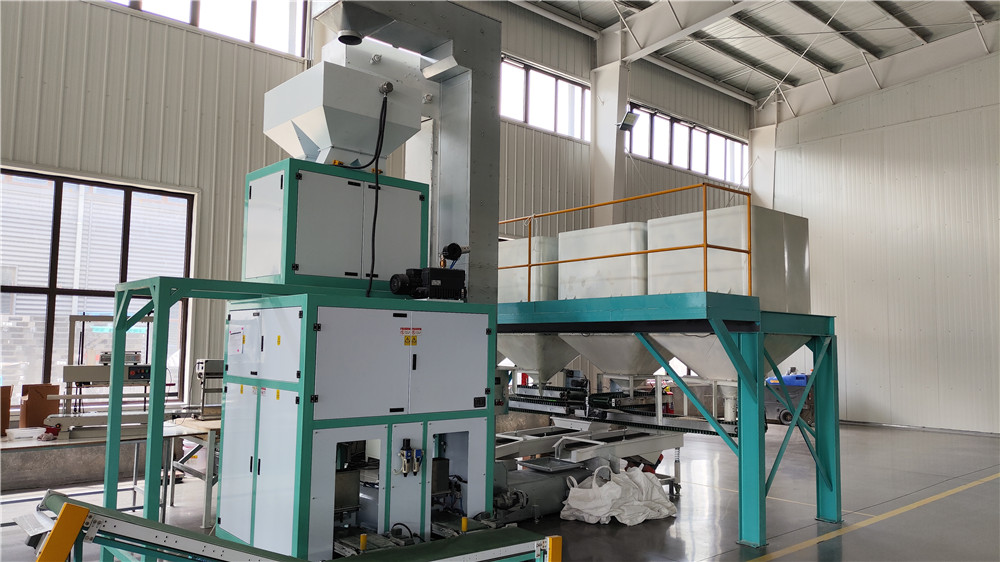 Global Export Loading
Frequently Asked Questions for St. John’s & Canadian Buyers
Direct technical answers regarding factory compliance, moisture protection, import customs tariffs, and custom ODM branding.
How does tapioca cat litter endure transatlantic winter shipping to St. John's?
Container ships traversing the North Atlantic face severe temperature fluctuations that can induce container condensation ("cargo sweat"). Brumel implements heavy-duty composite vacuum packaging (PET/PE or nylon laminates) and places industrial desiccants in each pallet load. This keeps our cassava granules at factory baseline moisture (< 10%) right to your St. John’s warehouse door.
Can St. John’s retailers flush tapioca litter under local plumbing standards?
Tapioca starch clumps disintegrate quickly in cold standing water via hydrophilic osmotic dispersion. However, municipal wastewater infrastructure in historic neighborhoods of St. John's varies. We recommend marketing pure tapioca clumps as compostable or flushable in small single clumps, always advising customers to observe City of St. John's municipal sewer bylaws.
What are the import tariff codes and documentation required for Canada?
Tapioca and plant-based cat litter typically enters Canada under HS Code 2309.90 or 3307.90 with duty-free or preferential tariff treatment, depending on raw material classification. As an SGS on-site verified manufacturer, Brumel supplies all required Certificates of Origin, Phytosanitary inspection documentation, Non-Toxic Animal Feed Safety lab sheets, and customs-ready commercial invoices.
Can we customize pellet diameter, natural colorings, or herbal infusions?
Yes. Our automated production line supports complete ODM engineering. You can specify crushed tapioca granules (simulating clay gravel for seamless feline transition) or 1.5mm to 2.0mm micro-pellets. We also provide botanical odor absorbers including activated carbon, lavender extract, green tea polyphenol, and natural corn-starch blends.