High-Performance Plant-Based Cat Litter Formulations
Manufactured with 100% food-grade soybean curd residue (okara) and natural botanical starches. Tested rigorously for low tracking, instantaneous capillary absorption, and zero toxic chemical additives.
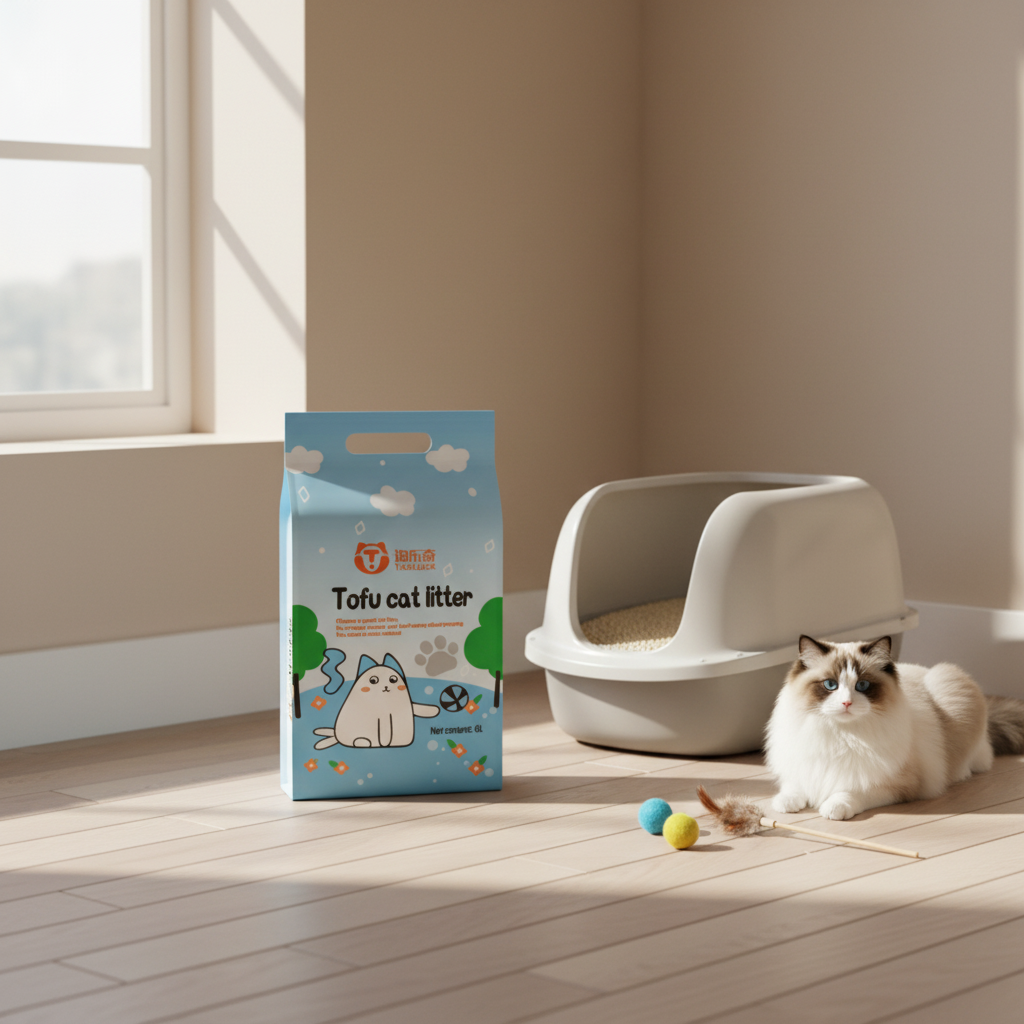
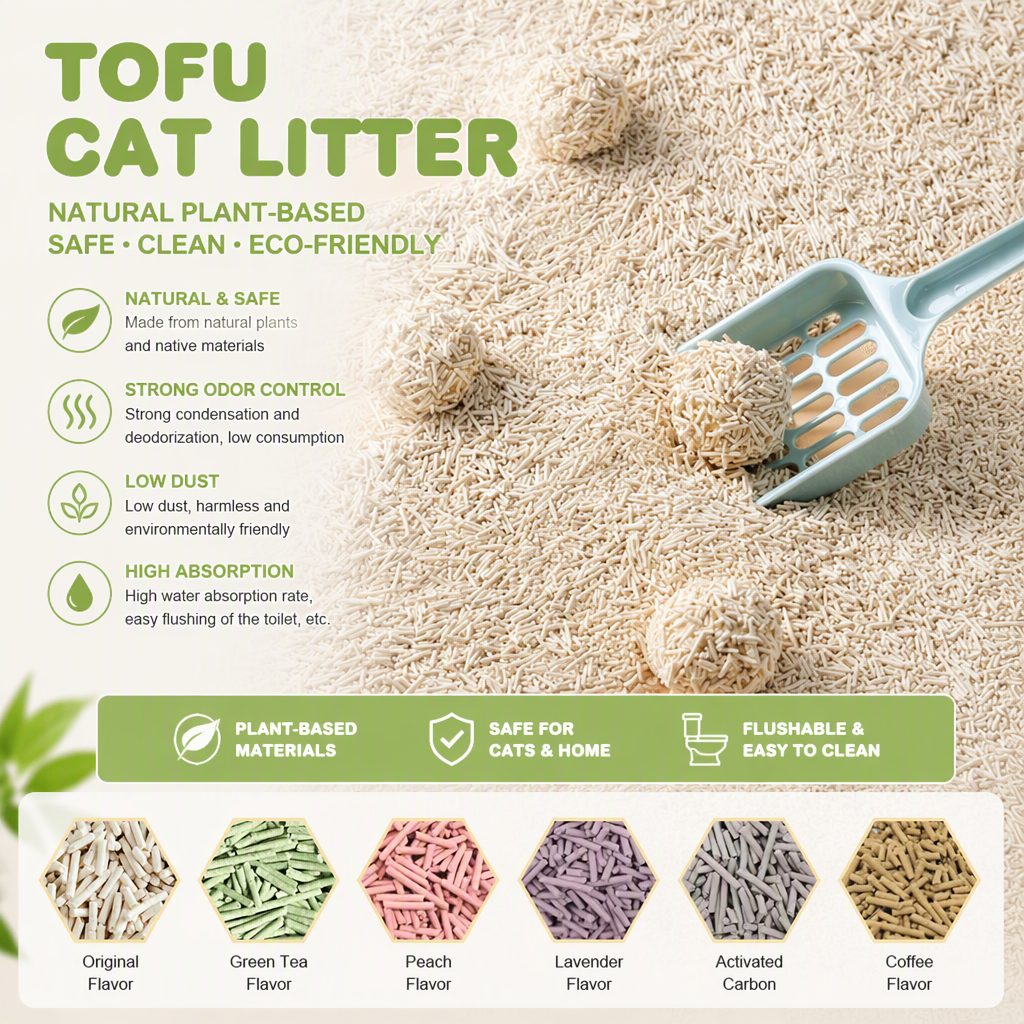
Bulk Natural Strong Clumping Flushable Biodegradable Ultra Absorbent 1.5mm 2mm 3mm Eco-Friendly Tofu Cat Litter
- Moisture Absorption: > 400%
- Mechanical Hardness: ≥ 98%
- 100% Flushable & Compostable
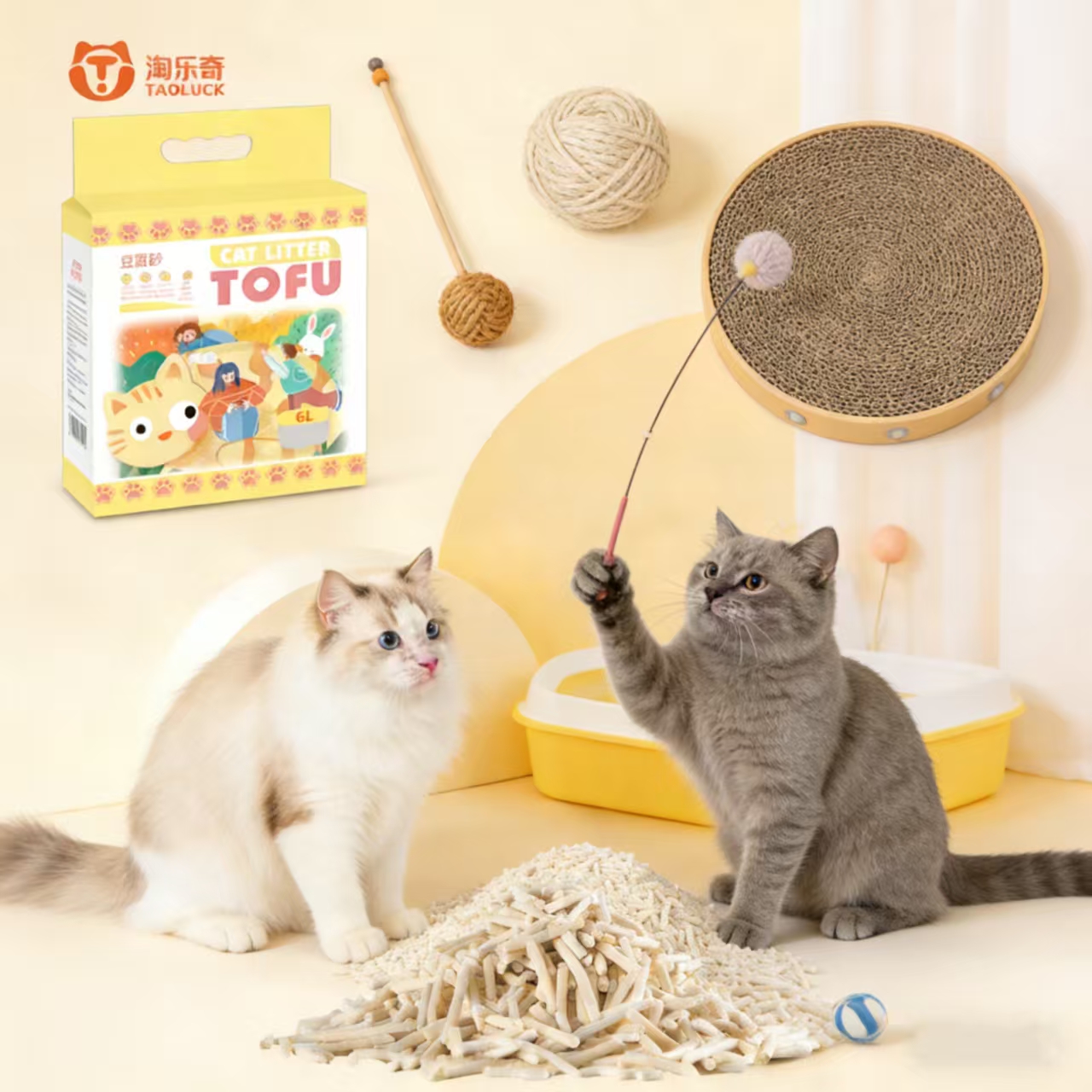
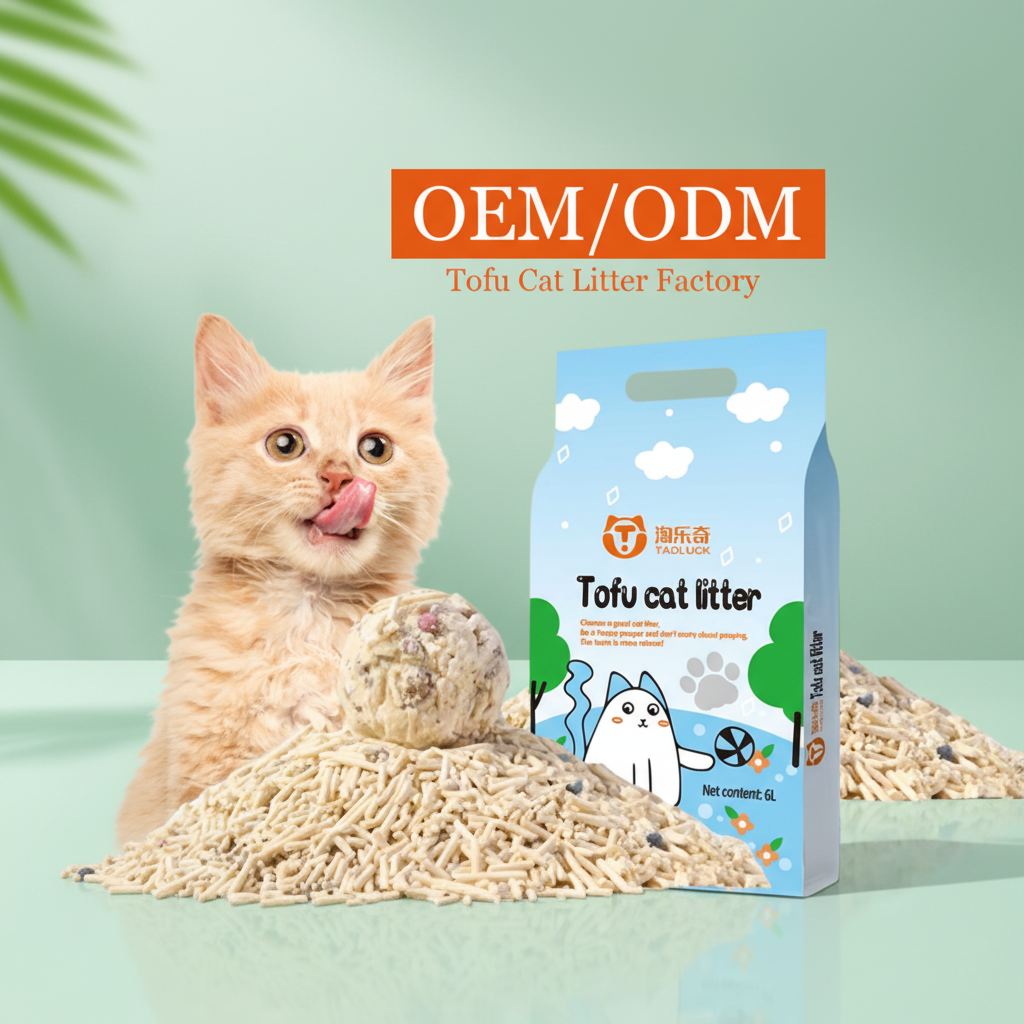
Cost-Effective Biodegradable Pet Tofu Litter No Dust Excellent Water Absorption 1 Ton OEM/ODM Tofu Cat Litter
- Bulk Packing: 1 Ton Big Bags / 6L / 10L
- Low MOQ: From 400 Bags
- Dust-Screened 5 Times
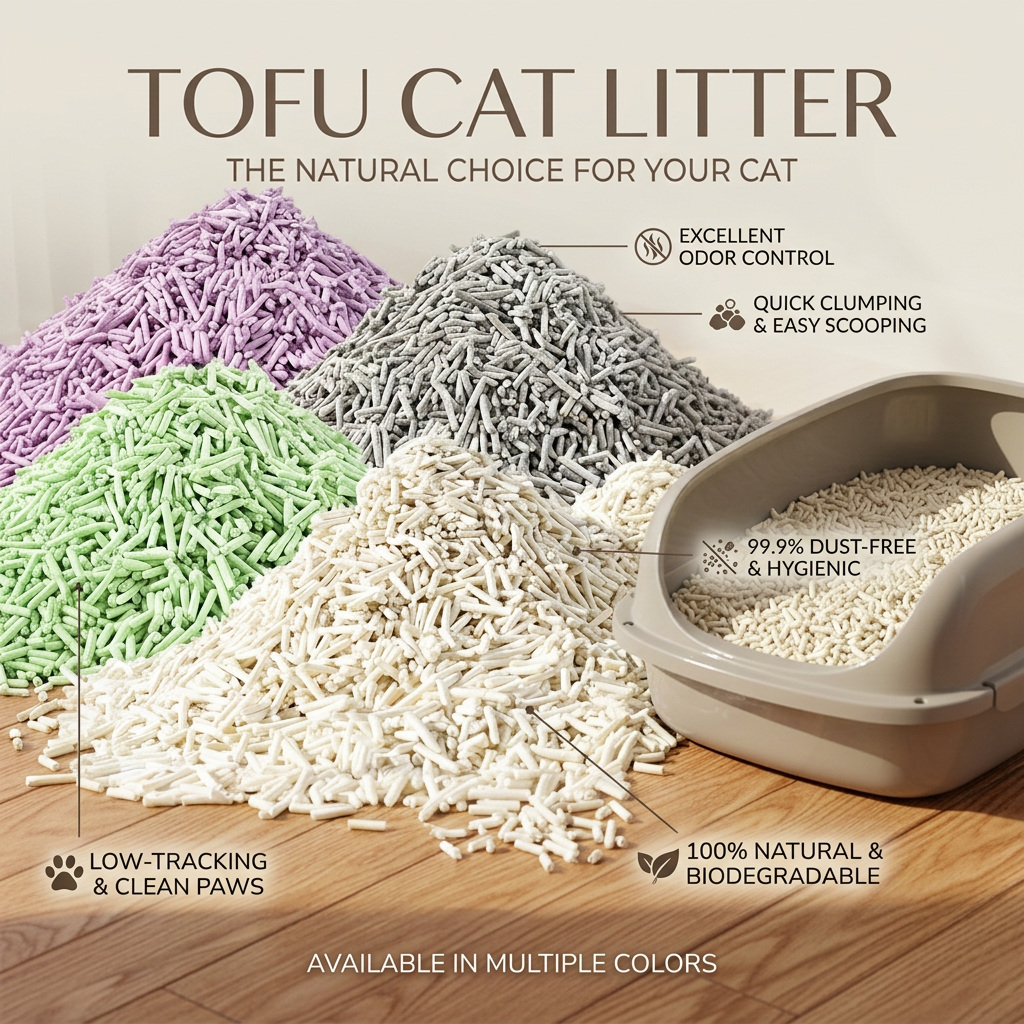
Fast Absorbent Dust Free Cat Litter Factory Highly Free OEM Strong Clumping Premium Tofu Cat Litter
- Rapid Clumping: Under 2 Seconds
- Non-Stick Bottom Technology
- Unscented or Botanical Infusions
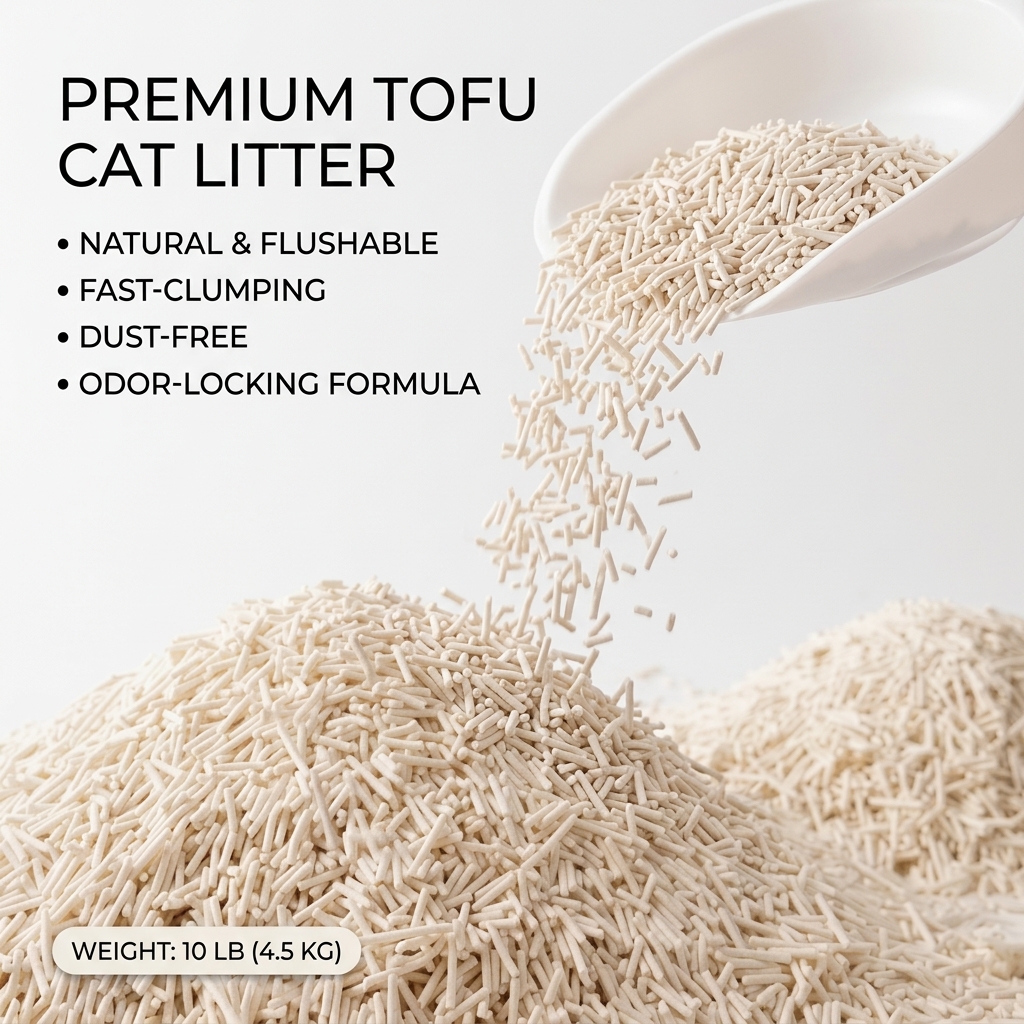
OEM Wholesales Cat Litter Factory Dust Free Strong Clumping Premium Tofu Cat Litter
- Triple Dedusted Air Flow
- High Density Granule Matrix
- Private Label Packaging Support
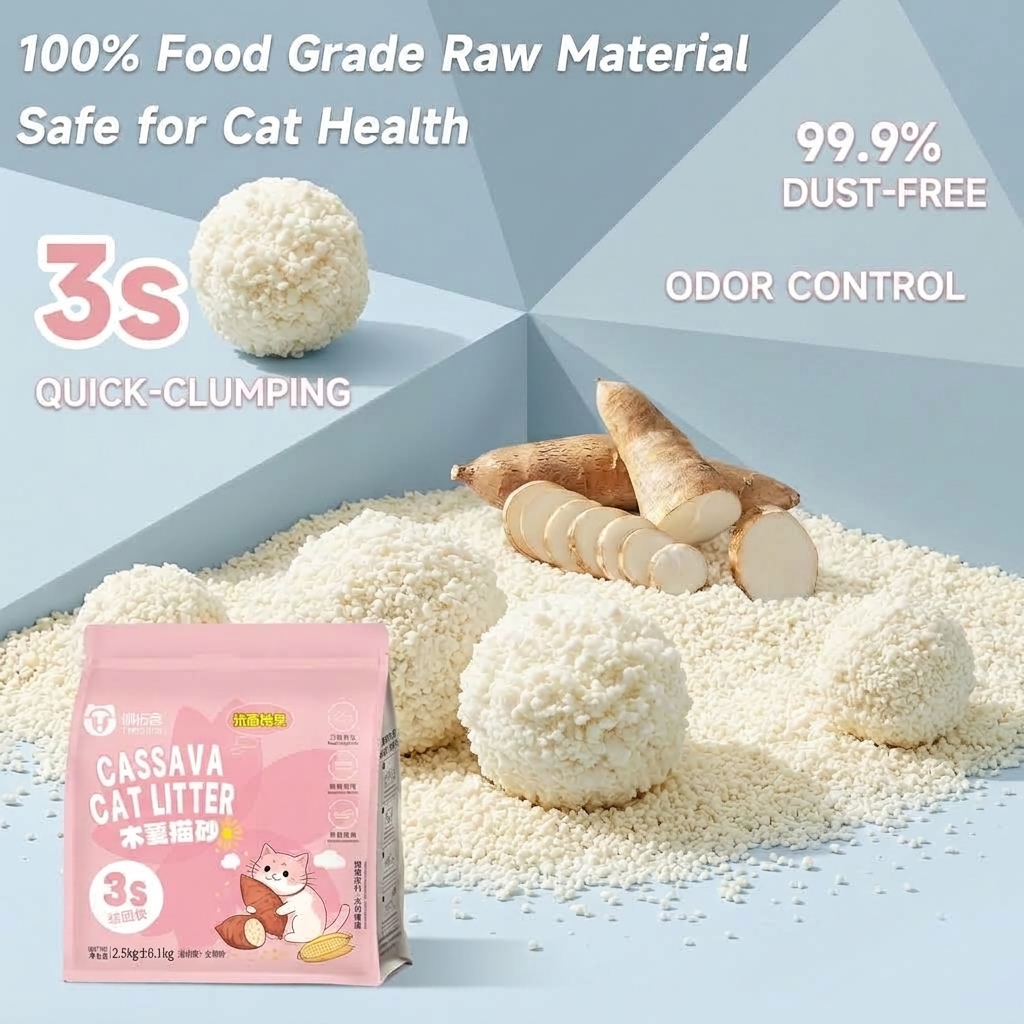
Biodegradable Cat Litter Solid Clumping Flushable Non Stick Natural Plant Cassava Cat Litter
- Cassava Root Fiber Binder
- Ultra-Tight Compact Clump
- Zero Synthetic Gum or Borax
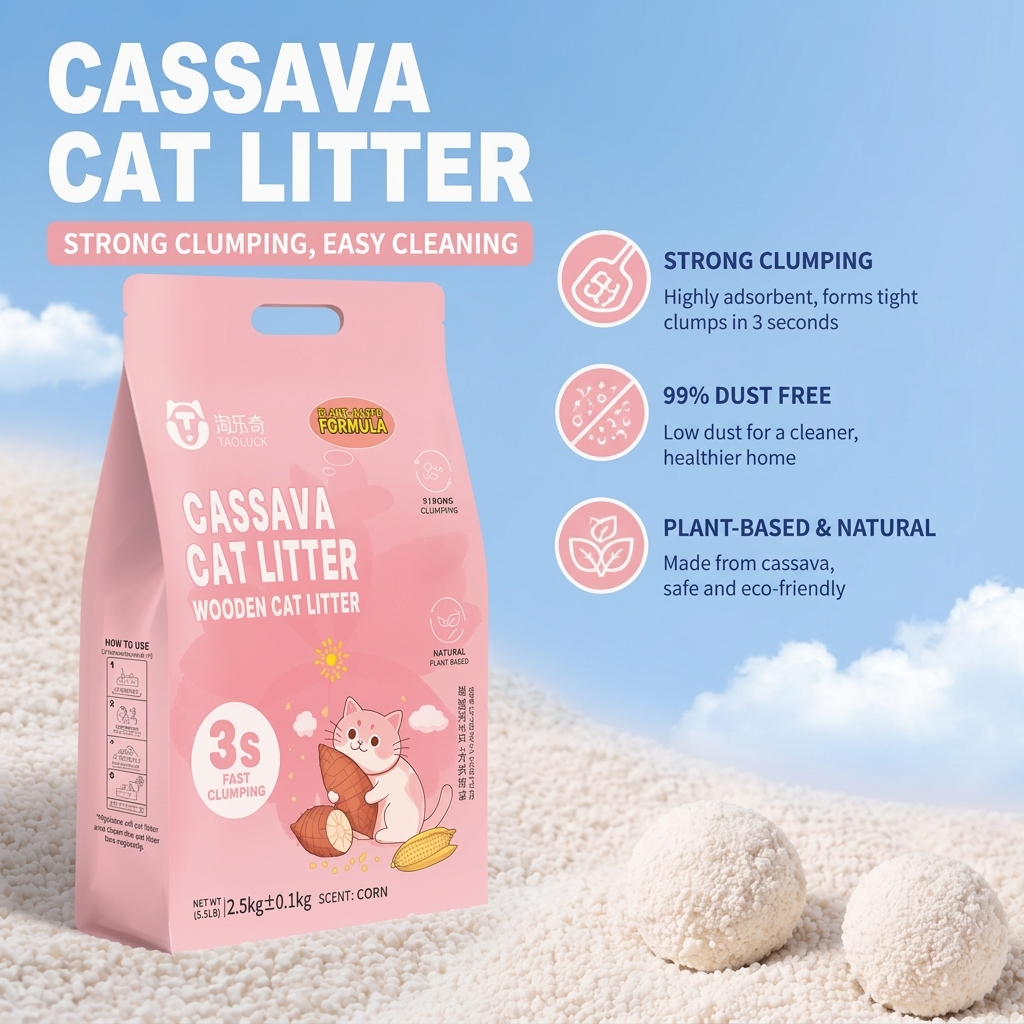
Factory Direct Cat Litter Natural Eco-Friendly Wholesale OEM Service Cassava Cat Litter
- 3-Second Molecular Lock
- Odor Trap Efficiency: 96.8%
- Soft on Feline Paws
2026 Tofu Cat Litter Original Flavor Low Dust Clumping Cat Sand Custom Packaging Flushable Pet Litter
- Optimized 2.0mm Pellet Diameter
- Low-Humidity Stability
- Vacuum Block Packaged
Eco-friendly Long Lasting Odor Control Cat Litter Natural Scented Pet Accessories Clumping Plant Feature Cassava Cat Litter
- Extended 30-Day Freshness
- Natural Antimicrobial Action
- Ideal for Indoor Living
The Norwegian Feline Market: The Plant-Based Paradigm Shift
Strategic analysis of consumer behaviour, indoor living conditions, and supply chain logistics in the Kingdom of Norway.
Navigating Norway's Sustainable Pet Care Sector
The Norwegian companion animal landscape is undergoing a structural transformation. In a country of 5.5 million people with approximately 800,000 domestic cats, pet ownership is characterized by high disposable income, deep emotional integration of pets as family members, and stringent environmental consciousness. Historically dominated by imported sodium bentonite clay and synthetic silica gel crystals, the market is experiencing a deliberate migration toward botanical alternatives, specifically tofu cat litter granules derived from food-grade soybean pulp (okara) and cassava starch.
This structural change is driven by three distinct regional drivers: Nordic residential architecture, municipal organic waste sorting frameworks (Kildesortering), and consumer health awareness. Because Norwegian winters enforce prolonged indoor confinement with centralized heat pumps or hydronic heating systems, indoor air quality is paramount. Mineral clay litters generate respirable crystalline silica dust (PM2.5 and PM10), causing respiratory irritation in both feline companions and human households. In contrast, precision-manufactured tofu cat litter granules yield virtually zero dust while maintaining superior capillary liquid absorption.
For B2B distributors, regional supermarket chains (such as NorgesGruppen, Coop Norge, and Rema 1000), veterinary clinics, and pet specialty retailers (including Musti Norge and ZooPlus), securing an audited, stable OEM/ODM production partner is vital to meet the discerning standards of Norwegian consumers.
Tailored Granule Engineering for Nordic Housing Conditions
Why specific granule geometry and moisture-locking capabilities outperform traditional alternatives in Norway.
Airtight Indoor Insulation Compatibility
Modern Norwegian homes constructed under TEK17 building standards feature airtight thermal envelopes and balanced mechanical ventilation (balansert ventilasjon). Traditional clay litter releases airborne silicate particles that recirculate through indoor filtration units. Brumel’s tofu granules undergo a five-stage cyclonic vacuum dedusting process, protecting human and feline respiratory tracts throughout the sub-zero winter season.
Micro-Porosity & Moisture Dynamics
Coastal cities like Bergen experience high ambient relative humidity, while inland regions like Lillehammer experience extreme indoor dryness from wood stoves and electric radiators. Brumel's extrusion technology produces balanced capillary micro-pores in every granule, ensuring rapid urine absorption without atmospheric moisture saturation or premature pellet degradation during marine transport across the North Sea.
Solid Clumping on Hardwood & Heated Floors
Heated tile floors (varmekabler) are ubiquitous in Norwegian bathrooms and entryways. Heat radiating from underneath litter trays accelerates bacterial ammonia release and causes inferior plant litters to adhere firmly to the base. Our proprietary okara-to-starch molecular matrix forms solid, cohesive surface clumps within 2 seconds, preventing residue adhesion and tracking on delicate oiled oak parquet flooring.
Comparative Performance Analysis: Tofu Litter vs. Conventional Substrates
Objective metrics derived from independent SGS laboratory trials and municipal waste management benchmarks.
| Evaluation Parameter | Brumel Premium Tofu Litter | Sodium Bentonite Clay | Silica Gel Crystals | Pine Wood Pellets |
|---|---|---|---|---|
| Raw Material Source | Food-Grade Soybean (Okara) | Mined Clay Minerals | Synthetic Sodium Silicate | Sawmill Timber Byproducts |
| Dust Content (<100 μm) | < 0.2% (Triple Dedusted) | 3.5% - 7.0% (High Respiration Risk) | 1.0% - 2.5% (Silica Dust) | 2.0% - 4.0% (Wood Fines) |
| Clump Tensile Strength | Ultra-Firm (Does Not Shatter) | High (Dense & Heavy) | Non-Clumping (Saturating) | Disintegrates into Sawdust |
| Liquid Absorption Capacity | > 420% by weight | 200% - 250% | 150% - 180% | 180% - 220% |
| Norwegian Waste Disposal | Matavfall (Biowaste) / Residual | Restavfall Only (Landfill Strain) | Restavfall Only (Non-Degradable) | Matavfall / Restavfall |
| Tracking Index (Paw Retention) | Very Low (1.5mm - 2.0mm Pellets) | High (Micro-grains stick to fur) | Moderate (Sharp crystals scatter) | Moderate (Large cylinder pellets) |
| Carbon Footprint Index | Minimal (Agricultural Upcycling) | High (Strip-mining & overseas kiln) | High (Chemical Synthesis) | Moderate to Low |
Emerging Trends & Compliance in the Norwegian Market
Aligning product specifications with strict Nordic consumer expectations and European regulatory mandates.
Mattilsynet & REACH Compliance
Norwegian pet products are strictly governed by the Norwegian Food Safety Authority (Mattilsynet) and the European Chemicals Agency (ECHA). Our tofu litter formulas are 100% free from formaldehyde, synthetic binders, artificial phthalates, and heavy metals. They comply with EU Regulation (EC) No 1907/2006 (REACH), ensuring safety for kittens and accidental ingestion.
Zero-Waste & Kildesortering
Norwegian households separate organic biowaste (matavfall) into designated green bags. Biodegradable plant-based litters resonate deeply with local eco-initiatives. Our okara pellets break down cleanly in municipal industrial composting digesters, reducing incinerated household mass (restavfall) and supporting Norway's national circular bioeconomy goals.
Minimalist Scents & Charcoal Infusions
Unlike other markets where intensely perfumed products prevail, Scandinavian consumers strongly prefer natural, unmasked, or lightly botanical profiles. In Norway, unperfumed natural original, activated bamboo charcoal, and subtle green tea formulations represent over 78% of plant-based litter sales, protecting sensitive feline olfactory senses.
Sustainable E-Commerce Ready Formats
With high domestic postal rates and widespread online subscription services across Norway, packaging efficiency is a decisive commercial factor. Tofu cat litter is approximately 60% lighter than bentonite clay, cutting parcel freight costs and last-mile carbon footprints from logistics hubs in Vestby to remote northern post offices.
Dongying Brumel Pet Products: Audited Global Reliability
Third-party certified production infrastructure designed to support enterprise-scale private label programs.
Industrial Scale, SGS Verification, and Precision Quality Engineering
Dongying Brumel Pet Products Co., Ltd. operates as a specialized manufacturer and worldwide exporter headquartered in Dongying, Shandong Province, China. Positioned at the heart of an agricultural and logistics nexus, our manufacturing footprint provides direct access to high-purity, traceable food-grade soybean derivatives and botanical starches.
Our complete production facilities and commercial capabilities have been assessed on-site by SGS Group. Operating across a consolidated 7,500 square meter industrial facility, we integrate clean-room grade granulation lines, multi -tier fluid-bed drying channels, and high-precision screening apparatus to maintain rigorous quality control across every batch.
Core Factory Advantages for Norwegian Partners:
- On-Site Batch Verification: Thorough raw material inspection for moisture content, protein residue, and microbiological safety prior to granulation.
- Precision Moisture Control: Finished pellets maintain steady moisture levels below 9.5%, preventing mold growth during multi-week ocean transit through North Sea trade corridors.
- Flexible Minimum Order Quantities (MOQ): Accessible pilot batches from 400 bags for stock formulations, facilitating low-risk market trials for emerging Norwegian retail brands.
- Turnkey OEM/ODM Packaging: Vacuum block packing, handle bags, compostable kraft paper pouches, and retail-ready display cartons with bilingual (Norwegian/English) graphic support.
- Dedicated Export Compliance Team: Complete documentation including Phytosanitary Certificates, Certificates of Origin, Material Safety Data Sheets (MSDS), and Grønt Punkt Norge packaging material alignment.
End-to-End Sourcing Protocol for Norwegian Commercial Importers
A streamlined, risk-mitigated pathway from initial laboratory sample validation to port delivery in Norway.
Phase 1: Formulation & Sample Testing
We review your target market profile, preferred pellet gauge (1.5mm, 2.0mm, or crushed micro-granules), and fragrance specifications (unscented, green tea, or activated charcoal). Standard laboratory test kits (500g–2kg) are air-freighted via DHL Express to Oslo or Bergen within 5–7 business days for clumping, dust, and dissolution evaluation.
Phase 2: Custom Packaging & Compliance
You can provide your native Norwegian graphic artwork or collaborate with our design division. We format barcoding (EAN-13), recycling symbols, waste disposal directions (*kildesorteringsmerker*), and localized regulatory copy for vacuum-sealed barrier bags and heavy-duty shipping cartons.
Phase 3: Production, Ocean Freight & Delivery
Upon digital proof approval, container production completes in 15–20 days. Shipments dispatch from Qingdao Port under your chosen Incoterms (FOB Qingdao, CIF Oslo/Larvik/Kristiansand, or DDP direct to your central Nordic distribution warehouse), fully palletized and shrink-wrapped with moisture desiccant packs.
Frequently Asked Procurement Questions for Norway
Practical guidance addressing customs, logistics, plumbing standards, and formulation safety.
What are the customs tariffs for importing tofu cat litter into Norway?
Under the Norwegian Customs Tariff (Tolltariffen), plant-based cat litters formulated from soybean curd or starch preparations are categorized under HS Codes 2309.90 or 1404.90 depending on specific binder classifications. As an industrial non-food derivative, tofu litter typically incurs minimal or zero import duty, subject to standard 25% Norwegian MVA (VAT). We supply all required export documentation, including accurate HS code declarations, commercial invoices, and packing lists to ensure seamless clearance at Norwegian customs.
Is tofu cat litter truly flushable down Norwegian toilet systems?
Yes. Our tofu litter granules are engineered with high water solubility. When exposed to high-volume turbulent water, individual clumps dissolve into loose organic fiber suspension within 30 to 45 seconds, preventing pipe obstructions. However, municipal wastewater regulations in cities such as Oslo and Bergen recommend disposing of daily cat waste in the residual waste (restavfall) or organic waste stream to prevent microbial pathogens like Toxoplasma gondii from entering municipal waterways. We recommend displaying responsible disposal instructions on retail packaging.
How does the formula hold up in unheated Nordic winter storage?
Unheated commercial warehouses across Scandinavia frequently experience temperatures dropping to -20°C. Brumel's tofu litter maintains a residual moisture baseline below 9.5% with high mechanical density. It will not freeze, fracture, or lose cohesion under sub-zero conditions. When transferred to a heated household environment, the vacuum-sealed packaging protects the granules from condensation and premature ambient moisture absorption.
What is the standard production and shipping lead time to Norwegian ports?
For private label packaging runs, primary manufacturing and packing generally require 15 to 20 days following packaging artwork sign-off. Direct ocean transit from Qingdao Port to major European distribution hubs (Hamburg/Rotterdam) takes roughly 32–38 days, with regional feeder vessels connecting to Oslo Port (Sjursøya Container Terminal), Larvik, or Bergen within an additional 3–5 days. In total, expect a predictable 50–60 day end-to-end procurement cycle.
Can you accommodate private label design with Norwegian labeling requirements?
Absolutely. Over 85% of our export output is manufactured under customized private label agreements. We accommodate customized bag sizing (standard 6L/2.5kg, 7L/2.8kg, or 10L commercial formats) and support mono-material recyclable plastics (PE/PE) that comply with Grønt Punkt Norge recycling standards. Our design team assists with Norwegian-language product copy, allergen statements, barcoding, and net volume declarations.
How do you guarantee that okara pellets will not mold during ocean freight?
Moisture prevention is built directly into our manufacturing protocols. Our plant uses automated continuous-flow infrared drying channels to maintain strict moisture parity across every production batch. Granules are vacuum-packed in composite multi-layer barrier foil that prevents humidity ingress. Container loading includes heavy-duty hanging silica desiccant bags, and containers undergo rigorous watertight inspections before departure.
Build Your Premium Plant-Based Cat Litter Brand for Norway
Partner directly with an SGS-verified manufacturer. Access premium tofu and cassava cat litter formulations, flexible minimum orders from 400 bags, and dedicated end-to-end export support for the Norwegian market.
Send an Inquiry