Executive Summary: The Shift Toward Plant-Based Tofu Litter in Greater Detroit
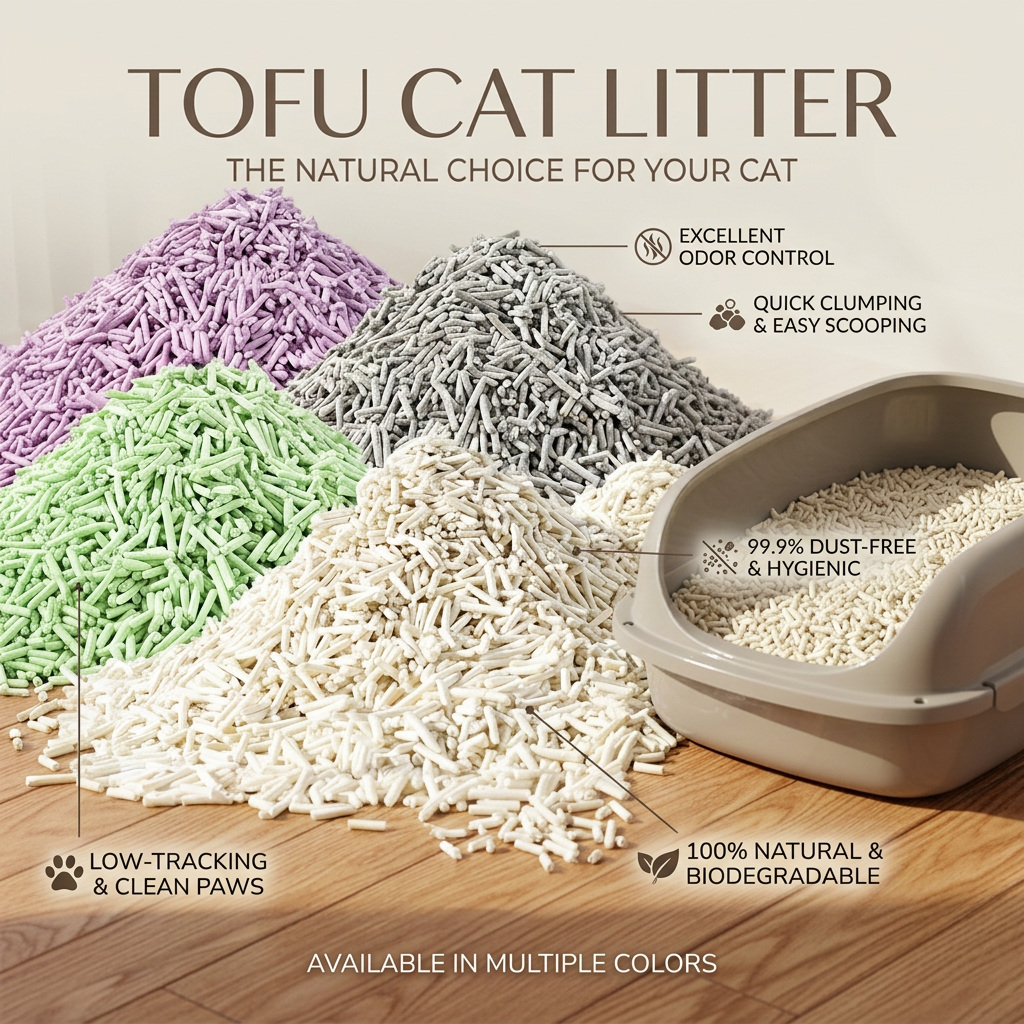
The pet care supply chain across Southeastern Michigan, encompassing Metro Detroit, Grand Rapids, and Ann Arbor, is undergoing a profound structural transition. Historically dominated by heavy, strip-mined sodium bentonite clay litters, the Midwest pet market is now rapidly pivoting toward plant-derived, biodegradable alternatives. Leading this shift is engineered tofu clumping cat litter—a bio-polymer pellet formulated primarily from upcycled food-grade soybean pulp (okara), starch, and natural plant gums.
For B2B buyers, pet specialty retailers, e-commerce brand owners, and commercial distributors operating in the Detroit market, securing a stable, quality-verified supply chain of premium tofu cat litter has become a critical strategic differentiator. Consumers in suburban hubs such as Royal Oak, Troy, Birmingham, and Novi are demanding eco-friendly, zero-dust, lightweight, and flushable cat litter solutions that accommodate modern apartment living and stringent waste management standards.
300%
Water Absorption Ratio
99.9%
Dust-Free Filtration
3 Sec
Rapid Clump Formation
400 Bags
Agile OEM Low MOQ
Information Gain Insight: Unlike traditional clay litter which increases municipal solid waste volume in Wayne and Oakland County landfills, high-density tofu pellet litter exhibits bio-degradation rates exceeding 98% within 30 days under standard composting conditions, aligning with Michigan’s statewide sustainability and zero-waste initiatives.
Material Science & Technical Specifications of Tofu Clumping Litter
To evaluate tofu clumping cat litter from an engineering and quality control perspective, B2B procurement managers must examine the bio-chemical composition and mechanical behavior of the granules under varying moisture and atmospheric conditions.
1. Micro-Pore Capillary Structure & Amylopectin Binding
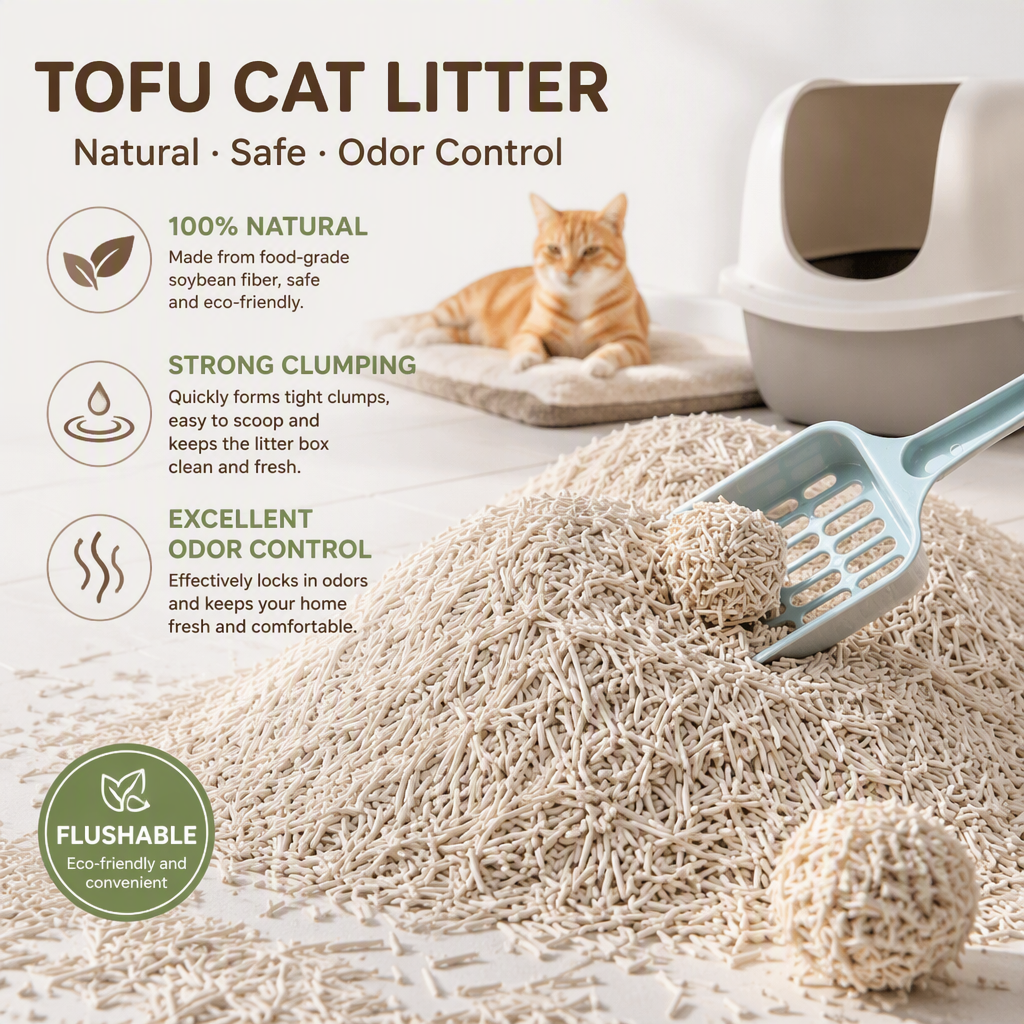
Dongying Brumel Pet Products Co., Ltd. utilizes an advanced high-pressure extrusion process that forces refined soybean fiber and tapioca starch through micro-perforated die plates. This thermal-mechanical compression creates an intricate capillary network inside every 1.5mm to 2.0mm pellet. When feline urine enters the matrix, capillary pressure pulls liquid into the core within 2 to 3 seconds, triggering immediate amylopectin cross-linking. The result is a rock-hard, non-stick clump that preserves structural integrity during scooping.
2. Atmospheric & HVAC Climate Adaptability in Michigan
The Detroit climate presents unique challenges for pet care products. Severe winter freeze-thaw cycles combined with high indoor forced-air heating lower ambient humidity to under 25%, while Great Lakes summer conditions spike indoor humidity above 70%. Standard low-tier plant litters absorb ambient moisture, leading to premature crumbling, mold formation, or loss of clumping strength.
Brumel’s proprietary formula incorporates a low-water-activity ($\mathrm{a_w} < 0.6$) preservation technique during high-temperature drying. This guarantees a stable 24-month shelf-life during ocean transit, warehouse storage in Midwest distribution centers, and year-round indoor utilization in Detroit homes.
| Physical Property |
Standard Tofu Litter (2.0mm) |
Crushed Micro-Tofu (1.5mm) |
Mixed Bentonite-Tofu Hybrid |
Testing Protocol |
| Primary Raw Material |
Food-Grade Soybean Okara |
Refined Soy + Cassava Starch |
70% Tofu / 30% Sodium Bentonite |
Raw Material HPLC Batch Check |
| Bulk Density |
420 - 480 g/L |
480 - 540 g/L |
650 - 720 g/L |
ISO 697 Standard |
| Water Absorption Rate |
≥ 300% by weight |
≥ 350% by weight |
≥ 280% by weight |
Gravimetric Fluid Retention |
| Clump Crushing Strength |
700 - 900 g/cm² |
850 - 1100 g/cm² |
1200 - 1500 g/cm² |
Digital Force Gauge Tester |
| Dust Index (PM2.5 / PM10) |
< 0.1% (99.9% Dust-Free) |
< 0.15% (99.85% Dust-Free) |
< 0.5% (Low Dust) |
Positive Air Screening Test |
| Solubility / Flushability |
100% Water Dissolvable |
100% Water Dissolvable |
Non-Flushable (Bin Only) |
30-Sec Agitation Dissolution |
Commercial Value Drivers for Detroit Pet Product Buyers
When introducing private label or factory-branded tofu litter into Michigan’s retail channels, B2B buyers gain distinct competitive advantages over traditional pet supplies:
Hypoallergenic & Respiratory Safe
Eliminates crystalline silica dust hazards common in clay litter, protecting both feline respiratory systems and pet owners suffering from allergies in enclosed living environments.
Substantial Freight Cost Reduction
At under half the bulk density of bentonite clay, a single 40-foot HQ container holds significantly more usable litter volume per metric ton, drastically lowering sea freight and domestic trucking costs per unit.
Instant VOC & Ammonia Lock
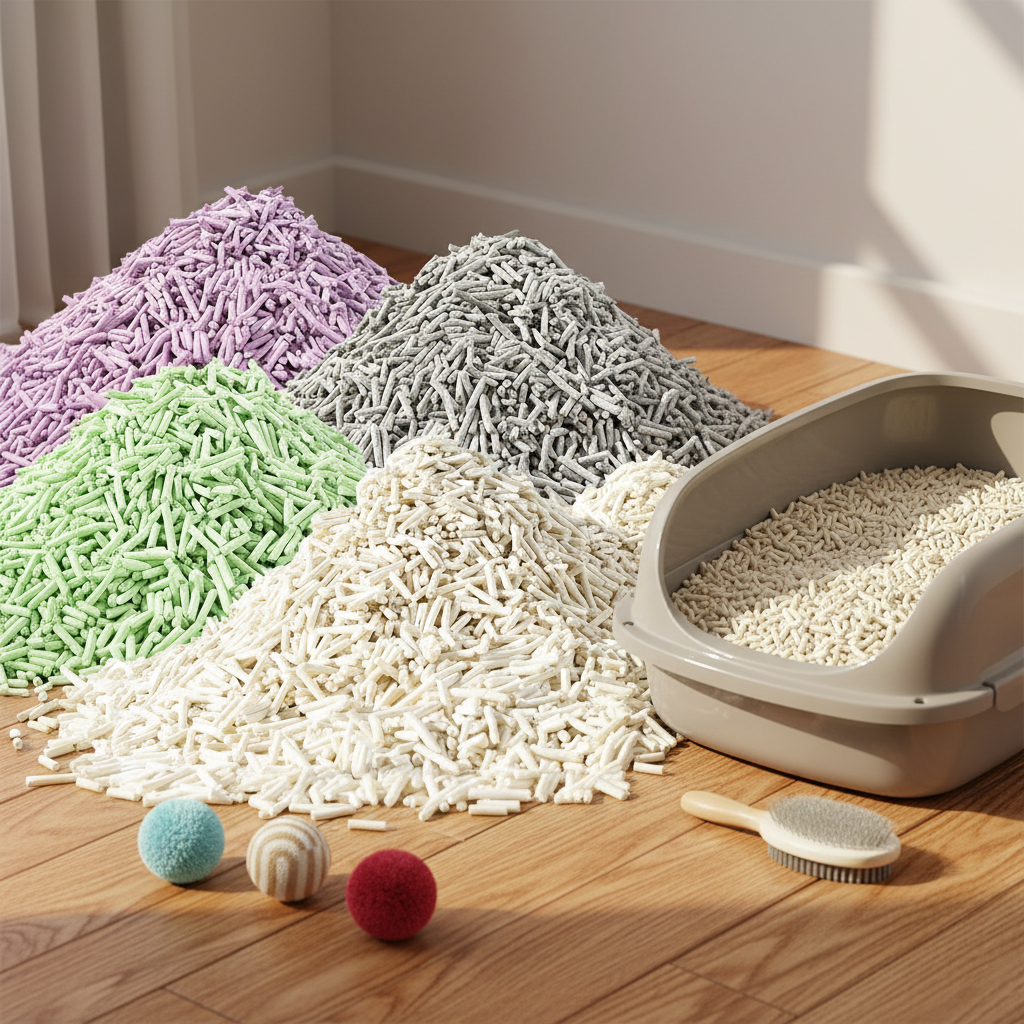
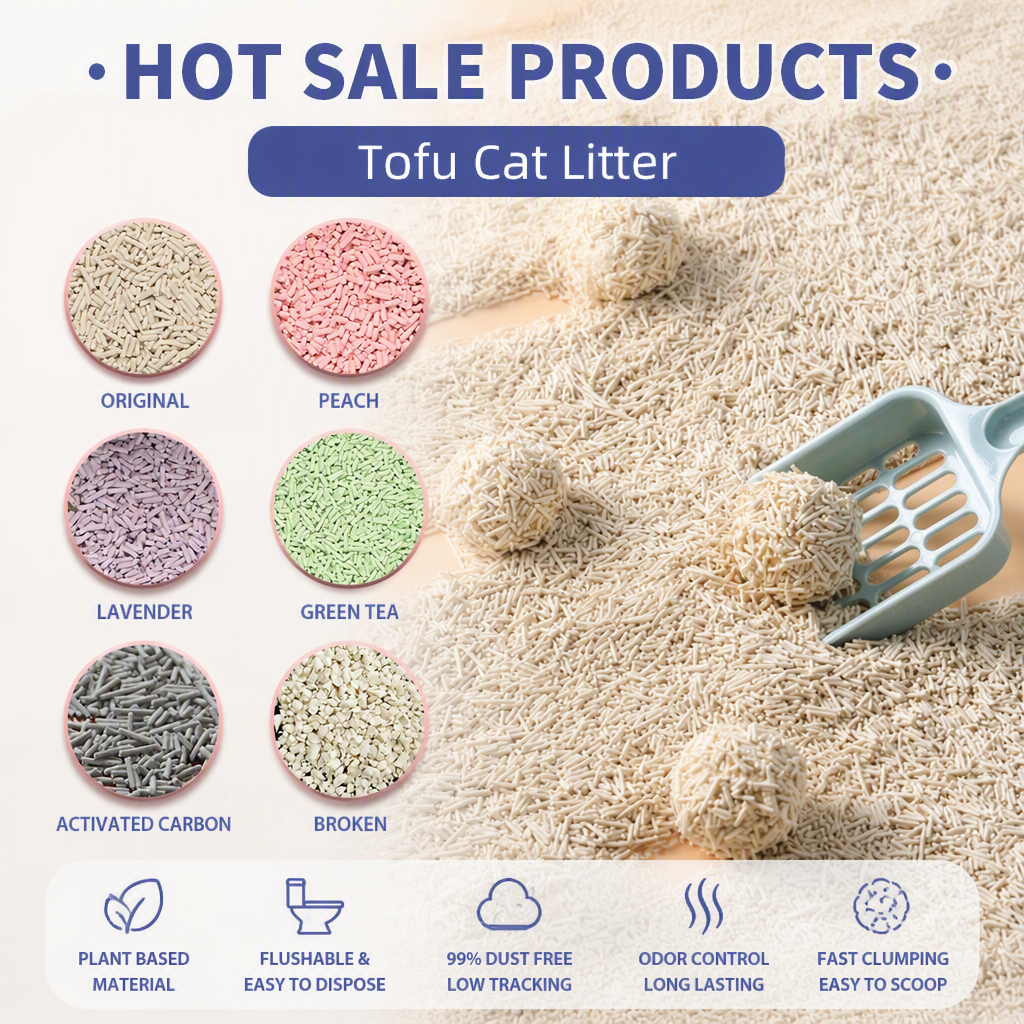
Natural soybean enzymes and added botanical deodorizing agents (green tea, peach, lavender, milk scent) break down volatile organic compounds (VOCs) and neutralize pungent ammonia emissions instantaneously.
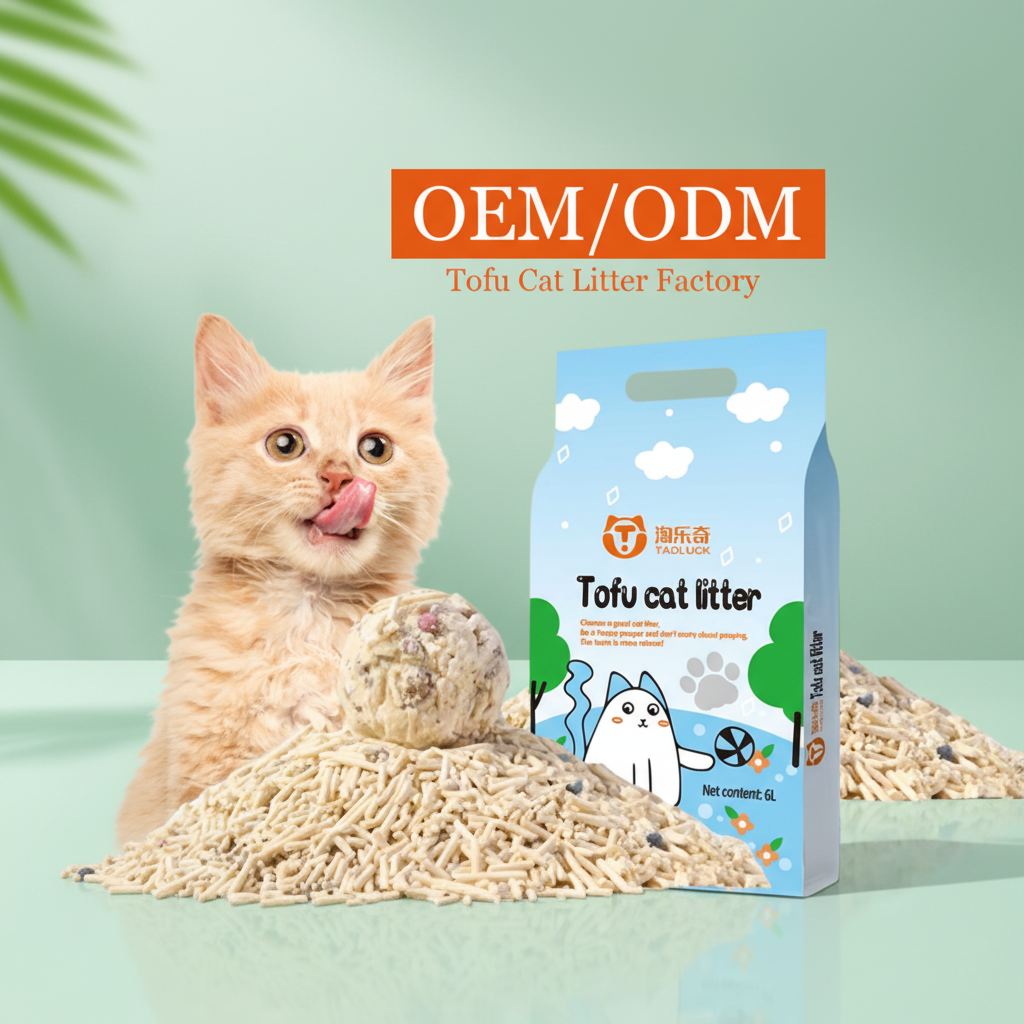
As an established global OEM/ODM manufacturer headquartered in Dongying, Shandong Province, China, Brumel operates an integrated 7,500 square meter specialized manufacturing facility. Assessed and verified on-site by international inspection giant SGS Group, Brumel combines advanced automated extrusion machinery with strict quality assurance systems.
Key Operational & Export Strengths for North American Importers:
- Flexible OEM Private Labeling: Custom bag artwork, vacuum packaging, color printing, and multi-language labeling from an industry-leading low minimum order quantity of just 400 bags.
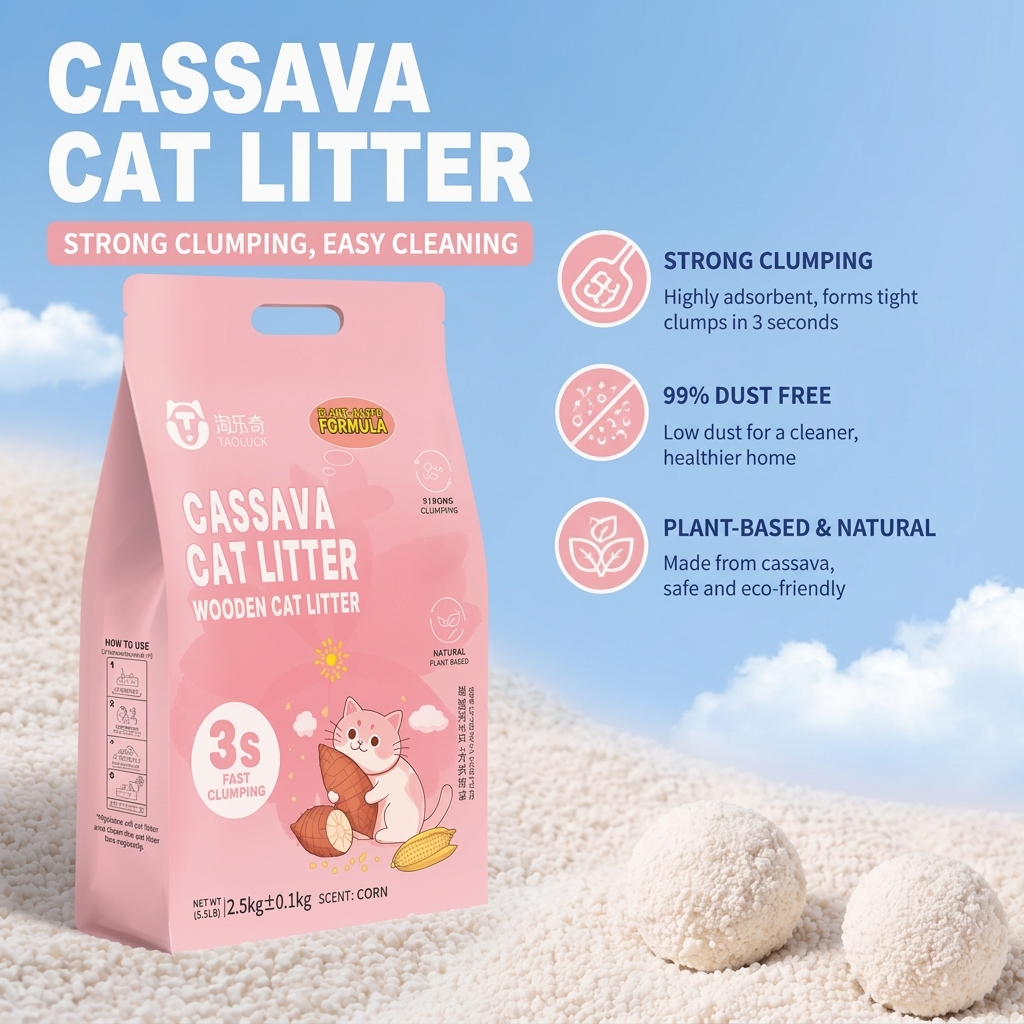
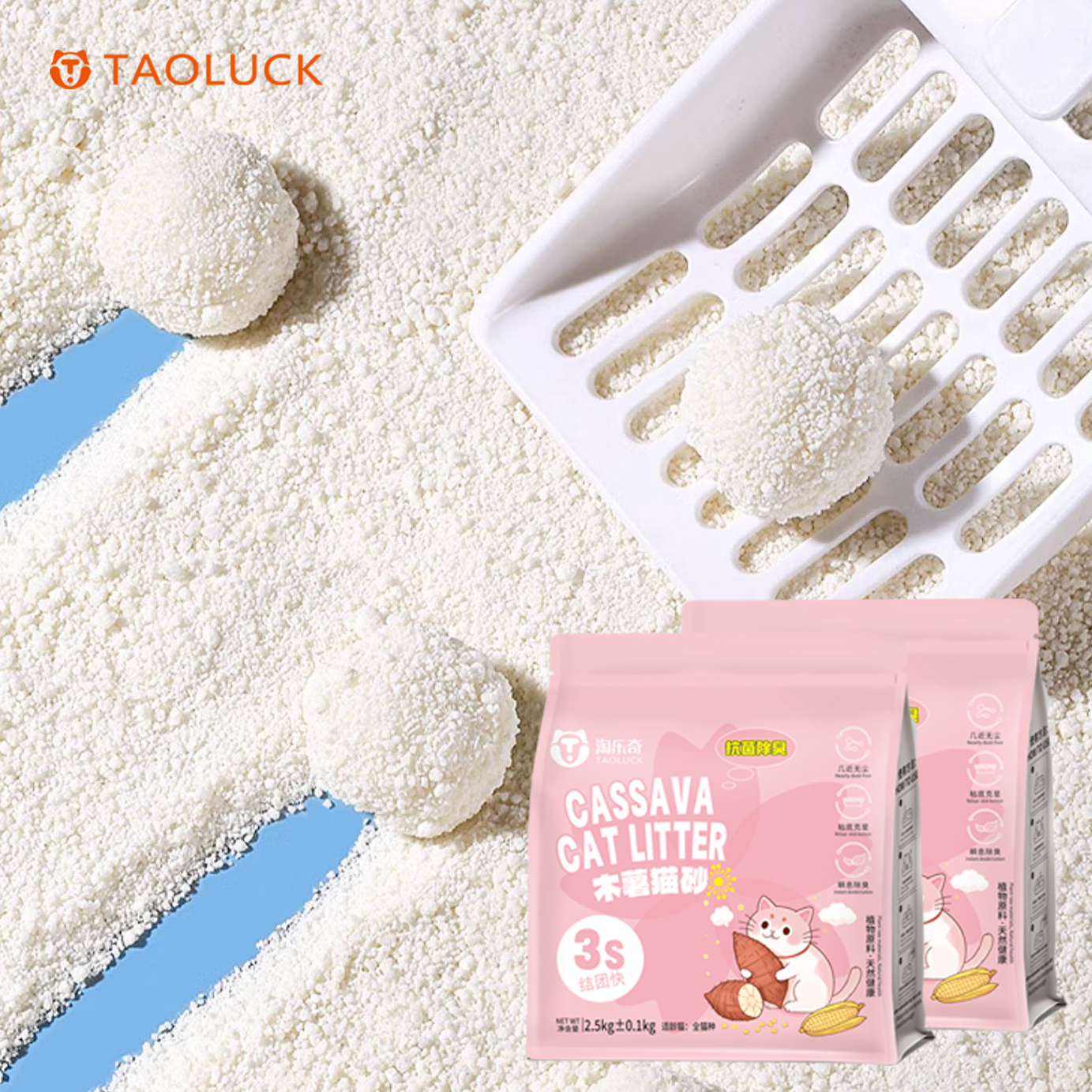
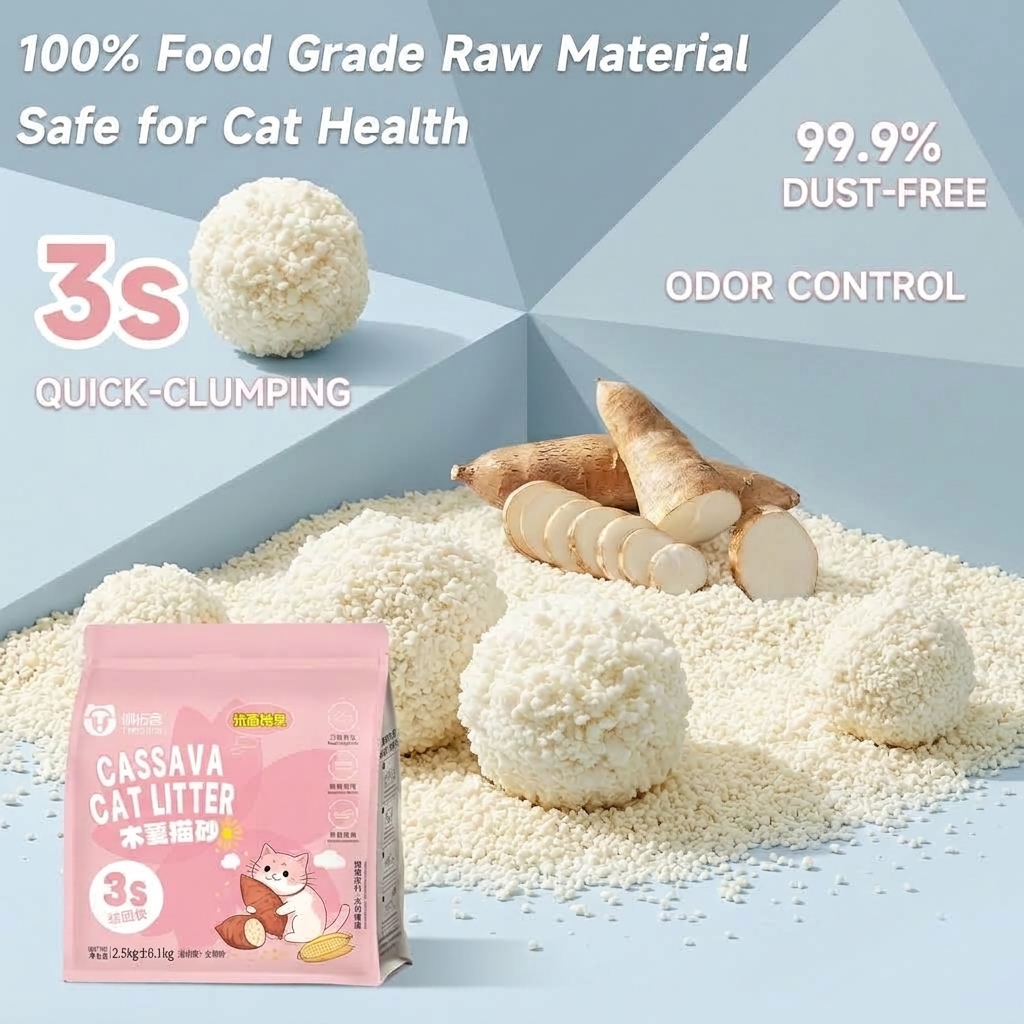
- Advanced ODM Formulation Capabilities: In-house lab scientists capable of developing custom pellet diameters (1.5mm, 2.0mm, 3.0mm), custom fragrance profiles, and specialized bio-blends (such as Cassava-Tofu or Corn-Cassava hybrids).
- Strict In-House Testing Protocol: Every production lot undergoes rigorous 5-stage inspection covering moisture retention, clump impact resistance, dust screening, dissolution testing, and micro-biological safety checks before sealing.
- Full Supply Chain Transparency: Verified trade capacity, transaction history, and export documentation compliance for frictionless customs clearance through US ports (including Port of Detroit intermodal rail routes).
Localized Application Scenarios across Metro Detroit
Understanding user intent and end-consumer behavior is vital for positioning tofu cat litter effectively in Southeastern Michigan retail channels. Below are the predominant localized usage scenarios driving consumer purchasing decisions:
1. High-Density Urban Living (Downtown, Midtown & Corktown Detroit)
In high-density apartment complexes and loft conversions in Downtown Detroit and Midtown, space efficiency and odor containment are primary buying triggers. Apartment dwellers cannot tolerate lingering litter box odors or heavy clay dust lingering on hardwood floors. Flushable 2.0mm strip-shape tofu litter allows pet owners to scoop clumps directly into the toilet (subject to local plumbing guidelines), eliminating daily trash trips to communal dumpsters.
2. Suburban Multi-Cat Households (Oakland & Macomb Counties)
Suburban homes in Sterling Heights, Warren, Novi, and Canton frequently house multi-cat families. Higher traffic requires cat litters with rapid liquid absorption that do not breakdown into sludge under repeated usage. Crushed micro-tofu litter or mixed bentonite-tofu blends provide high tracking resistance and firm clumps that do not stick to litter tray liners.
3. Eco-Conscious Pet Boutiques & Veterinary Clinics (Ann Arbor & Ferndale)
In eco-progressive communities like Ann Arbor and Ferndale, pet owners actively seek non-toxic, chemical-free, and cruelty-free pet accessories. Veterinary clinics frequently recommend unscented, dust-free plant litter for post-operative recovery, feline asthma patients, and declawed or sensitive-paw cats because smooth soybean fibers do not irritate open paws or mucus membranes.