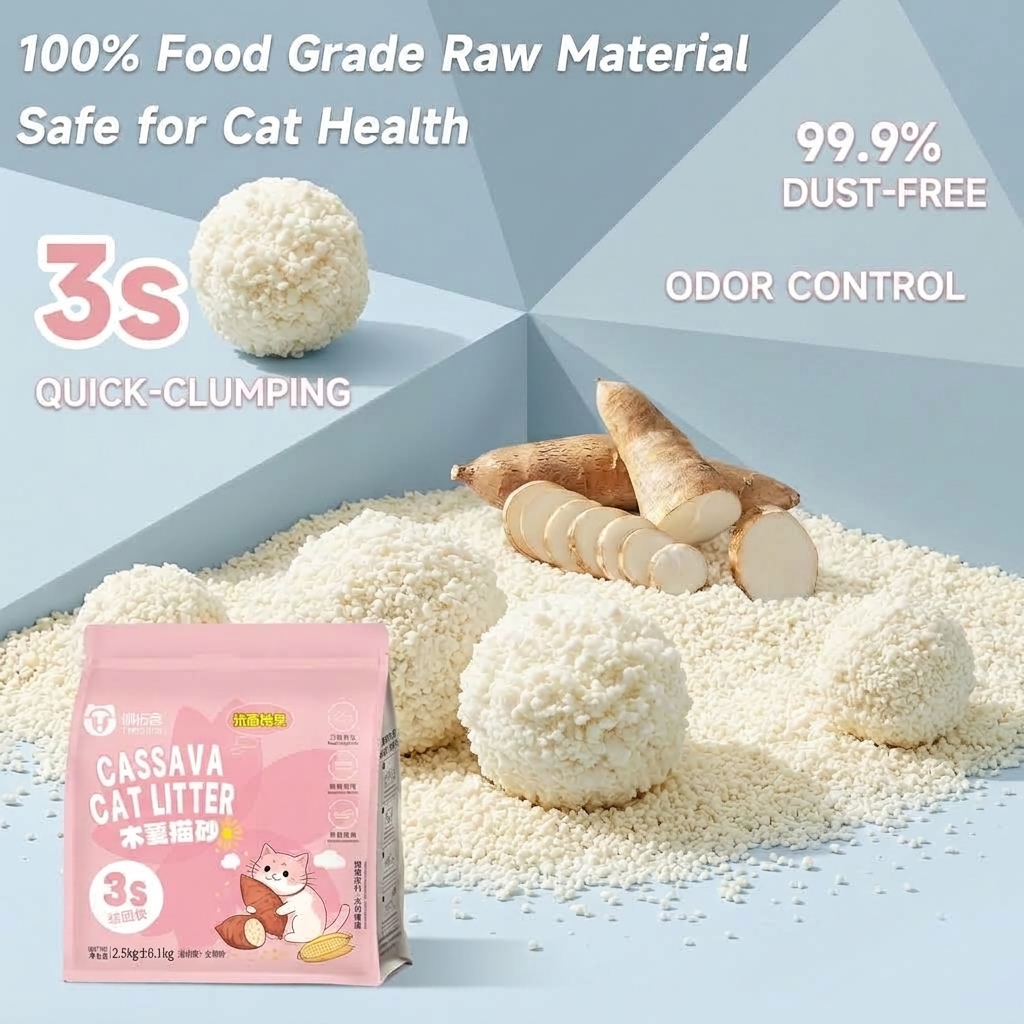
Factory Direct Cat Litter Natural Eco-Friendly Wholesale OEM Service Cassava Cat Litter
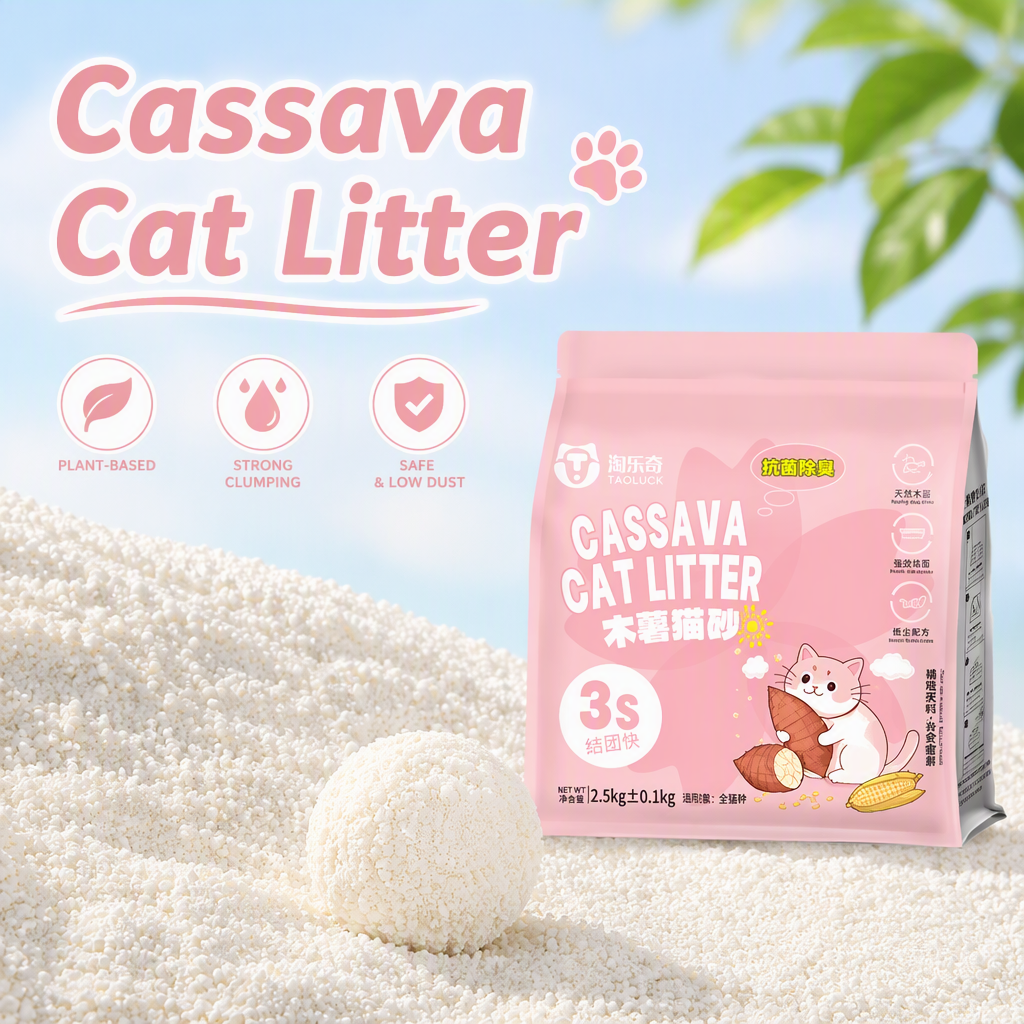
Pure Cassava
Zero Fragrance
Quick Clumping
Send an Inquiry
Custom OEM/ODM solutions engineered to fulfill the stringent Japanese household hygiene benchmarks: instant clumping, non-tracking fine granules, and absolute odor confinement.
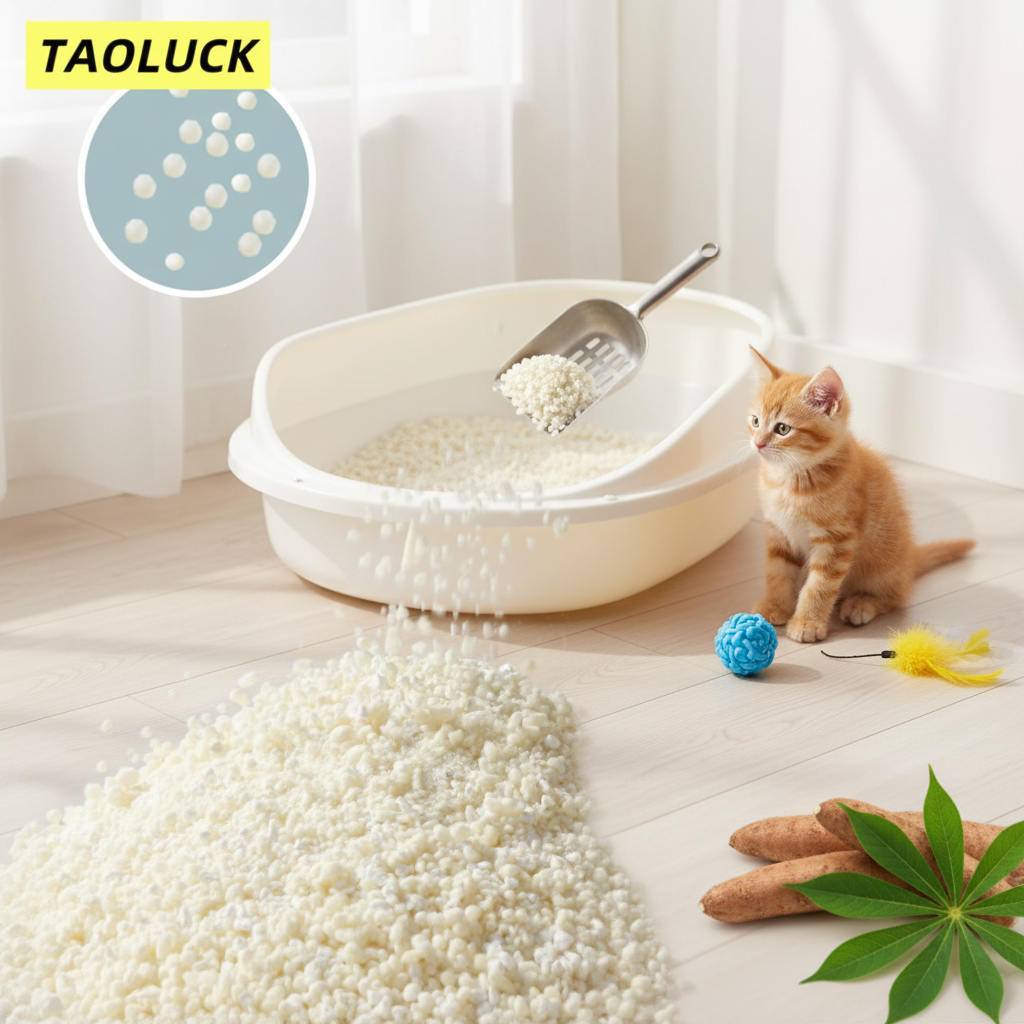
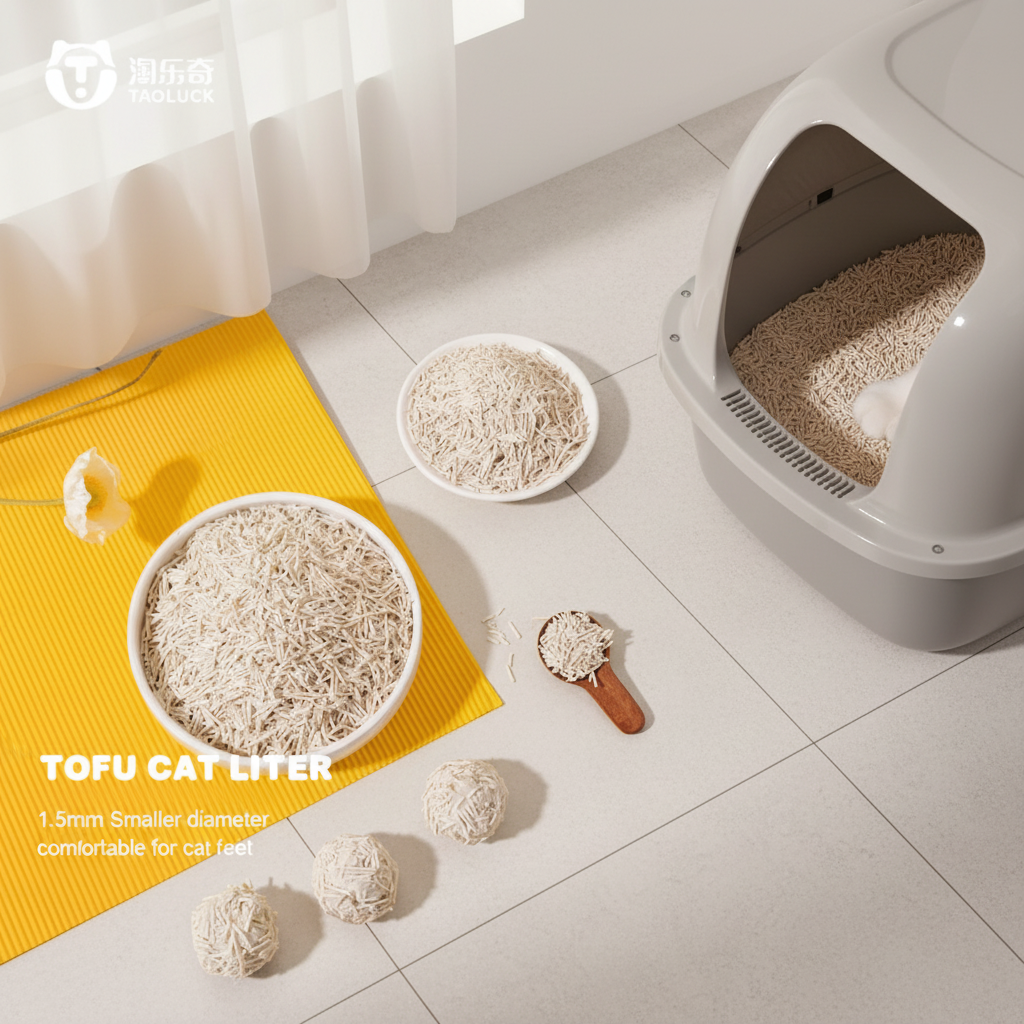
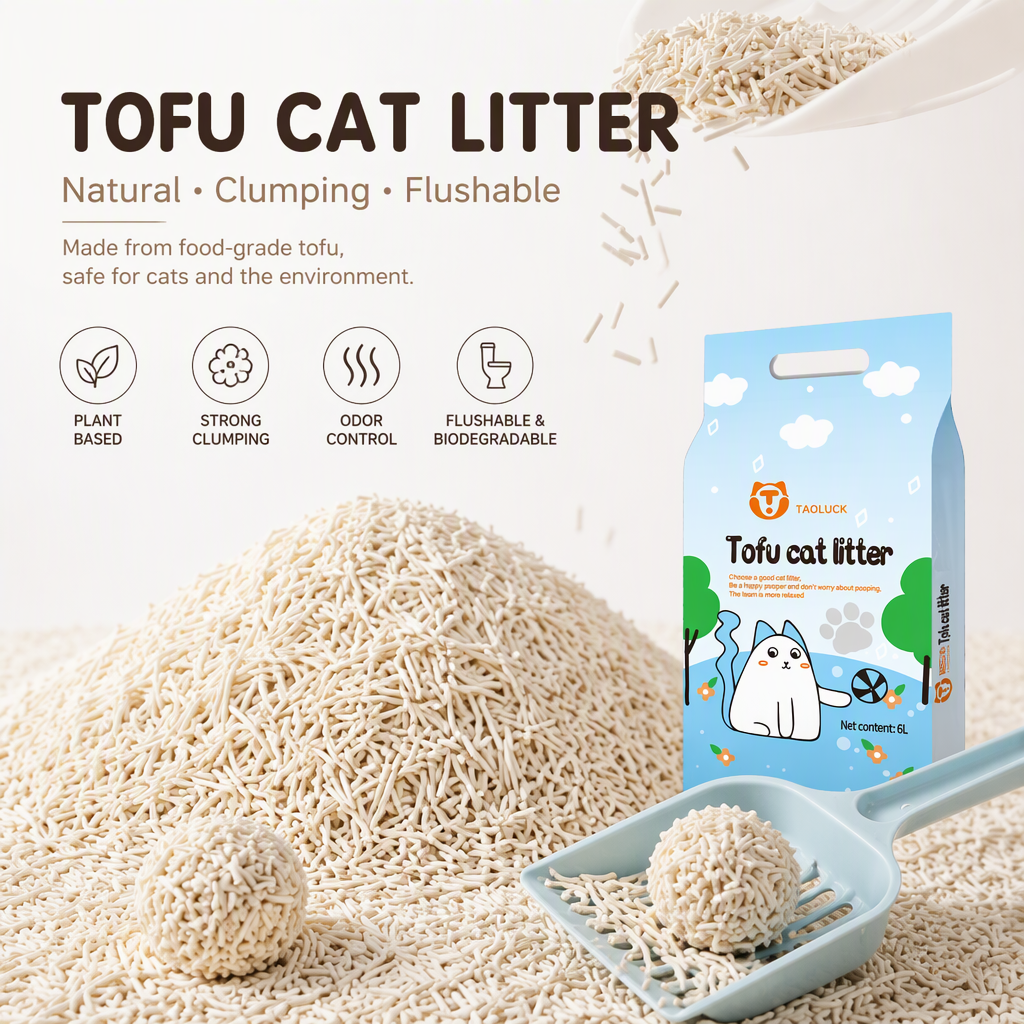
Designing cat litter for Nagoya requires solving real-world challenges unique to the Chukyo Metropolitan Area, from humidity-driven degradation during the Tsuyu monsoon to municipal combustible waste sorting ordinances.
Nagoya experiences heavy summer humidity, regularly reaching 80% to 88% RH between June and August. Conventional loose plant litter softens and suffers fungal spoilage in such damp environments. Our crushed tofu formulas undergo secondary thermal sterilization and vacuum packaging with controlled residual moisture under 9.5%, preventing condensation rot inside modern high-rise apartments across Sakae, Meieki, and Kanayama.
Under City of Nagoya Environmental Affairs Bureau guidelines, residential waste is strictly partitioned into Burnable Garbage (Moeru Gomi) collected twice weekly in designated yellow translucent bags. Unlike heavy non-burnable bentonite clay that triggers collection refusals or costly disposal fees, our 100% natural soybean and pea-fiber formulation safely burns without releasing toxic emissions or caustic ash.
Urban pet keepers in Nagoya frequently live in multi-story apartments and condominiums with enclosed, carpeted, or tatami-adjacent floor plans. Our crushed tofu litter is ground to an irregular 1.5mm–2.5mm mesh. This geometry eliminates the spherical roll and inter-digital paw tracking typical of round silica or long cylindrical pellets, keeping compact living spaces clean with minimal sweeping.
Traditional 3.0mm cylindrical tofu pellets exhibit significant interstitial void space when loaded into the litter box, allowing urine to seep downwards to the bottom pan before clumping initiates. This causes sticking, liner tearing, and stubborn ammonia buildup.
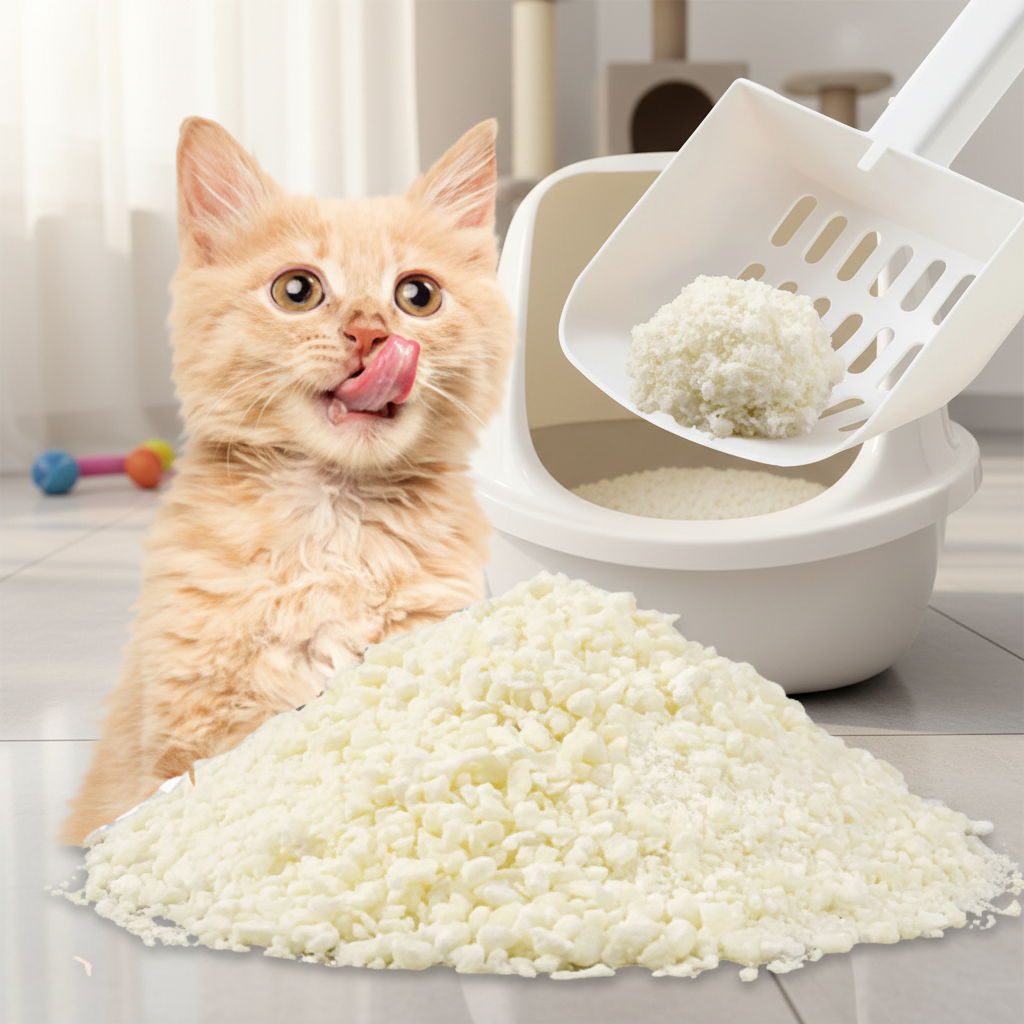
Our Dongying factory deploys a dedicated roller-crushing and dedusting line. By fractured multi-faceted crushing, the packing density of the litter bed is increased by 38%, forcing fluid horizontally into a compact, flat disk clump within 3 seconds of contact.
For Nagoya pet product importers, specialty boutique chains, and regional drugstores throughout Aichi, Gifu, and Mie prefectures, this structural profile translates into higher consumer retention and markedly lower return rates.
Insight into how purchasing departments across Aichi Prefecture are restructuring their product matrices to accommodate modern demographic realignments and ecological regulations.
Central Japan's demographic aging has driven a structural transition toward lightweight shopping baskets. Elderly cat owners and dual-income urban dwellers in Nagoya are rapidly rejecting 10kg bentonite clay bags in favor of 2.5kg vacuum-sealed plant fiber packs. Retail shelf turnover in Chikusa and Showa wards reflects double-digit annual sales growth in flushable, plant-derived micro-granules.
Japanese consumers have heightened awareness regarding feline respiratory health and feline idiopathic cystitis (FIC). The demand for unscented or subtly scented natural formulas with zero chemical deodorants, zero formaldehydes, and zero artificial binders has risen sharply. Importers serving Nagoya vet clinics and pet salons are specifying food-grade pea fibers that generate near-zero airborne PM2.5 dust upon pouring.
E-commerce pet brands on Rakuten, Yahoo! Japan, and Amazon JP operating out of Nagoya regional distribution centers (Komaki and Inuyama hubs) are seeking reduced cash flow exposure. Instead of stocking huge order batches, buyers leverage Brumel's low 400-bag private label MOQ, enabling high-frequency sea freight replenishment directly aligned with dynamic online marketing campaigns.
Our direct maritime transport lanes bypass costly domestic transshipments, ensuring factory-fresh inventory delivered straight to your distribution centers across Tokai region.
Dongying facility prepares vacuum-packed 5L/6L inner polybags and 5-ply corrugated export cartons, palletized with desiccants and moisture-barrier wrap.
Direct bonded trucking to Qingdao Port. Immediate customs clearance and loading on top-tier container carriers (SITC, Sinotrans, Ocean Network Express).
Fast direct short-sea transit across the Yellow Sea and East China Sea directly into the Port of Nagoya (Tobishima or Minato Terminal).
Expedited Japanese import customs entry, phytosanitary verification handling, and prompt dispatch to your local warehouse via Meishin Expressway.
Combining industrial-scale production capacity with meticulous Japanese quality assurance standards, verified independently on-site by SGS Group.
Our modern 7,500 m² facility located in Dongying, Shandong Province, has undergone comprehensive on-site inspections by SGS Group. We adhere strictly to ISO-compliant manufacturing practices, ensuring transparent auditing across raw material storage, continuous extrusion lines, computerized moisture tracking, and packaging sanitization.
Dust control is crucial for the Japanese market. Our manufacturing infrastructure incorporates a 5-stage dedusting cycle involving dual cyclonic dust collectors, vibration sorting mesh, and negative-pressure air knives. This extensive treatment lowers residual fines to under 0.1%, drastically mitigating customer dust complaints.
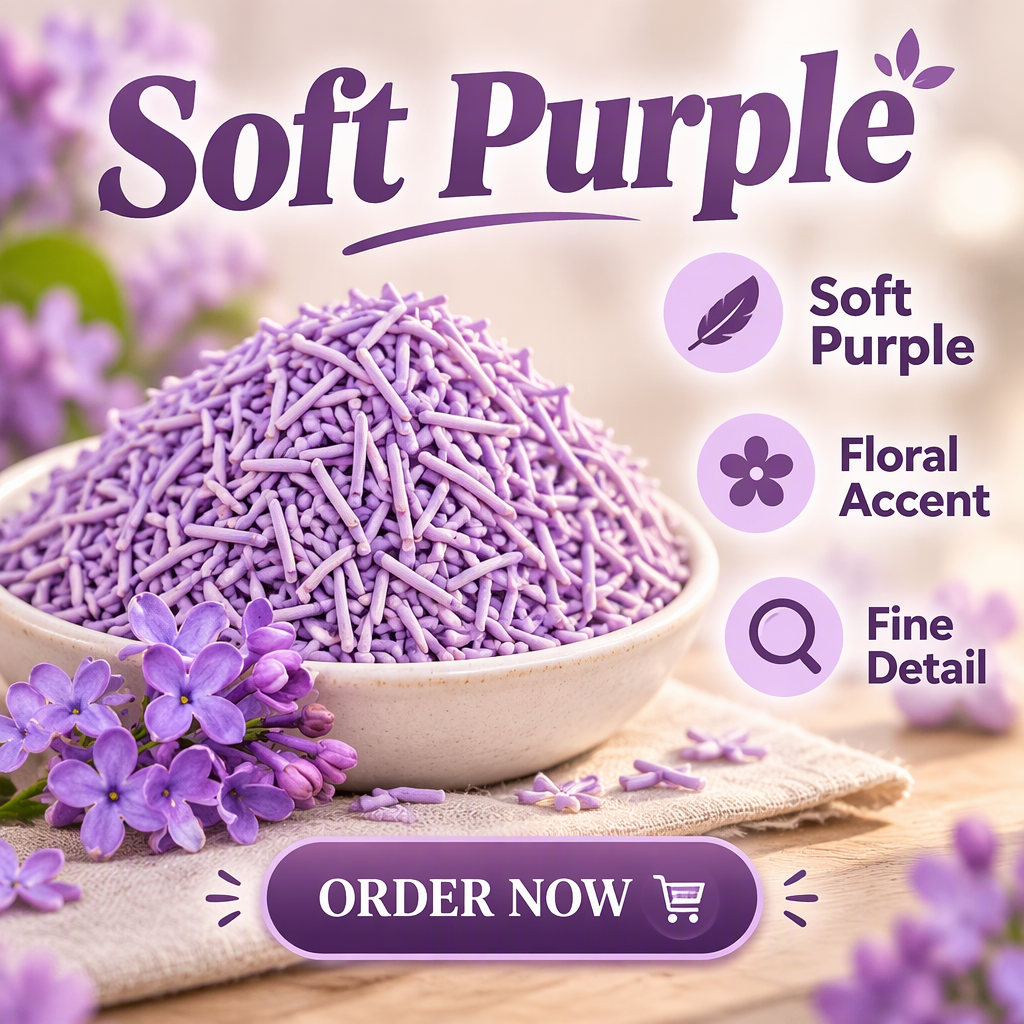
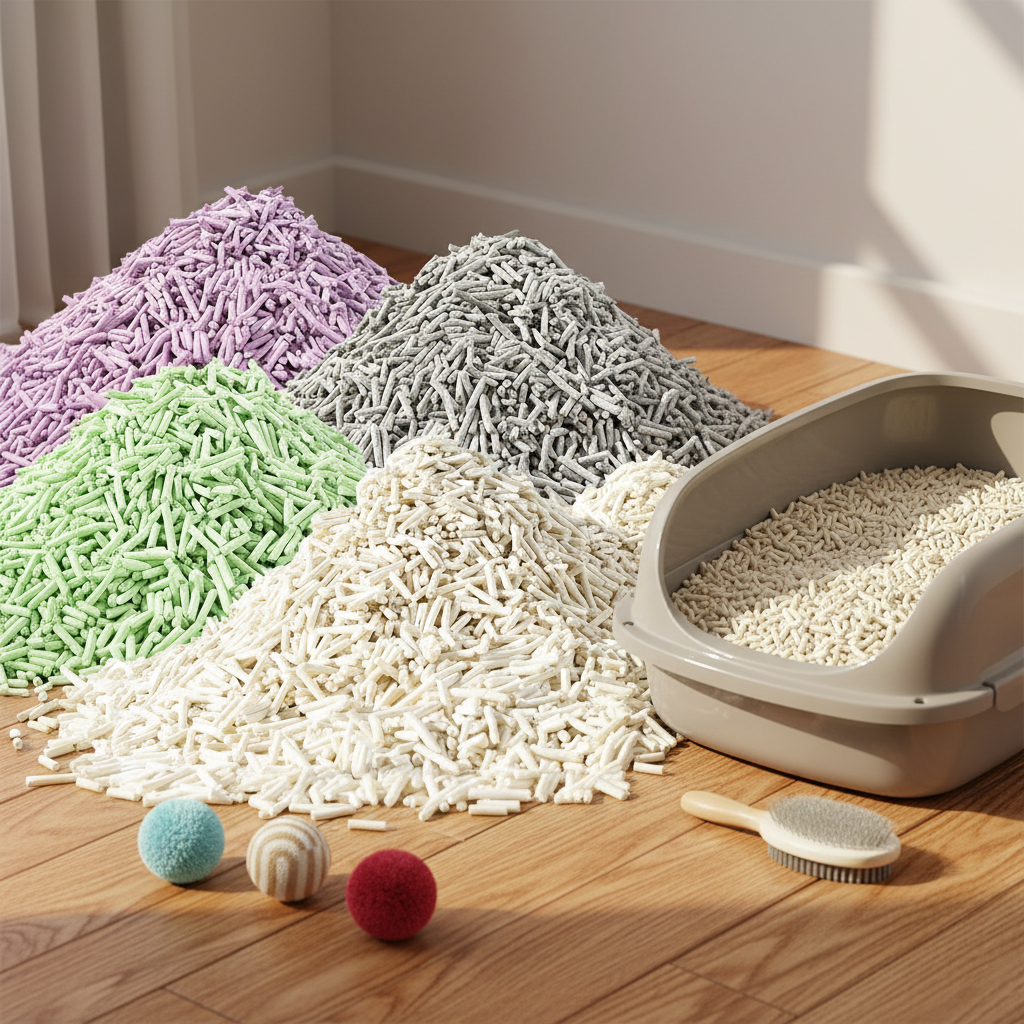
From bag size (5L, 6L, 10L, or commercial 20kg bulk) to functional customization (crushed, 1.5mm micro-pellet, 2.0mm standard strip, or corn-cassava hybrid blends), our formulation laboratory develops exclusive private labels. We offer custom scents (peach, green tea, lavender, unscented) using pet-safe botanical compounds, with design-to-production turnaround under 14 days.
Direct answers addressing container logistics, Japanese regulatory clearance, packaging stability, and sample testing protocols.
Container vessels depart Qingdao Port weekly for Nagoya. Ocean freight transit takes 4 to 6 days. Factoring in factory loading in Dongying, customs clearance at origin, and terminal discharge at Tobishima Terminal, total lead time from order sign-off to port arrival is approximately 14 to 18 working days.
We maintain strict residual product moisture below 9.5% through precision multi-stage tunnel dryers. Additionally, our cat litter is vacuum sealed in heavy-gauge barrier foil packaging with optional food-grade oxygen absorbers. Every export batch undergoes 72-hour accelerated environmental chamber incubation to verify zero fungal spore activation under high humidity.
Yes. Because plant materials are subject to quarantine inspection by the Ministry of Agriculture, Forestry and Fisheries (MAFF) of Japan, our QA department prepares complete Phytosanitary Certificates issued by China Customs (GACC), alongside Certificates of Origin and detailed chemical safety datasheets (SDS) showing zero presence of restricted biocides or heavy metals.
We support growing brands and regional supermarket distributors with low initial commitments. While mass production generally runs 1,000 bags or more, our trial private label program starts from only 400 vacuum-sealed bags using digital high-definition surface printing or blank neutral bags paired with custom Japanese retail label stickers.
Absolutely. We regularly supply sample kits to R&D teams across Japan via DHL/FedEx (3-day delivery). Test kits include standard crushed tofu, activated carbon deodorizing blends, pure cassava formulations, and lavender or unscented varieties to test water absorption rate, clump firmness, and toilet dispersion behavior.
Crushed tofu has an irregular micro-granule geometry similar to bentonite. It fills gaps between grains, preventing liquid from reaching the bottom of the litter box, and forms smaller, firmer clumps that use up to 25% less litter per urination. Cats accustomed to clay or sand adjust to crushed tofu almost instantly.
Connect with our senior bilingual export managers to request formulation catalogs, customized quote sheets, and complimentary physical sample kits dispatched directly to your office in Japan.
Send an Inquiry