High-Performance Mixed & Plant-Based Formulations
Direct from our SGS-inspected manufacturing facility in Dongying, Shandong. Optimized for rapid moisture sequestration, ultra-low dust compliance, and European retail packaging specifications.
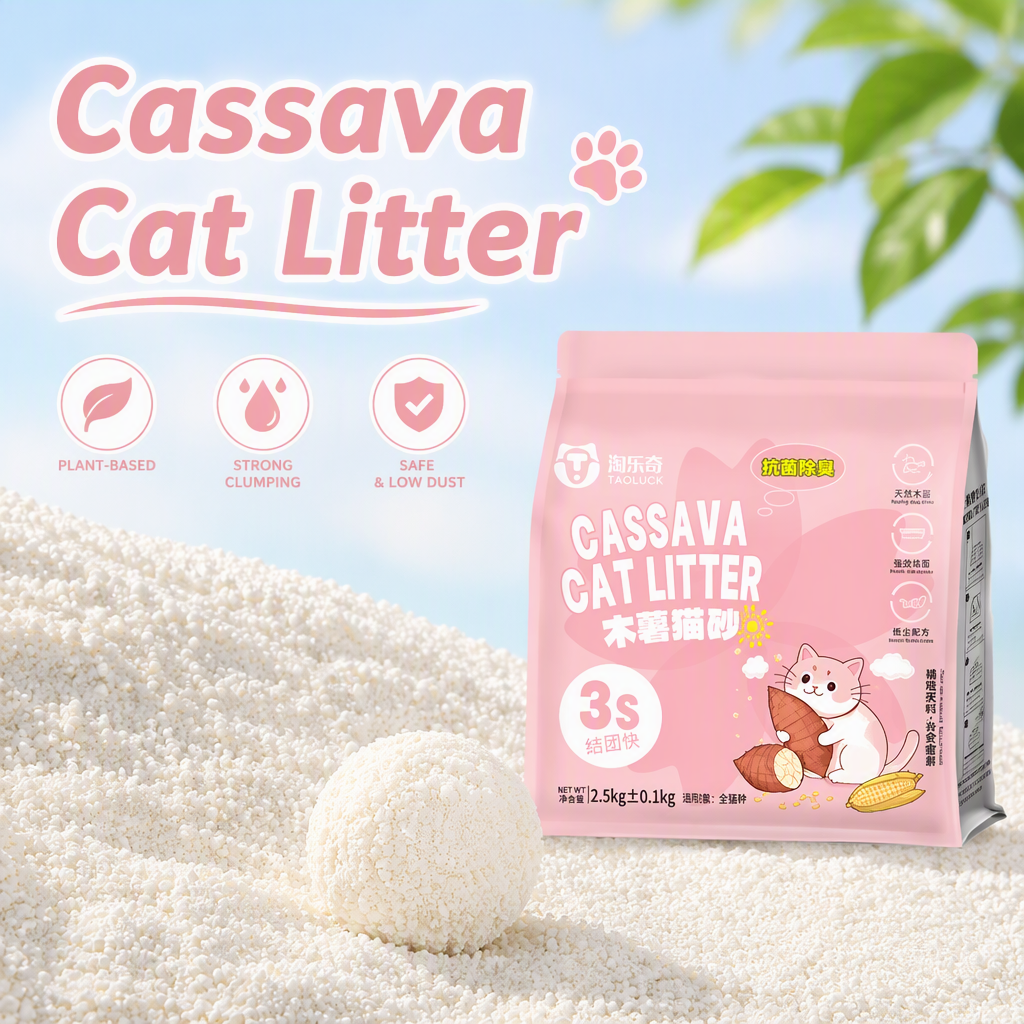
Natural Fragrance Dust Free Cassava Cat Sand
- Long-lasting botanical scenting
- Non-stick bottom pan formula
- Moisture absorption < 2.5s
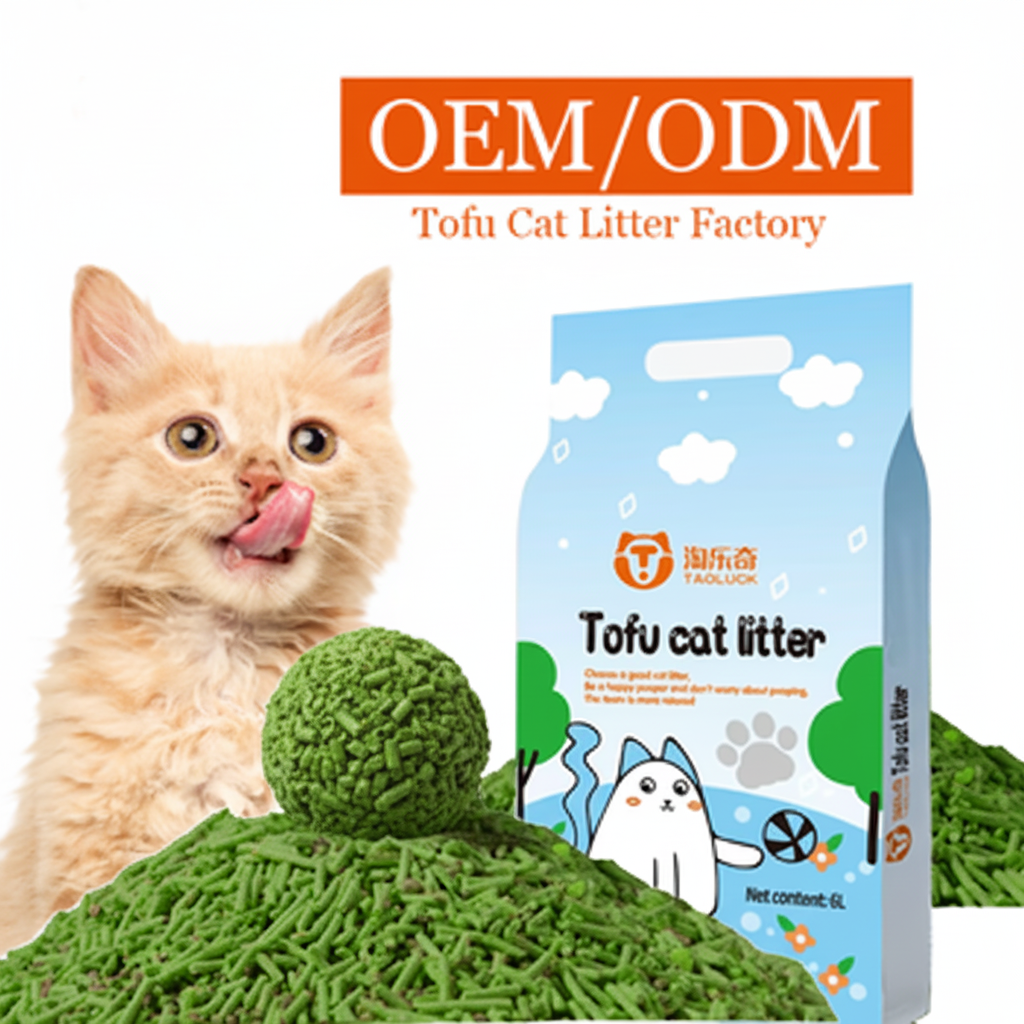
Premium Clumping Tofu Cat Litter Wholesale
- Food-grade soybean raw fiber
- Efficient volatile ammonia lock
- Low-density transport weight
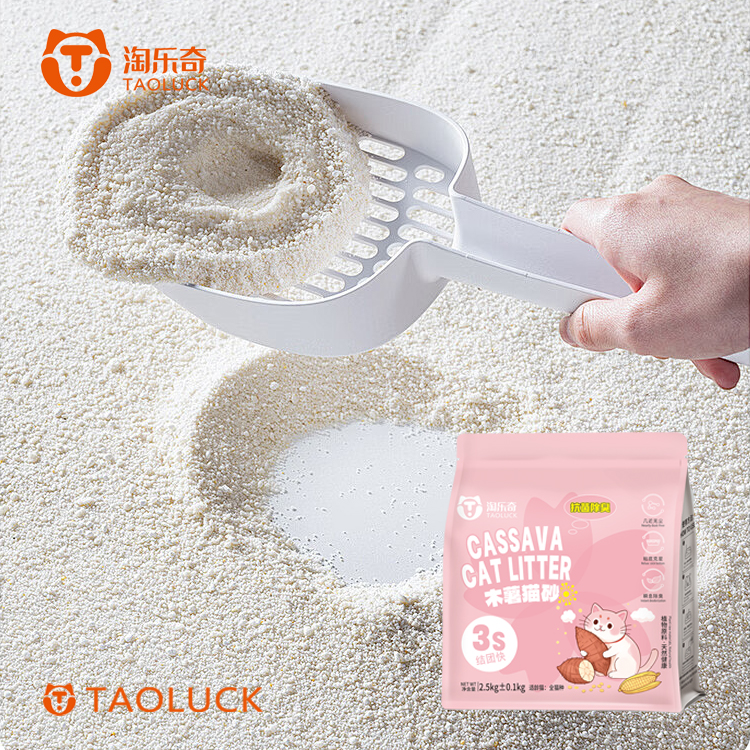
Ultra Absorbent Low Tracking Cassava Sand
- High-rigidity mechanical clumps
- Paw-friendly rounded granules
- Zero synthetic chemical glues
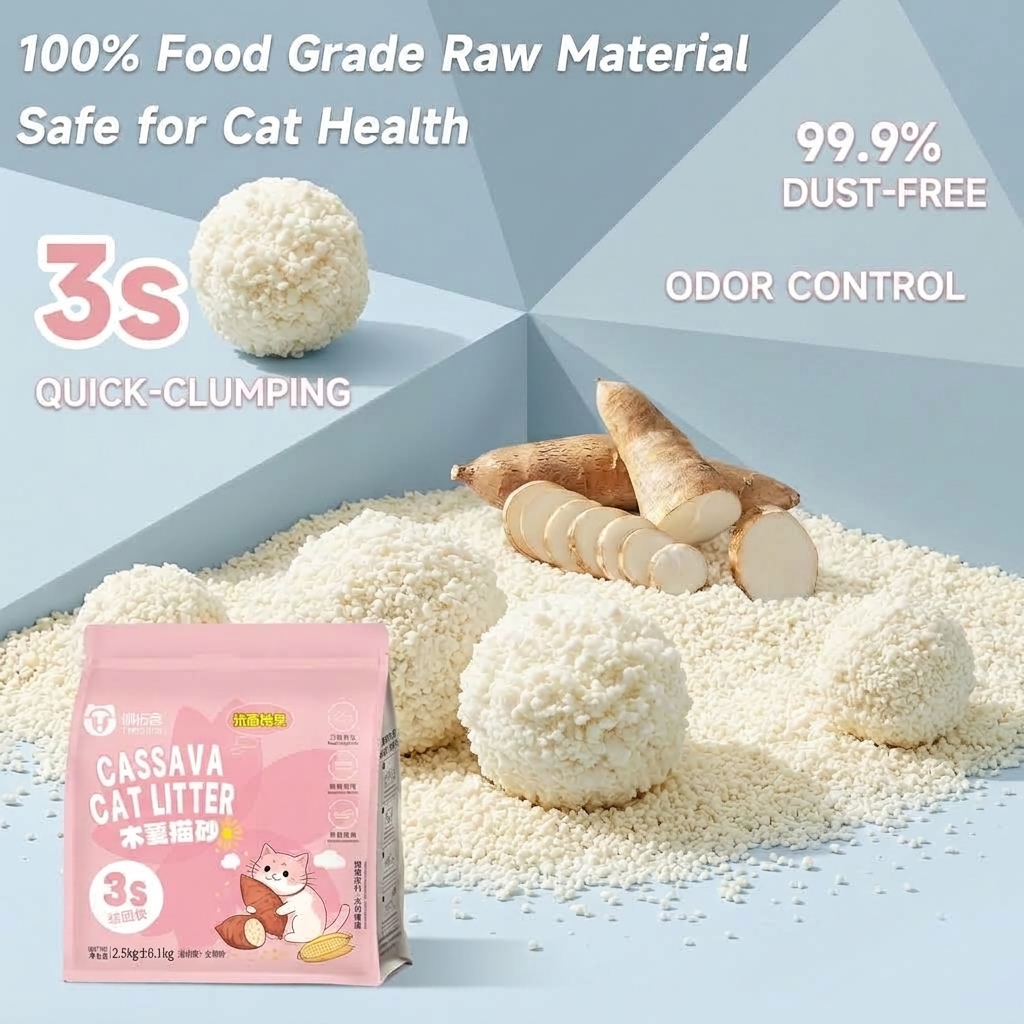
Factory Direct Wholesale OEM Cassava Litter
- Private label branding from 400 bags
- Custom moisture-barrier packaging
- Full OEM/ODM technical recipe
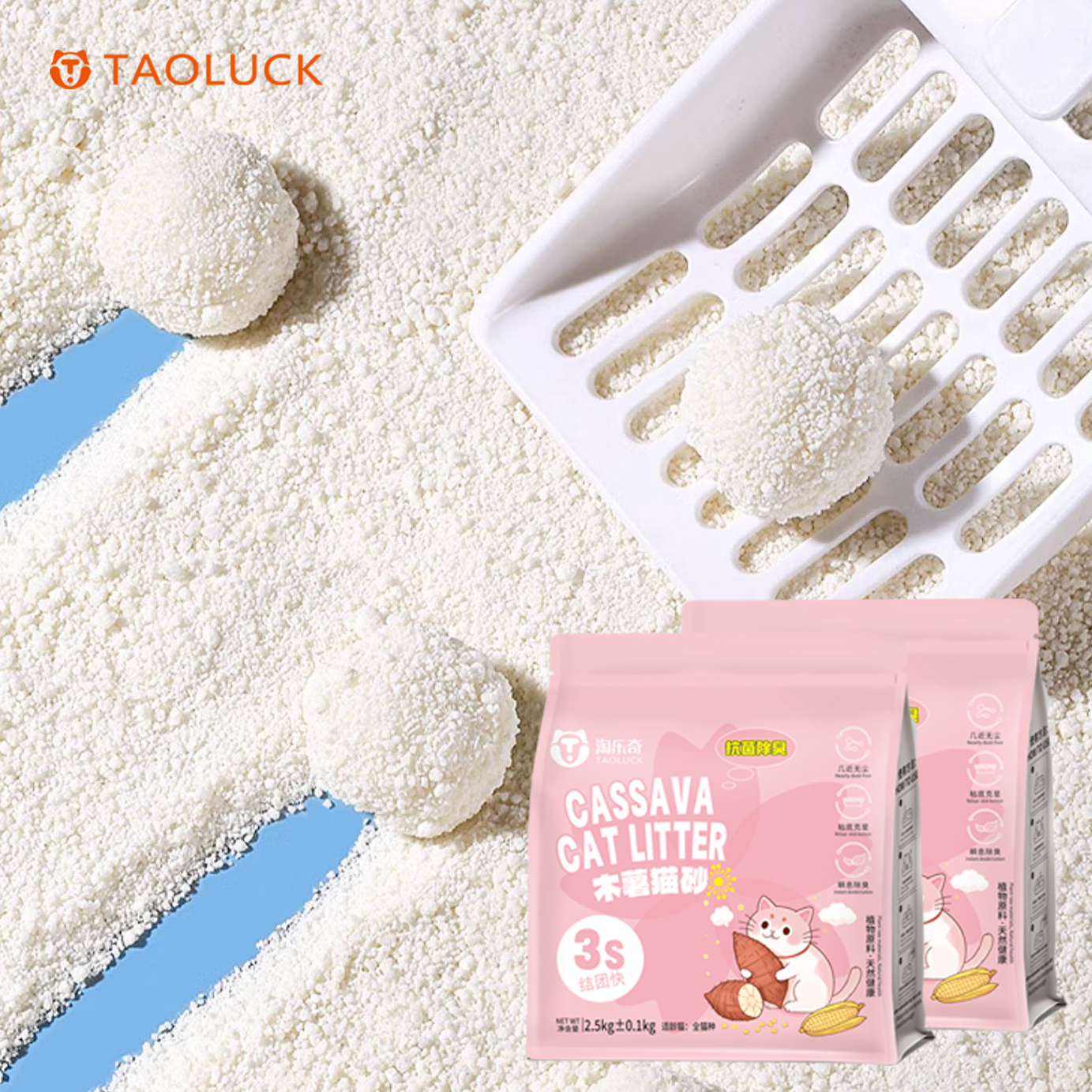
Fast-Delivery Biodegradable Clumping Cassava
- 100% compostable botanical matrix
- Expedited shipping turnaround
- Certified non-toxic ingestion safe
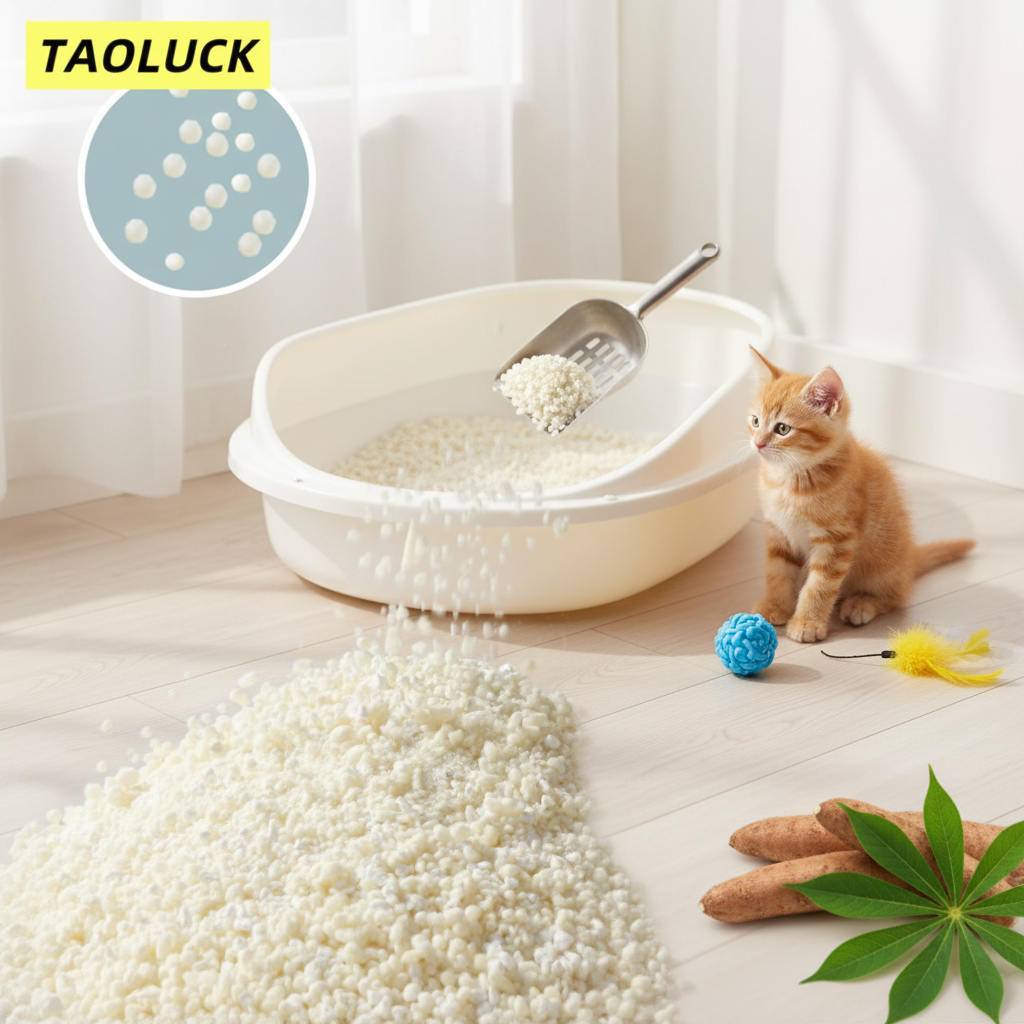
Natural Ingredients 5L / 6L Quick Clumping Litter
- Standard European consumer retail sizes
- Zero pellet disintegration in box
- High repeat retail purchase metric
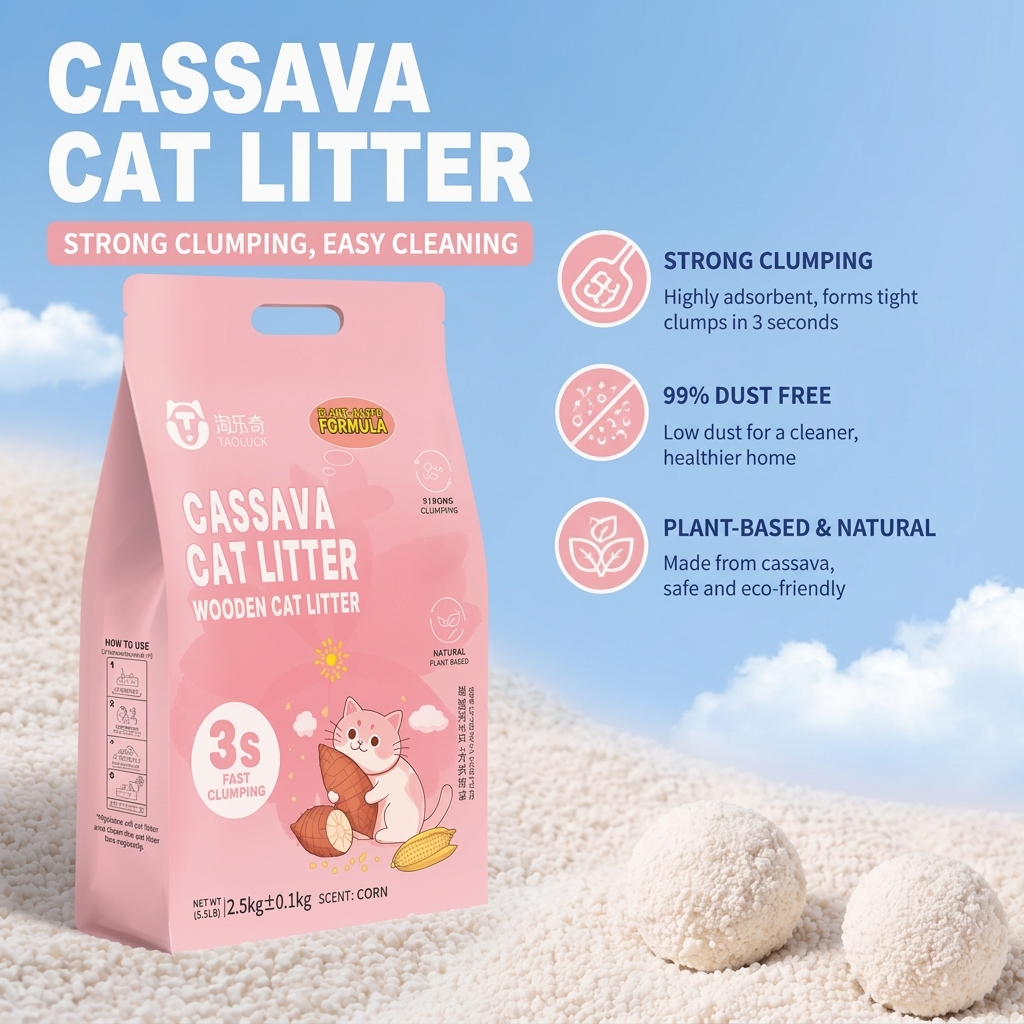
Eco-Friendly Long-Lasting Odor Control Sand
- Multi-action odor neutralizing cycle
- Compatible with automatic litter robots
- Plant starch cohesive binding
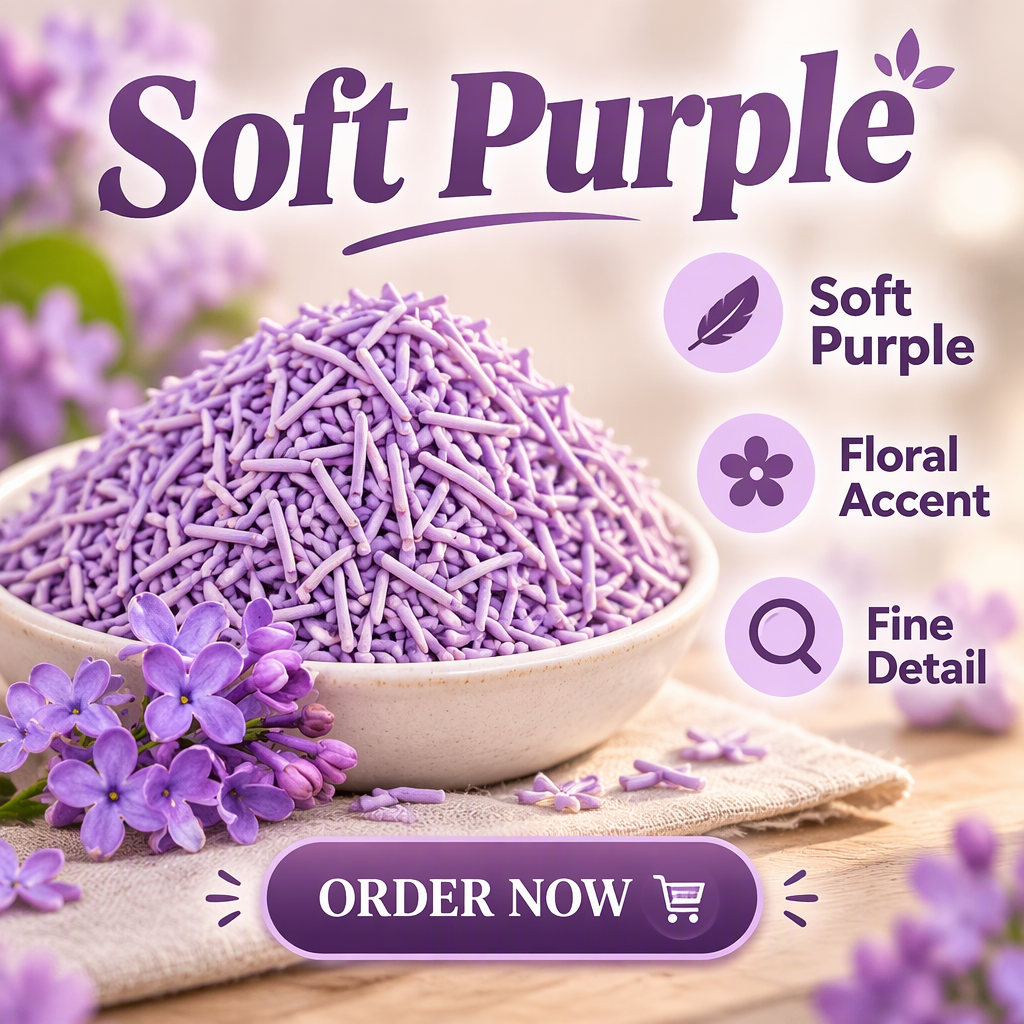
Food-Grade Tofu Fiber Fast Clumping Litter
- Micro-diameter 1.5mm - 2.0mm strips
- Non-shattering cohesive clumps
- High bulk volume per metric ton
Strategic Analysis: Sourcing Mixed Cat Sand for the Bruges & West Flanders Pet Ecosystem
In the evolving landscape of European pet hygiene, the historic Flemish city of Bruges (Brugge) represents a distinct micro-market characterized by unique environmental architectures, strict local municipal waste regulations, and an affluent demographic with discerning ecological standards. For Belgian pet product importers, retail chains across West Flanders, and private-label brand holders, the transition from conventional sodium bentonite clay to advanced Mixed Cat Sand (Hybrid Tofu-Bentonite-Cassava Formulations) has shifted from an optional product line to an essential competitive baseline.
As a leading Chinese manufacturer and global exporter—Dongying Brumel Pet Products Co., Ltd.—we dissect the technical, environmental, and logistic drivers underpinning the demand for mixed cat litters in Bruges and provide procurement leaders with actionable data for optimized container sourcing.
1. The Chemistry of Mixed Cat Sand: Why Hybrids Outperform Monolithic Substrates
Monolithic litters have systemic performance trade-offs that frustrate contemporary pet owners. Traditional sodium bentonite provides solid clumping and excellent familiar texture for feline digging instincts, but suffers from heavy transport mass, high carbon tariffs under EU shipping directives, and respirable crystalline silica dust. Conversely, pure plant-based tofu litters offer biodegradability and light weight, but can suffer from moisture saturation in high-humidity maritime regions and loose clump peripheries when feline urine volumes exceed average rates.
Mixed Cat Sand solves this dilemma by blending calibrated volumetric ratios—typically 70% premium soybean tofu pellets (1.5mm–2.0mm) with 28% crushed natural sodium bentonite and 2% functional active deodorizing beads (such as STA deodorizing factors or activated carbon). This composite architecture achieves:
Capillary Void Sealing
Fine-grain sodium bentonite fills the physical interstitial voids between extruded tofu cylinders. When urine strikes the litter bed, liquid cannot channel down to the base pan; it is intercepted in seconds by capillary action, creating tight, flat, disk-shaped clumps.
Dual-Stage Odor Quenching
Soybean polysaccharides chemically bond with basic amines, while the porous bentonite lattice traps sulfurous mercaptans. Supplemented with active mineral deodorizers, microbial bacterial breakdown is stalled without aggressive chemical masking scents.
Low-Tracking Mechanics
Unlike light wood shavings or powdery clay granules, the uniform cylindrical tofu scaffold acts as a barrier, preventing small bentonite particles from adhering to feline paw pads and being tracked across domestic living areas.
2. Localized Application Scenarios Across Bruges and Greater Flanders
Formulating a cat litter for the Bruges market requires an understanding of the region's domestic architecture and lifestyle habits:
A. Historic Architecture and Canal-Adjacent Microclimates
Bruges is famous for its UNESCO-protected medieval architecture, characterized by narrow step-gabled brick townhouses, parquet and historic floorboards, and high relative ambient humidity driven by coastal North Sea air currents and surrounding canal networks (the Reie). In homes with limited indoor footprint and older ventilation systems, cat litter boxes are often placed in compact spaces such as laundry vestibules or guest washrooms. If a litter absorbs atmospheric moisture instead of feline waste, it softens prematurely, turning muddy and releasing stale odors. Dongying Brumel's mixed cat sand uses a controlled starch moisture threshold below 8%, ensuring the litter remains hydro-stable even when ambient indoor humidity surges to 75%–85% during damp Belgian autumns and winters.
B. Flemish Waste Sorting Framework (OVAM Guidelines)
The Public Waste Agency of Flanders (Openbare Afvalstoffenmaatschappij voor het Vlaams Gewest - OVAM) enforces stringent sorting regimes across Bruges. While organic kitchen waste (GFT - Groente-, Fruit- en Tuinafval) has strict sorting criteria, pure mineral bentonite cannot be introduced into standard municipal composting infrastructure because it does not biodegrade. However, a hybrid mixed litter drastically lowers the total mineral volume entering the residual household waste stream (restafval) by replacing up to 75% of the mineral volume with rapidly biodegradable plant fibers. This alignment with household sustainability metrics makes mixed cat litter an easy marketing pitch for retail chains like Tom&Co, Aveve stockists, and independent biological pet shops across Flanders.
C. High-Density Living & Dust-Sensitive Interior Protection
Historic Belgian residences often showcase oiled oak timber flooring and natural bluestone (Belgische blauwe hardsteen). Traditional clay litters deposit an invisible film of powdered clay throughout hallways, which dulls stone and scratches varnished oak. Brumel's composite litter undergoes three separate dedusting cycles, including positive-air fluidization and negative-pressure cyclone extraction, eliminating respirable particulates below PM 2.5 and leaving zero dusty paw tracks on premium floorings.
3. Technical Matrix Comparison: Choosing the Optimum Formulation
To assist Benelux procurement managers in selecting the right product tier for their brand positioning, the matrix below details physical and operational attributes across our four core export lines:
| Evaluation Parameter | 70/30 Mixed Tofu-Bentonite | 100% Pure Cassava Sand | Classic Food-Grade Tofu | Corn-Cassava Hybrid |
|---|---|---|---|---|
| Primary Feedstock | Soybean pulp (70%) + Bentonite (30%) | Food-grade Cassava Starch & Fiber | Natural Pea/Soybean Fiber | Industrial Cornstarch + Cassava |
| Clumping Speed | Instant (< 2.5 seconds) | Ultra-Rapid (< 2.0 seconds) | Rapid (< 3.5 seconds) | Rapid (< 3.0 seconds) |
| Clump Rigidity (N/cm²) | High (38 N/cm²) | Exceptional (45 N/cm²) | Medium-High (30 N/cm²) | High (35 N/cm²) |
| Bulk Density | 580 - 640 g/L | 520 - 560 g/L | 480 - 520 g/L | 500 - 540 g/L |
| Tracking Index | Extremely Low | Very Low | Low | Low |
| Primary B2B Target | High-turnover pet retail chains | Premium veterinary & boutique brands | Eco-conscious & apartment brands | Value-driven private labels |
4. Localization Trends Shaping Pet Supply Procurement in Bruges (2025–2030)
A. Transition from Heavy Mineral Clays to Lighter Green Hybrids
Rising intra-European road freight tariffs, diesel surcharges, and municipal bag-weight fees have driven consumers toward lighter products. A standard 10-liter bag of 100% bentonite weighs approximately 8.5 to 9.0 kg, creating logistical strain across both B2C doorstep delivery (e-commerce platforms such as Bol.com and Zooplus) and in-store handling. In contrast, a 10-liter vacuum pack of Brumel's mixed cat sand weighs only ~5.5 kg while providing equivalent or superior liquid absorption capacity. This 35% weight reduction provides immediate cost savings on European inland transport and reduces courier surcharges for direct-to-consumer pet subscriptions.
B. Demand for Unscented and Hypoallergenic Formulations
Unlike certain Asian markets that prefer strong artificial fruity aromas (peach, strawberry), the Belgian pet parent strongly prefers fragrance-free, active-carbon, or subtle botanical scents (such as organic green tea or mild natural lavender). European veterinary dermatology guidelines increasingly warn against artificial benzyl alcohol and synthetic limonene compounds in cat litters due to feline inhalation sensitivity and contact dermatitis. Dongying Brumel offers 100% fragrance-free lines, as well as natural essential oil micro-encapsulation techniques that comply fully with EU REACH regulations and European cosmetic-grade aromatic guidelines.
C. Tri-Lingual Retail Packaging Requirements
Operating in Belgium necessitates careful multilingual packaging compliance. Retail goods distributed in Bruges and throughout the Kingdom of Belgium must carry legal product information, usage guidelines, safety disclosures, and ingredient lists in Dutch (Flemish), French, and English. Dongying Brumel Pet Products provides dedicated packaging design services for Benelux importers, guaranteeing barcode validation (EAN-13), sorting symbology (Green Dot / Triman logo for adjacent French-speaking distribution), and UV-resistant high-barrier LDPE/matte Kraft pouch finishes that prevent humidity intrusion during ocean transit and pallet warehousing.
Why Tier-1 European Importers Partner with Brumel
Consistency is the primary failure point in private-label cat litter. Based in Dongying, Shandong—the agricultural heartland of China's premium pulse processing—we guarantee batch-to-batch chemical stability, certified safety, and transparent auditing.
Audited Infrastructure, Zero Compromise
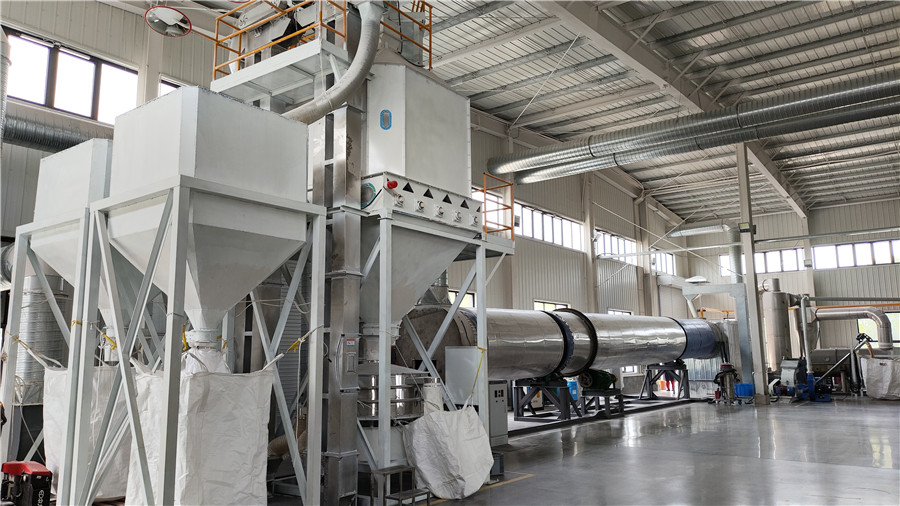
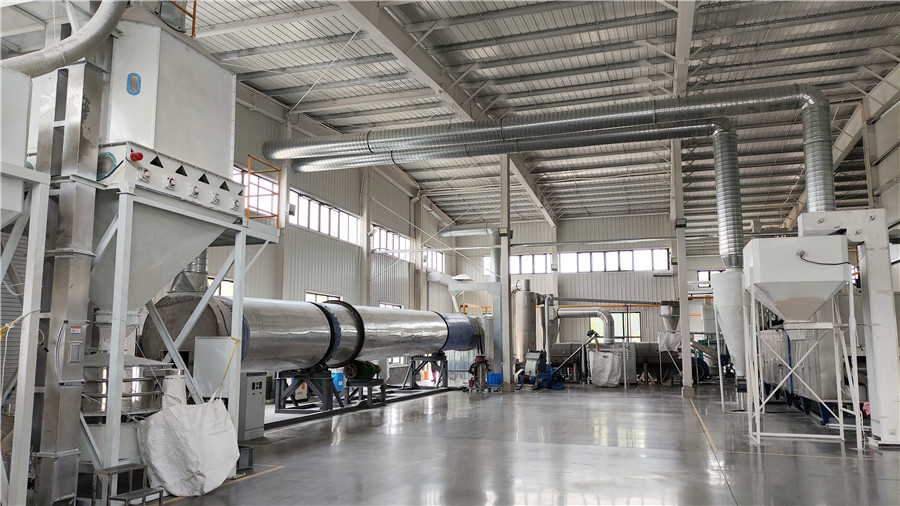
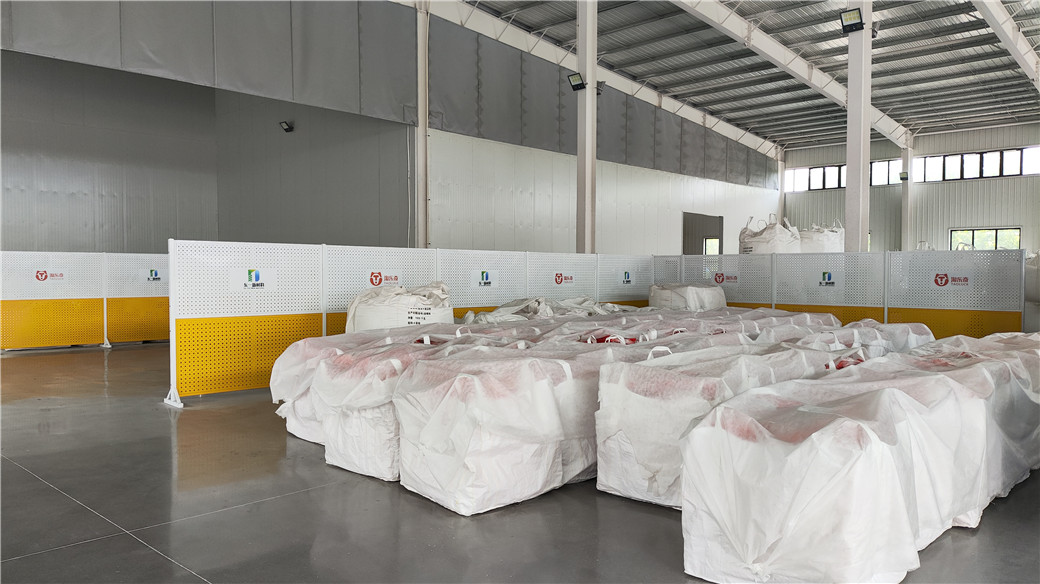
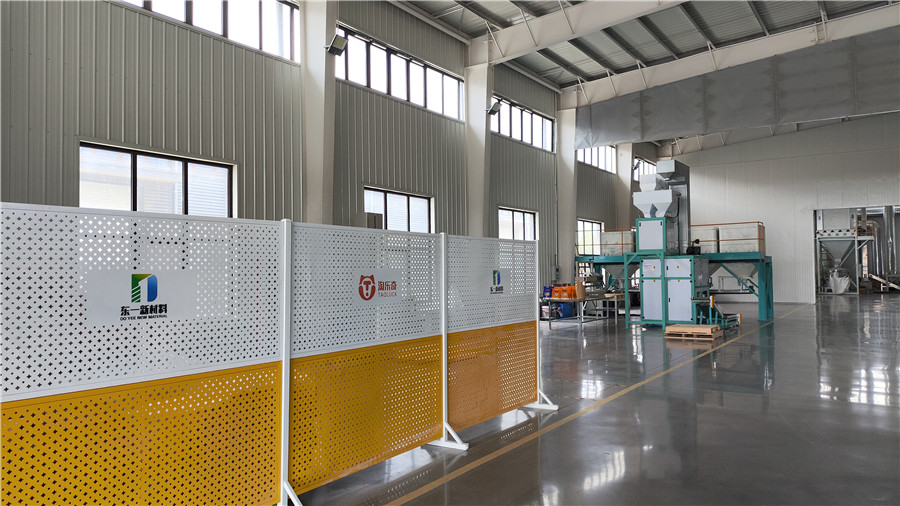
We operate a dedicated 7,500 m² clean workshop inspected on-site by SGS Group. Our multi-stage manufacturing integrates automated raw material screening, continuous microwave sterilization, and high-speed robotic palletization.
-
100% In-House Material Verification: Every shipment of raw soybean dregs and non-GMO cassava undergoes moisture, aflatoxin, and heavy metal testing before entering granulation.
-
Low Minimum Barrier (MOQ 400 Bags): Validate newly blended formulations in the Belgian market without committing capital to multi-container inventory.
-
Direct Port Gateway to Zeebrugge: Positioned in Shandong near Qingdao Port, offering direct deep-sea carrier access to the Port of Zeebrugge for streamlined transit into West Flanders.
The Qingdao-to-Zeebrugge Maritime Advantage for Belgian Importers
A critical challenge facing cat litter distributors in Bruges is ocean freight stability and port congestion. Many traditional European imports enter via the congested ports of Rotterdam or Antwerp, which can trigger demurrage costs, terminal delays, and expensive cross-border feeder trucking. However, buyers based in Bruges enjoy a logistical edge: the Port of Zeebrugge (now part of the unified Port of Antwerp-Bruges) is located practically at their doorstep.
By routing 20GP or 40HQ high-cube shipping containers directly from Qingdao Port to Zeebrugge, importers achieve:
Minimal Inland Drayage
From the Zeebrugge container terminal to warehouse locations around Bruges, Oostkamp, or Roeselare, trucking distance is under 25 km, cutting carbon footprint and domestic freight fees by over 60% compared to Antwerp routings.
Optimized Pallet Payload
Our heavy-duty vacuum-sealed bricks are engineered to maximize container volumetric capacity. A single 40HQ container accommodates up to 2,400 to 2,600 master cartons (approx. 24–26 metric tons), lowering landed transport costs per kilogram.
Smooth Customs Clearance
All Brumel cat litter exports ship with complete European customs packets: Phytosanitary Certificates issued by China Customs, Non-Wood Packing Declarations, SGS Physical Inspection Sheets, and certified Certificate of Origin forms.
Frequently Asked Questions by Belgian Buyers
Technical, logistical, and compliance considerations for distributors and brands looking to import Chinese mixed cat litter into the Bruges and Benelux markets.
How does mixed cat sand tolerate the humid Flemish climate during transit and storage?
Our mixed litter uses a proprietary secondary hot-air de-watering step to reduce core pellet moisture below 8%. Furthermore, each private-label pouch is sealed in high-tensile three-layer co-extruded composite film (PET/AL/PE or Matte-OPP/VM-PET/PE). This barrier prevents hygroscopic swelling during 30–35 days of sea transit and protects warehouse stock in West Flanders against coastal air dampness.
What is the standard MOQ for private-label customized packaging?
While industry standard minimums frequently require 1 to 2 full containers, Dongying Brumel accommodates growing brands by offering OEM private label printing from just 400 bags for stock dimensions, and 2,000 bags for custom gravure or digital flexographic print designs. We can consolidate multiple SKU formulas within a single 40HQ container.
Can mixed cat sand be flushed down Belgian toilets?
We advise clear on-pack communication tailored to local market regulations. Although the tofu fraction dissolves quickly in water, municipal wastewater guidelines in the Flemish Region generally discourage flushing any pet waste into municipal sewage to prevent pipe blockages and reduce wastewater treatment loads. We recommend highlighting compostability or residual waste disposal compliance on packs distributed in Bruges.
Are your plant-based materials tested for phytosanitary clearance into the EU?
Yes. The plant feedstocks (soybean pulp and cassava flour) undergo thermal extrusion and drying at over 110°C, neutralizing biological agents, fungi, and insect larvae. Prior to loading at Qingdao, our batches are verified and certified by China Inspection and Quarantine (CIQ), ensuring smooth EU phytosanitary clearance upon docking at Zeebrugge.
Can we adjust the mixing ratios between tofu, cassava, and bentonite?
Yes. We operate flexible formulation lines. Our default European formulation is 70% tofu (2.0mm) + 28% sodium bentonite + 2% deodorizing beads. We can adjust the mix to 60/40, add crushed cassava pellets for stronger cohesion, or incorporate functional indicators (such as feline urinary pH-detection beads) to support premium veterinary brand positioning.
How quickly can sample evaluations be delivered to our office in Bruges?
We prepare tailored sample sets—packaged in vacuum-sealed test bags with customized granule sizes and scent options—within 48 hours of consultation. Samples are dispatched via DHL/FedEx Express directly to West Flanders addresses, arriving within 4 to 6 business days for laboratory clumping and dust assessment.