High-Performance Hybrid & Plant-Based Litter Solutions
Direct OEM/ODM formulations tested for European shelf life, high-absorbency performance, and stringent zero-dust thresholds.
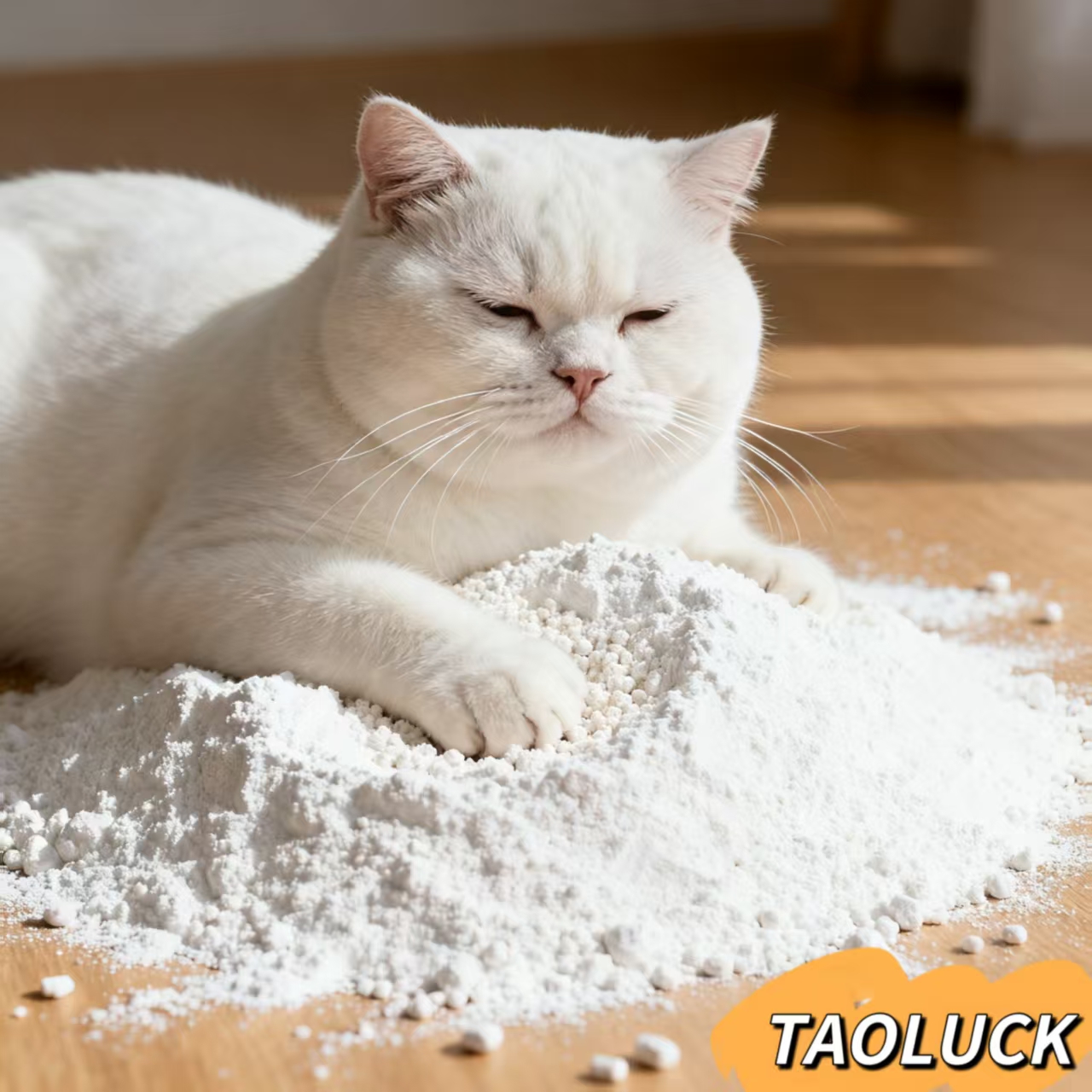
Dust-Free Tapioca Spherical Cassava Granules (2.5kg)
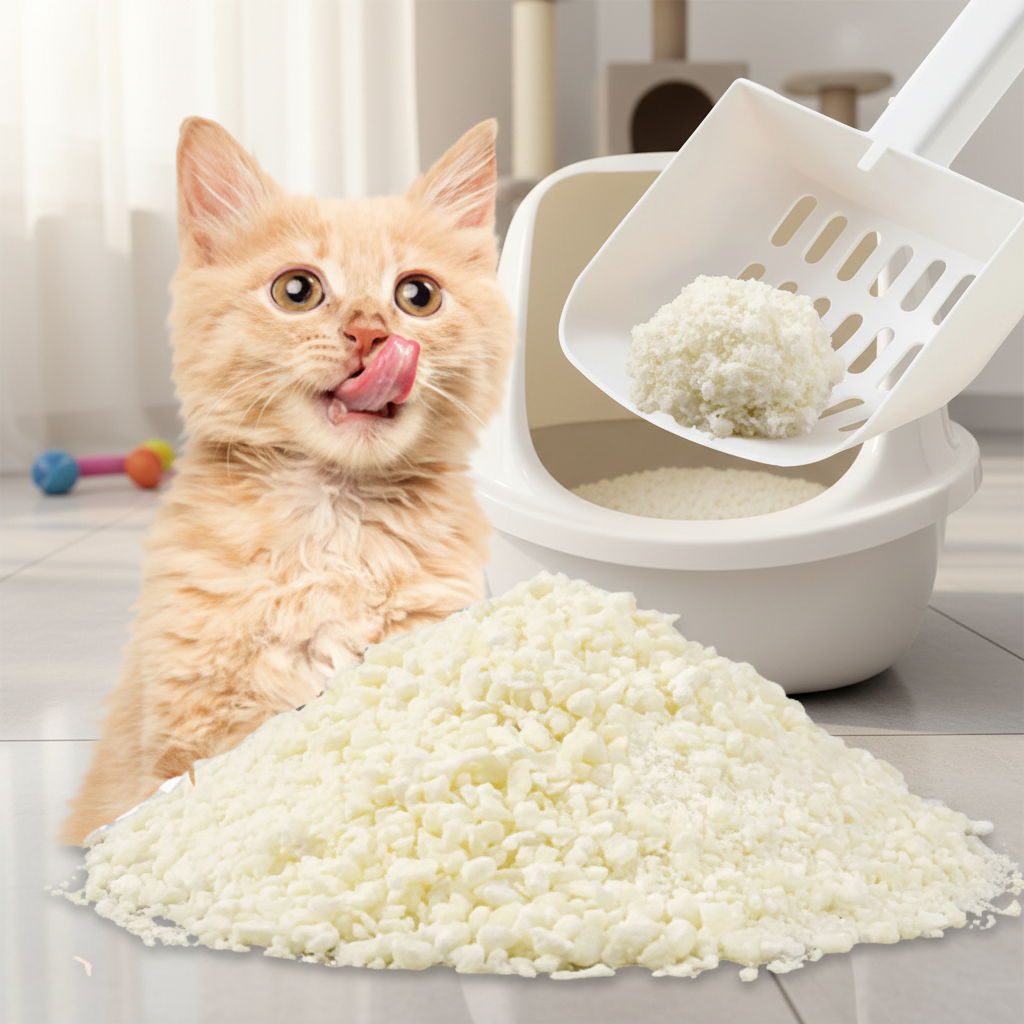
2026 Hybrid Cassava-Soybean & Bentonite Blend
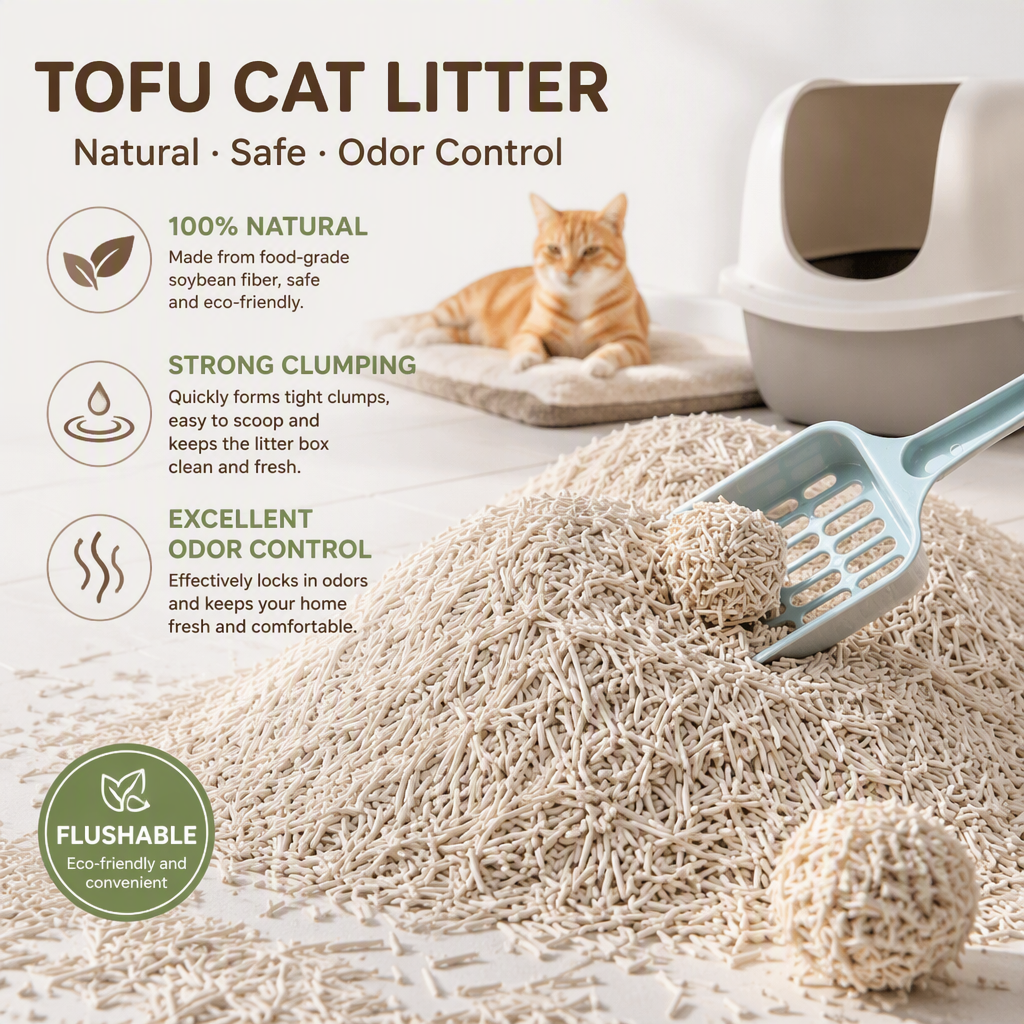
Strong Clumping Flushable Natural Tofu Litter (2.5kg)
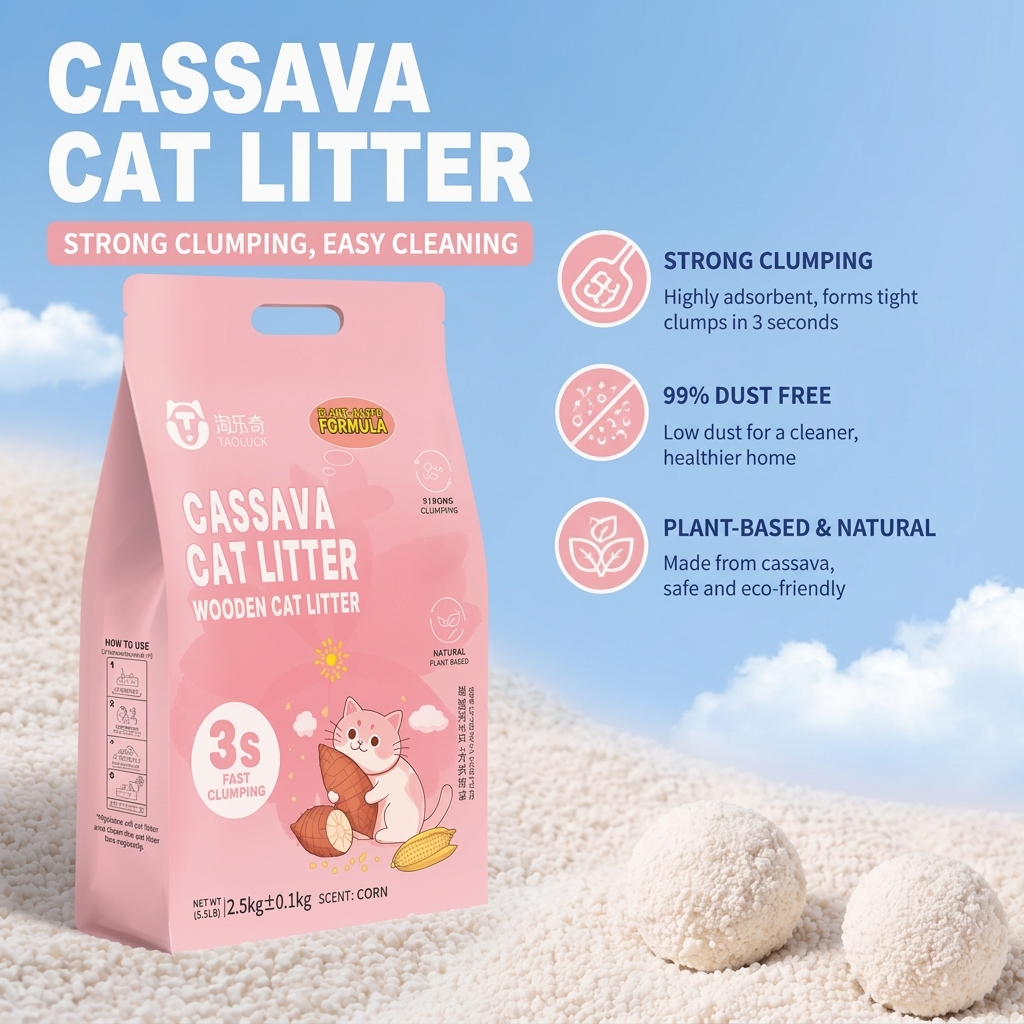
Long-Lasting Bio-Fiber Odor Control Cassava Litter
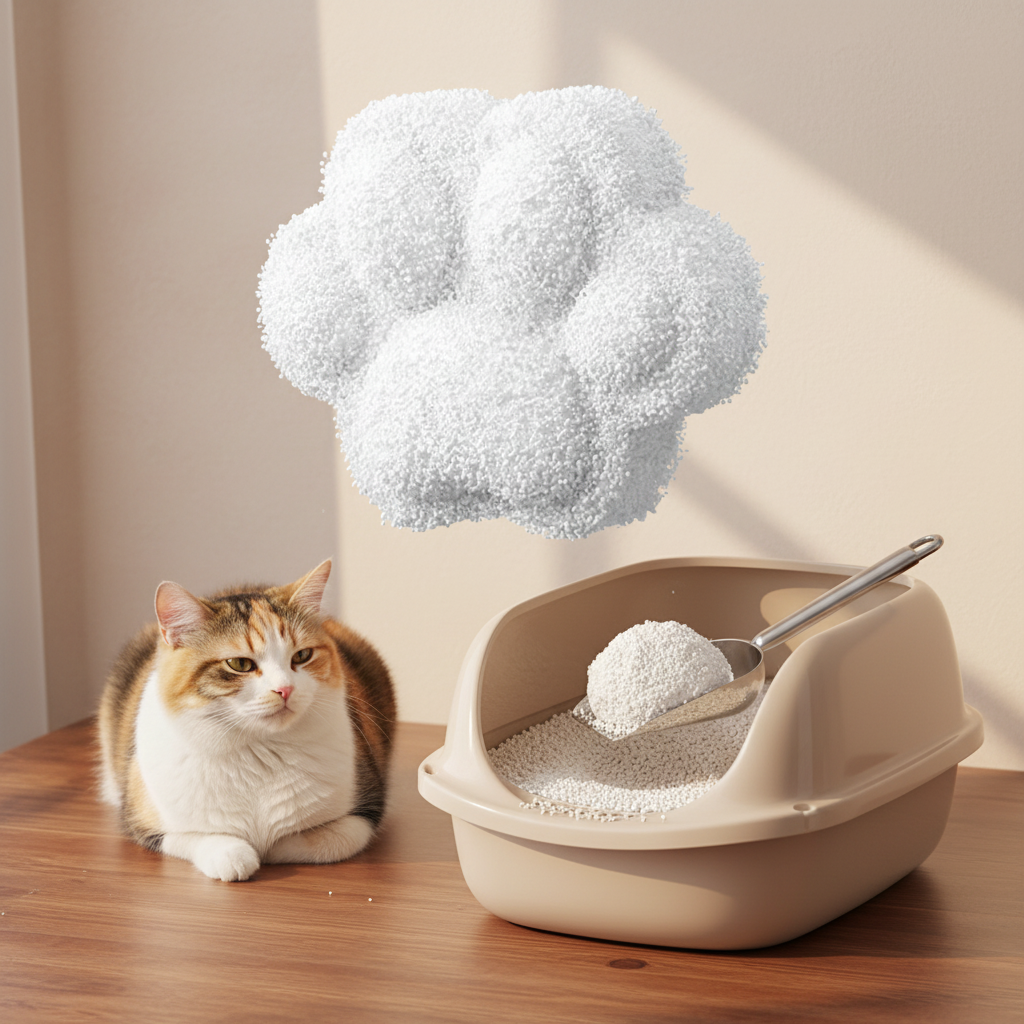
Quickly Clumping Easy Scoop Natural Cassava Sand
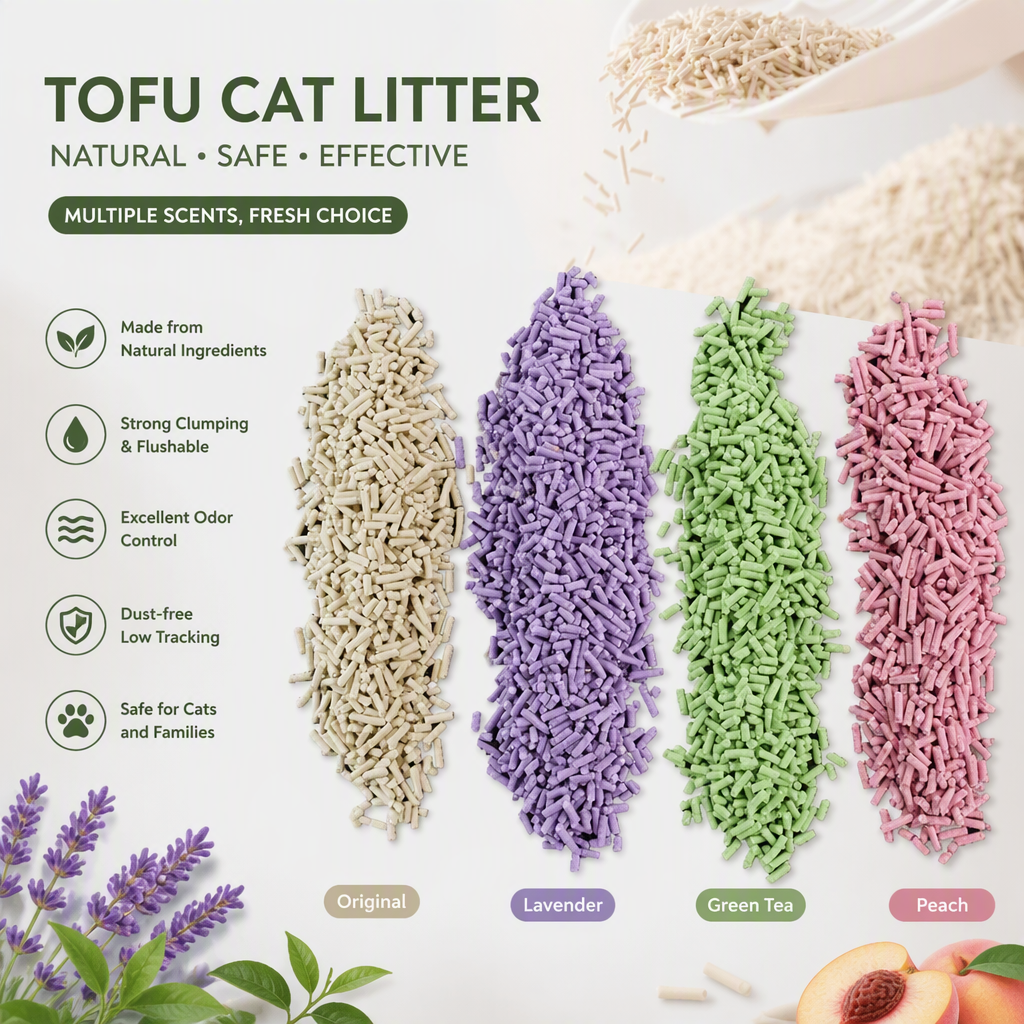
Original Crushed Sand Eco Flushable Pure Tofu
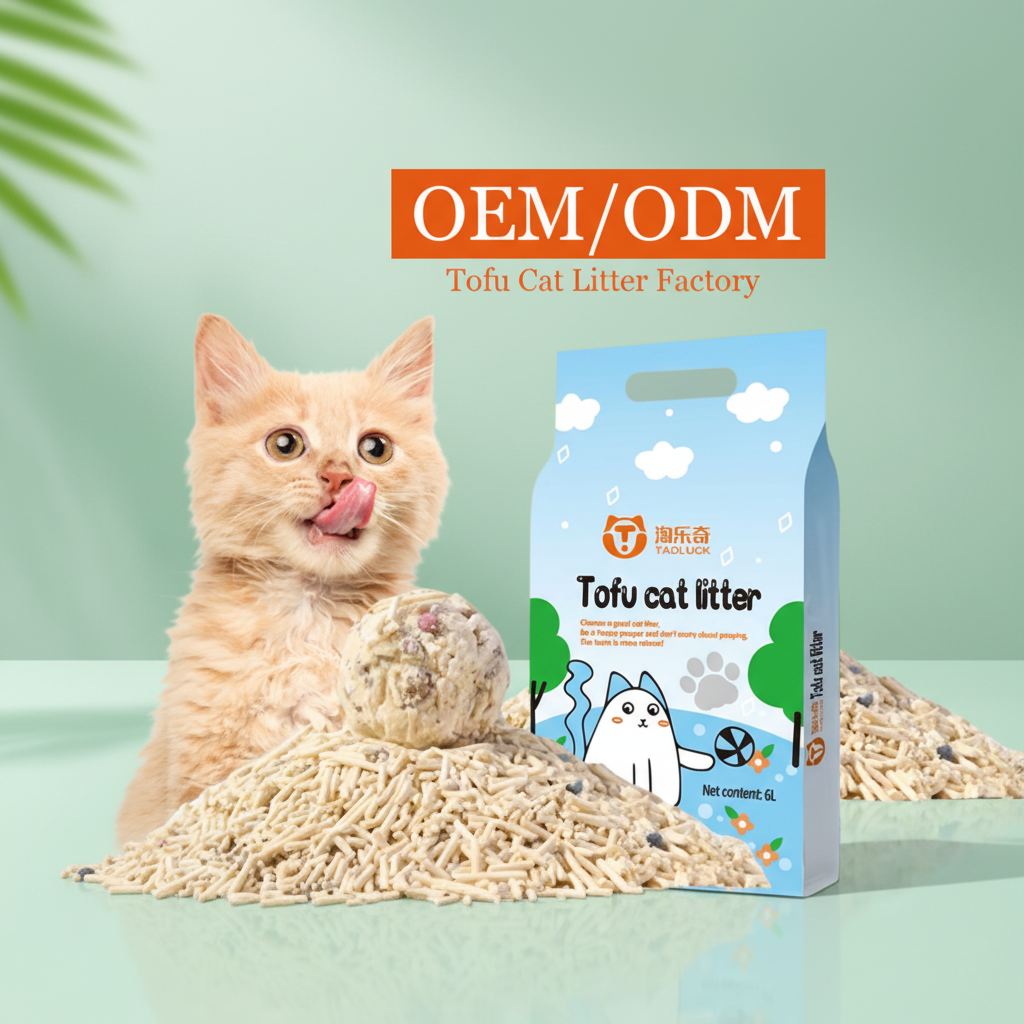
2026 Original Clean-Breeze Low-Dust Pellet Litter
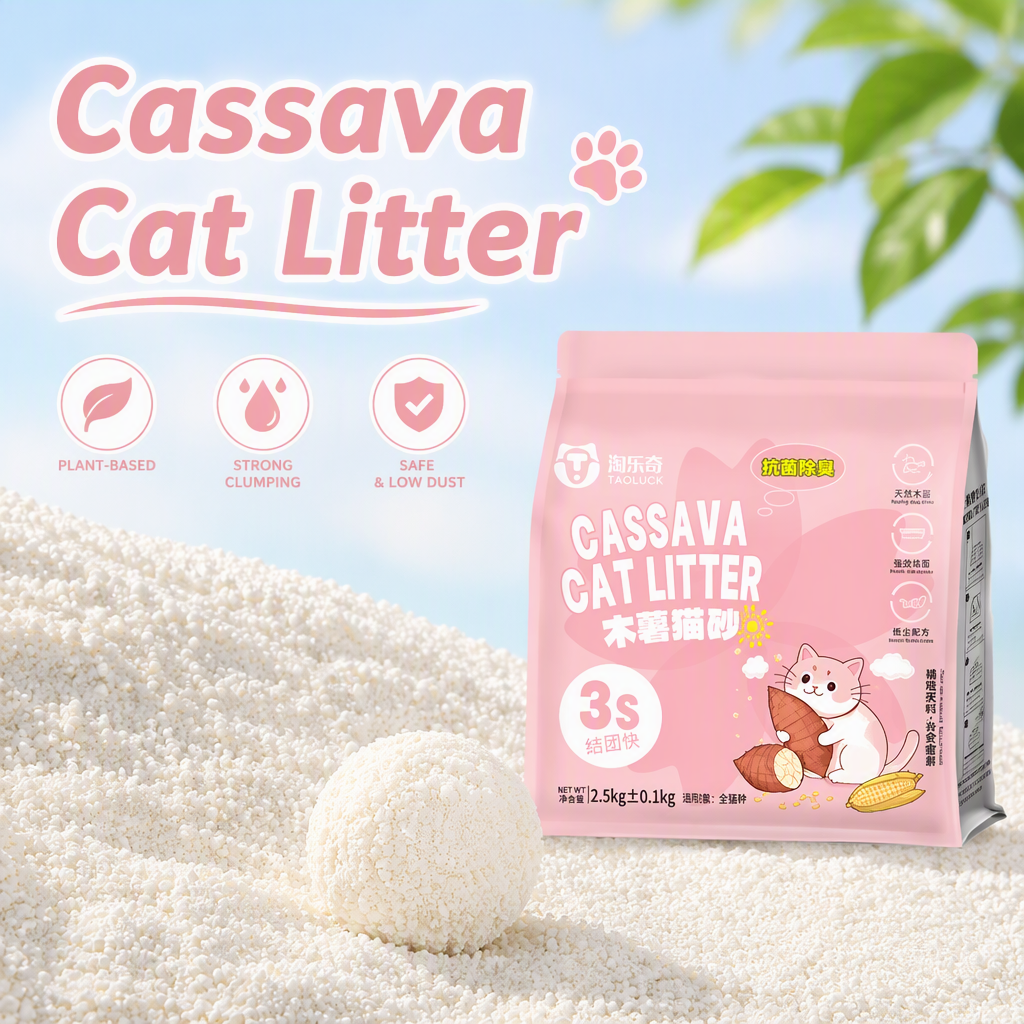
Non-Stick Odour-Shield Active Carbon & Cassava Mix
The Strategic Transition to Natural Mixed Cat Litter in Central and Eastern Europe
The Hungarian pet care sector is undergoing a profound structural transition. Historically dominated by conventional sodium and calcium bentonite clay litter mined regionally or imported in bulk from Southern Europe, the Hungarian cat litter market (estimated at over 32,000 metric tons annually) is systematically pivoting toward engineered plant-based and hybrid formulations. This shift is accelerated by shifting urban demographics in Budapest, Debrecen, and Szeged, rising environmental awareness under European Union Green Deal frameworks, and the fiscal implementation of the Hungarian MOHU EPR (Extended Producer Responsibility) packaging system.
For Hungarian pet specialty distributors, hypermarket retail chains (such as SPAR, Tesco, and Auchan Hungary), and high-growth veterinary e-commerce channels (such as Petissimo and ABC-Zoo), legacy cat litter poses increasing operational liabilities. Traditional bentonite features substantial volumetric bulk density (often exceeding 850–950 g/L), resulting in inflated pallet freight costs per usable litter cycle and elevated packaging disposal fees. Conversely, pure single-origin plant litters, while lightweight, often struggle with mechanical clump shear strength and fast-acting ammonia neutralisation during high-humidity winter seasons typical of the Pannonian Basin climate.
Technical Innovation Value: Natural Mixed Cat Litter combines food-grade soybean residue (tofu okara), high-amylopectin tapioca cassava starch, and micro-granulated montmorillonite bentonite clay (typically in a 70:20:10 or 70:30 ratio). This hybrid matrix delivers 3-second rapid gelatinization, suppresses airborne particulate matter (PM2.5 / PM10) below 0.1%, and reduces total bag weight by 38% compared to conventional mineral litters.
Why Hungarian Urban Dynamics Require Mixed Formulations
Over 60% of urban cat owners in Budapest reside in multi-story apartment buildings ("társasházak" and panel apartment complexes). In these compact living quarters, cat litter boxes are situated within central bathrooms, hallways, or enclosed balconies. Under central district heating ("távfűtés"), ambient room air becomes intensely dry during the winter, causing fine bentonite dust to stay suspended in the breathing zone of both felines and human guardians. Furthermore, older vertical plumbing conduits throughout Budapest's historic districts are notoriously susceptible to catastrophic blockages caused by heavy bentonite clay sludges.
Dongying Brumel Pet Products Co., Ltd. specifically engineered its Natural Mixed Series to eliminate these municipal vulnerabilities. By utilizing natural cassava starch as an adhesive bridging agent, liquid waste is trapped in the uppermost 2 centimeters of the litter bed within three seconds, forming flat, cohesive discs that do not adhere to the bottom of the tray. The inclusion of low-percentage, ultra-purified bentonite or zeolite crystals ensures instantaneous gas-phase ammonia (NH3) absorption without compromising the hydraulic dispersibility required for safe municipal disposal.
EPR Tax Mitigation
Hungarian MOHU fee structures heavily tax high-weight composite plastic and unrecyclable mineral packaging. Our lightweight hybrid reduces shipping tonnage and plastic bag mass by up to 40% per consumer usage month.
3-Second Clumping
Cassava amylopectin granules rapidly react with urine moisture, creating a structural web that binds soybean fibers and mineral particles into a fracture-resistant mass that does not shatter during sifting.
Freight Optimization
Direct intermodal rail from Shandong terminals to BILK Budapest Logistics Terminal via Malaszewicze or Záhony corridors, bypassing congested maritime transshipment loops with 18-22 day transit reliability.
Negative-Pressure Dedusting
Brumel facilities utilize a proprietary 5-stage mechanical cyclone and electrostatic dedusting cascade, ensuring residual airborne particulates measure under 0.1% for feline respiratory safety.
SGS Analytical Verification
Fully compliant with EU reach thresholds: verified negative for aflatoxins, formaldehyde, heavy metals (Pb, Cd, Hg, As), and pathogenic microbial strains such as Salmonella and E. coli.
Private Label Agility
Low production entry threshold starting at 400 bags for test market launches, paired with turn-key packaging design compliant with the Hungarian Consumer Protection Authority (NFH).
Laboratory Comparative Analysis: Mixed Litter vs. Legacy Formulations
Benchmarked metrics evaluating absorption kinetics, logistic footprint, and domestic lifecycle ergonomics.
| Performance Attribute | Natural Mixed (Tofu + Cassava) | Conventional Bentonite Clay | 100% Single Tofu Litter | Silica Gel (Crystal) Litter |
|---|---|---|---|---|
| Water Absorption Capacity | 400% - 480% (Vol/Wt) | 180% - 220% | 280% - 320% | 140% - 170% |
| Clump Setting Velocity | < 3 Seconds | 8 - 15 Seconds | 5 - 8 Seconds | Non-Clumping (Absorbent) |
| Bulk Density (Logistics) | 480 - 540 g/L (Ultra-Light) | 880 - 980 g/L (Heavy) | 520 - 580 g/L (Light) | 400 - 450 g/L |
| Airborne Dust Index (PM2.5) | < 0.1% (Cycloned) | 1.8% - 4.5% (High) | 0.4% - 0.8% | 0.9% - 1.5% |
| Waste Disposal Safety | Compostable & Flushable | Landfill Only (Clogs Pipes) | Flushable | Landfill Only (Synthetic) |
| Hungarian MOHU EPR Cost | Minimal Tariff Burden | Heavy Mass Surcharge | Low Mass Surcharge | Non-Recyclable Penalties |
Localized Application Scenarios Across Hungarian Households
Addressing the specific architectural, infrastructural, and climatic challenges of Central European pet owners.
Budapest Apartment Living & Historic Piping
Traditional downtown apartment blocks (District V, VI, VII, and XIII) feature pre-war plumbing networks and tight communal waste disposal shoots. Conventional clay litters frequently cause sewer sedimentation, leading to hefty municipal fines from Fővárosi Vízművek contractors.
Brumel Natural Mixed Litter dissolves within 90 seconds in turbulent cold water. Its hydrophilic cassava binder liquefies into safe biodegradable micro-particles, protecting internal plumbing and septic drainage channels without compromising firm clumping in the box.
The Pannonian Winter & Central Heating Traps
Continental winters in Hungary keep residential windows firmly shut for five months. In homes operating with district heating ("távhő"), dry air combined with litter ammonia fumes creates a hostile indoor micro-climate that triggers feline lower urinary tract diseases (FLUTD).
Our formulation embeds botanical deodorizing compounds and activated porous montmorillonite, chemically neutralizing volatile organic compounds (VOCs) and trapping up to 98.4% of gaseous ammonia within the porous microstructure without reliance on masking artificial fragrances.
Retail Shelf-Efficiency & Consumer Logistics
With public transit accounting for over 55% of commuter travel in Budapest, consumers purchasing 10-liter clay litter bags face a grueling 9-kilogram carry. This physical barrier severely depresses repeat purchase frequencies in physical retail storefronts.
Our 2.5kg (6-liter equivalent) vacuum-compressed packaging offers the exact same usage duration as a 10kg bentonite bag. It easily fits inside standard commuter backpacks or bicycle baskets, drastically boosting consumer retail retention and private label customer loyalty.
Why Tier-1 European Pet Brands Source From Brumel
Dongying Brumel Pet Products Co., Ltd. operates as an SGS on-site verified custom manufacturer based in Dongying, Shandong, China. We bridge industrial capacity with bespoke formulation precision.
State-of-the-art facility equipped with continuous-flow extrusion granulation, multi-stage rotary drying ovens, and robotic vacuum sealing units.
We eliminate inventory holding risks for distributors by supporting low-MOQ test orders, empowering boutique Hungarian brands to launch custom packaging rapidly.
Raw materials are strictly sourced from traceable food-processing channels: north-eastern Chinese non-GMO soybean okara and premium food-grade tapioca starch.
Every commercial batch is screened for moisture thresholds (≤ 10%), aflatoxin B1, heavy metals, and clumping integrity before maritime container stuffing.
Frequently Asked Questions: Sourcing Cat Litter for Hungary
Expert answers addressing customs tariffs, regulatory certifications, packaging laws, and intermodal transport dynamics.
What are the HS Code and import tariff structures into Hungary?
Plant-based tofu and cassava mixed cat litter is typically classified under EU Harmonized System (HS) Code 1404.90.00 (Vegetable products not elsewhere specified or included) or 2309.90.96 depending on starch and fiber content ratios. The general third-country duty rate into the European Union ranges between 0% and 5.8%. When combined with our intermodal freight handling, we assist in providing standard EUR.1 documentation and origin declarations to facilitate seamless customs clearance at Hungarian customs points (such as BILK Budapest or Liszt Ferenc Airport Cargo City).
How does Brumel help importers comply with Hungary's MOHU EPR packaging fee?
Under the decree governing the Hungarian EPR waste concession managed by MOHU (MOL Hulladékgazdálkodási Zrt.), packaging materials face rigorous environmental fees based on weight and material composition. Brumel provides certified mono-material recyclable PE/PE packaging bags or compostable craft paper composites. Because our natural mixed litter is dense and compact, packaging film consumption is reduced by approximately 35% compared to oversized clay bags, directly reducing your quarterly MOHU declaration dues.
What is the optimal shipping route from Shandong to Budapest?
We provide two highly optimized logistics channels. For cost-optimized wholesale bulk shipments, we utilize ocean freight from Qingdao Port to the Adriatic ports of Koper (Slovenia) or Rijeka (Croatia), followed by block-train rail directly to inland container depots in Budapest (transit time: ~30-35 days). For expedited, high-margin replenishment, we route via the China-Europe Railway Express (CRE) through Kazakhstan and Poland directly into BILK Budapest within 18 to 22 days, completely insulating your supply chain from Red Sea maritime disruptions.
Can you provide multilingual packaging compliant with Hungarian labeling laws?
Yes. Hungarian consumer protection laws (Fogyasztóvédelmi törvény) dictate that retail products sold within Hungary must feature legible Hungarian labeling indicating origin, weight, material composition, safety guidelines, and distributor details. Our in-house design engineering department supplies turn-key die-cuts and prints sharp multilingual private label artwork (incorporating Hungarian, Czech, Slovak, and Romanian) to allow you to distribute your branded SKUs across the entire Visegrád 4 (V4) market.
How do you prevent mold and moisture absorption during sea transit?
Plant-based litters are hygroscopic by design. Brumel guarantees moisture stabilization through a dual-step protection protocol: (1) industrial microwave and infrared dehydrators bring core internal pellet moisture down to ≤ 8.5%; (2) packaging lines feature automated vacuum decompression flushing. Furthermore, every 20GP or 40HQ container is lined with industrial calcium chloride desiccant blankets to eradicate container rain during maritime shifts through the Suez or Atlantic equatorial zones.
Can we formulate custom fragrances and granule diameters?
Absolutely. For the Central European consumer base, we frequently manufacture unscented, natural grain, and activated charcoal (unscented) editions, which account for 75% of local market demand. However, for specialized retail segments, we produce food-grade scented variants including European peach, green tea, lavender, and gentle corn vanilla. Granule diameters can be adjusted between 1.5mm (crushed ultra-fast clumping) and 2.0mm/3.0mm (cylindrical low-tracking pellets).