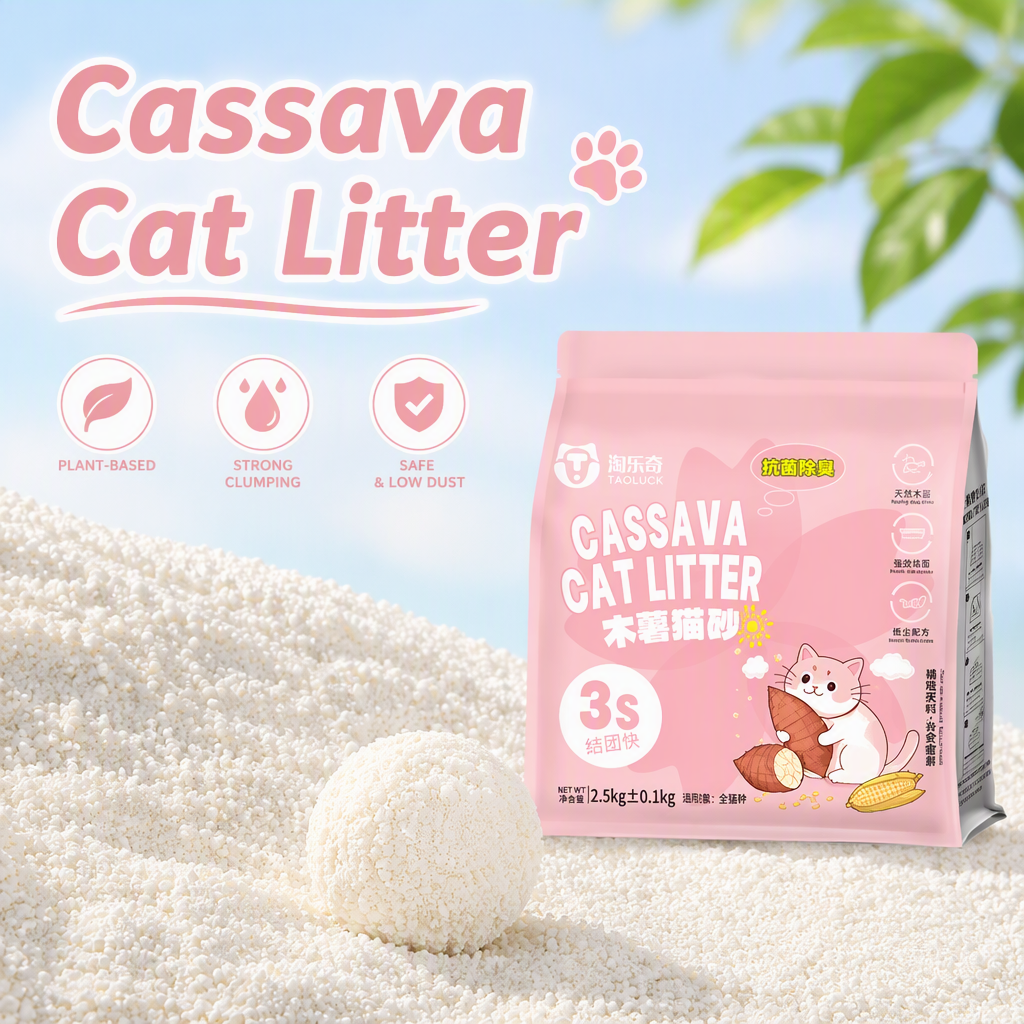
 Cassava Base
Natural Fragrance Dust Free Cat Litter Strong Long Lasting Odour Control Non Stick Cassava Cat Sand
Non-Stick
99.9% Dust-Free
Natural Starch
Laboratory-tested moisture absorption, zero airborne respirable crystalline silica, and optimized volumetric yield formulated to satisfy strict German environmental compliance standards.
Cassava Base
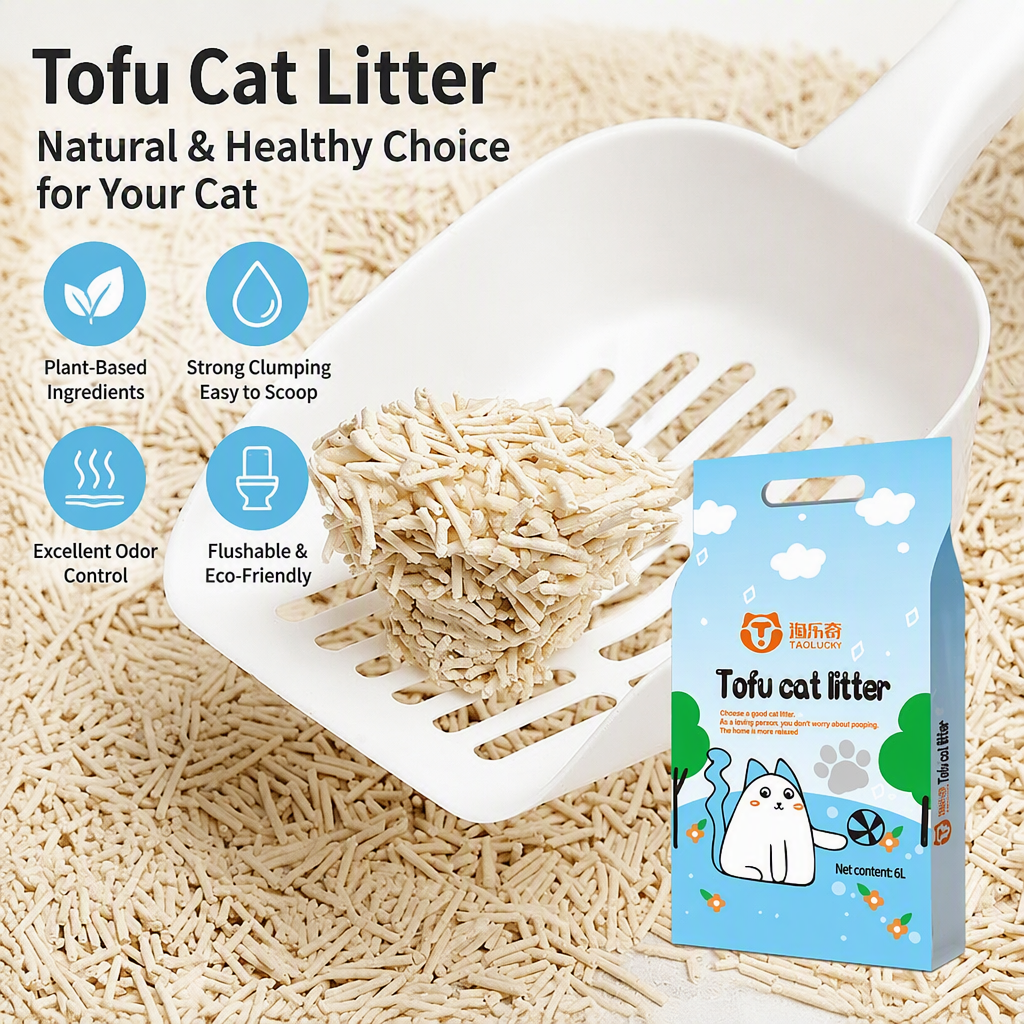 Tofu Pulp
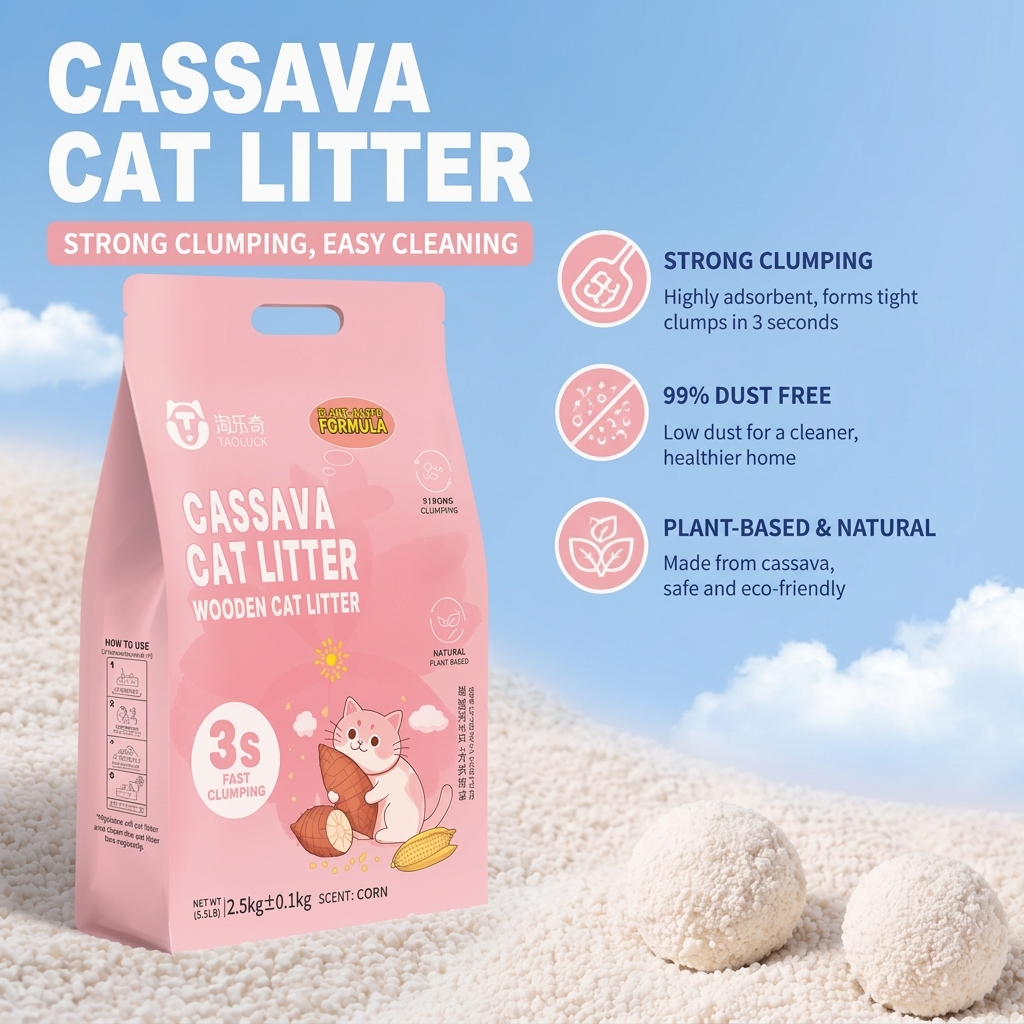 Cassava Micro-Pore
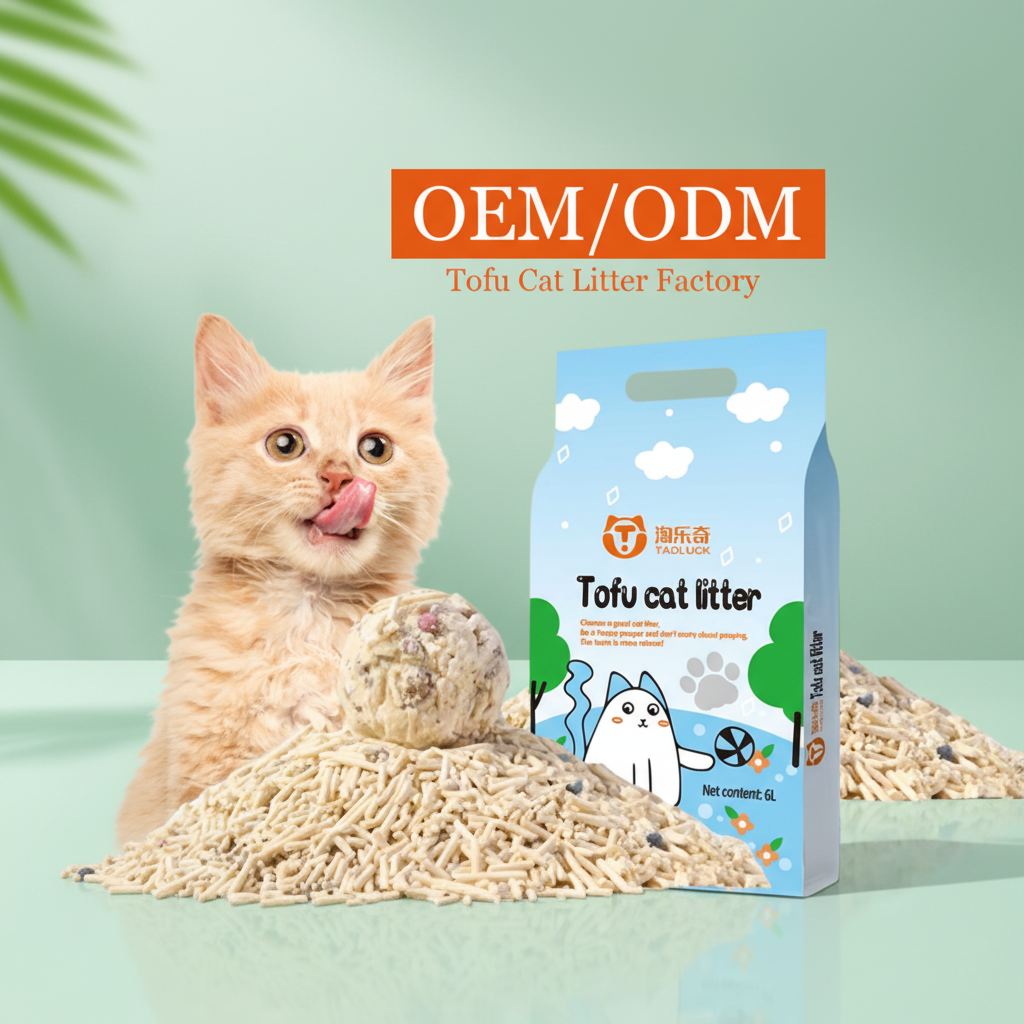 2.0mm Pellets
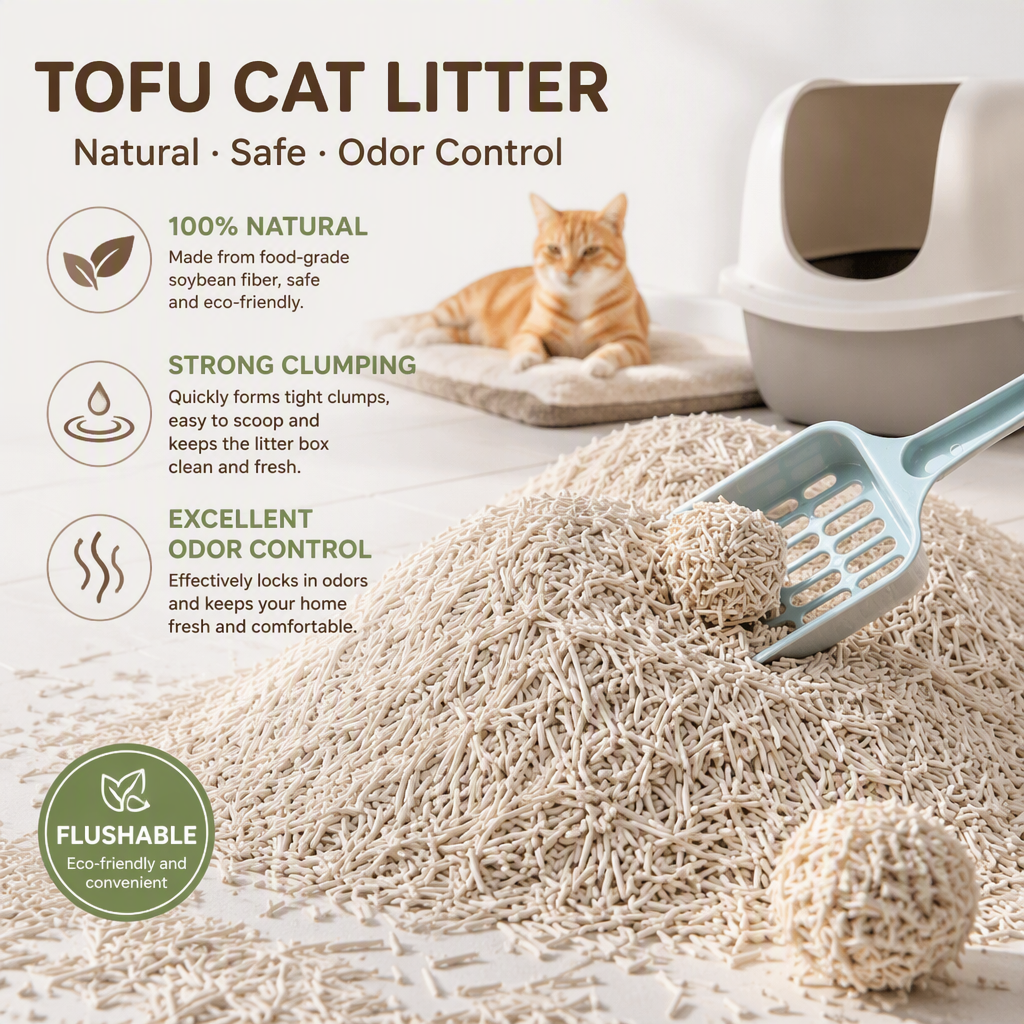 Retail 2.5kg
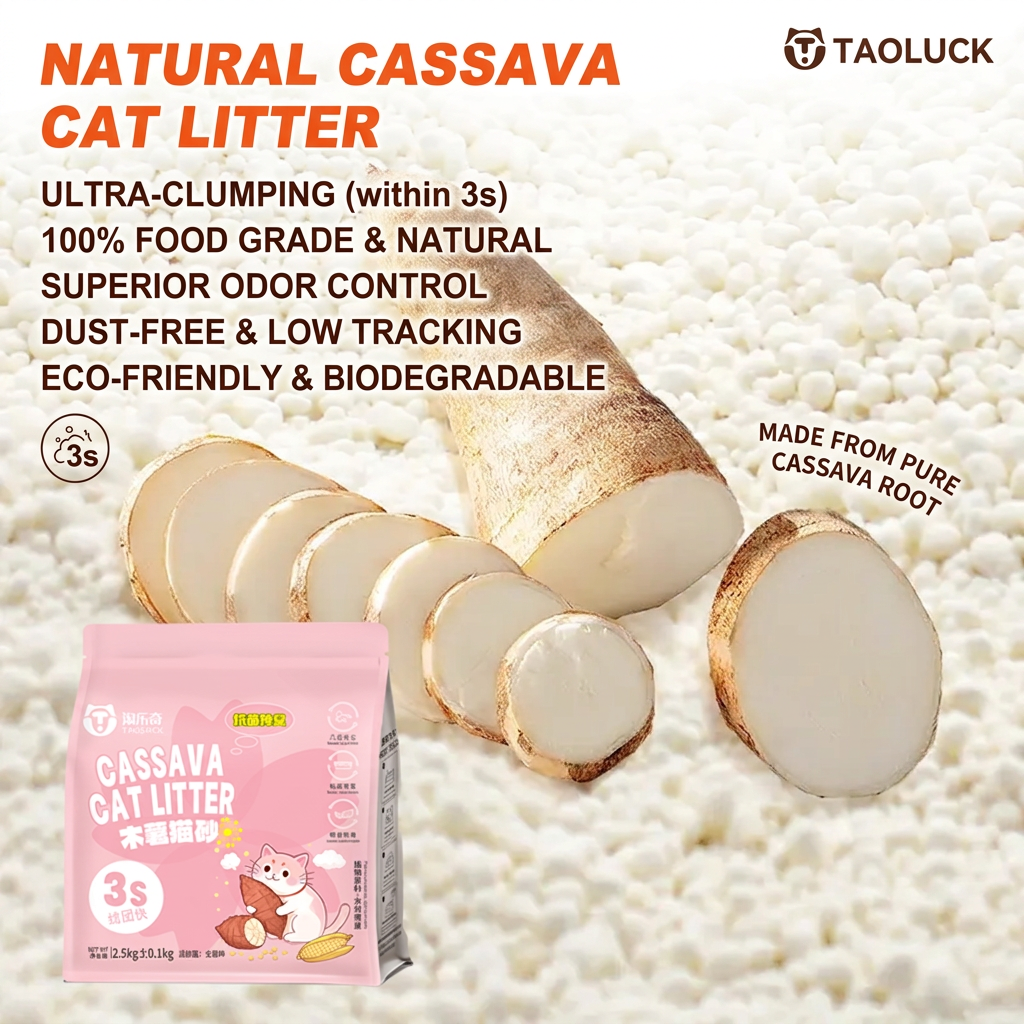 Rapid Absorb
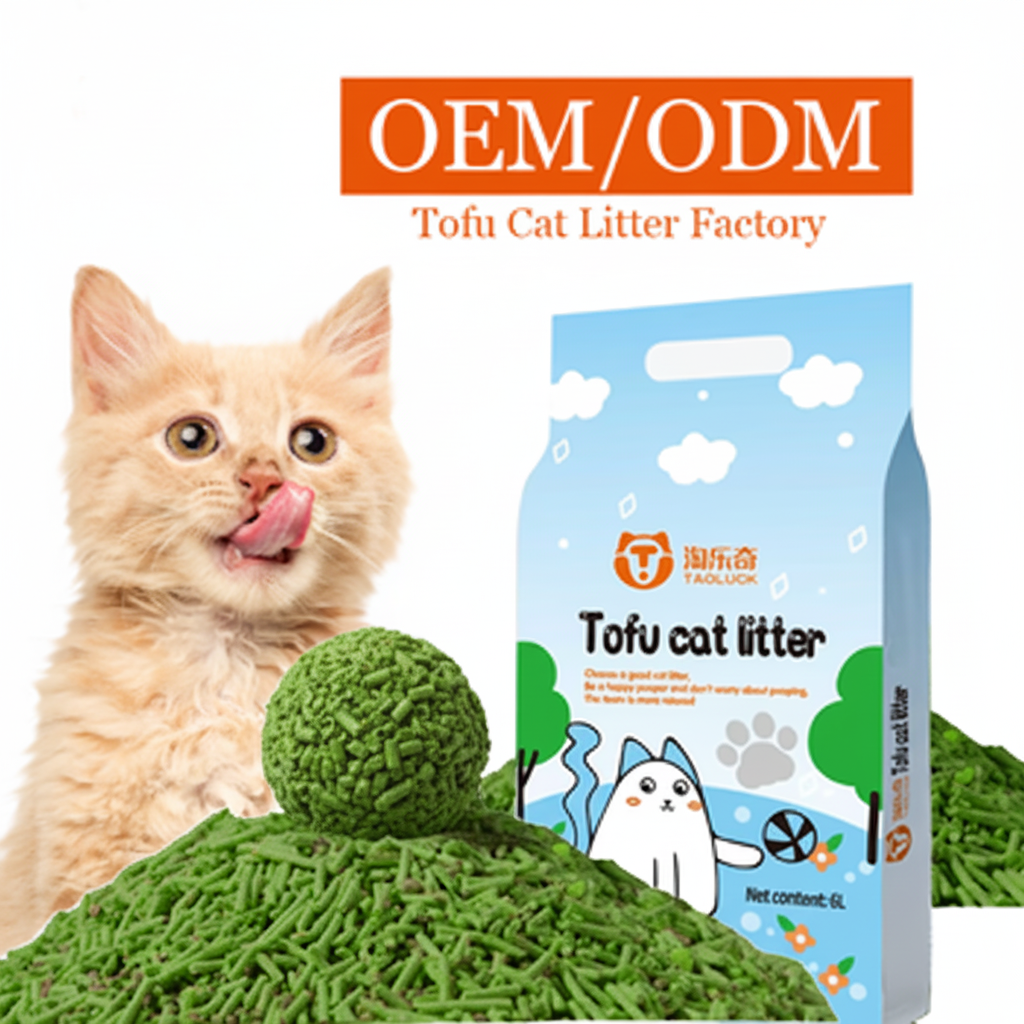 Premium Tier
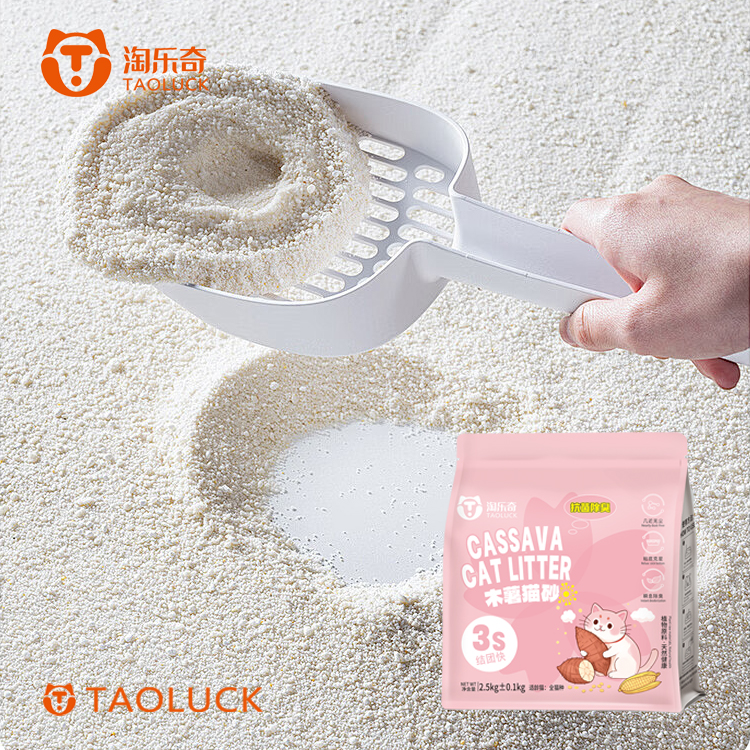 Crushed Granule
The commercial pet hygiene landscape across the Cologne metropolitan district (Köln) and the broader Rhine-Ruhr conurbation is undergoing a decisive paradigm shift. Historically dominated by imported sodium bentonite clay and synthetic silica gel crystals, German pet specialty retailers, e-commerce direct-to-consumer (DTC) brands, and regional veterinary cooperatives are aggressively transitioning toward organic, renewable substrate alternatives. This transformation is driven not merely by consumer eco-sentiment, but by the convergence of municipal waste economics, urban housing constraints, and stringent regulatory demands.
In Cologne's high-density residential quarters—such as Ehrenfeld, Nippes, Belgisches Viertel, and Lindenthal—urban apartment dwelling defines the lifestyle of modern feline owners. Standard German rental contracts enforce rigid property maintenance obligations, making low-tracking and dust-free pet supplies a non-negotiable consumer priority. Traditional bentonite clay produces airborne particulate matter (PM2.5 and PM10 fractions) containing respirable crystalline silica, which adheres to feline paw pads, triggers human respiratory sensitivities, and leaves micro-dust coatings across hardwood and parquet floors.
Moreover, the municipal waste framework governed by the Abfallwirtschaftsbetriebe Köln (AWB) imposes significant disposal penalties on heavy, non-combustible waste. Bentonite clay does not burn during thermal municipal waste-to-energy processes; instead, it vitrifies into heavy bottom ash, increasing processing costs and landfill burdens. In contrast, engineered corn starch and cassava root aggregates are 100% natural organic biomass. When disposed of via the municipal Restmüll (residual waste) stream, plant-based litters burn cleanly with high calorific efficiency, leaving negligible residual ash and aligning directly with Germany's circular economy targets (Kreislaufwirtschaftsgesetz - KrWG).
Dongying Brumel Pet Products Co., Ltd. has developed a proprietary hybrid agglomeration technology combining selected maize (corn) starch and purified cassava root (Manihot esculenta) fibrous fractions. While basic plant litters often face trade-offs between clumping firmness and odor absorption, this engineered dual-botanical matrix resolves these structural compromises at the molecular level.
Quantitative empirical evaluation across physical performance metrics essential for German commercial pet product sourcing specifications.
| Performance Parameter | Brumel Corn-Cassava Hybrid | Premium Sodium Bentonite | Compressed Pine Wood Pellets | Silica Gel Crystal Litter |
|---|---|---|---|---|
| Clumping Velocity (Liquid Contact) | 1.5 - 3.0 Seconds (Solid Disc) | 5.0 - 10.0 Seconds | Non-Clumping (Disintegrates) | Non-Clumping (Absorption Only) |
| Airborne Dust Content (Screening) | < 0.1% (Pneumatic Aspiration) | 1.5% - 4.5% (High Silica) | 0.8% - 1.2% (Wood Sawdust) | 0.3% - 0.7% (Silica Dust) |
| Bulk Density (Freight Weight Efficiency) | 450 - 550 g/L (Ultra-Light) | 900 - 1050 g/L (Heavy Mineral) | 600 - 700 g/L (Medium) | 400 - 450 g/L (Lightweight) |
| Urine Odor Lock Mechanism | Enzymatic Binding + Starch Pore | Clay Mineral Adsorption | Pine Phenolic Masking | Chemical Pore Absorption |
| Municipal Waste Incineration (AWB) | High Caloric Energy, < 2% Ash | Non-Combustible, > 85% Ash | Combustible, Medium Ash | Non-Combustible Slag Formation |
| German VerpackG Compliance | Recyclable Mono-PE / Kraft Paper | Heavy Multilayer Film Laminates | Polypropylene Woven Bags | Non-Recyclable Complex Foils |
Wholesale pet distribution across Cologne, Bonn, Düsseldorf, and the wider North Rhine-Westphalia sector requires specialized SKU adaptation. German pet parents are renowned for their technical discernment, scrutinizing ingredient safety through independent testing standards such as Öko-Test and Stiftung Warentest. To capture and sustain market share in this territory, suppliers must configure their offerings to distinct German household environments:
Cologne’s heritage apartments (Altbau) feature tall ceilings, open wooden flooring, and enclosed communal stairwells. Fast ammonia entrapment prevents odors from escaping into residential corridors, while gentle starch textures prevent claw abrasion in strictly indoor domestic felines.
German veterinary clinics increasingly prescribe zero-silica, non-mineral litters for post-surgical felines, brachycephalic breeds (such as Persians and British Shorthairs), and cats with feline lower urinary tract disease (FLUTD), where dust contamination exacerbates inflammation.
Eco-conscious pet boutiques in urban centers like Köln-Südstadt and Sülz cater to consumers demanding zero single-use plastics. Our cassava litters match perfectly with unbleached kraft paper packaging and plant-based, home-compostable barrier liners.
Operating from an expansive, modern production campus in Dongying, Shandong, Dongying Brumel Pet Products Co., Ltd. is an industry-recognized custom manufacturer evaluated on-site by SGS Group. We engineer plant-based cat litter specifically for overseas private label brands requiring full supply chain transparency and verifiable batch-to-batch consistency.
Delivering bulk pet commodities into the German hinterland requires a frictionless logistical pathway. Situated along the Rhine River, Cologne possesses premier intermodal connectivity. Shipments originating from our factory in Shandong are routed through Qingdao Port, transiting via leading container lines directly to the Northern European mega-hubs: Port of Rotterdam (Netherlands) or Port of Antwerp (Belgium).
From Rotterdam or Antwerp, freight moves efficiently into North Rhine-Westphalia via low-emission Rhine barge feeder vessels or bonded electrified rail direct to the Rheinhafen Köln-Niehl container terminal. This multimodal corridor cuts overland trucking emissions by up to 60%, aiding German importers in meeting Corporate Sustainability Reporting Directive (CSRD) requirements.
Furthermore, our compliance team ensures every export shipment satisfies German national packaging mandates:
Comprehensive technical and commercial answers addressing common procurement inquiries from German pet industry buyers.
According to the City of Cologne's waste management authority (AWB Köln), all used cat litters containing feline excrement must be disposed of via the grey residual waste bin (Restmülltonne). Feline waste may carry pathogens such as Toxoplasma gondii, which survives standard commercial composting temperatures, making disposal in the organic waste bin (Biotonne) prohibited across North Rhine-Westphalia municipalities. However, our corn and cassava litters incinerate with high thermal recovery and virtually zero slag, offering a major eco-advantage over clay.
Technically, our plant-based okara and cassava litters disperse rapidly in excess water within 15–20 seconds without swelling or clogging drainage siphons. However, municipal water regulations (Abwassersatzung) across many German cities discourage using toilets for pet waste disposal to safeguard wastewater treatment plants. We recommend marketing the "toilet-flushable" feature as an emergency or single-clump convenience feature while positioning residual waste as the primary compliant disposal route.
For standard catalog formulations packed in neutral unprinted vacuum bags or factory-stock printed packaging, our MOQ starts at just 400 bags. For fully customized rotogravure or digital printed retail packaging featuring German typography, EAN-13 barcodes, and customized brand branding, the typical initial MOQ is 3,000 to 5,000 bags per SKU, with flexible batch production schedules to match your inventory turnover.
Maritime freight navigating through Southeast Asian waters encounters high humidity. We safeguard export containers through multi-layered moisture security: raw product residual humidity is kept strictly below 9.5%, packaging utilizes multi-ply hermetically sealed polymer or vacuum barriers, and shipping containers are equipped with industrial calcium chloride desiccant poles to eliminate container rain.
Yes. European pet food and pet supply distributors place paramount emphasis on non-GMO sourcing. Our corn starch is processed from food-grade, certified non-GMO agricultural sources in Northern China, and our cassava starch is derived from natural roots. Batch-level declaration certificates can be furnished alongside standard shipping documentation.
Cassava and corn litters command a premium retail price point in Germany (€1.80 to €2.60 per liter) compared to low-tier clay (€0.60 to €0.90 per liter). Because plant litter is less than half the density of bentonite, freight cost per unit volume is radically lower. This enables distributors and e-commerce merchants to achieve gross retail margins often exceeding 45% compared to 20–25% on heavy clay products.
Yes. Consumer research in Germany indicates a strong preference for unfragranced pet hygiene items (ohne Duftstoffe), as synthetic perfumes often irritate feline olfactory senses. We formulate naturally deodorizing, 100% unscented cassava and corn litters, while also offering organic green tea or mild plant extracts for specialized boutique lines.
Commercial procurement departments can request direct lab-sample parcels containing our complete granule spectrum (tofu cylinders, crushed cassava granules, and hybrid blends). Express sample kits are dispatched via DHL Express with tracking, arriving at your office or testing laboratory in Cologne within 4 to 6 business days.
Partner with Dongying Brumel Pet Products Co., Ltd.—your SGS-verified manufacturing factory. Contact our European commercial accounts desk today for comprehensive wholesale price schedules, formulation specifications, and custom sample dispatches.
Get a Quote