Export-Certified Tapioca & Plant-Based Litter SKUs
Lab-validated cassava starch and dietary pea-fiber formulations engineered specifically for high European domestic humidity, municipal wastewater compliance, and low tracking in urban dwellings.
The Decarbonization of Feline Sanitation: Strategic Tapioca Procurement for Ghent & Flanders
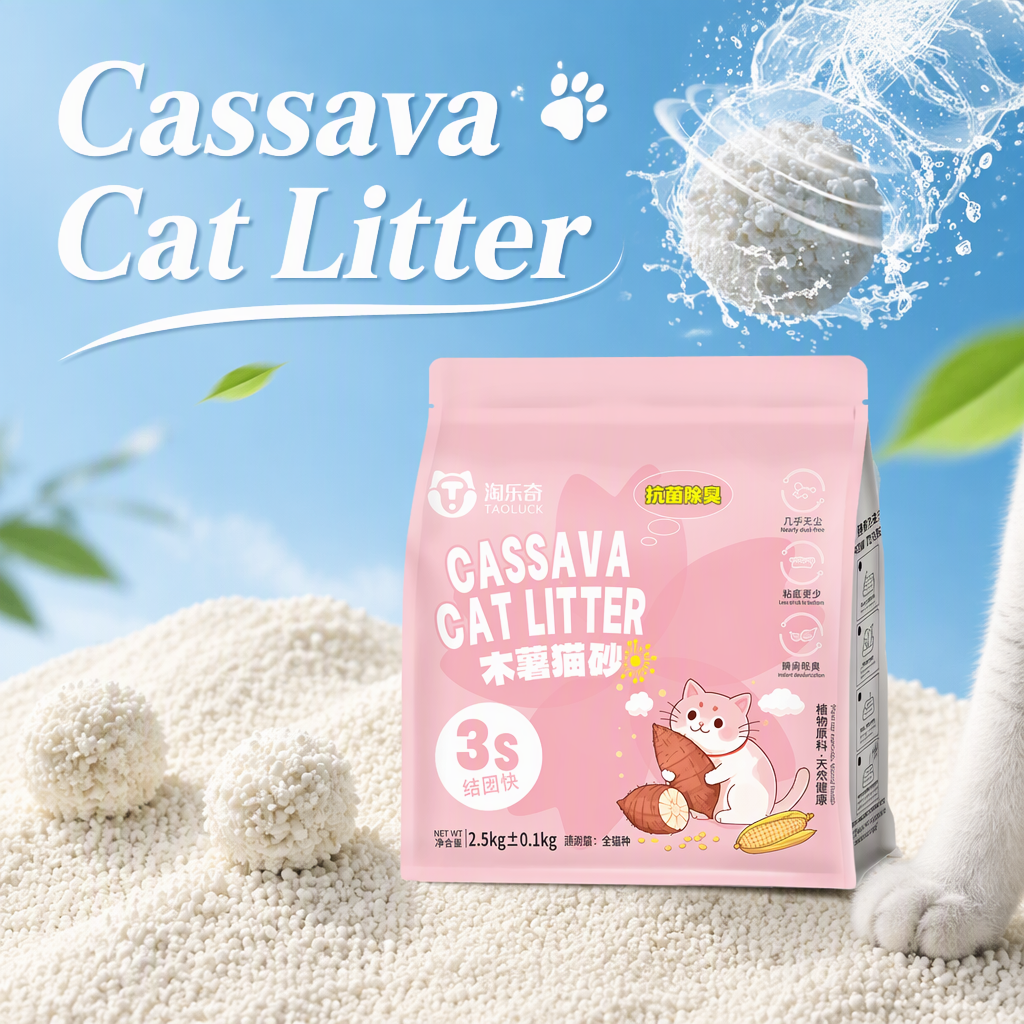
The companion animal care sector in East Flanders is undergoing an irreversible structural transition. In Ghent—historically recognized as Belgium's progressive vanguard for urban environmental policy, circular economy pilots, and ecological municipal governance—pet parents and retail procurement directors are systematically rejecting traditional mineral litters. For decades, sodium bentonite clay extracted via carbon-intensive open-pit strip mining and synthetic silica crystal litters dominated the Benelux market. Today, however, corporate carbon accountability, municipal landfill levies, and heightened consumer veterinary literacy have catalyzed exponential demand for plant-based, regenerative alternatives. Among these, tapioca starch (extracted from the tuberous roots of Manihot esculenta, commonly known as cassava) has emerged as the apex bio-polymer substrate.
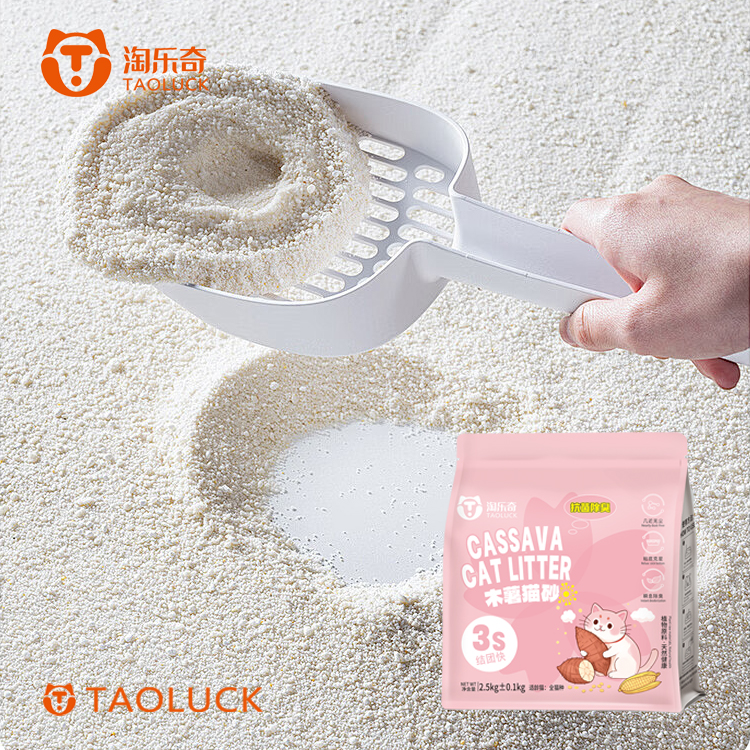
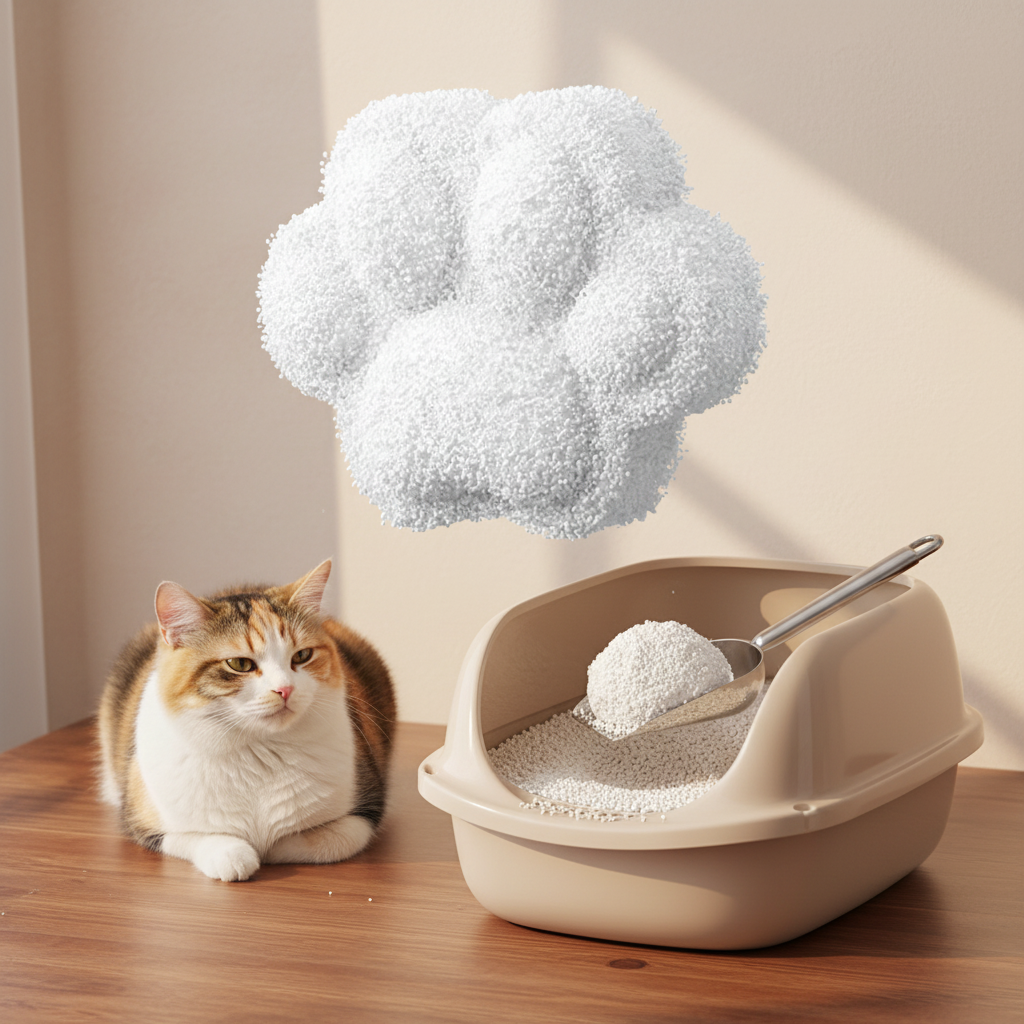
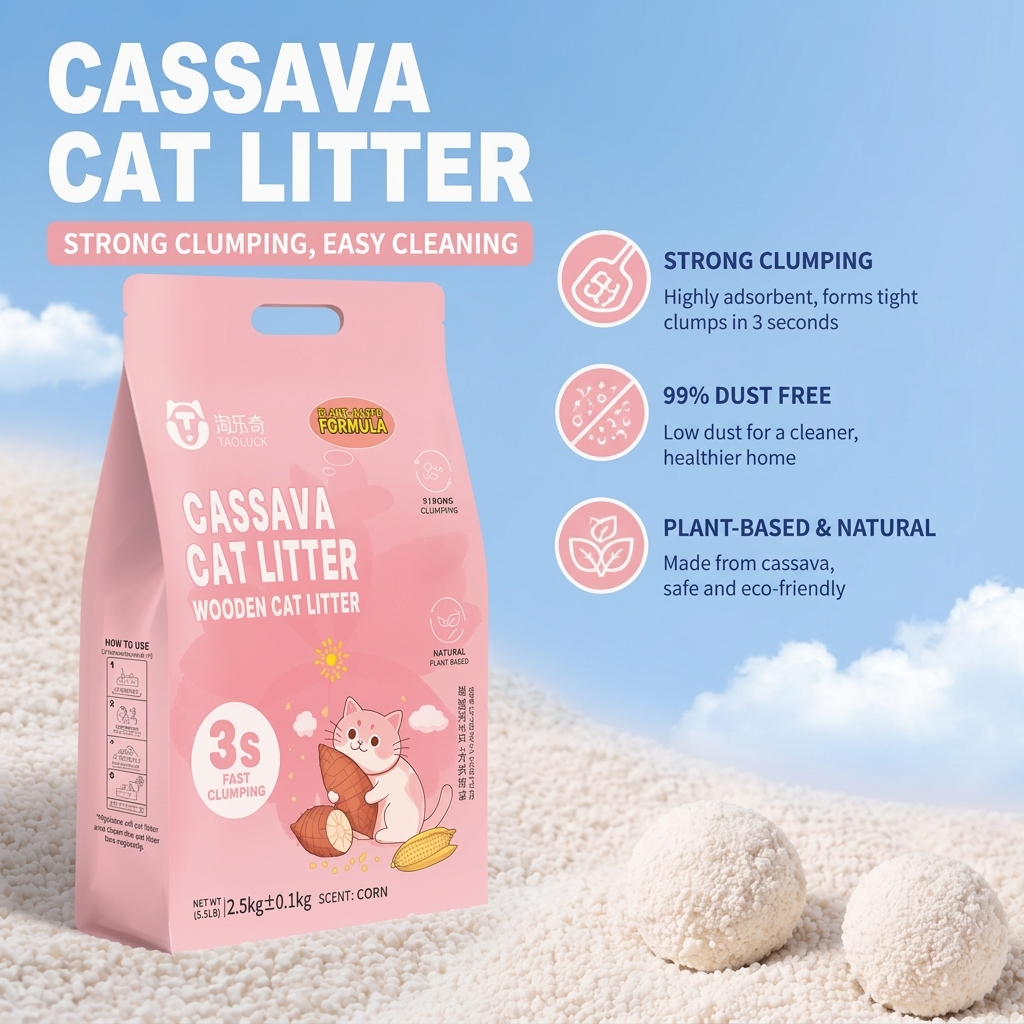
Executive Procurement Takeaway: Unlike softwood or agricultural byproduct pellets that rely on secondary chemical binders or artificial tackifiers to form agglomerations, refined tapioca starch possesses an innate, highly dense amylopectin macromolecular framework. When exposed to feline urine, it activates an immediate hydrogen-bonding gelation cascade. For Ghent wholesalers and specialty retail brands, this translates into zero chemical additives, sub-3-second clumping speeds, and superior mechanical durability during transport and retail handling.
Biophysical Architecture: Why Tapioca Starch Outperforms Mineral & Traditional Bio-Substrates
To understand the performance dominance of cassava cat litter in urban multi-cat environments, pet product engineers must analyze its molecular morphology. Native tapioca starch consists of approximately 80% to 83% amylopectin—a heavily branched D-glucose polymer—and 17% to 20% linear amylose. When feline urine (an aqueous solution carrying concentrated urea, electrolytes, and feline-specific felinine amino acids) contacts extruded tapioca granules, the branched amylopectin chains undergo rapid hydration and entropic intertangling, known biochemically as rapid retrogradation and gelatinization under room temperature.
This kinetic reaction encapsulates liquid droplets within an impenetrable outer polymer barrier before the urine can migrate to the bottom of the litter tray. In standard laboratory drop-tests using calibrated synthetic feline urine at 38°C, our extruded cassava micro-granules achieve structural cohesion in under 2.8 seconds, producing clumps with a shear failure threshold exceeding 18.5 Newtons. By contrast, bentonite clay relies on inter-layer swelling of montmorillonite platelets, a process that requires significantly more mass per unit of absorbed liquid and leaves sticky, cementitious residues along litter pan corners—a primary consumer frustration noted across Belgian pet forums.
Comparative Engineering Matrix: Substrate Performance in Flemish Urban Conditions
Importers, pet specialty store chains (such as Tom&Co franchisees and independent Ghent eco-boutiques), and e-commerce platforms must evaluate inventory based on rigorous laboratory benchmarks. The table below delineates the empirical differences between tapioca starch litter and alternative commercial substrates prevalent in Belgium.
| Evaluation Parameter | Brumel Tapioca Starch (Cassava) | Standard Sodium Bentonite | Recycled Softwood Pellets | Silica Gel (Synthetic) |
|---|---|---|---|---|
| Hydration Dynamic | ✔ 2.5 - 3.2s Rapid Gel | 8.0 - 15.0s Slow Swelling | Non-clumping (Disintegrates) | Absorption without clumping |
| Dust Generation (PM 2.5/10) | ✔ < 0.1% (Quad-screened) | 1.8% - 4.5% High Silicosis Risk | 0.8% - 1.5% Sawdust residue | 0.5% - 1.2% Fine silica dust |
| Bulk Density (kg/m³) | ✔ 480 - 520 kg/m³ | 850 - 950 kg/m³ (Extremely Heavy) | 380 - 450 kg/m³ | 420 - 480 kg/m³ |
| Flemish Waste Stream (IVAGO) | ✔ Residual Incineration / Bio-safe | Heavy Non-Combustible Residual | Residual / Home Composting | Non-Combustible Slag Formation |
| Ammonia Volatilization Control | ✔ Physical Gel Matrix Trap | Moderate / Requires Perfumes | Natural pinene masking | Chemical pore trapping |
| Raw Material Traceability | ✔ Annually Renewable Crop | Destructive Open-Pit Mining | Timber byproducts | Synthetic petrochemical synthesis |
Localized Applications Across Ghent & East Flanders
Urban architecture, environmental directives, and local lifestyle habits dictate pet care performance. Discover how tapioca starch answers Ghent-specific domestic requirements.
Historic Canal Townhouses & Compact Apartments
In densely populated central districts like Patershol, Sint-Amandsberg, and Gentbrugge, multi-story historic townhouses feature tight, winding wooden staircases. Carrying traditional 15kg bentonite bags up three flights is an exhausting chore for residents. Lightweight tapioca litter (providing 2.5x more absorption volume per kilogram) relieves tenant logistics while eliminating airborne clay dust that settles over classic parquet flooring.
IVAGO Municipal Waste Directives Alignment
Ghent’s waste management utility, IVAGO, enforces strict sorting parameters and volumetric bag fees. When mineral clay litter is incinerated in regional waste-to-energy facilities, it produces dense, non-combustible bottom ash that damages filtration plants. Tapioca starch is 100% plant-based organic matter: it incinerates cleanly with net-neutral calorific release and zero toxic residues, fully supporting municipal carbon abatement benchmarks.
Leie & Scheldt Maritime Air Moisture Resistance
Ghent’s humid temperate maritime climate (average relative humidity often exceeding 80% during autumn and winter) causes inferior plant litters or poorly processed corn pellets to absorb ambient moisture from the air, prematurely softening and fostering bacterial spoilage in the tray. Brumel’s tapioca granules undergo high-temperature thermal extrusion, maintaining structural integrity until exposed directly to targeted liquid flow.
Navigating Flemish VLAREMA Standards and North Sea Port Import Routes
Entering the Flemish pet accessories market requires absolute adherence to strict regional environmental governance. Under OVAM (Public Waste Agency of Flanders) oversight and the updated VLAREMA 8 (Flemish Regulation on the Sustainable Management of Material Resources and Waste) statutes, brands marketing pet care goods must demonstrate environmental circularity and avoid greenwashing claims.
1. Packaging Circularity & The EU PPWR Directive
In accordance with Belgium’s Fost Plus packaging ecosystem and the evolving European Union Packaging and Packaging Waste Regulation (PPWR), pet brand owners in Ghent cannot afford excessive, non-recyclable multi-laminate plastics. Brumel supports private label importers with monomaterial recyclable PE pouches, biodegradable Kraft paper outer bags with bio-coatings, and FSC-certified master cartons, ensuring full compliance with Belgian packaging levies.
2. Feline Respiratory Safety: The Shift Away from Crystalline Silica
Veterinary clinics in Flanders, including specialists trained at Ghent University's Faculty of Veterinary Medicine in Merelbeke, increasingly warn cat owners regarding the chronic risks of respirable crystalline silica (RCS) dust present in low-grade bentonite. Inhalation of sub-micron mineral dust exacerbates feline asthma and respiratory tract inflammation. Brumel implements a four-stage pneumatic vortex de-dusting system during manufacturing, achieving a 99.9% dust-free rating that satisfies the highest veterinary criteria.
3. Optimized Maritime Logistics: North Sea Port & Port of Antwerp-Bruges
Ghent enjoys unique geographical advantages via North Sea Port—the integrated cross-border port extending from Ghent in Belgium to Vlissingen and Terneuzen in the Netherlands. For bulk containerized shipments (20GP and 40HQ), Brumel coordinates seamless ocean freight routing directly from Qingdao Port to the Port of Antwerp-Bruges or North Sea Port Ghent terminals. By optimizing pallet density and container cubic volume, we decrease landed freight costs per unit by up to 18%, cushioning distributors against volatility in European intermodal transport.
Enterprise Strengths: Dongying Brumel Pet Products Co., Ltd.
Engineered for global brand owners, high-volume distributors, and e-commerce enterprises demanding audited reliability, certified safety, and agile private label customization.
SGS On-Site Verified Facility
Our operations have been rigorously assessed on-site by SGS Group. With 7,500 square meters of dedicated production space in Dongying, Shandong, we operate automated continuous granulation, drying, and vacuum packaging lines capable of scaling alongside your market growth.
Agile OEM/ODM From 400 Bags
Lower your inventory holding risk. We support new European brand launches with low minimum order quantities starting from just 400 standard retail bags. Benefit from custom bag sizing (5L, 6L, 10L, 20L), handle styles, and multilingual packaging artwork adaptation.
Precision Botanical Compounding
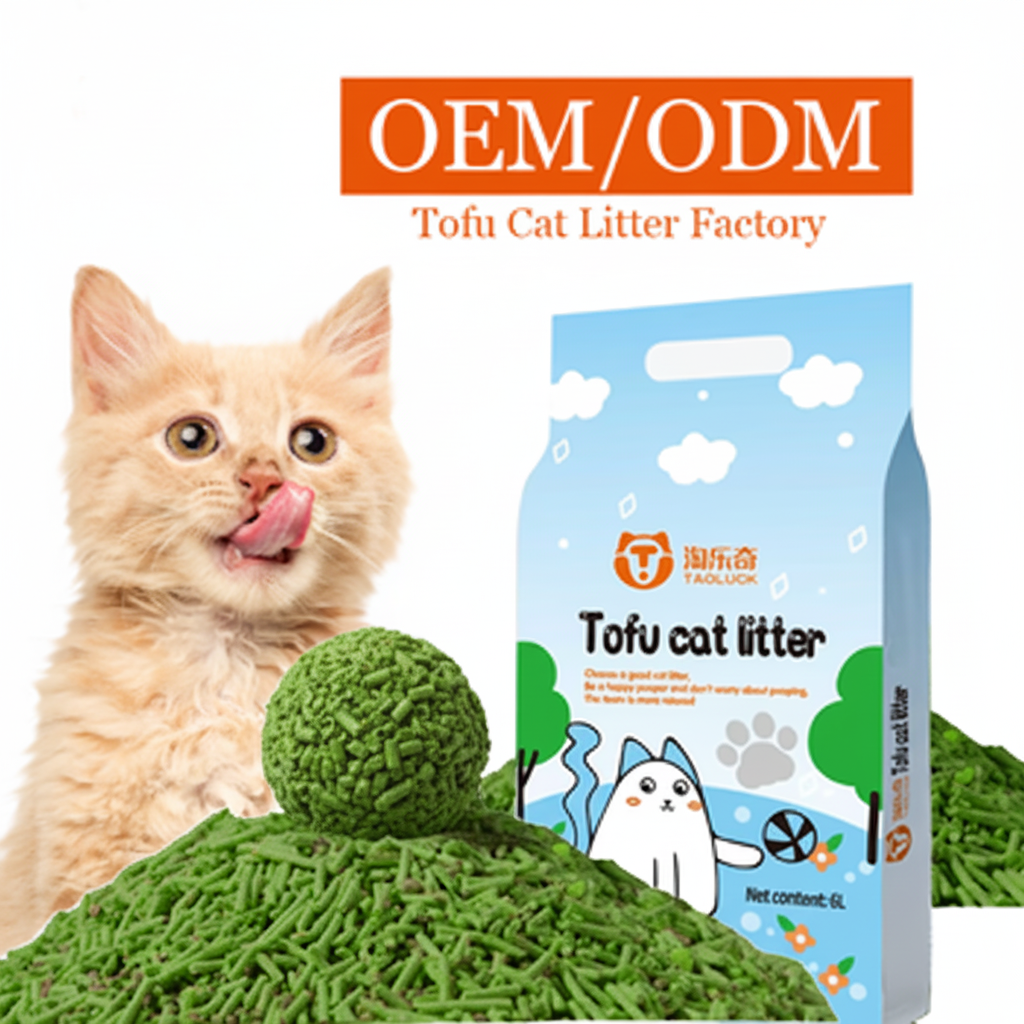
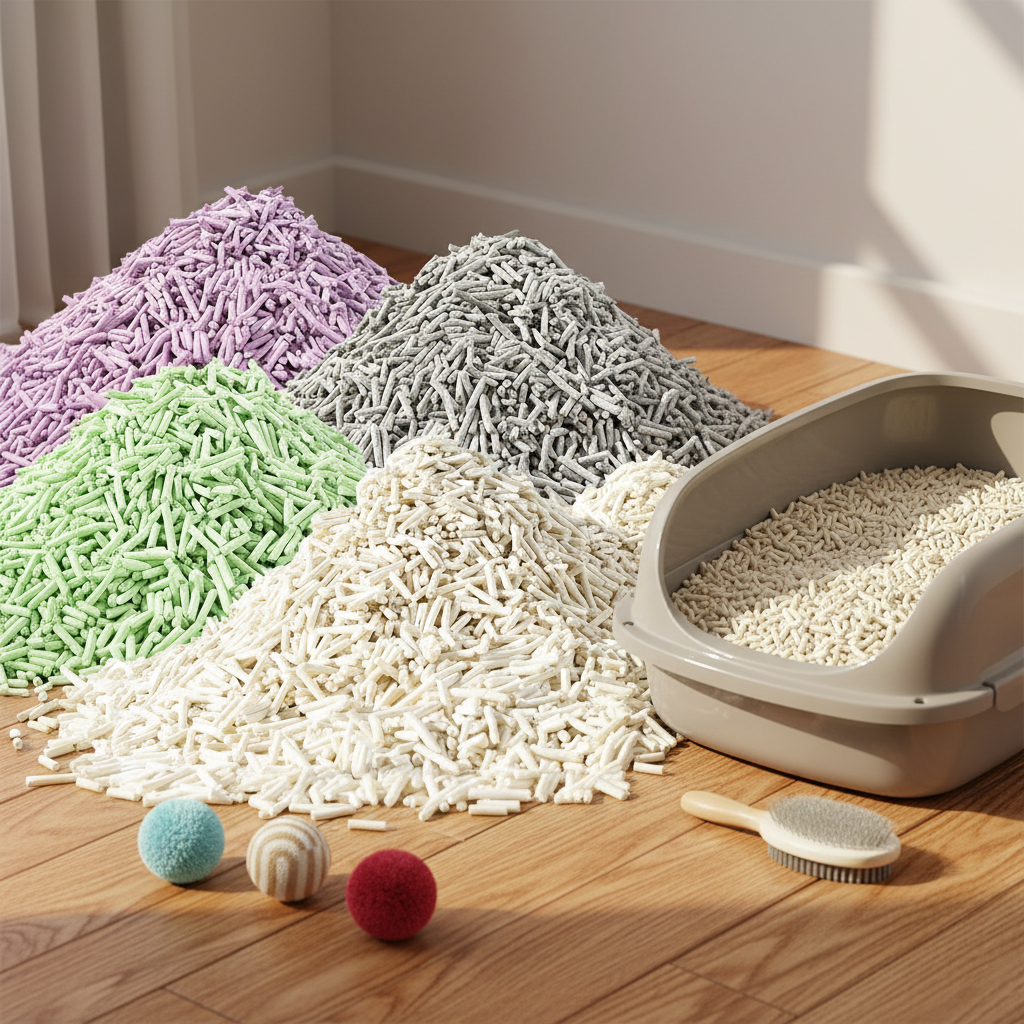
From pure 100% cassava starch micro-spheres to high-porosity corn-cassava blends and pea-fiber tofu hybrids, our formulation laboratory fine-tunes bulk density, clumping tensile strength, and natural plant-derived scents (unscented, green tea, lavender, active carbon).
Frequently Asked Sourcing Questions for Ghent Importers
Essential technical, commercial, and regulatory guidance for Belgian pet industry buyers.
Can tapioca starch cat litter be flushed down toilets in Ghent?
Technically, pure cassava starch dissolves rapidly when agitated in large volumes of water without creating blockages. However, under local Belgian water treatment directives, wastewater agencies advise against flushing any pet feces due to potential pathogen contamination (such as Toxoplasma gondii). We recommend marketing the product as 100% biodegradable and compostable for residential residual waste incineration, which perfectly matches IVAGO guidelines.
How does cassava cat litter prevent tracking in compact city flats?
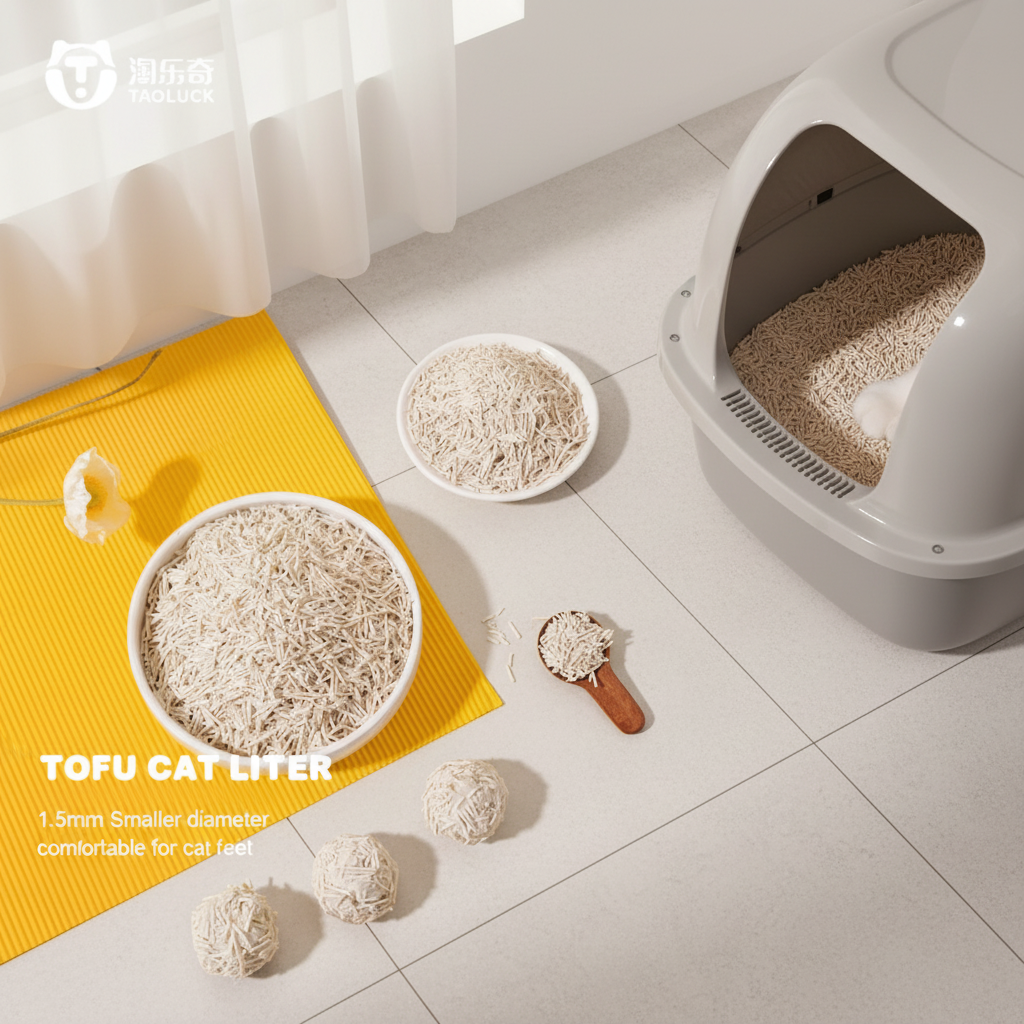
Traditional round clay pellets roll extensively across wooden or tiled floors. Our tapioca starch formulations utilize micro-crushed irregular granules (1.5mm to 2.5mm) or dense mini-pellets that do not embed within feline paw pads. Furthermore, because our litter contains zero synthetic dust, cats do not leave dusty white paw prints across carpets and living room furniture.
What is the typical shipping lead time from your factory to Ghent?
Standard OEM production lead time is 10 to 18 business days from final digital packaging artwork sign-off. Transit time for containerized vessels from Qingdao Port to the Port of Antwerp-Bruges or North Sea Port Ghent typically ranges between 32 and 38 ocean days. We provide comprehensive export documentation including bill of lading, commercial invoice, packing list, certificate of origin, and phytosanitary declarations.
How does tapioca starch suppress ammonia odor naturally?
Unlike clay substrates that mask foul smells using heavy chemical perfumes that irritate feline olfactory sensors, tapioca starch operates through high-affinity capillary absorption. Its tightly packed polysaccharide network locks feline urine within seconds, sealing ammonia vapors at the molecular level before atmospheric oxidation releases pungent odors.
Are product samples available for Belgian distributors before ordering?
Yes. We routinely express-ship comprehensive sample kits directly to Flemish buyers, including samples of pure cassava litter, corn-cassava blends, and custom-scented pea fiber tofu litters. You can evaluate absorbency, clump shear strength, and dust metrics in your own testing facilities prior to commercial commitment.
Can you assist with multilingual Flemish/French retail packaging?
Absolutely. Belgian consumer protection regulations mandate dual-language (Dutch/French) labeling for retail goods sold in Wallonia, Brussels, and bilingual distribution chains, alongside standard Dutch for Flanders. Our export packaging team works directly from your dielines to ensure full typographic, legal, and barcode compliance.
Ready to Scale Your Plant-Based Cat Litter Brand in Ghent?
Partner with an SGS on-site verified Chinese direct manufacturer. Access premium tapioca starch and tofu formulas, low MOQs from 400 bags, full private label branding, and reliable shipping into North Sea Port Ghent and Antwerp-Bruges.